
Every so often a story lands in my inbox that teaches the thing I spend whole workshops trying to explain — and does it better than I could. This one came from Schila Labitsch, my teaching assistant in the negotiation course I taught at the University of Michigan.
She spent one Saturday selling secondhand clothes at a flea market in Austria, and watched nearly every lesson from my course play out in real time — taught to her by a stranger who’d never seen the inside of a classroom. So this week, I’m handing the newsletter over to her.
— Attia
A Guest Essay by Schila Labitsch
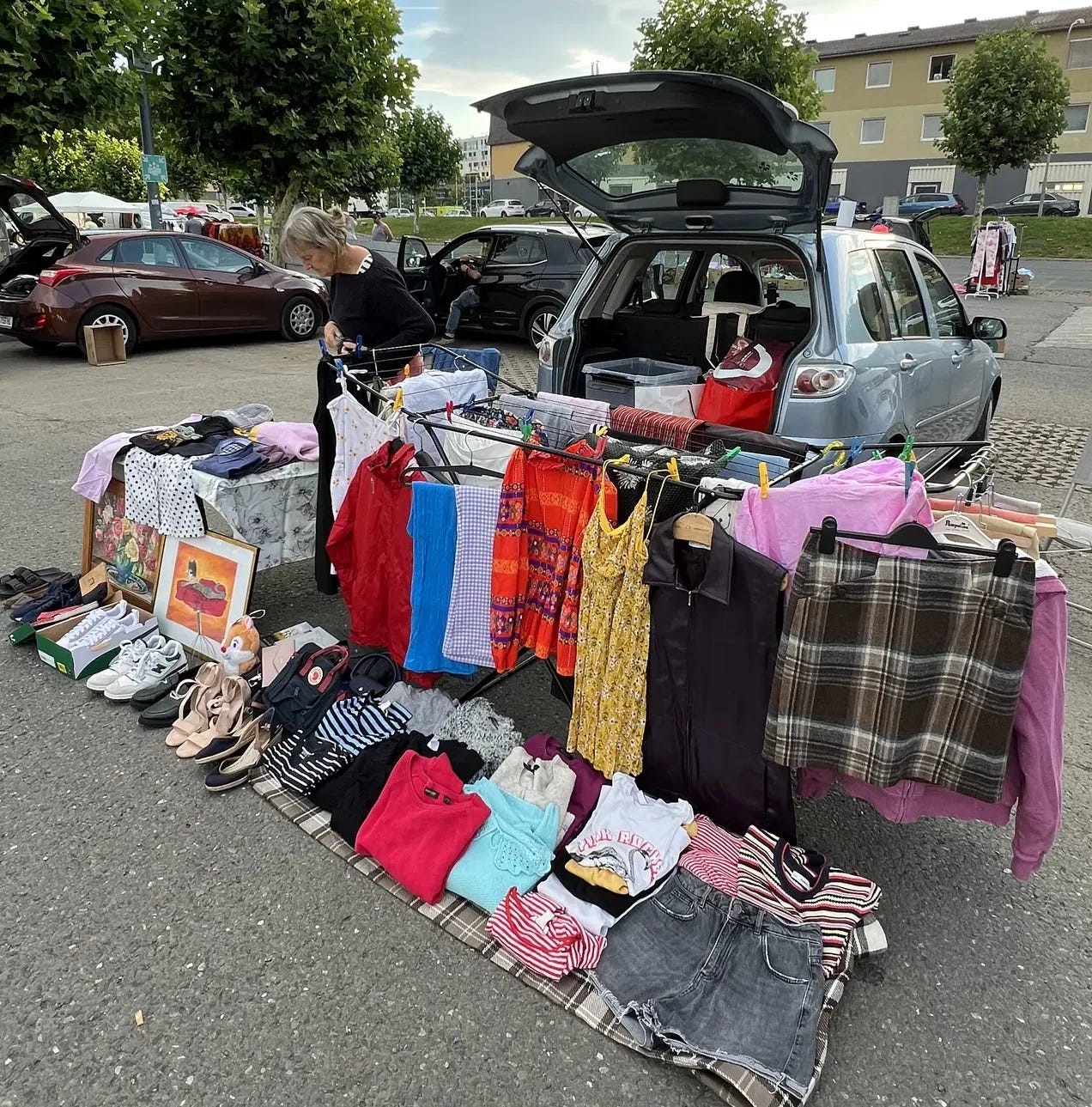
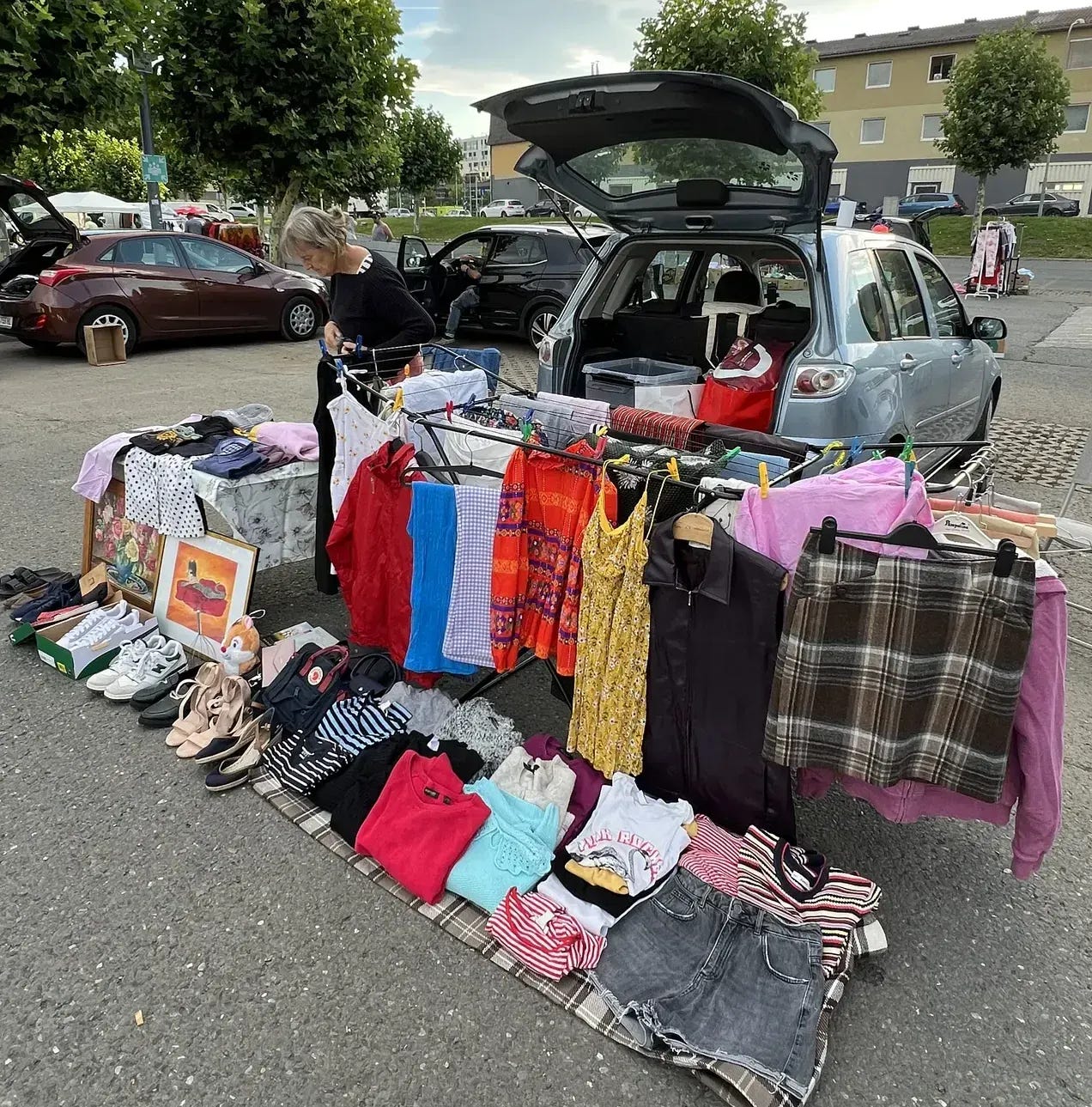
Last weekend I sold my old clothes at a flea market in
Austria. My mom and I had just unpacked the car — clothes on a rack, shoes lining a blanket on the ground. Thirty seconds in, the older lady at the stand next to ours sized me up and handed me my first piece of advice:
“Always name a price higher than what you actually want.”
She has never heard the word “anchoring.” She has never read a negotiation book. She has just run enough market stalls to know that the first number sets the frame.
Decades of Saturdays taught her what a semester of theory taught me.
Here is what actually worked that day.
Anchor high. Every time.
Every buyer countered lower. When I started at my true price, I lost money. When I anchored high, we met in the middle. No exceptions all day.
Set your walk-away price before anyone shows up.
This is the one Attia drilled into us: decide your walk-away point before you are in the heat of the negotiation. My mom and I priced every item in advance and refused to go below the line. When buyers pushed below that number, we said no. Saying no stung in the moment. But driving home with zero regrets — no “we sold that for too little” — felt better than any sale.
Deciding your reservation price in advance takes the emotion out of the exact moment when emotion runs highest.
Sell the story, not the object.
Whenever I told a buyer where a jacket had traveled with me, or why I once loved a pair of shoes, they were noticeably more likely to buy. Nobody wants a used sweater. They want its story. Meaning turned out to be the cheapest value I could add.
The biggest surprise? My mom.
She never mentioned anchoring or walk-away prices in her life. But by the afternoon she was anchoring high, holding her line, and telling better stories than I was.
Negotiation is not a boardroom skill. It is a life skill — and a parking lot full of secondhand sweaters tests it just as honestly as any deal table.
About the Guest Author: Schila Labitsch is a recent MPP graduate of the University of Michigan’s Ford School of Public Policy, where she focused on public affairs, geopolitical risk, and AI and labor markets.
Try it this week: Before your next negotiation of any kind — a salary, a quote, a decision at home — decide your walk-away point in advance and write it down. Notice how much easier it is to hold the line.
Where did you last negotiate outside of work? I bet it was more recent than you think.
Comments
Nothing yet. Say the first thing.
Sign in to join the conversation.