
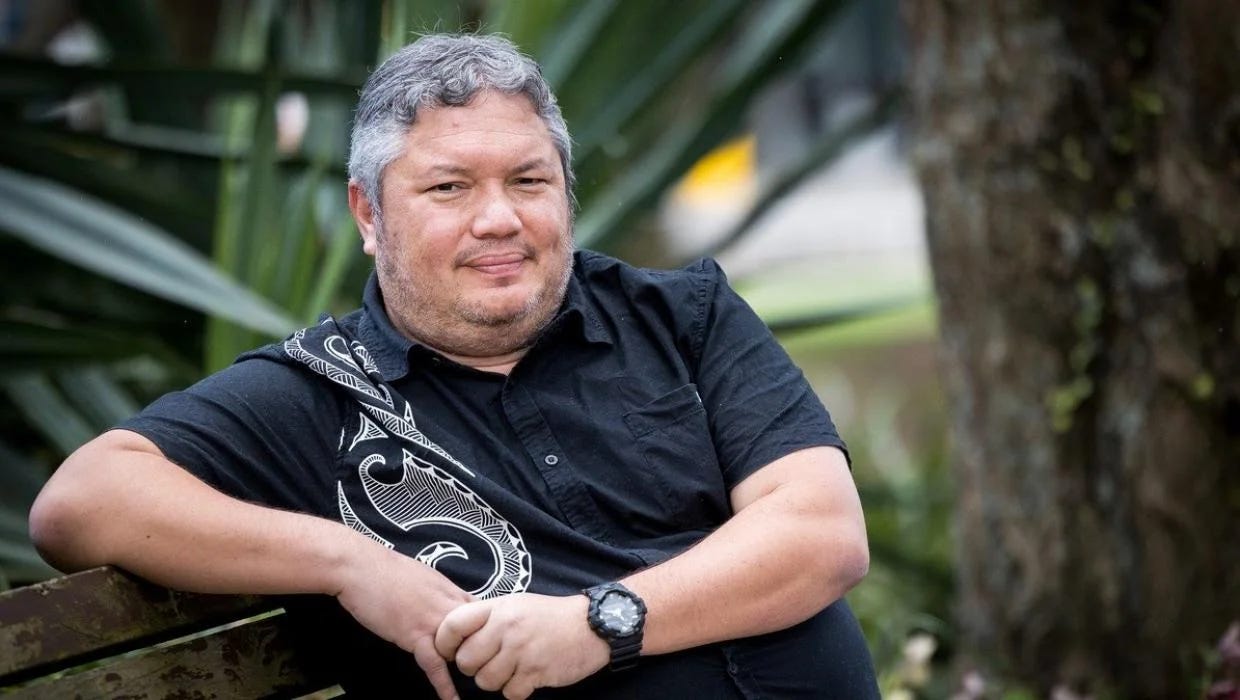
This article is about Armon Tamatea. You may have never heard of him, or the only place that you may have heard of him is through my writings, so here is his introduction:
Armon (Rongowhakāta; Te Aitanga-a-Māhaki) is a clinical psychologist who served as a clinician and senior research advisor for Ara Poutama Aotearoa/Dept of Corrections (New Zealand) before being appointed senior lecturer in psychology at the University of Waikato. He has worked extensively in the assessment and treatment of violent and sexual offenders, and contributed to the design and implementation of an experimental prison-based violence prevention programme for high-risk offenders diagnosed with psychopathy. He was also president of the Australian and New Zealand Association for the Treatment of Sexual Abuse (ANZATSA) from 2018-2021. Armon currently divides his professional time between research, teaching, supervision, and clinical practice in the criminal justice arena.
Nine years ago he did a Ted Talk about psychopathy, and why psychopaths are needed in the world, which is what we are going to go through. I find his work to be far more reasonable and balanced than most people that speak on the subject.
I will also be going through an interview that was given by Joseph Newman in coming weeks, and a much longer one by Kevin Dutton. There is also an interesting research paper by Joseph Newman looking at the PCL-R, which I have not read yet, but I have found Newman to be a much more reasonable man than many, so perhaps he will have a perspective on the PCL-R that will be more balanced than most.
Anyway, back to Dr. Tamatea. The video that I will be going over can be found here:
Psychopaths and three reasons why we need them
I will be using a transcript instead of transcribing because frankly, I don’t have that kind of time to listen and then type out. Let’s begin.
When someone sees the word psychopath, what does that mean to you? More importantly, who do you look at? There are a few glances going around the room as I said that, but don’t worry — this is not an invitation to out your husband or your boyfriend or your boss or your lawyer.
But I suppose if someone’s going to come out here with a talk entitled “Psychopaths and three reasons why we need them,” it’d be good to start off on a note of clarification. So let me give you three.
Firstly, I’m not here to endorse or condone or glorify antisocial behavior or emotional abuse. Too many people who have been identified as psychopathic have inflicted that kind of damage and trauma on families and communities as it is, without me encouraging more of that.
We are off to a strong start here. Not only does he separate psychopathy from antisocial behavior, and emotional abuse. He also makes it a point to say that people who have been identified as psychopaths have inflicted that kind of damage and trauma, but does not say by whom they have been identified. Frankly, if we are being honest, the third paragraph harkens back to the first, where he notes people looking around the room, and thinking about who they imagine in their lives are psychopathic.
How would they do so? They would draw on the myths surrounding psychopathy, and assume that psychopath means abuser, or harmful person. He not only states that he isn’t trying to run cover for people that do such things, but also acknowledging that this is how most people assume psychopaths to be. If I am correct in my prediction, he isn’t going to directly address people and say, “most of the people that do these things are not psychopathic, they are just like you.” Instead, I think that he will lay out psychopathy in a way that makes people just open their mind a bit to hold a different perspective that challenges their previous ones.
It likely won’t shift hearts and minds, but it does provide a little bit of a nudge that might bear fruit later on.
Secondly, what we come to know about so-called psychopaths — I hope you forgive my liberal use of that term today — has come from the criminal justice and forensic research areas. What we know less about are those individuals who don’t go on to commit crimes or go to court or go to jail. So we have a large, significant piece of the puzzle yet to be more fully explored and articulated.
Again, he places a bit of space here by using the term “so-called”. I use this when I want to challenge the narrative that is widely accepted regarding something despite evidence to the contrary. Here, and this may be my bias speaking, it seems he is nodding toward the rather oversimplified use of the word psychopath, especially when speaking about criminals. Psychopathy is over diagnosed in the prison system. I have spoken about the pipeline of how this happens, but will give a quick reminder of that below:
The amount of abnormal psychology training level upcoming psychologists receive if they aren’t moving into a specialty? It is one day.
Let me repeat, one day.
One.
Yet people like this feel that they have the authority and expertise to use a tool that the guy who “created” the tool says is not even close to being the proper training. So, what happens when this tool is used by people that have no business using it in a professional environment?
Many criminals receive psychiatric evaluations prior to trial.
Many clinicians are not actually trained to assess psychopathy but do so anyway.
Many people who are not psychopathic will be assessed as psychopathic. This is not a rare occurrence, and it happens with regularity. Which results in this cycle:
The person might now receive more time on their sentence due to being “diagnosed” as a psychopath.
This perpetuates the criminal archetype of psychopathy
It makes psychopathy appear more prevalent than it is.
It stalls research into actual psychopathy
It drives the myths of psychopathy
It reinforces the “usefulness” of the checklist, thus making it be used more often.
This starts the cycle over again.
Based on the complaints of Robert Hare regarding the misuse of the PCL-R, this is not a problem that is confined to the North American continent. He has stated that the number of people that simply are not paying any attention at all to the training that they are attending for the use of the PCL-R is staggering. He voiced specific frustration with this issue.
He also states that there is little information about psychopaths like me. Those of us that are just out in the world, doing our own thing, and have no interest in putting time into the institution or incarceration. Again, off to a good start.
And thirdly, the label “psychopath” — let’s be honest — has negative social consequences. I mean, I bet you’ll be less inclined to invite someone to your home or hire someone or even click on your dating profile if you knew that they were psychopathic.
This is especially true in the current day. The term empathy has practically earned a cult-like status, and is being exalted above all things in terms of defining a human being. It’s nonsense, and frankly rather weird to watch. Also, I have to mention, the people throwing the term around like it is something akin to holy, are the ones that have the least empathy on the planet. They have no ability of self-examination, and will project their lack of empathy onto others.
I could go on about this for a minute, so we will get back to the talk now.
I mean, when’s the last time you saw an ad out there along the lines of “desperately seeking tall, dark, handsome psychopath,” for instance?
I mean, not in so many words, but in action? Women are often attracted to the dangerous mate. They may not call them a psychopath, but they will use terms like “alpha male”, or other descriptors that basically come down to, dangerous, but will protect me.
Or “professional couple looking for flatmate: must be neat, tidy, and psychopathic”?
Well, if you want drama free living, and someone that has literally no interest in your life, a psychopath would be a good choice. However, the person that is going to reply to that ad will be the one that thinks that they are a psychopath, and leans into all the ridiculous myths surrounding it. You would get a replay back that says something like:
My name is Damian. I can be violent, but I keep it in check when around my friends, so you want to be my friend. I like blood, and wearing black. My eyes turn black when I get upset, so don’t make me angry if you don’t want to see that. Also, I’m nocturnal, and have a large collection of serial killer memorabilia. I wear a fedora, and a trench coat, even in the shower. And I really like swords. Also, I might be the Highlander.
Yeah, move in with that guy. I promise you… it should go… great.
Or “job opportunity in finances and accounts: experience and psychopathic traits preferred”?
I mean, they may not say it, but that’s who they hire or promote, so…
We don’t see these kinds of ads because they’re stigmatizing, right? They’re unhelpful, and they stop new thinking about people. They reinforce an easy narrative that allows us to easily marginalize a vulnerable group — albeit one that makes others vulnerable.
Nope, sorry Doc, I’m going to stop you there. I know right now that the current trend in the current world is to act as though every group of tangentially related individuals that might face scrutiny or some negative perceptions is considered “vulnerable”. To that, I say nope, and wrong. People need to get over themselves, and get with the program of existing in the world. Psychopaths do not need anyone running cover for us. We are not seeking to be part of the virtue signaling outrage mobs focus. No one should be. Figure your sh*t out, and stop expecting the world to cater to you. Psychopaths? Yeah, none of that.
Let me be clear. If you are neurotypical, I can see people make the argument that psychopaths are this marginalized group of blah blah blah blah, that I just cannot be bothered to listen to. People hate us, it’s socially acceptable to do so. It is normal to say things like we are evil, that we are demonic, we should be exterminated, we should be sterilized, and all the other pieces of evidence that makes it very clear that emotional empathy is an adorable idea that has no actual bearing on the real world, but that does not change the fact that we are fine without any sort of handholding BS. Keep that nonsense to yourself.
Psychopaths are not victims. We know the assumptions about us, so we shift how we are perceived. Then all that murderous intent can be kept focused on other neurotypicals, while y’all blame us for the vile deeds that you enact on one another. We figured out our way, and it’s working out pretty well for us. His last statement, that psychopaths “one that makes others vulnerable”?
Who do you think we learned everything we know about manipulation from? Neurotypicals.
If psychopaths make other people vulnerable, it is far less so than what you guys do to one another.
We, and I can say this with clarity for all psychopathy kind, do not want your pity. We see no value in it. It does nothing for us. It isn’t interesting to us. It isn’t welcome. It is not only unnecessary, but it makes you appear weak to us.
So is this social rejection completely warranted? When people think about psychopaths, these are common images that can come to mind. These are famous movie villains, and they do fascinate us, don’t they? Because they force us to engage with them on a moral level. They behave outside the laws of society. They act in ways that perhaps are forbidden to you and I. And at least for a period of time, they’re kind of successful in doing so.
Unless they’re stupid, it isn’t a “period of time”. It’s simply how we live. Also, a lot of what he lists in this paragraph is what earns us the ire of others. We live the way they wish they could. They can’t, they get angry, so it’s our fault they have internal emotional directives that dictate what they can and cannot do. Yeah, it makes no sense to me either.
Here are a couple of real-life examples. This is Ted Bundy, who was a well-mannered law student, an aspiring politician, but he also embarked on a cross-country project of murdering young women throughout the United States in the 1970s.
Bundy wasn’t a psychopath. Come on Dr. Tamatea. You should know better than that. Bundy was a malignant narcissist, not remotely psychopathic. I have an article addressing him, and a couple of other famous serial killers that people love to deem “psychopaths”, because in their minds, psychopathy and serial killers are boon companions, and while I cannot make the claim that no psychopath is ever a serial killer, I can say that most serial killers are neurotypical, and a lot of them had really f*cked up relationships with their mothers, so pay attention ladies. You may be the serial killer pipeline that people have been trying to identify for decades now.
Here is the serial killer article, for anyone interested:
But he kind of challenged the crazed murderer stereotype of the psychopath, not least because he was handsome, he was intelligent, he was articulate, and he was well educated. Even at his trial, his judge had commended him on his ability to handle himself in his own defense before he received a death sentence.
All right, to start with, I have no idea where anyone got the idea that Bundy was a good looking dude. He was fine. He wasn’t ugly, he wasn’t great looking. He was just a dude. He wouldn’t get a second glance from about ninety percent of the women that are now fawning over his gorgeous facade. The only reason that he has garnered this nonsense reputation is because he looked better than most serial killers in the seventies.
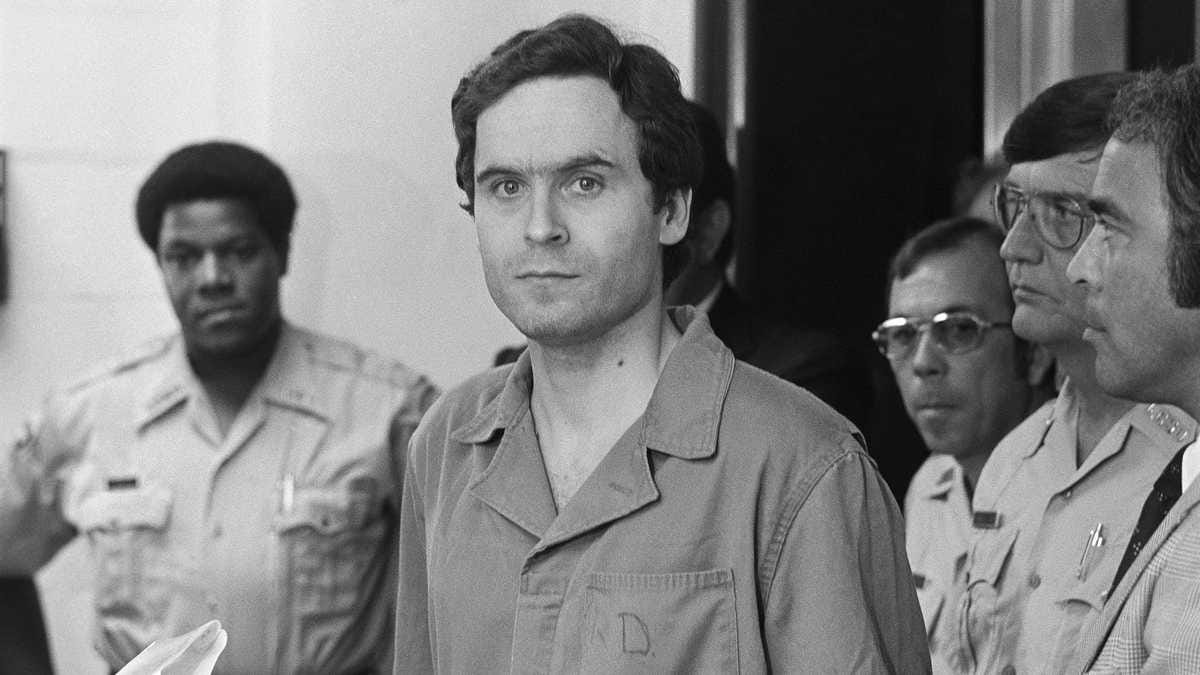
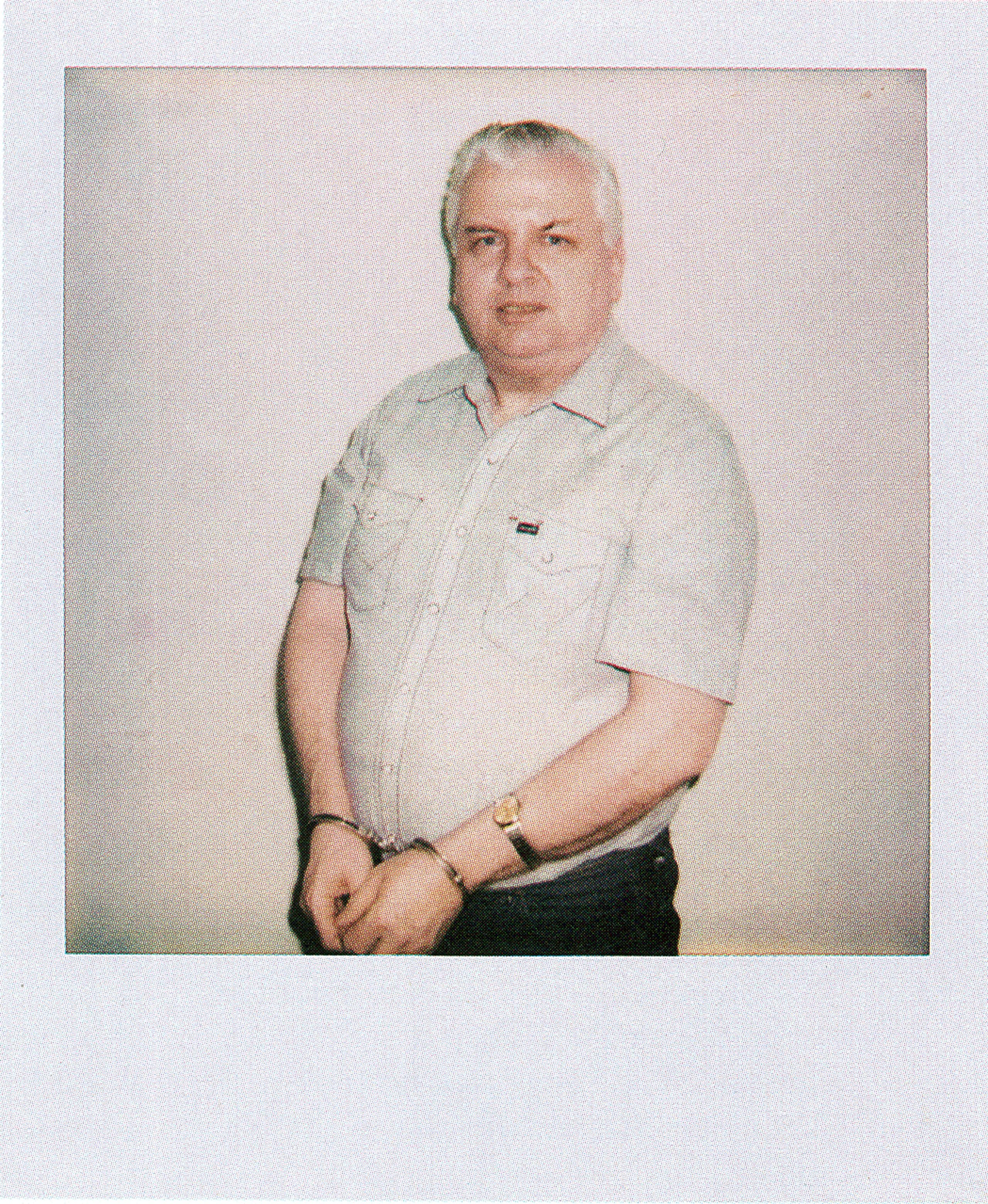
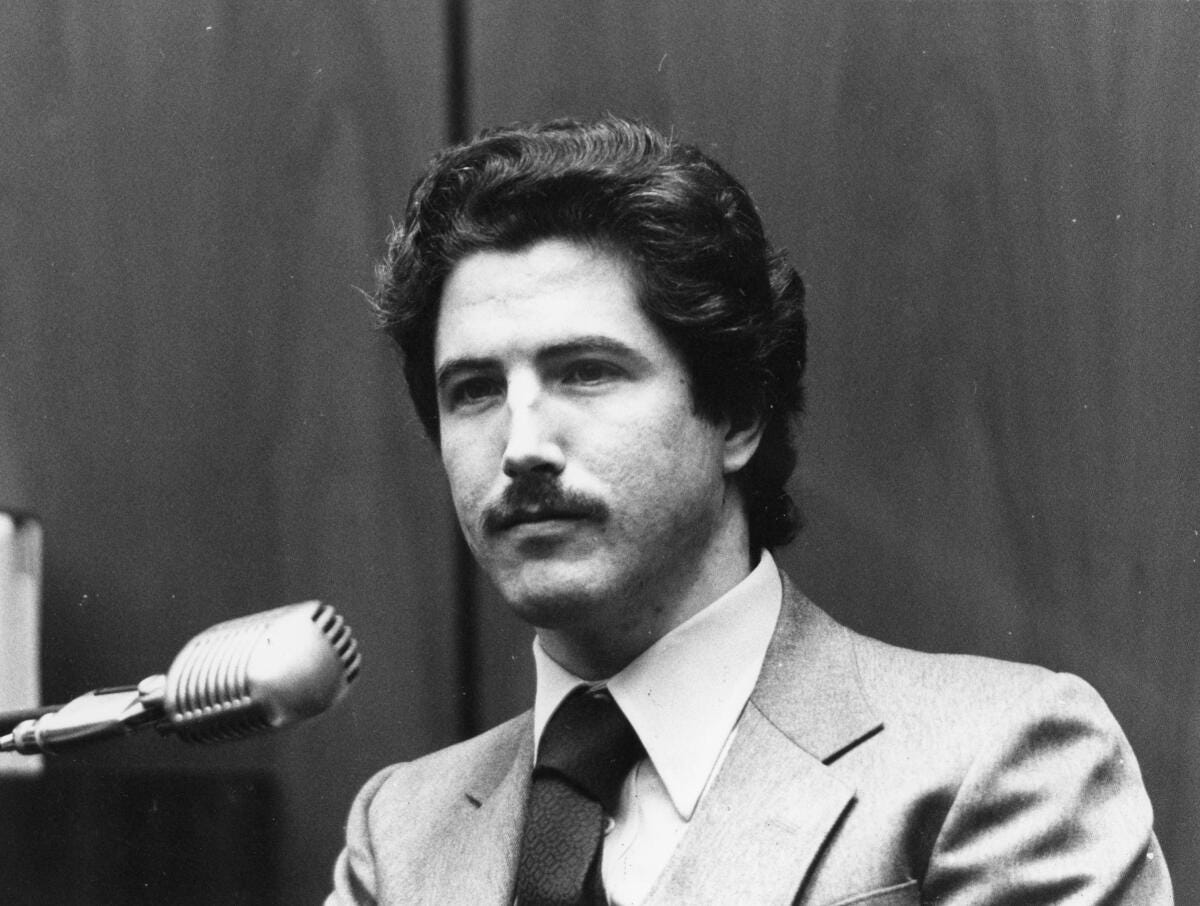
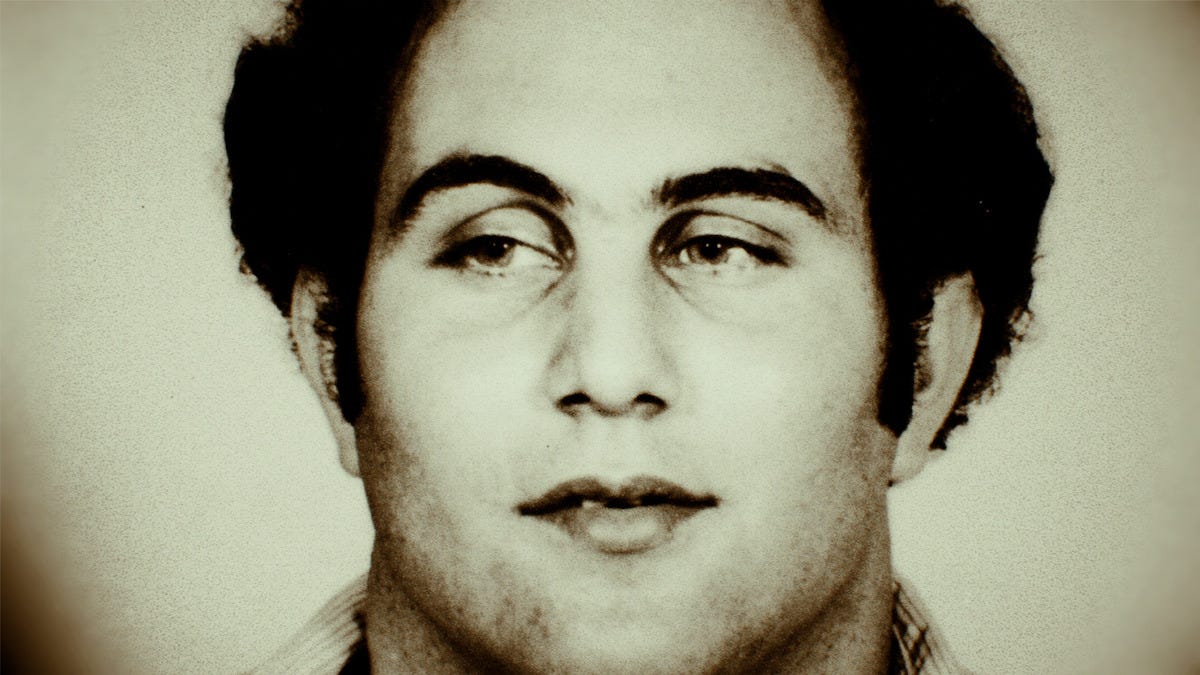
Out of that list, all of these dudes were active around the same time, that Kenneth Bianchi was better looking than Bundy, and I don’t find him all that good looking either. Frankly, that narrative is old. Serial killer does not equal psychopath, nor vice versa. Someone like Dr. Tamatea should know better, and do better.
In the ’80s, close to home, is this gentleman: Mark “Chopper” Read, well known amongst the Australian criminal community as a standover man who famously commented that he never hurt an innocent member of the public, but he certainly had a field day with other criminals. He conducted a campaign of fear and violence which went for many years and involved beatings, stabbing, shootings, pistol whipping, toe cutting. He even kidnapped the judge. He even voluntarily, may I add, had his own ears cut off so he could be moved to a safer part of the prison.
I had never heard of this dude, so I looked him up. He was committed to mental hospitals at ages, fifteen, nineteen, and twenty-three. He was also extensively abused as a child. He was bullied, physically abused, sexually abused, and lived in children’s homes. He was never diagnosed as psychopathic, and in fact, he was never diagnosed with anything, but his history, and absent a brain scan to demonstrate anything related to psychopathy, he sounds much more like a sociopath, not a psychopath.
Also, he had something like sixty treatments of Electroconvulsive Therapy (ECT). I don’t imagine that this is going to do anything for a clear diagnosis. It would just muddy the waters. Again, not a good example. Dr. Tamatea seems to be falling into his own examples of flawed thinking.
So yes, there were actually more hazardous people than him in Australia, but we kind of knew that, didn’t we? But amongst all of this, he had a couple of films made about him, he released an award-winning song, and he even published a series of books about his life, amongst other things. And they had great titles like Hits and Memories or How to Shoot Friends and Influence People. And amongst this body of work, what was revealed — really, apart from a dark sense of humor and a keen wit — were some really rare and rich insights into how he had negotiated and survived and even thrived in a very hostile and dangerous social context. Things he went through so we didn’t have to. And you can make your own mind up about this one.
Okay… and? Even if this dude were a psychopath, which he likely wasn’t based on the evidence, or rather, more clearly stated, there is too much information that would interfere with any sort of diagnosis of any kind, let alone one for psychopathy, what would any of that paragraph have to do with anything. So what?
He wrote a book, wrote a song, and people made movies about him. All right… is this supposed to make him more relatable? If anything, I would imagine that this would make him less relatable because most people do not write their own autobiographies, write award winning songs, and have movies based on their lives. It certainly doesn’t humanize him, in my opinion.
But let’s cut to the chase: what is psychopathy? Well, unlike other concepts in mental health such as depression or schizophrenia, psychopathy is still something of a contested concept. I’d even go so far as to say that it’s a promiscuous concept. It’s a sexy idea that gets around and is prone to abuse and misunderstanding, much like resilience or poverty or maybe democracy. But psychologists and psychiatrists have essentially cornered the market on how psychopathy is defined and, by extension, how it ought to be dealt with.
Says the man that literally just did the same thing. You tried to make psychopathy sexy or interesting by relating it to two criminals, one of which is definitely not psychopathic, and the other that could never be diagnosed as one, and has too much in their history that would indicate that childhood abuse and trauma was responsible for his actions in later life, not psychopathy.
It is through their crimes that you are roping in people’s interest in your chat about psychopathy, instead of opening with directly addressing that psychopathy and criminality aren’t related. That serial killers aren’t psychopaths, and psychopaths aren’t serial killers. That serial killers are their own category, and have their own host of problems, but that most people who are serial killers have childhood histories that predict that this outcome might be in the works. So, how is this any different? So far, I would say that it isn’t.
Comments
Nothing yet. Say the first thing.
Sign in to join the conversation.