Why can’t technologists and economists agree on AI?
Even when incentivized to find common ground, the two remain far apart. Perhaps it’s not because of beliefs about AI, but about starting beliefs.

Clear writing and clear thinking about the worlds shaping the Bay Area. New pieces on Wednesdays.
Live Last read · last published · next check
Even when incentivized to find common ground, the two remain far apart. Perhaps it’s not because of beliefs about AI, but about starting beliefs.
How do we model the future of work? It takes a village.
And why we like the things we do.
A glimpse inside the boring-by-design U.S. fact-checking machine.
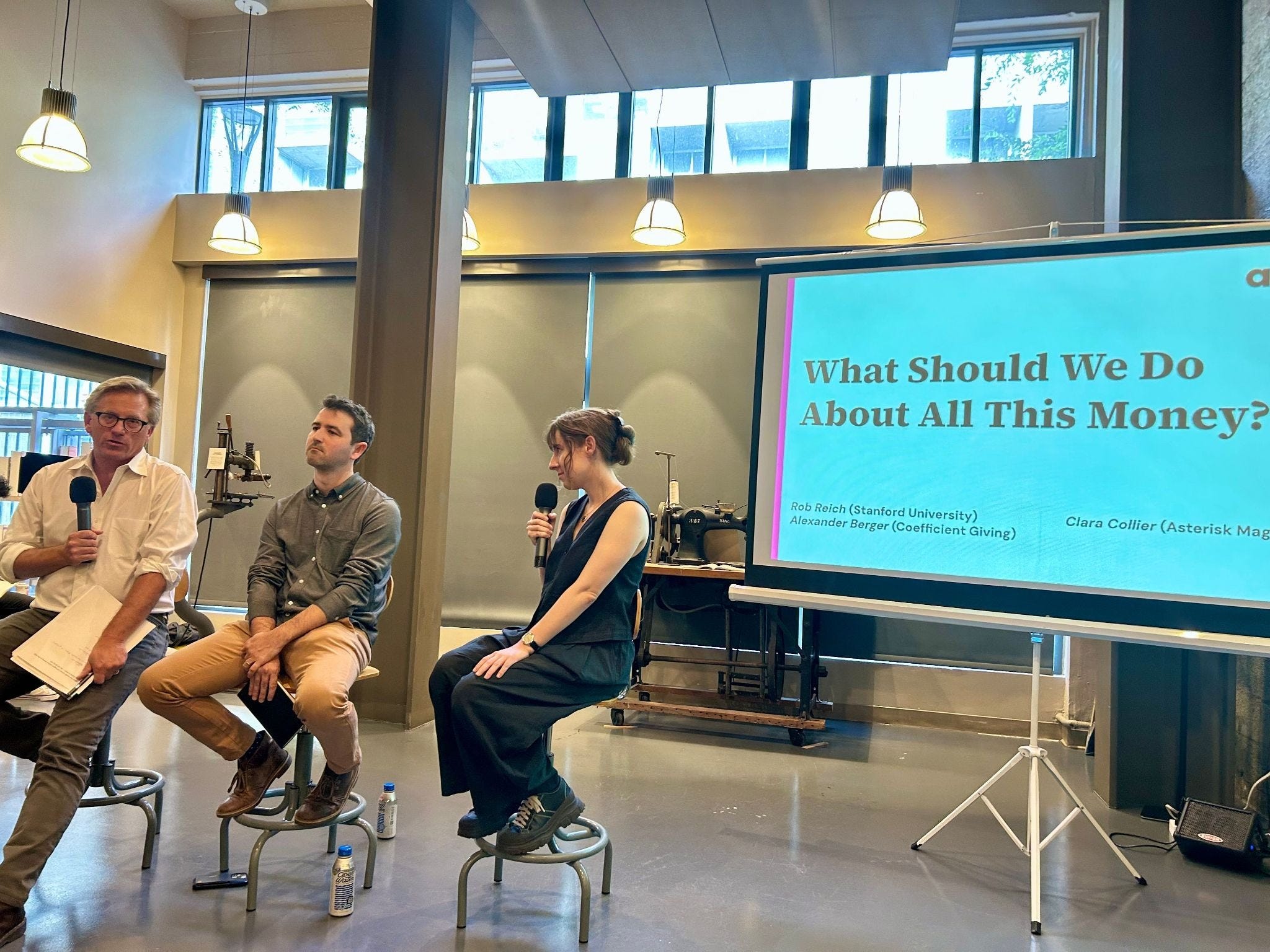
A conversation between two veterans of philanthropy in the Bay Area.
Most countries will never have frontier AI. They’re the ones who should worry.
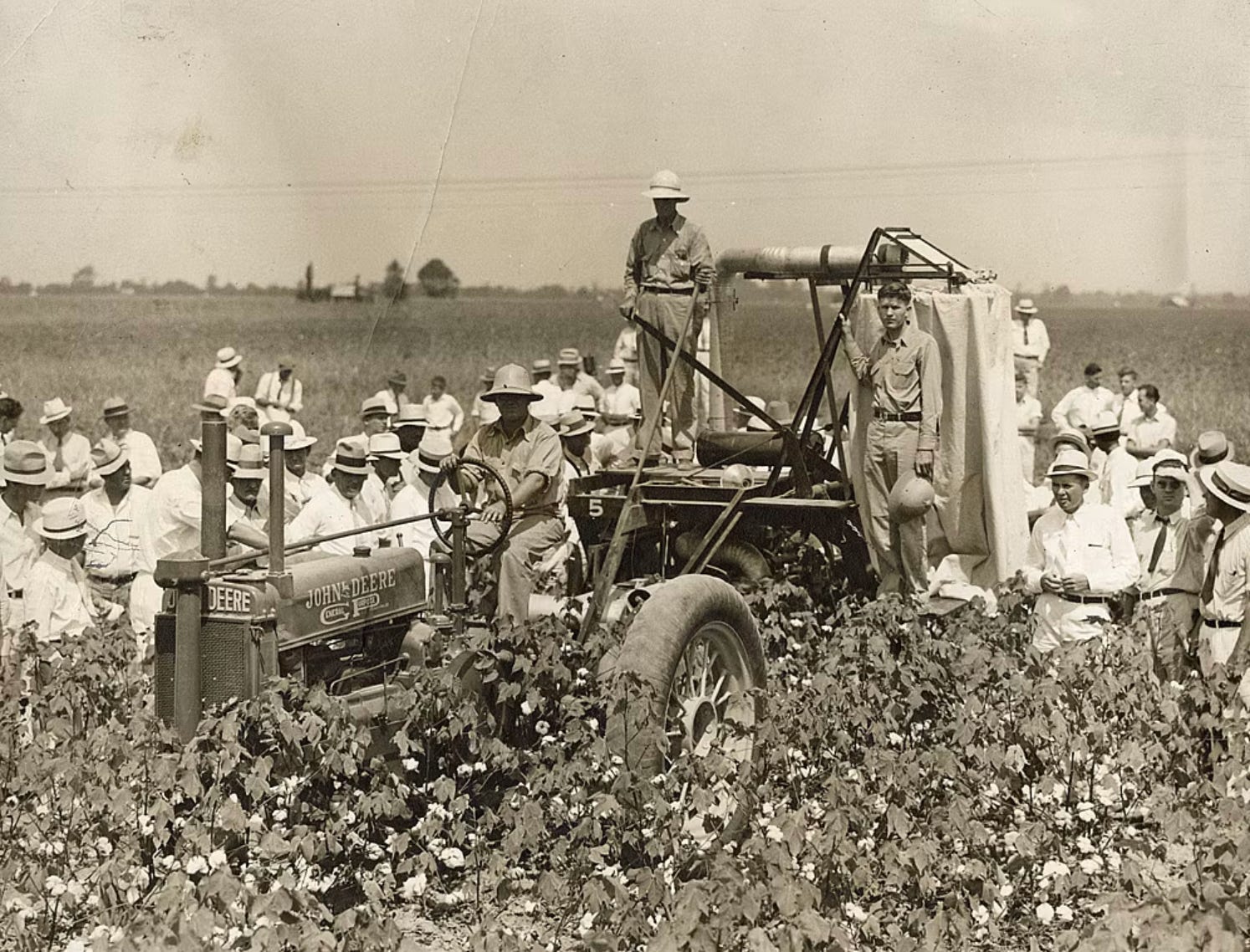
Revisiting the forgotten inventors of the cotton picker.
An interview with Julianne Weis, formerly of USAID and Aid on the Hill.
Do women seek STEM jobs mostly because they "have" to? A viral study and popular talking point rests on shaky methodology.
An interview with PEPFAR's former chief science officer.
Everyone knows RCTs are the gold standard of evidence...right?
The doomers are all right.
The development community treats war as inevitable. We’re learning how to pay to prevent it.
Usually, we like to back up our claims with numbers, but right now, we’re in a more reflective mood.
She thinks it's nearly imminent. He doesn't.
Clara Collier interviews Elizabeth Van Nostrand.
For health hackers, not experimenting is the bigger risk.
What global markets have in common with necromancers.
The enthusiasm seems real. But for a population that lived through the mass layoffs of the 1990s, optimism and fear can look identical from the outside.
Differences do exist, but they are not evidence of diverging long-term goals.
The editors of The New Critic report on their generation’s Risk-geist.
The conditions under which AI policy will operate over the next decades are unlikely to match those in which it was introduced.