
I’m writing this piece, the 20th one for my blog “I Live Here Now,” on the 4th of July 2026, America’s 250th birthday. My target is 100 stories, so I am a fifth of the way there; I’m 80 stories away from being able to “separate the signal from the noise” as my techie friends here in Silicon Valley keep saying. Today, though, I know not where I am going with this project, except that the road to whereverville is scenic.
While it’s too soon to reflect, I’m granting myself a moment here, if only to report that so far, I’ve spoken to immigrants from 8 countries: India, Pakistan, Oman, Armenia, Taiwan, Germany, Hungary, and Ghana.
This article is based on an interview with Tamara, who moved to America from Zagreb, the capital of Croatia around 15 years ago, at the age of 26. She lives in Waukee, Iowa; I’m a West Coast snob and I couldn’t hold my tongue before the words “of all places?” came tumbling out, but she was a sport about it. We spoke over a video call, which began with my least favorite Americanism, “Oh my God I’m so excited to be speaking to you!” (I said it first… okay, only I said it) and we laughed about the way this social script, that demands we express overexcited giddiness over all things great and small, is going to short circuit our brains. I know Yuval Noah Harari, author of Sapiens, agrees with me.
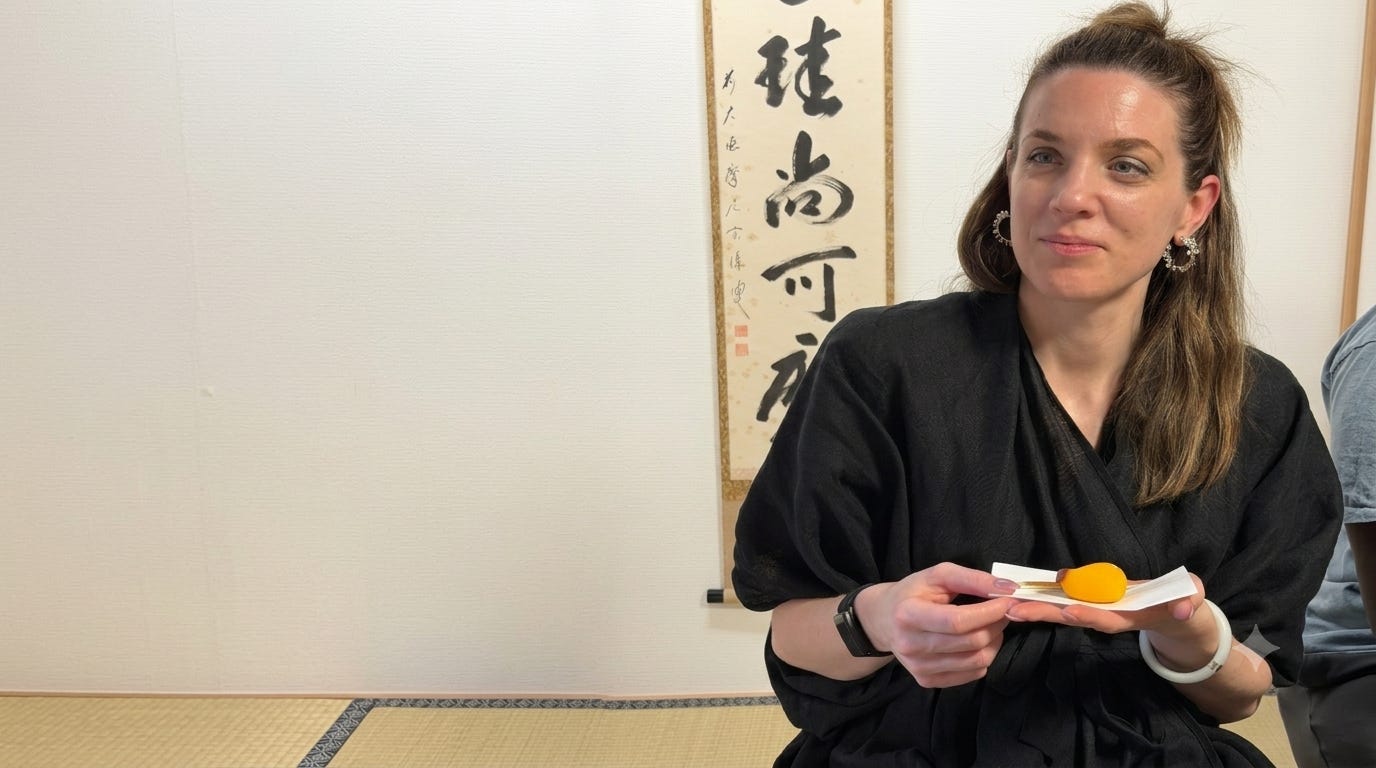
Tamara’s experience of moving from Croatia to America has all the elements of the quintessential immigrant story — from struggling to find work despite being highly qualified (she came with a master’s degree in fashion and textile, then pivoted to becoming a teacher after working a slew of ‘immigrant jobs’1), to being asked to replace the squid in her son’s lunchbox with a more ‘American lunch,’ to learning the hard way why American therapists tend to ‘red flag’ behavior patterns that are smack in the middle of the bell curve in Eastern Europe, she has overcome many challenges.
The beating heart of her story as I heard it is the way she has sublimated her frustration with the cultural differences between her former and current homes; Tamara went from being an immigrant in (culture) shock to a ‘cross-cultural coach’ who guides people as they prepare to move between countries and cultures. Her truth bomb-esque videos on cultural differences have made her a popular voice in this space. That’s how I discovered her and asked her for an interview, through which I discovered that she’s fun, funny and frank.
America was not on her radar. In fact she is the type of immigrant who started out with an “anywhere but America” view, ended up coming here by chance, and stayed. I might’ve been more skeptical of this, were I not the exact same type myself.
Though places like London or Italy (Croatia’s neighbor on the west, one sea away), or New York within the US, would’ve been more aligned to her aspirations in fashion, Tamara ended up in the American midwest after she met and married a local (the relationship ended around 10 years later; the gentleman she’s married to now is Chinese from Malaysia).

I asked her about her first impressions of America all those years ago. She recalls landing in Chicago first, where walking through the city “felt like being in a Hollywood movie.”
“That was my first impression but that was just like a visitor’s impression, it was more like I’m here on a vacation… when I actually moved here and started living here things started changing…”
The first hurdle was professional. Despite getting her Croatian degrees accredited (stamped to say they’re of equal value as an American degree), she didn’t find the right kind of work. “I got so mad, I went back to college… just to get a foot in the door somewhere.” After completing a bachelor’s degree in education, she started working as an art teacher at a high school. “This is where I started learning the most about American culture,” an experience that helped her work her way through her second hurdle, which was social.
On the job, she was trained to deal with students from diverse cultural backgrounds, each with varying levels of English proficiency. “I had like 20 different cultures in the same classroom and had to figure out how each person communicates… I had to learn how to get kids from China to speak up and American kids to speak down, for example.” (When she started this work, she was a new mother and we did speak about America’s brutal policy around maternity leave, which stands in sharp contrast to the laws in Europe.)
Next we spoke about her socio-cultural challenges. The biggest one was communication. For one, in her early days here, she spoke English with a thick accent. Also, because Croatian is a Slavic language, people would assume she’s Russian. “Americans don’t know that there are like 14 countries2 under (the Slavic umbrella) so I was really surprised by the discrimination, by people having preconceived ideas …” This reminded me of ‘the illusion of outgroup homogeneity’ I studied about in psychology class exactly 20 years ago, the ‘they-all-sound/look-the-same-to-me’ bias we all take turns being guilty of.
Cultural differences in communication style was the second issue. “We (Croatia) are very direct as culture, we will just tell you what we think, whatever is in our heart, it comes out. People would tell me I’m too direct, that I’m rude, or that I need to control this or that… I was taken aback by that.”
(She spoke about the American ‘sandwich’ method of communicating, in which the main point, especially when it’s unfavorable, is sugar coated from both sides, in a praise-criticism-praise or good news-bad news-good news format, if you will.)
“I tried to be myself, it didn’t work because there’s no way you can survive in this culture being yourself… I was so aware that I have to abide by their (American) cultural rules and expectations.”
She then tried to cope by imitating the locals, but that made her feel inauthentic over the years. “I went through a period where I kind of lost myself, I didn’t know who I was anymore…”
Thanks in large part to her job as an educator, she finally found a balance between the two styles. “You’re direct but you fluff it up a little bit by using American language, so you’re culturally appreciating where you’re at and using their cultural references to soften what you’re trying to say, but you’re not making yourself blend in to the point where you don’t recognize yourself. So that’s the trick of all immigrants.”
So basically you assimilated?
“I don’t like the word assimilation. I like adaptation. Assimilation means losing yourself, adaptation means I’m consistent with myself but I’m accepting your culture and playing by the rules of your culture…”
Today, she’s an American citizen, yet her use of words like ‘we’ and ‘their’ is very telling, and touching.
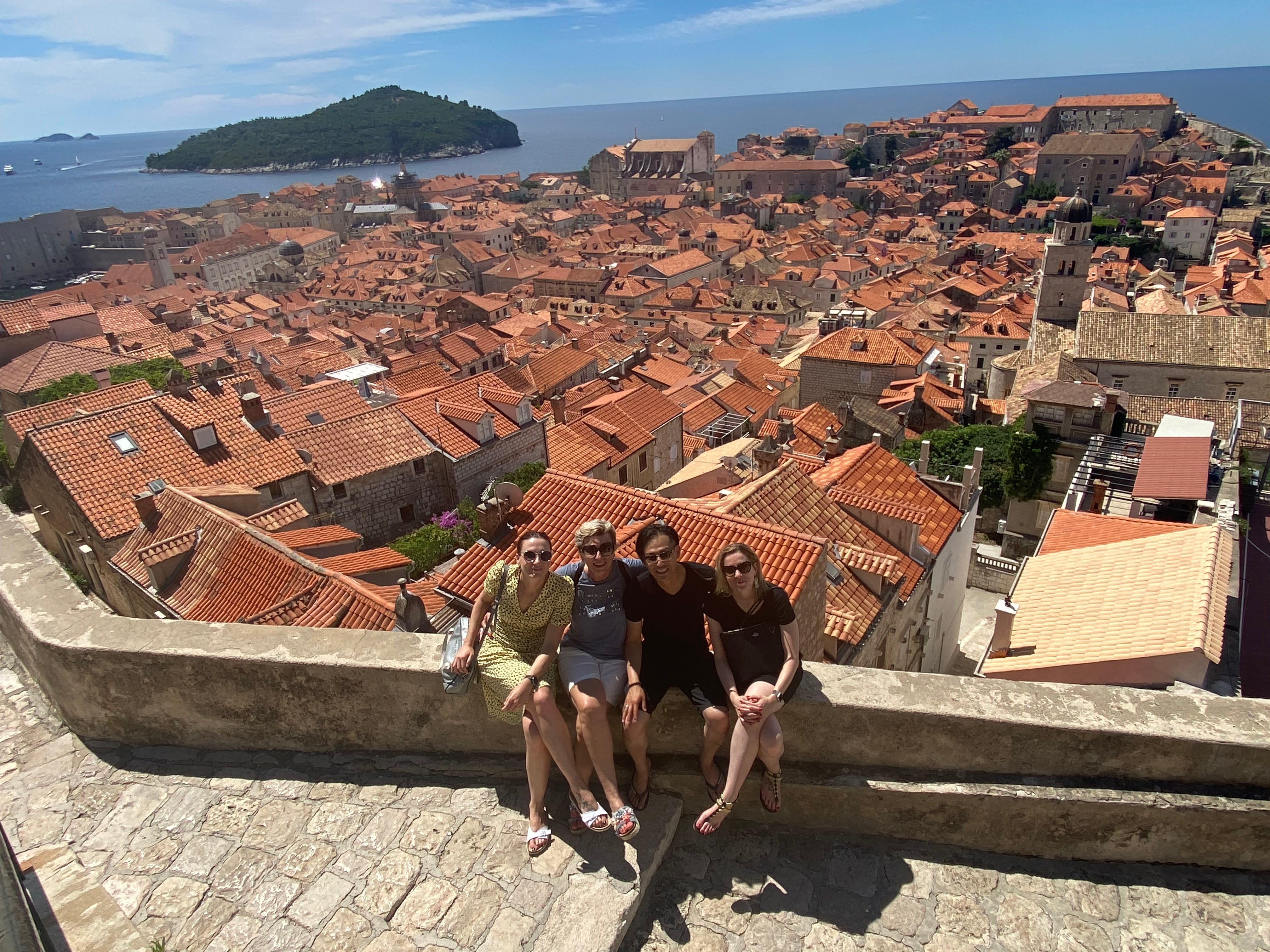
She told me about the way Croatian culture is rooted in the family and the community — “we’re very similar to Asians that way” — in a way that places a lot of premium on eating meals together, getting together for coffee — spontaneously, “not by appointment the way Americans do” — and talking to friends for hours, to grumble about life, mostly — “we don’t make friends easily, we’re very closed up that way, but when we do they’re considered very close, talking to them is like having a therapy session!” (A lot of this reminded me of my conversation with Ani from Armenia few weeks ago.)
Just this morning I read a superb piece in The New York Times by clinical psychologist Harvey Lieberman about the way social isolation in the US breeds loneliness, which in turn leads to inflated clinical diagnoses. Do you really need a therapist or do you just need friends and community ties, he makes you ask yourself.
“I cannot do individualism the way Americans do it and I kind of refuse to do it that way because I see more benefits in the community type of culture.”
I then asked Tamara about the American values she loves and after some lighthearted appreciation for American customer service, networking skills — “I’m always amazed how much people here can talk about nothing!” — and the ease of starting a business, she went deeper.
“I think America has actually softened me a little, which is a good thing. Balkan-Slavic upbringing is very tough and we’re very, very tough people, we don’t talk about feelings, we’re more action-based. America taught me how to express my feelings, I’ve learned how to say ‘yeah you know what I’m angry right now because…”
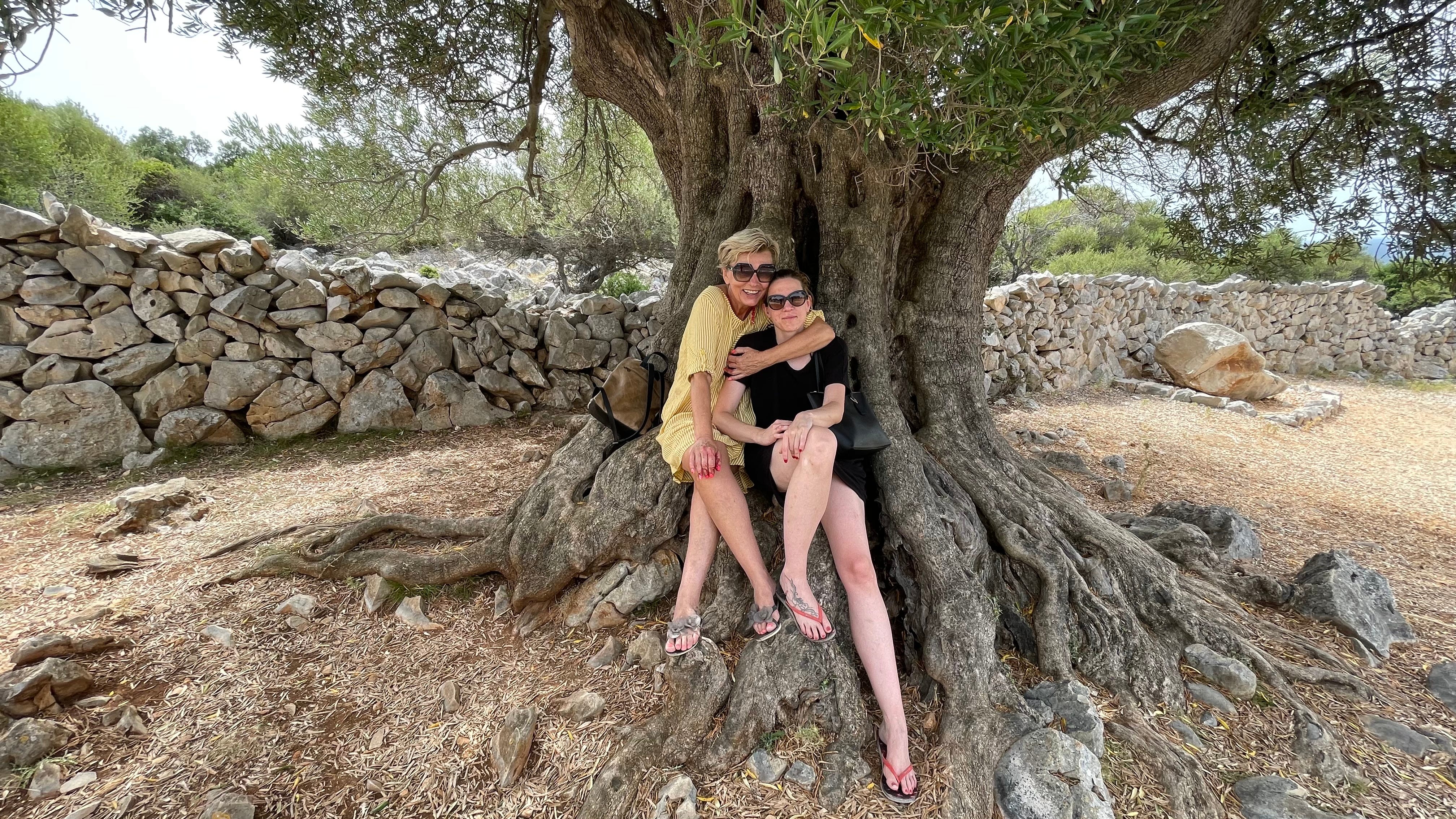
Towards the end of the hour, we spoke about her experience with ‘reverse culture shock’ when she went back to visit Croatia after having lived in America for many years, armed with the ability to see her home country with fresh eyes.
It was a delight to listen to her speak about this because I think immigrants who 3visit home after living away for long can’t help but compare their original and adopted homes, a process that begins by juxtaposing the best things about one against the worst parts of the other and vice-versa, but that ends with the creation of an imaginary, chimeric country with only the best of both.
“Every culture has its pros and cons and we’re all just trying to survive…”
She also spoke about the way immigration changed her in profound ways. “My mom once said a beautiful thing to me: ‘I realize now after you’ve been gone for so long that you have changed so much that I feel like I need to get to know you again’. Just recently she said, ‘I really am proud of who you’ve become but I also need to learn who you’ve become…’”
she mentioned working as a barista among other jobs of the kind high-schoolers do for pocket money.
No posts
Comments
Nothing yet. Say the first thing.
Sign in to join the conversation.