
Early April in Vermont is a study in patience. The snow is mostly gone (mostly) but what’s left behind is a landscape that can’t quite decide what it wants to be. The ground is soft and squishy, the air smells like wet earth and woodsmoke, and everywhere you look, something is either thawing, dripping, or stuck in the mud.
We call it mud season for a reason.
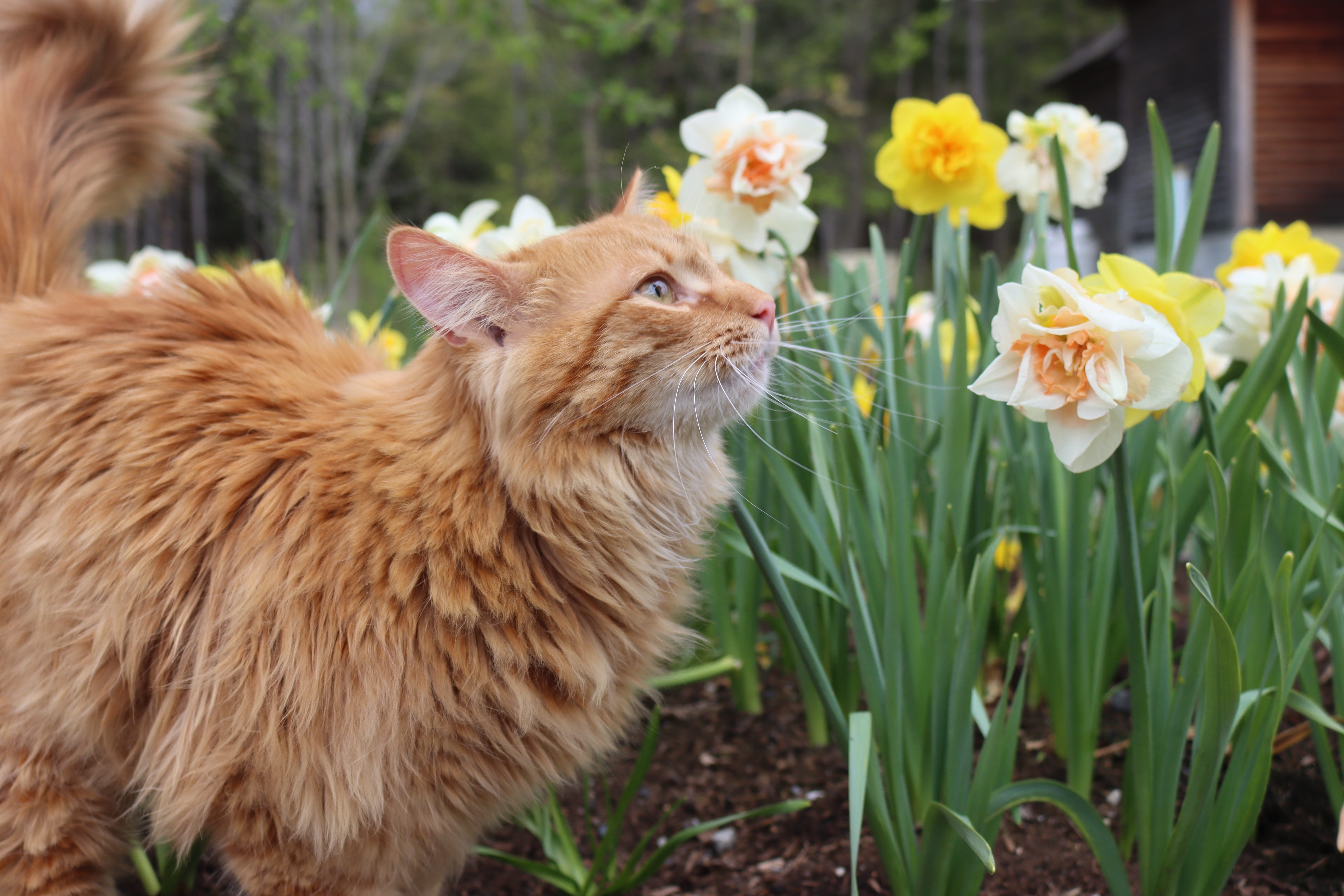
The driveway is a mess, and our eight geese have decided that every stray puddle is the perfect spot for romance. They’re feeling the warming temps and courting like it’s their job, splashing and honking and carrying on while our few chickens look on with what I can only describe as judgment.
But there’s magic in mud season too, if you know where to look.
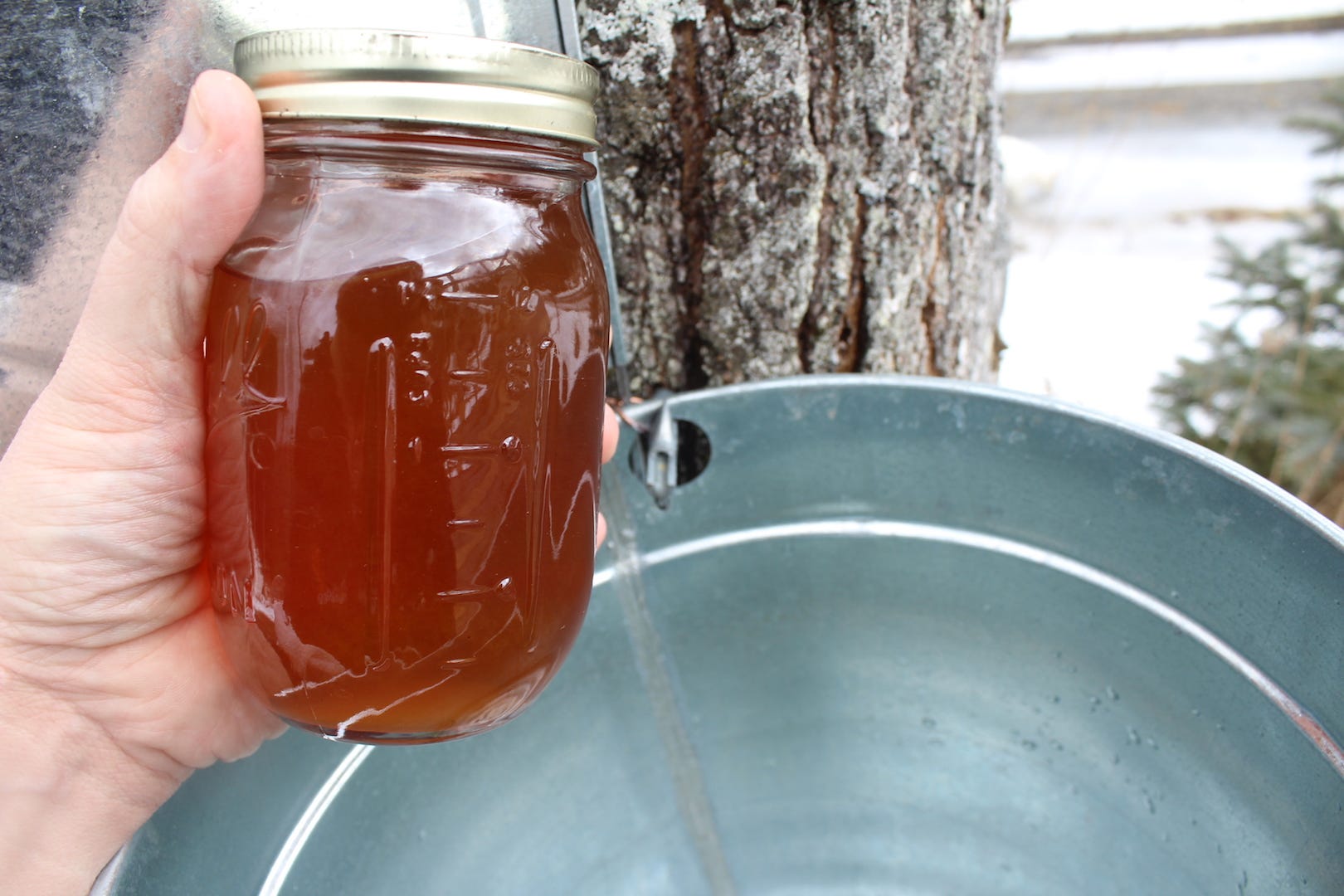
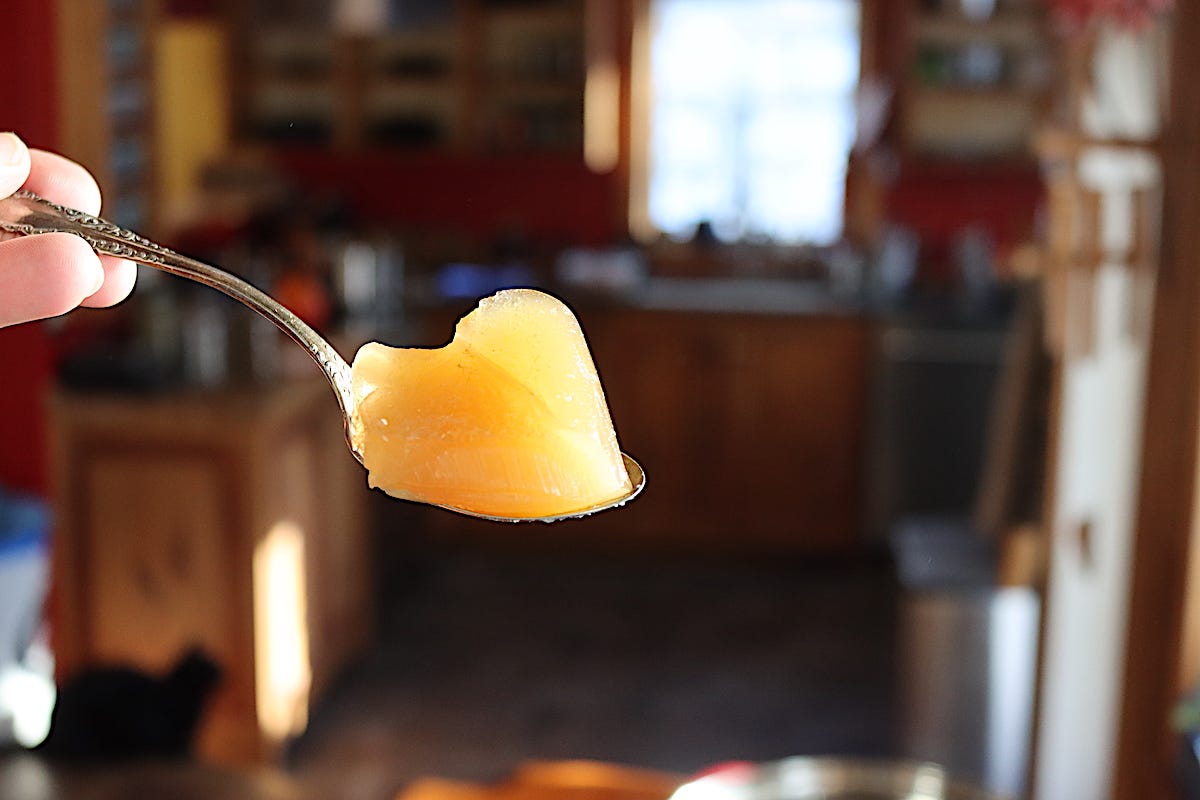
The maple sap has slowed to a trickle now. In a normal year, we’d make eight to ten gallons of syrup. Enough for all our sweetening and baking, maple lemonade all summer long, and still plenty to give away to friends and neighbors.
This year, we only tapped a few trees.
Maple season is my husband’s passion project. He’s the one who hauls the buckets through the woods on snowshoes, trudging through knee-deep snow to check the taps. But you can’t exactly snowshoe when you can’t put on shoes.
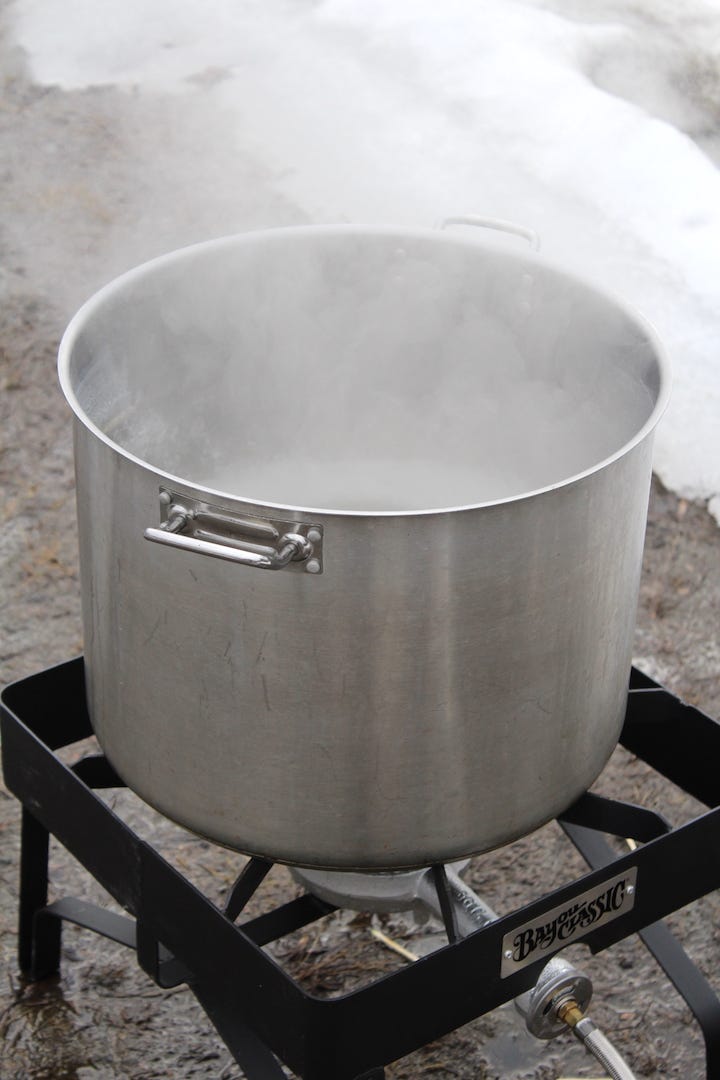
So this year, we kept it simple. Drank fresh sap straight from the trees, which is a treat in itself, and boiled what we could on a propane burner outside. We didn’t even fire up the arch. It felt strange, scaling back something we love so much, but you can’t do it all. Not with a man down.
(If you’re new to maple sugaring, I have a full guide on how to make maple syrup that walks you through the whole process, from tapping to bottling. Next year, we’ll be back at it full force.)
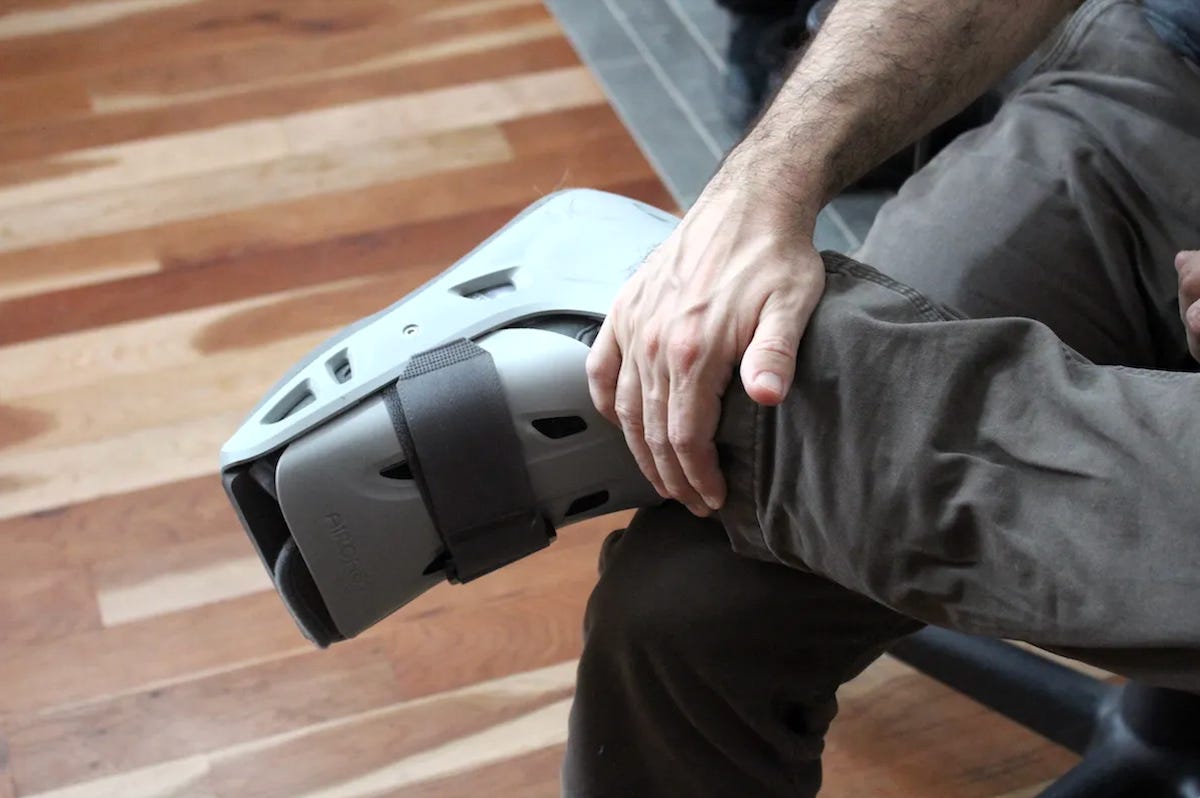
Speaking of getting back on our feet, my husband is finally mobile again.
Twelve weeks in a cast felt like a lifetime, I won’t lie. He’s a man who doesn’t sit still well, and watching him hobble around while I tried to keep this place running was... an experience.
“I can help,” he’d say, reaching for his coat.
“You can sit down,” I’d reply, pointing at the couch.
We had this conversation approximately four hundred times.
But he just got cleared for shoes, real shoes, on both feet… and “gentle, short walks.” I can’t tell you how promising that feels. He’s already puttering around the property, albeit carefully.
The comfrey salve and bone broth regimen seems to have done its job. Whether it sped up the healing or just kept us both sane, who can say. But we’re grateful to be on the other side of it.
The littles have been my saving grace these past few months. I don’t think I say that enough.
A homestead this size is a serious undertaking, even with two adults working full tilt. With one of us down, things have been slipping. Corners cut, projects postponed, to-do lists that keep growing instead of shrinking.
But my children have stepped up in ways that make my heart swell.
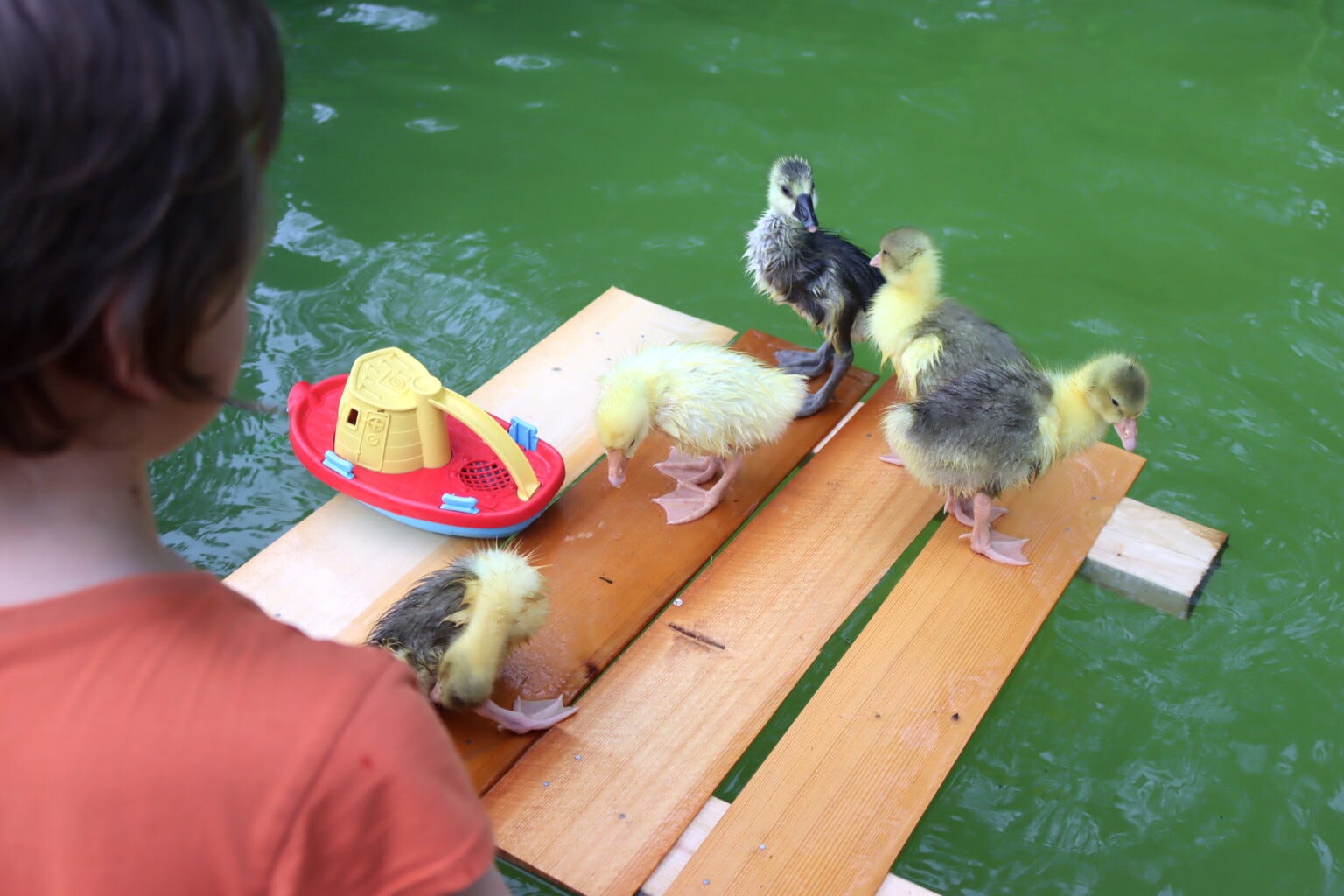
My son took over goose and chicken duty like a champ. He takes his role seriously, like clockwork, letting them out each morning and putting them to bed each evening, collecting eggs, making sure everyone has food and water. He doesn’t need reminding. He just does it.
My daughter has picked up... well, everything else. Wood tending and hauling. Cooking dinner while I’m out dealing with whatever crisis the day has brought. All our plants and seed starting, which she’s taken over completely. And the sourdough starter.
We call it “tending the tiny animals.”
That’s how I explained the wee beasties in a jar to my littles when they were very small. The wild yeasts and bacteria that make our bread rise and give it that tang. Tiny animals that need feeding, just like all our other creatures.
For years, I’d get gentle reminders. “Mama, did you remember to feed the tiny animals?”
Now, it’s her voice I hear from the kitchen. “Oh my, I almost forgot to feed the tiny animals!” And then she tends them, and starts something with the discard too. She’ll get some kind of sourdough recipe going, not even asked.
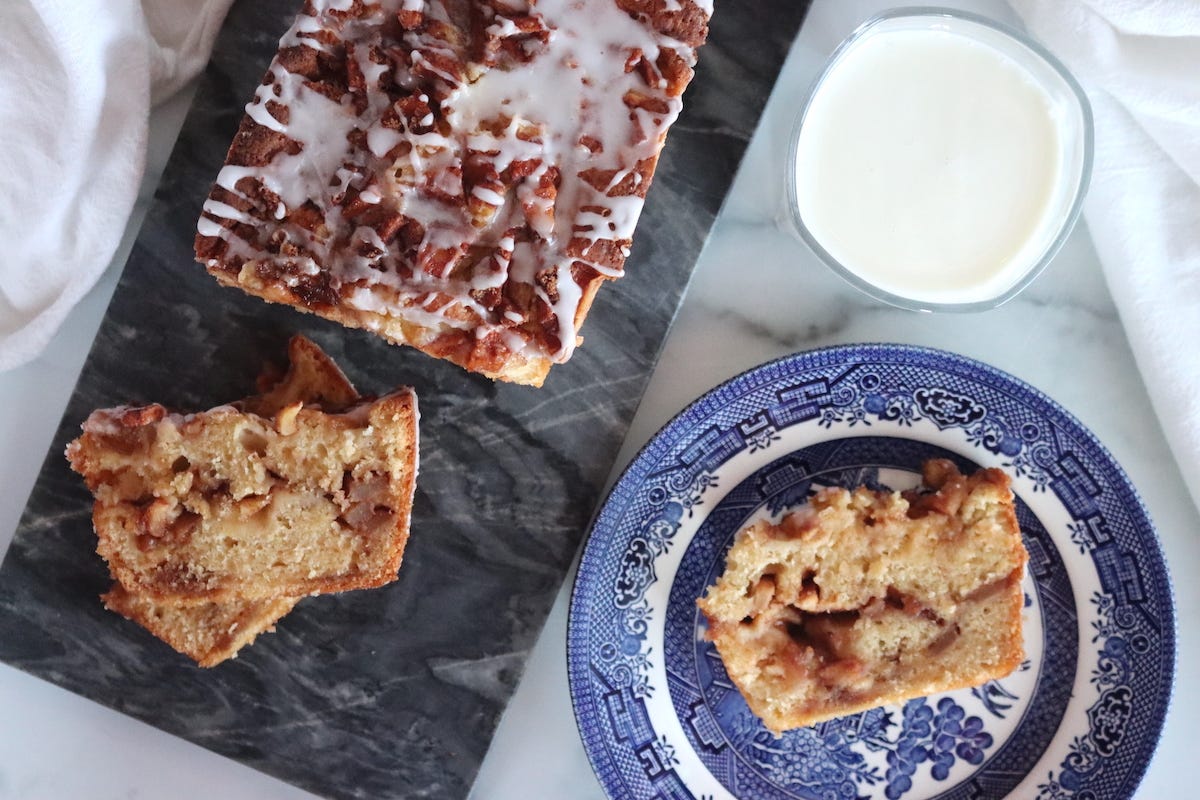
She’s baking a darn respectable sourdough loaf now, all on her own. And, of course, given the choice, she’s going for some kind of sweet discard recipe, like sourdough donuts or sourdough apple fritter bread. No judgement, my baby. She who tends the starter can do what she wishes with the discard and I’m happy enough to come inside the fruits of her labor.
Our big project for this year is weaving.
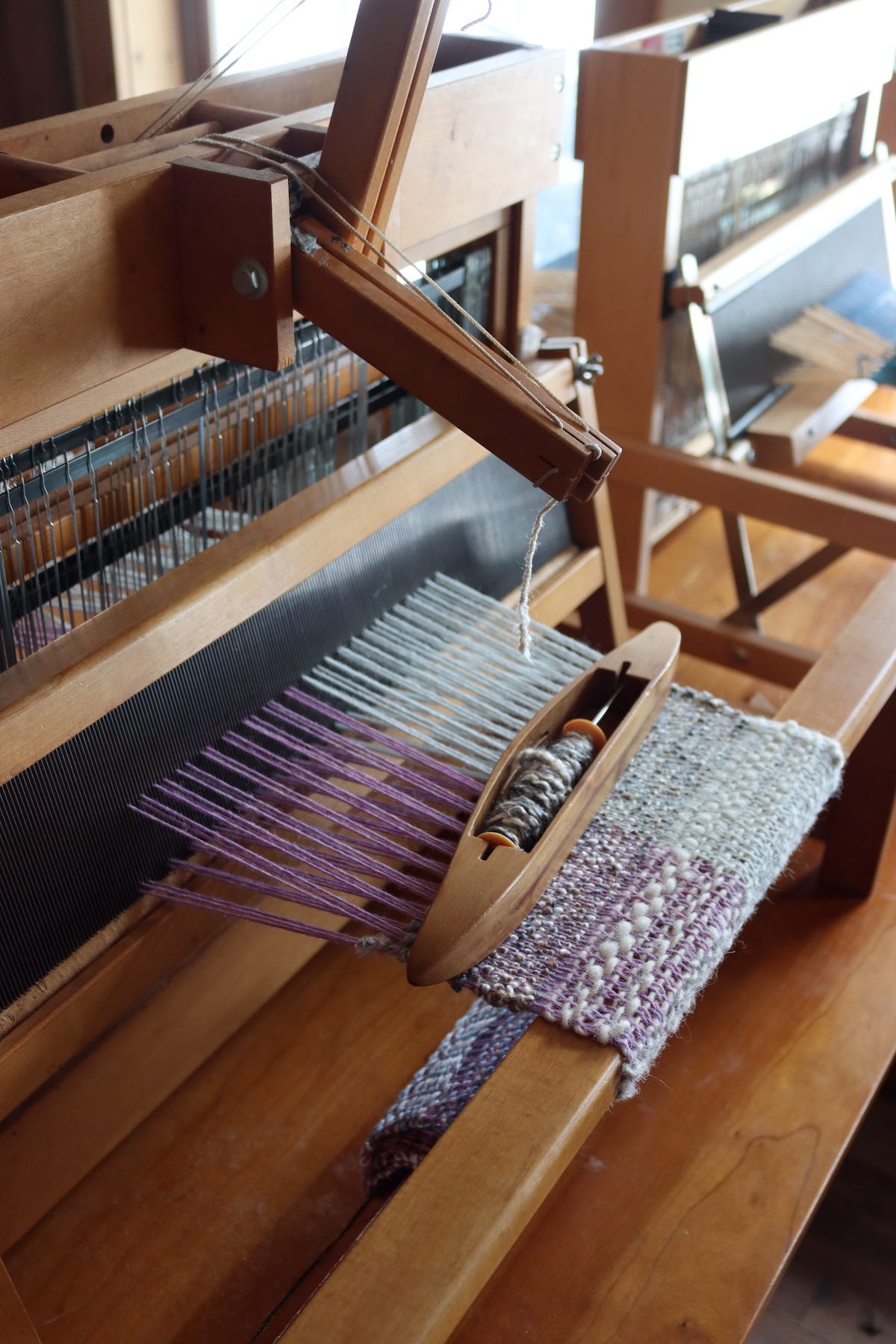
My daughter and I took a beginning weaving class together a few weeks back, and she absolutely rocked it. I had to ask for special dispensation to allow her to take it, because it was an adult class with minimal students, and adding a 10-year-old into the mix can really change a class dynamic.
Even if she’s honestly a more careful, conscientious, and meticulous student than I’ve ever been. Still, that’s not what people see when a kid walks into the room.
The instructor agreed, and I’m so grateful she did.
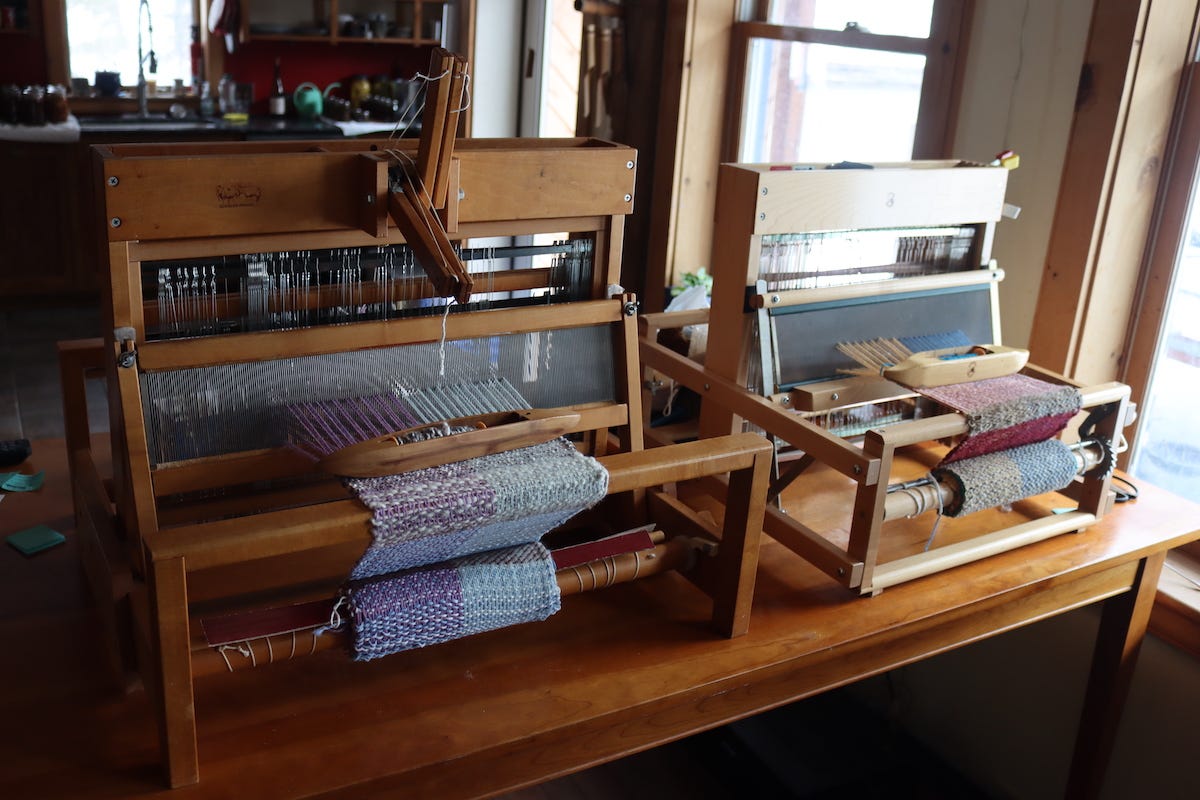
It was a small class of adults, and one gave up on the first day. Too much fiddly work, she said. All those threads and heddles and careful counting.
But my baby girl? She heard the instructions, warped her loom all on her own, and powered through until she was all set. She was throwing her shuttle while I was still all thumbs trying to string the heddles.
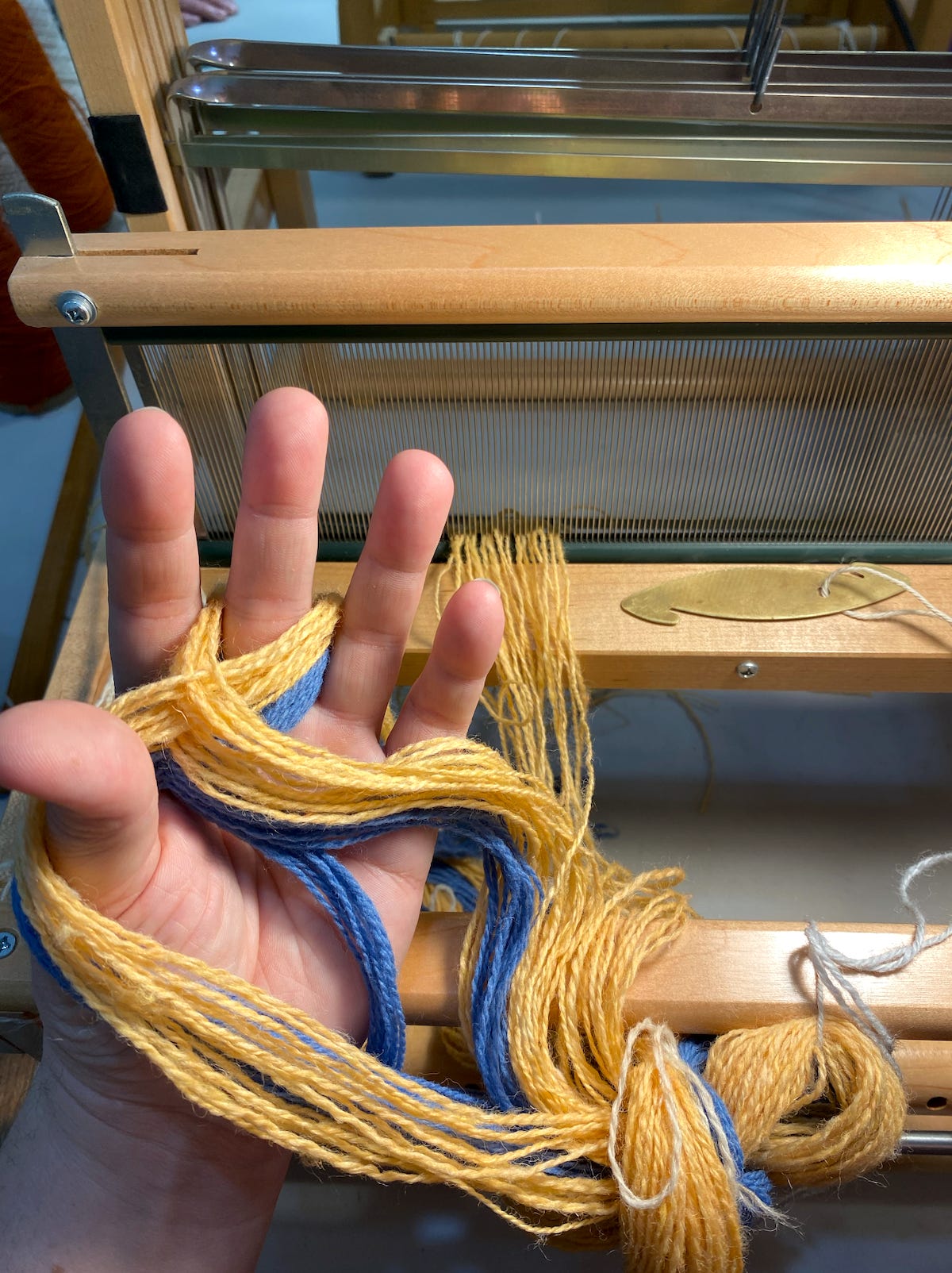
I looked over at her, shuttle flying back and forth, fabric growing inch by inch under her hands, and I thought: there’s that spark again.
First it was the wood turning with her dad. Then the linen processing at the fair. Now weaving. Enough times of Mama saying, “You can make it yourself, you know.” And so it seems, she knows without my saying a word.
(I’m working on a beginner’s guide to weaving where I’ll take everyone through all the steps, from warping to finishing. Stay tuned.)
Now that the ground is thawing, I’ve been out checking on the trees we planted last fall. It was a mast year for our oaks, the first in quite a while, and we went a little nuts. Literally.
Fifty-six gallons of acorns. Thirty-two gallons of black walnuts. Three gallons of butternuts. Two gallons of wild plums. A gallon of chestnuts. And a quart each of hazelnuts, ginkgo, and witch-hazel.
All of it tucked into the soil and left to winter over.
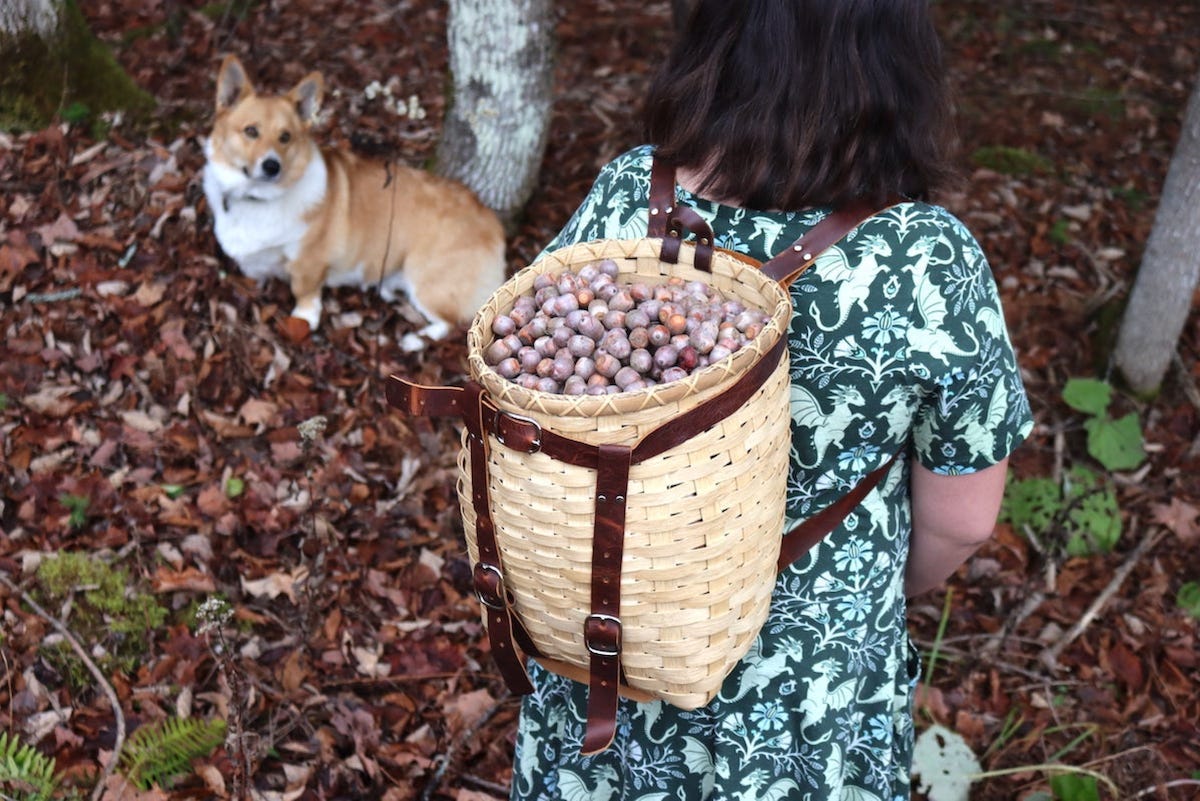
It’s too early to see sprouts, but I like to walk the rows anyway, remembering where we drilled each hole. My son helped me count acorns into buckets, and somewhere around gallon forty, he looked up at me and said, “Mama, do you think the squirrels are mad we took so many?”
I told him the squirrels would forgive us, eventually. And their little ones will appreciate our work in a few generations. Still, we’d left plenty for them too. Mast years are good like that.
The truth is, most of those nuts won’t make it. Squirrels will dig some up, deer will browse the seedlings, and some just won’t germinate at all. But some will. And in fifty years, when my grandchildren are walking these woods, they’ll find oaks that their daddy helped plant when he was eight years old.
That’s the kind of math I like.
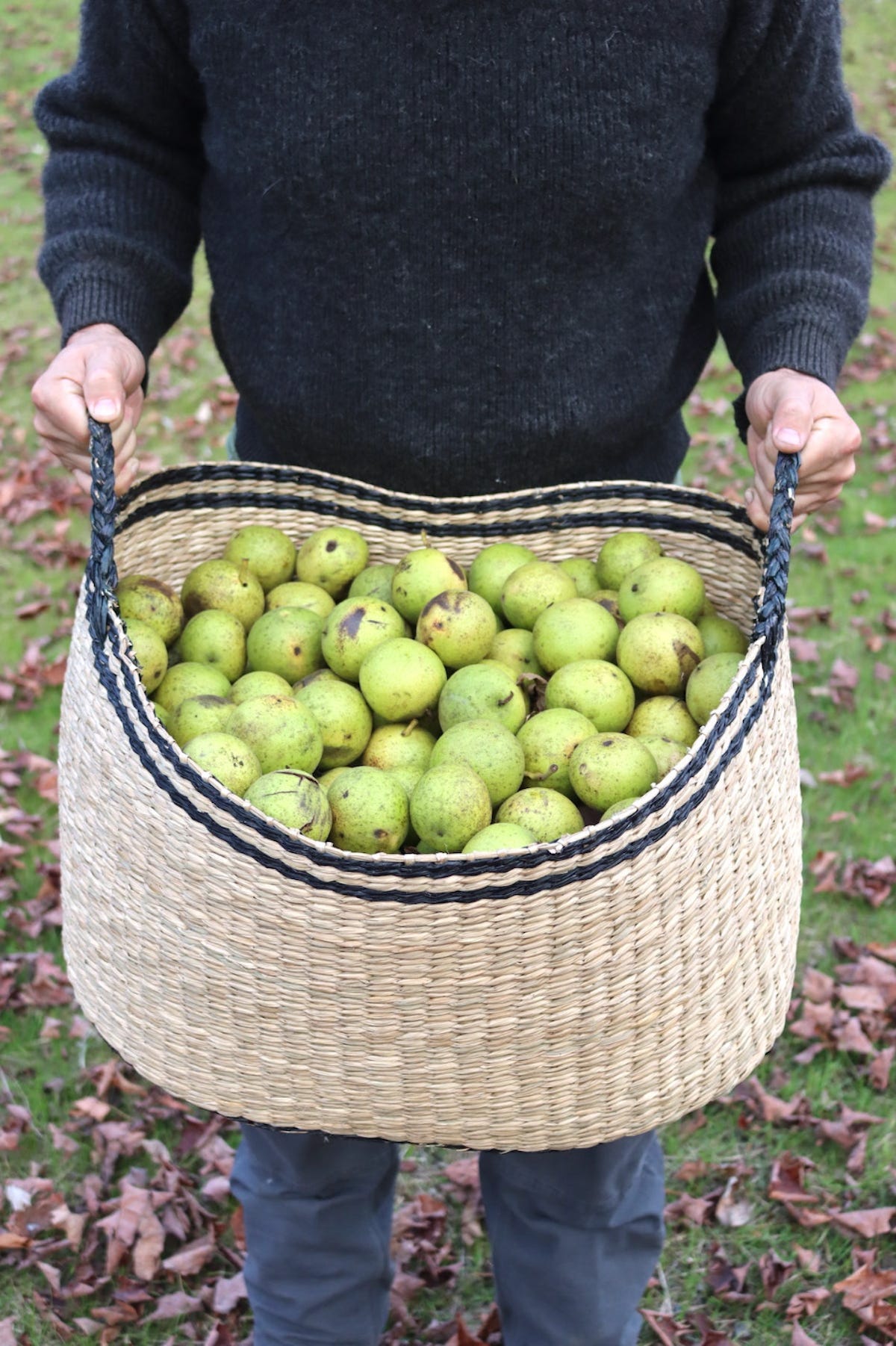
This past weekend was Easter, and we took a break from all of it for the important things.
I hid eggs all over the yard early in the morning, and then stood back and watched them go. Running, searching, calling out to each other when they spotted a flash of color. Boots squelching in the mud, baskets swinging, faces lit up with that same breathless excitement they’ve had since they were toddlers barely steady on their feet.
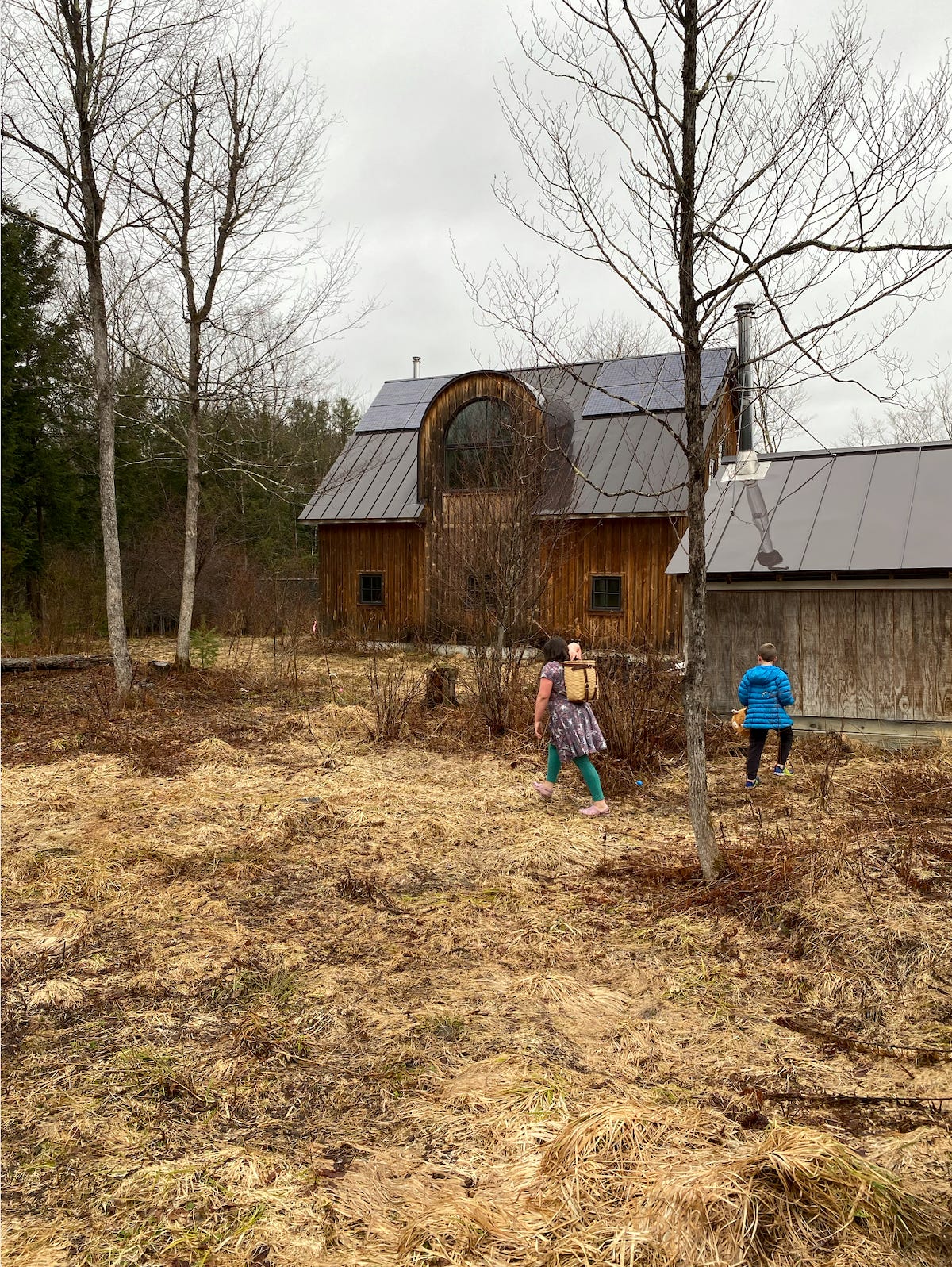
These are the same children who haul firewood without being asked. Who tend the geese and chickens morning and evening, rain or shine. Who bake bread and start seeds and pick up the burdens of this life without complaint. They carry loads that would make some adults blink.
But they’re still littles. Still my littles.
They still skip. Still hunt Easter eggs like it’s the most important thing in the world. Still call me Mama and laugh until they can’t breathe over the silliest things.
I think that’s what catches me off guard sometimes. You watch them grow so capable, so steady, and you forget. And then they come tearing across the yard with a basket full of plastic eggs, cheeks flushed, grinning ear to ear, and you remember: oh. You’re still so young. Still so small, in the grand scheme of things.
Capable and tender. Strong and small. Both true, at the same time.
The foraging is just beginning to stir. Coltsfoot is blooming along the roadsides, those cheerful yellow flowers that look like dandelions but aren’t. They’re one of the first wild medicines of spring, traditionally used for coughs and respiratory support, and I always feel a little thrill when I spot them.
(Coltsfoot is a bit controversial these days due to some compounds in the leaves, so I stick to the flowers and use them sparingly. As with all herbal medicine, do your research and know what you’re working with.)
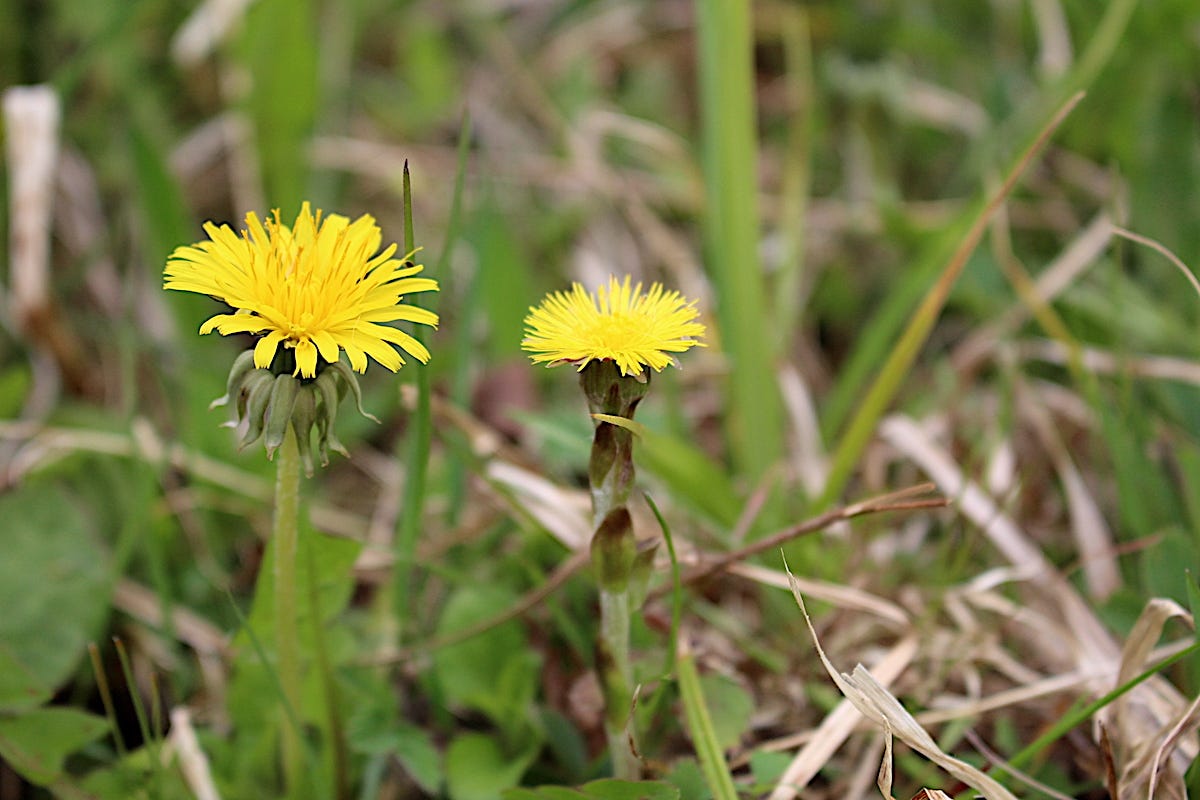
The ramps won’t be up for another few weeks yet, but I’ve been checking their spots, looking for that first hint of green pushing through the leaf litter. In our particular corner of the world, they seem to come later than folks further south. Patience, as always.
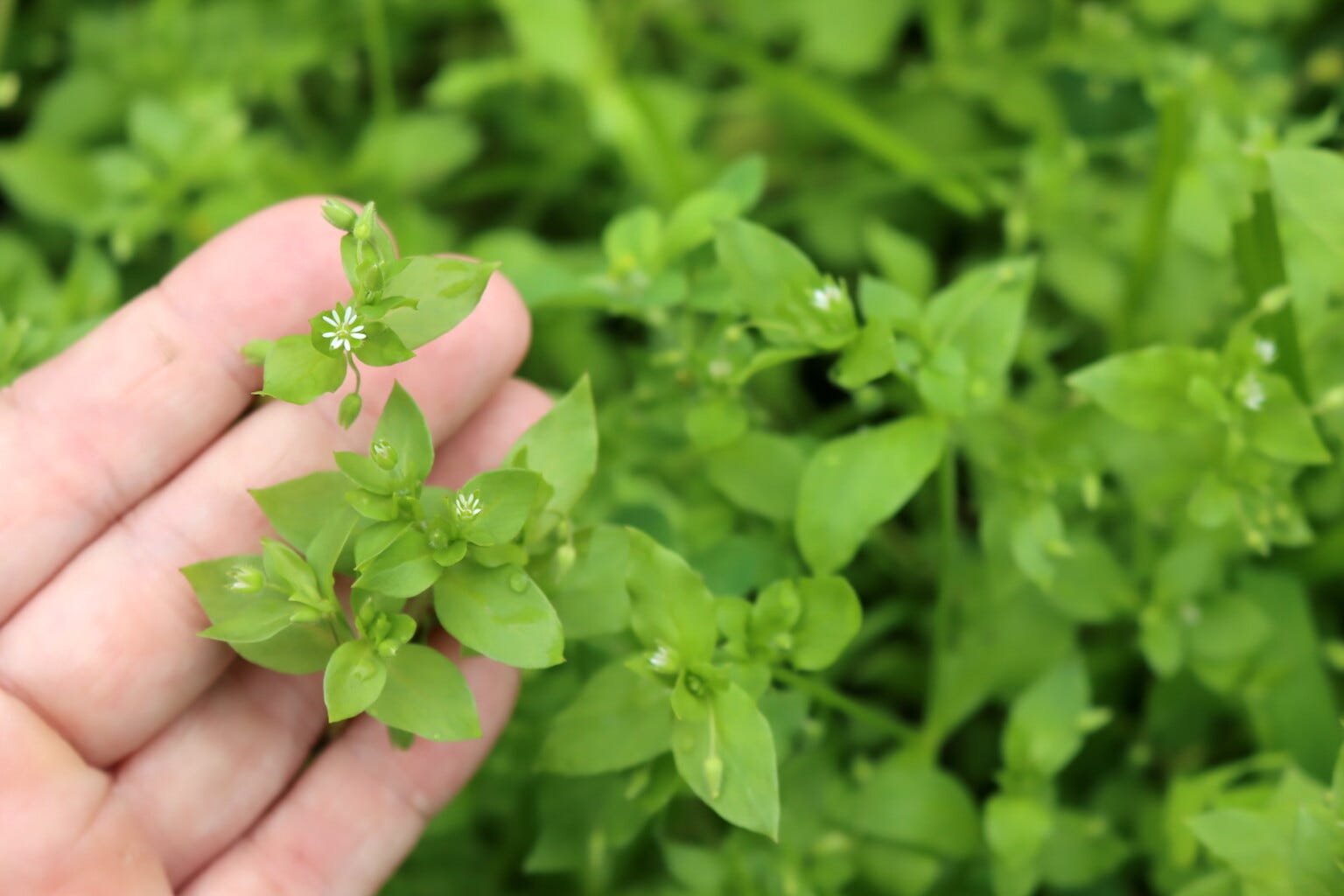
I did find a patch of chickweed thriving in a sheltered spot near the compost pile, and I’ve been tossing handfuls into salads. After a winter of stored food, anything fresh and green tastes like a miracle.
This time of year always feels like a held breath to me. The hard work of winter is behind us (mostly) but the hard work of summer hasn’t begun. The garden beds are too wet to work. The ground is too soft for heavy projects. Even the geese have settled down from their puddle romances, at least until tomorrow’s thaw creates new opportunities.
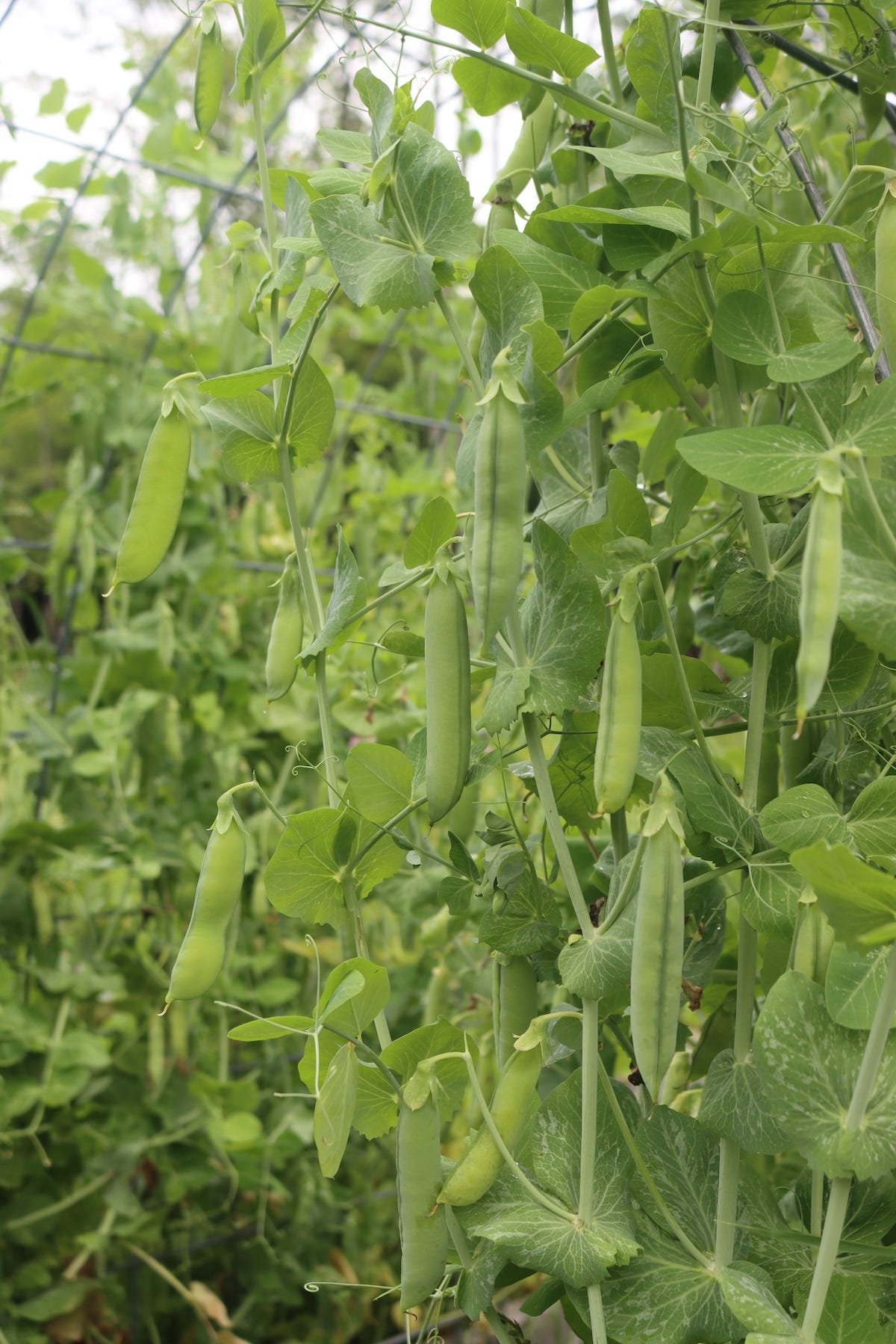
It’s tempting to rush it. To push the peas in early, to till before the soil is ready, to force spring to arrive on our schedule instead of its own.
But I’ve learned, the hard way more than once, that mud season has its own wisdom. The land needs this pause. The slow thaw, the gradual warming, the patient gathering of strength before the explosion of growth that’s coming.
And maybe we need it too.
After a winter of hauling wood and tending fires and nursing broken bones, after months of things slipping and corners cut and doing our best with less, maybe the gift of mud season is permission to slow down. To drink tea by the window and watch the world wake up. To eat fresh sourdough baked by small hands and feel grateful for the helpers we’re raising.
Balance, as always. Even when it’s imperfect. Especially when it’s imperfect.
What’s stirring in your corner of the world? Are you starting seeds, pulling taps, or just waiting out the mud? I’d love to hear about it.
Leave me a note in the comments…
(Comments only, please. Emails tend to get lost in my inbox, and as much as I’d love to get back to each and every one, my screen time is very limited and things fall through the cracks. If you comment here, they’re all in one place, and it’s much easier to get back to every single one.)
Until Next Time,
Ashley at Practical Self Reliance
PS. If you’re curious about spring foraging, I have guides on foraging ramps, chickweed, and a big list of more than 100 plants to forage in spring if you want to explore what’s coming up in your area. And if you’re new to the newsletter, you can catch up on what we’ve been up to in my archives, including the herbal support for broken bones post from January (which explains why I’ve been rubbing comfrey salve on my husband for the past two months) and the foraging across generations post about our mast year nut planting adventure.
Comments
Nothing yet. Say the first thing.
Sign in to join the conversation.