
I get so many reader questions, and honestly, most of them are really good. If you’ve got a question, odds are a dozen other people are wondering the exact same thing and just haven’t asked yet.
I love helping people grow and preserve more food, and I’m happy to brainstorm or troubleshoot just about anything in that world: gardens and orchards, raising chickens and other backyard livestock, foraging, canning and preserving, fermentation and other scratch-cooking projects, DIY and frugal fixes, and off-grid living questions.
So I’m starting something new: I’m sharing a handful of the best questions I’ve received this month (via email, blog comments and substack), along with my answers, in one place. And, hoping that you’ll all jump on the bandwagon and ask your wonderful questions in the comments!
This month’s lineup is a fun mix. A high school student is looking for beginner foraging advice, a seasoned canner wants to know about safe substitutions when canning meat, and a gardener asked for the best plum varieties for a home orchard.
And because I love seeing what you’re all working on, two enterprising readers also sent in their permaculture and herbalism projects for me to share with you as well.
Question via Email:
I’m a sophomore in high school currently taking a Stewardship Action Project class. For my project, I’ve chosen to explore and experiment with foraging as a way to reconnect with the land and better understand the ecosystems around me. That’s actually how I found your website, and I’ve really been inspired by what you share.
I’m reaching out because I’d love any wisdom you’d be willing to pass along. As I begin this journey, I want to approach it with care, respect, and intention. If you have any tips, tricks, beginner advice, or even just things to be mindful of while learning to forage, I would be so grateful. Whether it’s about sustainable harvesting, plant identification, seasonal rhythms, or simply cultivating the right mindset, I’m open to learning. —Sophie
Answer:
Hi Sophie,
My best advice is to find one spot and take a walk there every day during the growing season. At first, it’ll all just look like…plants. Kind of like you’re looking at that cascading text flowing down the screen in The Matrix (you’ve seen The Matrix, right? If not, here’s the screen I’m talking about.) Everything looks like gibberish until your brain learns how to “read” it.
You have to start somewhere, decoding the green into words. Pick a plant, any plant. Whatever catches your eye. Identify that single plant and learn how to spot it in the landscape. The next time you take the same walk, you’ll see it again. It’ll pop out from the background, and suddenly you’ve got your first “word” you can recognize.
Once you’ve got that one word, add another. And another.
Eventually, that jumble of shapes becomes legible. Your daily walk starts to feel like reading a book you know well, and you’ll notice when the woods “adds a new word” here or there. You learn it, and your understanding keeps expanding.
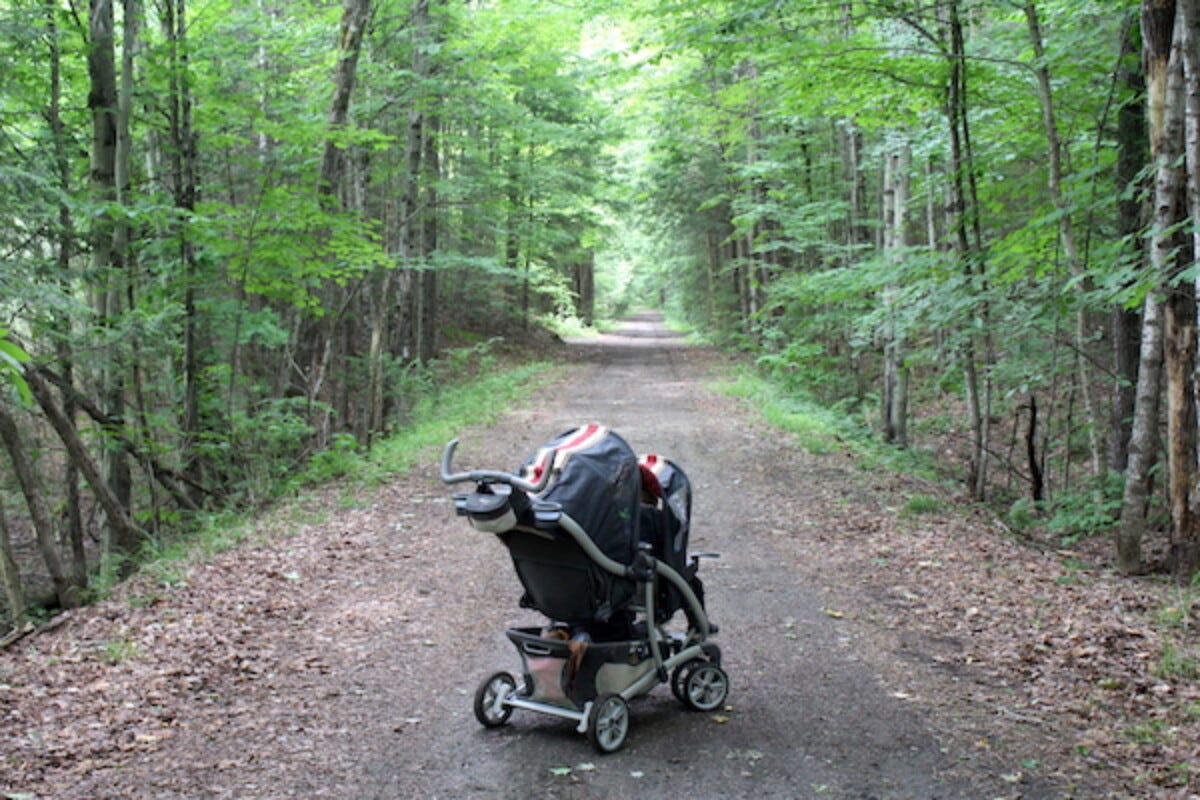
Learning to read the plants around you like you’re walking through a living book makes being outside so much more fulfilling. And after a while, you’ll do it automatically. I can’t even drive down the highway without noticing the trees on the hills flying by: the crown of a black walnut, the late-orange leaves of an oak, the spring blooms of black locust. It’s kind of wild how fast your brain gets at this once you’ve built the pattern recognition.
So stick with it, and you’ll get there. Just start with learning one word in the maelstrom, hold onto it, and reach for the next.
And if you need help along the way, send me a note. I’m happy to help.
—Ashley
P.S. If you need help decoding those first “words,” the iNaturalist app is amazing. Snap a photo and it’ll give you a handful of solid possibilities to choose from. It won’t replace learning the plant yourself, but it narrows the field so much when you’re staring at a leaf and don’t know where to begin. I still use it all the time.
Question About Canning Taco Meat:
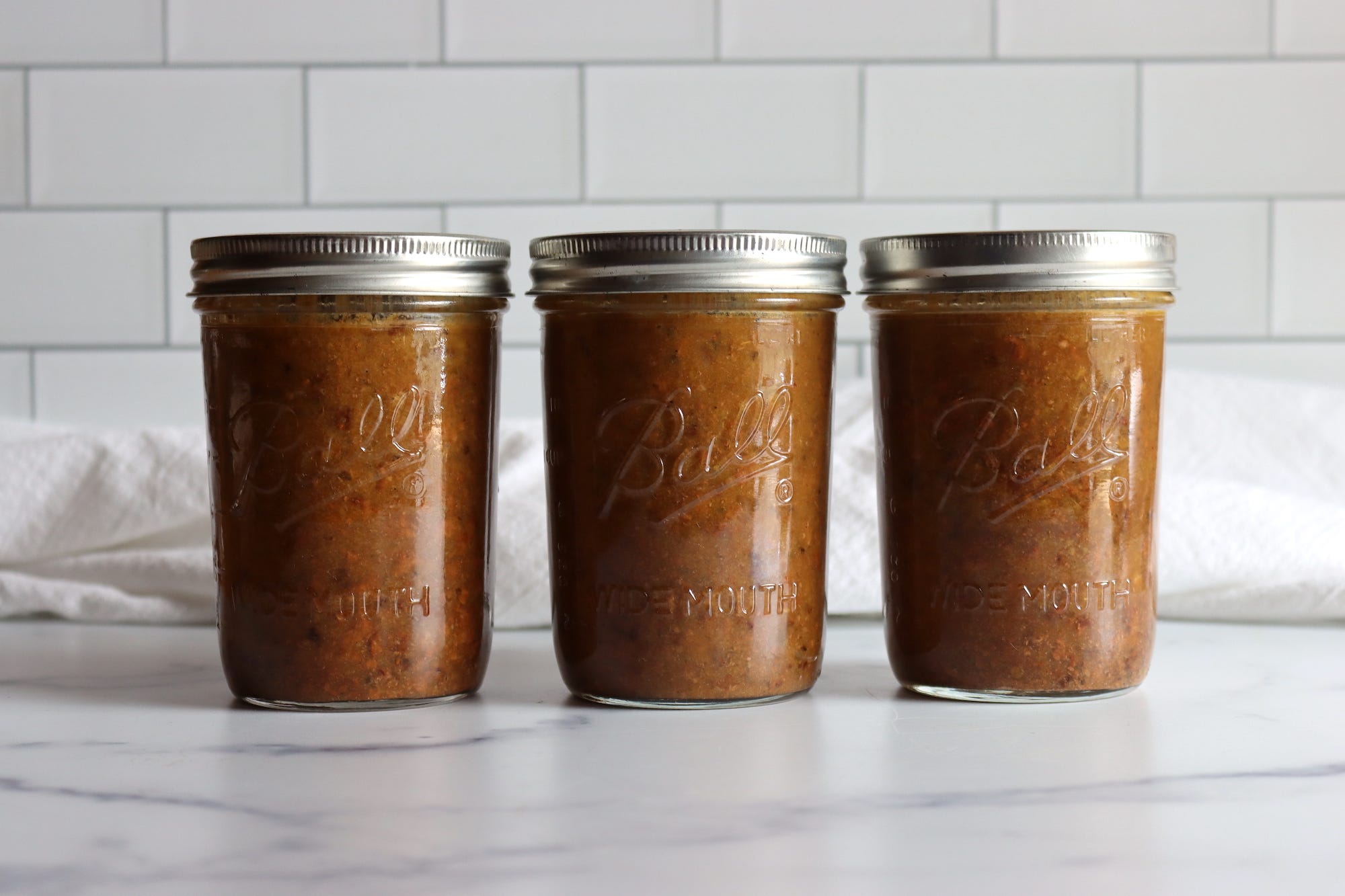
Can I cut this recipe in half so that I only need 1 1/2 pounds of ground beef? Next question is can I use half beef and half ground turkey? -Pam
Answer:
Hi Pam,
You’ve manage to hit on two things that seem fine, but they’re actually not according to NCHFP guidance. The minimum batch size for pressure canning is 2 quarts (or 4 pints) because the heat up and cool down time is actually part of the processing time. If there’s not enough in the canner, the canner will heat and cool too quickly and the jars won’t be processed right.
As to ground turkey, they’ve found that ground poultry can have higher bacterial loads than other meats, so while you can substitute pork, beef, venison, lamb and even bear or elk…ground poultry is one of the few meats you can’t add. Really, almost anything but a bird is fine.
Sorry to be the bearer of bad news here! So often simple switches like that are fine, just not this time.
Question via Email:
Hello Ashley, thanks for your informative site. Somewhere you said you picked plums for eating out of hand and for canning. What kind(s) do you suggest? I'm also in Zone 4 in Central Vermont, with plenty of sun most of the year. Appreciate your thoughts.
-John
Answer:
Hi John,
We've grown just about every plum that's hardy here at some point.
My favorites are Toka and Alderman. Toka is usually considered a pollinator tree, and it blooms like crazy, smells amazing, but sets very little fruit. What fruit it does set though, is some of the best.
Alderman is absolutely amazing, high quality fresh eating fruit, but in my experience it only sets fruit one year in three. That year though, it sets buckets.
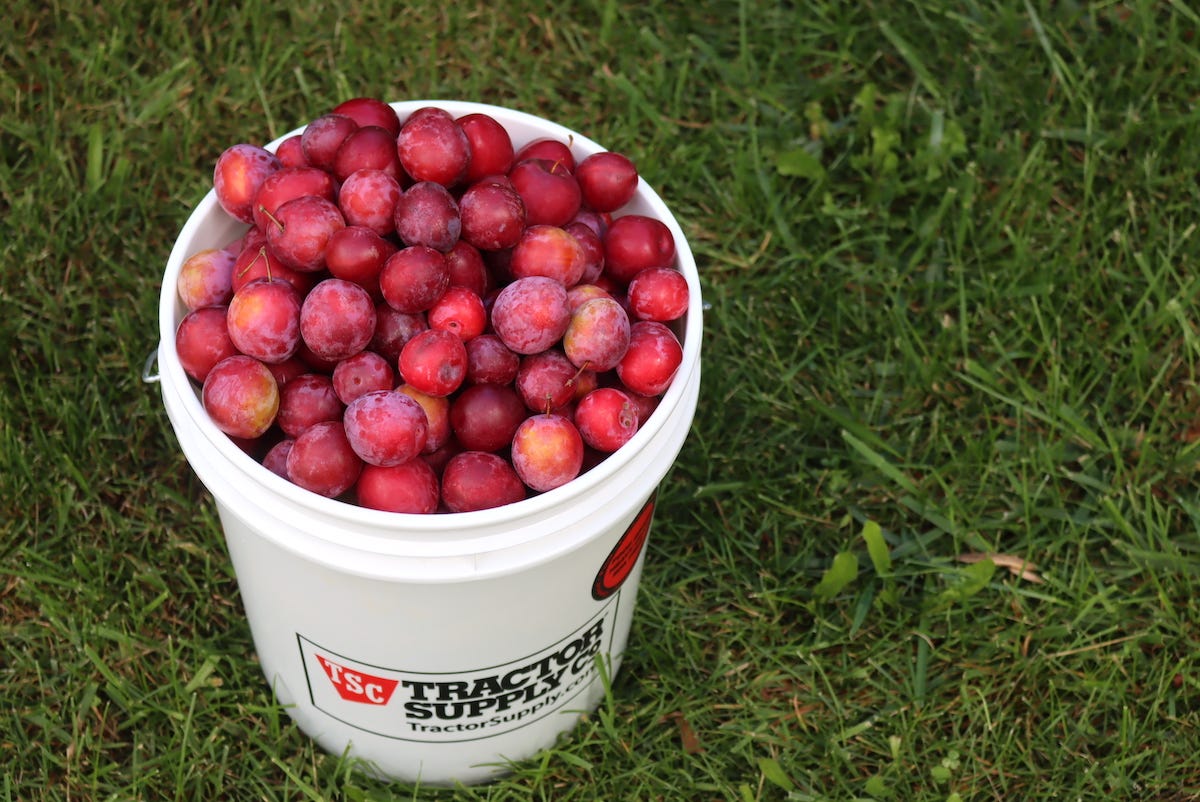
My husband really loves Mt. Royal European Plums. They're a bit different than the Japanese types, and I think it's consider a prune plum, so it's not a juicy plum, but really full of flavor.
Personally, I really don't like Waneta or Pipestone, and they're not worth growing.
All of our Black Ice trees died within a year or two of planting, not sure the issue, either hardiness or disease.
La Crescent is good, but soft and a little unidimensional or cloying. If you pick them slightly under ripe they're tart enough to be interesting, and worth it at that point (but they make great yellow plum jam).
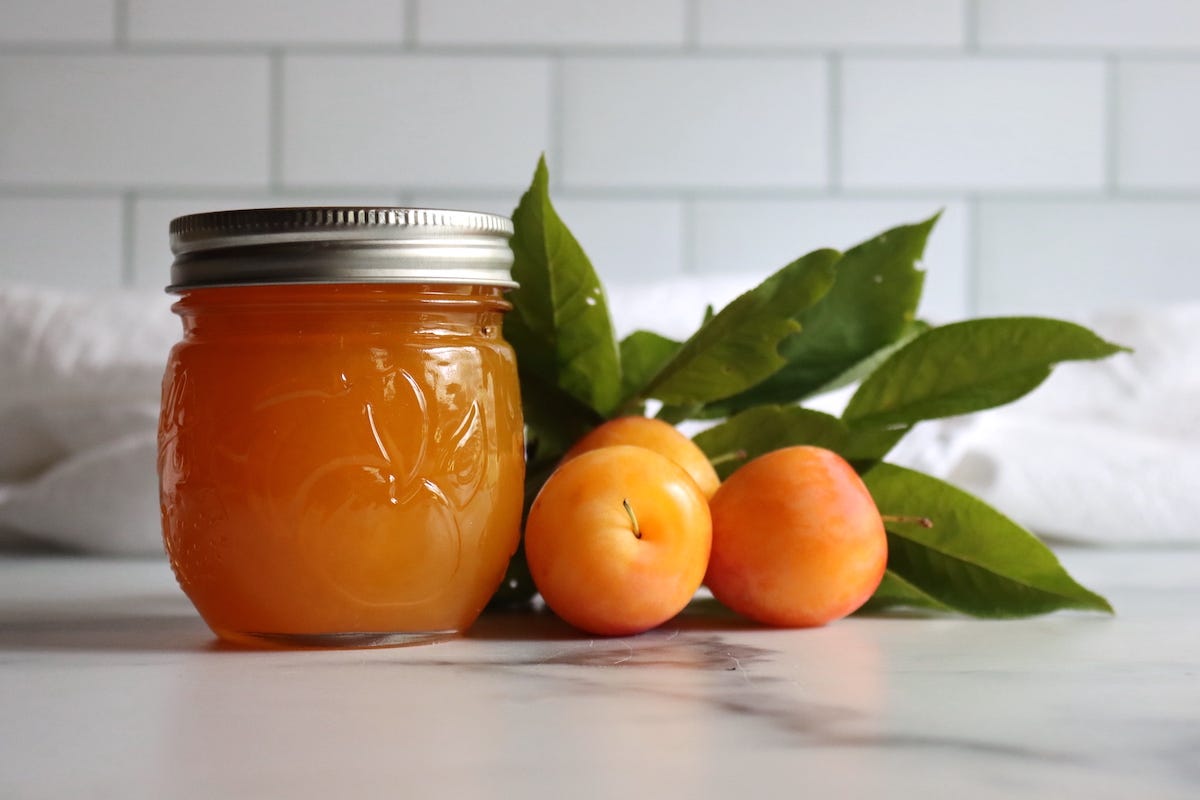
Here in Vermont, East Hill Farm has a really great selection of plums that do well locally, and they're doing their bareroot presale right now. Pickup only, no shipping.
Fedco Trees is also a great source, and looking at their website, it looks like they have a bunch of new hybrids that they've never carried before. Wow! So many new ones to try.
Neither source seems to have Alderman plums this year, and they're worth seeking out. It looks like St. Laurence Nurseries has them though.
Hope this helps!
Via Email:
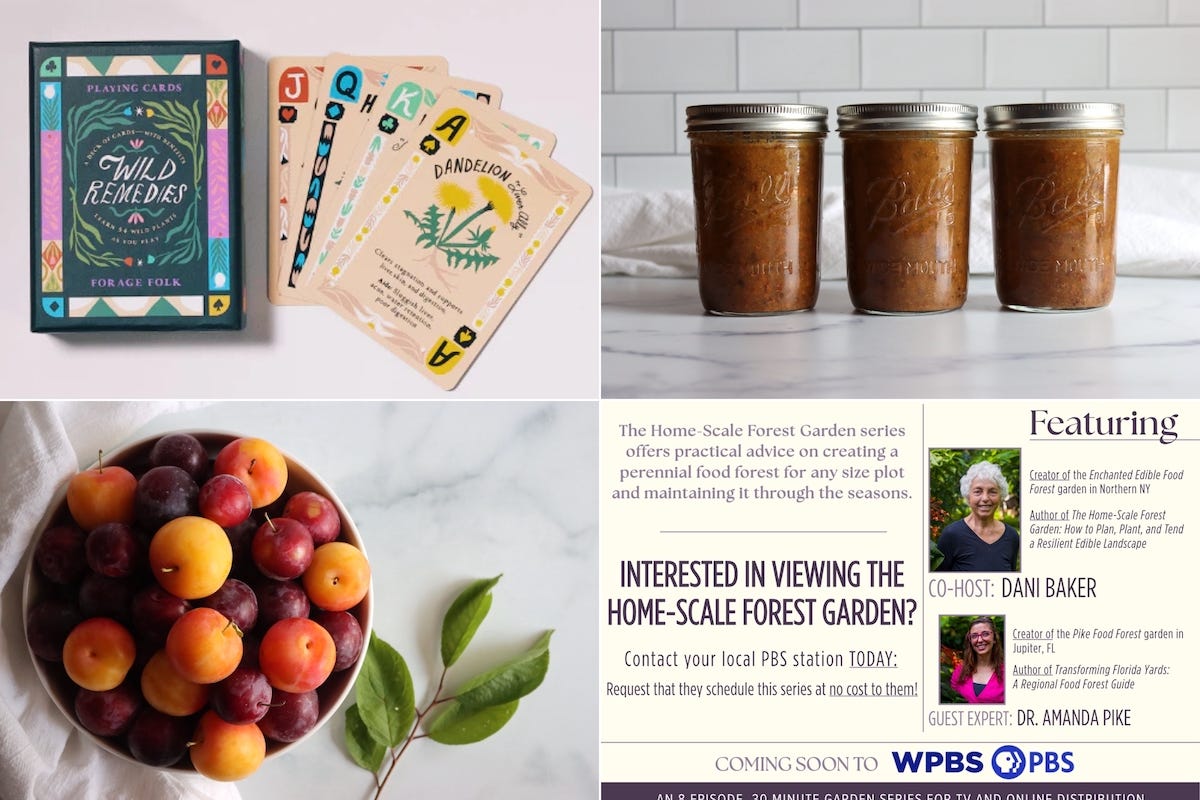
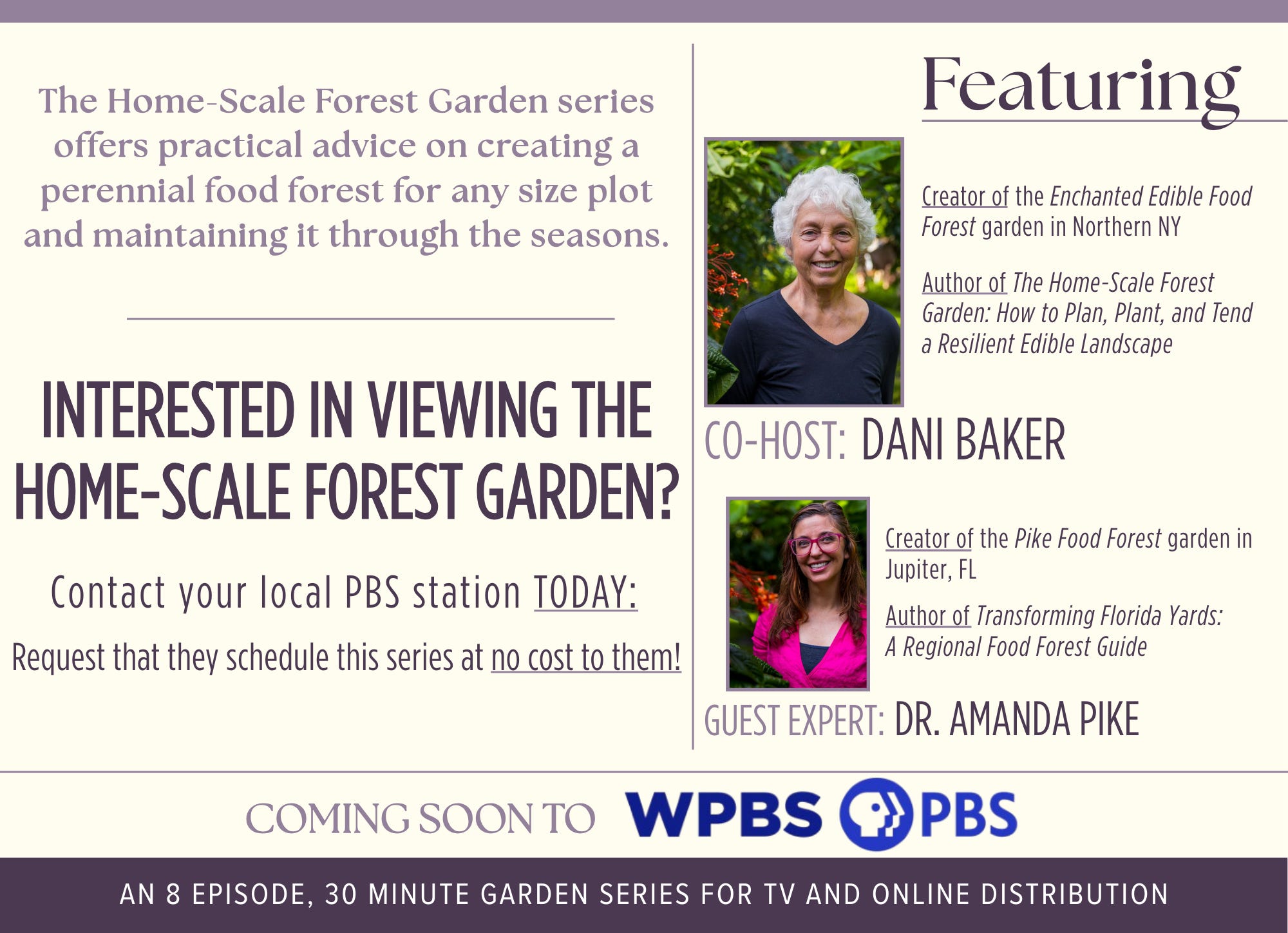
Hi Ashley, I am a fan of yours and I know you know my book. Now there is an 8-episode TV show based on my book and my garden which will be available for national distribution on PBS this Spring. Would you be willing to let your followers know about it and ask that they call their local PBS station to request scheduling?
If you can, have them contact their local PBS website and find the staff member in charge of scheduling, as well as the head honcho and email and/or call them both to request that the Home-Scale Forest Garden show be scheduled.
I have attached a promo card in two versions with info. If you would like any more info, let me know! —Dani Baker, Owner Cross Island Farms, Creator The Enchanted Edible Forest, Author The Home-Scale Forest Garden: How to Plan, Plant and Tend a Resilient Edible Landscape
Answer:
Of course! Happy to help, and I’m sure my readers would love to see it.
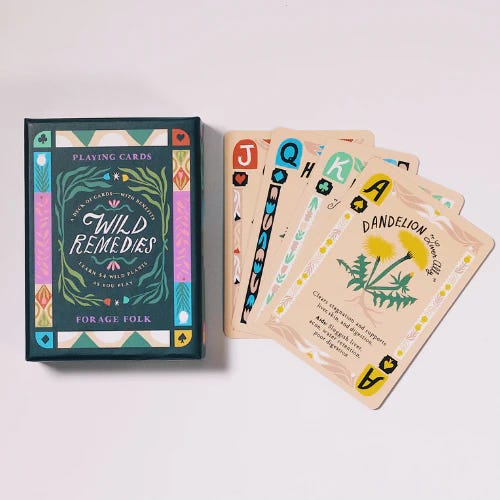
Hi Ashley, I admire the way you share life so closely intertwined with the land. Your words and work feel rooted, genuine, and full of heart. I’ve been creating something close to my heart, the Wild Card Series, hand-illustrated playing card decks meant to help people reconnect with the natural world through play, learning, and beauty. The first deck, Wild Remedies, celebrates the quiet, healing herbs that grow all around us.
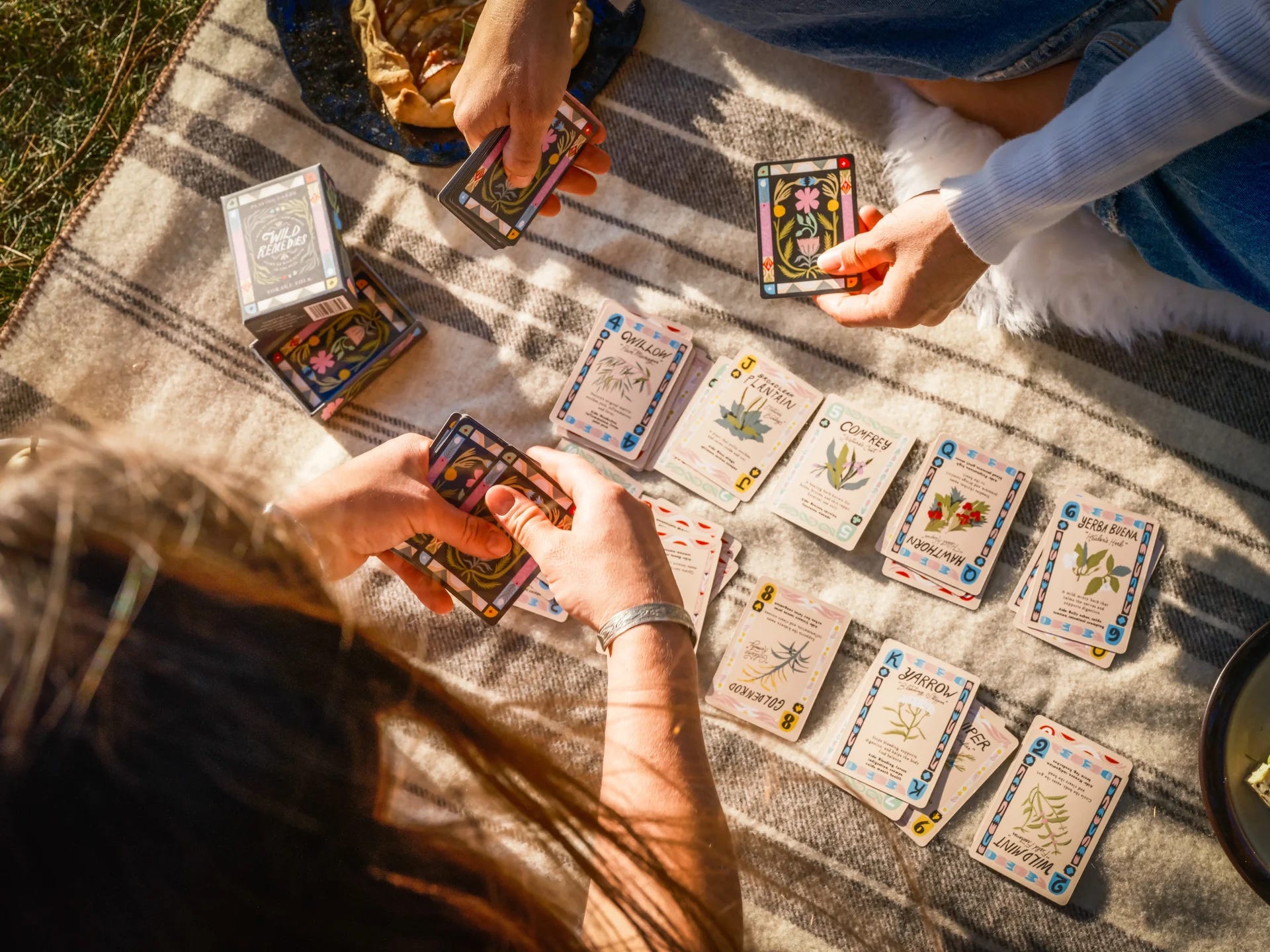
I’m sharing these with a small handful of kindred spirits whose work carries that same reverence for the wild. I’d love to send you a deck if you’d like. Warmly, Johanna at Forage Folk
Answer:
Thank you so much! My kids absolutely love the deck. It’s a bit like the Wildcraft Board Game, but it’s so much more versatile. Right now, my daughter absolutely loves that board game for the herbs, but my son is board of the repetition (it’s pretty unidimensional).
These will still give my daughter the herbs she loves to see and learn about on the cards, but with even more information. And they can be used to play any card game, so my son will be happy too.
They love them, thank you so much for sharing!
Looking for a recipe? Trying to figure out what varieties to plant? Getting started with a new fermentation, charcuterie, cheesemaking (or other kitchen project) and not sure where to begin?
Anything at all.
Leave a note in the comments below, and I’ll do my best to help.
Until Next Time,
Ashley at Practical Self Reliance and Creative Canning
Comments
Nothing yet. Say the first thing.
Sign in to join the conversation.