
We are long past the peak of pop culture’s zombie era: if anything, we’re living in a vampire revanche, and it’s no wonder. In the age of blood plasma transfusions, digitally preserved brains, and whatever the hell Epstein was up to, how could it be otherwise?
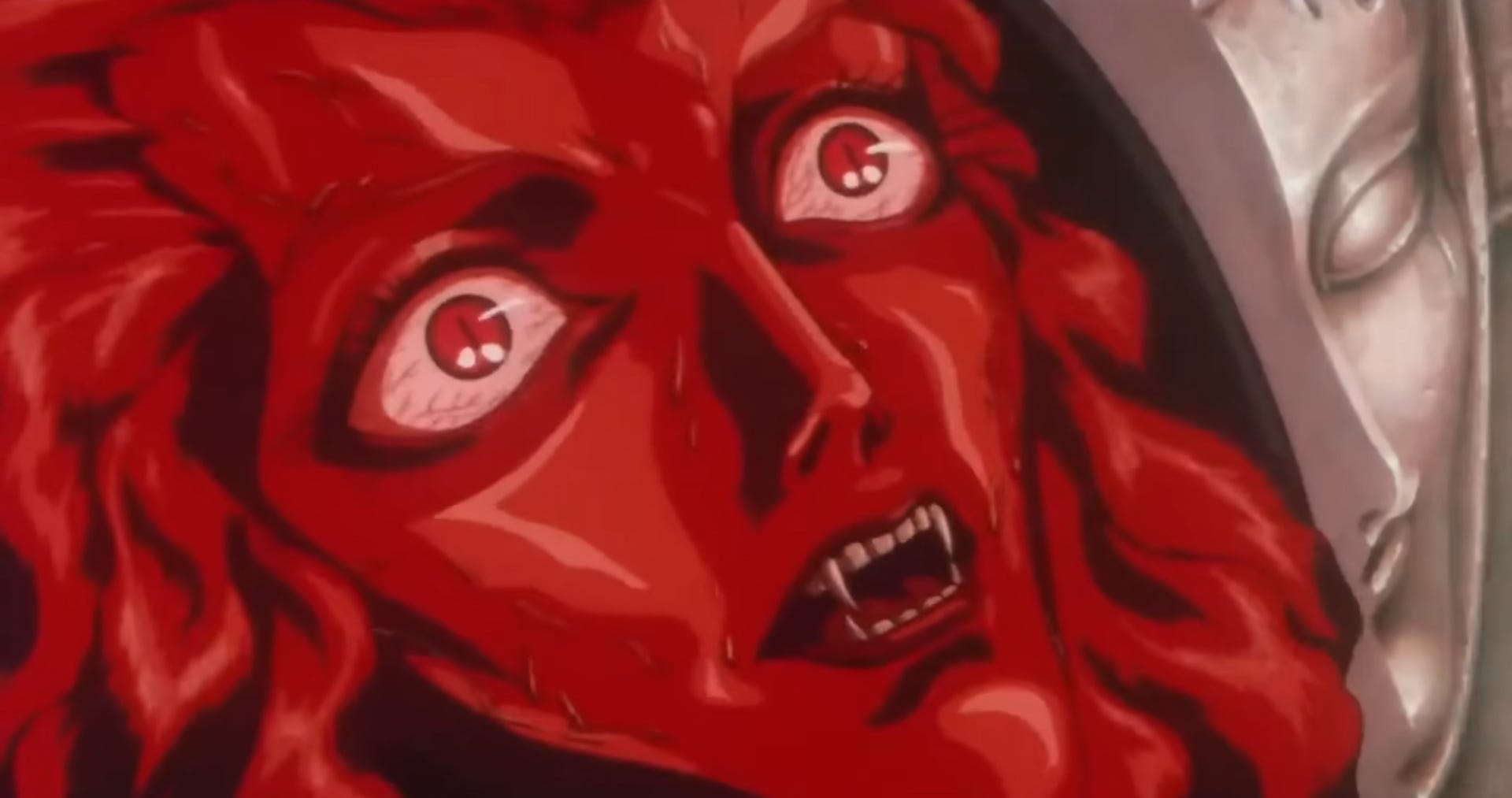
However, for all their elitist credentials, vampires don’t have a monopoly on horror with ideas. Zombies too have delivered biting social criticism, and still do when they’re given the opportunity. recently wrote an excellent piece on Danny Boyle’s 28 Years Later and its specifically British vision of a zombie apocalypse, complete with flag-shaggers and a manic horde of Jimmy Savile superfans. In her words, ‘These are not horror films about humanity: they are horror films about the British.’
Similar things might be said of George Romero’s classic Living Dead series, which revolutionised not only the zombie genre, but horror generally. Romero’s films are as American in their preoccupations as Boyle’s are British, but they are alike in that they both subject the viewer to nonstop flesh-tearing carnage, interpersonal aggression, and general dread for hours at a time.
I had not thought much about zombies since The Walking Dead era, so my recent Living Dead Odyssey was a refreshing one. In four consecutive evenings, I devoured the first four movies, and copious quantities of noodles, munching glassy-eyed as the bone-crunching horror washed over me. If truth be told, imbibing so much zombie mayhem in such a short time might have been overkill, but it was an Experience, and we all need new experiences sometimes.
In this post (divided into two parts for length), I want to break down each of these first four entries in order - the first three because they’re good, the fourth because it’s bad in an unusual way and I’d like to talk about that.
Night of the Living Dead (1968)
Night of the Living Dead has long enjoyed universal acclaim, and it’s not hard to see why. It was, and remains, the definitive modern zombie movie, and it is one of those classics in which the spark of genius is almost tangible, as electrifying as the mysterious energy that animates its iconic ‘ghouls.’
While modest in terms of budget and effects, there is an incredible rawness and urgency to it, and it makes for unsettling viewing even in these jaded days. The plot follows a motley group of survivors in the first days of a zombie outbreak, who become trapped and surrounded in an isolated farmhouse.
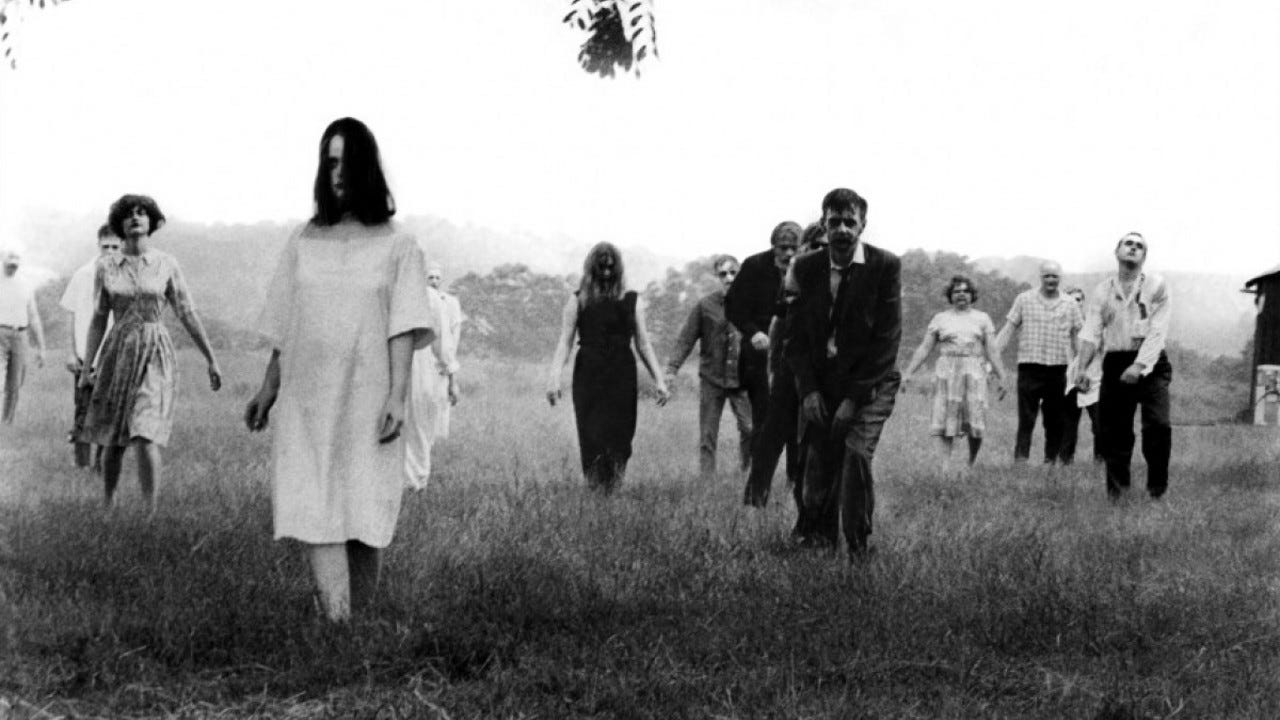
Unusually for the time, NotLD was filmed entirely in black and white, not as a cost-saving measure but as a stylistic choice. Romero felt that the gruesome images he wanted to show would be more effective without colour, and he connected this to the news. Through the 60s, news was still largely black and white, and, with the Vietnam War ongoing, harrowing B&W images were becoming seared into the American consciousness.
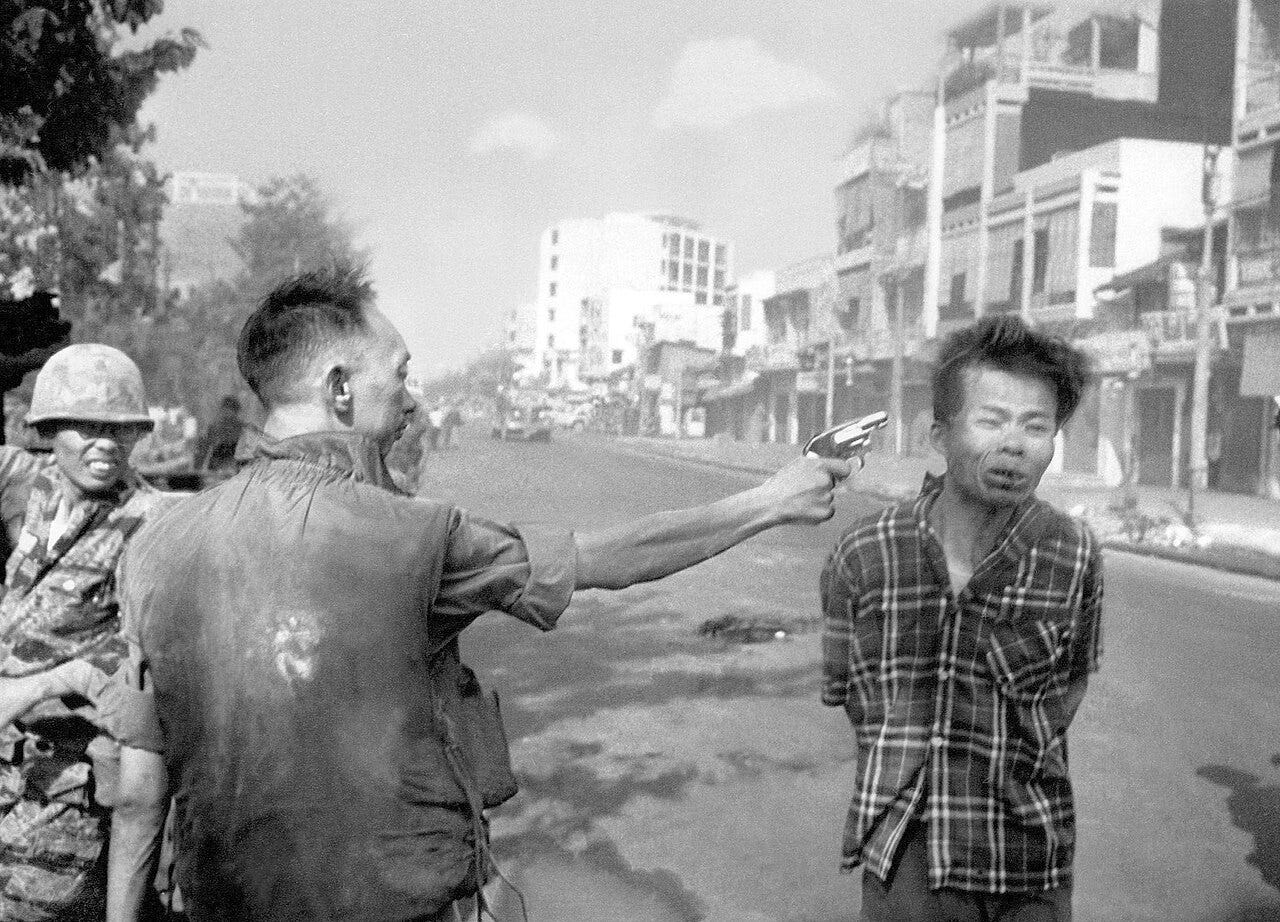
Night of the Living Dead is often likened to a wartime newsreel, and appropriately, news features within the film itself, as the frightened survivors huddle around TVs and radios, anxiously awaiting updates. A brief interlude follows a reporter interviewing scientists about the phenomenon, before joining a sheriff as he sweeps the countryside with a posse of volunteers. There’s an unsettling realism to these news segments, adding texture and believability.
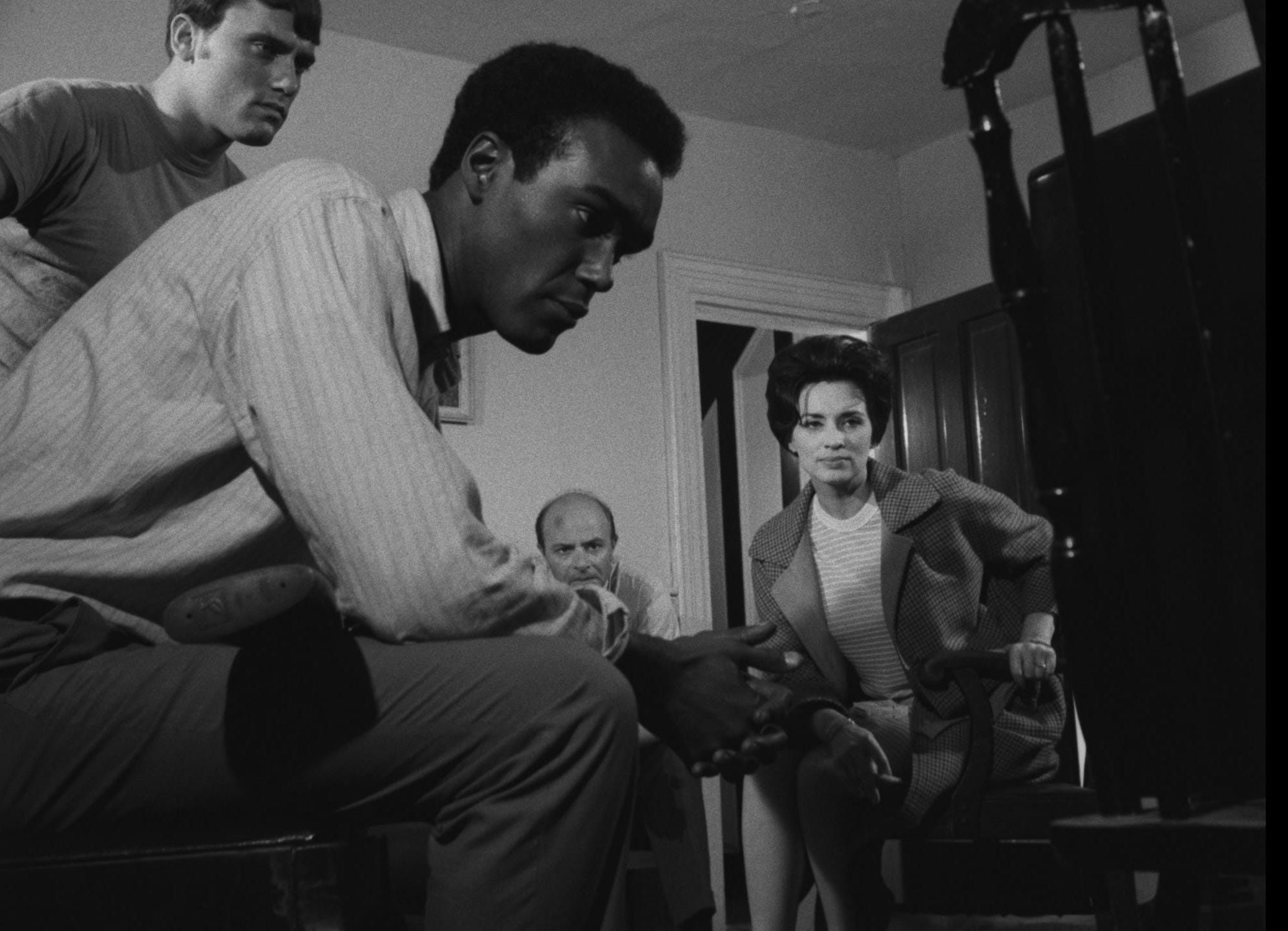
The film was controversial on release, in large part because it is so relentlessly bleak and pessimistic, to the point that some critics read it as misanthropic.
In a way, the detractors did have a point. In the opening scene, a fleeing girl leaves her own brother for dead. Some time later, a sweet young couple are immolated in a painfully avoidable accident, and feasted on by hungry ghouls. An older man is prepared to let his fellow survivors die out of sheer spite, and spends the rest of his screentime bitterly quarreling with his wife. In a nasty subversion of the idyllic nuclear family image, said couple are finally killed and eaten by their own daughter, and it’s not even the film’s first family slaying, since by this point the abandoned brother from earlier has returned zombified and killed his sister. Even Ben, our hero (sort of), isn’t above hitting a woman.
Speaking of Ben, the film has an interesting social background, given that the character was played by African-American actor Duane Jones, who won what would have been assumed to be a ‘white’ leading role on the strength of his audition. Far from a subservient, non-threatening figure, Ben is tough, resourceful and decisive, and, though compassionate to a point, he can only be pushed so far, as several characters learn to their own cost.
Although Romero denied changing the script to reflect current events (not least the April assassination of Martin Luther King), it’s hard not to read a racial subtext into the older white man Cooper’s suspicion and hostility towards Ben, which ultimately comes to violence. This reading is particularly attractive given the persistent theme of racism in every subsequent Living Dead movie.
Still more suggestive is the film’s ending, when Ben is mistaken for a zombie and promptly shot dead by an all-white posse. The credits show stills of Ben rudely disposed of by grim-faced volunteers, with scant respect for human dignity: they won’t even touch the body, instead hauling him out with meathooks, and tossing him on a bonfire with the zombies. The connotations are writ so large that the question of authorial intent (or lack thereof?) is less interesting than the result.
Again, it’s worth repeating that the Vietnam War was ongoing, and false labelling of civilian casualties as hostiles (just as Ben is killed as a presumed zombie) was not only common, but even formalised by a system of ‘kill quotas’, which in practice encouraged troops to kill civilians and report them as Viet Cong.1
Dawn of the Dead (1978)
If Night of the Living Dead is an intimate, claustrophobic picture, then Dawn of the Dead is to its predecessor what James Cameron’s Aliens was to Ridley Scott’s classic. It’s bolder, brassier, bloodier, and generally involves more of everything: bigger settings, more monsters, more action, and enough gore to turn even the hardiest stomach.
With the shift to the 1970s, moody monochrome was replaced with a brighter, more saturated look, with vivid fake blood and sickly green-tinted zombie makeup lending it a hyper-real comic book vibe, which is altogether suitable for the kind of film this is.
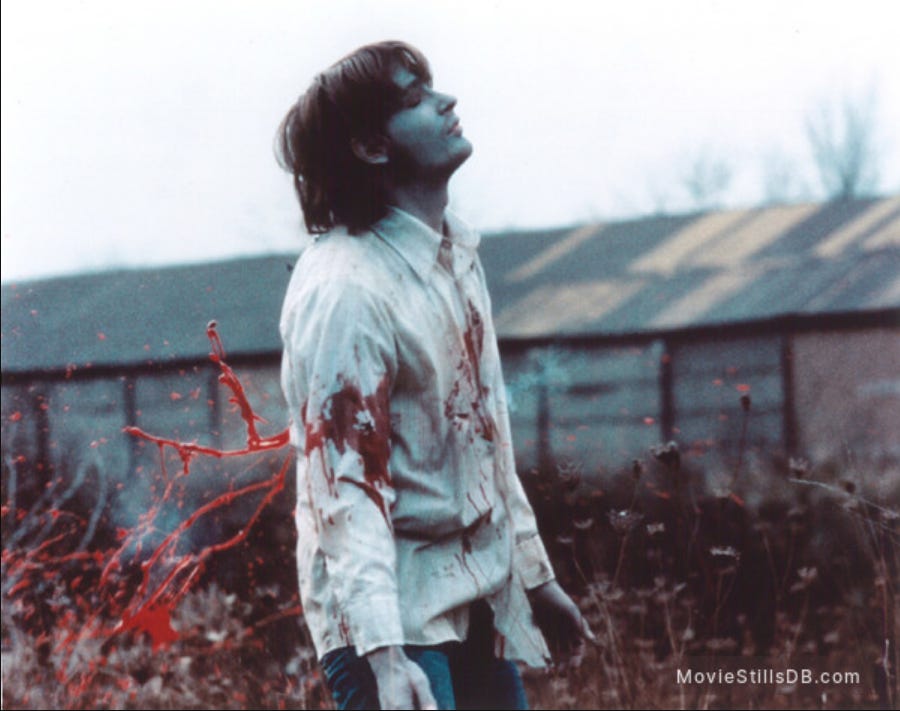
In terms of plot, Dawn of the Dead is a veritable catalogue of human folly and frailties, and more forthright in its worldview than Night of the Living Dead. The story follows a group of four survivors, two of them deserters from the police (Peter and Roger), who join forces with a couple (Stephen and Fran) who worked at a news studio where the first scenes take place. During the apocalyptic weeks and months that follow, our ragtag survivors occasionally tune in to hear the news (always bad), and to listen to increasingly heated and unprofessional arguments on air as the last pretence of civility breaks down.2
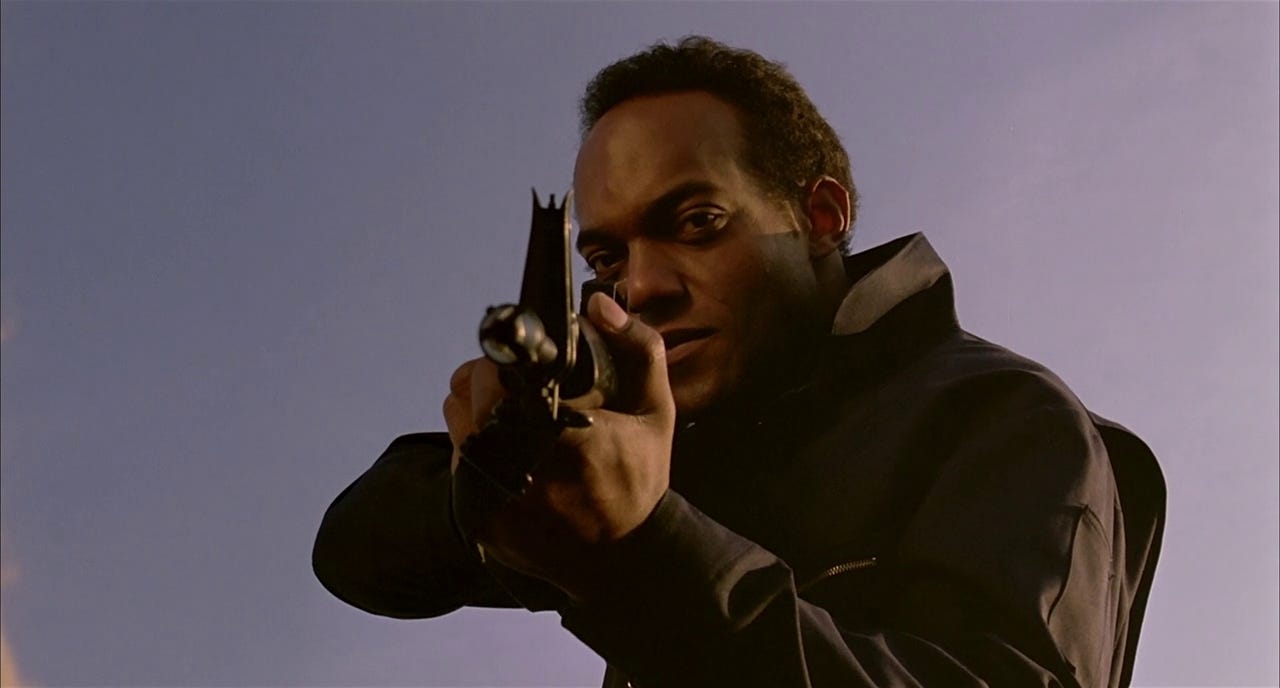
In an early character-defining sequence, our two cops take part in a brutal SWAT raid on a housing block where Puerto Rican immigrants are suspected to be hiding corpses for Christian burial, reluctant to hand them over to be ‘neutralised’ (beheaded) to prevent zombiefication. One fellow cop is a murderous racist (Many such cases!), who is justly fragged by Peter; Roger witnesses the killing, but says nothing, and invites Peter to desert with him.
Soon after, the newly formed group seizes control of a shopping mall,3 which they proceed to seal off, clear of zombies, and fortify to the best of their ability. The mall is huge and opulent, a veritable temple to Mammon, and serves as a springboard for social commentary on consumer culture.
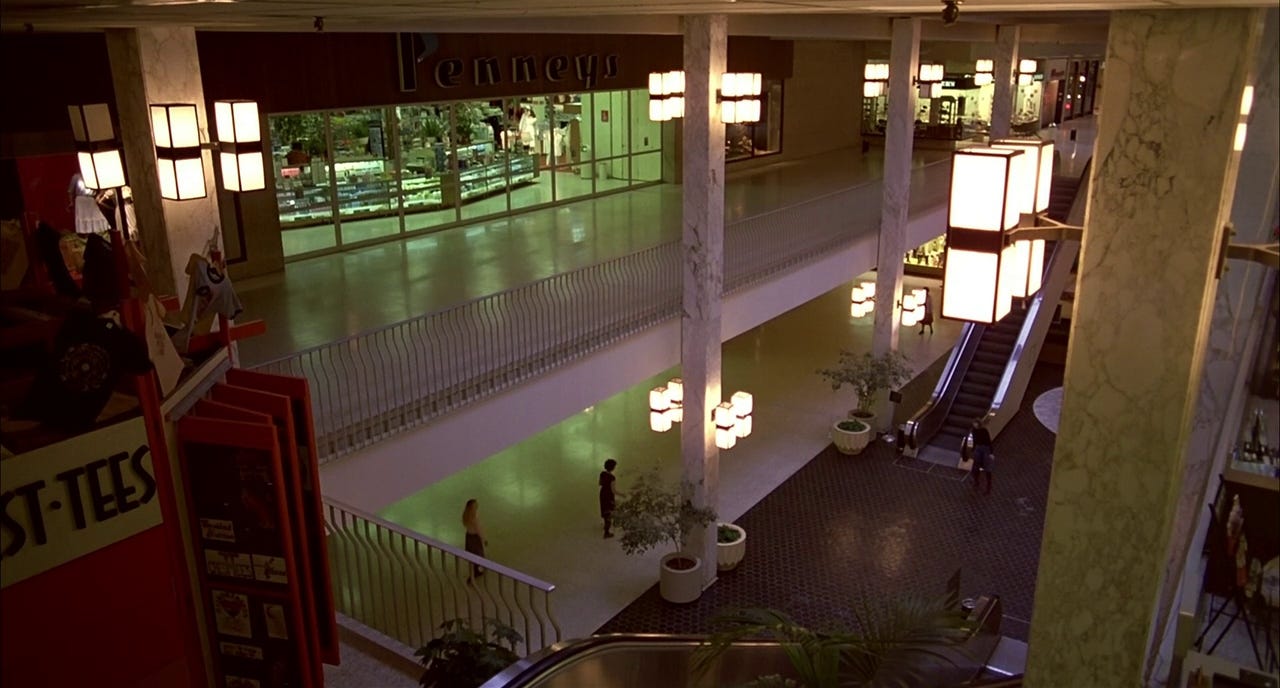
In the process, Romero expands on the mythos of his particular take on zombies to creepy effect. Watching the zombies shuffling about the mall, using escalators, and pawing at concession stands, the survivors speculate that they must dimly remember something of who they were and what they did in life, and are merely continuing to go through the motions of a consumer lifestyle.4 Consumers of goods have become consumers of brains, and the tragicomic implication is that they remained largely the same otherwise.
The critique of consumerism is mirrored by the protagonists, who become listless and unhappy in the mall, unsatisfied with their lives there, but at the same time too inert and comfortable to move on.
Meanwhile, the uneasy element of zombie memory is confirmed in the film’s climax, and makes explicit a disturbing implication: to become a Romero zombie isn’t merely to die, but to become trapped in a living death (tm), still aware and ‘ensoulled’ on some level. This is in line with the original Afro-Caribbean zombie myths (briefly referenced by Peter), in which a zombie is an undead slave to a sorcerer, and retains part of its original mortal soul and consciousness, but none of its human agency.5
As with the first film, Dawn of the Dead is thoroughly downbeat in tone, and takes a dim view even of its protagonists. In an uncomfortable scene, Peter offers to abort Stephen and Fran’s child, without Fran present, as if Stephen’s say in the matter is more important than hers. Peter and Roger (both, lest we forget, SWAT alumni) are both bursting with masculine bravado, and prone to risky ventures. The latter gets himself bitten and infected through sheer recklessness, and Peter’s efforts knock sense into him come too late.
Stephen is riddled with the same folly, putting himself and Fran in danger when he rushes off to join the other two men on a raid, apparently more concerned with his pride than with the safety of his pregnant girlfriend. The same cowboy mentality prevails when a murderous biker gang arrives, and Stephen, true to form, picks a fight he can’t win.
The bikers (who appear to have taken a wrong turn on the way to the set of a Mad Max film) serve as a dark mirror of the same impulsive machismo we see in the male protagonists, and their penchant for Nazi memorabilia harkens back to the racist cop’s explosive aggression in the opening scenes.
Taken as a whole, Dawn of the Dead is an unsentimental, almost absurdist epic on the subject of human (/American) stupidity. The police are belligerent goons; the Puerto Ricans are stubborn traditionalists; the survivors suffer misfortunes of their own making; the bikers are brainless vandals; the TV experts have no answers; and of course the zombies are all morons.
In case it’s not clear, I really enjoyed it.
Subscribe for more zombie nonsense.
(It’s giving current infotainment.)
(filmed at the Monroeville Mall in Pennsylvania; now defunct and soon to be demolished, RIP)
Of course, people hanging out in malls seems like a very benign thing to complain about in our current cyberpunk era. A 2020s zombie entrapped by capitalism wouldn’t be socialising at malls and ice rinks, it would just doomscroll eternally, and generate ad revenue for the worst people in the world.
I recently learned that plantation overseers actively encouraged zombie myths in order to prevent slaves from committing suicide, for fear of being made into zombies and enslaved in death as they were in life.
Comments
Nothing yet. Say the first thing.
Sign in to join the conversation.