
Words to live and dance by: an occasional series
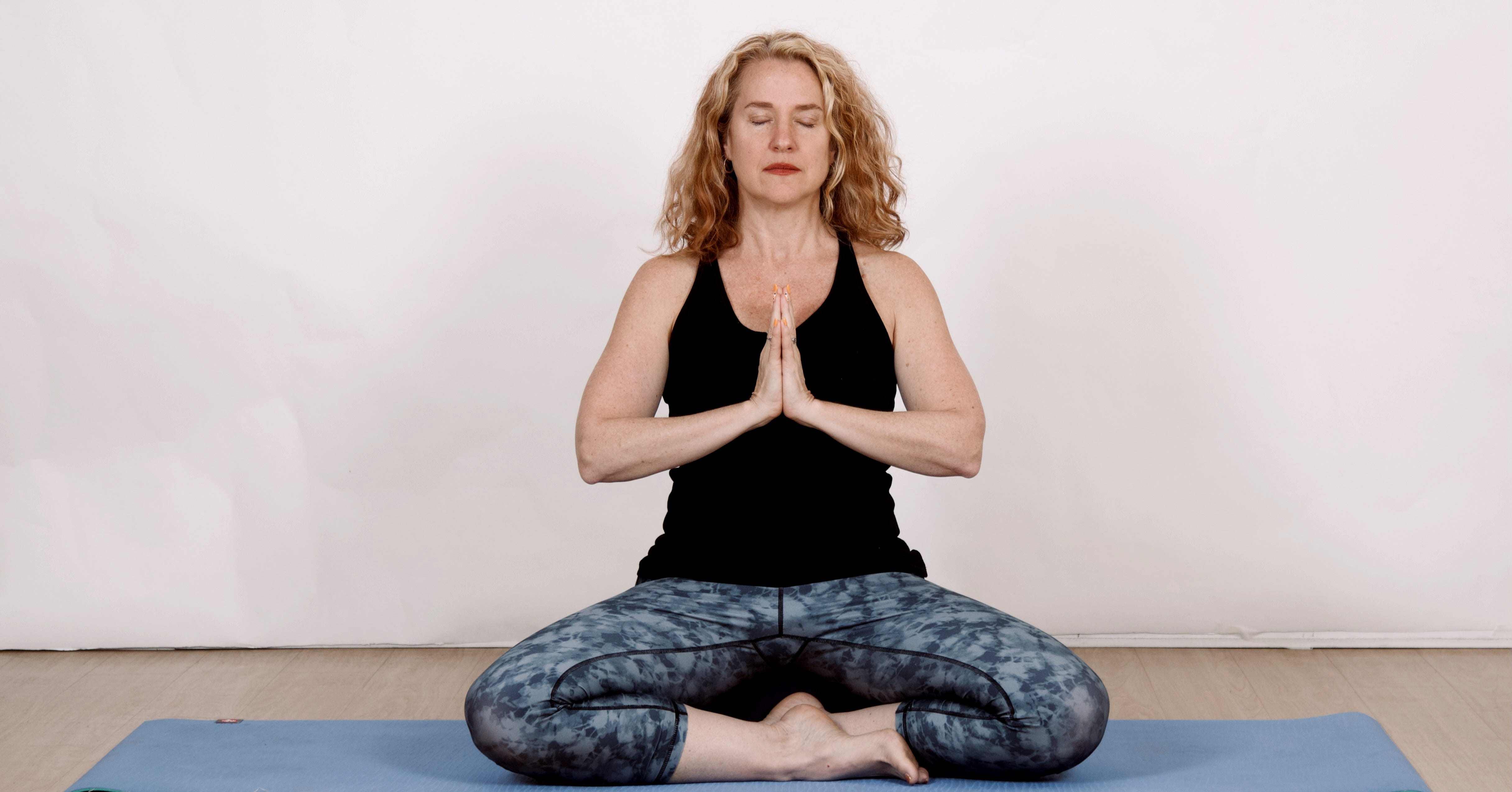
I recently attended a yoga workshop about mantras, in which we spent a lot of time exploring and learning about the mantra Om. This most important and well-known mantra is traditionally chanted at the beginning of spiritual recitations or practices. In yoga classes it can be chanted to open or close the practice. It is a sacred sound and a spiritual symbol in Eastern religions including Buddhism and Hinduism, said to both represent and contain the whole universe.
The teacher of the workshop also said that Om could be seen as a version of Yes. Like just about any concept in yoga, tango and life, the more we learn about something, the more we realize how little we know and how much we still have left to learn. I have been practicing yoga for 20 years, regularly for 15, and teaching for about a decade. I have chanted Om countless times, in classes I take and classes I teach. I have read about Om and written about Om. And somehow this idea of Om as Yes had passed me by.
But it spoke to me immediately. Yes. As in receptivity and acceptance. Of truth, of reality, of what is, good or bad, happy or sad. This profound version of Yes can help us find peace with many situations, because it puts us in alignment with the universe.
And I think that Yes can greatly enhance our learning and enjoyment of tango.
When we are open and receptive, resistance and blockages begin to melt away — resistance to new ideas, for example, or blockages against them, which might otherwise prevent us from learning something important. Often a teacher will say something that sounds completely new to a student, or perhaps seems to contradict an idea the student already had, and that student’s first reaction might be to immediately dismiss the new concept as stupid or wrong. But if they were open to the new idea, they might find that, in fact, it didn’t contradict previous learning, but reframed it, presenting a new angle that could unlock the next learning phase.
I had a student once who took lots of lessons and worked hard to improve. But he also took explanations literally and at face value and had a lot of preconceived notions about how tango worked. Once he felt he had understood an idea (such as, “Keep your frame” or, “Everything is led”), he would kind of fixate on it and resist any new explanations that seemed to contradict what he believed (such as, “Relax your arms” or, “Allow your partner to finish her own movement”). He would often complete my sentences during an explanation, so sure was he that he knew what I was going to say – and it was often the opposite of what I was getting at. This made him difficult to teach, not because he didn’t want to learn, but because he automatically resisted new ideas that fell outside his comfort zone.
This profound idea of Yes might also remove a tendency to judge. Judging someone or something, especially negatively, can prevent us from so much: evolving, getting to know a person, fully experiencing something new. We pre-decide what it is or isn’t, what should or shouldn’t be, instead of recognizing reality as it is — without trying to fight, judge, or control it. That’s an essential step in finding peace and moving forward.
In psychology, acceptance is described as an active process: allowing thoughts, emotions, and situations to exist without resistance. It’s not passive resignation, but a deliberate choice to stop arguing with what already is.
There’s a lot of judgment in the tango world. The music we don’t like. The people who aren’t good enough or who don’t dance the “right” way. We judge ourselves too: I’m not as good as so-and-so. I’m a slow learner. I’m a bad dancer.
Yes asks us to accept people for who they are. In tango, that means accepting dancers for the dancers they are, not the ones we’d like them to be. It means not correcting or trying to fix them. Being open to the experience in front of us instead of the one we’d planned on.
This also entails accepting yourself as you are, in this moment, without judgment or comparison — to others, or to who you were before.
Leaders, how many times have you led something, and your partner did not interpret or execute it as planned? Dozens? Hundreds? Thousands? And how many times did you feel or act frustrated, focusing on whose fault it was, and maybe going back to try to get it “right”?
Followers, how many times have you felt clumsy, insecure or inadequate because you were hyper aware of all your “mistakes”? Then, how many times have you had a feeling that maybe you didn’t follow your partner’s plan, but you weren’t really sure, because they kept going and made something that worked out of your response? Didn’t that feel better? Wasn’t it more fun and satisfying – for both of you?
In social dancing, there is no point in getting frustrated over a misstep or missed lead. You can’t go back and change it, so you might as well accept what did happen and follow through from there. This is true improvisation, and it makes space for the shared creation of a dance by two partners, not just one.
A lot of this means we have to learn to detach ourselves from our egos, which will make room for us to receive, to be open to new ideas, to actually learn something. In yoga and mindfulness meditation, when we detach from the ego we move toward spiritual freedom, toward enlightenment.
In a recent post, I talked about how difficult it can be to say No. It can also be surprisingly difficult to say Yes. But try it and see where it takes you. Whether it’s the next time you chant Om or the next time you encounter someone or something you think you won’t like, say Yes. Yes to the music, to the partner in your arms, to yourself. Yes to what is.
Know someone else who might like to read this? Please share!
More in the “Words to live and dance by” series:

No posts
Comments
Nothing yet. Say the first thing.
Sign in to join the conversation.