
[This is a big one due to the images; read it on desktop or in the app]
This is a transcript of a speech originally given on Victory Never Sleeps episode 181 by Allsherjargoði Matt Flavel. The transcription has been cleaned up; the original was unrehearsed and off-the-cuff.
-Folkbuilder Chris Savich
“What is the significance of the sonnenrad and what does it mean?”
[-A viewer]

We get questions about that. You will notice that as the halo around the heads of our Heroes and our Gods, we have a 12-spoke solar disc. The solar disc in general has always been a sacred symbol to our Folk from the earliest times of our ancestors.
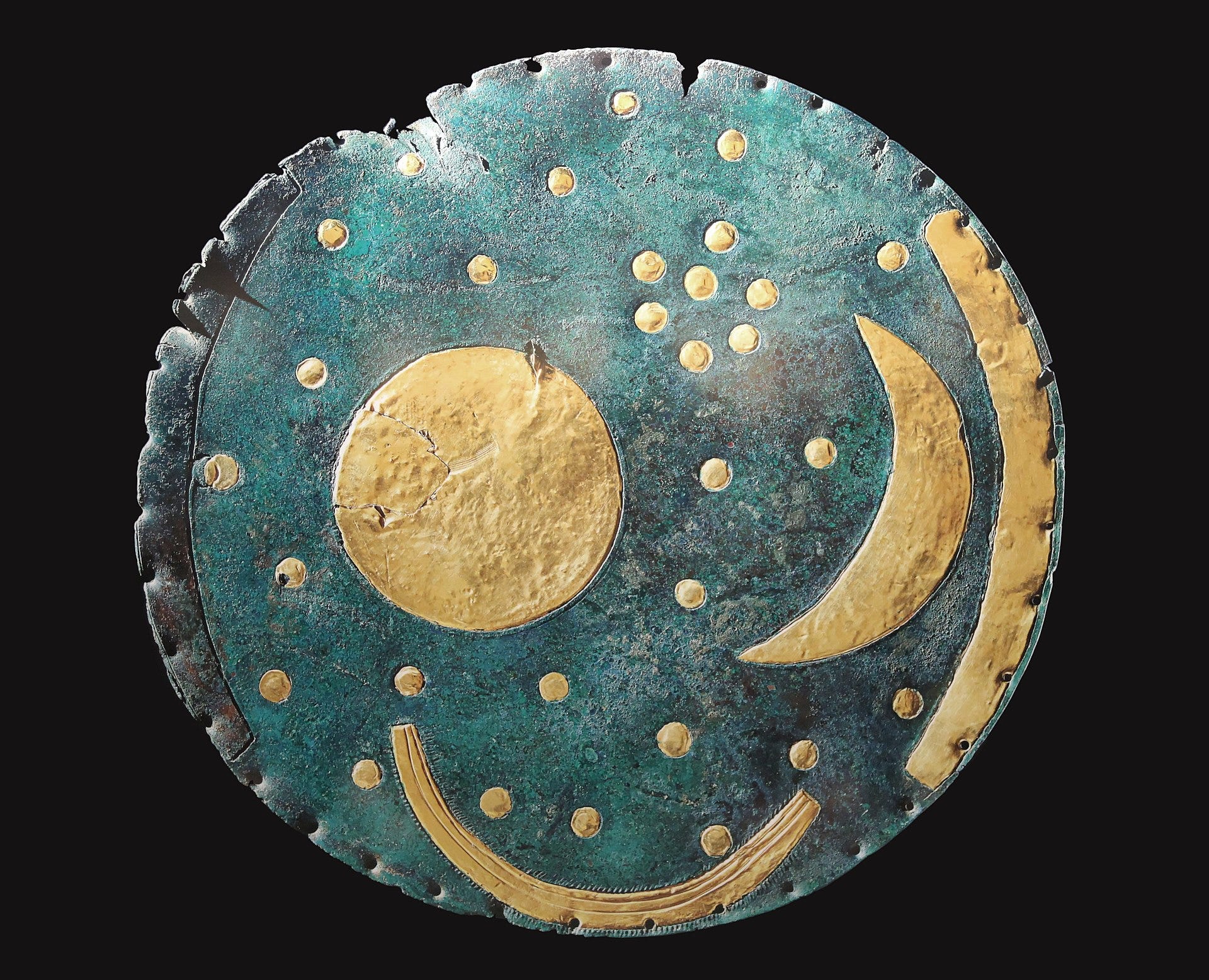
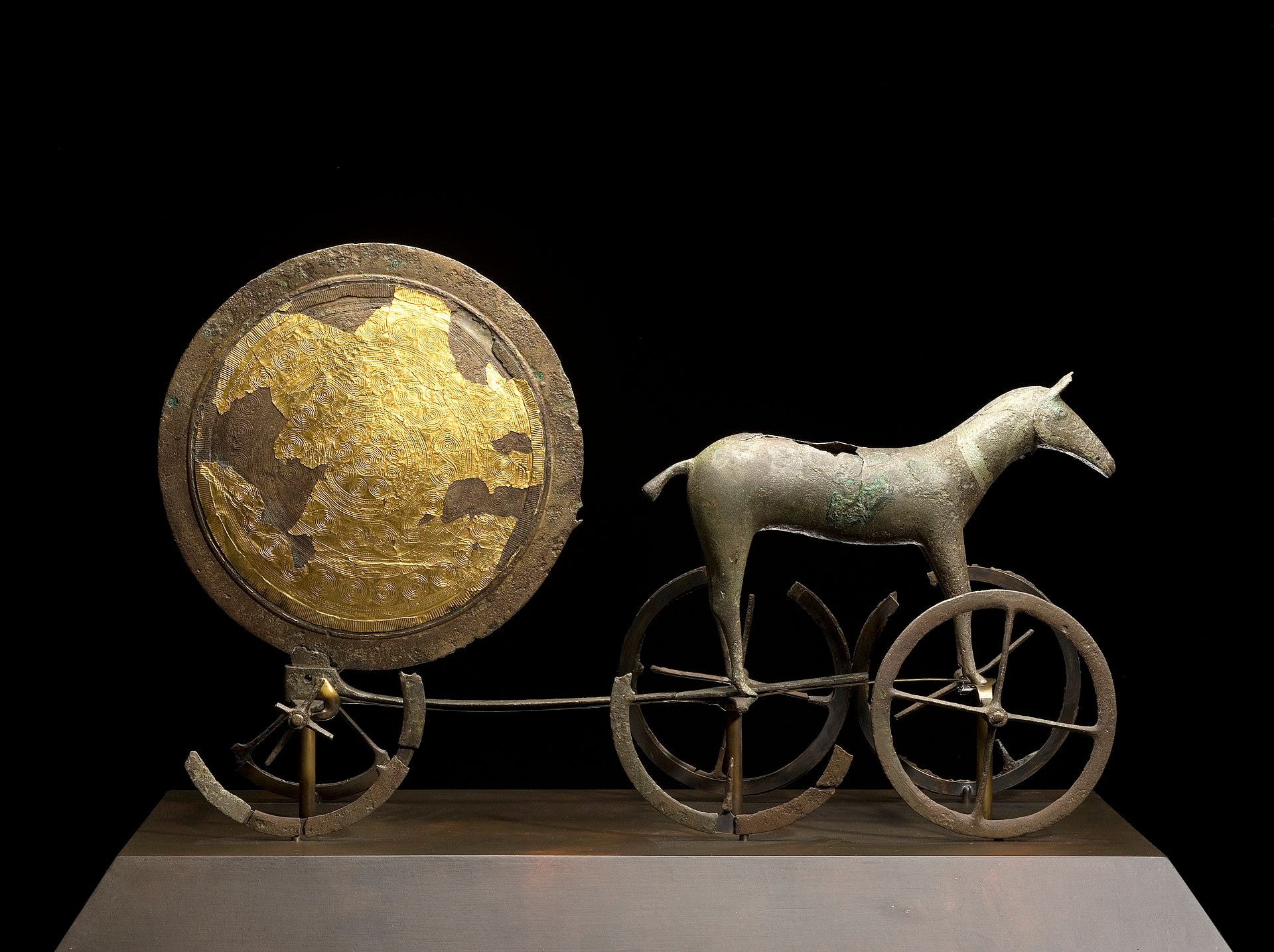
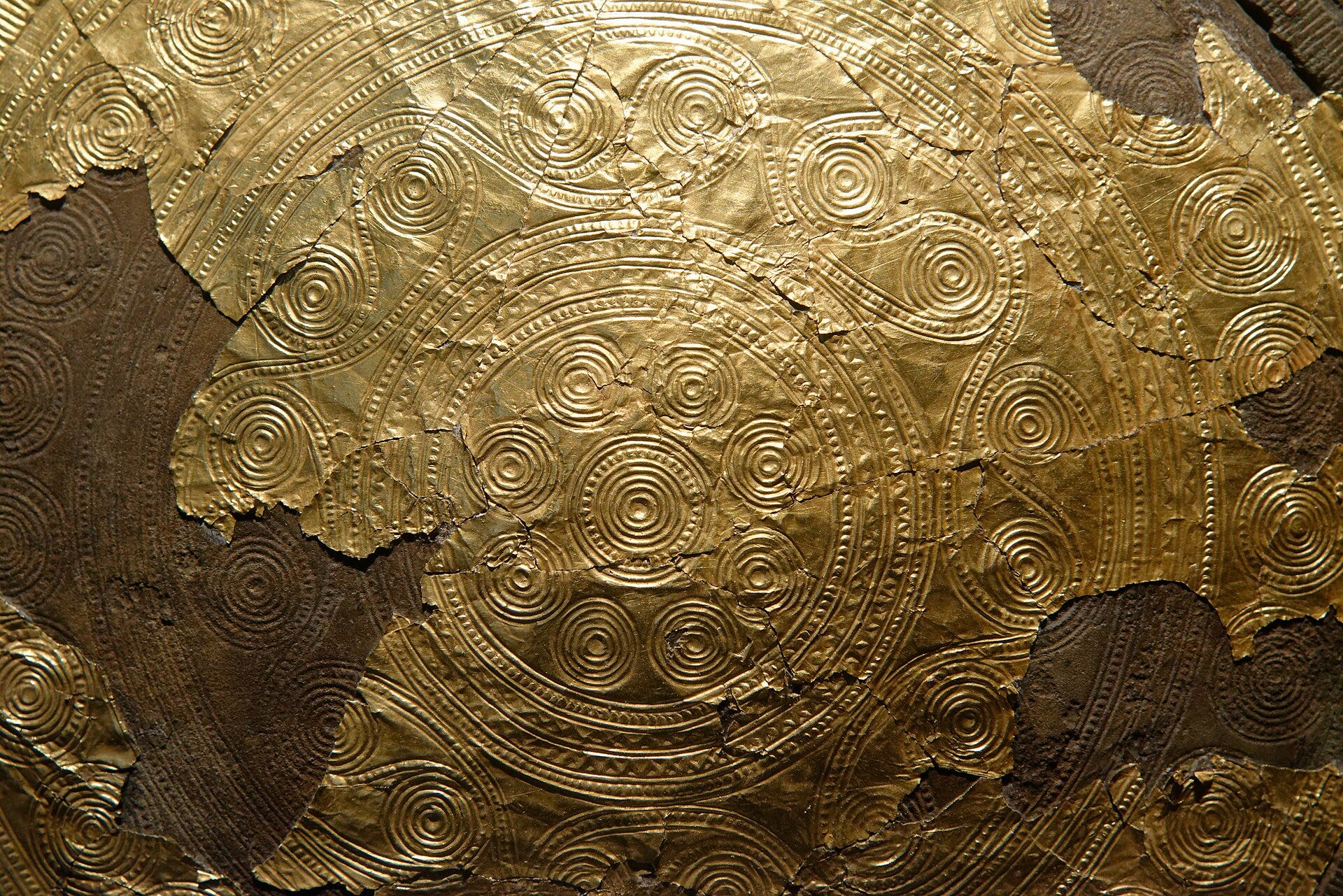
Perhaps the earliest solar depiction, that I’m aware of for sure, is the Trundholm sun chariot: that’s in the museum at Copenhagen, or at least it was when I got to visit it there; it’s really striking and many of you may be familiar with it. It’s, I believe a singular, horse pulling a chariot with a sun of leafed gold. Some of the leaf has worn away over the millennia, but it’s very ancient and very striking. It demonstrates that the sun was always really important.
You can see in some early carvings and such, sometimes the solar symbol will have the equilateral cross in the middle of a circle, for a solar cross and the solar disc.
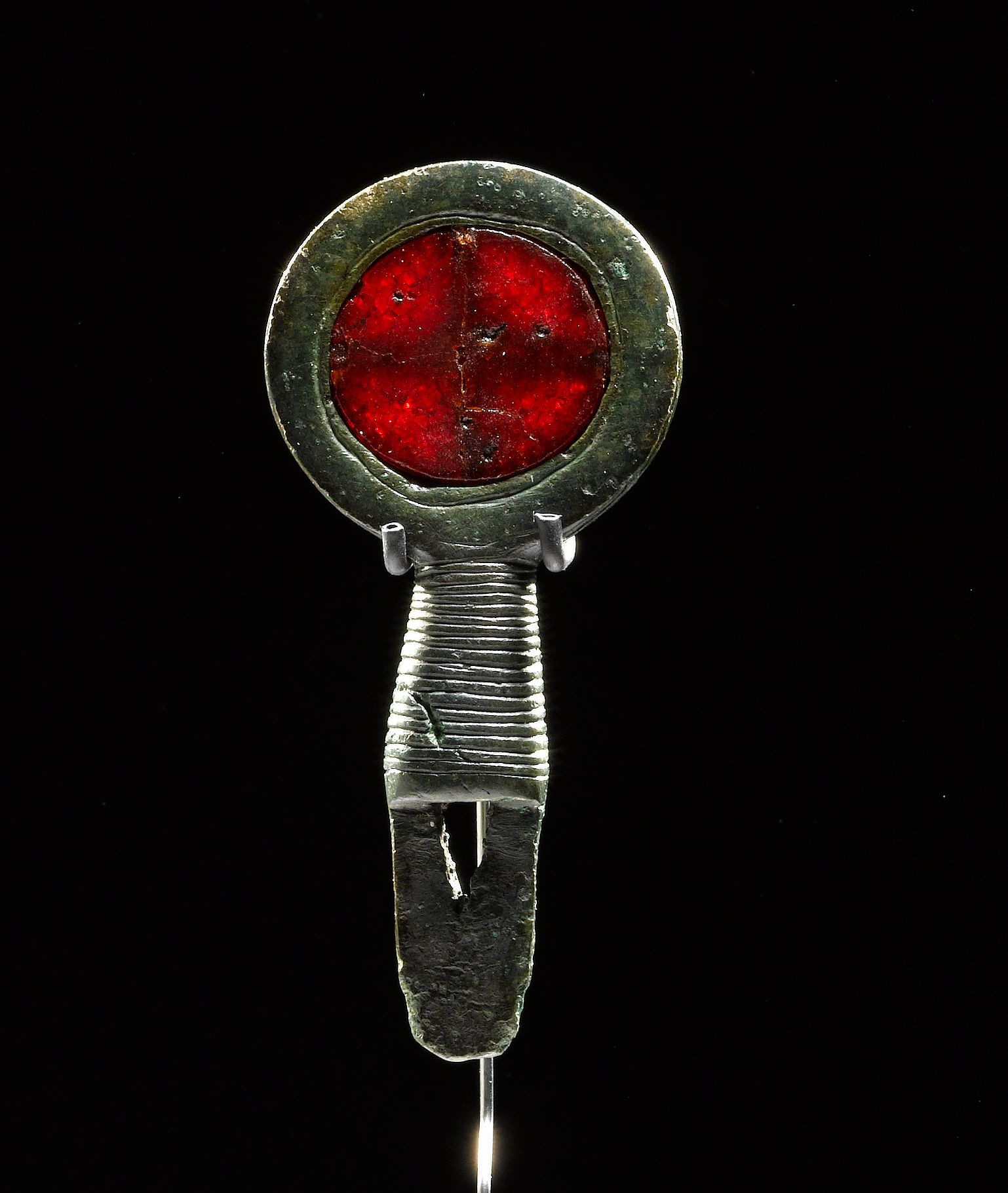
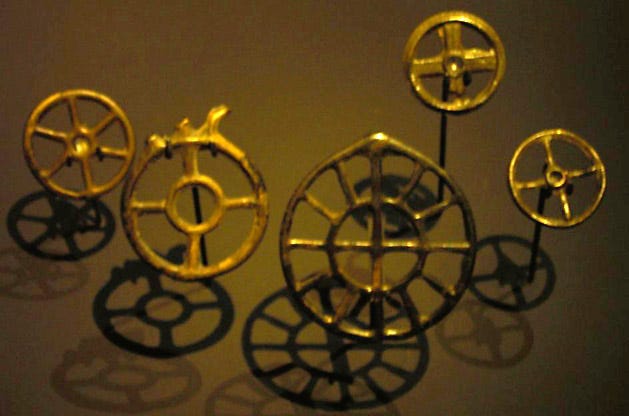
In the migration era, maybe even earlier, I’m not certain, it became associated with the Alemanni tribe in Germany, and other tribes I assume, but it’s kind of become synonymous with them [specifically] in German, there’s a symbol on artifacts called “Zierscheibe”. It’s just a decorative disc, and they would have this motif on so many different things.
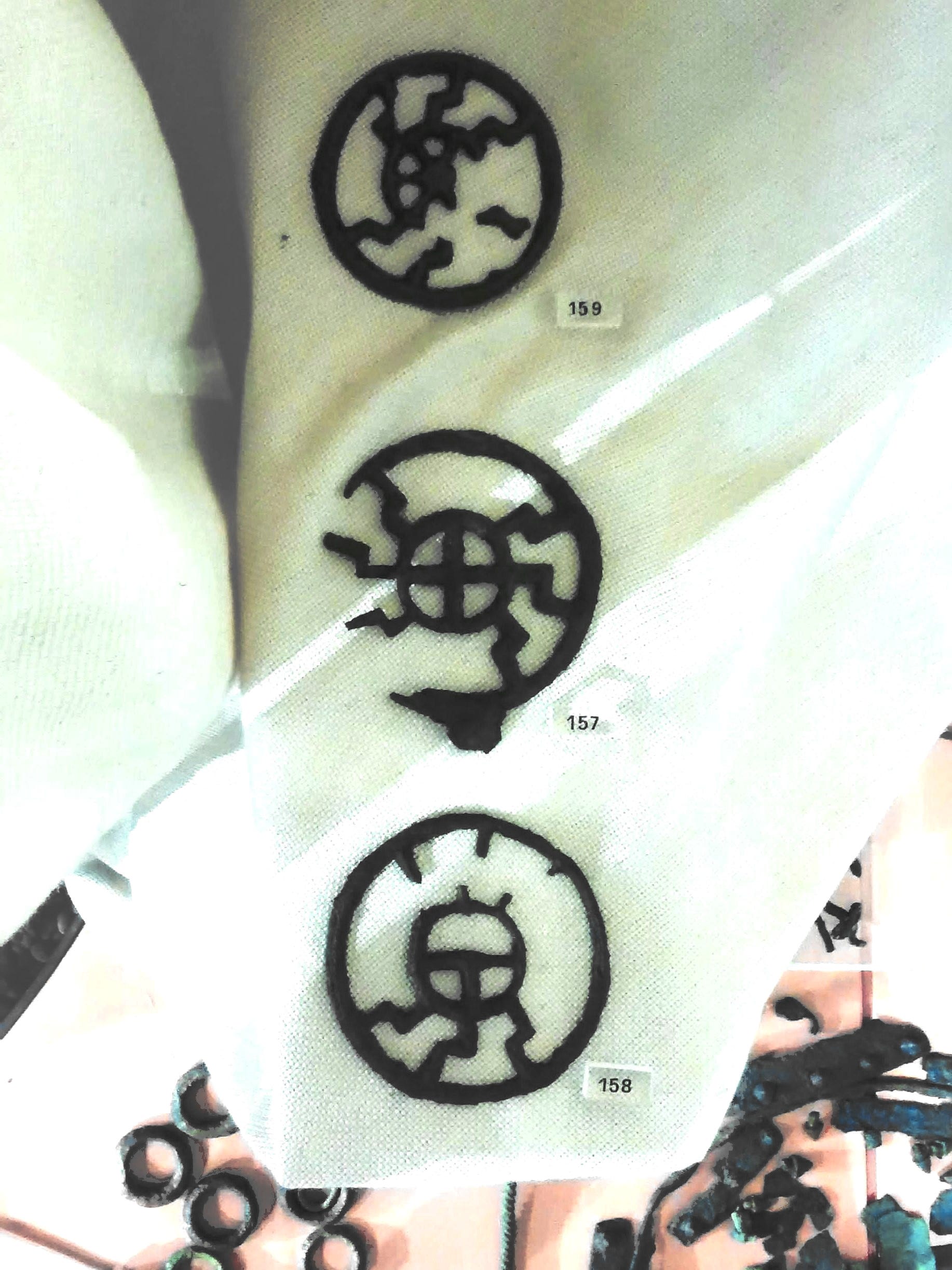
And if you Google them or look them up, they’re very, very similar to that 12 spoked solar symbol, the sonnenrad. Or, and I’m not trying to fool anybody: the black sun. And if you look into that, the reason that we get a lot of “ooh, that’s edgy” or whatever is it is displayed prominently in Schloss Wewelsburg in Germany, which was the Schutzstaffel’s headquarters. But the thing that comes into play often with Third Reich imagery and Asatru is we’re both hearkening back to an ur tradition of symbols of spiritual power from our pre-Christian Germanic ancestors. And so there’s certainly going to be things that both groups use. This 12 spoked version, this is the most clean modern version of it, but you can find 12-spoked variants of, again, these very ancient Zierscheiben.
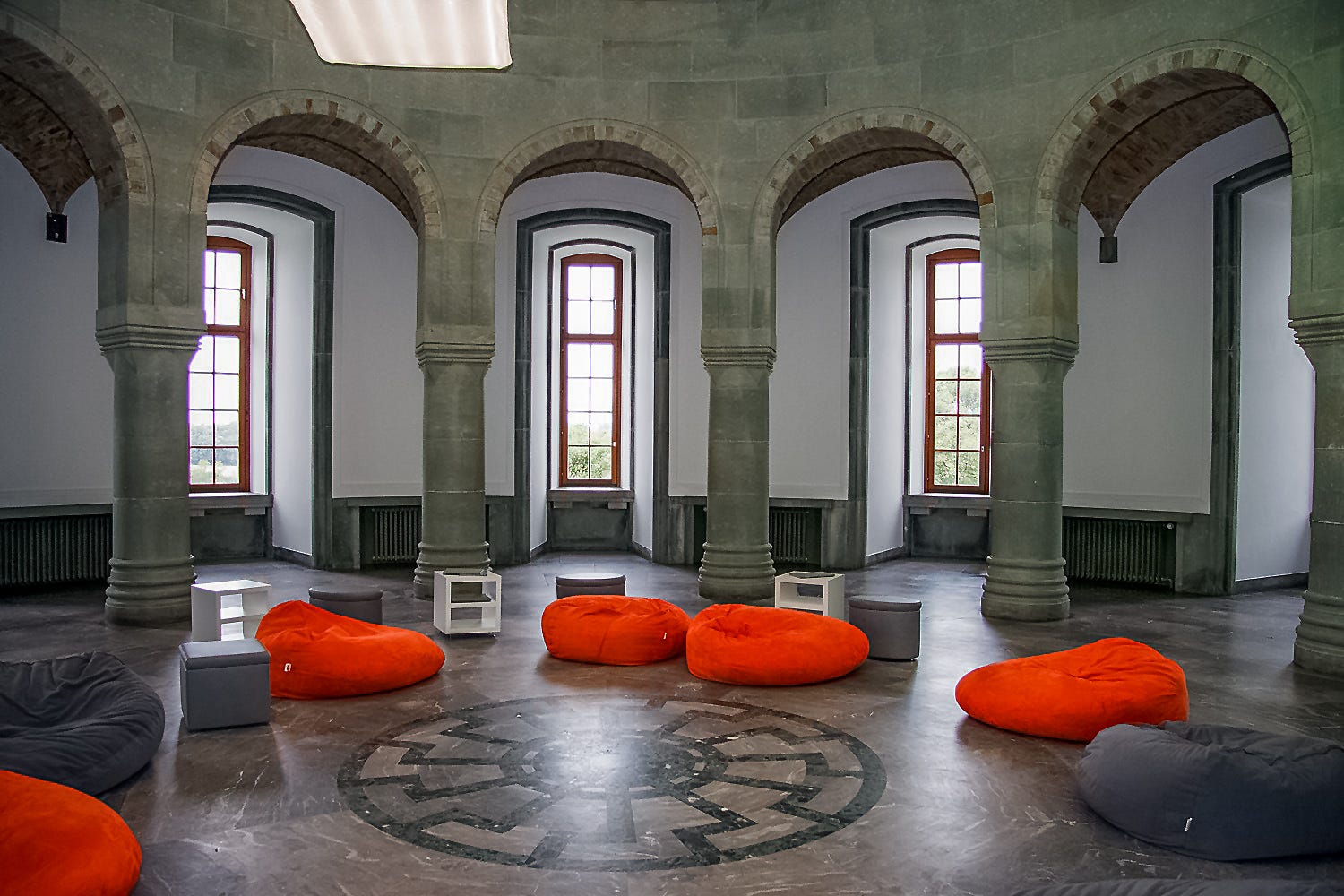
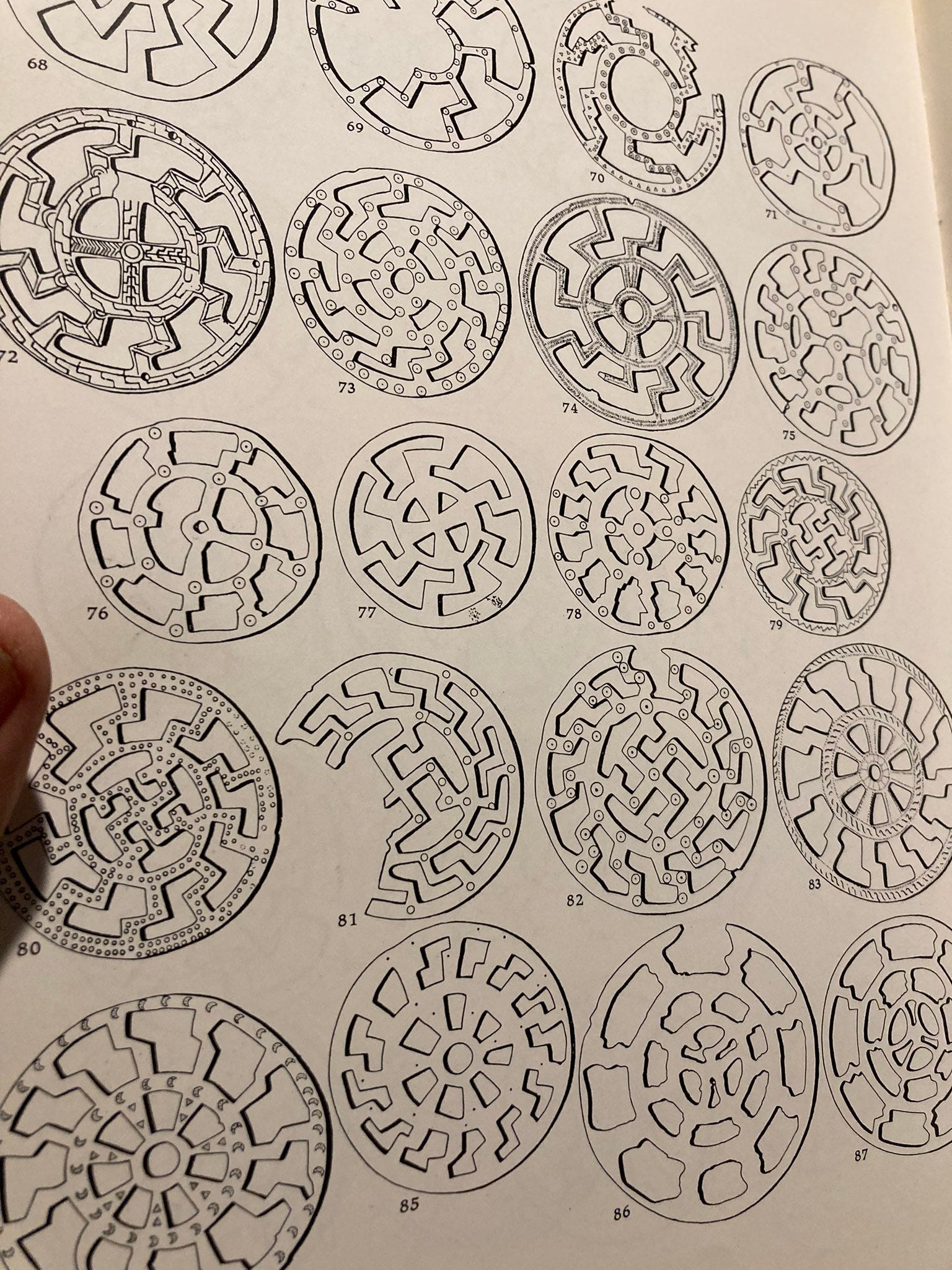
It’s a very powerful symbol, and it’s a solar one. It’s got the 12 for the 12-months: the completion of the year. The number 12 is very important in our lore and in our practice of Asatru. In material that Spekingr Svan Herul and I will be going over with you guys shortly, in the Gylfaginning, it is asked “Who are the Æsir”? The Aesir are 12. The Æsir that it’s beneficial for man to worship, or that it’s good to call upon, are 12. That number of 12 is really important to us. So the 12-spokes, just like the 12-hours on a clock face are essential to that.
[Editor’s note: The episode that this speech was from was originally made on 2025’s December 25th.]
The squiggle, yes, it’s the Sig rune, the victory rune, but it also implies that movement, and it’s particularly that solar movement. So does, on the topic of these particular kind of symbols, the swastika.

[Editor’s Note: The “s-rune” is the sig-rune in the Armanen Futhark; in the other Futharks, the “s-rune” is sowilo, the solar-rune.]
The sonnenrad is a solar symbol that implies that rotational movement, and that constant movement is essential to concepts in our faith that are really important. It’s a point that is reinforced in our lore a lot, and the basic idea is to keep moving forward. The idea is that forward motion elevates us, moves us forward, leads to victory, leads to ascension, but that stasis, or rather, being still, does not. The lack of movement for a prolonged period leads to entropy. If you stop moving, then you are drawn, you are pulled, into chaos, and into disintegration and destruction.
So it’s very important to always be moving forward. We see this with Sól and Máni having to stay one step ahead of Skóll and Háti, the wolves of mockery and of hatred. We have to stay one step ahead, because when that wolf, because if you don’t, even for a second, the jaws of the wolf begin to close around you.
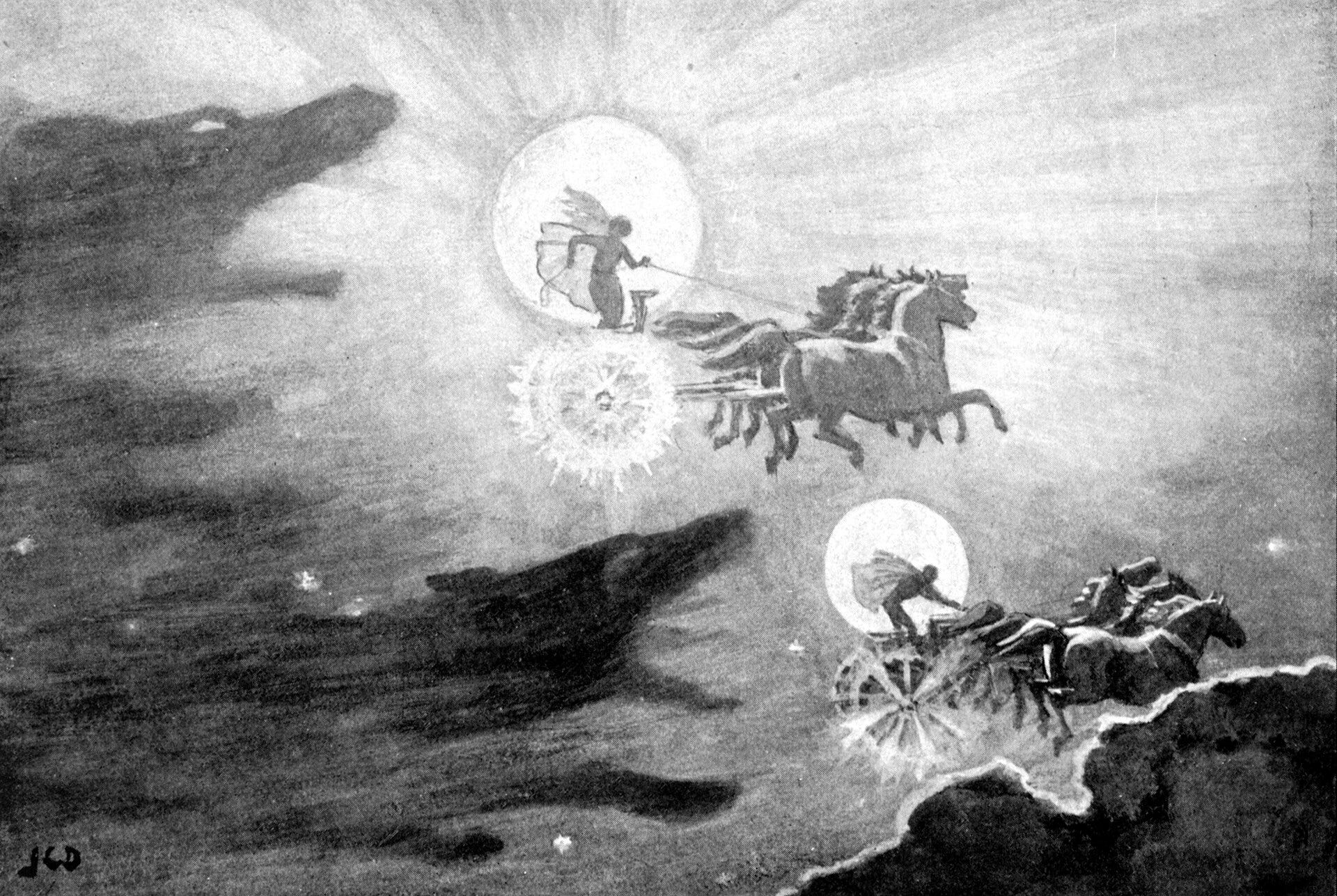
And we see that’s kind of the story told by the eclipse: the wolf’s got her, so let’s yell really loud and try to scare it away so that she can break free. The idea of always staying one step ahead of that destruction, one step ahead, keep moving forward: that’s that constant movement, the constant progress, the constant upward spiral. A spiral of ascension is important in a way. It inspires the name of program: Victory Never Sleeps. When you win something and then you get lazy and you sit there, that’s when entropy and chaos sets in. So you can’t ever just rest on your laurels. You have to always be moving forward. And that’s why the movement implied in that sonnenrad motif that we choose to use is so very important to us.
[Editor’s note: “Yell at the sky to scare off the eclipse” is crossculturally an extremely common practice]
But it also signifies holiness. It signifies solar might when it’s around the heads of our Gods, it’s in gold, because they’re divine beings: they’re Gods. When it’s around our Heroes, it’s red because these were mortals that exhibited that kind of holiness. So that solar might, that holiness, is around the heads. And a lot of people might associate haloing with, with Christianity, but it predates that. And it exists in other cultures that are very not Christian: you see it in Indian art a lot. It’s a motif that’s not confined to that, but it is one that Christianity also glommed onto for their holy figures. But to differentiate us, we use that very unique, that very Germanic solar symbol. That’s not just solar in origin, but also it’s solar in movement; in that 12-spoke movement.
[Editor’s note: The halo was adopted by Christians in the 4th-century based off of existing European solar-crown imagery. The “ring above head” is an artistic simplification of actual light emitting from the individual’s head, which is a naturalization of literal rays of light. The solar crown may be of Egyptian origin, but the “headband radiating spikes of light” image shows up in Greece and Persia at latest in the 400sBC, and is almost certainly older in Greece and Persia. The solar crown is also where the image of the modern Western crown omes from: the spikes are rays of light.]
-Allsherjargoði Matt Flavel
For more about the Ásatrú Folk Assembly, visit our website!
Thanks for reading the Runestone Newsletter! Subscribe, share, and donate to help bring the Folk home.
.
Comments
Nothing yet. Say the first thing.
Sign in to join the conversation.