
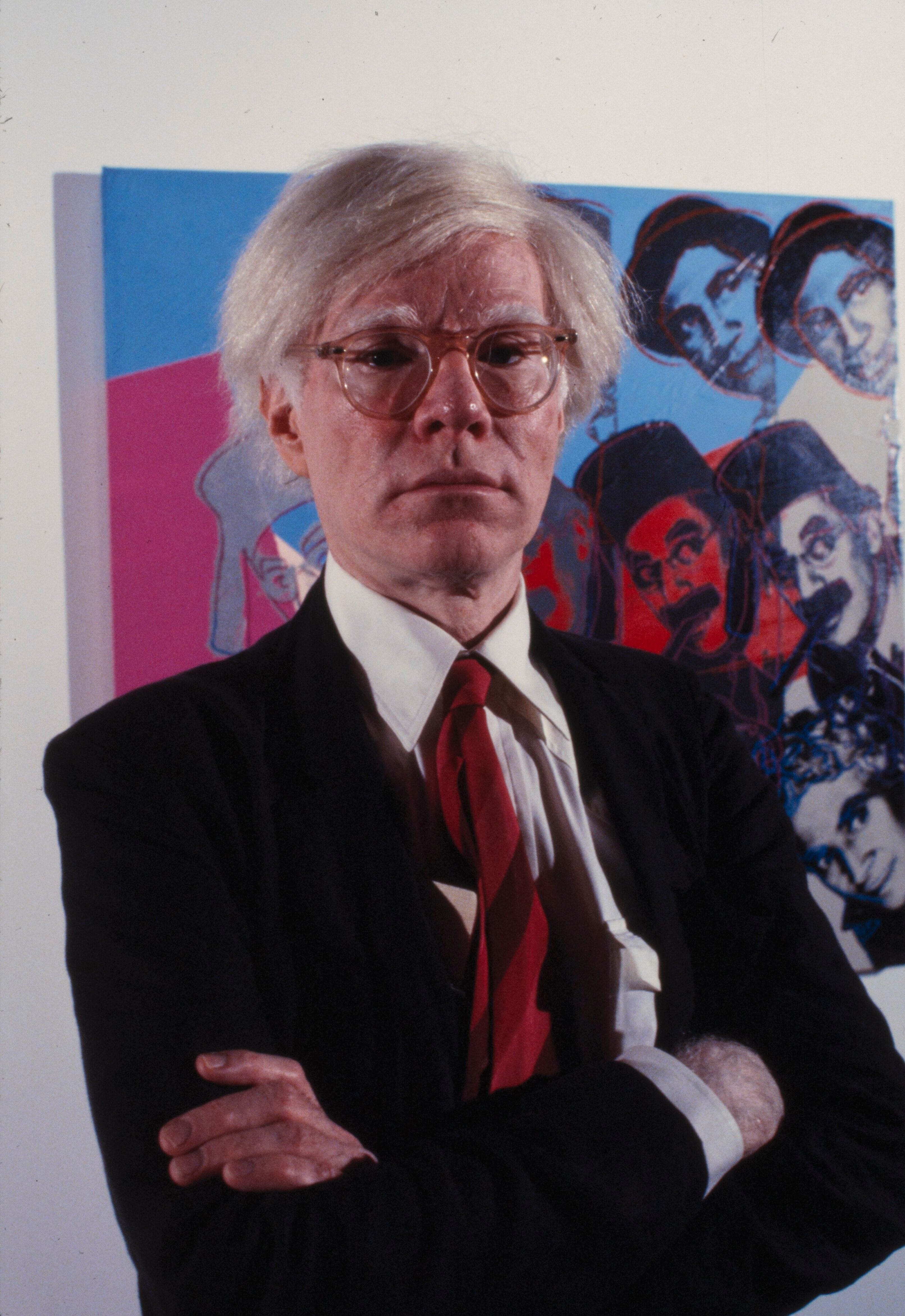
Welcome to Ornela’s Time Travels, where I talk to dead artists, writers, collectors, and occasionally chaotic personalities about power, patterns, and why we keep making the same mistakes with better technology.
Time Travels: Andy Warhol on Influencer Economics
Ornela: Andy, in my time people make money by posting photos of their breakfast. Companies pay them thousands of dollars to hold products. They’re called “influencers.”
Warhol: Great.
Ornela: That’s it? Just “great”?
Warhol: I painted soup cans and sold them for thousands of dollars. Same thing. They’re just cutting out the painting part. More efficient.
Ornela: But you were commenting on consumerism, making art about –
Warhol: I was making money. The commentary is what critics invented later. I liked soup. I liked money. I painted soup, got money. Your influencers like skincare. They post skincare, get money. I respect the directness.
The 15-Minute Economy
Ornela: You said “In the future, everyone will be world-famous for 15 minutes.” That’s basically going viral now.
Warhol: Did I get royalties for that quote?
Ornela: No.
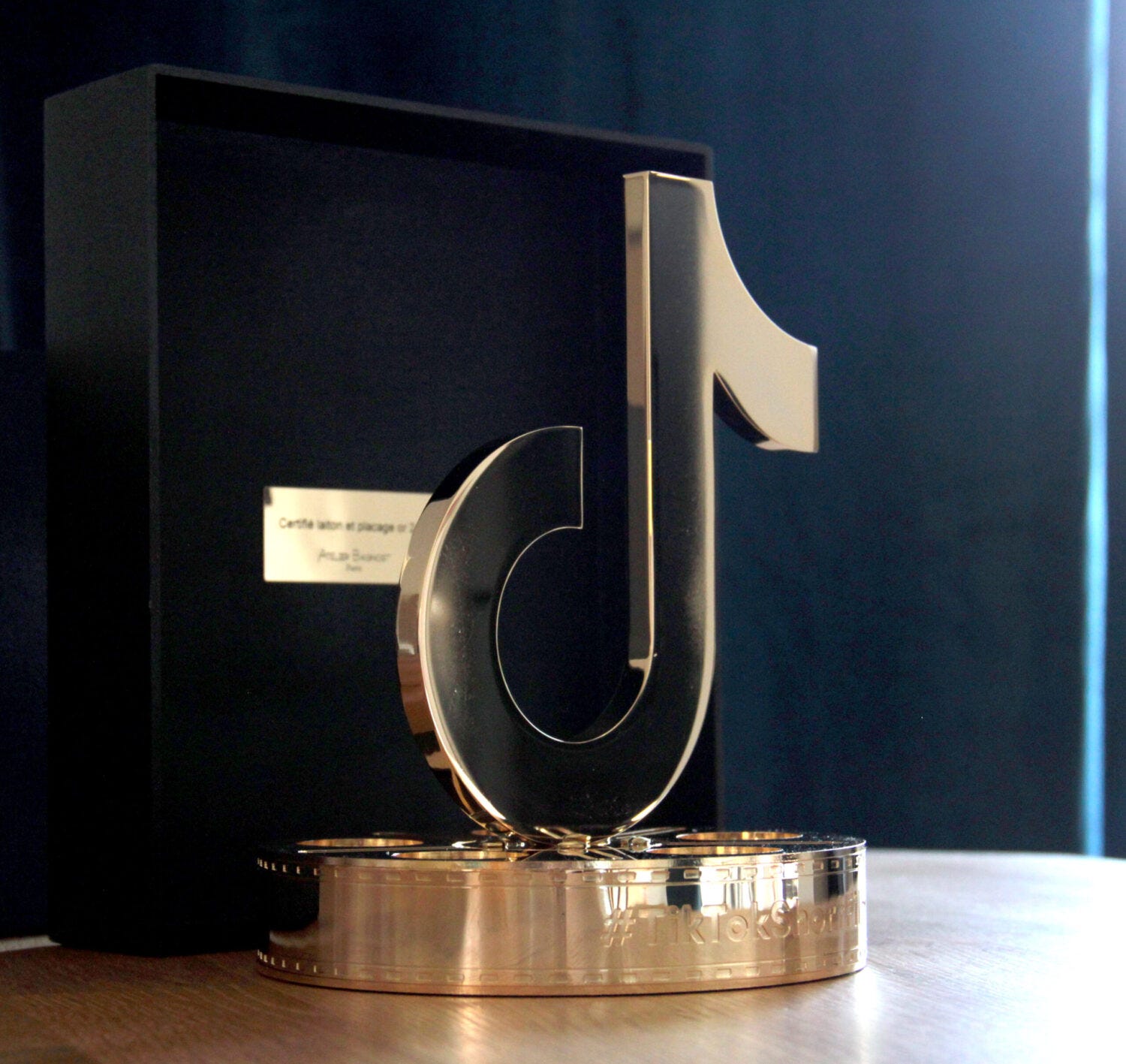
Warhol: Shame. But yes –15 minutes of fame is now monetizable. That’s progress. In my day you’d be famous for 15 minutes and get nothing. Now you can make $50,000 from one viral TikTok if you move fast enough. Beautiful system.
Ornela: But it’s so shallow. People famous for doing literally nothing.
Warhol: I filmed a man sleeping for six hours and called it art. Your influencers film morning routines and call it content. They’re just more honest about wanting money.
Mass Production as Business Model
Ornela: Influencers post multiple times daily. Same pose, different outfit. Same caption structure. It’s completely formulaic.
Warhol: I silk-screened Marilyn Monroe 50 times in different colors. I called it a series. They call it a content calendar. The repetition IS the point. You think the 47th Marilyn was deeply felt? No. It was production. Manufacturing fame through volume.
Ornela: But your art had meaning, technique –
Warhol: I had assistants do most of it at the Factory. I’d come in, sign things, leave. Your influencers have teams too – photographers, editors, managers. Same factory model. I just had worse lighting.
Ornela: So you’re saying influencing is art?
Warhol: I’m saying art is influencing. Always was. Michelangelo had patrons – the Medici were his brand sponsors. I had Campbell’s Soup. They have Fashion Nova. The mechanism is identical. We just pretended it was about higher things.
Authenticity is Overrated
Ornela: Critics say influencers are fake. Curated lives, filtered photos, performed authenticity.
Warhol: Good.
Ornela: Good?
Warhol: Being fake is honest. I wore silver wigs. I gave one-word interviews. I said “I want to be a machine.” The influencer who admits they’re performing is more authentic than the artist claiming their commercial work isn’t commercial. At least influencers are upfront about selling.
Ornela: You wanted to be a machine?
Warhol: Still do. Machines don’t have creative crises. They produce consistently. Your influencers understand this – post daily, same time, same aesthetic, same engagement tactics. It’s manufacturing. I respect manufacturing.
The Monetization Question
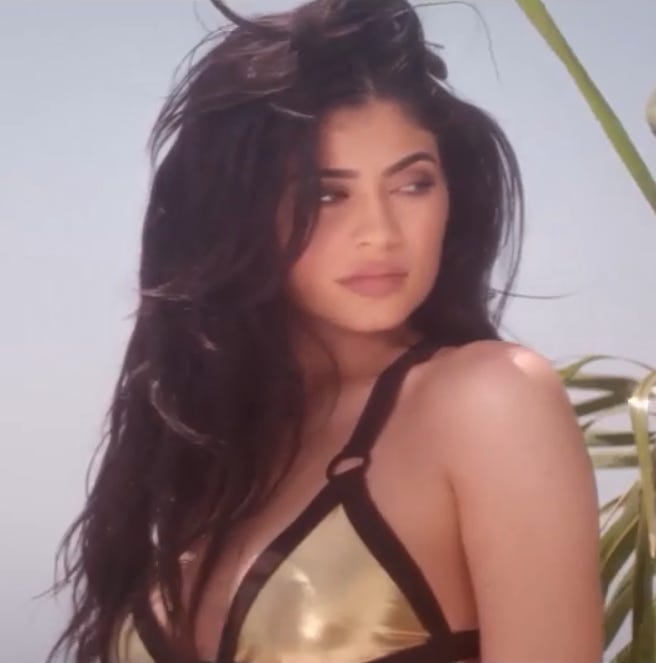
Ornela: Top influencers make millions. Kylie Jenner makes $1 million per Instagram post.
Warhol: How much per Marilyn print?
Ornela: What?
Warhol: When I was alive, maybe $50,000 for a good Marilyn. Now they sell for tens of millions. I should’ve charged per viewing. Kylie figured out the viewing IS the product. Smarter than me.
Ornela: But she’s just... existing beautifully on camera.
Warhol: And I just... silk-screened famous people’s faces. What’s the difference? She monetized her image. I monetized other people’s images. She owns her means of production. More democratic.
Ornela: Democratic?
Warhol: Anyone with a phone can be an influencer. Not anyone can be Warhol. Although I tried to make it replicable – the Factory, assistants, mass production. The influencer model finally achieved what I wanted: fame as accessible commodity.
Brand Deals as Art Form
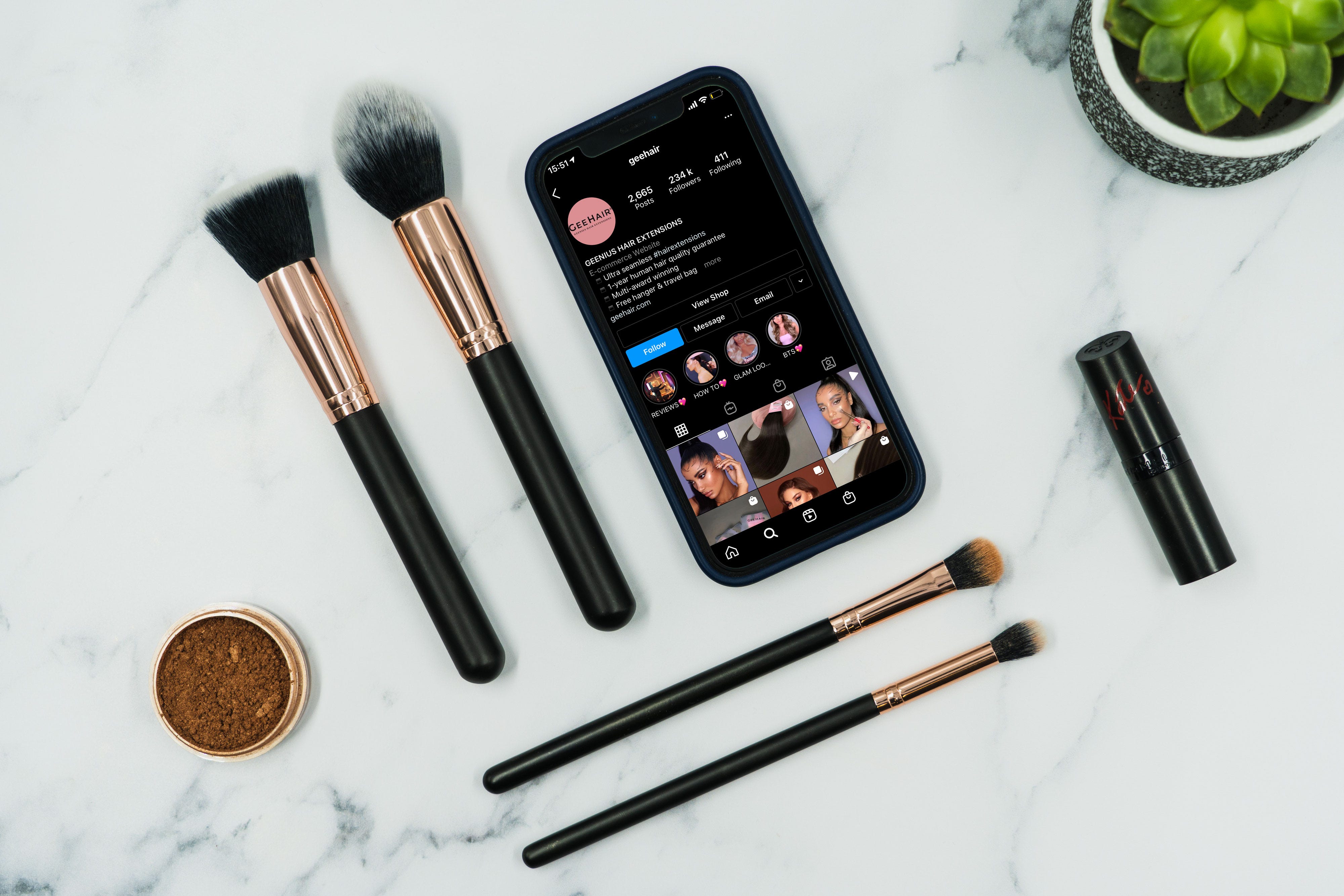
Ornela: Influencers do “sponsored content” – they’re paid to casually mention products in their posts. It’s advertising disguised as personal recommendation.
Warhol: I painted Coca-Cola bottles and Campbell’s soup cans. Free advertising disguised as art. They’re doing it backwards, which is more honest. At least they say #ad.
Ornela: You weren’t paid by Campbell’s though.
Warhol: Exactly. Stupid. I gave them free publicity. Your influencers are smarter – they GET paid for the publicity. I should’ve charged Campbell’s retroactively. The soup cans made them cool.
Ornela: Did they though?
Warhol: Sure. Why not. Everything’s branding. I branded myself with silver hair and soup. Influencers brand themselves with green juice and yoga. The product is the personality. I get it.
The Engagement Economy
Ornela: Influencers are obsessed with engagement – likes, comments, shares. Some buy fake followers.
Warhol: I had fake friends at the Factory.
Ornela: That’s dark.
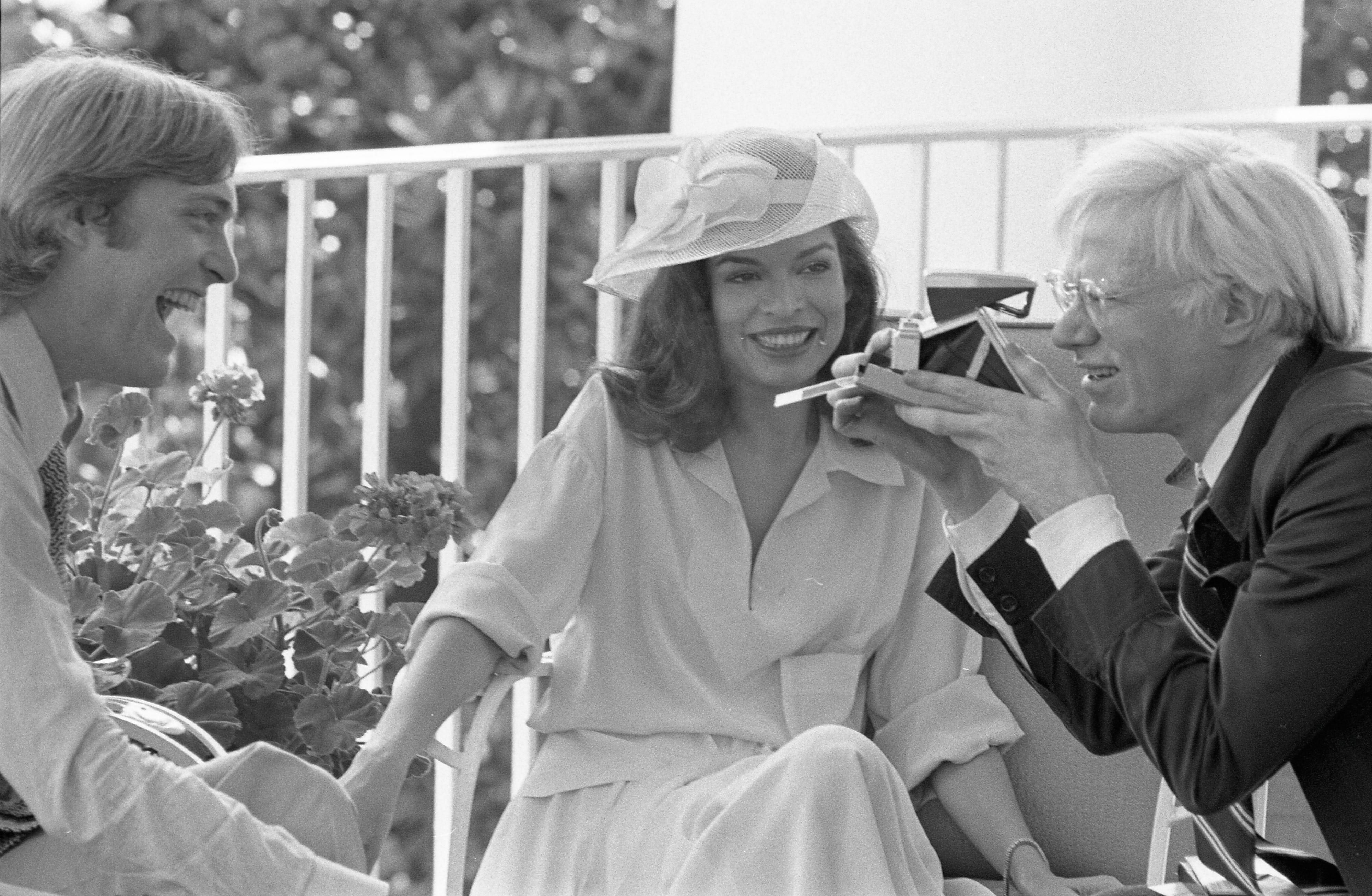
Warhol: That’s honest. You think all those people hanging around actually cared about me? They wanted to be near fame. I documented it. Took photos constantly. Recorded everything. Your influencers do the same thing – document, post, archive, curate. I was an influencer before the word existed. I just needed better WiFi.
Ornela: You started Interview magazine – literally the first influencer publication.
Warhol: Yes. Celebrities interviewing celebrities. No critical distance. Pure access. Pure image. Your influencers just removed the magazine middleman. More efficient. I approve.
The Future of Fame
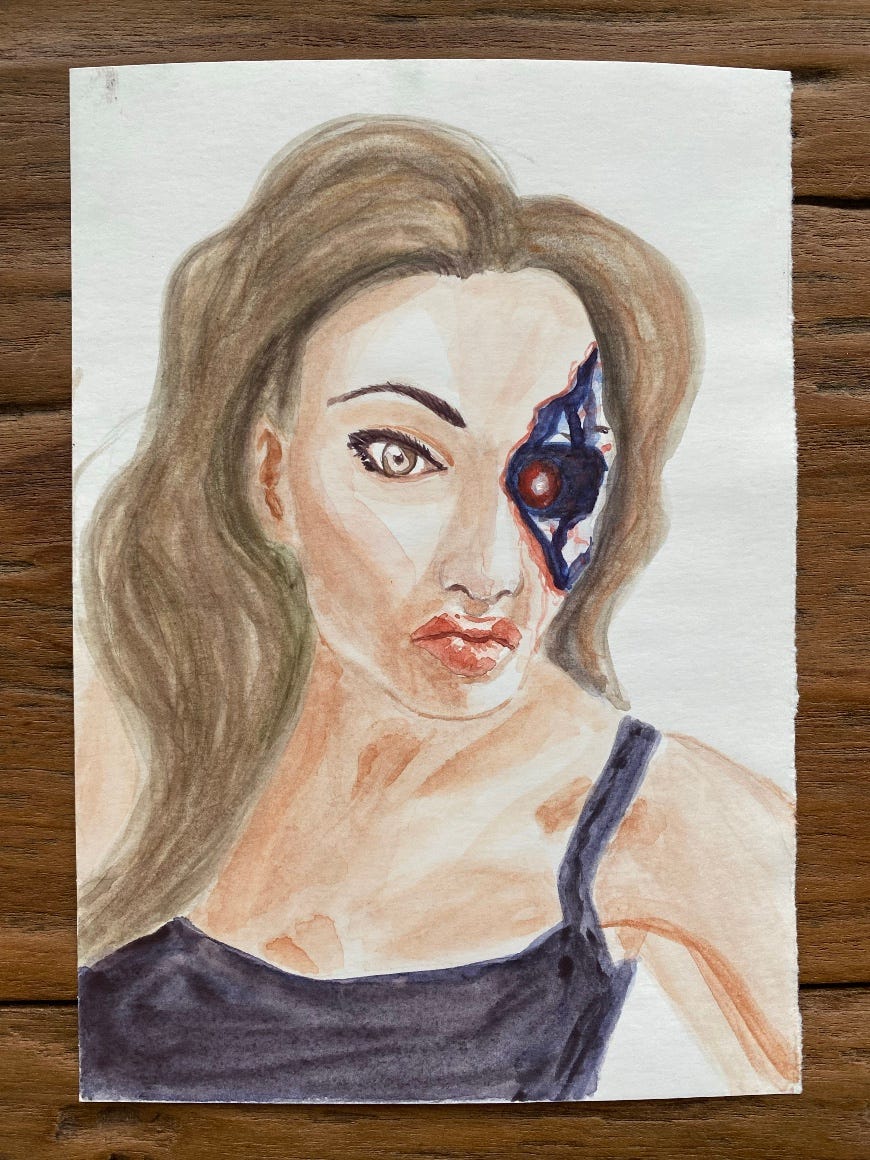
Ornela: Where does this go? AI influencers now – computer-generated models with millions of followers, doing brand deals. Not even real people.
Warhol: Perfect.
Ornela: Perfect?
Warhol: The image was always the product. Why do you need the person? AI influencer doesn’t get tired, doesn’t age, doesn’t demand higher rates, doesn’t have scandals. It’s what I wanted to be – pure surface, no depth, maximum production. They’ve achieved my dream.
Ornela: That’s dystopian.
Warhol: That’s efficient. I said I wanted to be a machine. They built the machine. The machine has 3 million Instagram followers and a skincare line. Capitalism works.
Final Question
Ornela: If you were alive now, would you be an influencer?
Warhol: I’d be the phone.
Ornela: What?
Warhol: Why be the influencer when you can be the platform? Own the means of distribution. I’d want to BE Instagram. Then everyone pays me for access to everyone else. Better business model.
Ornela: You can’t BE Instagram, Andy.
Warhol: Fine. Then I’d screenshot influencer posts, print them on canvas, sell them for $500,000 each. Call it commentary. Your influencers do the labor, I extract the value through aesthetic recontextualization. That’s more my style.
Ornela: That’s literally what you did with celebrities.
Warhol: Exactly. The system works. I just wish I’d invented the hashtag. Could’ve made millions.
Ornela’s note: Warhol would’ve absolutely loved influencer culture. Everything he wanted – fame as commodity, image as product, surface as substance, mass production as art form – has been achieved by people with phones and ring lights.
He predicted that everyone would be famous for 15 minutes. He didn’t predict they’d monetize those 15 minutes for $10,000 through sponcon deals and affiliate links. He would’ve respected the hustle.
His Factory was just early-stage content house. His silk screens were the original Instagram filters. His obsessive documentation was Stories before Stories existed. He wanted to be a machine that produces fame – influencers became exactly that.
The difference: Warhol’s Marilyns sell for $195 million at auction. Influencer posts disappear after 24 hours unless saved to Highlights.
But both understood the same truth: in late capitalism, the image is the product. You’re not selling soup or skincare. You’re selling the IDEA of yourself consuming soup or using skincare.
Warhol just did it with more irony. Or maybe less. With him, you could never tell.
That ambiguity sold for millions. Your influencers’ authenticity sells for thousands.
Warhol won.
Images selected by Sami Vuorenmaa / Clarinum Studios
Comments
Nothing yet. Say the first thing.
Sign in to join the conversation.