
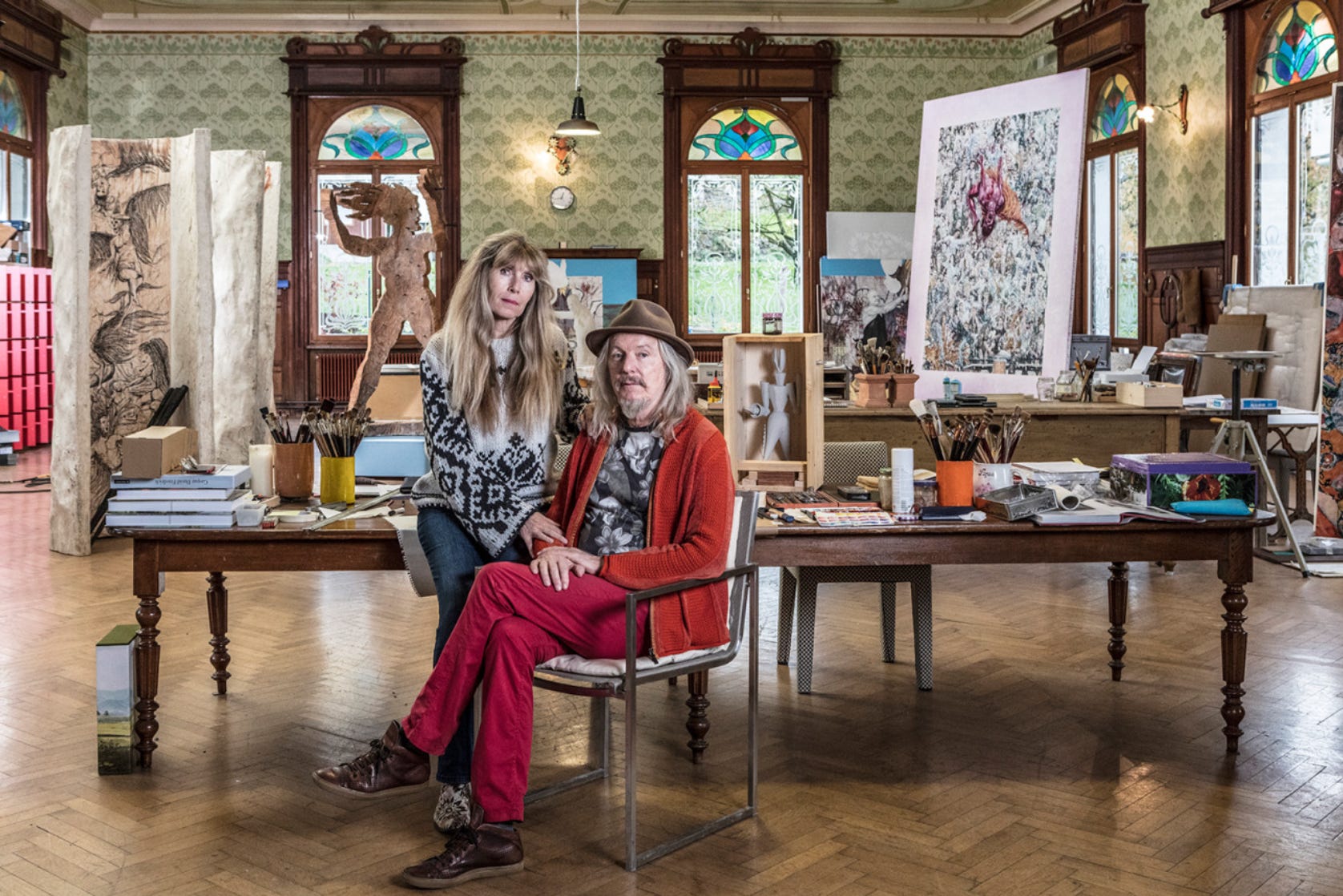
There is a painting that Max Ernst’s own widow pronounced the most beautiful picture Max Ernst had ever painted. She was looking at a forgery. The man who made it was sitting somewhere in the south of France, renovating a mausoleum he planned to be buried in.
Wolfgang Beltracchi did not simply fool experts. He fooled experts who had devoted their careers to a single artist. He fooled Christie’s so thoroughly they placed one of his fakes on the cover of an evening sale catalogue. He fooled Steve Martin, who purchased a counterfeit Campendonk and only discovered the truth years after reselling it. And he did it not once or twice, but across four decades, across more than fifty artists, through several hundred paintings – the precise number still unknown, some still hanging in museums today.
He didn’t forge existing works. He invented paintings that had never existed – and that was the genius of it.
The Twist Nobody Talks About Enough
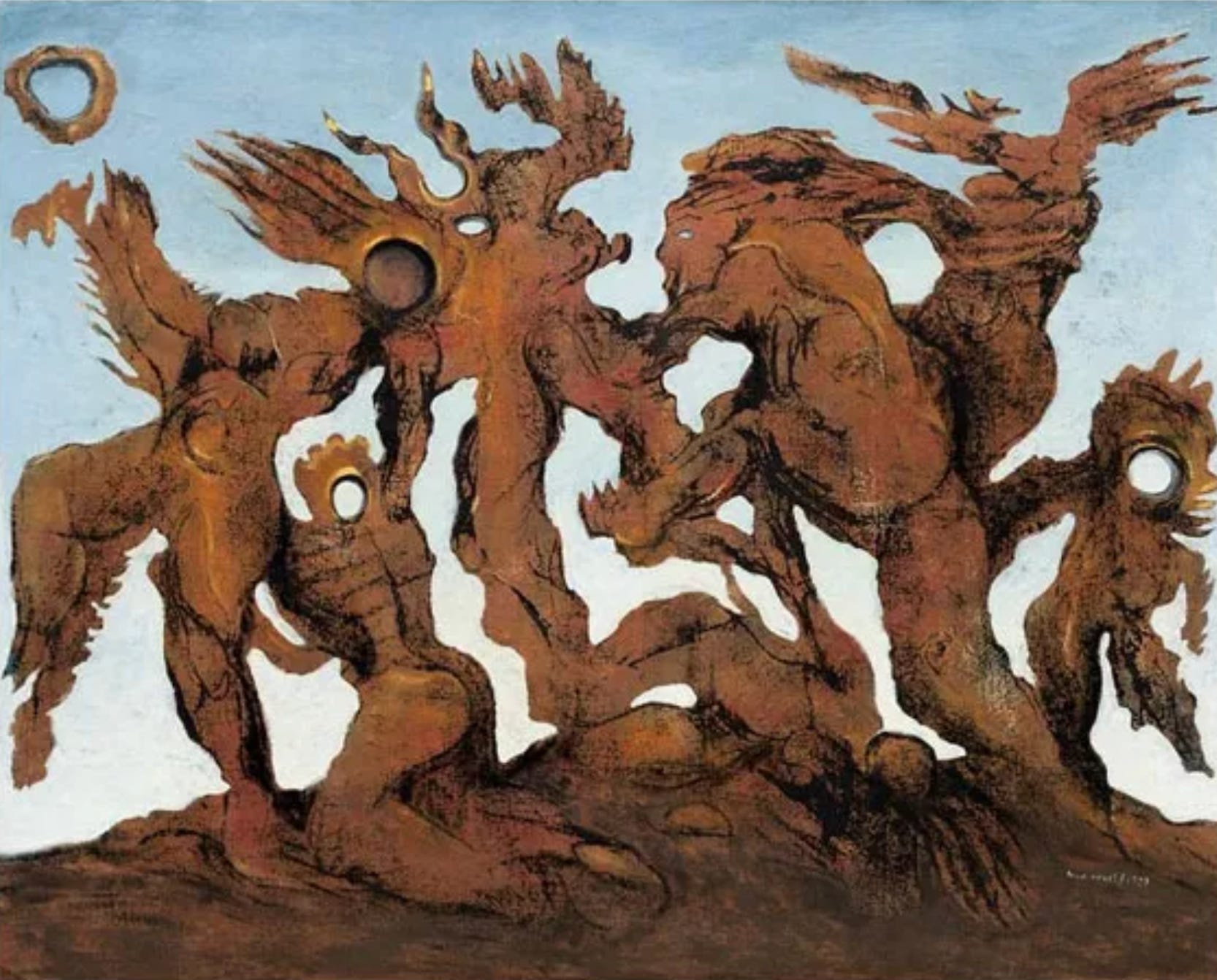
Most people assume art forgery means copying a famous painting so precisely that no one can tell the difference. Beltracchi did something far more sophisticated – and far more dangerous.
He created new works in the style of blue-chip artists: paintings that had never existed, attributed to periods and stylistic phases that were documented but pictorially incomplete. He studied each artist’s catalogue so obsessively that he could identify the gaps – works mentioned in letters, referenced in criticism, but never photographed, never seen. He filled those gaps. He painted what Max Ernst might have painted in 1922. What Fernand Léger could have made in 1917. Scholars couldn’t call them wrong, because no original existed to compare against.
This is what made the operation almost impossible to detect on stylistic grounds alone. The world’s leading Ernst scholar authenticated seven of his fakes. When the fraud was revealed, Werner Spies admitted to a German magazine that he had briefly considered ending his life. The loss, he said, was unbearable.
The Cover Story Was Its Own Masterpiece
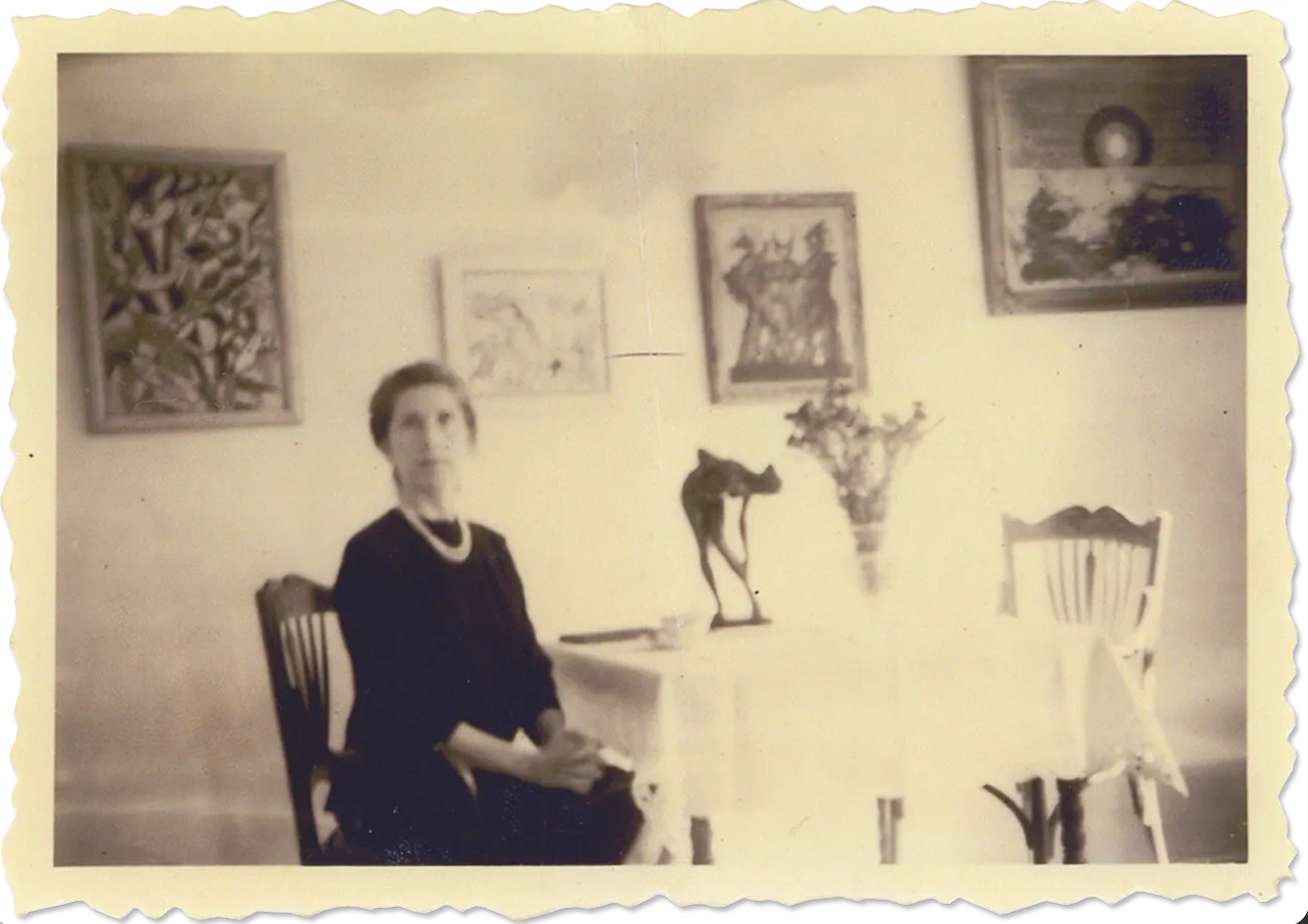
Every great forgery needs a provenance – a paper trail explaining where the painting has been for the past hundred years. Beltracchi’s was operatic in its detail.
He and his wife Helene constructed an entirely fictional art collection, supposedly assembled by Helene’s grandfather Werner Jägers in the 1920s. The story: Jägers had befriended the prominent Jewish art dealer Alfred Flechtheim just before Hitler came to power. As Flechtheim fled Germany, he quietly sold Jägers a cache of modernist works for safekeeping. The paintings had then been hidden, inherited, and never publicly shown.
It was perfectly calibrated. The wartime chaos made the paper trail plausible thin. The Jewish persecution angle made anyone who questioned it feel faintly indecent. To make it tactile, Helene dressed as her own grandmother and posed next to the paintings using a 1920s camera – producing aged black-and-white photographs that looked like family archive material.
The holes in the story were visible, in retrospect. Jägers would have been a teenager when he supposedly befriended Flechtheim. He was also a Nazi party member – an unlikely companion for a Jewish gallerist. But no one looked. The story was too good, the paperwork too convincing, and the commissions too large.
How It Ended – Because of Zinc White
After forty years, what finally brought Beltracchi down was not a brilliant investigator or a suspicious collector. It was paint.
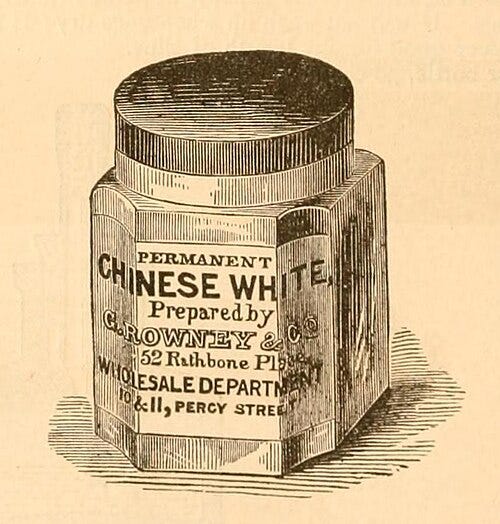
He had always used zinc white (often called Chinese White)* – a period-accurate pigment. But on one occasion, he ran out and bought a replacement from a Dutch supplier who didn’t disclose that it contained traces of titanium. Titanium white was not commercially available until the 1920s (although there were experiments, source»). The painting was supposedly dated 1914. A scientific analysis caught it.
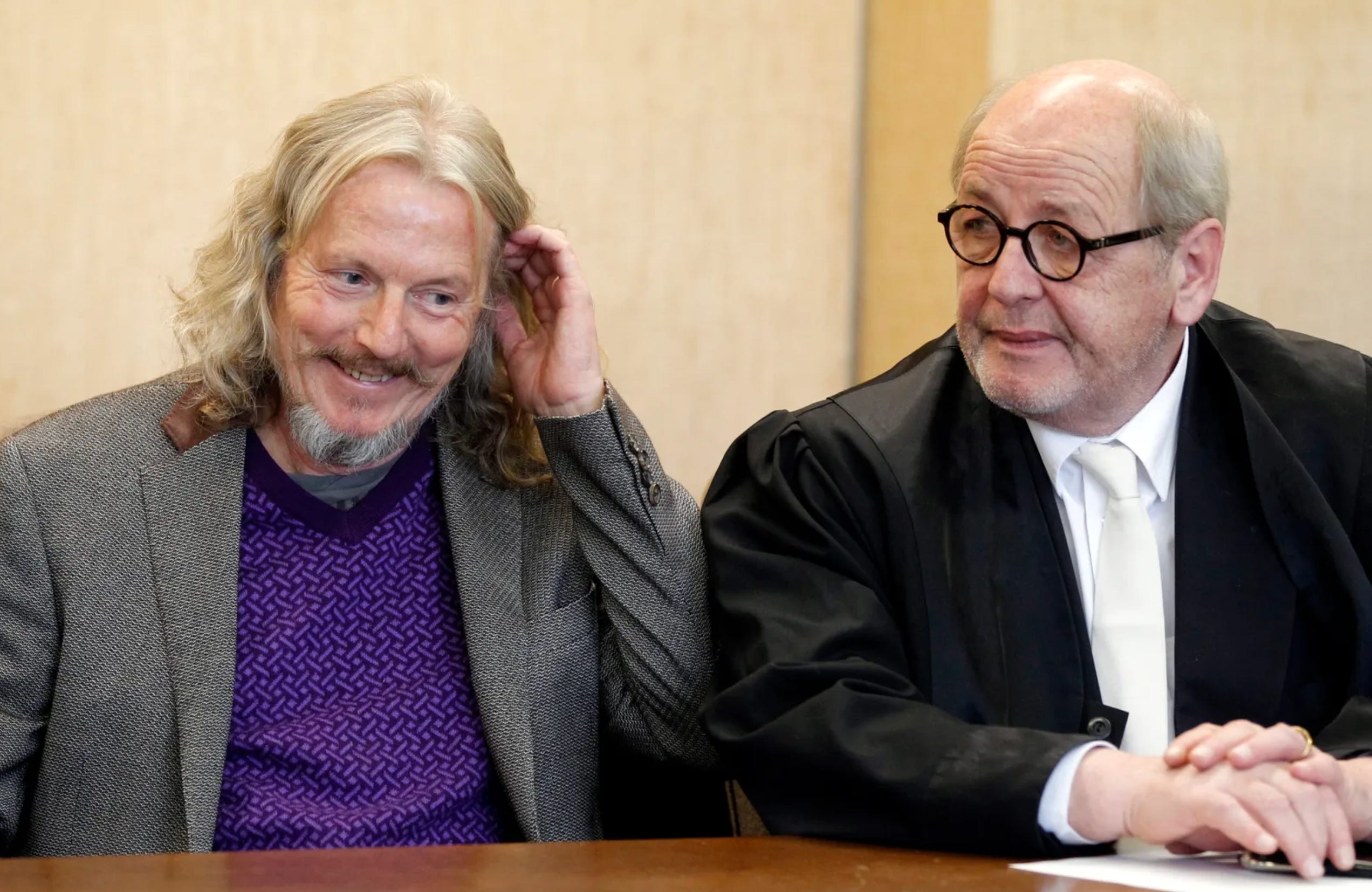
From that single pigment anomaly, the entire operation unravelled. In 2011, after a 40-day trial in Cologne, Beltracchi was sentenced to six years in prison, Helene to four. They were ordered to pay back 35 million euros. Police identified 58 paintings as suspected forgeries. Beltracchi himself claims the true number is closer to 300.
He served just over three years.
The Punchline
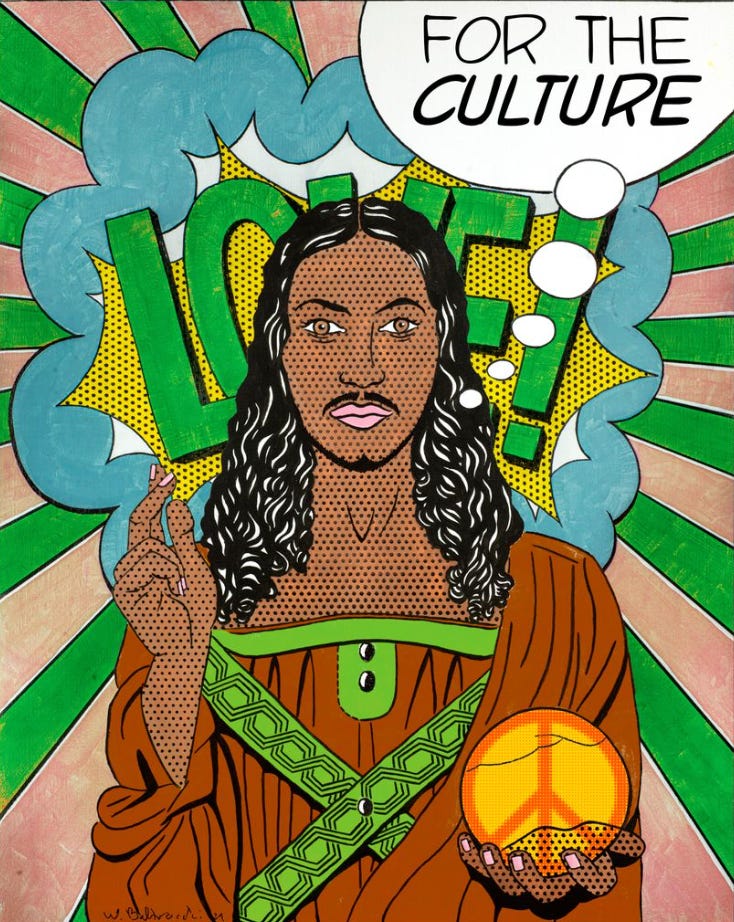
Today, Wolfgang Beltracchi paints under his own name. His works sell for upwards of eighty thousand dollars. He gives speaking engagements. He released NFTs. His website describes his story as a Robin Hood tale.
He told CBS, with a smile: “My art is everywhere. In many museums.” Then added, with a slight touch of sarcasm: “And private collections.”
He is not entirely wrong. And the market, which shuddered briefly, continued. The auction houses that were deceived are still among the most powerful in the world. Some of the paintings still hang. Nobody is entirely sure which ones.
What Beltracchi proved, permanently and irrefutably, is that the art market does not trade in objects. It trades in names, stories, and the collective agreement to believe. He just wrote better stories than anyone else – and charged the market rate for them.
Comments
Nothing yet. Say the first thing.
Sign in to join the conversation.