
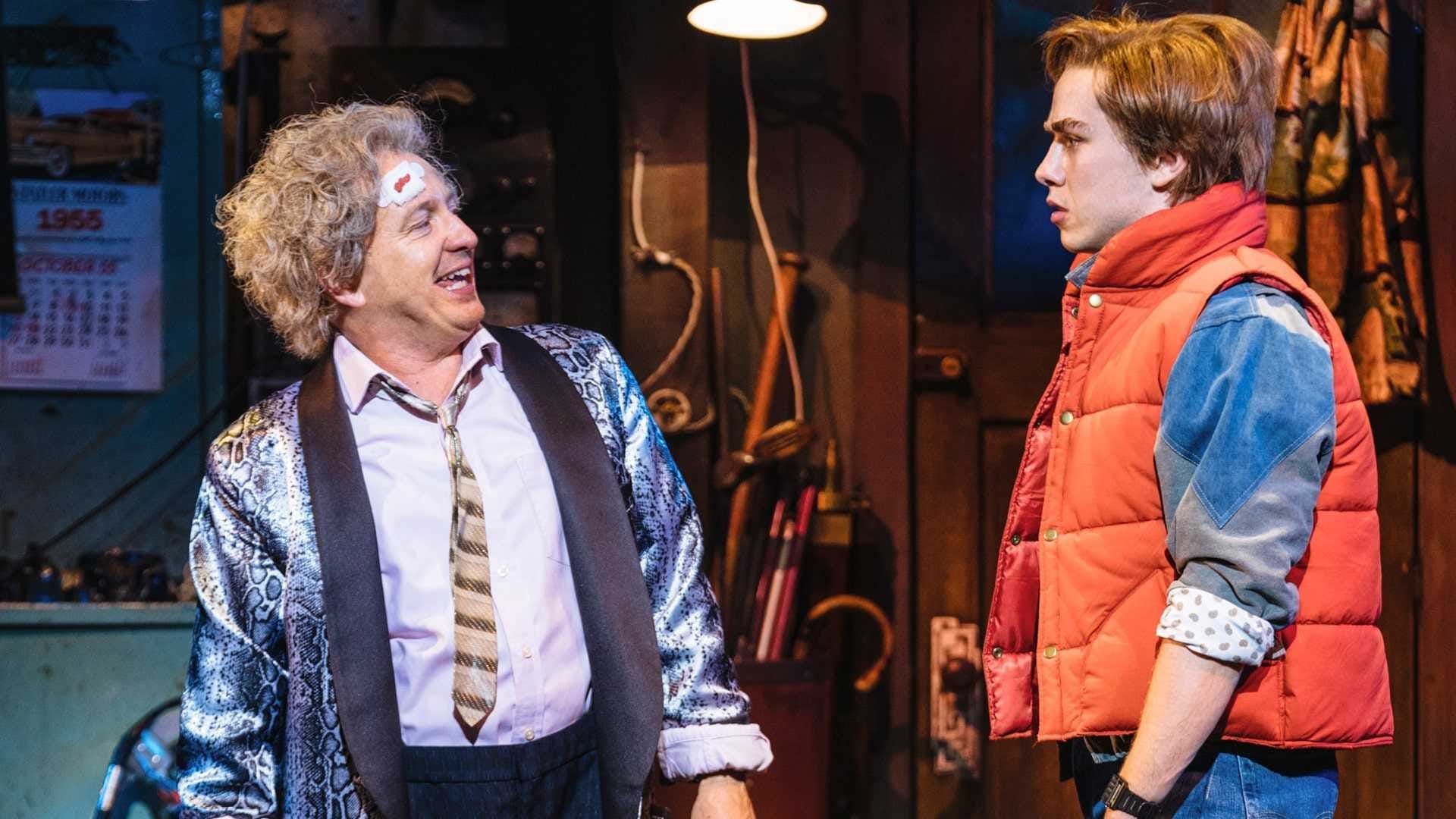
In the Disney+ series, Hawkeye, there is a brief-but-prominent Broadway production called Rogers: The Musical.
It is a scarily accurate send-up of derivative musical theatre, in which the actors, dressed as members of the Avengers, sing and dance while preparing for the Battle of New York.
Once you’ve seen this, you cannot unsee it. The satire is so perfect that it has become the low bar by which I judge musicals — particularly those that are cash-cow adaptations of pop-culture properties.
I call this the ‘Rogers Test.’ And properties like Back to the Future come painfully close to failing it.
I won’t trouble you with a synopsis because you’ve seen the Back to the Future films. Those who haven’t are unlikely to consider watching the musical adaptation, unless they’ve been talked into it by a family member.
And therein lies the first problem: Musicals like Back to the Future are reliant on a fanbase. Franchises love them because they bring in punters that wouldn’t otherwise visit the theatre — people who are just ticking the box titled: ‘See a West End musical in London.’ Or maybe people who just don’t know where to look for original shows.
Franchises have ready-made audiences, and a good portion of that audience will not be comparing this show to the history of musical theatre. All they want is a fun, nostalgic trip with amusing songs.
If that sounds like you, there’s nothing wrong with that. We should be allowed to enjoy whatever we enjoy. And plenty of audience members in the lobby after the show sounded genuinely happy with what they’d seen.
But adaptations like Back to the Future have become pulpy, paint-by-numbers attractions rather than works of drama (or comedy) that stand on their own. And sitting through this show only reminded me of just how good Back to the Futurewas as a film.
I don’t believe it has to be that way.
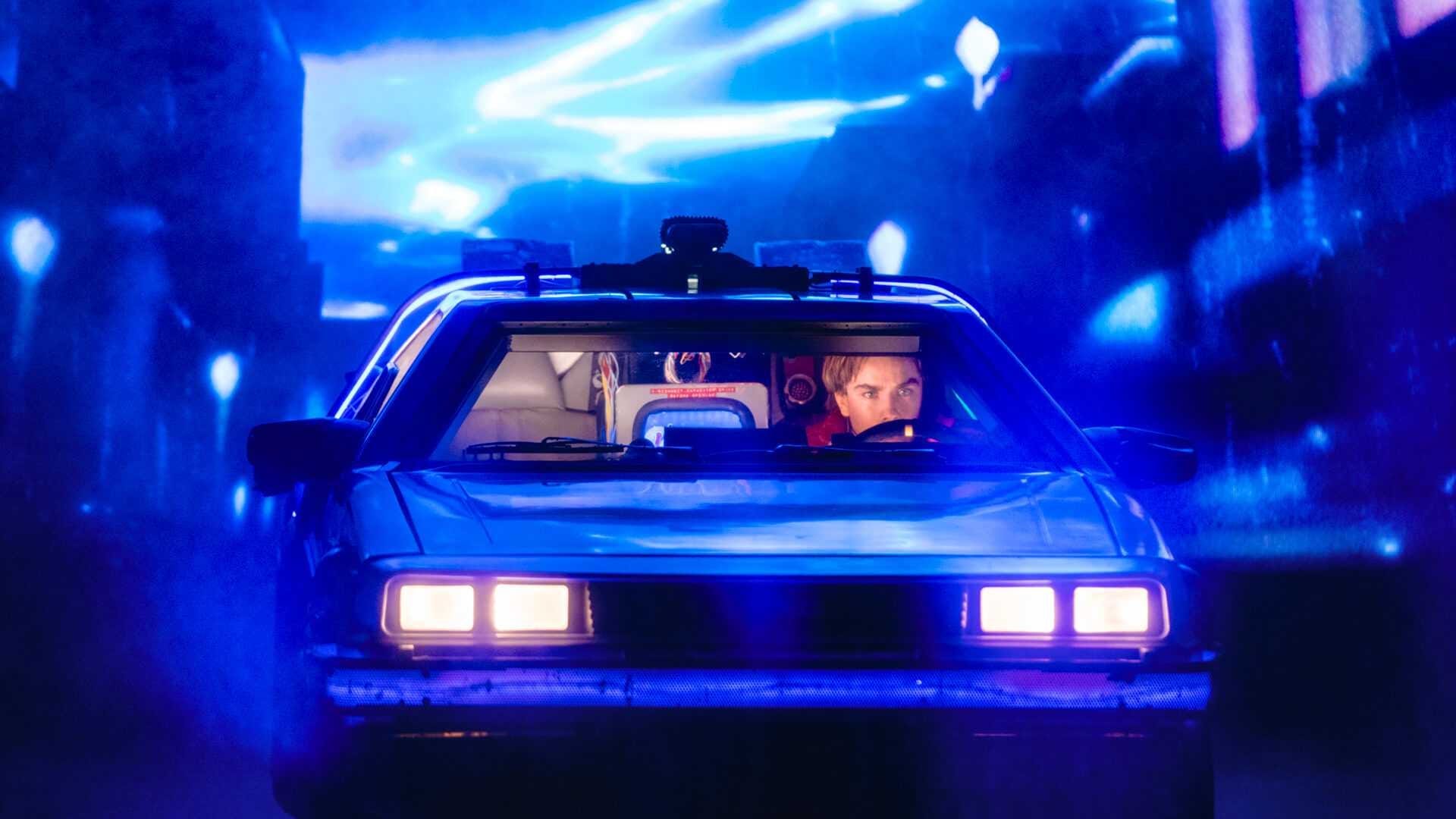
If there is one thing to praise about Back to the Future: The Musical, it is the fascinating stagecraft. The combination of technologies that make the Delorian driving scenes possible, along with the final effect of the Delorian flying off into the future, really are jaw-dropping.
In the final scene, where Marty drives toward the clock tower, I found myself gripping the armrest as if the theatre itself were shifting and spinning around me with the turns. As one Guardian review put it, “The car’s the star.”
And you know things aren’t great when you find yourself praising the special effects.
The performances are less praiseworthy.
There is an everyman quality about Michael J. Fox’s performance in the film that is endearing. Marty seems trapped in circumstances beyond his control and is trying to make the best of it. Fox’s Marty is sarcastic but kind, deflated by the setbacks in his life.
By contrast, the musical’s Marty, played by Vasco Emauz, retains the sarcasm but seems angry and bitter, and I found myself not liking him very much. His outlook improves as we move along, perhaps in a deliberate effort to create a stronger character arc, but it feels forced.
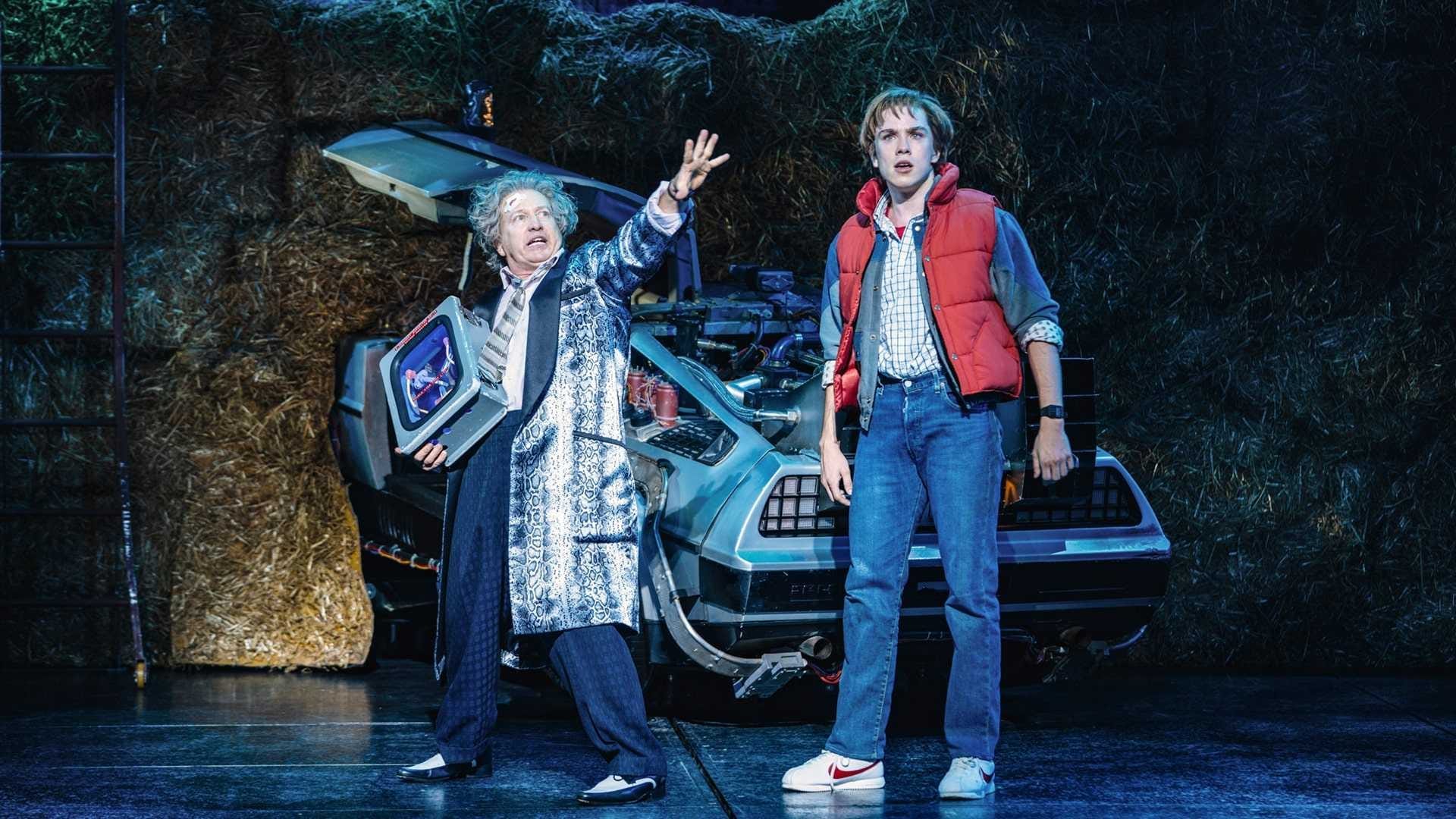
Cory English’s version of Doc Brown is also somewhat removed from Christopher Lloyd’s batty film version, but in a likeable direction. During key moments, he performs with reverence to the film, but the rest of the time, he is raunchier and more assertive than the Doc we know. English plays the role with a glee that threatens to munch the scenery, but I found myself enjoying his interpretation.
However, Sarah Goggin as Lorraine and Orlando Gibbs as George really shine — putting in believable, funny, and engaging performances as Marty’s parents-to-be. Alex Runicles is also spot on and hilarious as Biff Tannen.
The main reason I was reminded of the satirical Rogers: The Musical, however, is the music.
I’m sorry to say it, but the numbers written by Glen Ballard and Alan Silvestri are among the most bland and pointless tunes I’ve heard in a musical. How it was nominated for Best Original Score in 2022’s Laurence Olivier Awards is baffling to me.
Obviously, I can’t know the exact working process behind the show. But since Silvestri was the original composer for the film score, you can hear the musical score following all the same great notes. So it is mainly the pop-song sensibilities of Ballard that jar.
The songs arrive predictably, each with that particular ‘musical theatre’ sound that is so easily satirised. Each lyric crams in as many jokes as semantically possible because that’s what people expect from a musical. And very few songs will remain in your head, because the strains of Silvestri’s original film score (not to mention the Huey Lewis hits) underpin the action. They are so familiar that the new songs blend into a featureless slurry.
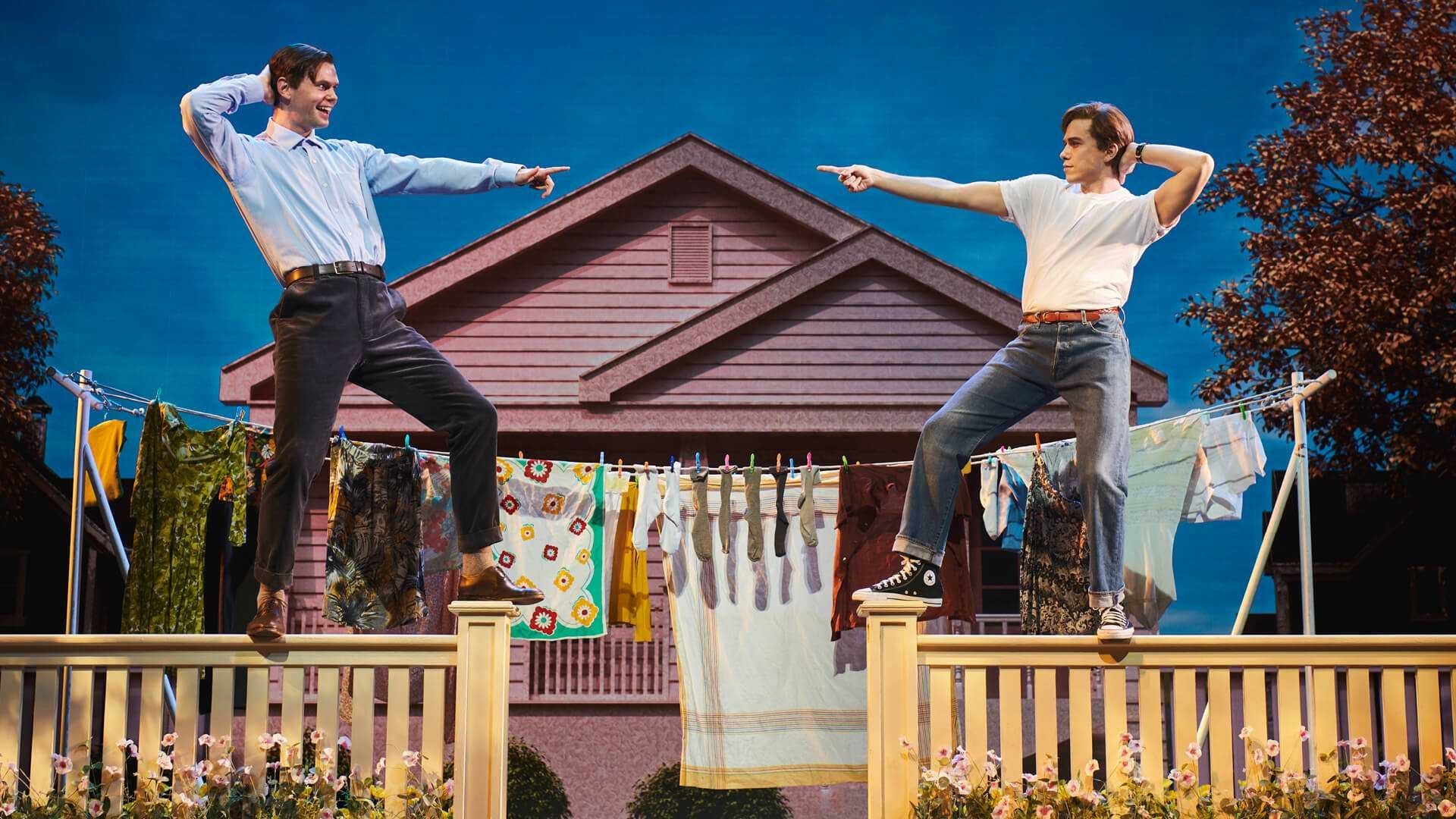
There are exceptions. “Put Your Mind to It,” in which Marty gives the young George a pep talk to help him get together with Lorraine, is one of the few songs that genuinely advances the characters and action — along with its memorable dance atop a garden fence.
And in the requisite ballad “For the Dreamers,” Doc Brown sings about science and legacy while secretly recognising that he may never be known for his work. It’s an offbeat song that feels a little like it was dropped in from some other show, but it makes for a sweet moment.
Don’t get me wrong. The musical numbers are fun in a goofy, big-production way. But they feel so cookie-cutter simple that the entire show threatens to sink to that Avengers-level parody.
On some level, this could be deliberate. Much of the show attempts to be faithful to the original material, but more than once, the script winks to its audience as if to say, “Sure, we all know this is ridiculous, but let’s just have fun with it.”
When Doc first begins singing in his lab, and half a dozen backup dancers appear out of nowhere, Marty asks who they are.
“I don’t know! They just show up whenever I start singing!” says the Doc.
It’s a funny line, and I laughed along with everyone else. But there is a kind of cynicism in making musical theatre that mocks itself while offering little better than a generic performance. An adaptation should be able to stand on its own, not just act as a homage to its source. And no amount of stagecraft is going to make this better.
Am I making too much of it all? Perhaps. I know that no one really expects Back to the Future: The Musical to be the next Les Miz or Sweeney Todd.
But why not?
Surely a property as beloved as Back to the Future deserves better than this expensive, self-referential shrug of a musical. But if producers continue to go back in time to mine film properties from the past, we can expect a future with more musicals that fail the ‘Rogers Test.’
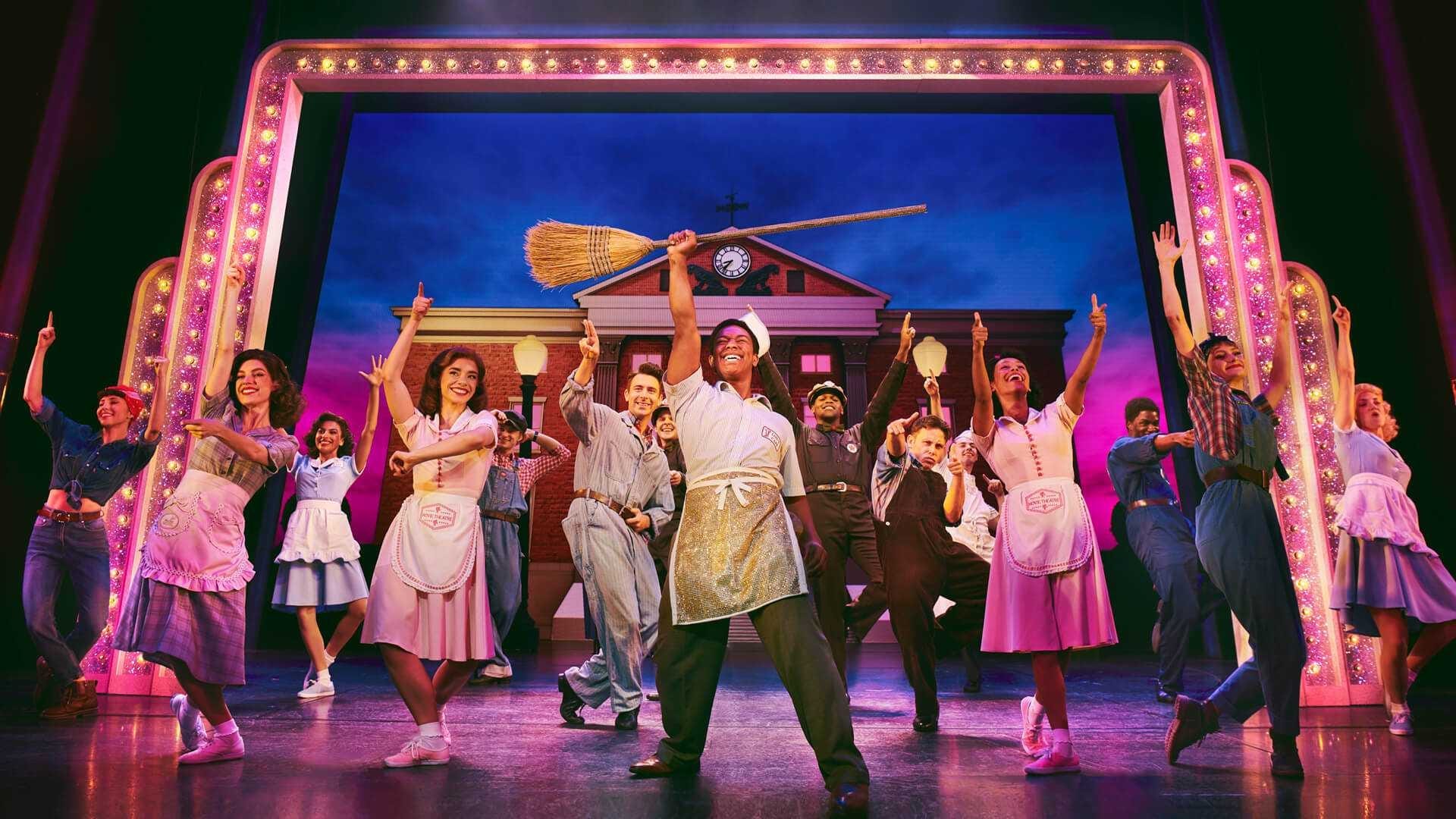
‘Back to the Future: The Musical’ is on until 27 July, 2025, at the Adelphi Theatre, on The Strand, London. Tickets can be found here.
No posts
Comments
Nothing yet. Say the first thing.
Sign in to join the conversation.