
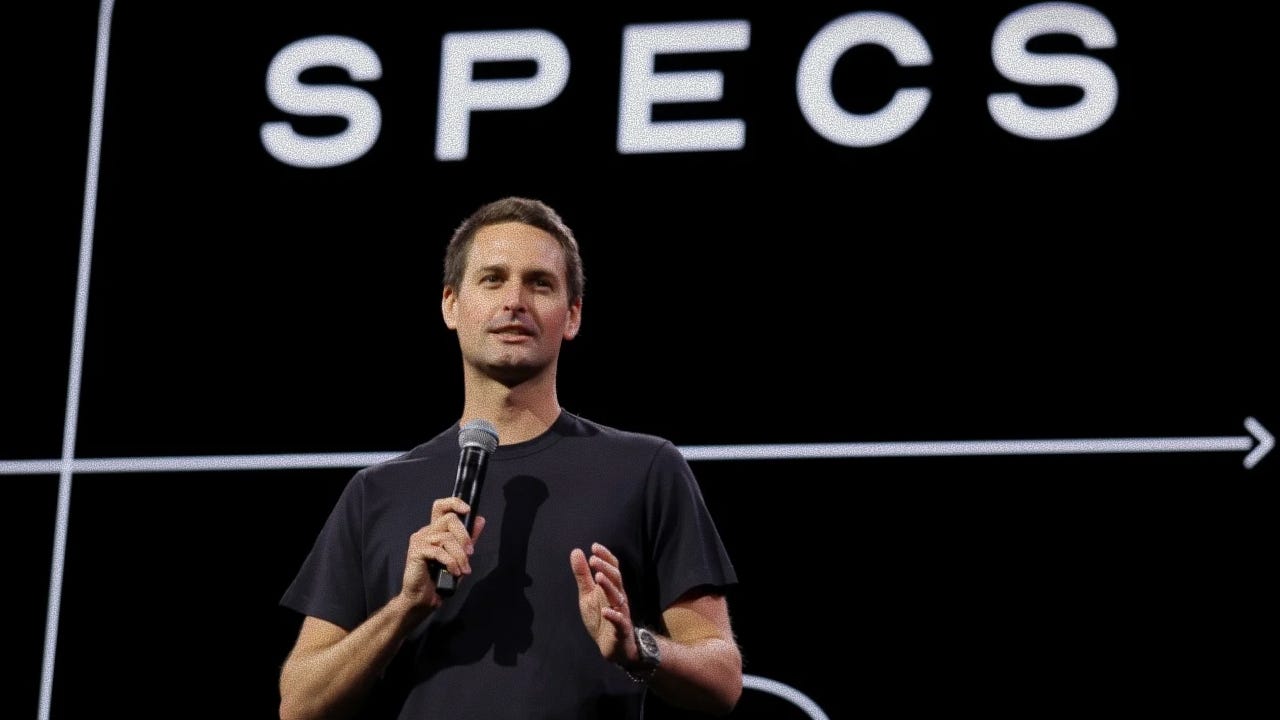
On June 16th, Evan Spiegel walked on stage at the Augmented World Expo to unveil Snap’s new Specs, a $2,195 wearable computer he called the post-smartphone era. By the time the keynote ended, Snap had lost more than a billion dollars in market cap, the stock was down 10 percent, and the internet had decided the glasses looked like solar eclipse viewers.
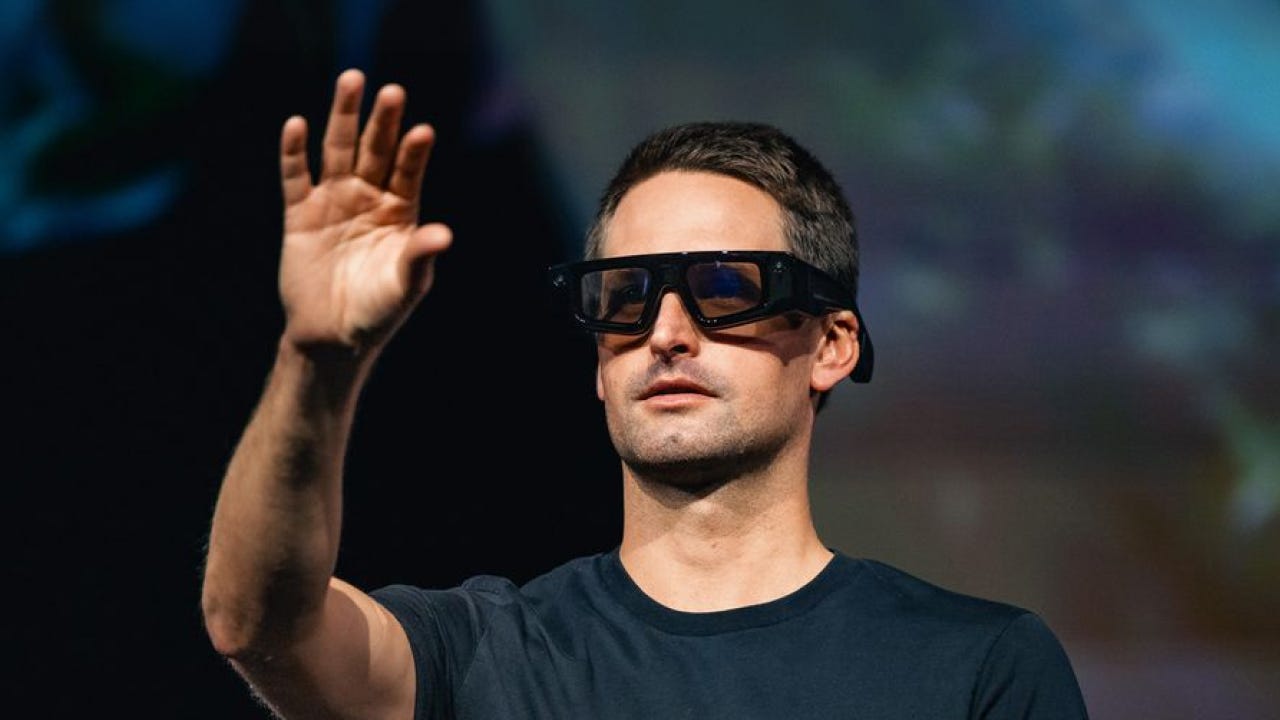
The product failure is the surface. The real story is the value gap, and it is the most important brand lesson of the year.
Snap charged $2,195 for a pair of AR glasses with a 4-hour battery and a 136-gram frame. That is six times more than Ray-Ban Meta, which sells for $350 and has moved over 2 million units since its launch in September 2023. Meta now commands 76 percent of global smart glasses shipments. Snap launched into the same category at six times the price, with no story to justify the gap, and the market did what markets do when the math does not math…they tanked the stock.
On the day of the launch, stock analysts split immediately. Rosenblatt kept Neutral with a $6.40 price target. B. Riley moved to Buy at $10, calling Specs a potentially transformative product but noting the high initial pricing may limit early adoption. Behind both ratings is the same uncertainty, i.e., nobody can articulate who this product is for or why they would pay this price for it, including the people who are supposed to be selling it.
Spiegel pitched Specs the way founders pitch pre-product startups, on the promise of where computing is going rather than what the product does for the customer today. He called the device more than a decade of development, framed it as the next computing platform, and positioned Snap as the company that defines the post-iPhone era.
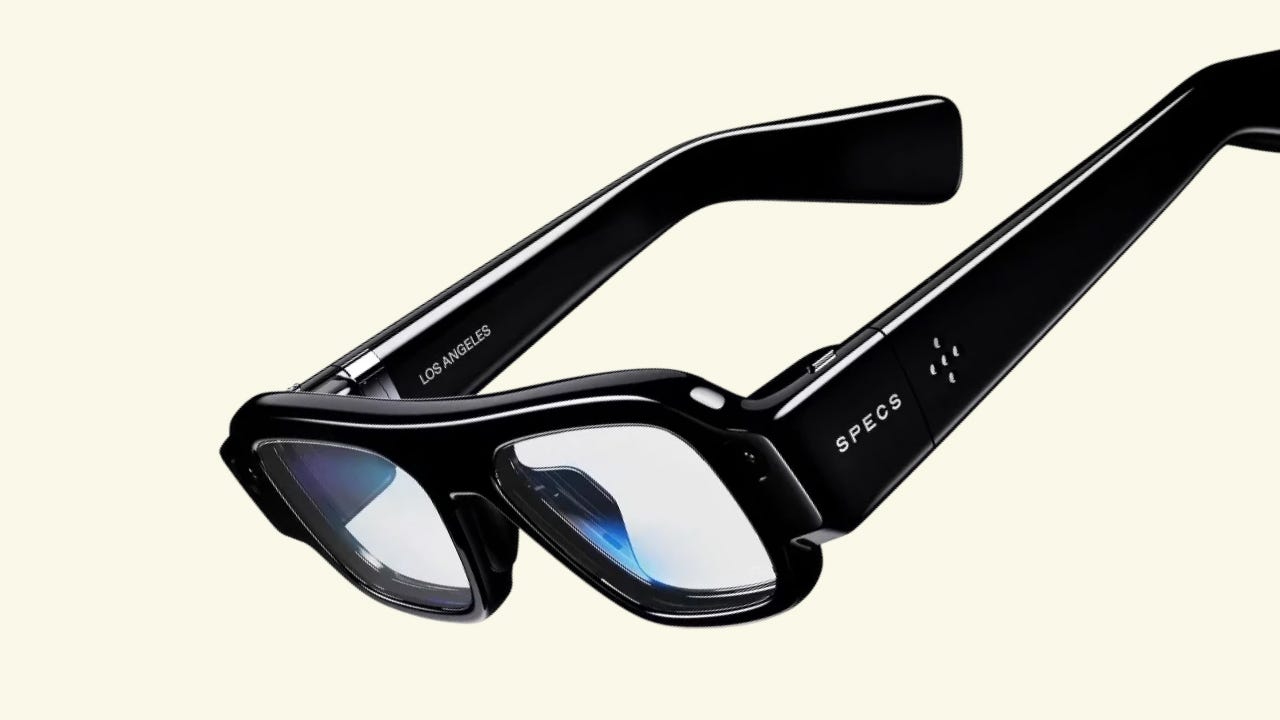
That works when you are raising a Series B. It does not work when you are asking a consumer to spend $2,195 on something they have to wear on their face in public. The vision-led pitch has a ceiling, and that ceiling is the moment the product becomes real, and you don’t have value tied to the product. From that moment forward, the story has to be about the customer’s life, not the founder’s vision, and Snap could not answer the only question that mattered… What does this do for me today, and why should I care?
Consumers in 2026 have officially run out of patience for premium pricing without a value story to match. The era when cultural cache alone could carry a high price point is over. Brands demanding premium prices without earning them through clarity are getting publicly rejected on the same platforms they need to convert.
This is not unique to Snap. The pattern is everywhere. Apple Vision Pro is at $3,500 with adoption numbers that have disappointed investors for over a year. Peloton, once a $50 billion company, is now worth a fraction of that after consumers decided the hardware was not worth the price. WeWork is charging premium real estate rates for spaces nobody could articulate the value of. The thread connecting all of these is the same, i.e., consumers will no longer accept the price tag as proof of value. The brand has to do the work of articulating why.
Snap had two strategic moves available and missed both.
The first was to make the customer the hero. Spiegel made himself the hero of the launch, the founder building the future, ten years of development, and the post-smartphone vision. The customer was nowhere in the story. The brands winning right now do the opposite. The customer is the hero, and the product is the tool that gets them there. Meta’s Ray-Ban ads show people living, cooking, travelling, capturing their kids, and looking like themselves. Snap’s launch showed Evan Spiegel on a stage explaining technology to other technologists. The customer never saw their own life reflected back, which is the moment they decided the price was not worth it.
The second was to partner for design credibility. Meta solved the consumer hardware problem by partnering with EssilorLuxottica and making tech that disappeared into the wearer’s life. They understood that in fashion-adjacent categories, brand partnerships are not optional; they are the price of entry. There is no version of this category where founders win by going it alone, and Snap just demonstrated why.
If you charge a premium, you owe your customer a story. Premium positioning is no longer a brand layer on top of a product; it is the price of entry. The brands earning premium prices in 2026 are the ones doing the work to articulate their value clearly enough that customers can repeat it back to a friend without hesitation. If your customer cannot explain, in their own words, why your price is what it is, your brand has a storytelling problem.
The second lesson is harder for founders to internalize. Vision-led marketing has a ceiling. The founder pitch sells the future, but the brand pitch has to sell the customer’s present. Brands earning a premium in 2026 are not selling the founder’s roadmap alone but selling what the customer becomes when they use the product.
The value gap is the new brand risk. The brands that close it will own the next decade. The brands that do not will continue losing billions to customers who will not pay for products they cannot understand.

What do you think about the Snapchat glasses?
We are on day 2 of Cannes Lions. It is hot and overwhelming! Drop me a note if you are here xx
P.S. If you are a creator, the Clio Creator Awards are open for entries through August 22nd, and you can submit your work here: https://clios.com/creators/
Xx Camille
—
If you want to listen to our podcast episodes, head to Art of the Brand on all streaming platforms.
If you are interested in working together or hiring Third Eye Insights, my international strategy + creative firm, click here.
Comments
Nothing yet. Say the first thing.
Sign in to join the conversation.