
On June 13th, Sky News reported that L Catterton, the private equity firm backed by Bernard Arnault, had entered exclusive talks to acquire a major stake in Hyrox, the German fitness race series. Industry estimates put the valuation between €700 million and €1 billion, with an announcement expected within weeks.
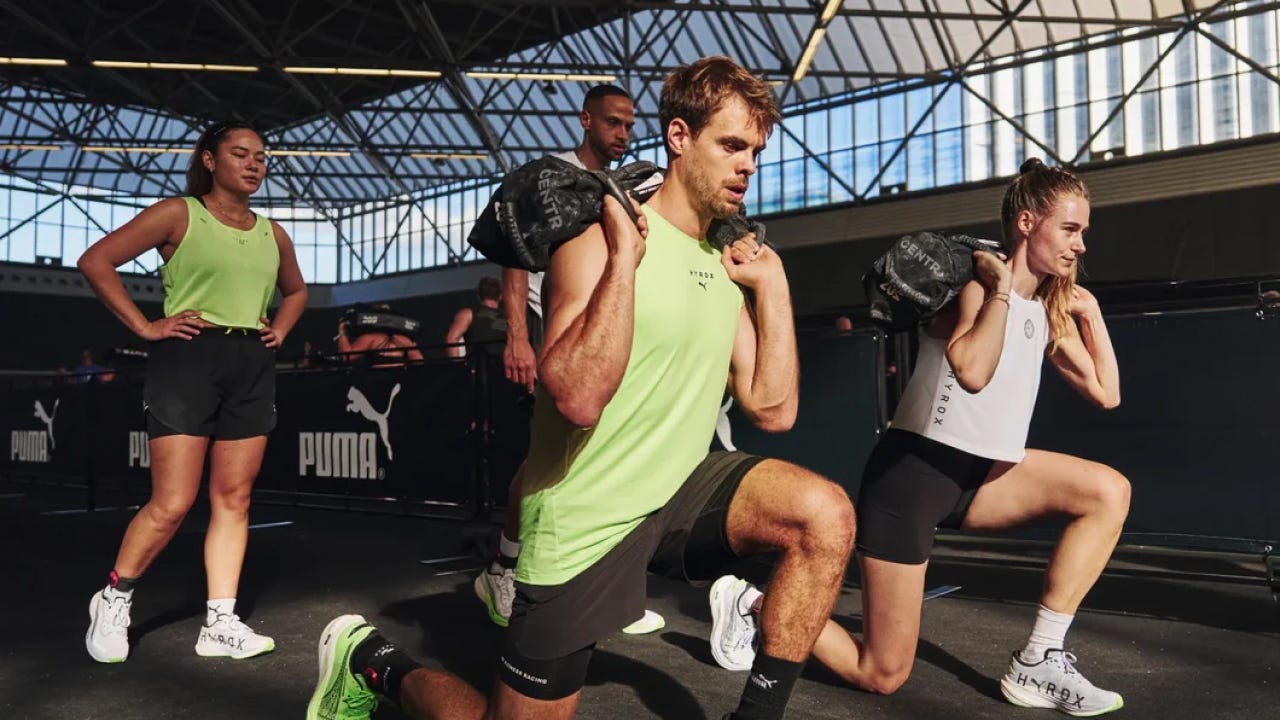
If you have not heard of Hyrox, you’re not alone. Eight years ago, it did not exist. Today, it is the most valuable property in fitness, growing 90 to 100 percent year over year, profitable, and operating across 34 cities with 1.3 million participants projected this season. Hyrox is a fitness competition concept that travels from city to city, allowing the community to train together and travel. My local F45 was one of the first to bring the concept to Canada, and it’s crazy to see how addictive it is for the community. I haven’t had time to join their training sessions (which are a whole thing in itself), but it really is quite cult-like, and will be super valuable for selling brands and branded products to.
Puma did just that. The Puma x Hyrox sponsorship has turned a brand that had spent years drifting between performance and tacky into the uniform of an emerging community, with affiliated gyms now full of Puma gear nobody had to be paid to wear. It is the kind of brand revival most CMOs spend tens of millions trying to engineer through advertising, and Puma got it by showing up to a category nobody else thought was worth dressing.
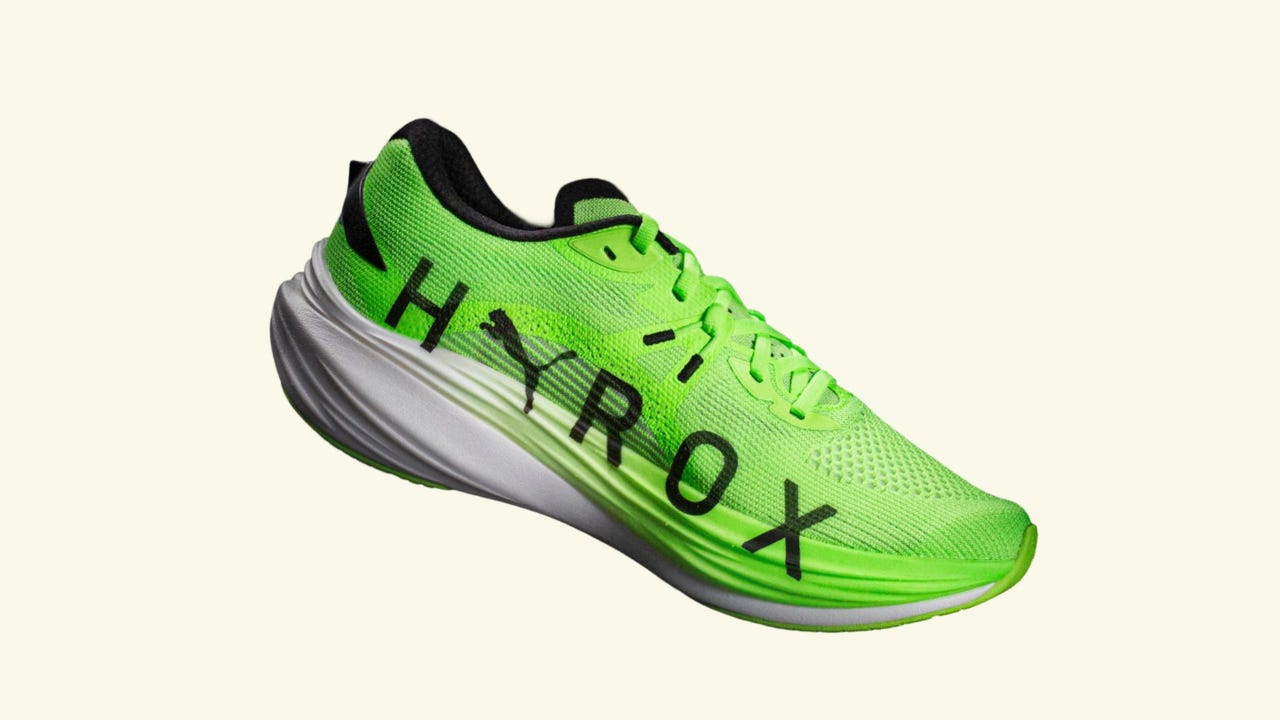
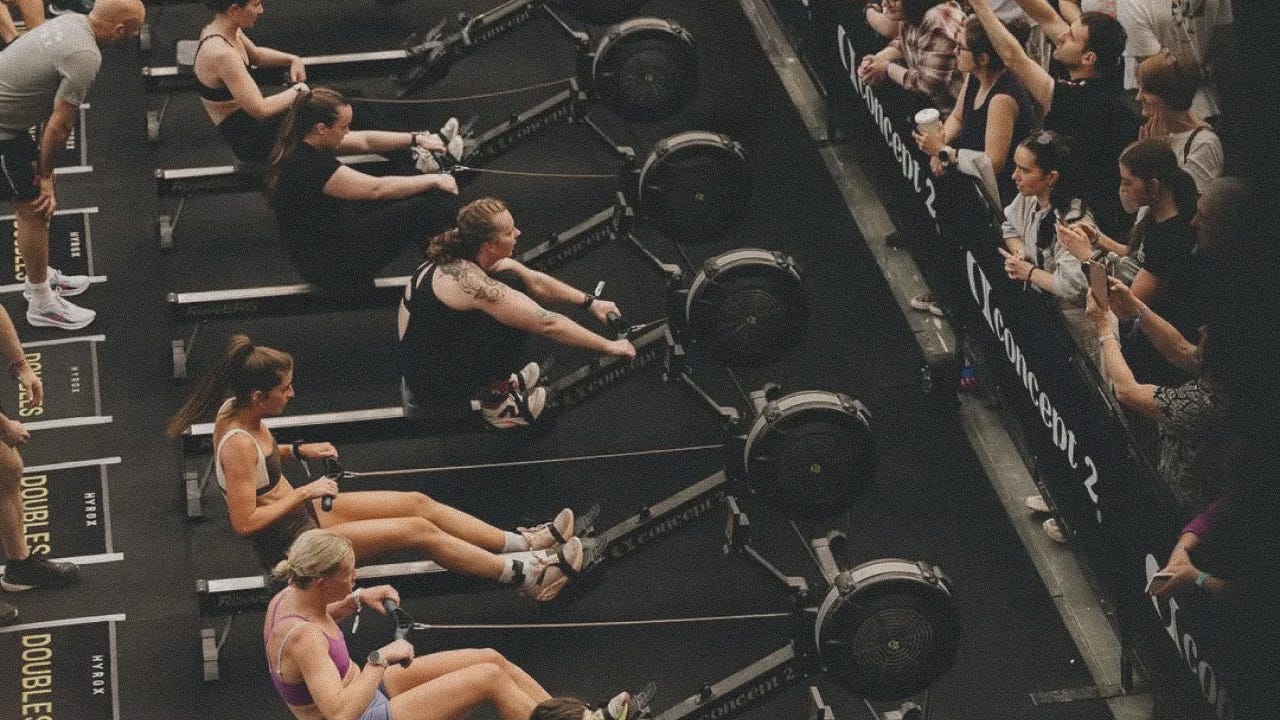
What makes the acquisition fascinating is that Hyrox has no brick-and-mortar, no flagship product, and no paid marketing. The billion-dollar valuation is for a workout, i.e., eight one-kilometre runs alternating with eight functional-training stations. The same format in every city.
What’s fascinating is what LVMH is paying for, and it’s not paying a billion dollars for burpees. Rather, they are buying the halo around the brand, the community, which is why world-building is the #1 thing your brand has to focus on.
Hyrox was founded in Hamburg in 2017 by Christian Toetzke and Moritz Furste. Revenue hit €130 to €140 million in 2025 with a 20 percent EBITDA margin, growing close to 100 percent year over year, with 2026 projections above €270 million. The 2024-2025 season pulled 425,000 to 550,000 athletes across more than 80 events in 30 countries. The 2026 season is projected to have 1.3 million participants. The company is majority owned by Swiss Infront Sports & Media, which is itself owned by China’s Wanda Group.
L Catterton manages over $34 billion in assets. Its portfolio includes Peloton, Equinox, Solidcore, Birkenstock, EGYM, and the UK restaurant brand Dishoom. Hyrox would be the latest in a clear thesis: community is the next big acquisition target.
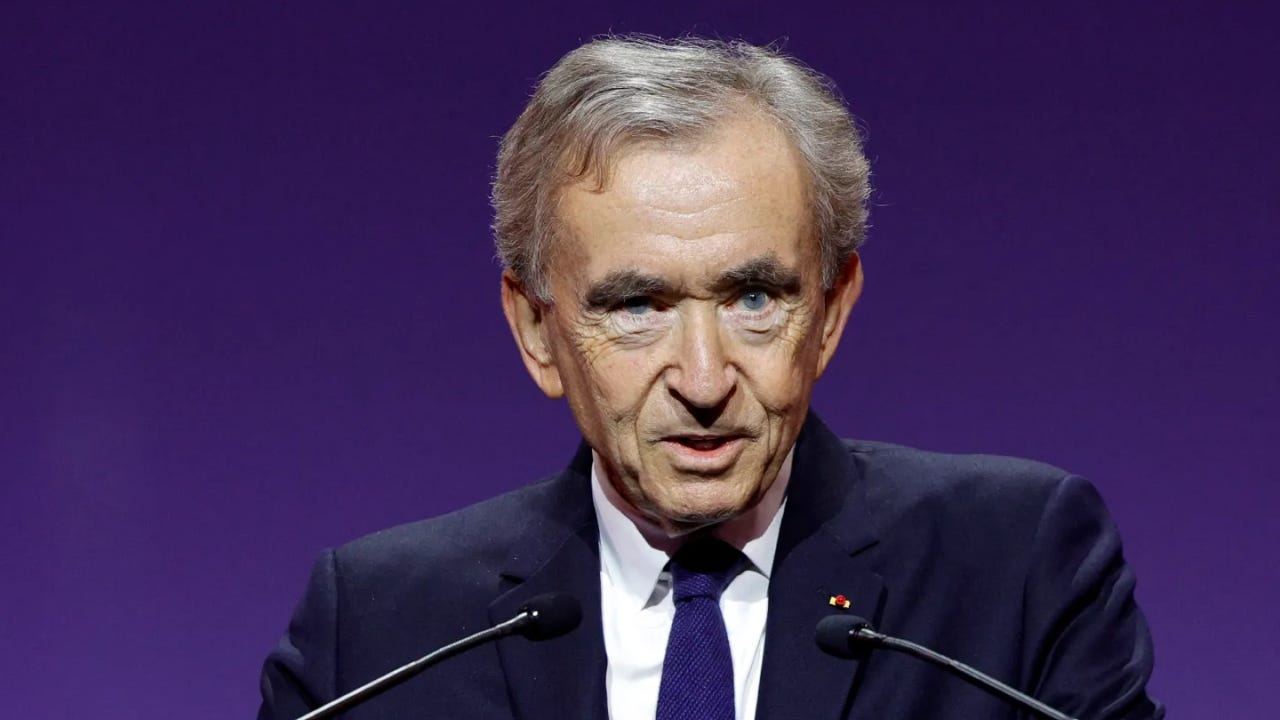
LVMH used to buy handbag houses. Now Bernard Arnault is buying the activities that his customer base structures its life around. Since the lead-up to the 2024 Paris Olympics, Louis Vuitton has signed Victor Wembanyama and Carlos Alcaraz to multi-year deals, committed a billion dollars to a ten-year title sponsorship of Formula 1, partnered with Real Madrid, and watched Loewe quietly collaborate with On Running to merge technical performance with high-fashion design.
Hyrox is the next chapter of the same strategy. LVMH has noticed that the luxury customer in 2026 is no longer the person buying a five-thousand-dollar bag; it is the person organizing their identity around an athletic discipline. The aspirational signal has shifted from the product to the lifestyle, and LVMH is building the infrastructure to own every layer of that lifestyle. The bag, the watch, the car, the customer drives to the gym, the race they fly to, the kit they train in, and the wearable they record it on.
This is a category shift, not a one-off bet. Luxury is no longer in the business of selling things; it is in the business of selling identity, and identity in 2026 is built through repetition and ritual rather than possession.
The most important strategic detail in the Hyrox story is that the brand is relatively turnkey– the format has not changed since 2017. Every event in every city is identical, which may sound like a constraint but is actually a very competitive advantage.
Because the format is fixed, the customer can train for it in their hometown gym and compete in it anywhere in the world. A finisher in Berlin, a finisher in Mexico City, and a finisher in Sydney are speaking the same language, measuring against the same standard, and signalling the same identity. That standardization is what allowed Hyrox to scale across 34 cities without diluting the brand, and it is what turned the workout into an international currency of fitness identity.
Most founders are still operating on the opposite assumption, i.e., that brand value comes from constant innovation, new product launches, refreshed messaging, and creative direction changes every two years. The Hyrox case argues the opposite: that the highest-value brands of the next decade will be those with the discipline to keep doing the same thing across every market, season, and customer touchpoint.
What Arnaut cracked is that the format is the moat, and the repetition is the brand.
If you are building anything right now, the Hyrox case study should change how you think about three things.
Product innovation. Stop reinventing your offer every quarter. The brands that win compound through repetition, not novelty. Pick the format your customer returns to and protect it.
Brand investment. The most valuable layer of your business is not your product, your packaging, or your performance marketing budget. It is the universe of associations your customer builds around the experience of using you. Build that universe deliberately and the financial value compounds in ways that revenue alone cannot capture.
Community as a commercial asset. Hyrox’s near-zero customer acquisition cost is not an accident. It is the direct result of building a format that the community evangelizes for free, because participating in it confers identity. Founders who keep treating the community as a brand layer rather than a commercial engine are leaving the most valuable infrastructure of their business unbuilt.
The billion-dollar Hyrox valuation is not a fitness story but the clearest signal of where brand value is moving. Identity is the new luxury, the format is the new moat, and the brands that build worlds their customers return to obsessively are the ones the smartest capital in the world is buying.
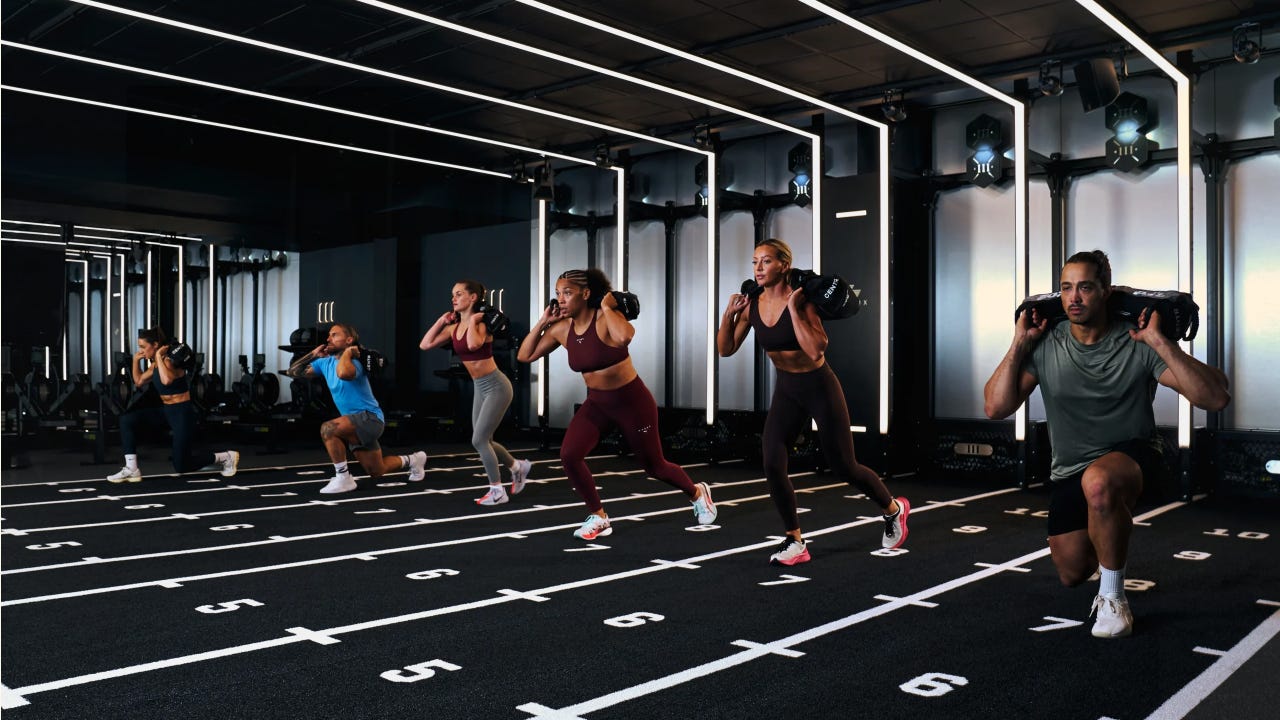
LVMH did not need to acquire Hyrox to make money in fitness. They acquired it because the luxury house is repositioning around the next generation of how status is signalled, and status in 2026 is no longer a possession; it is a discipline. The customers who structure their lives around showing up are the same customers Bernard Arnault has been chasing his entire career, and Hyrox is where they now spend their Saturdays.
The brands worth a billion dollars in the next decade will be the ones their customers cannot stop coming back to. Hyrox is the first proof point.
I survived a very hot week at Cannes!! We are launching my newsletter, a weekly deep dive where I share what I have learned, read, listened to, and more tips to keep you winning. If you’d like to join, click here.
Xx Camille
—
If you want to listen to our podcast episodes, head to Art of the Brand on all streaming platforms.
If you are interested in working together or hiring Third Eye Insights, my international strategy + creative firm, click here.
Comments
Nothing yet. Say the first thing.
Sign in to join the conversation.