
I just wrapped five cities and three countries in two weeks, and I lost count of the Parke sweatshirts I saw in airports along the way. I have known the brand for a while. Seeing that many of them in that many places is what made me want to write about it.
If you have not noticed them yet, you will now. The mockneck with PARKE arched across the chest has become a must-have for Gen Z and Gen Alpha, a $130 sweatshirt treated as a status marker in high school hallways and on college campuses. Collections sell out in under five minutes. At a SoHo pop-up last year, people arrived as early as 3:00 a.m. from New Jersey, Connecticut, and other surrounding cities for the chance to snag a limited-edition sweatshirt.

The brand’s eponymous label is named after its founder, Chelsea Parke Kramer, who built a community before founding the brand. She played field hockey at Dickinson, worked in fashion wholesale and jewelry after graduating, and moved to Miami during the pandemic. She started posting on TikTok in 2020, mostly casual videos about her life, her dog, and what she was wearing.
The brand was inspired by a Miami farmers’ market. She connected with a vintage Levi’s vendor, bought a few pairs, and called her mother the following week to say they needed to move on this concept online. The first drop was 200 units of reworked men’s vintage denim resized for women, launched on TikTok in July 2022. The initial drop was a success, so she moved to launching a cozy collection in 2023 and then an original denim line in 2024. The business went from $100,000 to a reported $16 million in three and a half years without spending a dollar on ads.
What replaced the ad budget is a monthly email.
At the start of every month, Chelsea sends a newsletter that blends personal reflection, behind-the-scenes updates, and a full calendar of what is coming: restocks, limited releases, and seasonal collections, all dated in advance. At least one cozy collection lands monthly, denim runs on a seasonal calendar, and every drop is announced before it happens.
Most brands operate on the opposite theory. They hold the launch date to preserve surprise, then flood the inbox with urgency on the day, which trains the customer to treat every email as noise. Chelsea does the opposite. Tell people the drop is Tuesday at 10:00 a.m., and they will make time for it. That is why the collections sell in five minutes.
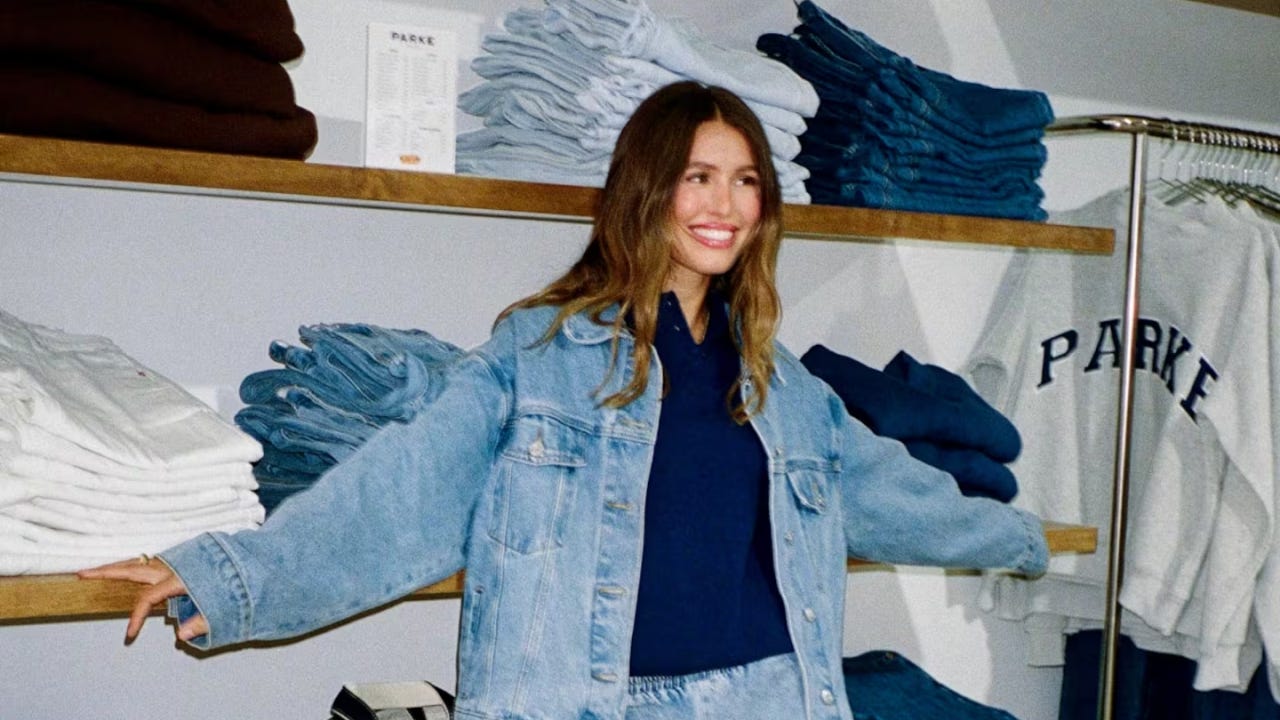
Parke has created a wave of copycats because the drop model, paired with a community and casual insights, creates a larger feeling of connectedness. In her emails, she gives as much information as possible about the launch so that her community knows exactly what to expect. Her brand has more personality and soul, which Gen Z and Gen Alpha find increasingly refreshing. Most brands have an outdated viewpoint of their relationship with their customer, that it should be distant and mysterious. Gen Z and Gen Alpha want to buy from brands with clear values that they align with, as the brands they buy should be a reflection of who they are individually.
The second mechanism is the product architecture, and it is almost aggressively simple. Parke is a $16 million business built on one silhouette: the mockneck with the arched logo. Each monthly drop is that product in a new colorway, a new weight, or a holiday palette. The Valentine’s collection last year, which sent the internet into a genuine frenzy, included six new mockneck colors and a matching sweatpant.
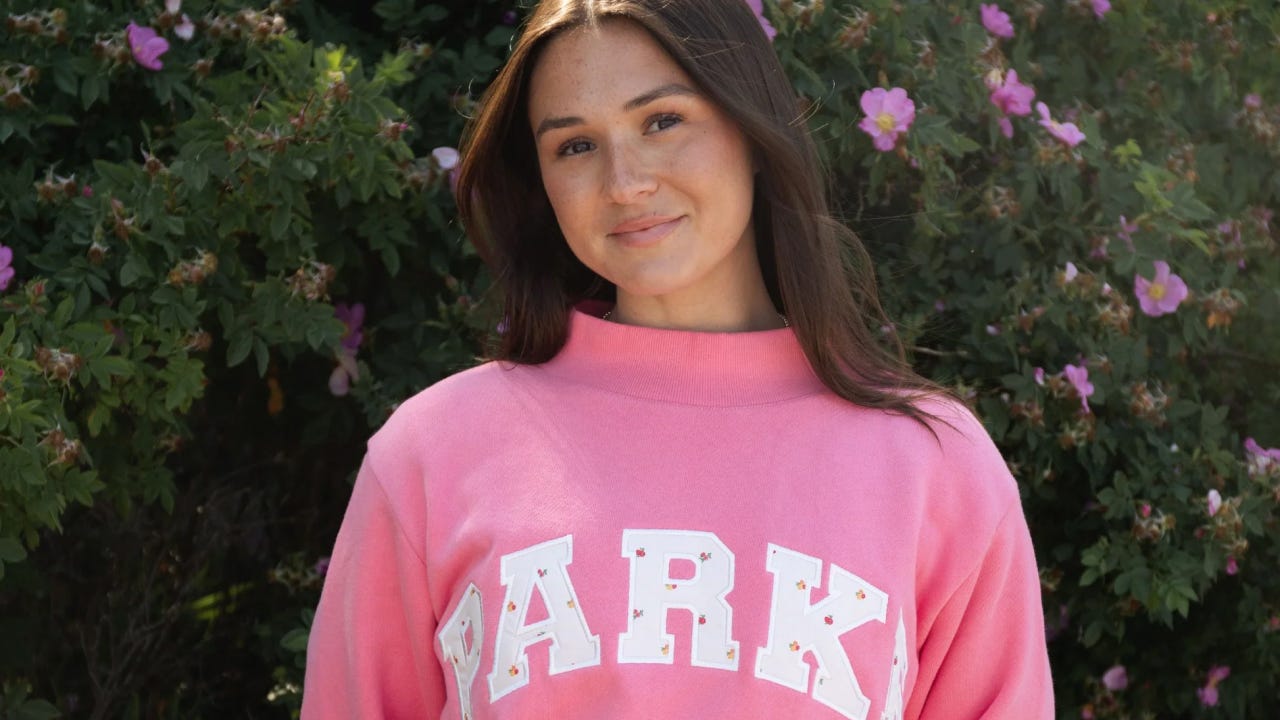
Founders tend to confuse newness with growth, launching in new categories every quarter and ending up with a catalog nobody has an emotional relationship with. Parke does the reverse, i.e., one product people already want, recontextualized on a schedule, so every drop compounds the recognition of the last one rather than starting over.
The third mechanism is the one Target quickly mobilized on. Parke builds its collections from direct feedback about what the community feels is missing from their closets, and when Target announced the partnership in April, the retailer’s apparel SVP cited exactly that their strategy was to design with intention based on what the audience says it wants.
The Target collection ran nearly 60 pieces, priced from $5 to $55, with most under $40, in sizes XS to 4X, and included Parke’s first swimwear.
This is where most brands say they listen to their customers and mean they read the comments occasionally. Parke builds the product from what the community asks for, which means the collection is already spoken for before it exists. The people who asked for it show up to the drop invested, they recognize their own request in the product, and they tell the friends they have been talking to about it since they asked.
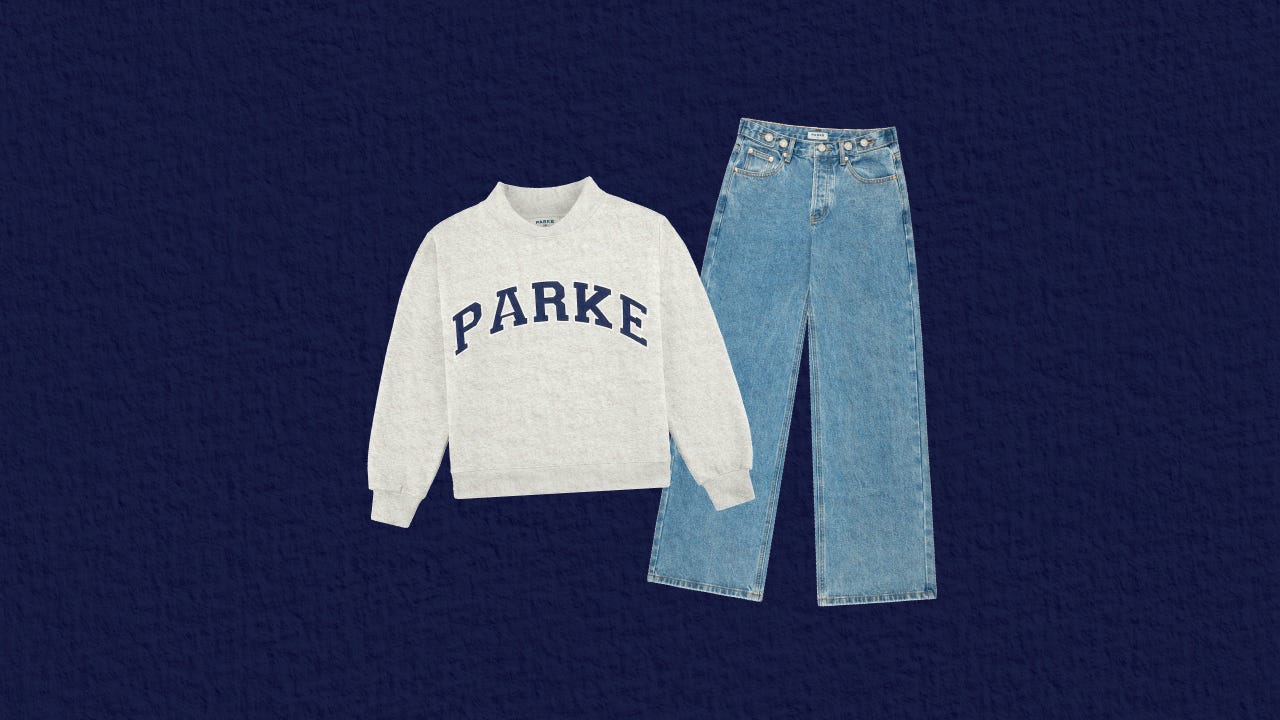
The Target collection results are proof the model scales beyond the brand’s own audience. Target reported that social engagement around the Parke collaboration significantly exceeded that of its prior partnerships, with some of the strongest launch-week sales it has recorded for a limited-time offering.
The mechanism that built the brand is also the one generating its worst reviews. The Valentine’s drop led to site failures, items vanishing from carts, and a wave of TikTok anger from people who waited and couldn’t buy. The Target launch generated one-star reviews from customers who waited in a digital queue and watched everything sell out before they got through. Some are now openly asking whether the scarcity is engineered.
Chelsea’s answer is that she runs a small team and will not overproduce to meet a spike, which is realistically why the brand has maintained its cult-like status. The product is hard to get. Customers tolerate a constraint they believe is real and resent one they suspect is manufactured.
Email is one of the most underused channels in consumer brands. Most brands do it, but they outsource the project to a third-party agency that pushes promotions or new launches. All consumers are sick of being sold to, and there is no shortage of brands with more money that want to break through. The way to win is to build a community and communicate with them with respect, investing in and earning their time and attention over time, and then delivering them a great product.
Parke uses email as the place where her community truly lives. A lot of top creators who have brands that are successful deeply respect and nurture their email list. Alex Hormozi constantly harps on the idea that emails are the only thing you can really own for your audience. Every other channel rents access at a price that rises every quarter and can disappear with an algorithm change, whereas the inbox is a direct line to people who chose to hear from you.
Here are the three takeaways you can learn from this case study:
Publish your calendar and hold the cadence without exception. Habits need a schedule, and nobody builds a habit around a surprise. Tell people what is coming and when, then be there when you said you would be.
Give people a reason to open it that is not a sale. If every email asks for money, the list trains itself to ignore you. Parke’s newsletters are worth reading whether or not you buy anything, which is why they get opened when there is something to buy.
Build the product from what the community tells you it wants, so the drop is spoken for before it exists. The customer who recognizes her own request in the collection is not being sold to. She is collecting on something she helped make, and she brings the friends she has been talking to about it.
Thank you for reading!
Speak soon,
Camille Xx
—
Want my team on your brand? Book a call here with Third Eye Insights, my international brand strategy and creative agency.
Apply my frameworks and teachings to your own brand with my Masterclass and Social Media & Brand Planners
Get the Friday debrief: Join my newsletter here for weekly inner circle content that keeps you winning.
Comments
Nothing yet. Say the first thing.
Sign in to join the conversation.