
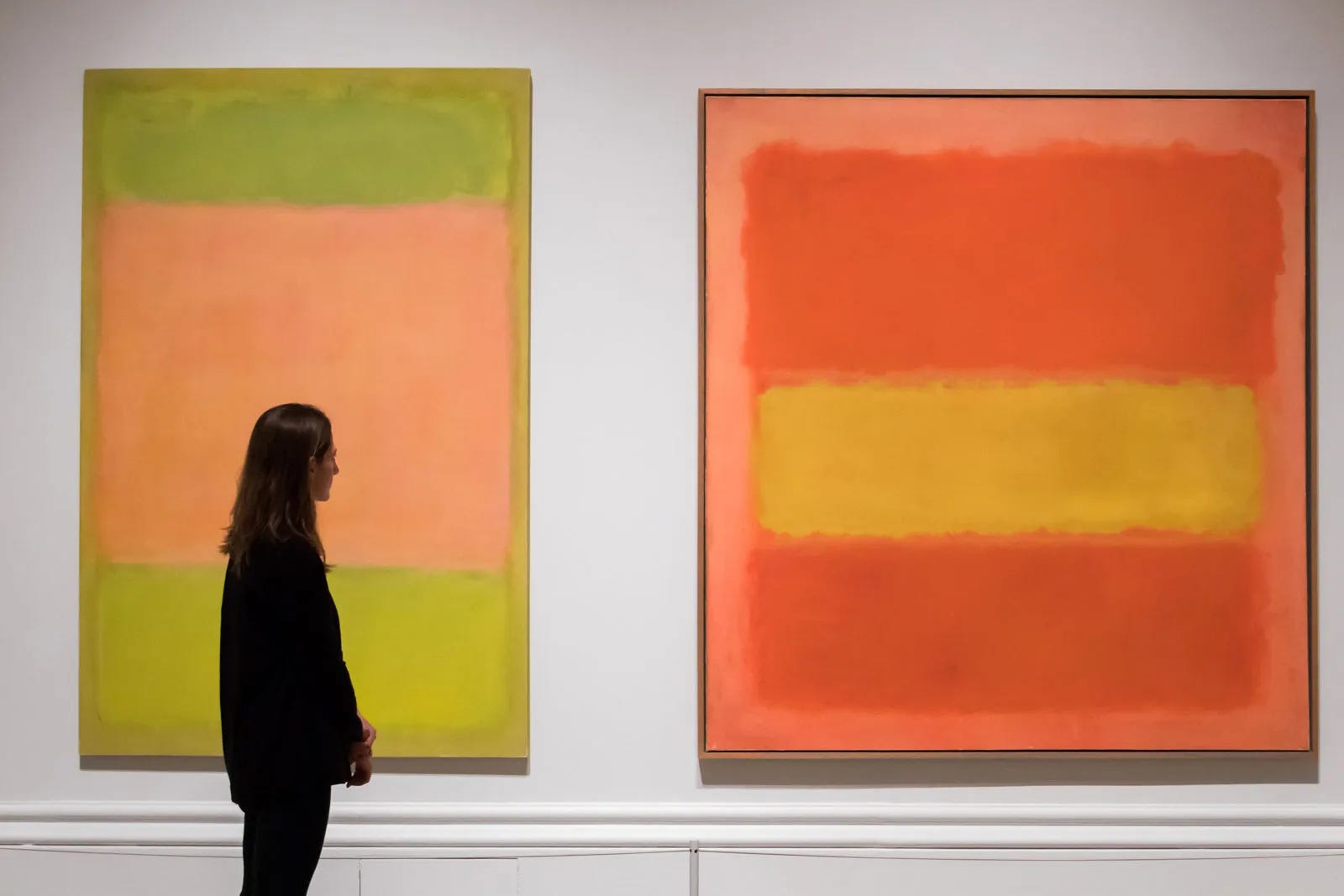
Although Mark Rothko belongs historically to an earlier generation, his influence on contemporary painting remains profound. His work continues to shape how painters think about atmosphere, scale, and emotional experience within abstraction.
Rothko’s large fields of hovering color are often described as meditative or spiritual, but what makes them powerful is their material instability. The surfaces breathe. Edges blur, tones vibrate against one another, layers emerge gradually through prolonged looking.
Importantly, Rothko did not think of his paintings as purely abstract. He believed they could communicate fundamental human states—tragedy, ecstasy, isolation, transcendence—without relying on representation. This ambition transformed color into something architectural and psychological.
Standing before a Rothko painting is not simply a visual experience; it is spatial and bodily. The scale envelops the viewer, while the softness of the surface creates a strange tension between intimacy and immensity.
His work fundamentally altered the possibilities of abstraction, showing that painting could generate emotional depth not through narrative, but through the direct physical experience of color itself.
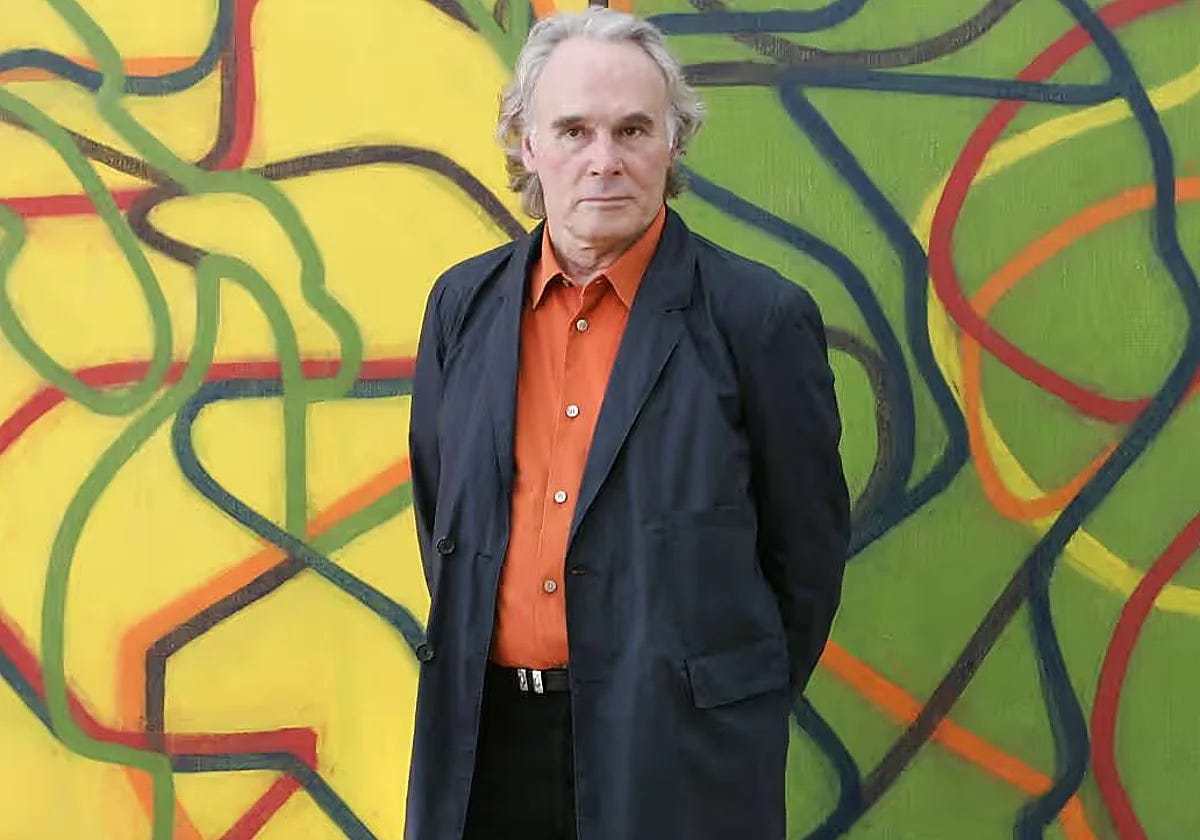
Brice Marden’s paintings operate through reduction and discipline. Early works often consisted of monochromatic panels whose subtle tonal shifts demanded sustained attention, while later paintings developed intricate networks of calligraphic lines that moved across the canvas like thought itself becoming visible.
What defines Marden’s practice is its refusal of excess. His paintings are quiet, but intensely structured. Every adjustment in tone, spacing, or movement carries weight. Rather than overwhelming the viewer, the work slows perception down to the level of nuance.
His engagement with calligraphy, especially East Asian traditions of mark-making, introduced a new understanding of gesture into abstraction. The line in Marden’s work is not expressive in the dramatic sense associated with Abstract Expressionism. Instead, it is measured, rhythmic, almost meditative.
This restraint creates a profound sensitivity to duration. Looking at a Marden painting becomes an experience of time unfolding slowly, where attention shifts from image to relation—from what is depicted to how perception itself moves across the surface.
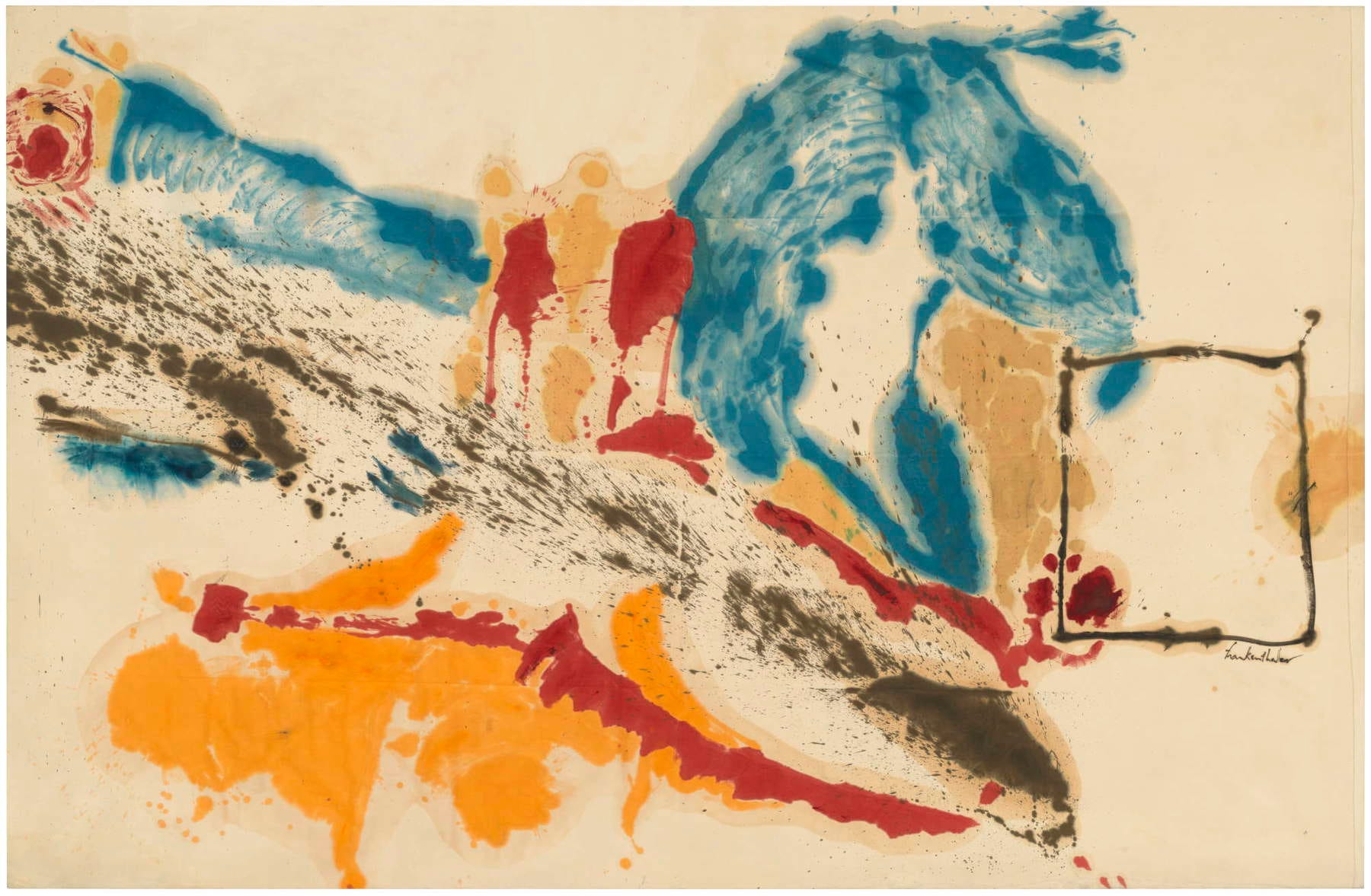
Helen Frankenthaler transformed postwar abstraction by redefining the relationship between paint and canvas. Her soak-stain technique—allowing diluted paint to seep directly into unprimed canvas—collapsed the distinction between surface and image.
Rather than sitting on top of the canvas, color entered the fabric itself, creating expansive fields that feel fluid, open, and atmospheric. This technical innovation radically altered the physical logic of painting. The canvas no longer functioned as a neutral support; it became inseparable from the image.
Frankenthaler’s work often evokes landscape, water, weather, or light without explicitly depicting them. Her paintings hover between abstraction and sensation, suggesting environments rather than illustrating them.
What is remarkable is the balance she achieves between spontaneity and structure. The paintings appear effortless, yet they are carefully calibrated orchestrations of movement, absorption, and spatial tension.
Her work expanded abstraction toward something more porous and luminous, where painting could function less as object and more as atmosphere.
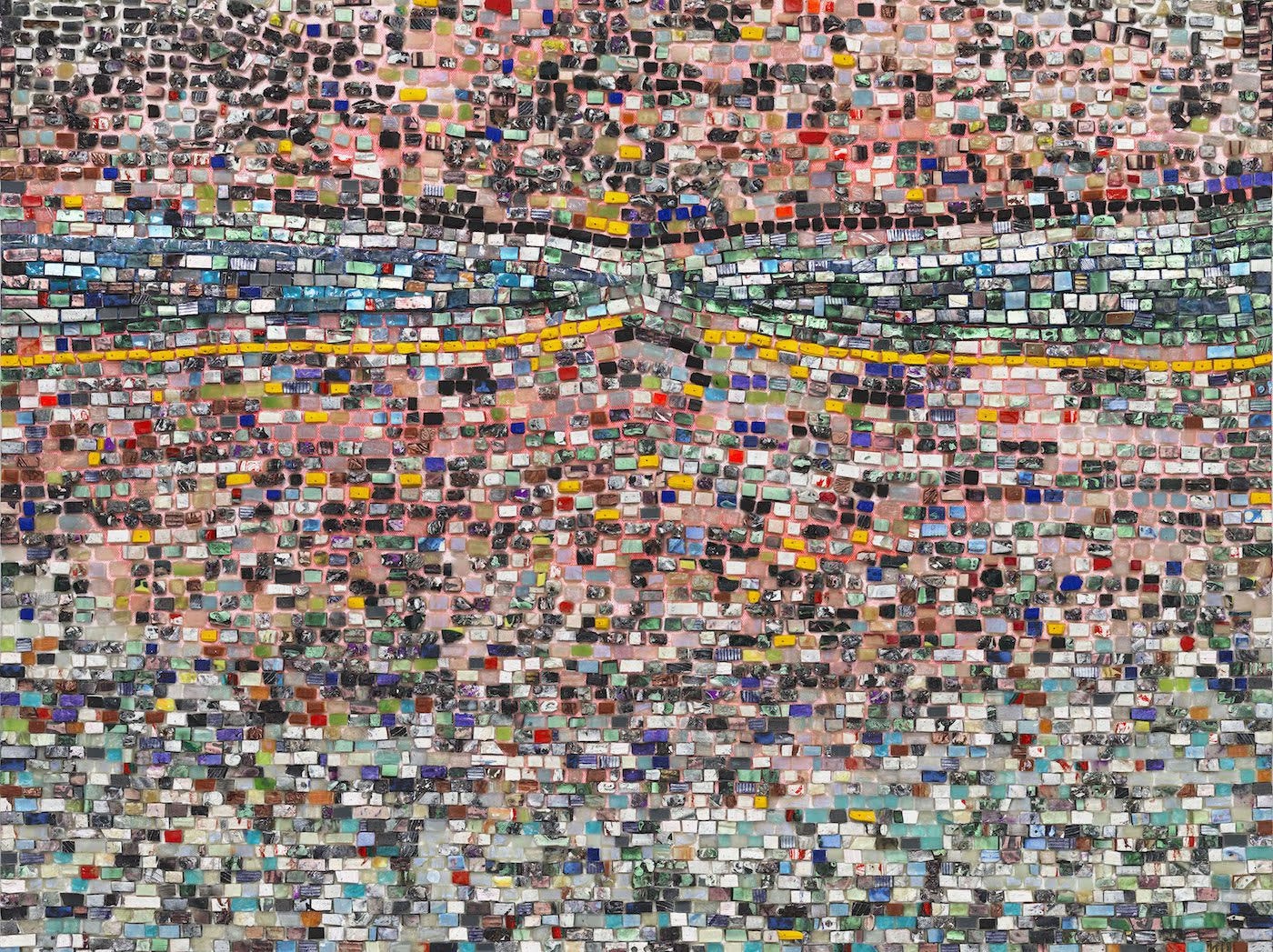
Jack Whitten approached abstraction as both a formal and philosophical problem. Over decades, he developed radically experimental techniques that challenged conventional ideas of gesture, surface, and authorship.
Rather than relying solely on the brush, Whitten used tools such as rakes, combs, and custom-made devices to drag paint across surfaces, creating complex textures that oscillate between mechanical and deeply tactile. Later works incorporated mosaics of acrylic fragments, turning the painted surface into something almost sculptural.
His work is deeply connected to questions of history and identity, particularly the experience of Black life in America. Yet Whitten resisted the expectation that political content required figuration. For him, abstraction itself could carry memory, resistance, and intellectual rigor.
This tension gives the work extraordinary depth. The paintings are sensorially rich, but they are also systems of thought—investigations into how material, process, and structure can hold historical and emotional weight without becoming illustrative.
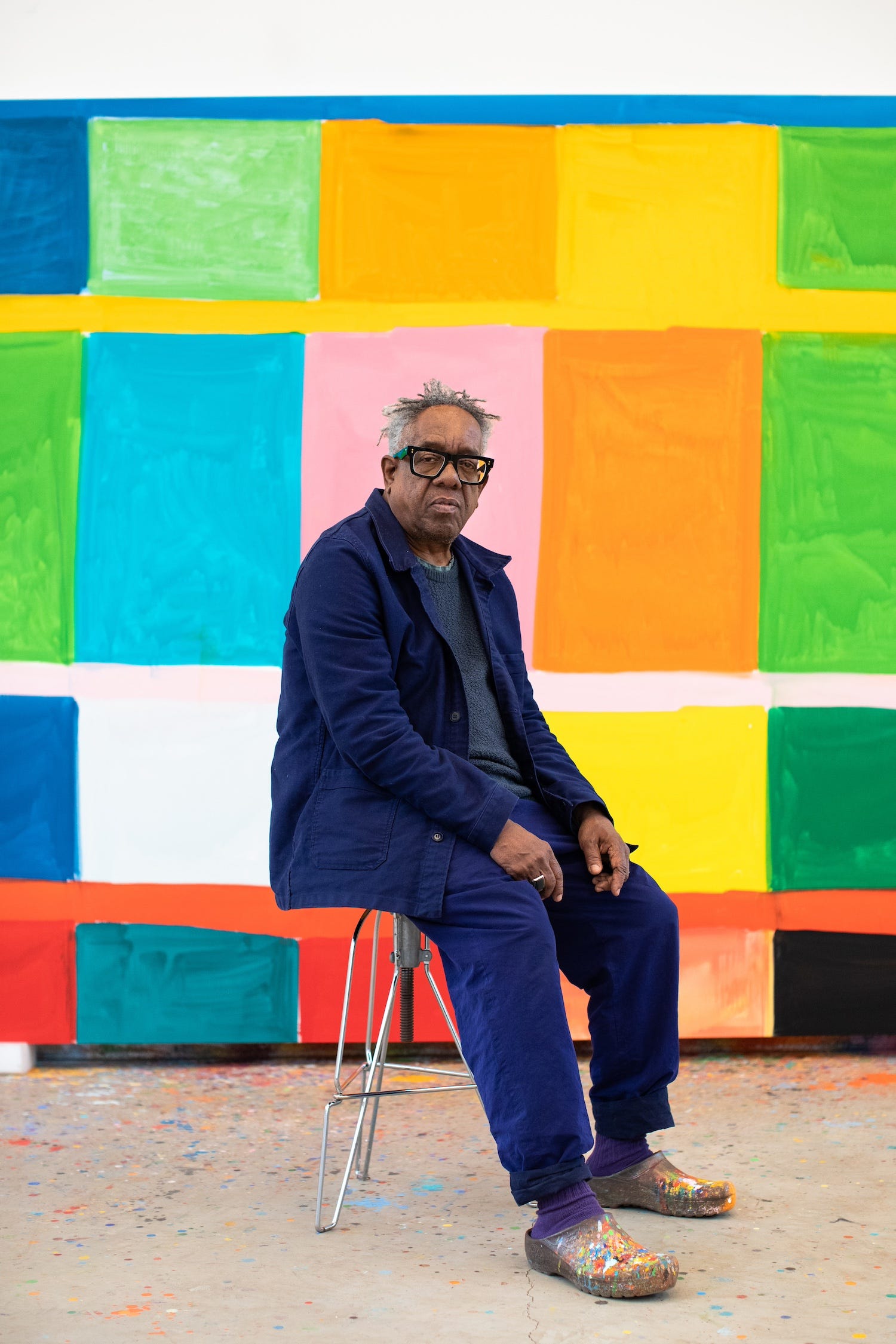
Stanley Whitney’s paintings are built from stacked grids of intensely saturated color blocks. At first glance, the structure appears systematic. Yet the longer one looks, the more improvisational and unstable it becomes.
Whitney approaches color relationally rather than symbolically. A color changes depending on the colors around it; rhythm emerges through adjacency, interruption, imbalance. His paintings are less compositions than conversations between chromatic forces.
Music—particularly jazz—has been a crucial influence on his practice. This connection is not illustrative but structural. Like improvisation in jazz, Whitney’s paintings balance repetition with variation, order with spontaneity.
Importantly, the physicality of the paint remains visible. Edges wobble, surfaces shift, grids loosen. This refusal of perfection keeps the work alive, preventing geometry from becoming rigid or purely formal.
Whitney demonstrates that abstraction can still feel immediate and bodily—that color alone, when organized through rhythm and sensitivity, can generate immense emotional and spatial complexity.
No posts
Comments
Nothing yet. Say the first thing.
Sign in to join the conversation.