
For an aspiring artist in the late 15th century - the city of Venice would probably seem like the absolute ideal place to make a home.
Rivalled only by Rome or Florence as one of the great creative hubs in Italy at the time - it was a place which had already played host to the likes of Giovanni Bellini and Andrea Mantegna; both of whom played a huge role in taking painting to a whole new level.
_
Thus, when Lorenzo Lotto was first coming into his prime as artist - having been born and raised in Venice itself - he really could not have been better placed to play a central role in the next golden generation of Venetian art.
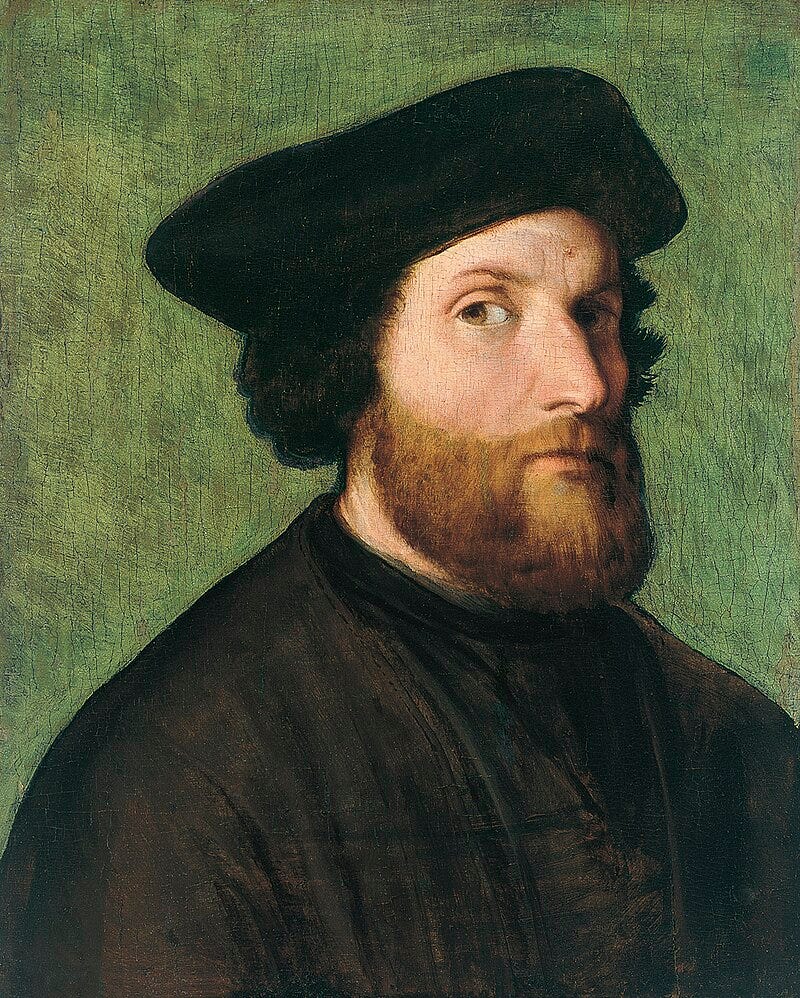
But of course, wherever we find great opportunity, there is always going to be great competition too.
And by the time Lorenzo had served his apprenticeship as an artist (much of which appears to have been self directed, which was quite rare at a time when most artists progressed through a specific workshop / studio) - he would have been all too aware of some of the other young, “up and coming” Venetian artists of his own era.
These included of Giorgione - Palma Vecchio - Sebastiano del Piombo - and, of course, the inimitable Tiziano Vecellio, (better known now as Titian).
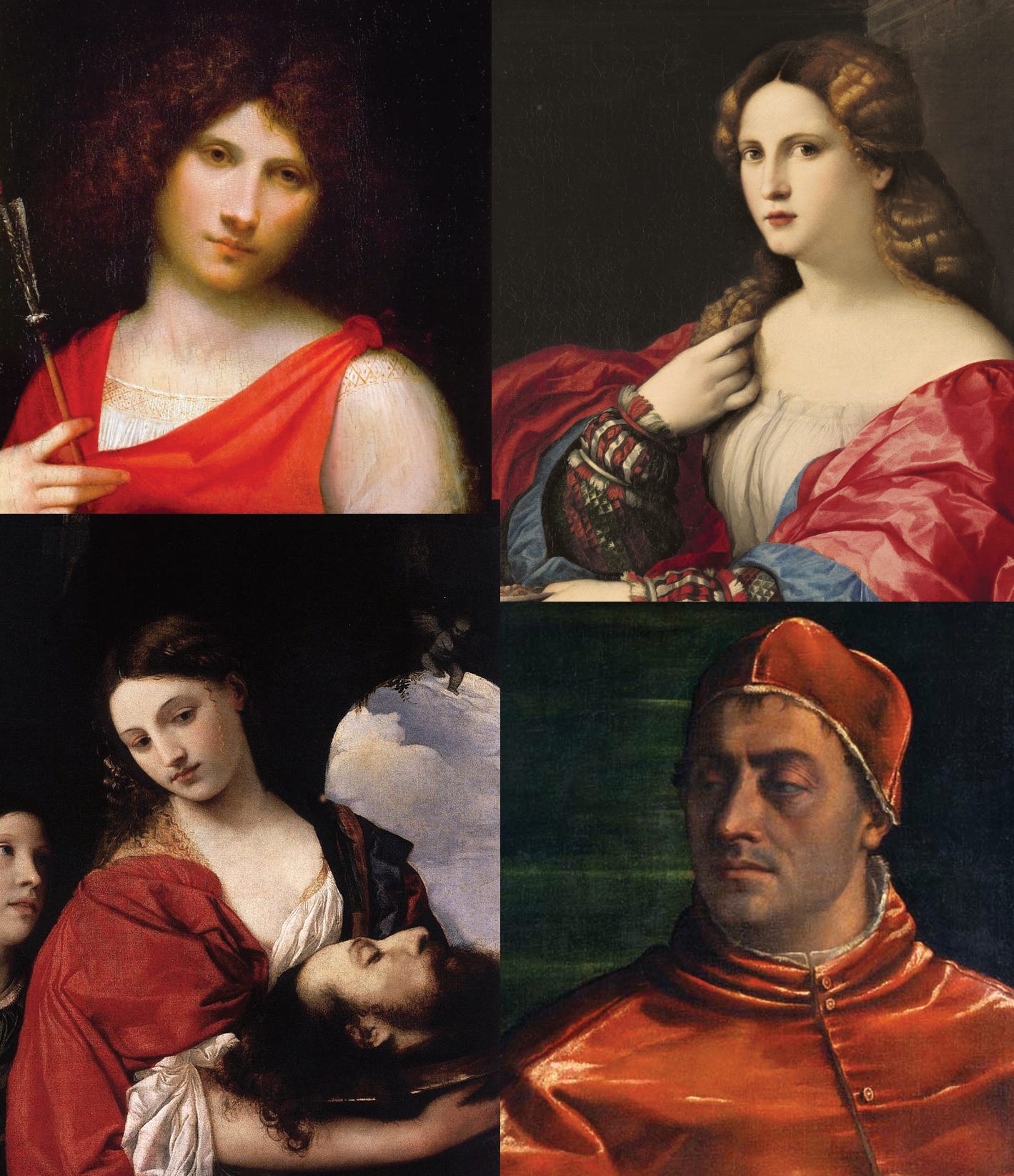
As such, Lorenzo actually found himself with a pretty major decision quite early on in his career.
Should he stay in his home city to compete directly with these men - many of whom he feared were better trained, or better connected, or more talented than he was?
Or, would he have more luck in pursuing his own work elsewhere . . . perhaps in slightly smaller cities or towns across northern Italy, where he might not feel quite so much like the metaphorical “little fish in a big pond” . . .
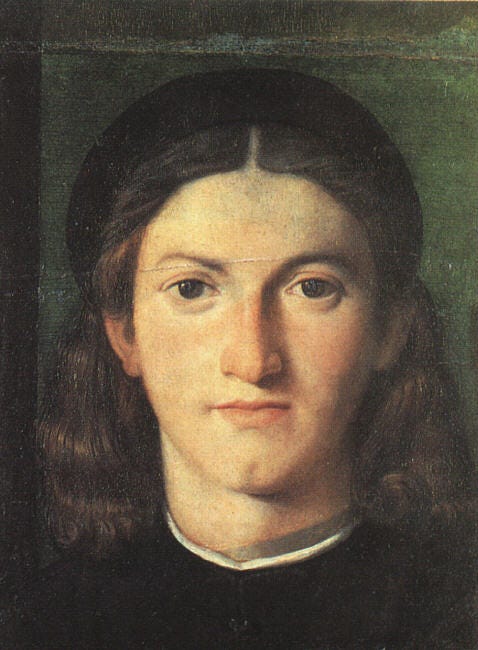
In the end, Lorenzo seems to have preferred this latter option.
Unable to fully cement his own reputation at home (or, perhaps, unwilling to work as hard as necessary to compete with his peers) - our artist instead became something of an itinerant painter; sporadically looking for work in places like Treviso, Rome, Bergamo, Loreto and countless other towns.
His main specialism was in Religious paintings and altarpieces, which meant he could always make ends meet.
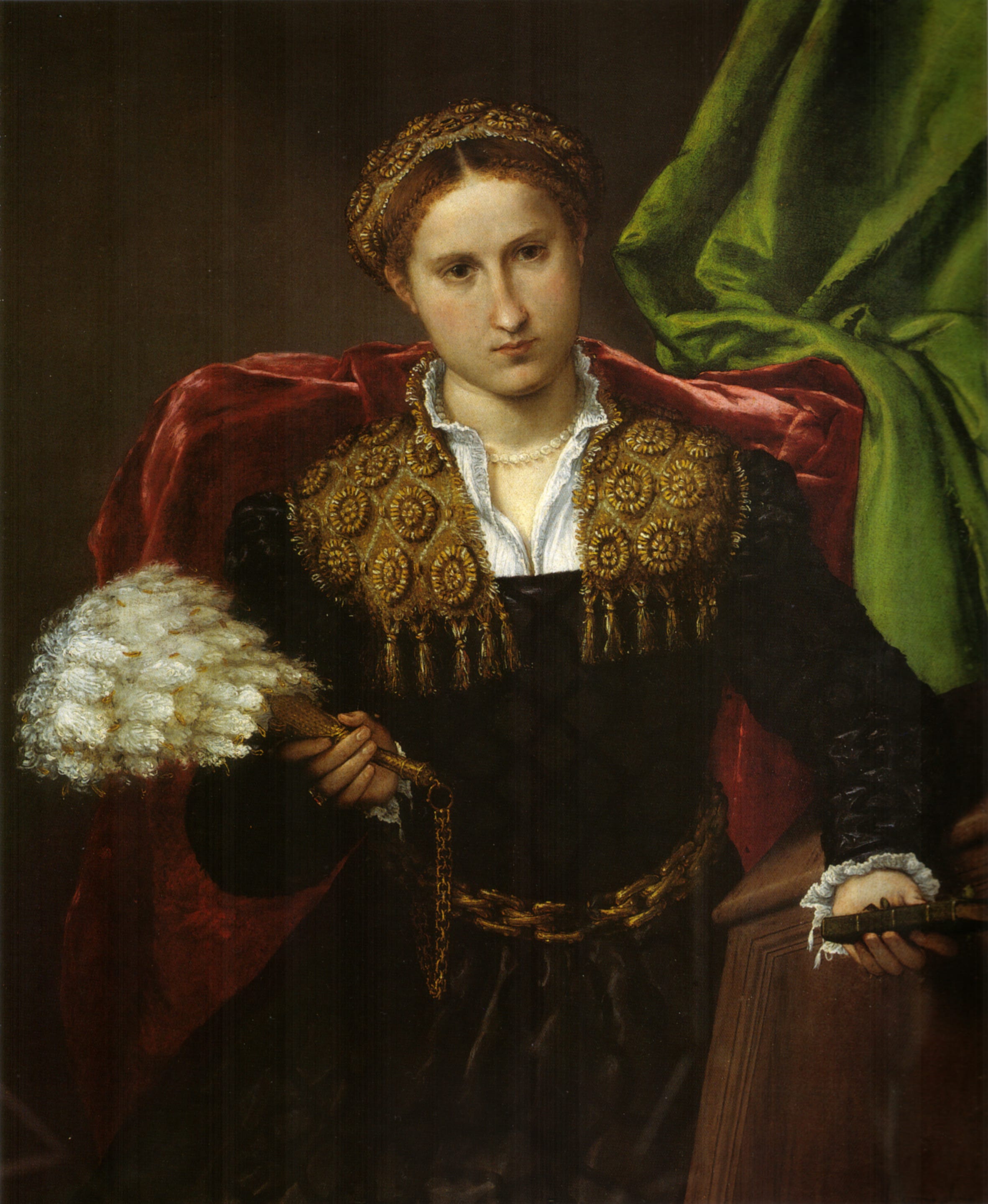
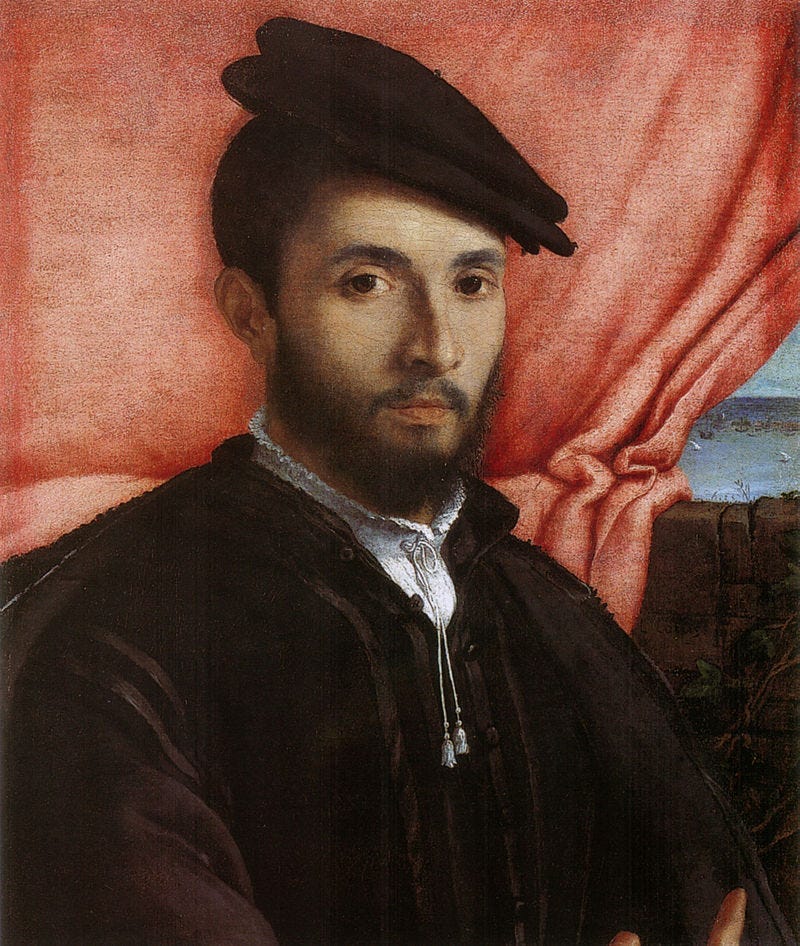
But, personally, I think it is in the field of portraiture where we find him at his very best.
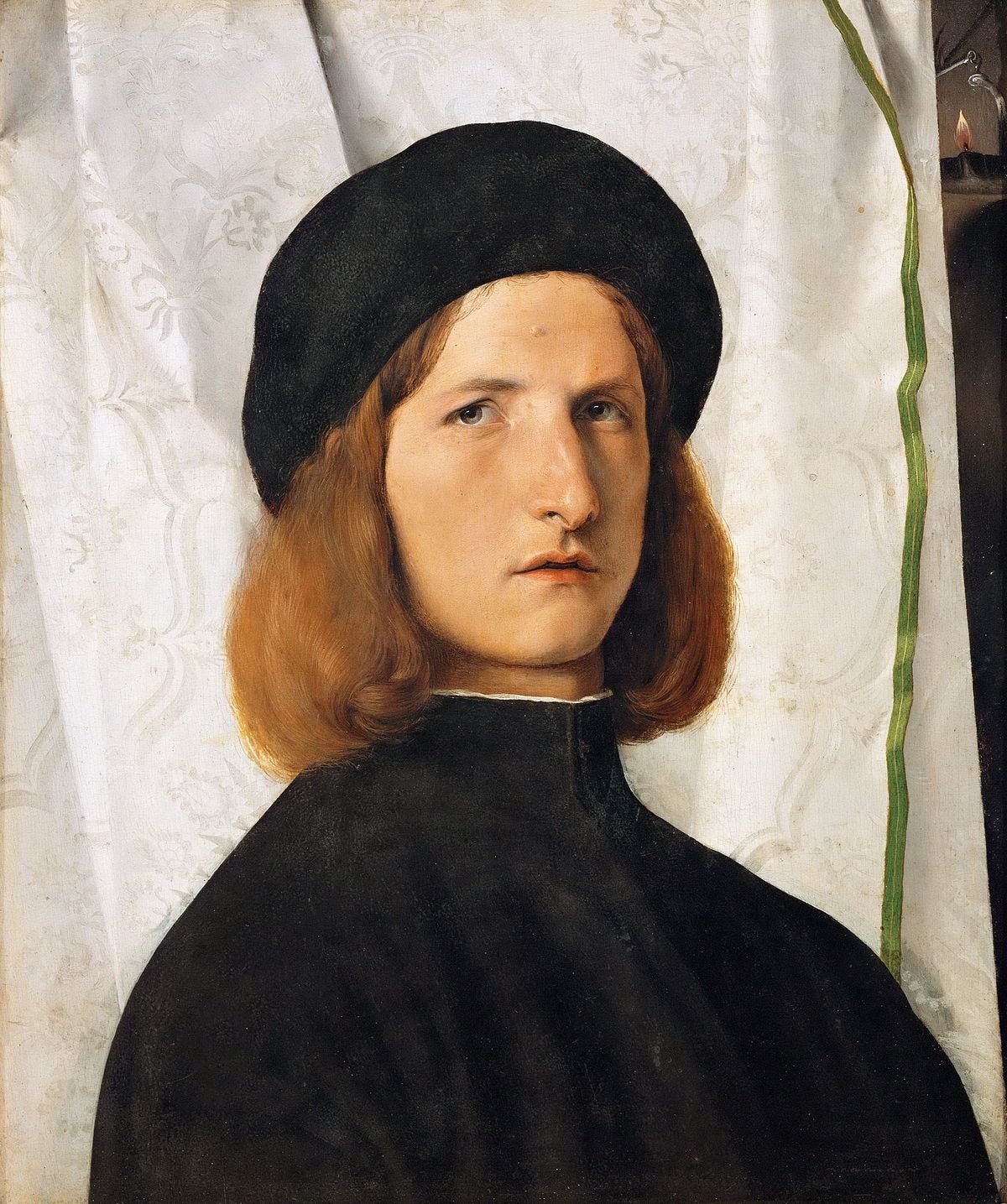
His figures have a heavy, almost sculptural, quality to them - so quintessential of Venetian art.
And yet, as we can see with these two final works (above and below) - Lorenzo also had a wonderful way with colour too . . . with a bright, sumptuous quality which feels almost bordering on the style of Raphael.
_
So there is no doubt that Lorenzo had the talent to hold his own amongst any of the other artists in his home city. And as such, I can’t help feeling it is a slight shame that he didn’t stick around in Venice - either to compete with his peers, or to collaborate and grow with them.
But still, considering that Lorenzo’s work was pretty badly neglected after his death (in fact, he was all but forgotten until as recently as the 19th century) - we can only be grateful to get to know him at all.
And for a man who spent so much of his career on the road . . . at least he now has a more permanent home in the pages of art history.
Thank you for reading Art Every Day.
No posts
Comments
Nothing yet. Say the first thing.
Sign in to join the conversation.