
This weekend, I finally had the chance to visit the Francisco de Zurbarán exhibition at London’s National Gallery.
So for our feature here today, I felt it was the perfect excuse to bring you all along on a little visit with me too, and to share a few of my personal favourites from the show.
_
I must admit, it was much busier in there than I’d been expecting. And (as always, nowadays) there were a few too many phones out and photographs being taken at times. . . though fortunately, it was still nowhere near as bad as in some other places I’ve visited recently.
But other than that, I was highly impressed by the overall curation. And personally, the thing I love most about Francisco de Zurbarán’s work in general is that it has such a profoundly contemplative quality
Yes, his subjects are often religious figures. But at the same time, I find there to be such an emotional weight and just a deep humanity to his work too- which I’m sure can speak to us all, regardless of whether we have a particular faith or not.
_
So with that said, I want you all to imagine us together in the gallery today - taking a very slow walk from once painting to another, while lingering on each of them long enough to really take in the extraordinary talents of Francisco de Zurbarán.
From the deep shadows, to the divine light, and the astonishing attention to details . . . his position as one of Spain’s greatest ever painters really is beyond all doubt.
Thank you for reading Art Every Day
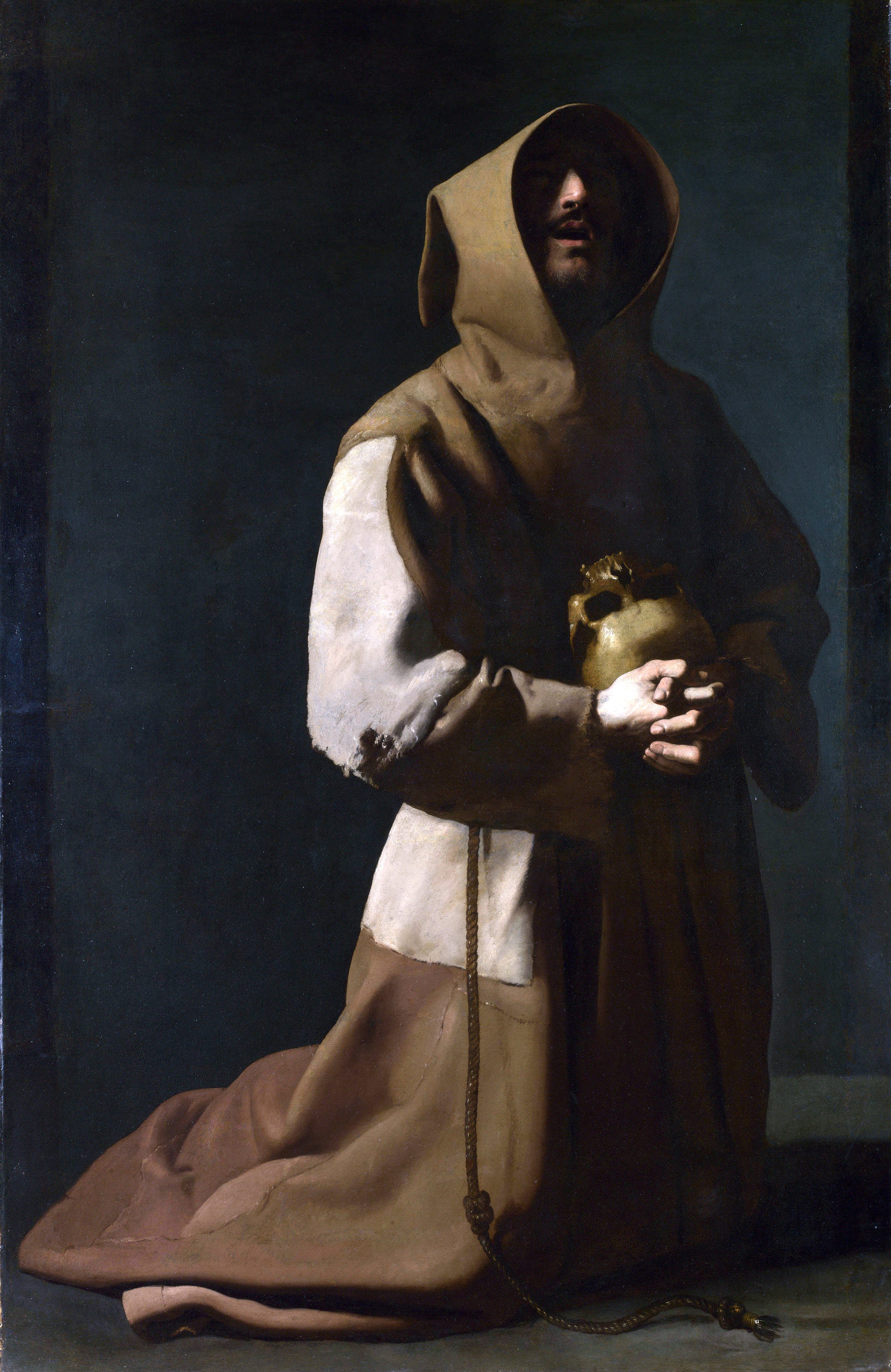
1. Saint Francis in Meditation - 1639 - (From the collection of the National Gallery, London)
We have covered this work in more detail previously here - and it has been my personal favourite piece from Francisco de Zurbarán for some time. But even though this was not my first meeting with the work itself, I still found myself completely captivated by it again.
I do not know whether St Francis here is looking to the sky in hope, in despair, or in sheer wonder over the unfathomability of this life.
But either way, it is truly incredible for the artist to capture such a powerful sense of emotion when we can barely even see the face of our main character here.
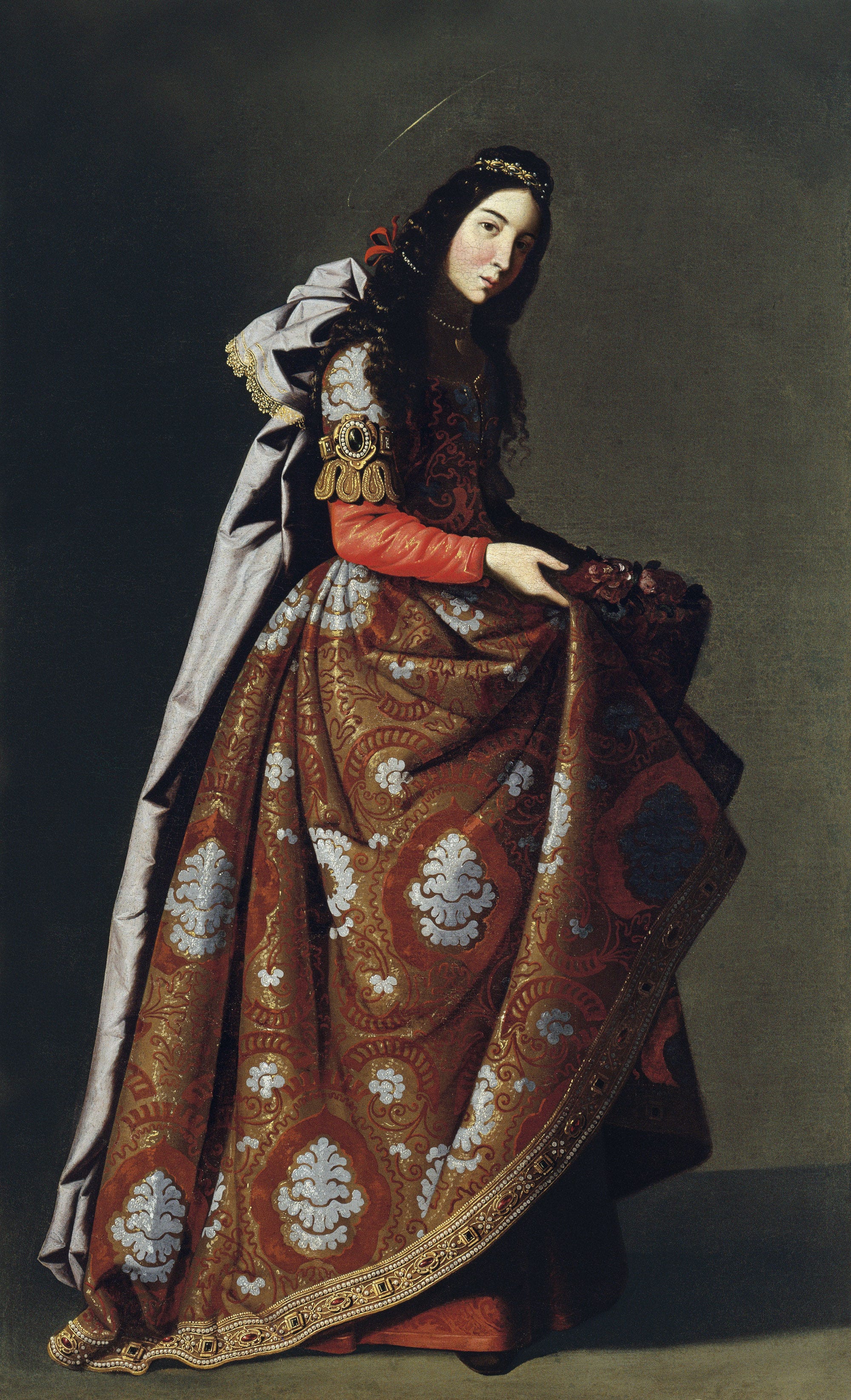
2. Saint Casilda of Toledo - 1630-1635 - (From the collection of Thyssen-Bornemisza Museum, Madrid)
According to legend, St Casilda of Toledo was the daughter of a Muslim King - and was a woman of such compassion, she used to smuggle bread out of her royal quarters in order to feed Christian prisoners. Then one day, when she was almost caught in the act, her life was saved by this miraculous event when the bread she was carrying in her dress was transformed into a bouquet of roses.
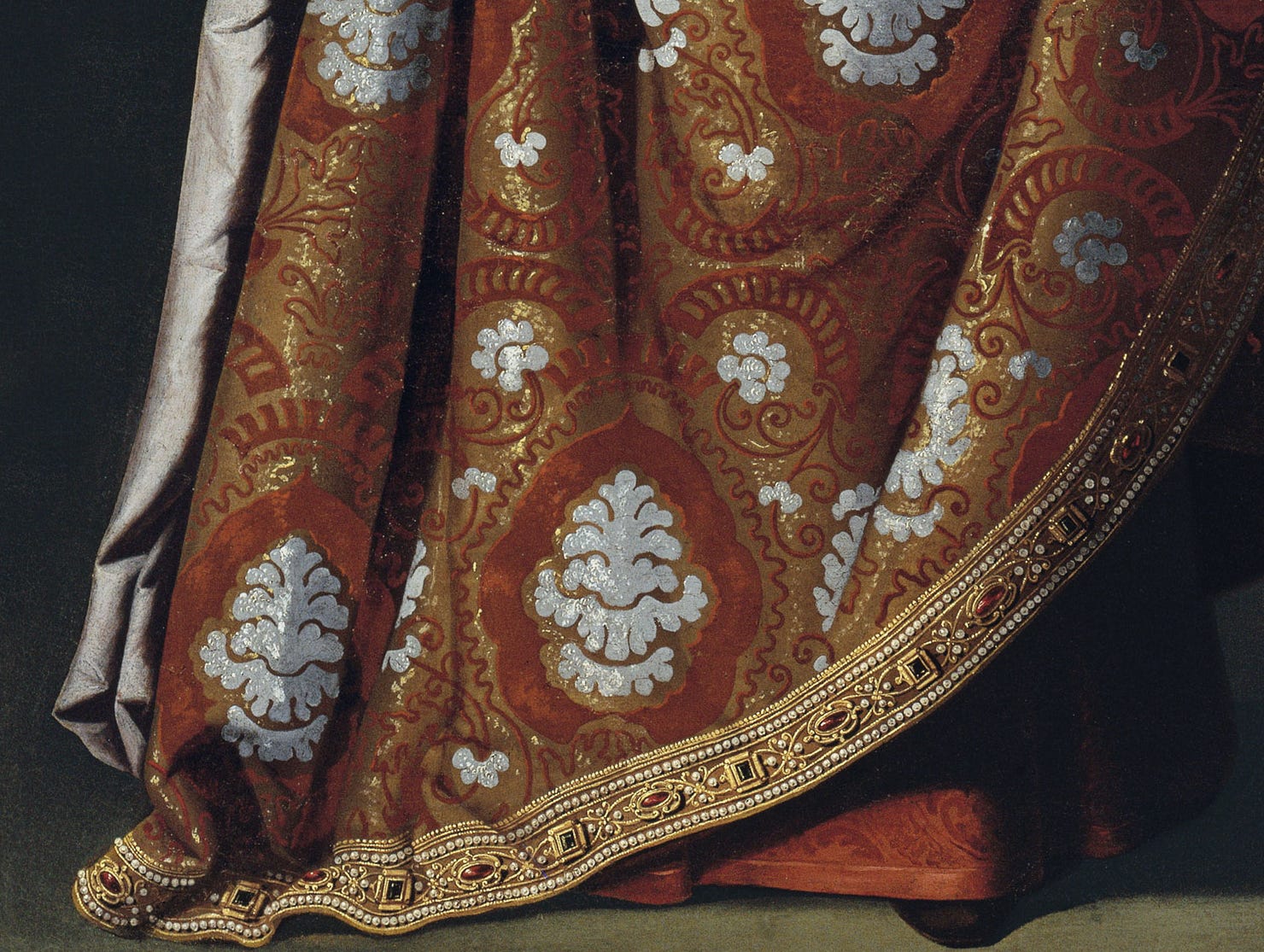
So, this is the moment Francisco de Zurbarán is capturing here with his beautiful Saint. But also, what is just as striking about this work when seen in real is the mesmerizing detail of Casilda’s dress, which can be seen in a small excerpt below too.
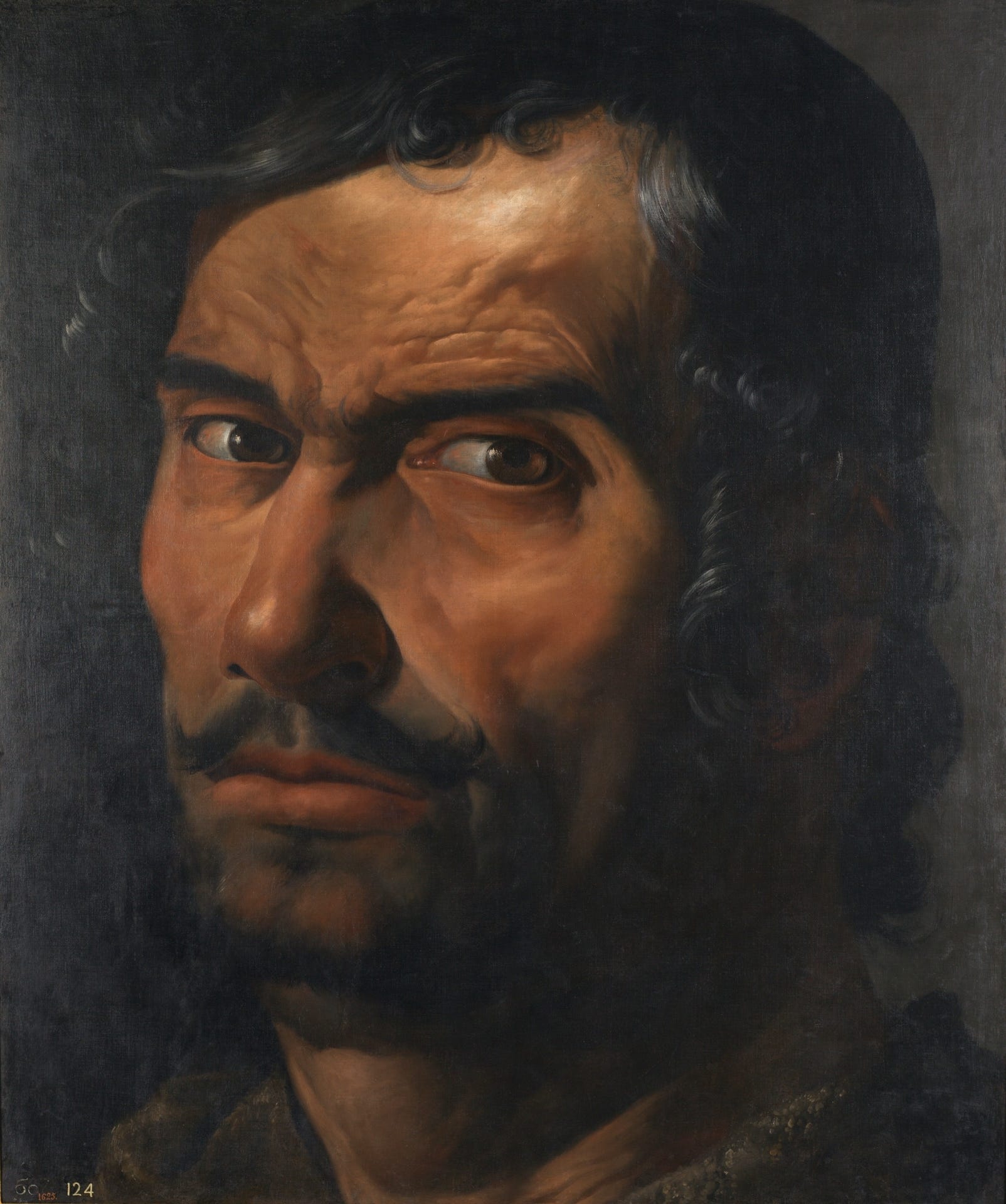
3. Colossal Head - 1635 - From the collection of Museu del Prado, Madrid
This work is still only tentatively attributed to Francisco de Zurbaran as it is actually quite an anomaly in his career (and, indeed, in the context of 17th century art too.)
And admittedly, seeing this on a screen cannot possibly do it justice as the true impact is based on its sheer size - which really needs to be seen in real to believe it.
But still, I had to include it with an honourable mention here nonetheless.
At around 246 cm high and 205cm wide (i.e 96 x 80.7 inches) - I cannot recall ever seeing such a detailed head study at a scale quite like this.
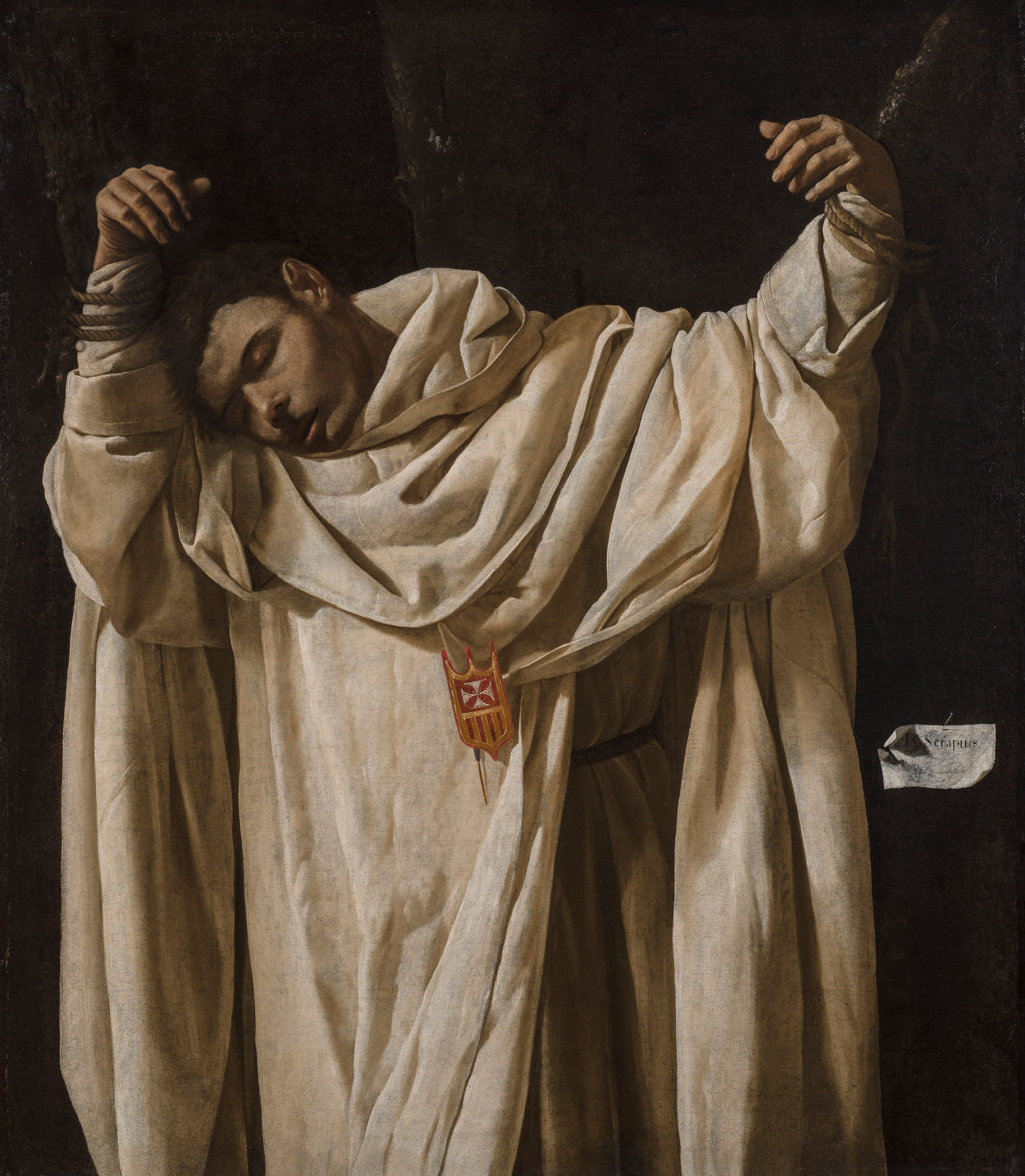
4. Saint Serapion - 1628 - (From the collection of Wadsworth Atheneum, Hartford, Connecticut)
Portraying the Martyrdom of Saint Serapion - this is one of those paintings that is not easy to look at, but also not easy to look away from either.
But considering the violence of Serapion’s death, I find it so moving to see how our artist captures such a sense of grace and dignity too - with no trace of blood on his flawless white robes, despite all that he must have suffered by this point.
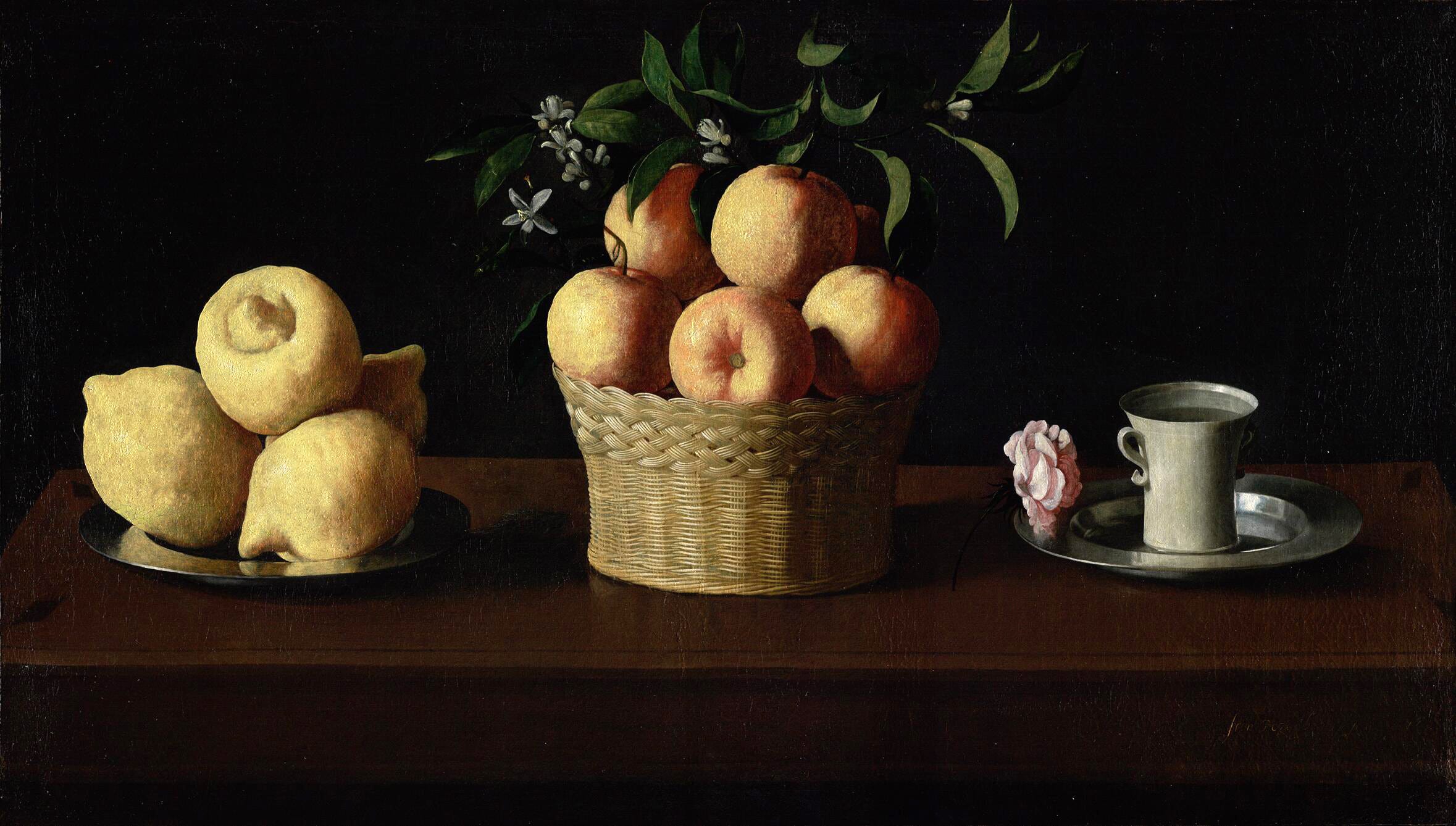
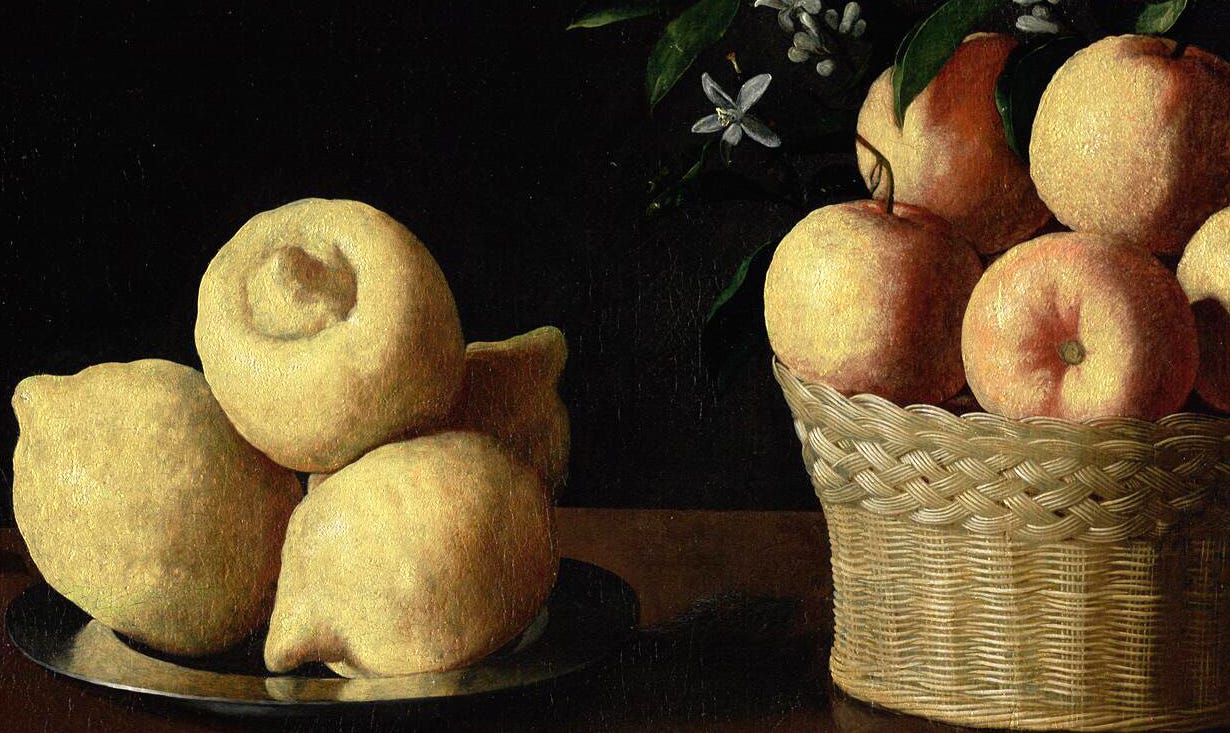
5. Still Life with Lemons, Oranges and a Rose - 1633 - (From the Collection of Norton Simon Museum)
Still life paintings may not be the most dramatic or immediately engaging works in an exhibition like this. Yet even so, as a show of Francisco de Zurbarán’s sheer painterly skill, I feel like this piece is every bit as mesmerizing as his figurative works.
Again, photos do no necessarily do it full justice - but when seen from close up it is so special to appreciate the realism, the different textures, and the lusciousness of these colours.
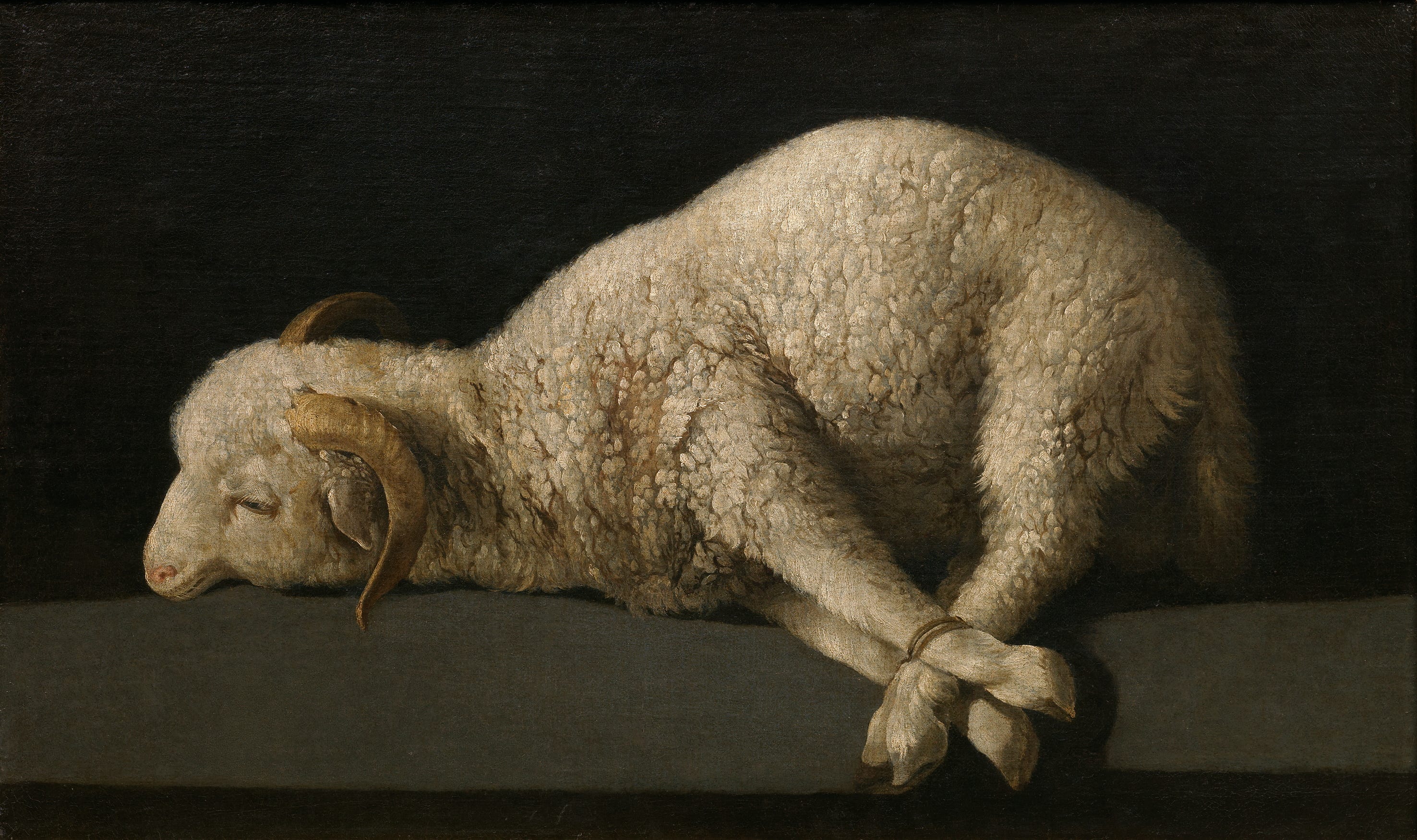
6. Agnus Dei - 1635/40 - (From the Collection of Museo del Prado, Madrid)
I have seen this work in print and on screen before - but honestly, I was not prepared for just how heart breaking it would feel to actually see it in real.
“Agnus Dei” means “The Lamb of God”. And at its heart, this work is essentially eluding to the life and sacrifice of Jesus (i.e “The Lamb of God who takes away the sin of the World” )
But equally, it seems to me as a kind of symbol for so much of the cruelty we see in our own world too - and how the most vulnerable in our society (or, indeed, in societies across the world) are so often just cast aside or “put out for slaughter”.
So while other paintings we have seen today are larger, more dramatic, or more traditionally “beautiful” - this is definitely the piece that left the biggest emotional mark on me.
Thank you for reading Art Every Day
To receive new posts and support my work, please do consider becoming a free or paid subscriber. Prices start at only $5 per month or $50 for the entire year, and all your contributions play a vital role in keeping this newsletter going.
p.s today’s feature is not commissioned by or linked in any way to the National Gallery itself. But for those of you who may be interested in visiting the show in person, I should mention that it is only on for a few more days, with its closing day being on August 23rd.
Comments
Nothing yet. Say the first thing.
Sign in to join the conversation.