
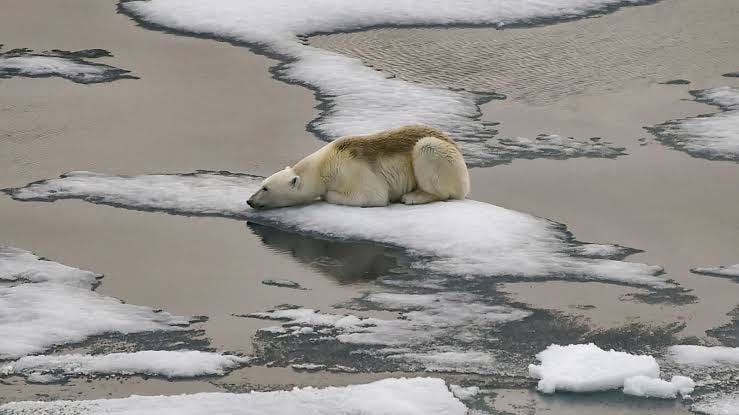
My 13-year old daughter alerted me to an intriguing social media phenomenon the other day. Apparently, people’s Tiktok and Instagram posts of AI-generated dancing cats and talking babies are now attracting an avalanche of indignant (and apparently without irony?) comments that such use of AI is killing polar bears. Even more perversely, people are creating AI-generated videos supposedly showing the plight of polar bears as a result of the proliferation of AI.
On the one hand, it is good that people are questioning the environmental impacts of AI – especially frivolous use that serves no purpose other than to capture the attention of social media users for a fleeting few seconds, before their attention is attracted by the next bit of AI-generated slop.
On the other hand, it almost perfectly encapsulates our utterly inadequate societal awareness of the impacts of our consumption - not just of AI, but of energy, transport, food, clothes, electronics and other consumables. Where we do have some awareness, the impacts are ‘over there’: in the Arctic, where the ice is melting, or in the Amazon where millions of hectares of rainforest are destroyed every year, or in Chile, where water is depleted and degraded by lithium mining for our EV and e-bike batteries (the production of one tonne of lithium carbonate apparently requires about 500,000 litres of water), or in Kenya, Uganda and other African nations where lands are being forcibly taken to plant carbon forests to offset industrial activity and consumption in high-income nations like ours. And in Indonesia, where the recycling of our exported plastic waste harms the environment and people’s health.
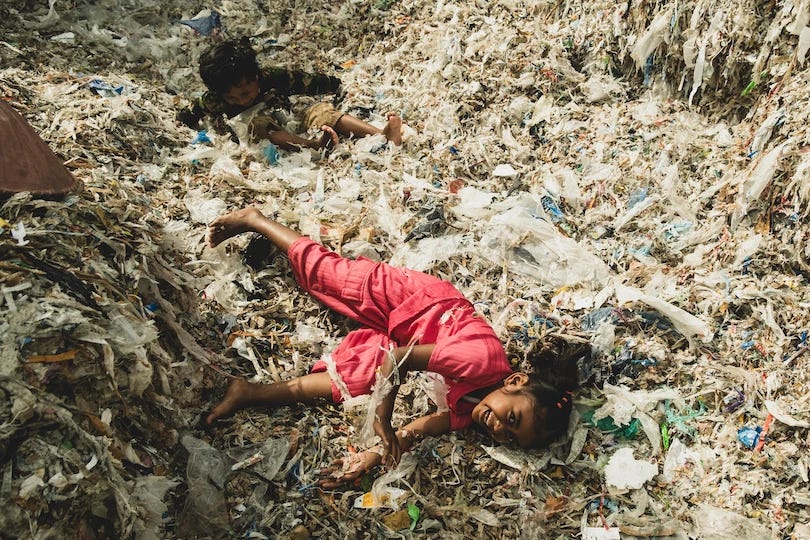
For the most part, the harm from our consumption – much of it just as frivolous or as discretionary as cute dancing cat videos – is out of sight and therefore out of mind.
But what if it wasn’t? What if all of the environmental impacts of our consumption were on-shored? What if our own treasured indigenous forests were cut down to provide fuel to replace fossil fuels, just as people are being forced to do in parts of India and Africa right now? What if our own young people set to work combing through piles of discarded plastic in the name of ‘recycling’? What if our own national parks were desecrated and waterways were contaminated through the mining of any minerals or metals we can find?1 What if all the pollution from industrial processes poured into the bays we love to swim and fish in, poisoning fish and other life?
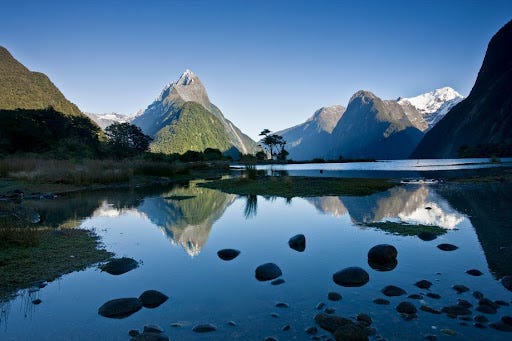
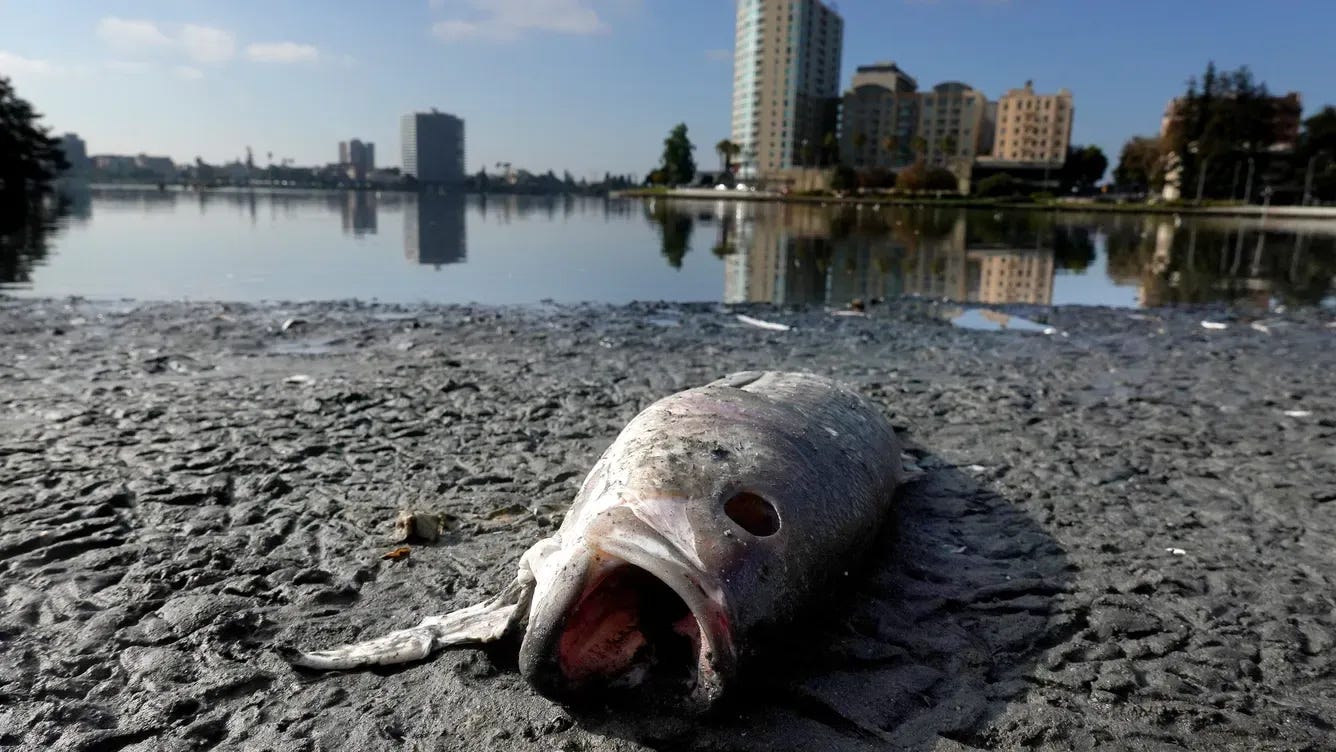
In the current globalised system we are spared the ugliness of the harm of our own consumption, because it is primarily perpetrated on other people’s land, forests, waters, culture and society.
And we have seen a version of this in the latest fuel crisis. In recent days, a New Zealand fuel company executive was on the news coolly reassuring New Zealanders that “there is no fuel supply crisis”. He went to explain that this was because we can always get the fuel, it is just a matter of price. And to an extent, he is right. Because we are a relatively high-income nation, this means we can outbid poorer nations on the international market to get the diesel, petrol, jet fuel and bunker fuel we need to continue to energise our high-consumption lifestyles.
In other words, our national wealth, accumulated on the back of imperialism - both historic and ongoing - enables New Zealand to out-compete poorer nations on the global market. But as commentators such as Nate Hagens and energy expert Rory Johnston have outlined, people in poorer countries are suffering outright energy scarcity as a result of the US/Israel war on Iran. People are no longer able to get the LPG to cook and keep themselves warm, meaning that they have to switch to more polluting fuel sources such as coal, firewood or go without. So again, our over-consumption is having very real consequences for people “over there” all anonymously mediated through the market.
Imagine how quickly society would disintegrate if one household’s consumption meant our neighbour had to go cold or could not cook a meal? This is what is happening on a global scale, right now. But no political or corporate leader blinks an eye. This is market forces at their perfect best: scarce resources go to the highest bidder. But what happens when even our bid is not high enough? Perhaps we will then begin to understand that we live in a finite world.
Thanks for reading An Uncommon Land! This post is public so feel free to share it.
Help alert our political leaders to reality
·
Mar 4
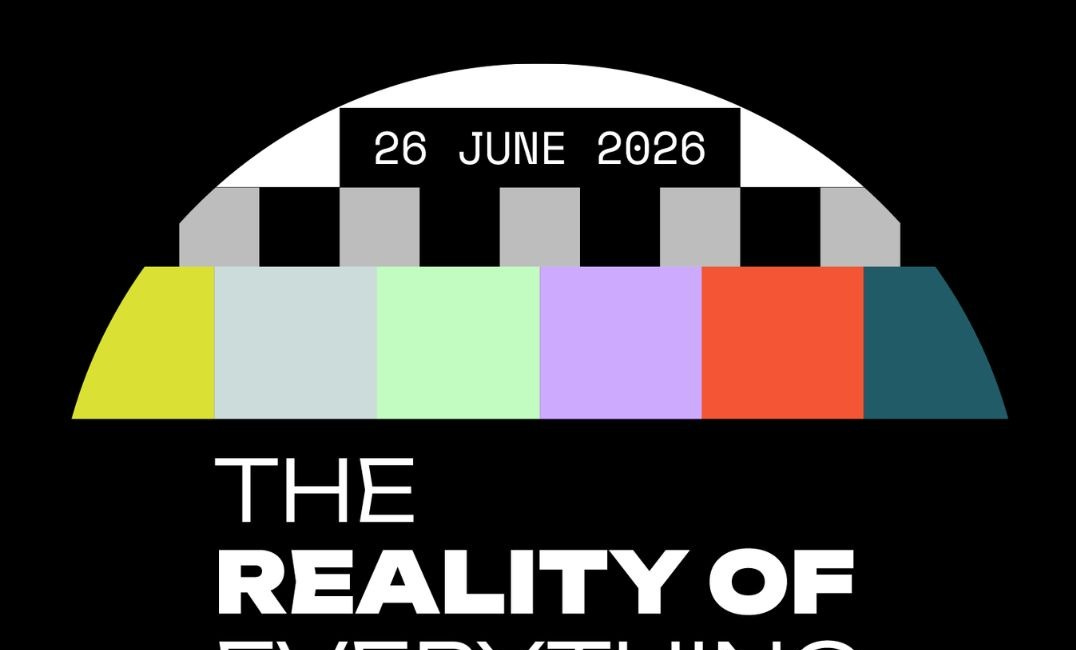
As a follower of this Substack, you are probably already aware of the upcoming Reality of Everything Symposium and the intent behind it. You may have already secured your place at what could be 2026’s most important conference. But even if you can’t make it on the day, there are still important ways to you can
This got uncomfortably real when the government recently granted a permit for the mining of minerals at the UNESCO-listed world heritage site Te Wāhipounamu. This was later withdrawn by the applicant in the face of virulent public opposition (https://www.rnz.co.nz/news/political/593506/green-party-disapproves-of-government-granting-prospecting-permit-for-unesco-site).
No posts
Comments
Nothing yet. Say the first thing.
Sign in to join the conversation.