
Like many of us, I listen to lots of podcasts - about political economy, energy, food systems and the wider planetary predicament. But one has stood out as really important in the last few weeks. This was Rachel McDonald’s conversation with Julia Steinberger (Professor of Societal Challenges and Climate Change at University of Lausanne) on the findings of her team’s research project Living well within limits.
Thanks for reading An Uncommon Land! Subscribe for free to receive new posts and support my work.
The “Living well within limits” project investigated how much energy is required to meet human needs, satisfy necessary human development and improve all human wellbeing globally.
Thanks for reading An Uncommon Land! Subscribe for free to receive new posts and support my work.
Astonishingly, the team concluded that we could dramatically improve the wellbeing of everyone on the planet with less than half of the energy we currently use. (See also this cool little film on the project.) This can only be done through the use of demand side technologies (for example home insulation), not just the usual supply side technologies pushed at us by the market.
But here was the clincher for me. Her team’s research findings leads Julia to the conclusion that:
“Public services are key to reducing our resource use and every kind of environmental impact but still live good lives.”
The researchers also found that household energy use is remarkably similar (i.e., equitable) across households in many countries - particularly in developing nations. However, one sector where this is not the case is transport.
Their research consistently found that at transport is an area in which households spend their excess income on. The richer households get the more they spend on transport.
“You see inequality exploding in transport. At every level – bigger cars, more expensive cars, more frequent trips, longer distances, flying… We need to curb the excess income of the richest households, because they are choosing to destroy the planet through transport.
(I would add here that ‘they’ here is for the most part ‘we’. While she provides the eye-watering example of a billionaire’s superyacht using as much energy as a small city while just sitting in harbour, many households in high-income countries spend much more than our fair share on transport.)
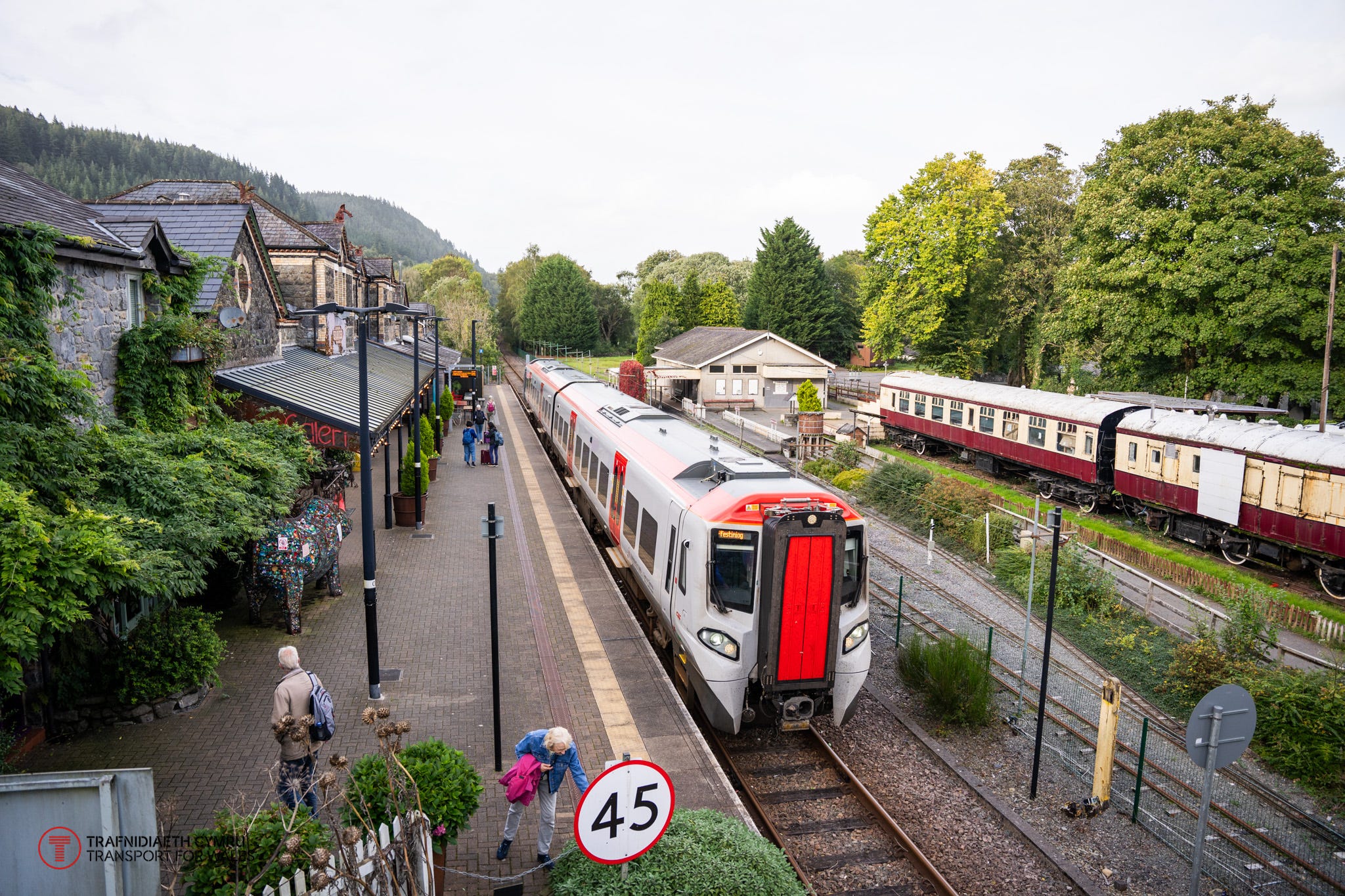
As she puts it, “transport is not something you cannot green-grow your way out of”. Instead, we need to make low-carbon, energy efficient transport modes available to people of across society. This means investing in public services - trains, buses, safe cycleways and walking. (But I would also add that urban design is critical. We cannot keep on pushing communities further out onto the perimeter of cities, away from amenities, essential services, and public transport. This may mean cheaper houses in the short run but means higher living costs and quality of life in the long term.) Because in the end, it is this investment in public services that is going to draw us back from the precipice of overshoot and self-destruction, not more individual consumption - whether it is the latest electric car or otherwise.

Of course the usual argument against more investment in public services is, to quote current Finance Minister Nicola Willis’ favourite line: “There is no magic money tree”. The only problem is, effectively there is. It is called money creation, and is something that any government with its own fiat currency can do. As I outline it in this post, it is real resources that are the actual constraint on public (or private) spending, not currency - as we are finding out in the current fuel crisis. (Our government can have any amount of money sitting by for “a rainy day”, but this is no use if liquid fuels, which drive our economy, are not available to buy.)
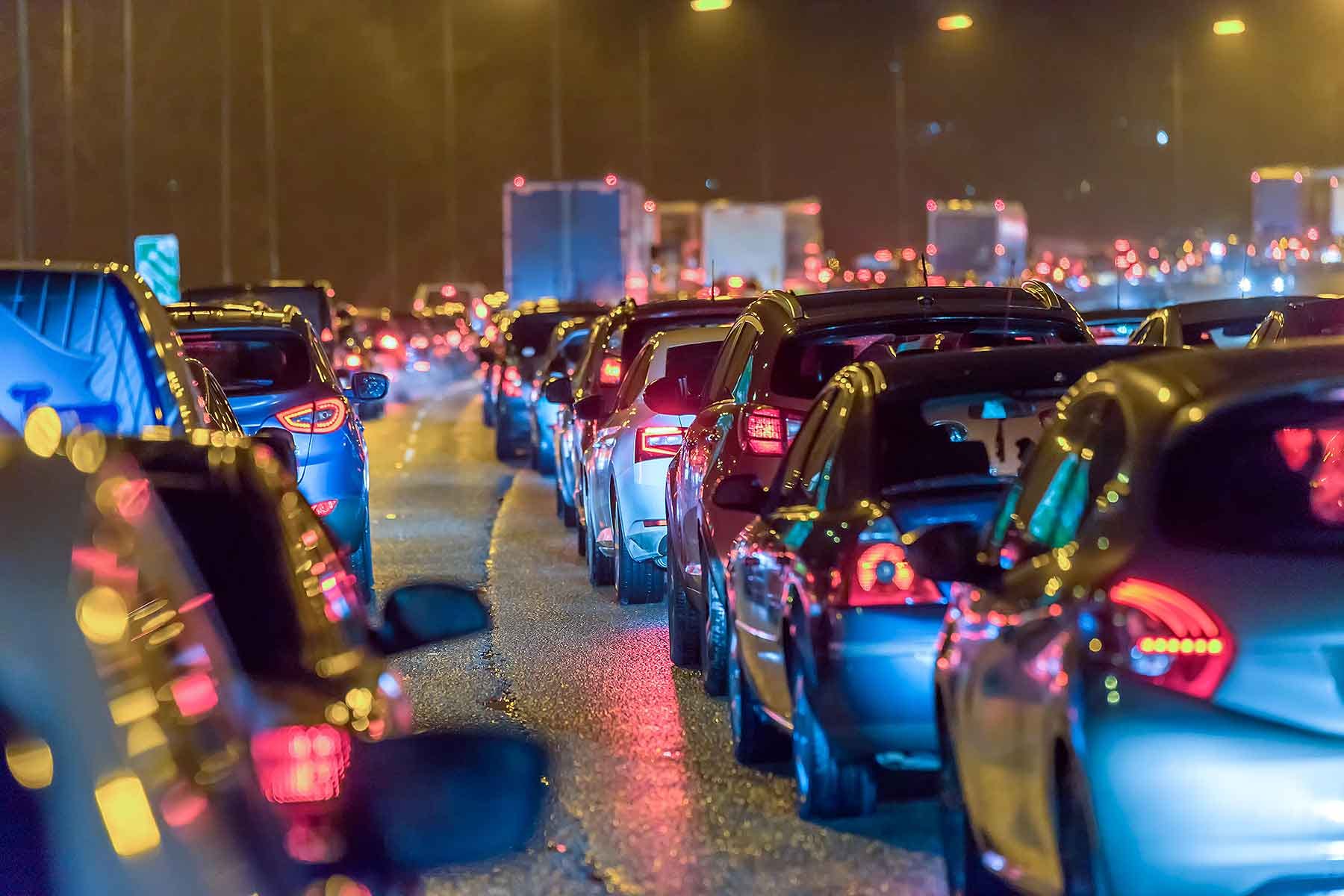
Julia also explains how coercive overconsumption is built into our economic system. This is the product of industry working with the state on regulation to create dependence on their products. One obvious example of this is the political economy of car dependency, which has come about as a result of public investment and regulatory settings that favours roads over public transport and rail. (Including the outlawing of pedestrian use of roads: “jaywalking” laws were introduced in the United States as result of industry lobbying, in an effort to stop pedestrians getting in the way of automobiles.) And of course, private motor vehicles not only suck up much more than their fair share of scarce materials and energy, they are also killing us. Through air pollution, sedentary lifestyles and crashes. For instance, a team of New Zealand researchers found that utes are seven times more likely to be fatal for (other people) in an accident than smaller light vehicles.
Another more recent example is artificial intelligence, which is being pushed at is from our software, places of employment, and of course, through ubiquitous advertising.
Finally, this research debunks the pervasive myth that improved wellbeing necessitates higher energy (and therefore resource) use. Quite the opposite is true, and will have the added benefit of preserving a liveable future.
Thanks for reading An Uncommon Land! This post is public so feel free to share it.
Relevant posts
Thanks for reading An Uncommon Land! Subscribe for free to receive new posts and support my work.
Comments
Nothing yet. Say the first thing.
Sign in to join the conversation.