
In many of my posts I have spoken in general terms about what I would like our government to do. So here I have drawn up what I am calling a ‘reverse manifesto’. (Definition: A bottom-up platform or document created by citizens or civil society outlining issues that the government must address and proposing policies in broad terms).
I would love to say I have been ruminating on this, pen in hand for days. I haven’t. I got up and wrote it this morning. (And I hasten to note, AI was not utilised in the creation of this manifesto, as you can probably tell!)
So I share with a list of caveats as long as your arm. There will be gaps and oversights – some no doubt glaring. There will be things that I haven’t got quite right. (I have a reasonable understanding of some spheres such as transport, urban development, food security and resource management but far less knowledge of areas such as public health, Te Tiriti and poverty). To provide some structure, I have organised the ideas under headings; but the reality is that many of these spheres overlap and the categories are not distinct.
So here is my Reverse Manifesto: actions that I want to our new government to take in the immediate term and the medium term (note, I have not included ‘long term’ because I don’t we have the luxury of waiting for any of this).
I would love your input: your suggestions for additional manifesto actions, better ones, critique of one that you think don’t work etc. I will then update the manifesto and reissue it, hopefully with much fanfare!
Thanks for reading An Uncommon Land! This post is public so feel free to share it.
Immediate actions
Housing and poverty
Repeal the move-on orders and work with non-government organisations supporting people and households to identify what immediate solutions the government needs to invest in to eliminate housing deprivation and poverty (including funding these organisations to support the individuals, households and communities they work with).
Halt all sales of social housing. Review, reinitiate and expand Kainga Ora social housing development projects. Partner with community housing and other providers to do the same. Ensure all developments meet basic liveability standards – ie they are close to amenities, green space, safe active transport and efficient public transport.
Reinstate locally sourced, quality lunches in schools, supporting local growers, businesses and employment.
Environment
Repeal the Fast-track Approvals Act.
Repeal all regressive changes to the Conservation Act.
Introduce Right to repair legislation, alongside law that prohibits the import or manufacture of products with designed-in obsolescence.
Amend the Planning Act and Natural Environmental Act to: create a coherent overarching purpose and hierarchy of goals; reintroduce Mana whakahone ā rohe agreements; require decision-makers to consider climate change in all resource management decisions; and remove all requirement to compensate landowners for protecting significant natural areas, wetlands etc. (Instead, introduce central government support for protecting and restoring these areas.)
Local government
Halt the ideologically driven local government amalgamation process, instead initiating an evidence-based process to identify the problem(s) and the desired outcome, options and the costs and benefits of amalgamation (otherwise known as a ‘proper policy process’).
Formulate policy on how to properly fund local government functions, including climate adaptation and resilience.
Introduce legislation to give local government constitutional protection.
Climate change
Reinstate high emissions standards for the vehicle fleet.
Reinstate a tax or surcharge to disincentivise the purchase and use of utility vehicles in settings where they are unnecessary and create harm, and allocate these funds to incentives to support better urban design, public transport and active transport infrastructure.
Halt and undertake a review of all major new roads projects (where possible without significant contractual penalties). Redeploy spending to public and active transport and the maintenance of existing transport infrastrucutre.
Remove all incentives and regulatory support for greenfield development. Strengthen direction for compact and liveable urban development.
Public health
Conduct a rapid review of all critical risks and gaps in public health resourcing (including staff and infrastructure) and set out a 3 year plan to address.
Cost subsidised dental health provision for adults (comparing to system-wide costs of status quo).
Reinstate Smoke Free Aotearoa (2030?) and all associated funding.
Repeal legislative changes making it easier to obtain liquor licenses for new liquor outlets.
Investigate regulation and/or taxes on ultra-processed and sugar foods and drink.
Food system
Protect highly productive soils through clear central government direction to be implemented through district and regional plans and consenting.
Develop a national food security assessment.
Establish government fund to purchase food processing plants from corporations exiting the market and support establishment of grower-led cooperatives.
Energy
Halt the building of a LPG import facility.
Introduce requirements for energy gentailers to support energy efficiency, banning all advertising and campaigns to encourage consumers to use more than they need.
Ramp up all communication on initiatives to support the efficient use of energy – electricity, gas and liquid fuels.
Set date for phasing out for use of natural gas in homes, and establish subsidy to support conversion to electricity.
Other
Repeal the Regulatory Standards Act.
Medium term:
Te Tiriti
In partnership with iwi leaders and Matike Mai Aotearoa, determine best means to give te Tiriti constitutional status and prevent the erosion of its status through regressive law changes.
Economy
Redesign the tax system to ensure that the wealthy are paying their fair share and no one benefits from tax-free income from their assets (eg land).
Overhaul the Public Finance Act, making long-term economic governance (not narrow ‘fiscal responsibility’ metrics) the central purpose.
Work with the public policy experts, researchers and NGOs to develop durable solutions to eradicate poverty in New Zealand.
Public health
Initiate system-wide programme to identify how to reduce health problems at source: eg, diet (predominance of ultra processed foods), increasingly sedentary lifestyles, substance addiction, environmental pollution, poor dental hygiene/care, poor housing, poverty and loneliness.
Develop a 5-year cross-government mega strategy to tackle these issues through investment and regulation.
Energy
Investigate fully renationalising energy generation and retail.
Develop an energy strategy with sufficiency and reduced reliance on imported fossil fuels as its purpose, with energy conservation as a central goal.
Investigate the introduction of Tradeable Energy Quotas or equivalent system.
Climate mitigation
Fix the Emissions Trading Scheme so that it covers all high-emissions sectors, it is effective in dramatically reducing emissions, and is transparent. If this is not possible, scrap and introduce a carbon tax or alternative system.
Transport
Halt the multi-billion dollar subsidy of heavy trucking by revising road user charges to reflect true costs to climate, society and the environment.
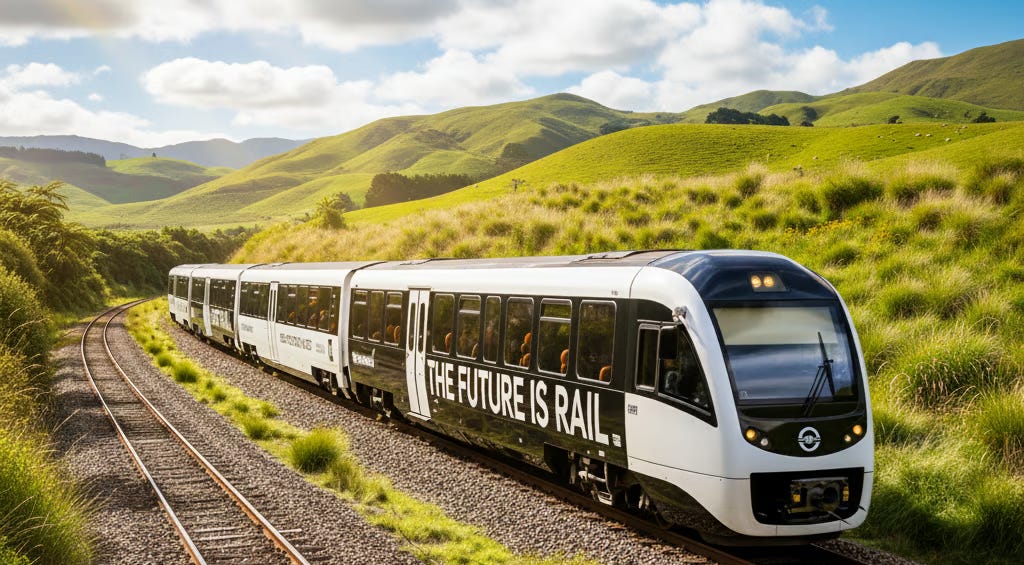
Increase investment in rail, including electrification and inter-regional passenger rail.
Re-invest in coastal shipping as alternative to road freight.
Environment/climate adaptation
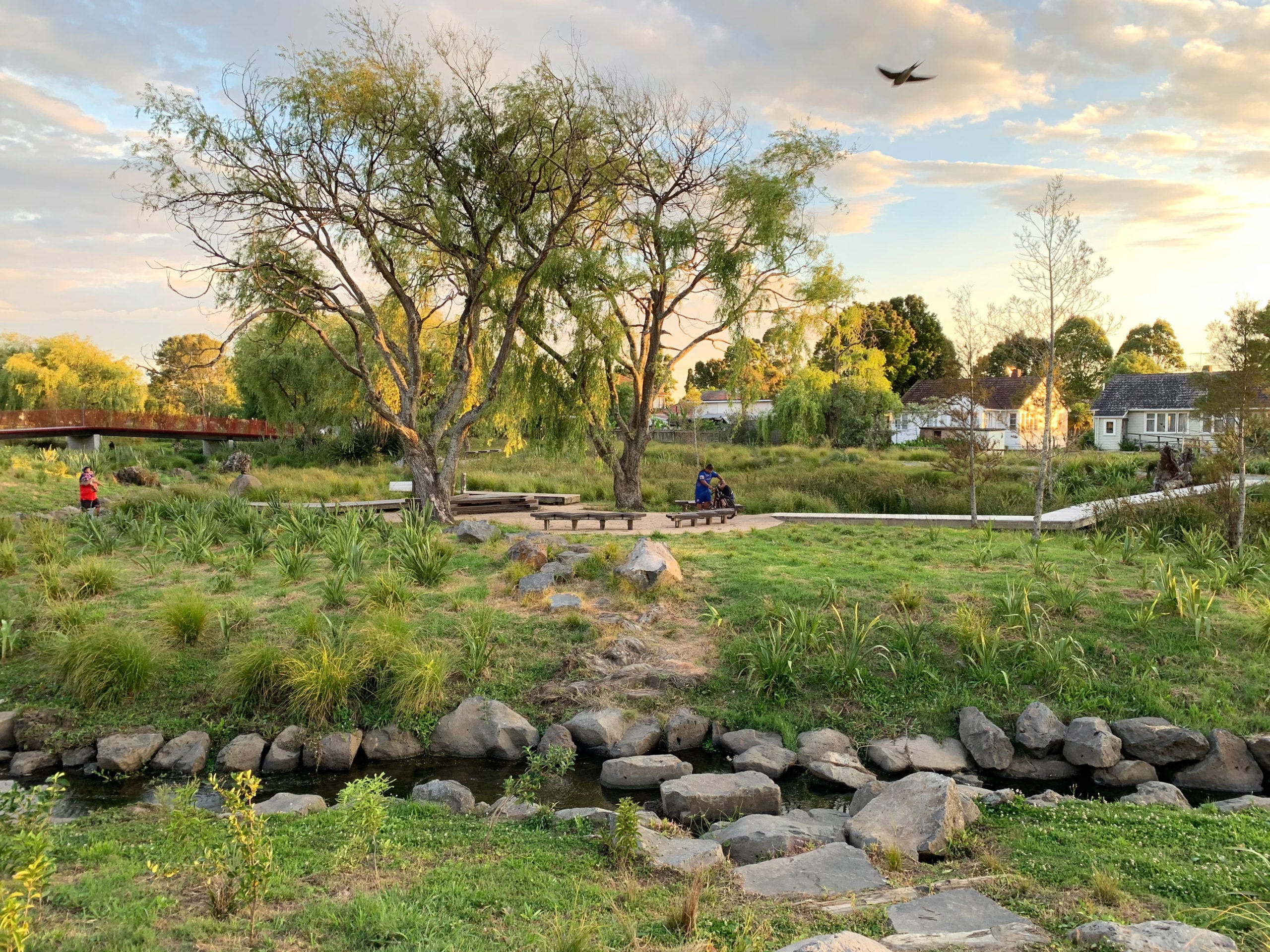
Protect and restore all wetlands that are restorable, training and employing young and under-employed to do this work.
Investigate managed retreat along river corridors, allowing rivers space to use their flood plains.
Make it mandatory for all urban developments to incorporate nature-based solutions to increase resilience and reduce natural hazard risk.
Ramp up pest control in indigenous forests and other habitats: employ young people and under-employed to undertake pest control work across all conservation estate and regional parks. Investigate ways that culled animals can be utilised as far as possible (eg pigs and deer for meat, possums for fibre). Train young/underemployed people in relevant skills.
So there it is, all before lunchtime! What do you think? What have I missed? What have I got wrong? Would love to hear from you in the comments.
Thanks for reading An Uncommon Land! This post is public so feel free to share it.
What is our government’s biggest failure?
·
Feb 7

The question in the title invites so many possible answers – and likely many of them of them would be right in one way or another. But I think “The inability to join the dots” is a key failure, and - it should be added - is not a criticism of just our current government, but all recent governments.
No posts
Comments
Nothing yet. Say the first thing.
Sign in to join the conversation.