
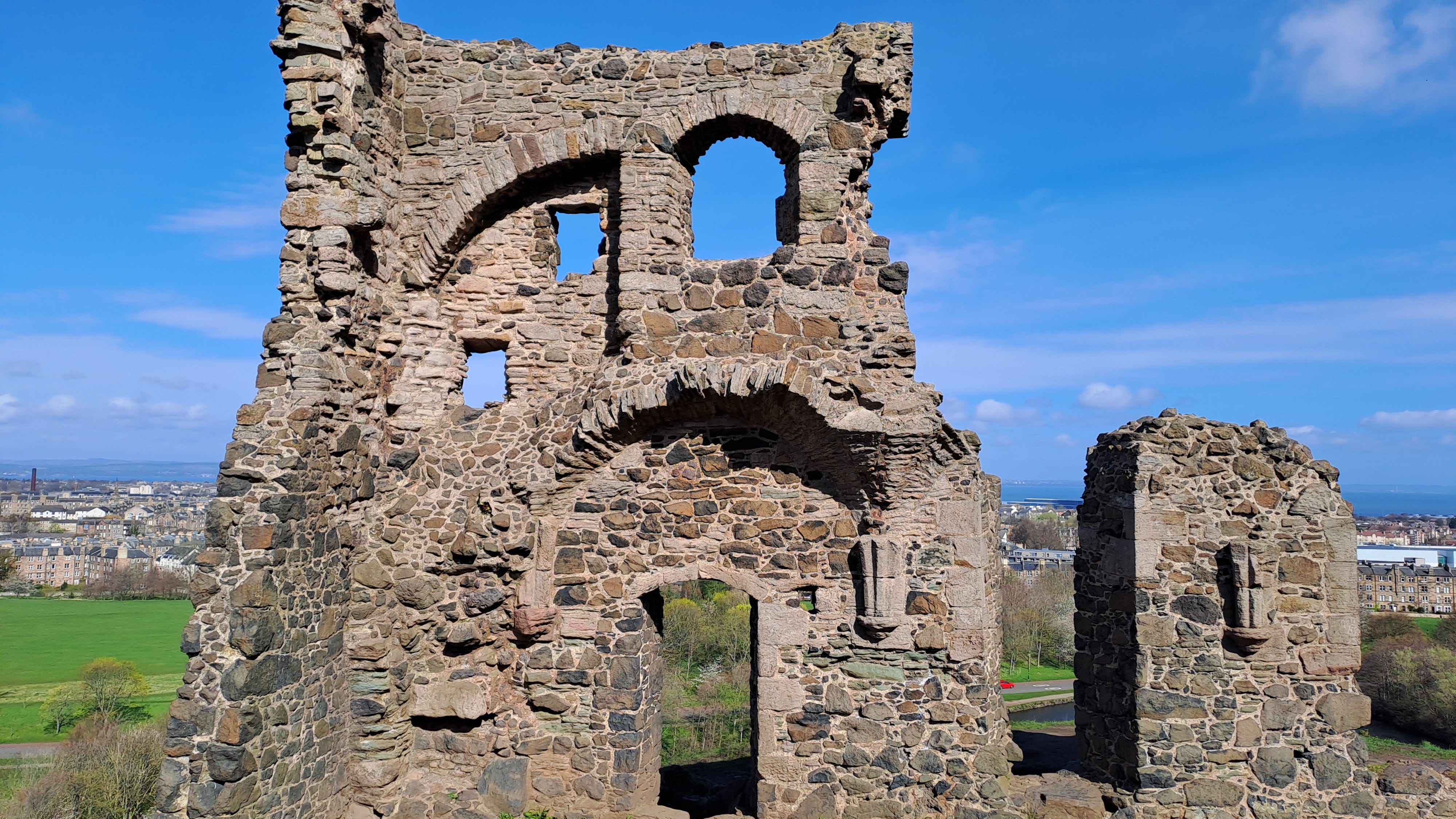
I have been taking a break from Substack over the last few weeks because my 17 year-old son and I travelled to the United Kingdom and southern Spain. My son has never been out of the country and is off to university next year to study music and political science, so it seemed a fitting way to mark his passage from childhood to adulthood. It was a chance for him to see some of the places he had read so much about through his love of history, and a precious opportunity to meet close relatives in the United Kingdom.
Of course, as someone acutely aware of the damage to our biosphere of overconsumption, including tourism and travel, it came with a large measure of flight shame. And frankly, emissions from flying are only a half of it – generally, travel is associated with a eye-watering amount of wasteful consumption. But it also came with a recognition from both of us that this was an experience to be cherished, and unlikely to be repeated for some time (if ever, in my case).
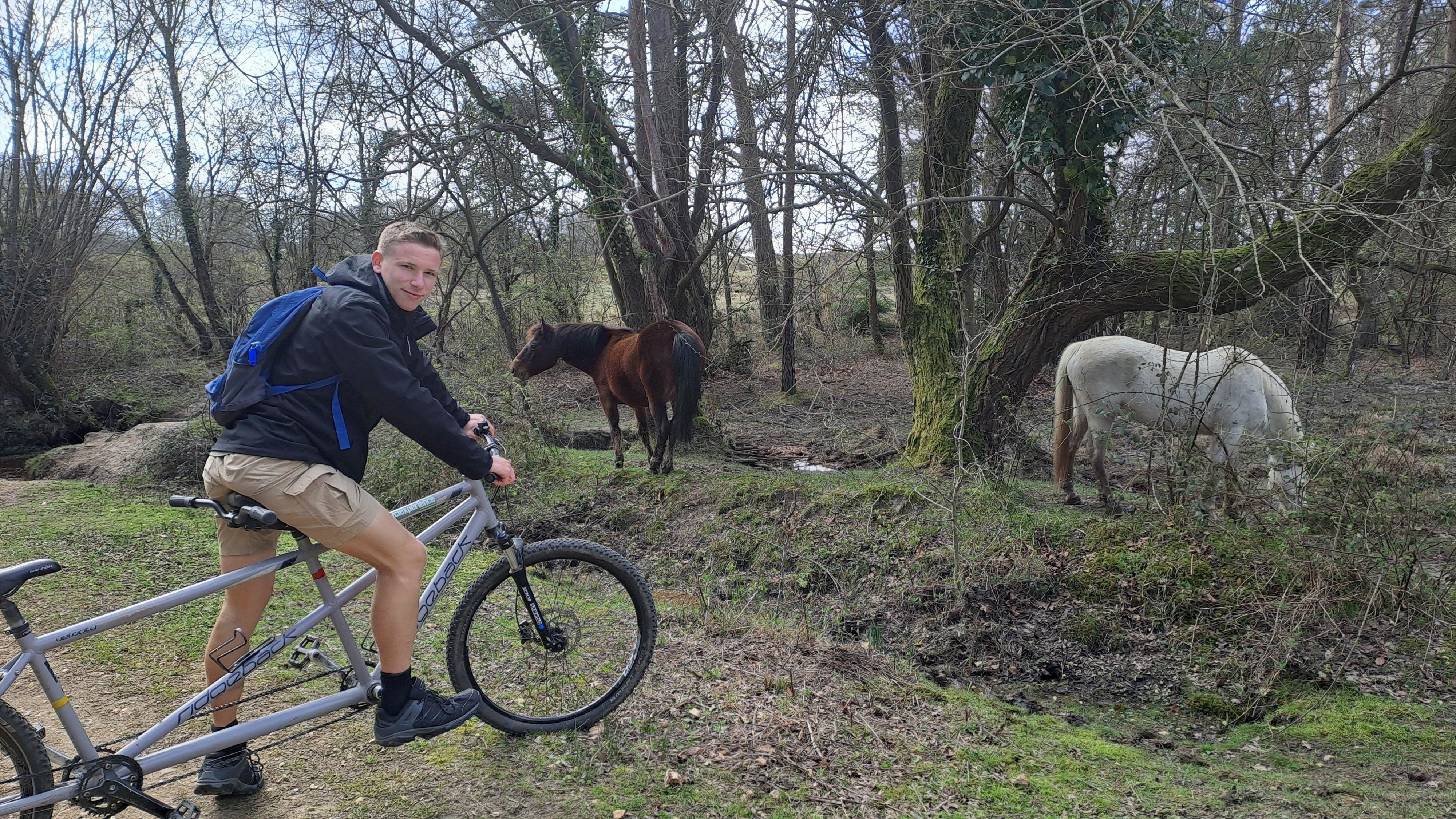
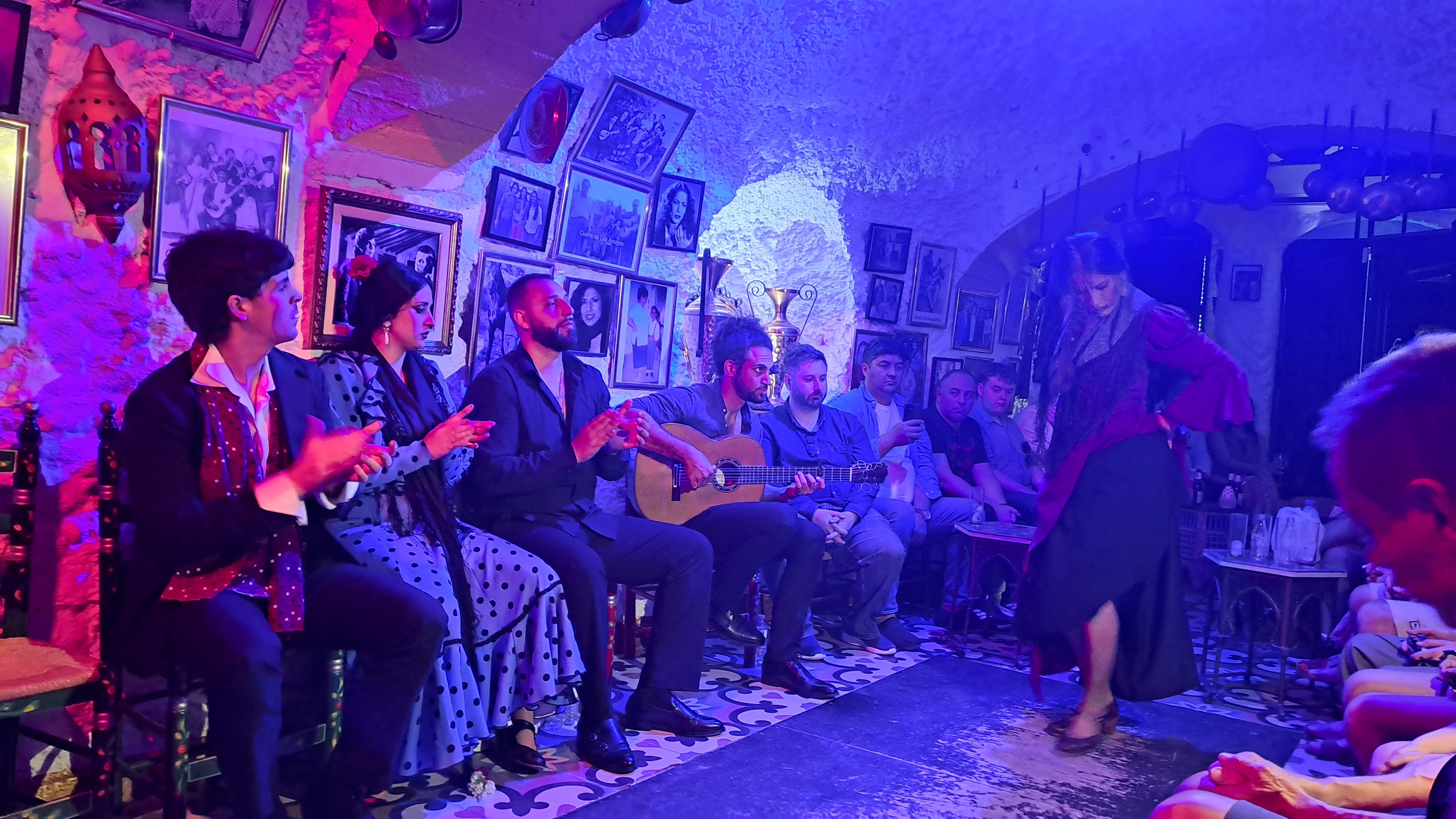
In our travels, we saw spectacular light shows and beautiful parks, and visited the archaeological sites of many centuries of human occupation at Hadrian’s Wall. We marvelled at the beauty of 1300-year-old cathedrals, and other places of immense historical and cultural significance. We tandem biked through the ancient New Forest Commons, and enjoyed stunning flamenco performances, including one in a cave dwelling in Granada.
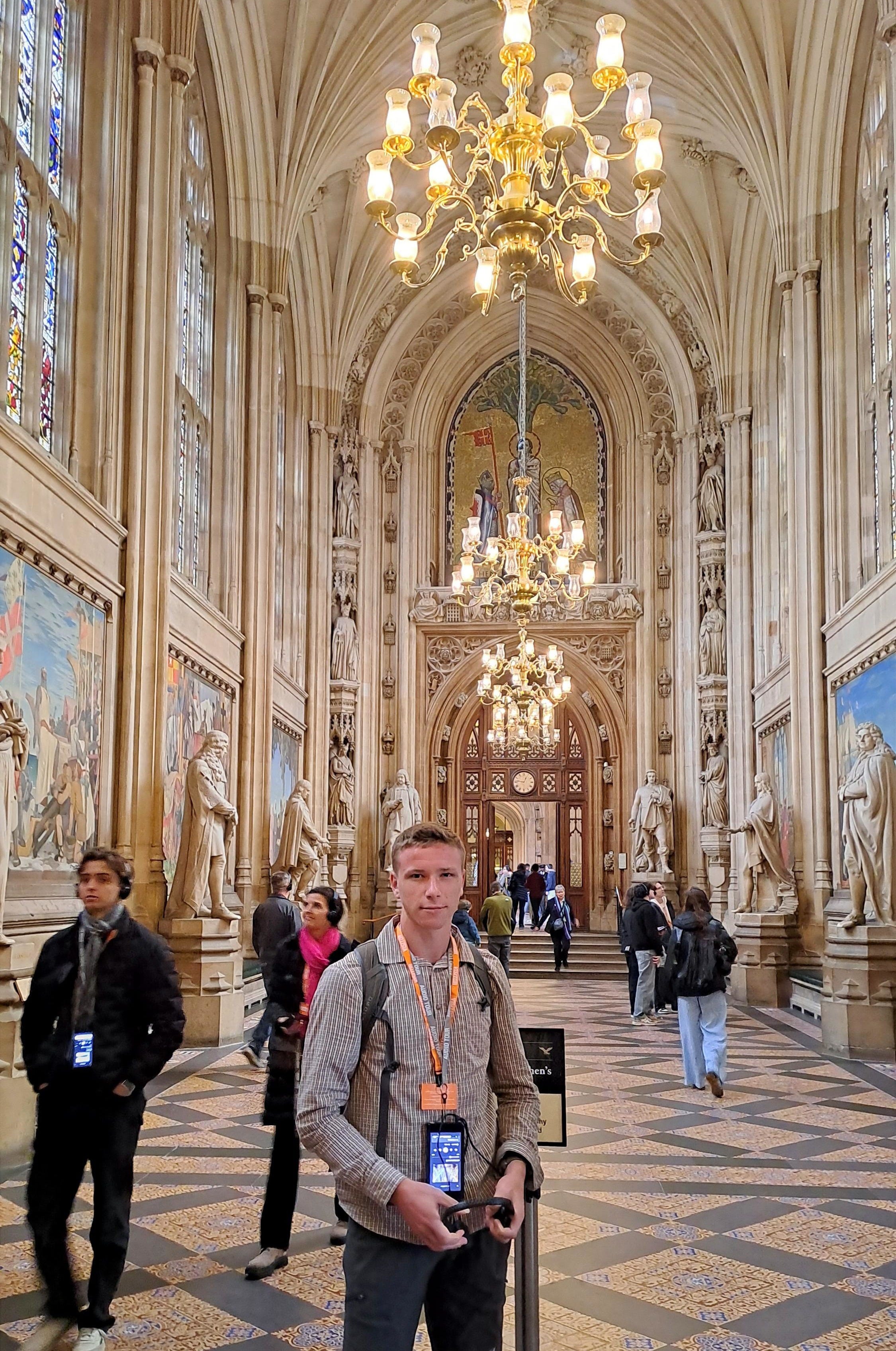
A highlight was a tour of the United Kingdom Parliament, through which we gained a deeper appreciation of many of the political conventions we have inherited (for instance, political lobbying takes its name from the central lobby in the Parliament buildings where people would go to talk to Ministers about their concerns).
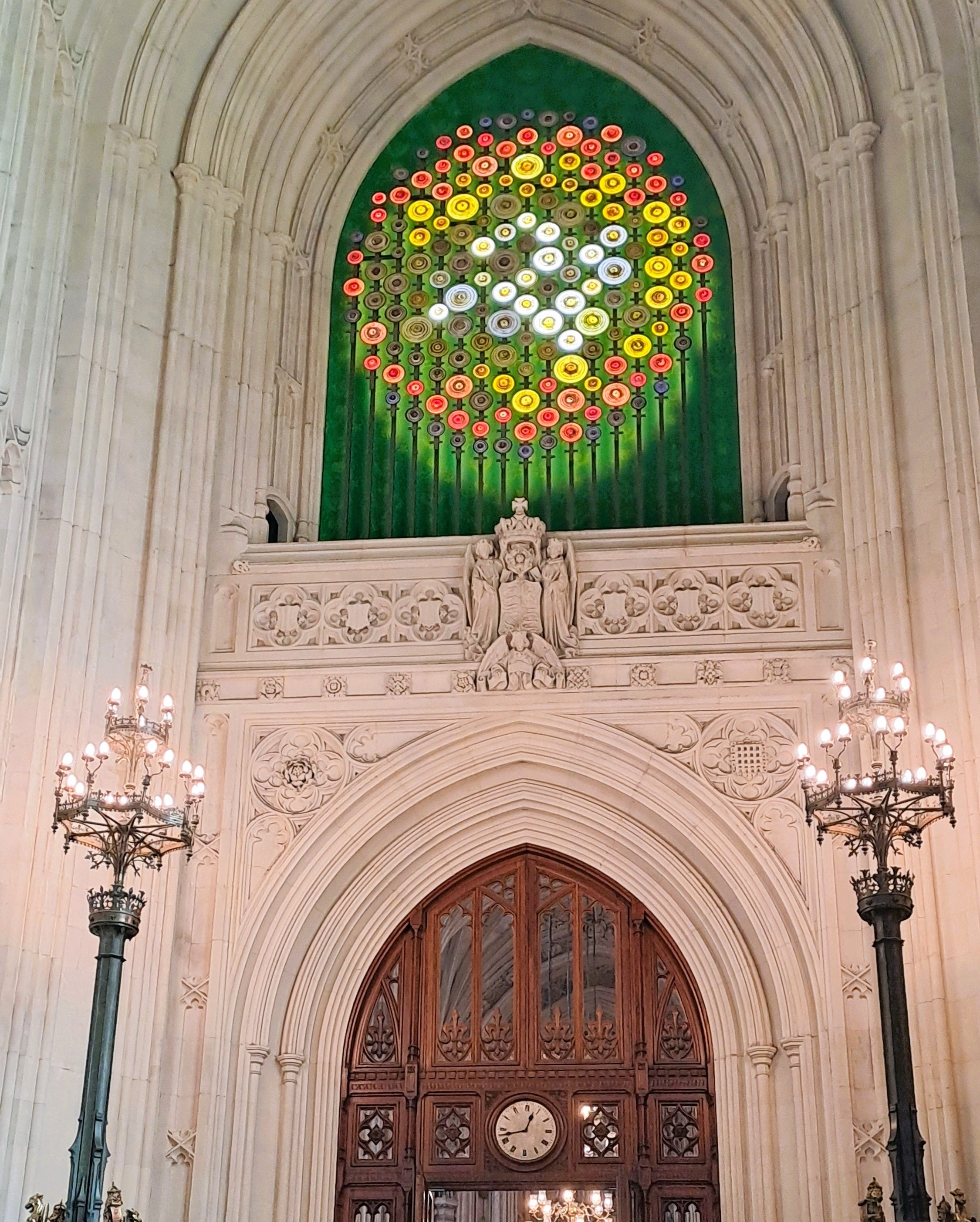
We deepened our understanding of history and cultural threads that have influenced our own place in the world. But we also came away with a more valuable ‘learning’: that for all the history, culture and riches (both historic and contemporary) of the places we visited, in Aotearoa New Zealand, we live in one of the best places in the world.
For instance, Singapore is acclaimed for its approach to city-making, with its compact urban form, famed urban parks and highly regulated car use. As someone working in transport and city-making – especially urban nature - I had long been curious to see it for myself.
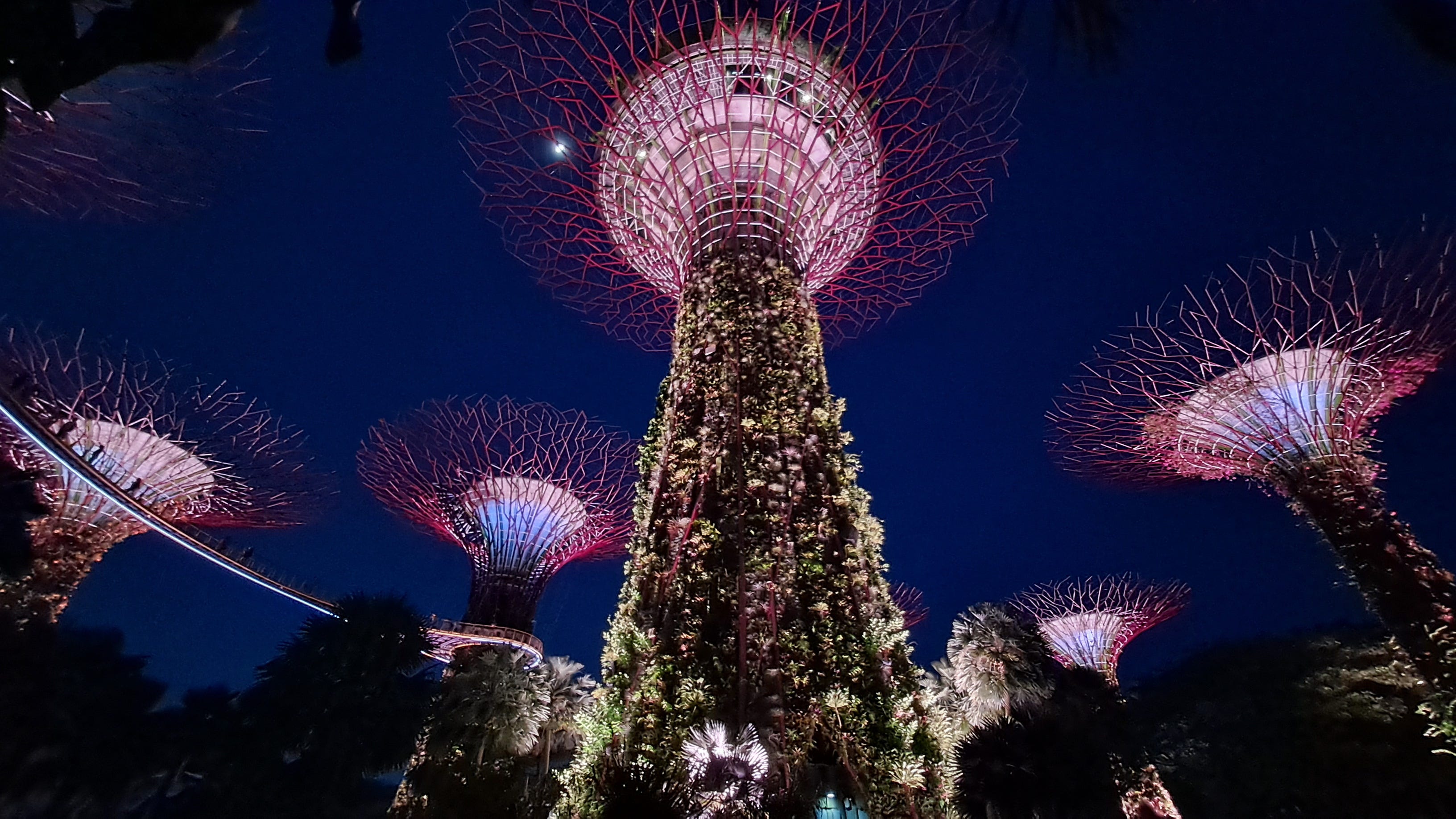
The downtown epicentre of high-rise steel, concrete and glass monuments to extractive capitalism and glittering malls devoted to conspicuous consumption were in their own way awe-inspiring, but what struck me was the sheer fragility of this artifice. Singapore’s wealth has accrued primarily from financial sector – the buying and selling of money, divorced from physical resources – or the ‘ponzi pyramid’ as Nate Hagens describes this biophysically-blind money-go-round. One that, once the future claims against real resources unravel, will inevitably disintegrate, leaving an emperor with no clothes. When I looked skyward at these towering monuments of steel and class, that is all that I saw. Fragility. An emperor with no clothes.
For sure, there were some nice parks – the Botanical Gardens especially are beautiful – but give me New Zealand’s more-rough-around-the-edges nature spaces any day. And while impressive, I was surprised by how little accessible green space there actually was. And while Singapore drivers were respectful of pedestrians, make no mistake: this is a city built for cars not people – with 50 km/h four lane roads puncturing every walk journey multiple times. So not the pedestrian paradise I was imagining.
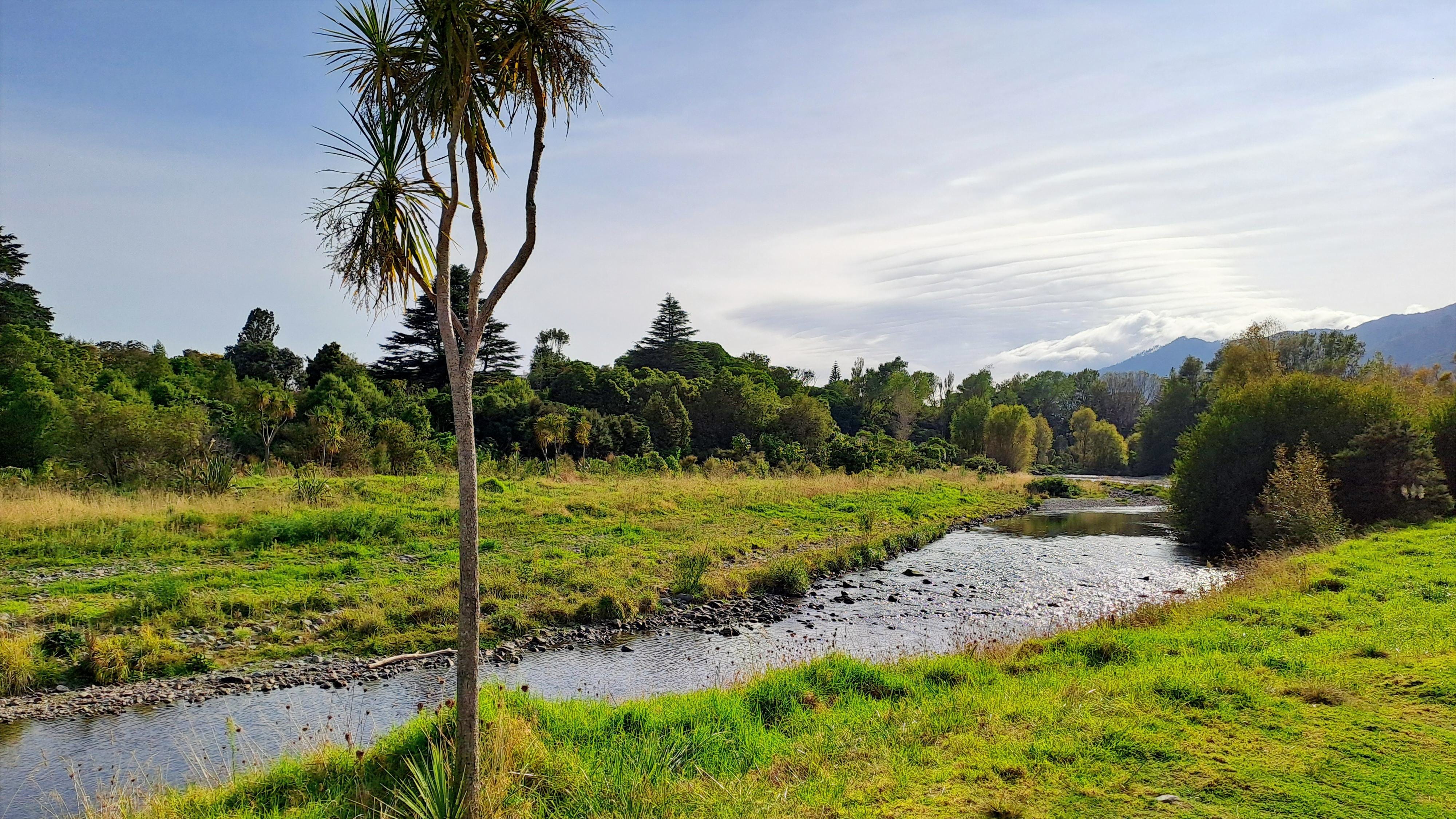
I have so many more reflections I could share but foremost among these is how fortunate we are to live in a small, sparsely populated country, still relatively intact social cohesion, with a temperate (for now) climate, well-endowed with natural resources. If we wanted to, with fundamental changes in land use and how we energise the economy, we could feed ourselves. (Singapore will never be able to do that.)
But we cannot take any of this for granted. Our climate and biodiversity is disintegrating, we are squandering our natural resources such as fresh water and fertile soils, our social cohesion is under threat from both government policies and overseas actors, our society is becoming more inequitable, with all the associated symptoms of deteriorating public health, crime, and social fracturing.
Only we as civil society can stop this from happening. By acting from the ground up and demanding governance that puts humanity and nature before private-sector profit.
This is where the upcoming The Reality of Everything Symposium comes in. Two months out, tickets have now sold out - demonstrating the sheer demand for reality-based discussion and action on our predicament. But we can still accommodate any politicians or business leaders who wish to join us. You can help to make them aware of this opportunity - see below.
Thanks for reading An Uncommon Land! This post is public so feel free to share it.
Help alert our political leaders to reality
·
Mar 4
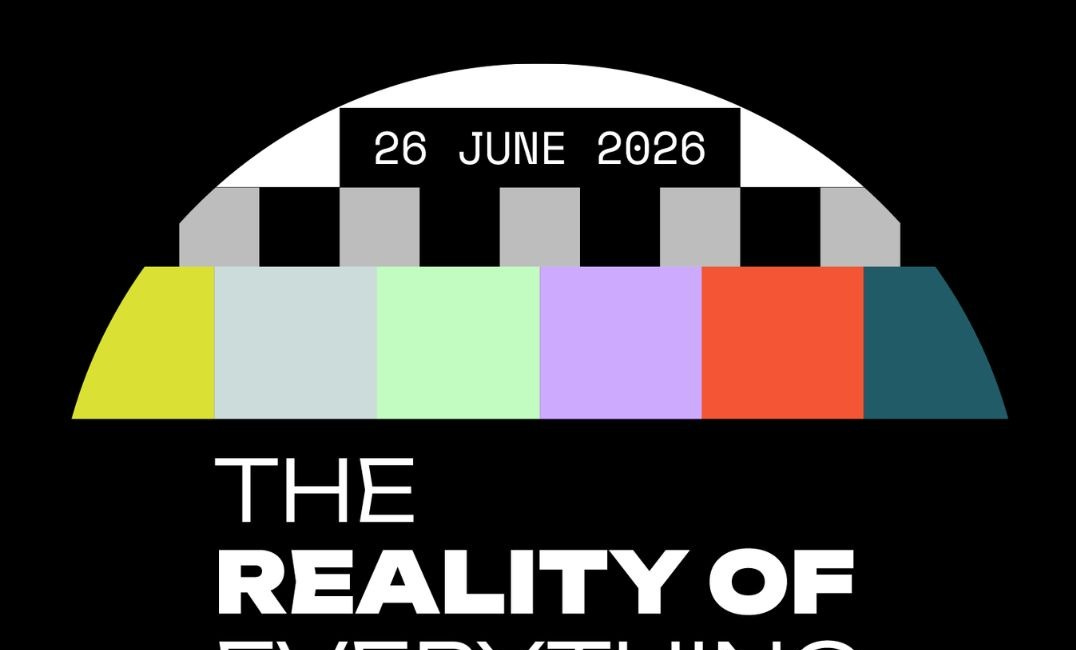
As a follower of this Substack, you are probably already aware of the upcoming Reality of Everything Symposium and the intent behind it. You may have already secured your place at what could be 2026’s most important conference. But even if you can’t make it on the day, there are still important ways to you can
No posts
Comments
Nothing yet. Say the first thing.
Sign in to join the conversation.