
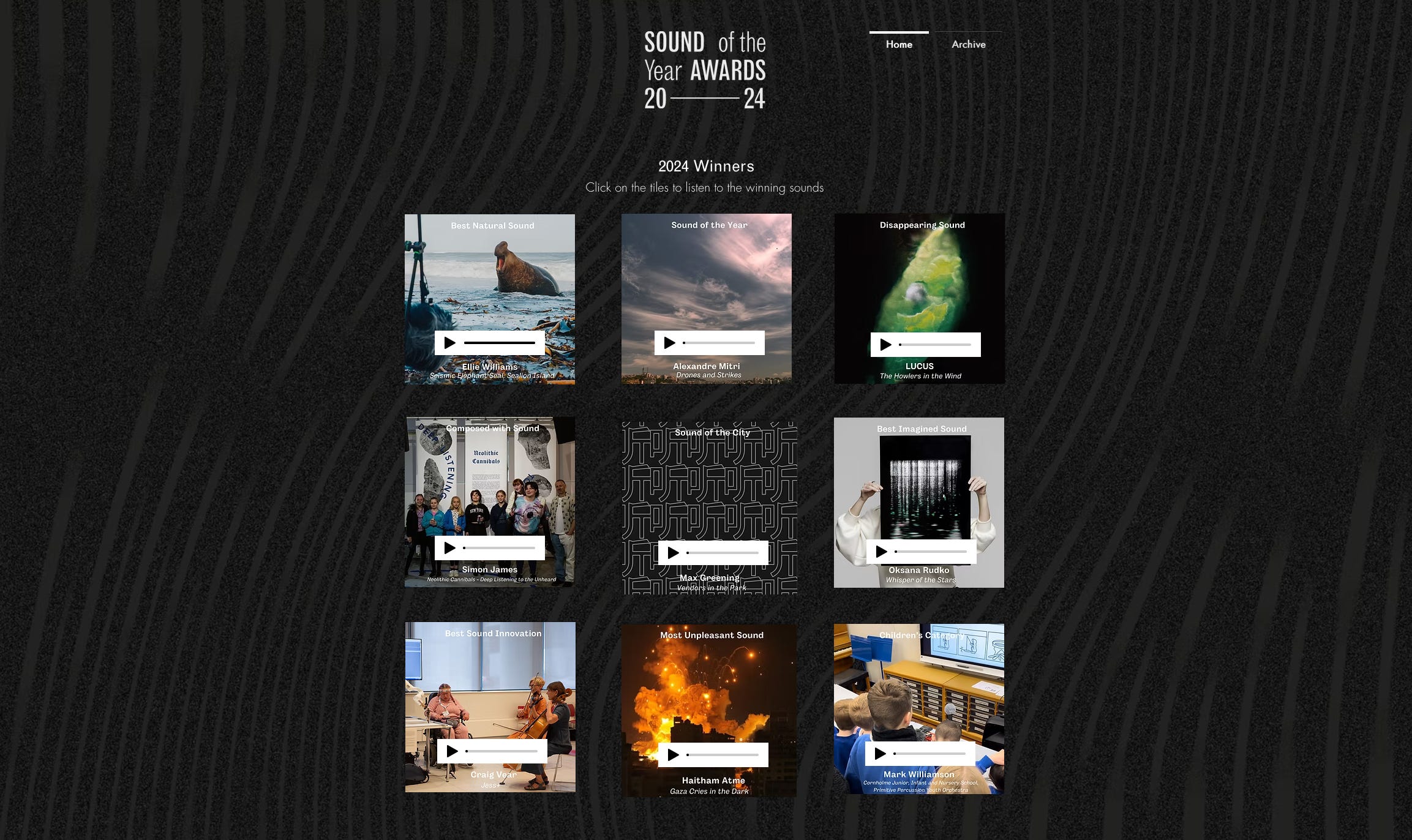
Last autumn I was asked to join a panel of judges for the Sound of the Year Awards, an annual initiative organised by the Radiophonic Institute to celebrate the best sound recordings of the last 12 months. The awards are divided into nine categories: best natural sound, disappearing sound, composed with sound, sound of the city, best imagined sound, best sound innovation, most unpleasant sound, children’s category and the coveted sound of the year itself.
Last week, the winners were announced, and tomorrow (Thursday 28th May, 8pm BST), I’ll be joining Radiophonic Institute’s Ilia Rogatchevksi on Resonance FM to chat about this year’s awards (you can listen back to the show here). As he told me earlier: “It's impossible to capture the sonic signature of the year that would satisfy all listeners. However, I see the 'sound of the year' not just as an awards initiative but an exercise in sympathetic and inclusive listening. Critically engaging with these sounds brings us closer to the lived experiences of other people, animals and living beings that inhabit this beautiful and troubled planet.”
You can listen to all the winners in full here, and read a few of my reflections on the listening and judging process below.
How do you judge one sound over another? By what criteria do you make that decision? Do you treat a sound as a discrete object and listen to it on its own terms? Do you take into account the quality of the recording? Or consider the environmental context it evokes, the political story it tells? Sound is never just sound alone. Listen too closely and it begins to dissolve and lose its meaning, like a photo under the light. “Sound,” anthropologist Tim Ingold argues, “is not the object but the medium of our perception.” It is a door to something else. Perhaps that which I enjoyed most about listening to all the entries was the way in which being asked to make a value judgement forced me to ask questions of my own listening.
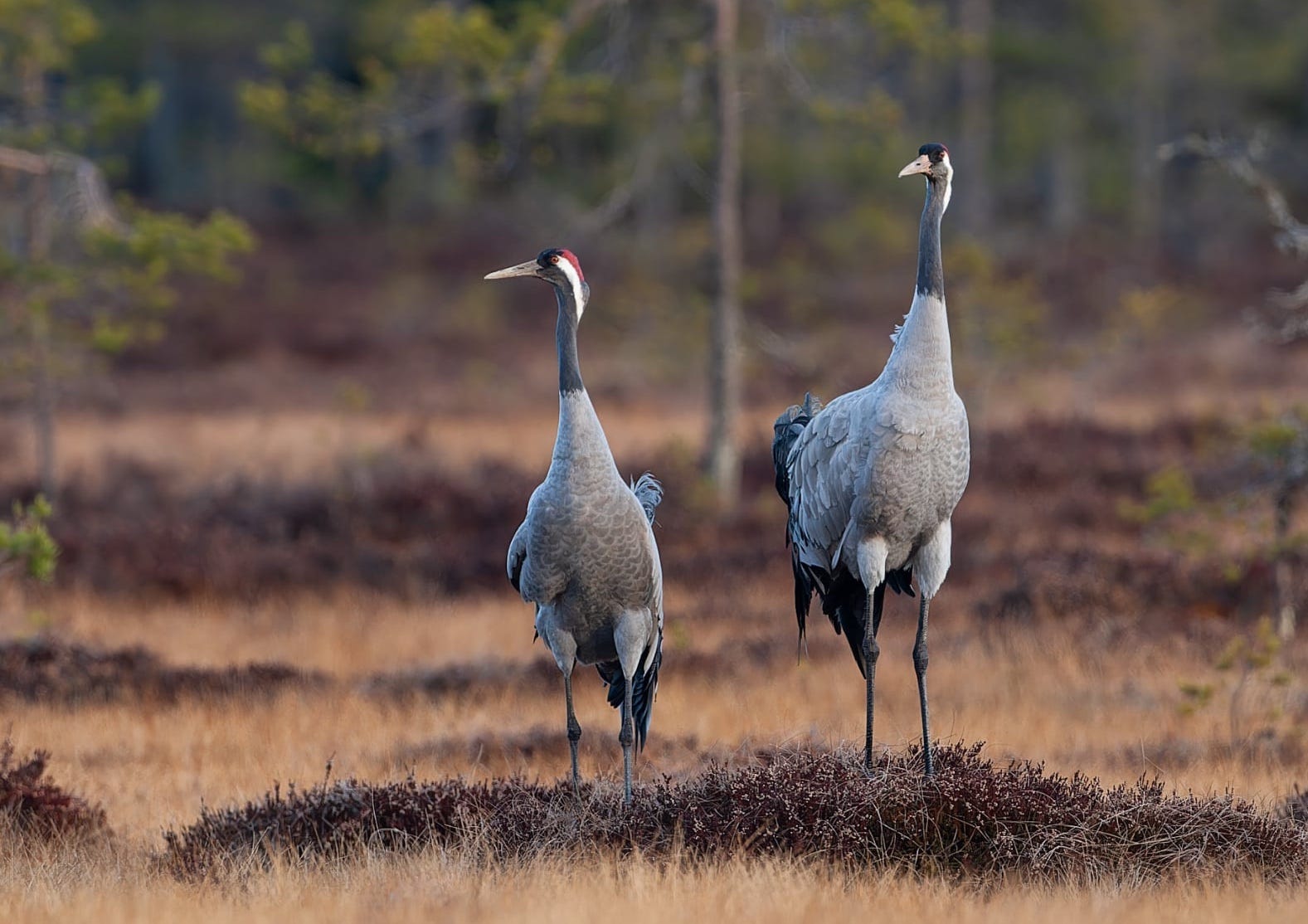
I was assigned the “Best Natural Sound” category alongside two other judges. From a shortlist of 16 entries we were tasked with ranking a top 3. The scales and locations of these recordings differed dramatically, from ant colonies to lava flows, Polish wetlands to Peruvian rainforests. Each recording had a personal story, a reason why someone thought it to be the most important recording of the year, and in that sense there was simply no way of judging one to be objectively better than another. Instead, I tried to listen simply to how it made me feel. A recording of cranes panting in Sweden was so vibrant, strange and absurd I couldn’t help but laugh. In a recording of indigo macaws from a gorge in Brazil, I felt the reverberations and echoes of the geological environment. In the stridulations of an ant colony, a sound that I’d simply have no access to hearing in any other context.
There were impressive examples of acoustic ecology, recordings from the frontiers of deforestation and glacial calving, whale songs and insect choruses, individual species and complex soundscapes. As I listened, I began to specify my criteria a little more. Could the sound communicate something without context? Did it provide a new perspective on the natural environment? Was there something uniquely acoustic (or acoustically unique) about the recording? And did it relate in some way to the climate crisis and its wider political resonances? Aware that natural sound recordings can no longer really be read without a subtext of loss, I wanted to lean as much as possible away from grief and towards wonder.
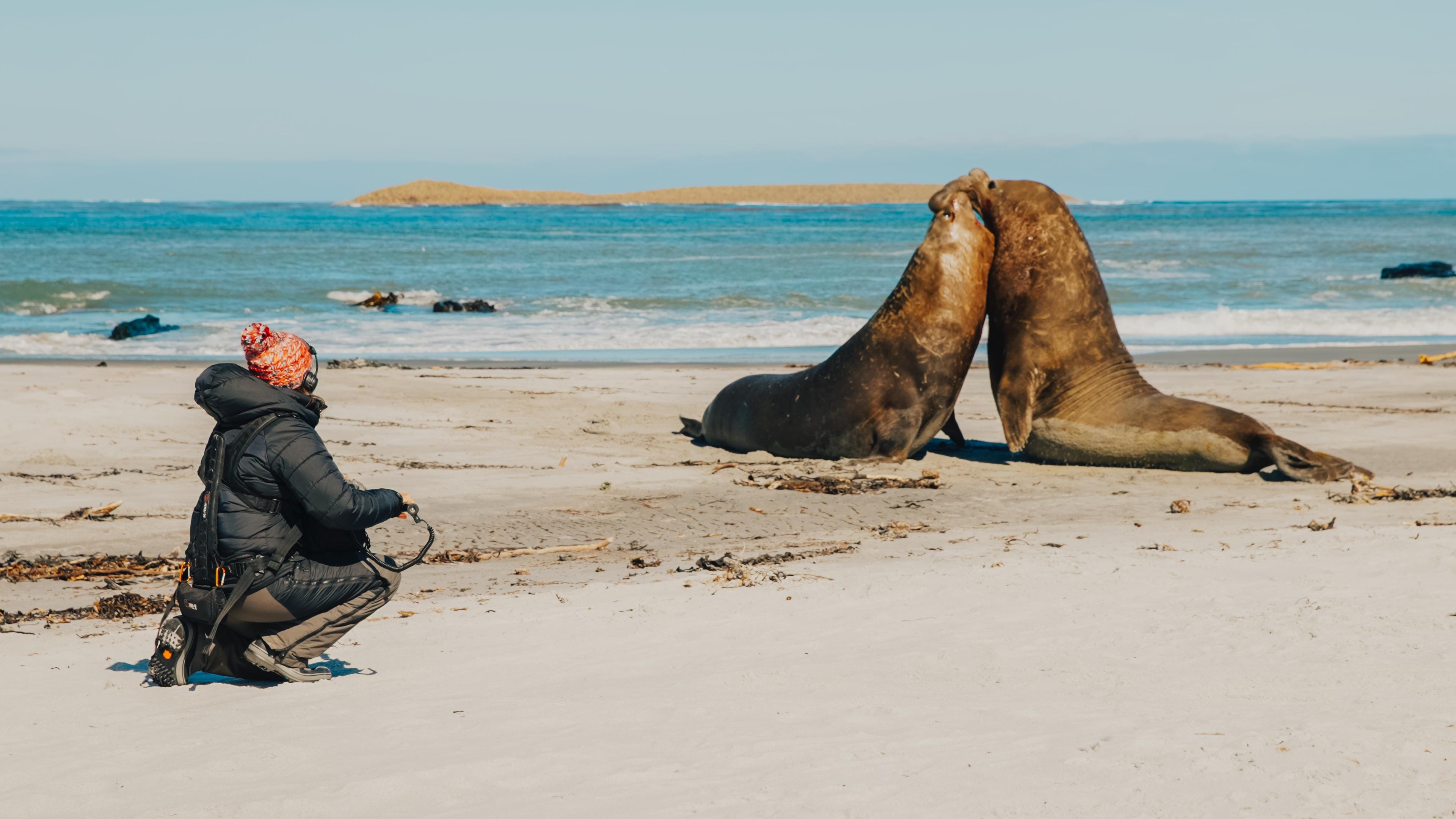
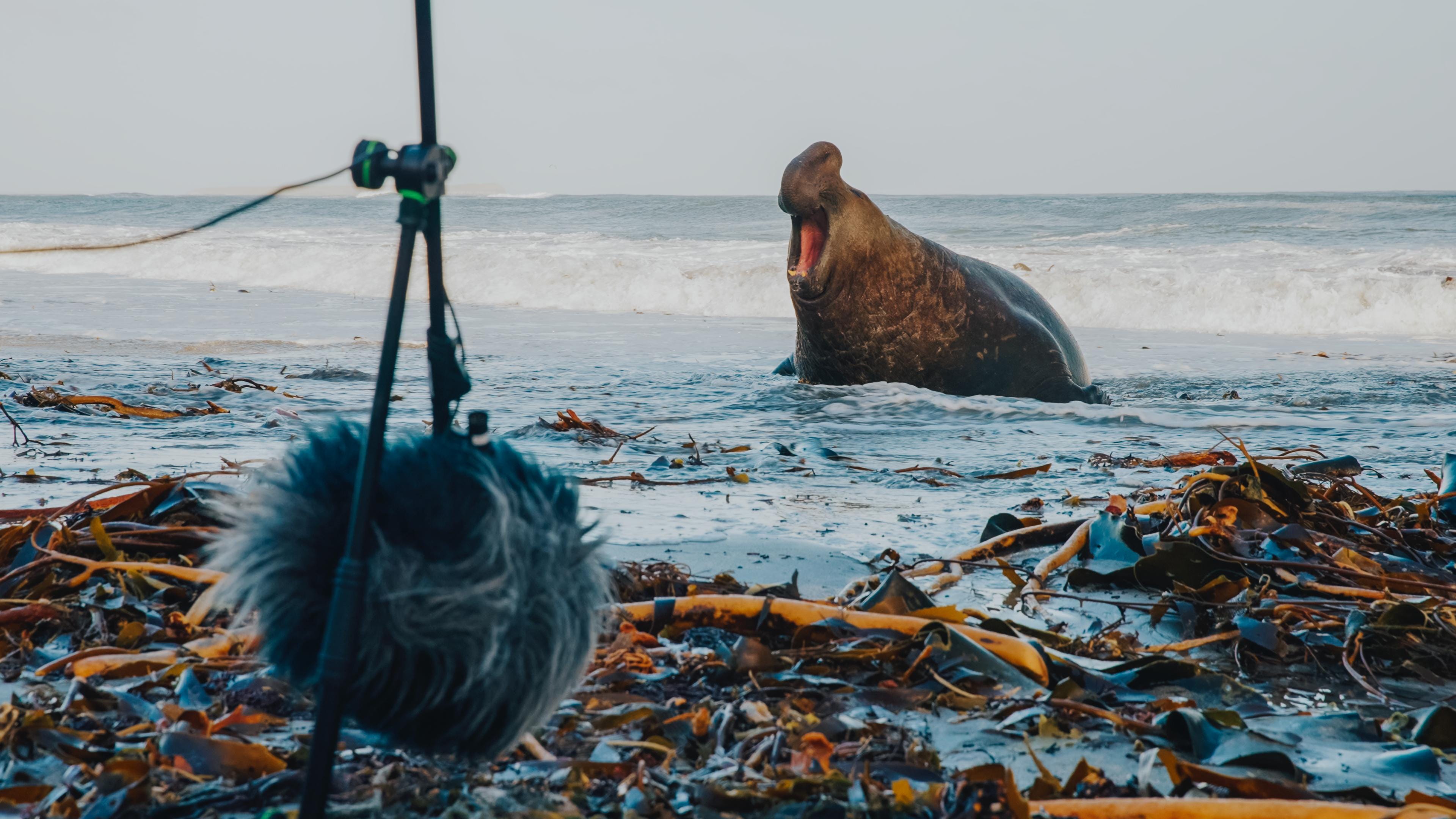
The recording I ended up choosing, and which, somewhat serendipitously ended up being the recording all three judges agreed on, was a recording made by Ellie Williams of elephant seals on Sealion Island in the Falklands. More than that, these recordings suggested for the first time that, against the deafening backdrop of the Atlantic Ocean, elephant seals can, like elephants, sense seismic vibrations. Using geophones to record their earth-bound communication, Williams captured something extraordinary that has shifted our understanding of this specific corner of the natural world, while making the case more broadly for sound as something that far exceeds our limited, primarily aural listening.
0:00
-4:58
Ellie Williams - Seismic Elephant Seal, Sealion Island (Best Natural Sound)
As well as the ‘Best Natural Sound’ category, I was also invited to submit my choice for the overall Sound of the Year, which would then be aggregated from the votes of all the judges. This, to me, seemed in essence a simpler task. The Sound of the Year should be as much about the sound as it is about the year. And the inescapable, awful, relentless noise of the last 12 months and beyond - in both a literal and a more symbolic sense - has been that which continues to eminate from Israel’s ongoing genocide in Gaza and the bombardment of Lebanon in the autumn of 2024.
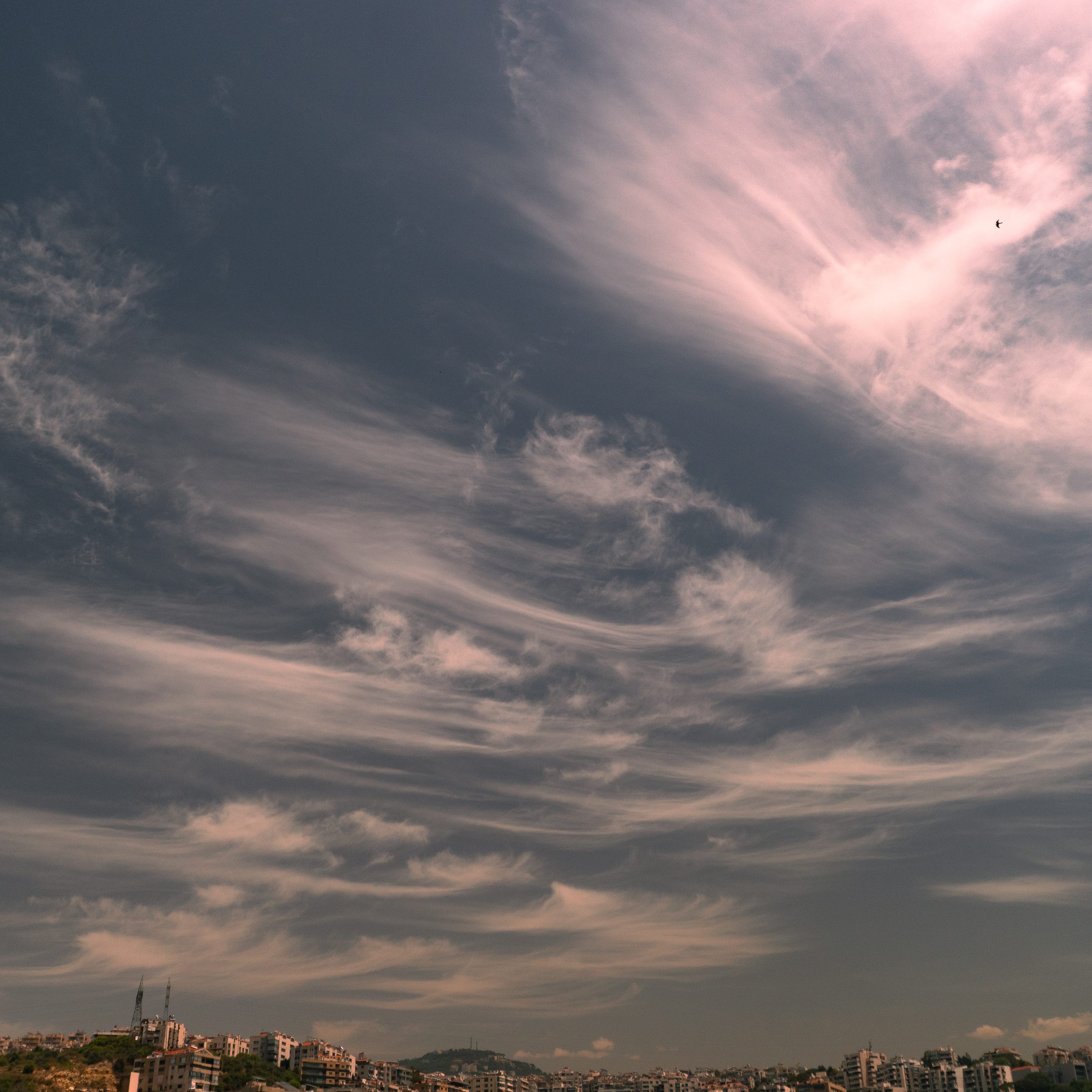
There has been increasing documentation of the sonic impact of these conflicts - whether in first-hand journalistic accounts or this recent short film on Gazan sound engineer Mohammed Yaghi - which begin to provide some perspective on the visceral terror that the conflict reigns down in collateral. As Yaghi says in the clip linked above, “the monster that never leaves us alone is the drone.”
But hearing the entries for sound of the year - many of which were recorded on the front line of conflicts, protests and climate crises - was often a jarring experience. Sound can bring you closer to a specific location or experience, but it can also emphasise distance, especially when the contexts in recording and listening take place are so different. There is a privilege to listening alone, at home, which is far removed from those who were hearing, and continue to be tyrannised by these sounds in person.
The recording which was chosen for Sound of the Year was made by Alexandre Mitri and was called Drones and Strikes. It captures two drones and an airstrike over Lebanese capital Beirut in November 2024. It documents sound not only as an effect but as a weapon of psychological warfare that has been ongoing since long before the recent flare in conflict. According to sonic human rights organisation Earshot, there have been 22,355 illegal Israeli aerial violations on Lebanese airspace between 2007 and 2022, many of which were made by quadcopter drones. Where images no longer register, sounds like these are impossible to ignore.
0:00
-2:02
Alexandre Mitri - Drones & Strikes (Sound of the Year)
Head over to the Sound of the Year Awards website to listen to winners from all nine categories, and tune in to Resonance FM on Thursday 28th May from 8pm if you’re interested to hear more about the idea behind the initiative.
No posts
Comments
Nothing yet. Say the first thing.
Sign in to join the conversation.