
When I was taking the courses required to get my teaching certification (an astonishingly easy process in the state of Texas, btw) I was indoctrinated into the Cult of Harry K. Wong. If you know you know. If you don’t, Harry K. Wong wrote a book called The First Day of School that is a bestselling guide on how to be an effective teacher.
Unfortunately my biggest (and only) takeaway was that if you greeted your kids at the door, all would be well for the school year. It’s that easy! Just say hello, learn their name, and the rest will fall into place.
But I’m here to tell you that there is more to The First Day of School than greeting kids at the door. For example, what happens once they’re through the door? Harry didn’t think about that one did he?*
So here is my philosophical approach to The First Day of School, if that’s helpful to anyone:
My goal is to get kids more excited to come back tomorrow.
I start every year under the assumption that most of my incoming students believe they don’t like or aren’t good at history class. Either my course feels totally irrelevant to their life or career goals or they hate memorizing names and dates. I want to address both of those anxieties on Day 1.
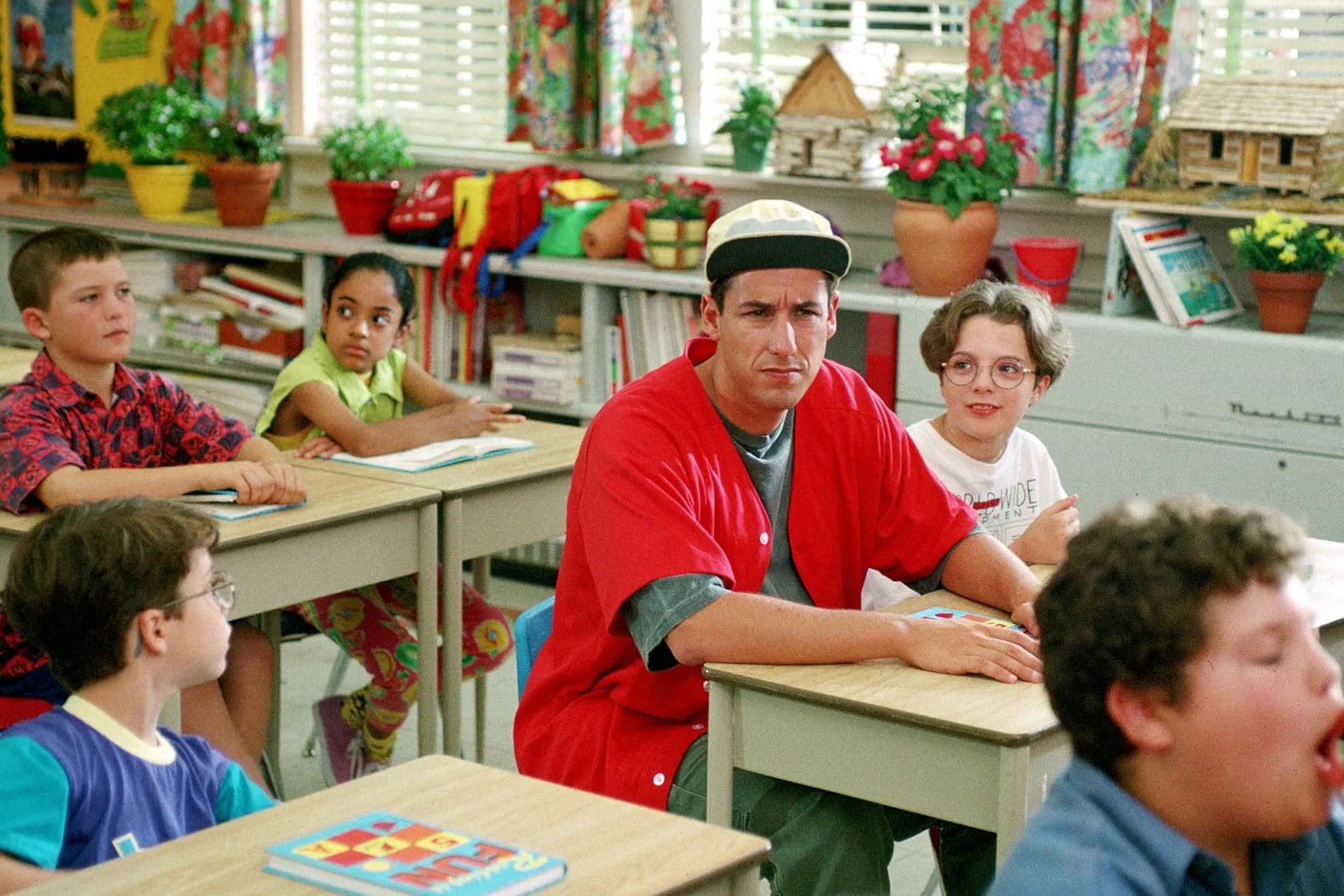
“Why do we need to learn this?”
I believe teachers should always be able to answer this question. Seriously. And the answer can’t be “for the test” or “because you’ll need to know it next year in ____ class.” Why do they, as human beings, need to learn what you’re trying to teach them?
Here’s what I tell my students: a history class teaches you a few things that are going to make you a better, smarter person no matter what you end up doing with your life. 1. Knowing what people have done, tried, failed at in the past is just helpful information.
2. Understanding how we got to where we are today eases anxiety and helps you make sense of the craziness of the modern world.
3. Most importantly, learning how to read, think, and write like a historian are skills that you need in any job or life path and they are also the skills that most young people are most lacking in.
A historian is like the perfect mix of a scientist and a literary scholar. They can take basic factual information, combined with biased, problematic, often contradictory accounts, and make sense of all of that in the context of a broader narrative. Reading and interpreting a document is basic media literacy - you won’t be fooled by a fake TikTok like your friends. Developing an argument according to facts and reasonable interpretations will help you win debates, impress professors, or get your dream job. And if nothing else, knowing a lot about history will make you the lynchpin of any future trivia team you join.
But seriously, our country and world would be a much better place if everyone could think like a historian.
“Will I need to memorize dates?”
No. Memorizing dates will not be a part of this course.
I will highlight a few key years that are important for you to know as a way to mark where/when we are in our narrative but otherwise, the date isn’t important.
However…
Chronology is very important. Understanding the order of events is, like, the most basic part of history. So if dates help you keep track of the chronology then please use them.
Also, there are lots of basic facts that you just need to know. You will need to know a president’s name. You will need to be able to cite specific laws or Supreme Court cases. If you need to memorize the bold words to be able to do that, then yes, you will need to memorize. I’m hoping, though, that I can put those various “key terms” into context for you so that it feels less like memorization and more like a meaningful understanding of how that specific term fits into the bigger story.
I’ve identified the two biggest obstacles to getting kids interested in a history class and I’m beginning to break those down for kids. (I know no one is going to be convinced in just one class period.)
By the end of the first day I just want kids to be slightly more excited or curious about coming back to class tomorrow. That could mean they were dreading my class and now they just think it’s going to be stupid. Whatever. As long as we’re moving in a positive direction.
In return, there are a few pieces of information I want to know about my students (ideally by the end of Day 1.)
“Why did you take this class?”
This is especially important if you are teaching an elective or an AP-level course. Each year I look at my kids and say, “In the nicest way possible, why are you here??”*
Early on in my career I naively assumed that every kid in AP World History, for example, was there because they actively chose that course (either for the grade bump, the college credit, or just the rigor.) But we know that’s not true.
Sometimes kids are in your class because their parents made them sign up for it. Sometimes they’re in the room because that’s where their friends were going to be. Sometimes they didn’t realize they were even signing up for your course and the counselors just put them here because there was space.
Whatever answer you get shouldn’t change how you treat each student. But it does help you set your own expectations for the course. If 70% of my students are in my AP course against their will, then maybe I need to approach the first unit slightly differently than if most of them are there because they heard I was a great teacher and they couldn’t wait to sign up! They’ll still ultimately learn the same things, but maybe I chill out on the Stimulus-Based Multiple Choice for the first few weeks and just try to get the group on board.
*This is a question they should answer privately - I typically have them write it on the back of a notecard along with some other basic information.
“Describe yourself in past social studies classes.”
If you love a buzzword then this question is all about establishing a growth mindset. I want each student to reflect for at least a minute or two on their role in past courses. Did they work super hard but always struggle on exams? Did they get distracted by their friends? Did they zone out because they didn’t know why they had to be there in the first place? No judgement.
By the way, this is instead of asking last year’s teachers about my new students. It is a great thing to have your department be vertically aligned. I want to know about their overall reading levels, performance on standardized tests, general class “vibe.” What I don’t want is for last year’s teacher to vent and tell me which kids are “good” or “bad” or anything in between.
Young people are evolving constantly; we have to give them a fresh start each year and not walk in with preconceived notions based on how they acted as a freshman, for example.
So, instead, I want to hear it straight from them: What kind of student were you in last year’s social studies class? Be honest; I’m not doing anything with this information. Some kids will blow off the activity, which is useful data on its own. But you’ll be surprised with how clearly most young people see themselves.
Later in the week, I might hand these descriptions back to the students and ask them to add one goal. What’s one thing you want to get better at this year in my class? Examples: “I want to participate at least once in class discussions.” “I want to do a group project without my friends.” “I want to keep up with my homework.” “I want to talk less and encourage others to participate.” You can use these as motivation later in the year, if you need it.
“What is the part of this school year that you are personally most excited about?”
This is the question I ask instead of having them just list the other activities they’re involved in. It’s less helpful for me to know a kid is in choir than to know that that kid is most excited about trying out for the spring musical. It’s more specific and provides more entry points to get into a conversation with the student. This question also shifts their mindset into more positive thinking in your classroom.
On Day 1 you want to remind them that there is some reason why coming to school is a good idea.
Maybe it’s just because they want to run for Homecoming Court or start up their new D&D campaign at lunch. It will probably have nothing to do with your class, but that’s OK. It’s a good reminder for both of you that there is life outside your classroom that is, ultimately, more important than the Treaty of Ghent. (Although, I could go off on why the Treaty of Ghent is actually way more important than we give it credit for…)
At the end of Day 1 I want to begin building my classroom as a safe space that, ideally, kids don’t dread walking into. I want to establish that we’re going to do a lot of discussing/thinking/writing about open-ended questions that have multiple correct answers. And I want to learn a bit about what is making each student come to school each day and how they ended up in my class.
Grading scales, binder tab organization, and late work policies can wait until Day 2. (Subscribe for my post about “Housekeeping” tomorrow…)
Comments
Nothing yet. Say the first thing.
Sign in to join the conversation.