
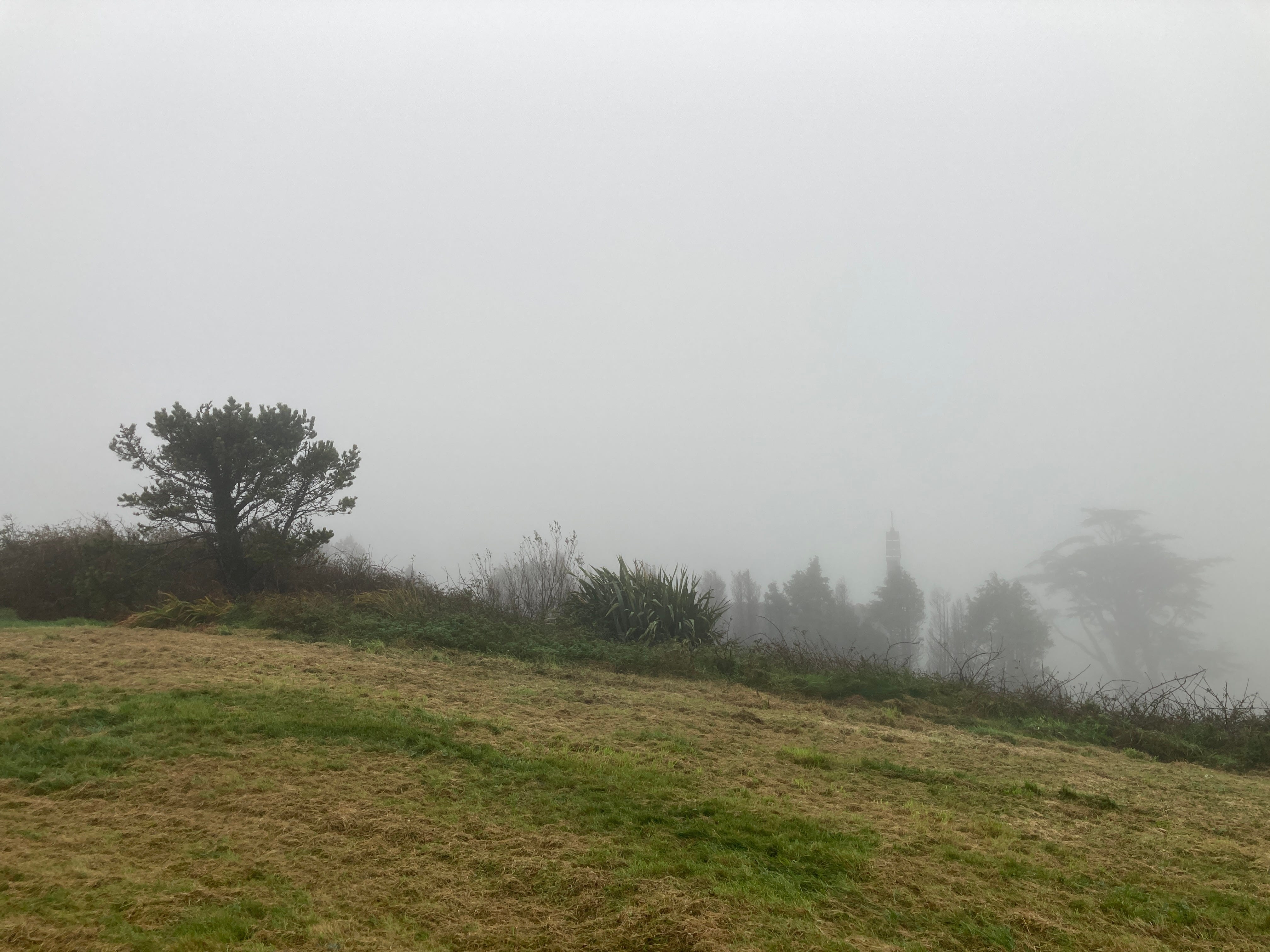
A winter gloom has settled over southern Ireland, which could be a harbinger of the months to come. In October there was plenty of sun, which made the prospect of winter here seem agreeable enough. Now I haven’t seen more than a flash of sun in a week, and the long range forecast doesn’t promise much to come. I guess it is good that my real-world experiment will involve real-world winter Irish weather. When people ask me how I am doing here, my half-joking reply has been: “Ask me in March.” That answer has now lost the tinge of humor. By March I really will know whether I can hack, and hopefully even enjoy, the cold months here. I think so. But it is no slam dunk.
A gloomy day is as good as any other to go do my monthly check on Laughing Gull in Crosshaven Boatyard. So off I went. The colder, windier, wetter weather seems to have slowed the accumulation of guano on the decks, either because the birds are spending more time under cover in the sheds, or some of their droppings are getting washed away by rain. But that win is slightly offset by the spread of greenish algae on the decks and running rigging. Black humor allows me to celebrate LG’s new role as a carbon sink (as long as the growth remains outside, and doesn’t establish itself in the interior). Still, a dormant sailboat in winter has a sad, abandoned, air, and none of the vibrant power and life of a sailboat bobbing at anchor, with distant ports a possibility. LG, like me, will have to weather the winter with equanimity.
One way to breathe hope into a winter layup is to start planning all the cruising and adventure that will follow the splash of hull into sea next Spring. My rough plan is to get LG launched in late April, and sail her back to Glandore to get ready for some long-range cruising. My primary goal for next year is to explore the fjords of Norway, from Tromso to Oslo, and I would like to arrive in Norway in early July.
That gives me a month or more, depending on when I set out from Glandore, to get there. My preference is to sail up the west coast of Ireland, and see all the places I didn’t get to this past summer, thanks to Covid, poor weather, and post-transatlantic inertia. From there, I will make a jump to the Scottish Isles, and spend what time I have before July poking around in the Hebrides, Orkney, and Shetland. From those remote outposts, it is a shortish hop across the North Sea to Norway.
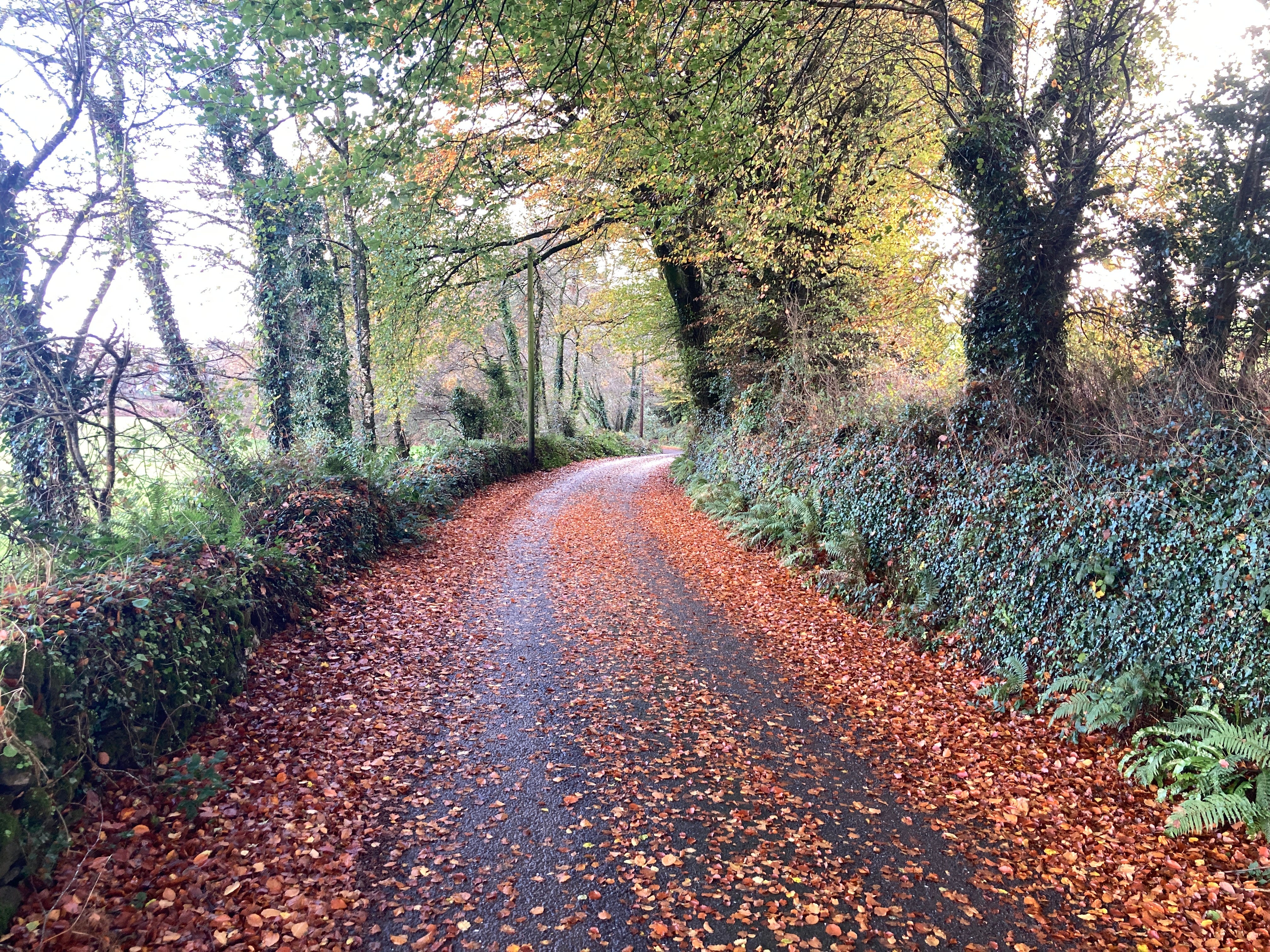
I’ll need to do lots of planning to make the most of this itinerary. But it is a pleasure to sit inside as it rages outside, read through books and articles, and imagine what lies ahead. Winter will pass more quickly with cruising guides and charts in hand.
What whiling away there is to be done, is now being done in a very different space: the small garage/guest house, rather than the Big Blue House. The shift in residence, and the reasons for it, are a perfect illustration of the shift we all need to make from energy inefficient to energy efficient, and from fossil fuels to electric. What I didn’t fully understand was how beneficial, how impactful, the shift could be. I’ll explain in more detail next week. It is an eye-opener.
Bill Gates is still wrong. Another solid rebuttal (this time by climate wiz Zeke Hausfather) of his call to de-prioritize climate mitigation:
…the idea that we should “spend less” on climate adaptation is a dangerous misunderstanding of the problem. There is no world where we don’t spend money dealing with climate impacts. Rather, our choice is between spending money now, e.g. to build a seawall, or spend money later to rebuild the city after it floods. Our choice here should be guided by the fact that adaptation in advance is cheaper than adaptation after the disaster. In other words, spending money today on adaptation is the cheaper option that will better promote health and welfare of the world’s poorest citizens.
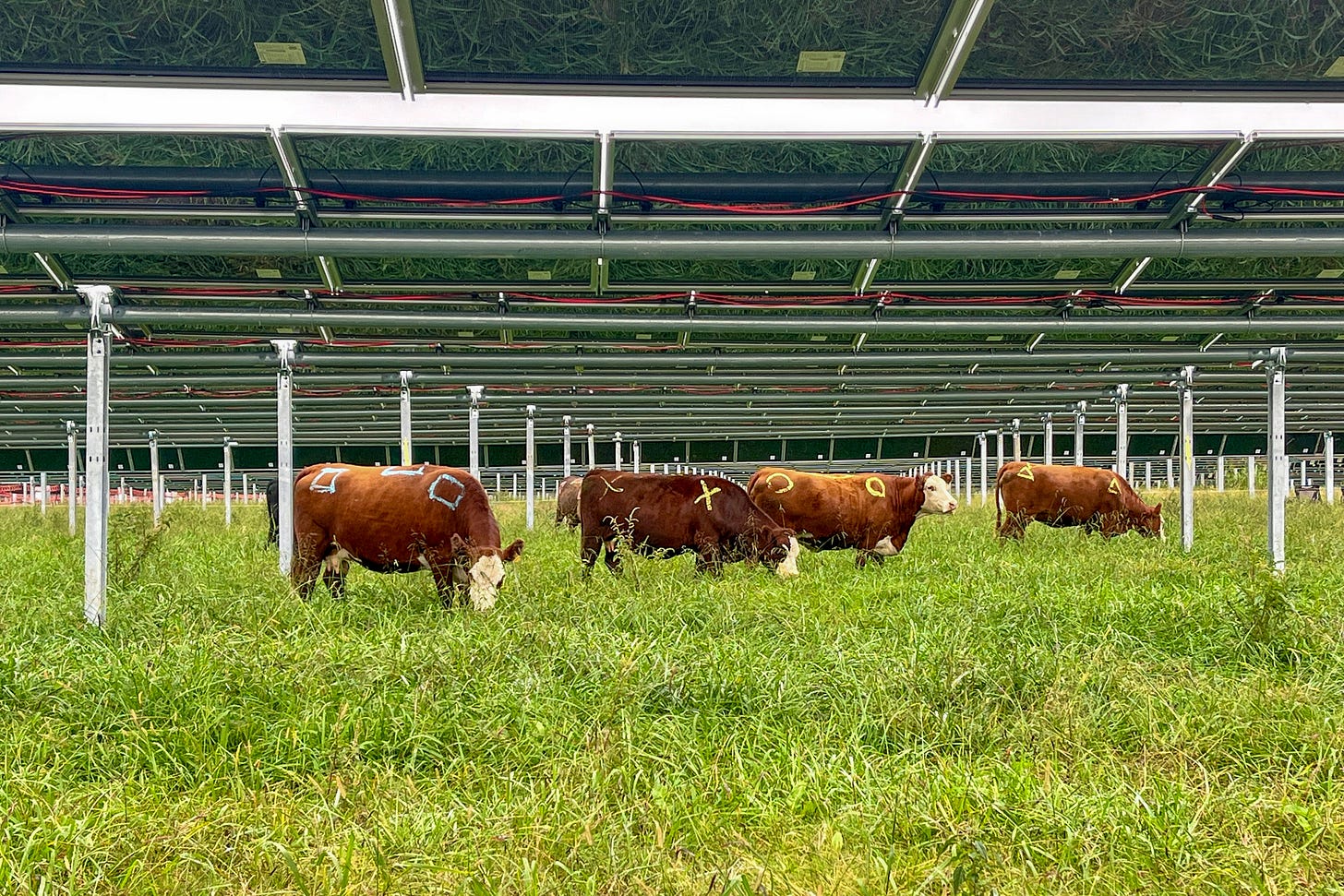
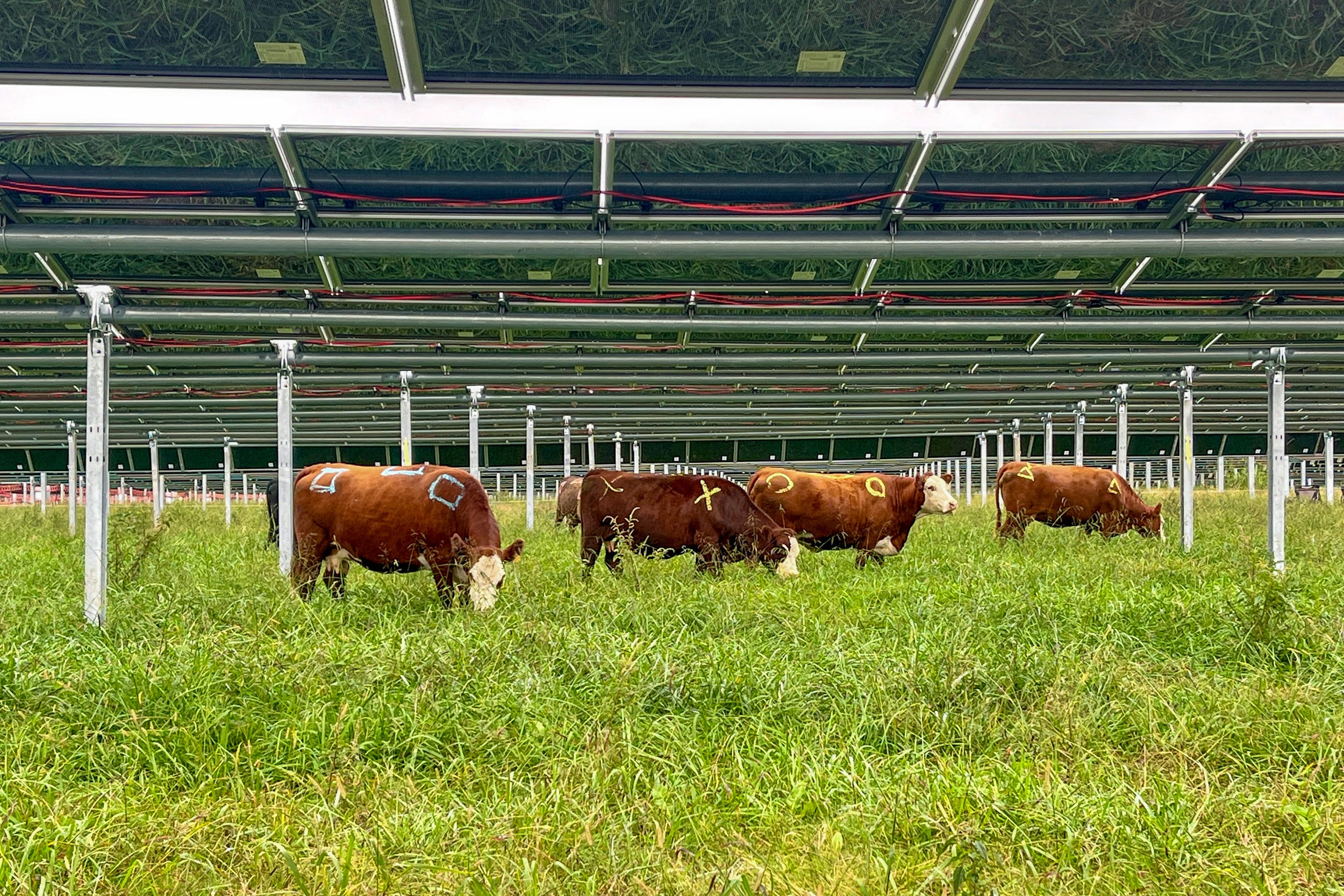
Livestock are a climate problem. Using pasture for solar panels is one way to reduce their impact. But can cows and solar panels coexist?
It is unusual to have a utility-scale solar array in Kentucky, and even more unusual that the grounds crew here is a live-in flock of more than a thousand sheep.
On a recent afternoon, the sheep lounged beneath the shade created by solar panels, supervised by three dogs: Honey, Junior and Roxy.
The property is a farm and a power plant, and the developer, Silicon Ranch, is using this site to test how to maximize the income from both businesses. The work is part of an effort by solar companies and farmers searching for ways to efficiently utilize the hundreds of millions of acres in the United States used for livestock grazing.
Nick de Vries, Silicon Ranch’s chief technology officer, walked along a row of panels, explaining that his company and others have largely figured out how to integrate sheep farming and solar. The next step is to replicate the process with cattle, he said.
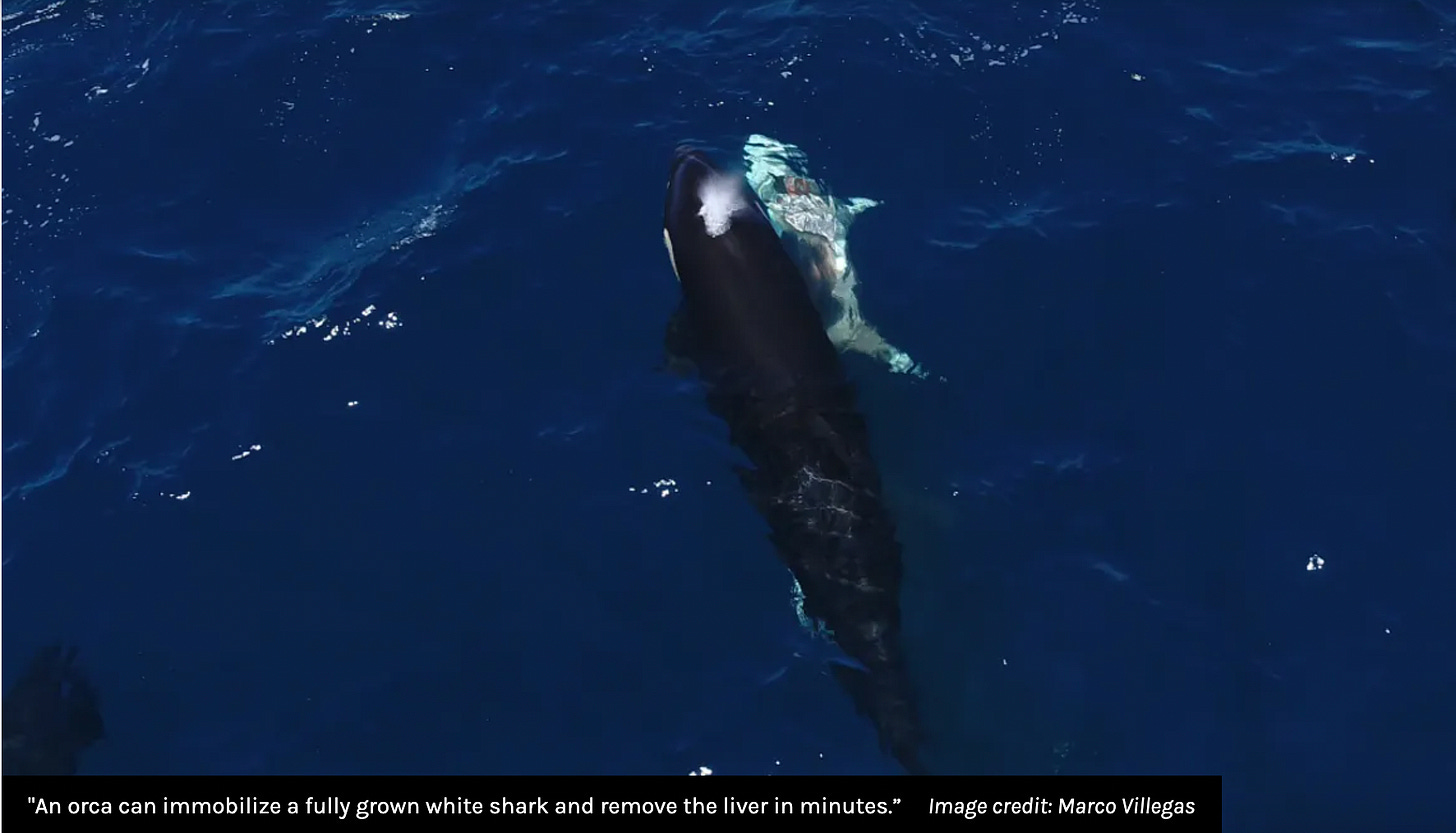
Killer whales never cease to amaze. They love protein and vitamin-rich shark liver and have learned to flip sharks upside down to immobilize them for an efficient liver-ectomy. Is there a more adaptive and efficient predator?
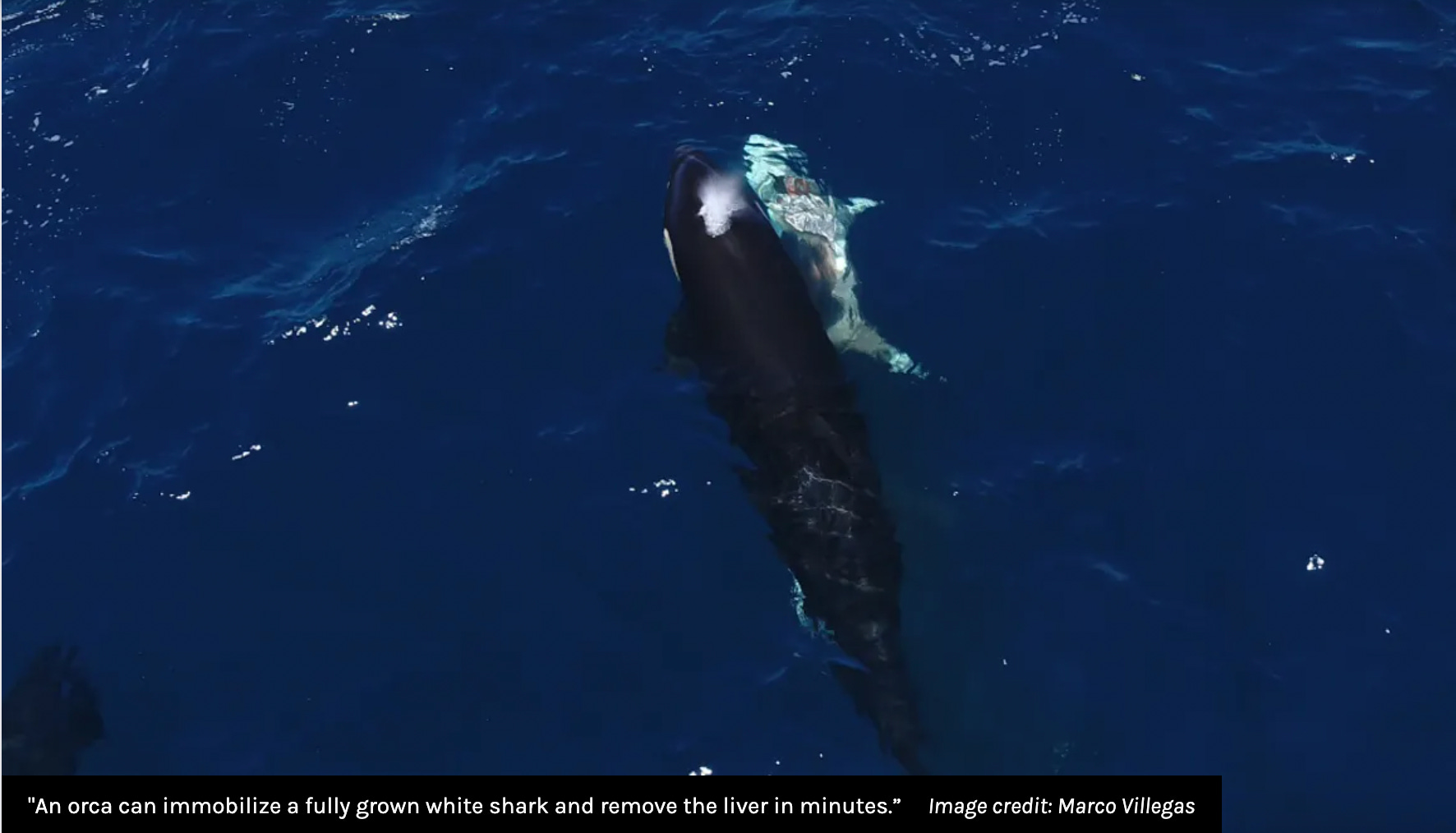
In the Gulf Of California, a group of orcas have developed specialized shark-hunting skills that mean they can make short work of one of the ocean’s greatest predators. Known as Moctezuma’s pod, they ram great whites so they get flipped upside-down, and then take advantage of their immobilized state to suck out their liver.
The brutal but efficient practice has now been confirmed as a regular occurrence, as a new study has become the first to recognize that orcas are repeatedly targeting juvenile great whites. Now, researchers are wondering how these young sharks are responding to a behavior that has even adult sharks running (swimming) scared.
If you liked this post from Sailing Into The Anthropocene, why not subscribe here (free!), and/or hit the share button below? You can also find me on Instagram and BlueSky. (You can find me, but I have discovered life is better without social media).
No posts
Comments
Nothing yet. Say the first thing.
Sign in to join the conversation.