
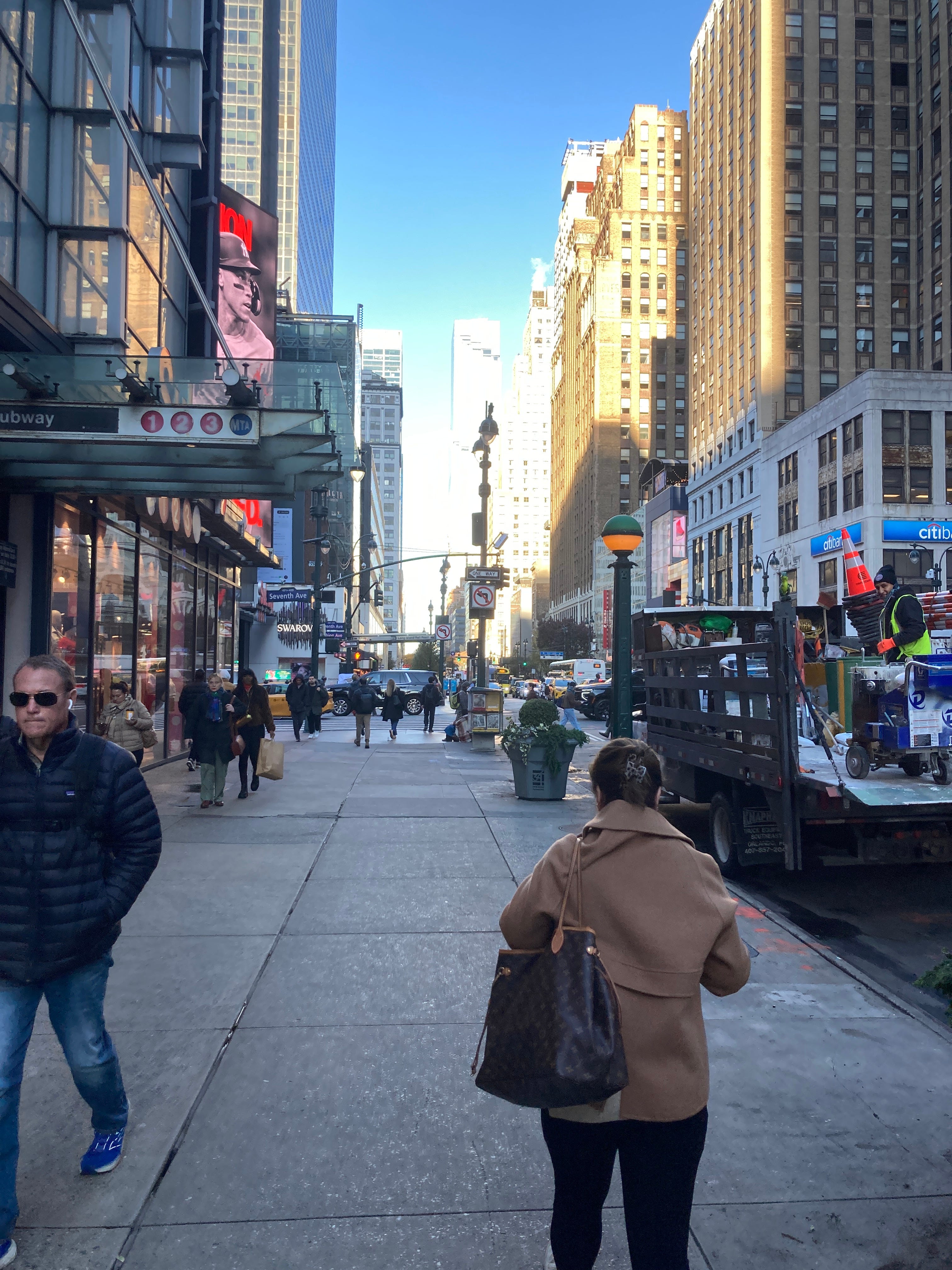
As an exercise in cognitive and cultural dislocation it would be hard to top leaving rural West Cork in the morning, and arriving in the upper East Side of Manhattan in the evening. But that is what I did in the run-up to Thanksgiving, to spend a few weeks in the roiling, resisting(?) United States, visiting friends and family over that best of all holidays.
A jet-fueled hop across an ocean it took me a month to cross by sail also generated some cognitive confusion, and resurrected all my conflicted feelings over air travel, especially long-distance air travel. There is no single activity a human can do to more quickly pump personal carbon emissions into Earth’s warming atmosphere than travel by jet. I’ll do everything I can to keep reducing my flying miles. But if a flight is needed to appear in the lives of my family, I will grant myself an exemption. Life is about choices and trade-offs, and maintaining vital connections is not something I am willing to sacrifice on the altar of lonely absolutism and environmental purity. Still, of such trade-offs and exemptions is a catastrophically changing climate made. There are no easy answers.
Carbon emissions aside, the human experience of modern air travel is a pretty good argument in itself against modern air travel. From spending lots of time on my own in fresh air and beautiful landscapes I was suddenly immersed (trapped?) in entirely human-built environments and machines along with all the noise, mess, smells, viruses, and anxieties that mass transportation agglomerates (which included one near-miss vomit incident—poor little girl—on an airport terminal shuttle). The modern air transport system is an amazingly efficient means of moving bodies all over the planet. Peaceful and pleasant it is not. That makes it easier to duck the experience whenever possible, and find alternatives.
New York is not at all the hellscape that the Mad King brays about. But it is, like the air travel system, as fully a human-built environment as a person can experience. It is a supercity that hums with creative and resourceful citizens, and astounding possibilities and experiences. Yes, there are parks. And glimpses of rivers and maybe even the sea. Still, it is not a natural landscape. It is a wildly seething urban culture clad in glass and concrete, a Platonic ideal of a city that is an exact counterpoint to rural culture and landscape.
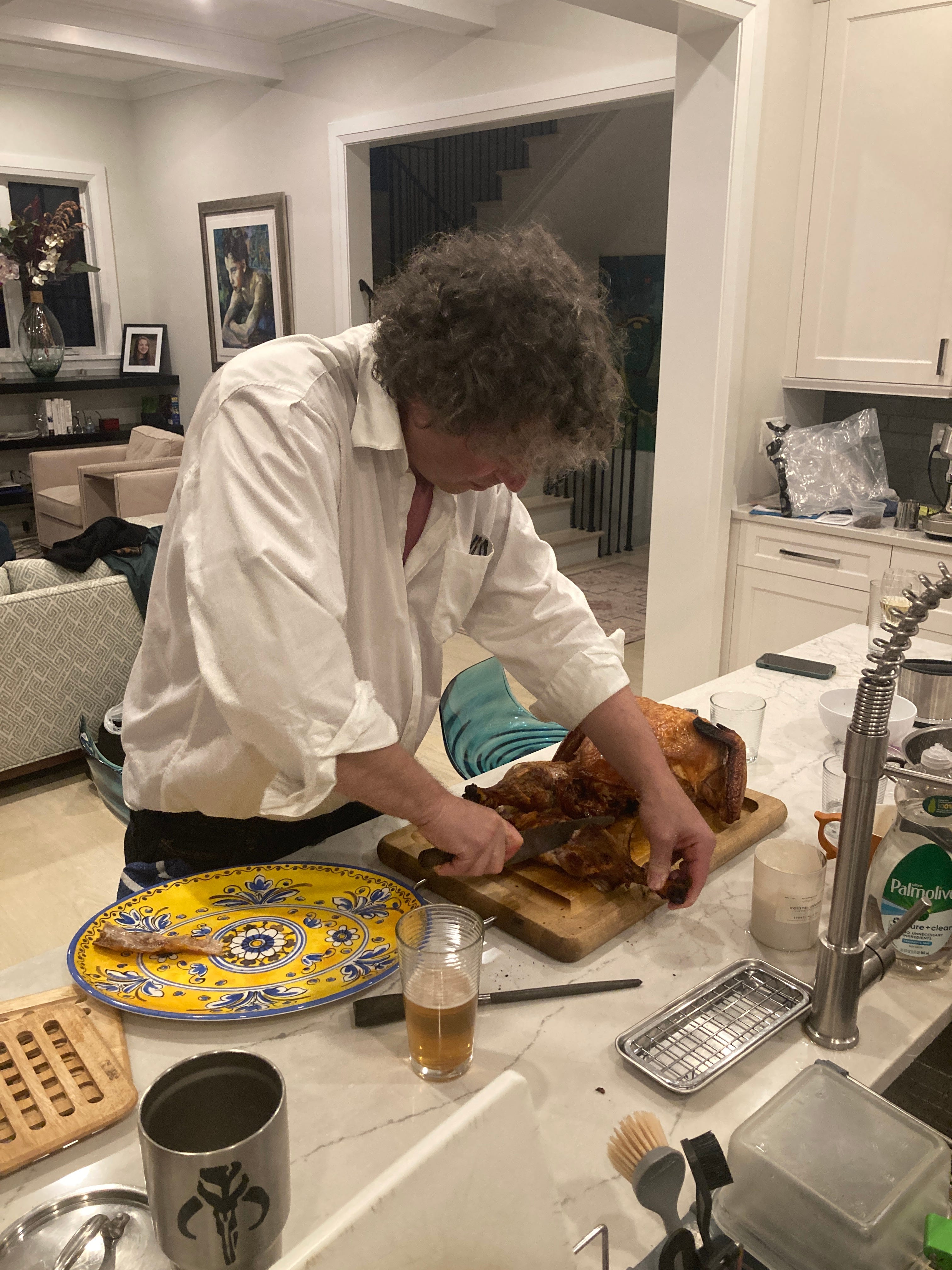
Washington DC, my second stop, is greener and less dense. But that comes with its own pathologies. Like deeply rooted car culture. And the maddening earworm whine of near-constant leaf-blowing, lawn-mowering, and weed-whacking, all in service of meticulous and over-manicured lawns and gardens. Give me the peace and wildness of the West Cork soundscape any day of the week.
Cities work beautifully for millions, who thrive on the busyness, the intensity, the choices. And they are highly climate-efficient structures for social organization and economic productivity. They just don’t work very well for me. I can love the people, the food, the architecture. Even if I don’t like the noise and density, I can tolerate it—to a point (well, everything except the leafblowers, which are my own personal kryptonite). But I don’t need or crave a city, like many. I could live a city-less life and be happy.
I have recently been introduced to the excellent concept of the “guilty displeasure”—which is something most other people like and you are supposed to like, but you secretly dislike. One of my guilty displeasures, for example, is cold-water swimming. City living is another, I guess.
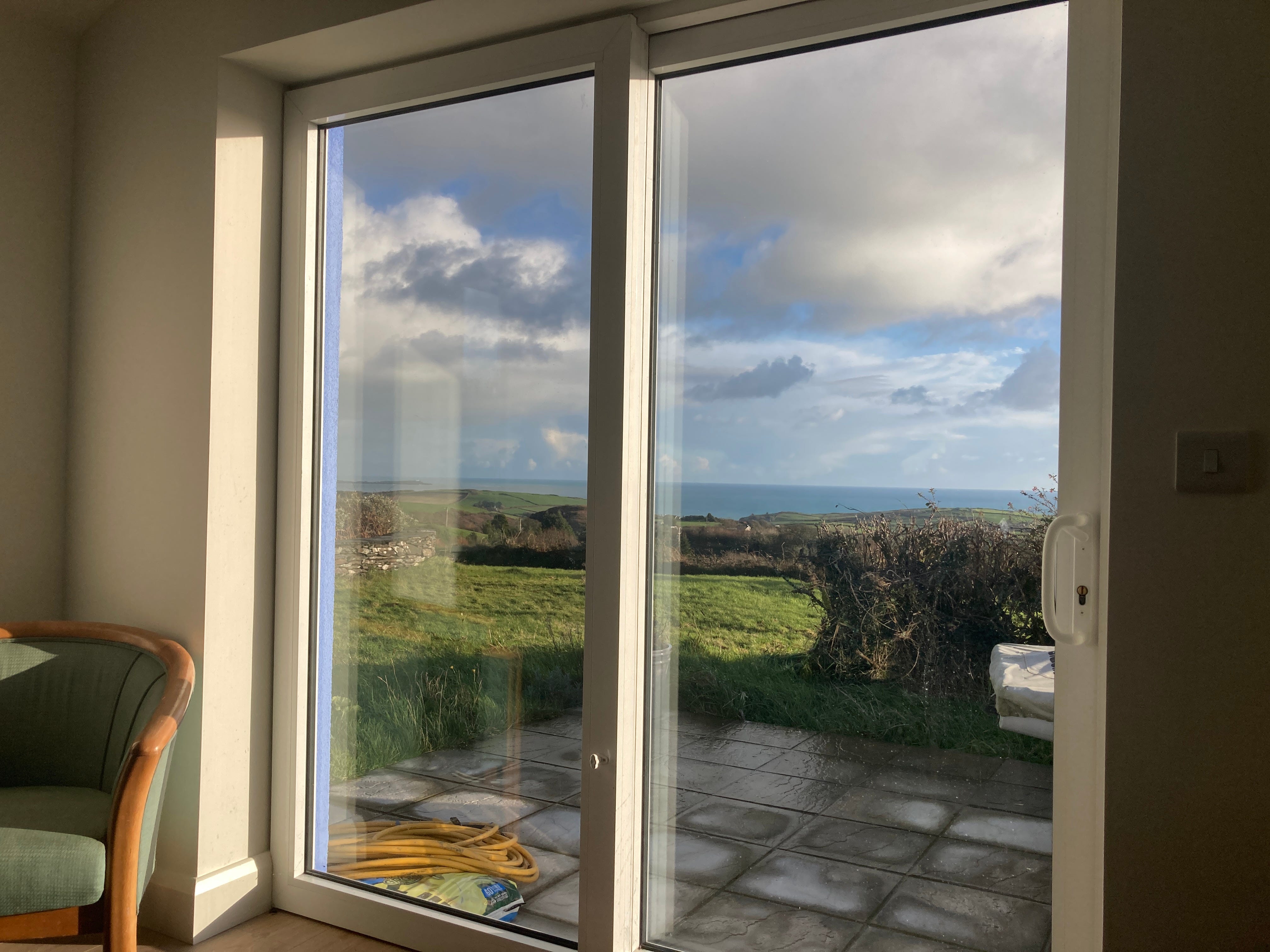
Now I am back in West Cork, and happy to be here, even if it is very wet, chilly, and windy. Which apparently is the default expectation for the rest of the winter. Can’t have everything. Maybe after a few months of obstreperous winter weather I’ll crave the ordered climate control and warmth of a lower latitude city. Or, more likely, realize I need to get Laughing Gull to the Med, or back to the other side of the Atlantic, where it is easy to flee to Florida, the Bahamas or Caribbean and live life in a t-shirt. It’s an ongoing experiment and I kind of like not knowing how it will all turn out.
Okay, one last defenestration of Bill Gates on climate, this time from George Monbiot. I’m not just piling on (okay, maybe a little), because this rebuttal has the added value of excoriating the society-threatening phenomenon Monbiot identifies as “billionaire brain”:
To Gates, overthrowing the power of the ultra-wealthy may be unthinkable. I don’t mean only that it clashes with his worldview. I mean that, judging by his remarkable silences on the issue, he might be literally incapable of thinking about it. Perhaps this is a symptom of Billionaire Brain: a profound incapacity to see the world from other people’s point of view. While the ultra-rich are notoriously hard to study, extrapolating from research into how gaining wealth and status affects cognition could suggest that acquiring huge amounts of money is like taking a blow to the head. Wealth seems to scramble certain cognitive functions, particularly those related to empathy and perspective.
And when you combine scrambled billionaire brains with extraordinary and outsized influence on political and policy choices you get bad or regressive climate policies.
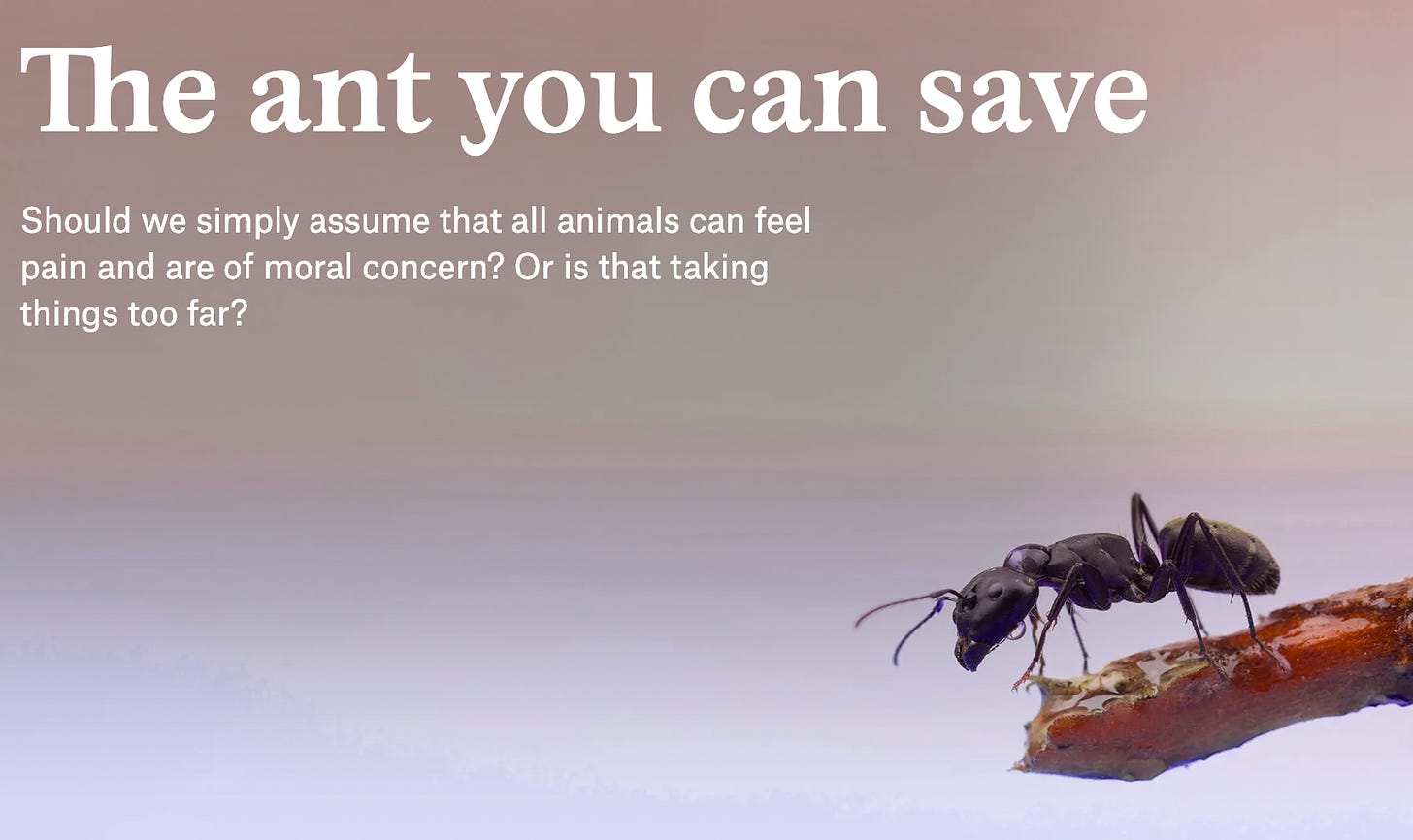
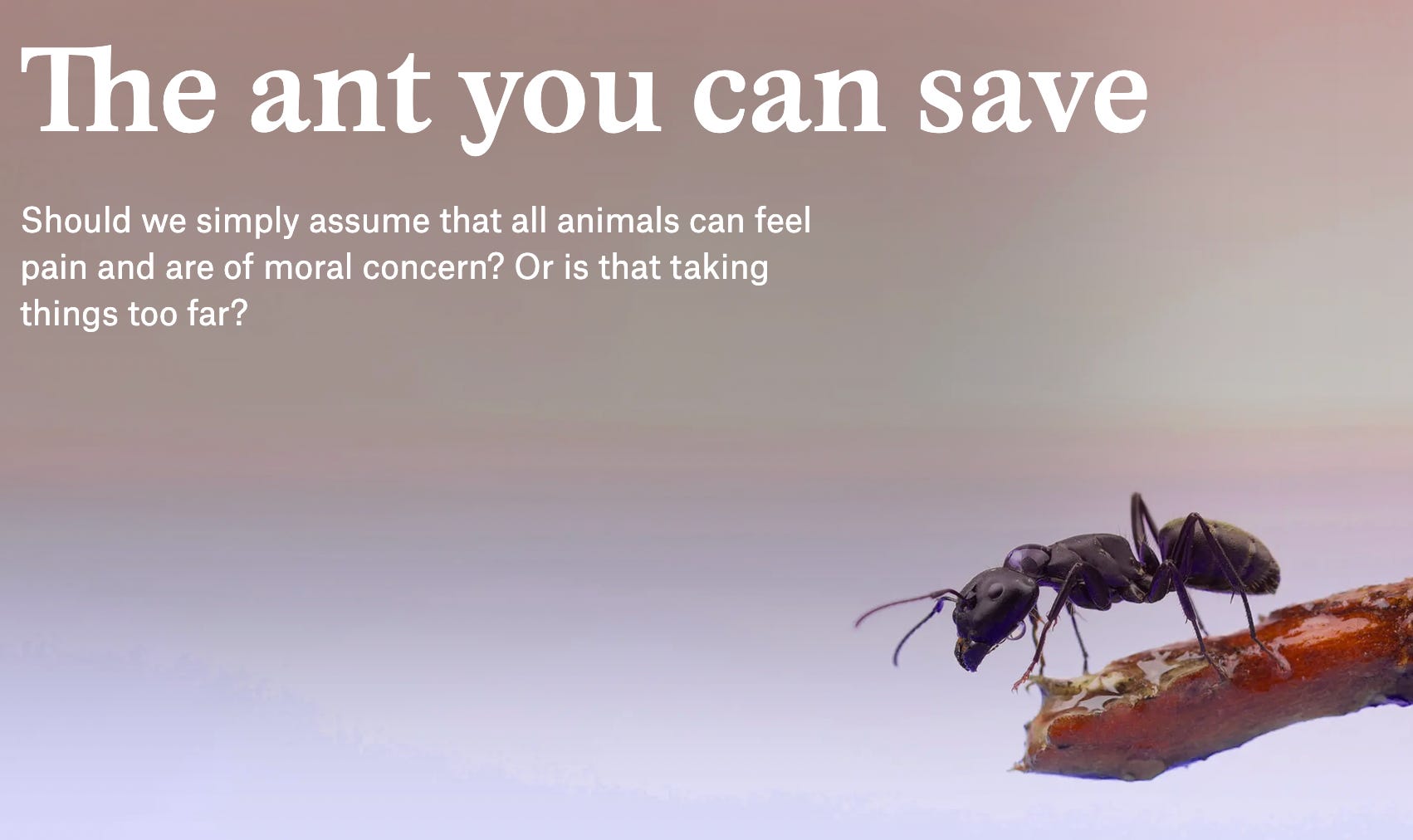
Should you care about the fate of an ant? This great essay explores the profound chasm in how most humans think of the sentience and moral value of other species and how we SHOULD think about other species:
Historically, people have had very different views about such questions. Exclusionary views – dominant in much of 20th-century Western science – err on the side of denying animals sentience and moral status. On this view, only mammals, birds and other animals with strong similarities to humans merit moral concern. Attributions of sentience and moral status require strong evidence. Human exceptionalist perspectives reinforced this view as well, holding that other animals were created for human use.
By contrast, inclusive views – particularly present in various Eastern and Indigenous cultures throughout history – err on the side of affirming sentience and moral status. Traditions like Jain philosophy teach reverence for all life, extending moral concern even to ants and bees. Poets like William Blake have drawn attention to the fragility of insect lives, suggesting kinship with humanity. On this view, when in doubt, we should protect rather than neglect, since ignoring the possibility of sentience risks leading to terrible mistakes.
I know which way I think we should go.
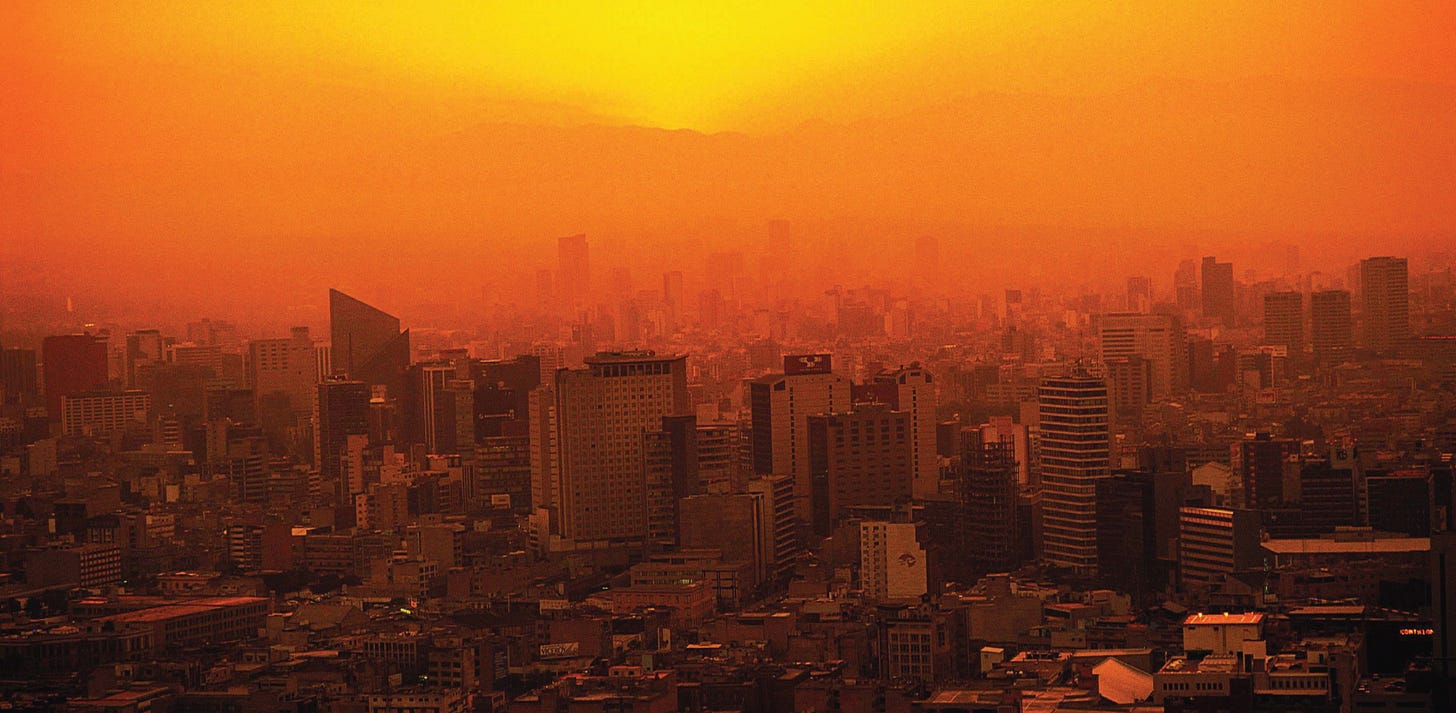
There is no question that the Trump Climate Bomb will cost lives (similar to the Trump Humanitarian Aid Bomb). This analysis shows how many (1.3 million):
Increasing temperatures are already killing enormous numbers of people. A ProPublica and Guardian analysis that draws on sophisticated modeling by independent researchers found that President Donald Trump’s “America First” agenda of expanding fossil fuels and decimating efforts to reduce emissions will add substantially to that toll, with the vast majority of deaths occurring outside the United States.
Most of the people expected to die from soaring temperatures in the coming decades live in poor, hot countries in Africa and South Asia, according to recent research. Many of these countries emitted relatively little of the pollution that causes climate change — and are least prepared to cope with the increasing heat.
ProPublica and the Guardian’s analysis shows that extra greenhouse gases released in the next decade as a result of Trump’s policies are expected to lead to as many as 1.3 million more temperature-related deaths worldwide in the 80 years after 2035. The actual number of people who die from heat will be much higher, but a warming planet will also result in fewer deaths from cold.
These numbers are both grim and unsurprising. They help illustrate the moral dimensions of Trump’s active assault on clean energy and climate mitigation, but also reflect the moral failure of ALL wealthy countries to do enough, fast enough. These future deaths are not just on Trump (though he deserves special mention). They are on all of us.
That’s enough heavy thinking for now. I’ll be back soon with some notes on the accelerating electrification of my life.
If you liked this post from Sailing Into The Anthropocene, why not subscribe here (free!), and/or hit the share button below? You can also find me on Instagram and BlueSky. (You can find me, but I have discovered life is better without social media).
No posts
Comments
Nothing yet. Say the first thing.
Sign in to join the conversation.