
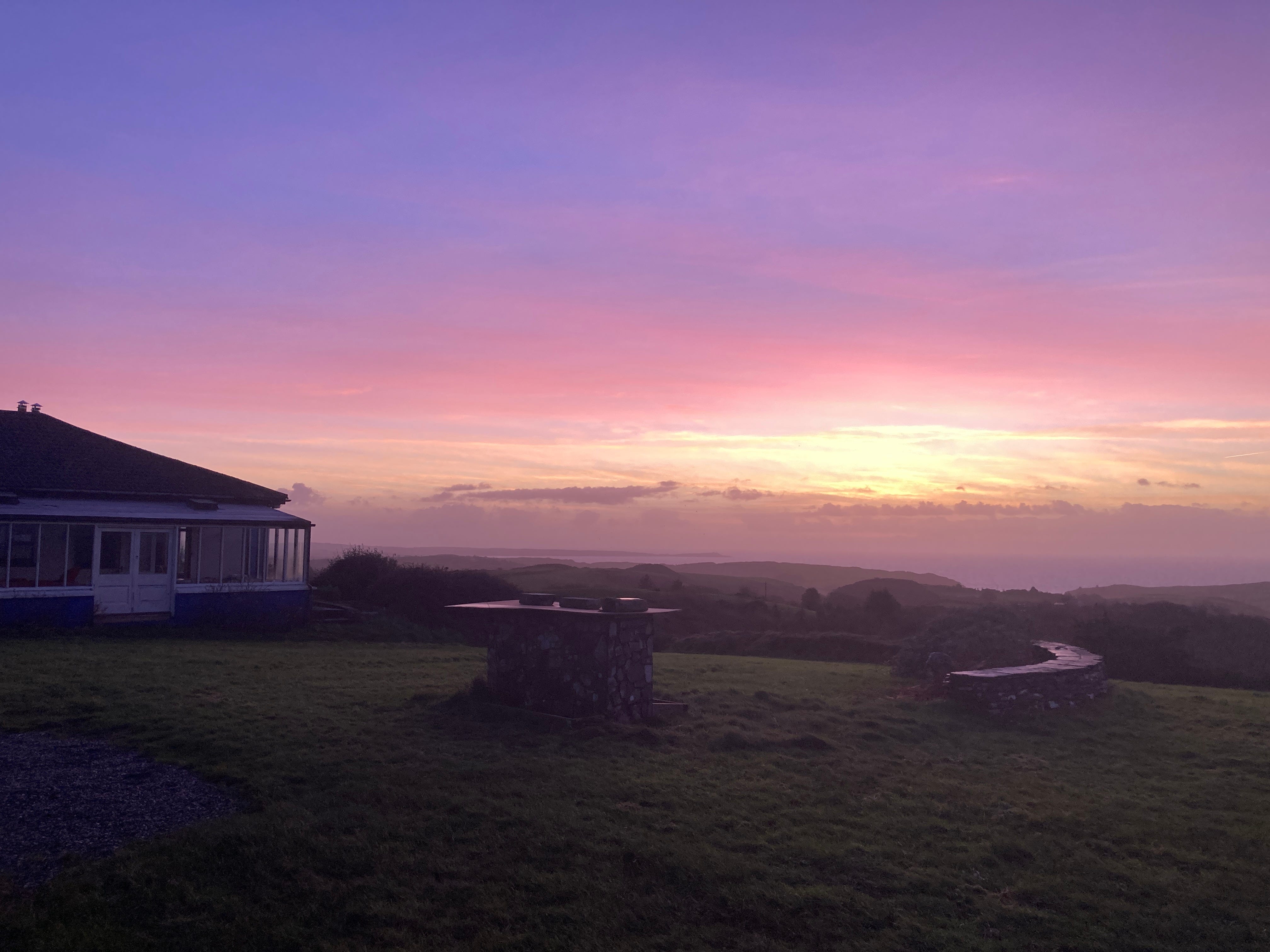
Darkness is the current theme in West Cork. At 51° N latitude, with the winter solstice (the shortest day of the year) approaching, the sun doesn’t rise until after 8:30 am, often shining weakly through clouds or rain. It stays shy most days, and slips away around 4:30 pm, perhaps embarrassed at its lack of glory. It’s better on the rare blue sky days, delivering at least a meek notion of warmth. But I feel like I am back in Moscow, where we lived when I was young, and darkness dominated the winter.
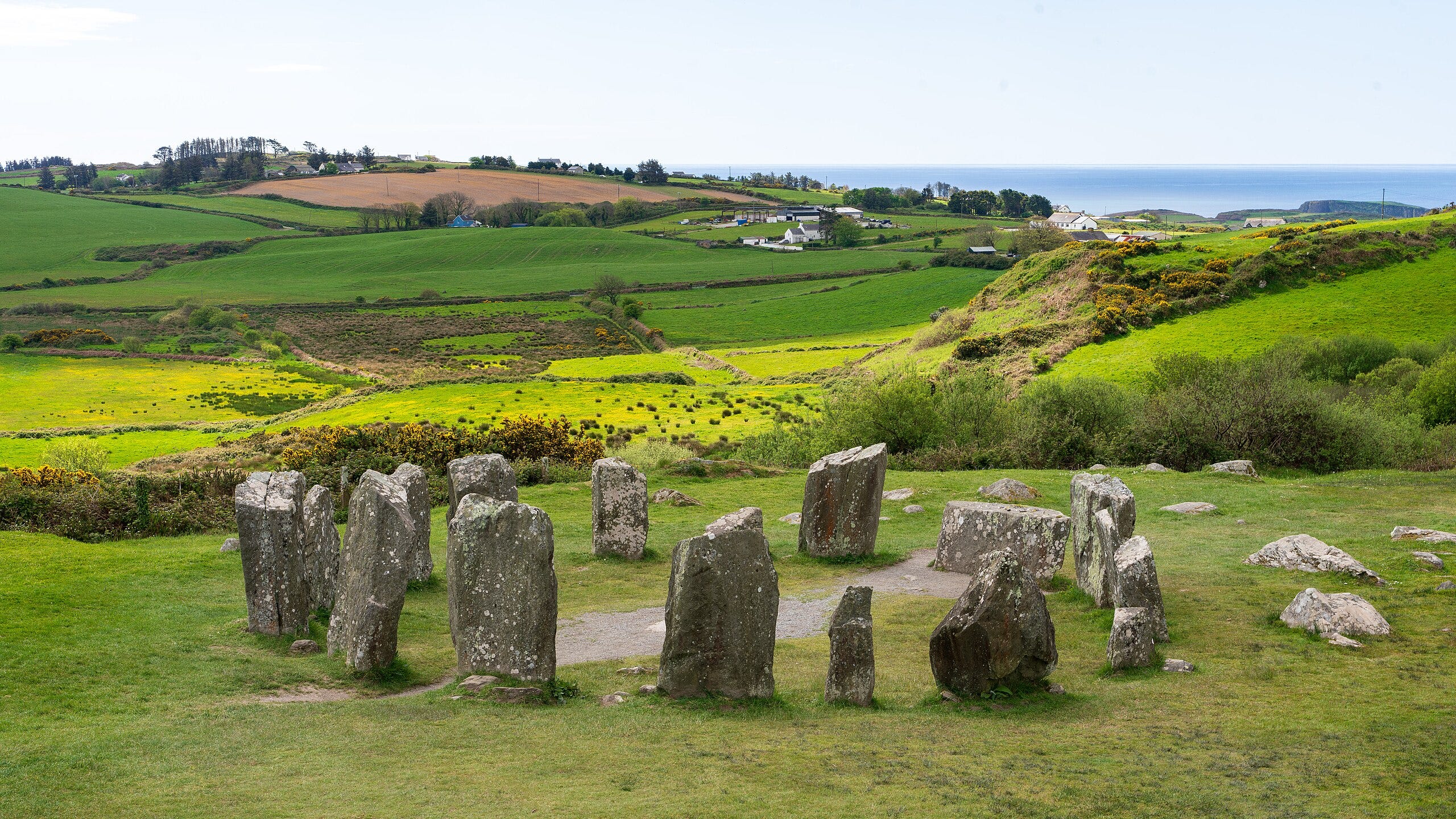
The approaching solstice will shift the sun-challenged vibe, as days start to lengthen again in the march toward summer. It is a hopeful turn, and to celebrate the promise of warmth and long days the solstice brings, sun worshippers will congregate on the 21st at the Bronze Age stone circle that is a 20 minute walk from my perch up the hill. Composed of 17 stones, Drombeg Stone Circle is a (very) mini Stonehenge. On the solstice, the sun sets directly over the horizontal “recumbent stone” making Drombeg an evocative place to witness this key moment in the solar year.
Lacking the natural warmth of the sun, my quest at home has been to find an affordable, energy-efficient way to produce enough home heating to weather months of West Cork winter chill. That quest has delivered for me an object lesson in the magic of the climate-change battle cry of “Electrify Everything.”
After I arrived in Ireland on Laughing Gull, I settled into the Big Blue House, which my family has owned and enjoyed during summers for more almost 40 years. It was built as a holiday home for the warm weather season, so it has very little insulation, and all heat and hot water is provided by a gas boiler supplied from a 1400 liter propane tank. Big Blue has beautiful views and plenty of bedrooms for large family gatherings. Over the years it has hardly been used outside of summer, so the heating system was rarely used. Gas consumption for hot water was minimal.
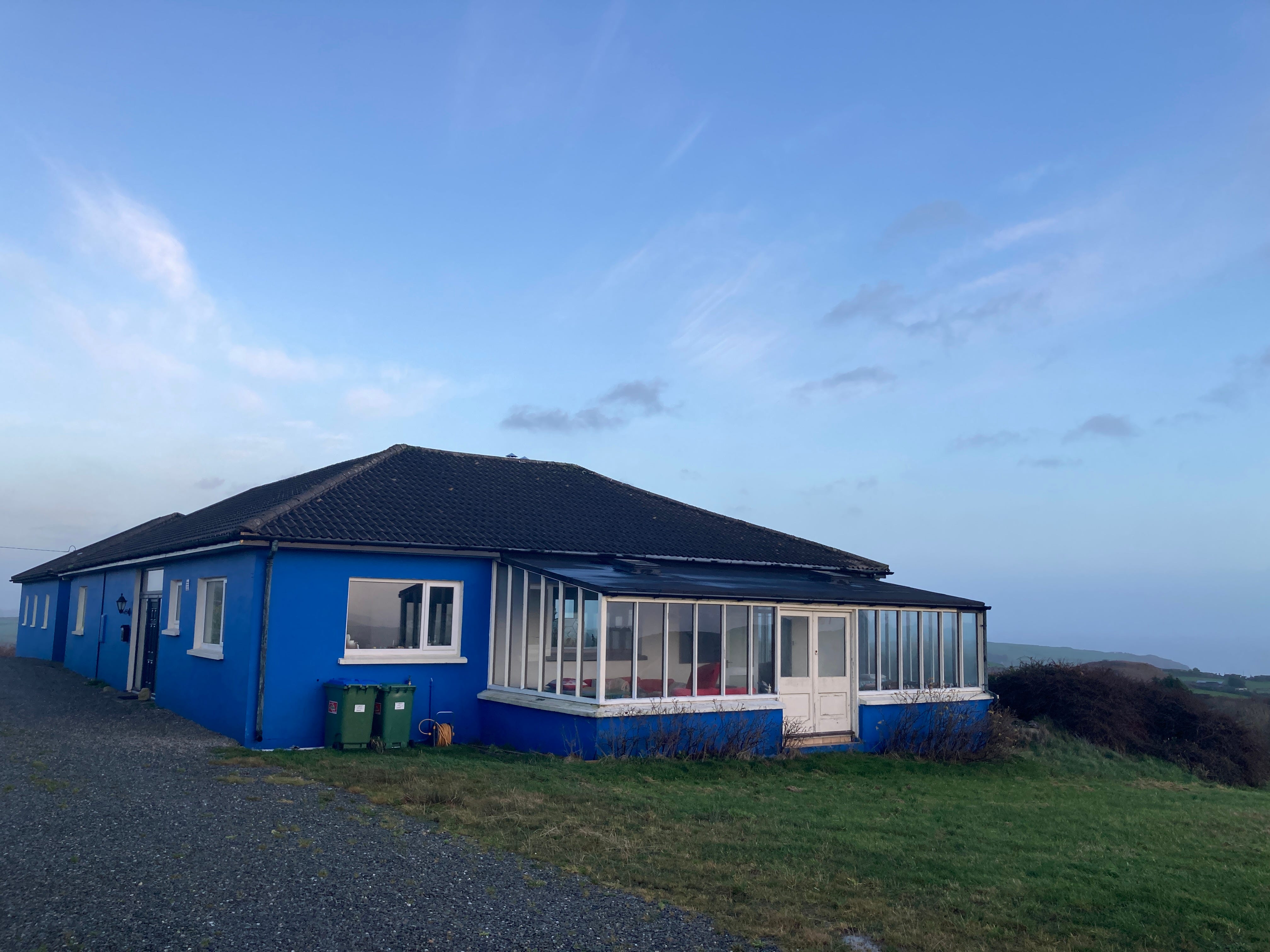
What I didn’t know was how Big Blue would fare as a winter dwelling. In West Cork there is a culture of wearing lots of layers and abiding the chill (the Irish are a hardy people!). Many homeowners refuse to turn on their heating systems until at least November, by which time average temps are down into the 40s and 50s. I held out as long as I could, wearing sweaters and fleeces and shivering my way in and out of the bath. But by late October, when I could see my breath in the mornings, I abandoned stoicism. It was time to fire up the gas boiler for something other than hot water and find out how efficient Big Blue’s central heating system (radiators in every room) is. Or isn’t.
Thanks for reading Sailing Into The Anthropocene! Subscribe for free to receive new posts and support my work.
The answer was…isn’t efficient. Like really inefficient. Even just heating the kitchen, dining room, and living room, and leaving the rest of the house (including the bedroom and bathroom I was using) unheated, consumed about 8 liters of propane a day. Before even colder weather set in. So subsistence (in contrast to comfort) heating for a month required at least 240 liters of propane, at a cost of about 300 Euros (or $350). That eye-opening gas cost naturally comes with a hefty carbon emission cost: 2-3 tons over the course of a winter (to put the carbon cost of flying in perspective that is the rough equivalent of just one round-trip transatlantic flight).
Those are crazy bad numbers, especially for an existence in which I would still be shivering whenever I left Big Blue’s warm(ish) heated zone. Happily, I had another option: Little Blue.
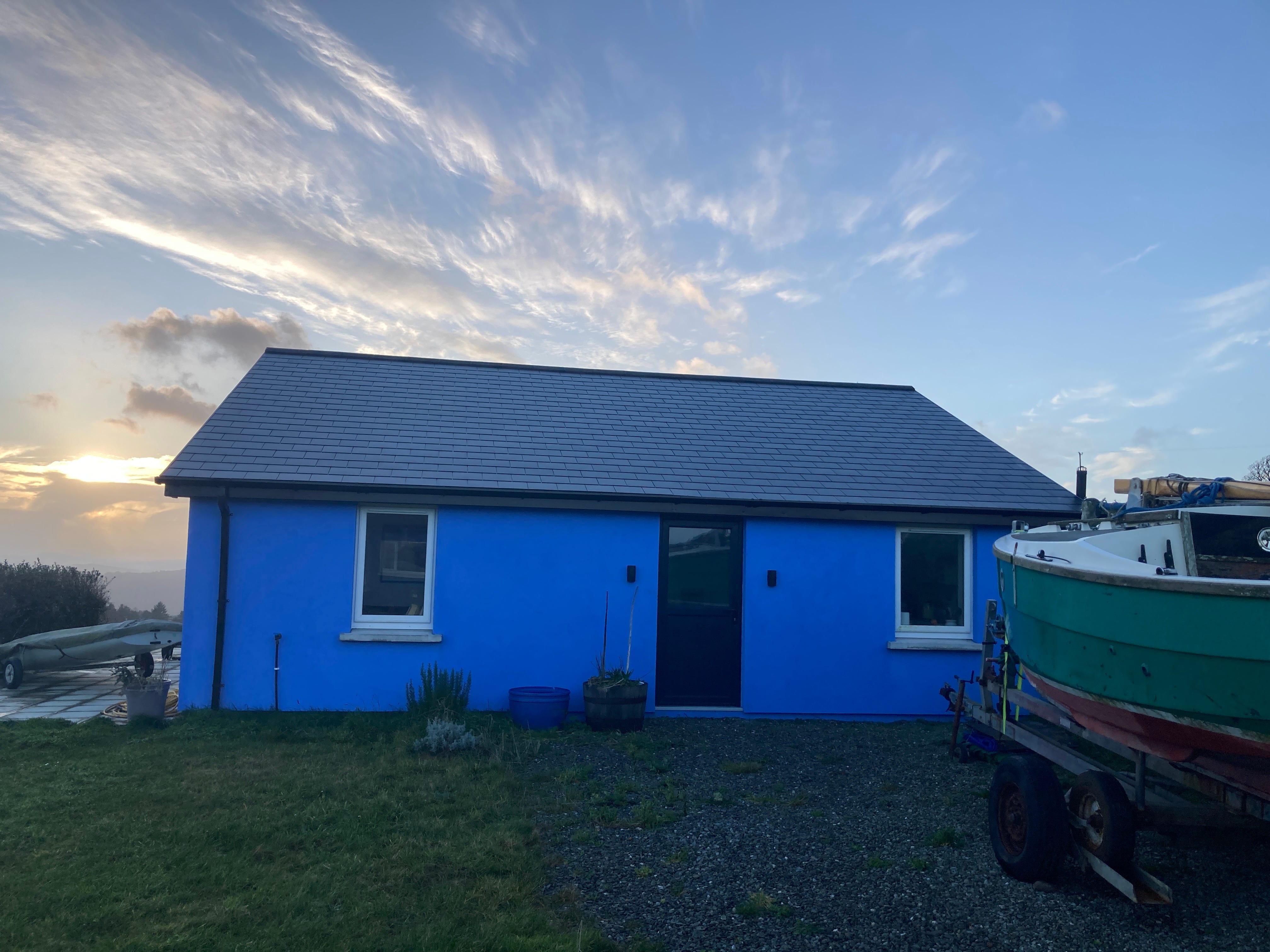
Little Blue is a separate garage that has long had two shabby bedrooms, and a spider-filled bathroom. It is the place where teenagers bunked so they can do teenager things without disturbing others. In recent years, thanks to the generous inspiration of our beloved Aunt Christine, Little Blue got a full makeover. It included a new roof, lots of insulation, underfloor heating, and a modern heat pump. The modernized result was so nice that it was ironically dubbed “The Chalet” by the sly American expat artist who painted the interior.
Little Blue is a “tiny house” relative to the expanses of Big Blue, with spaces and proportions that are more akin to, well, a…sailboat. The views are good, but not as spectacular. Apart from that, it is ideal as far as I am concerned. Over the course of a few days in early November, I shifted my homebody existence from Big to Little, and turned on the power, water, and heat pump. I went about normal life and waited for the numbers to come in. The results exceeded all expectation.
It took a few days for the heat pump, which circulates warm water and glycol through flexible pipes embedded in the concrete subfloor, to bring the space up to an adequate temperature. Once it did, though, Little Blue became cosy and comfortable throughout. Downsizing, as it almost always is, was an upgrade. The true revelation, though, has been the relative energy efficiency of Little Blue, and its all-electric systems, which include an induction stove.
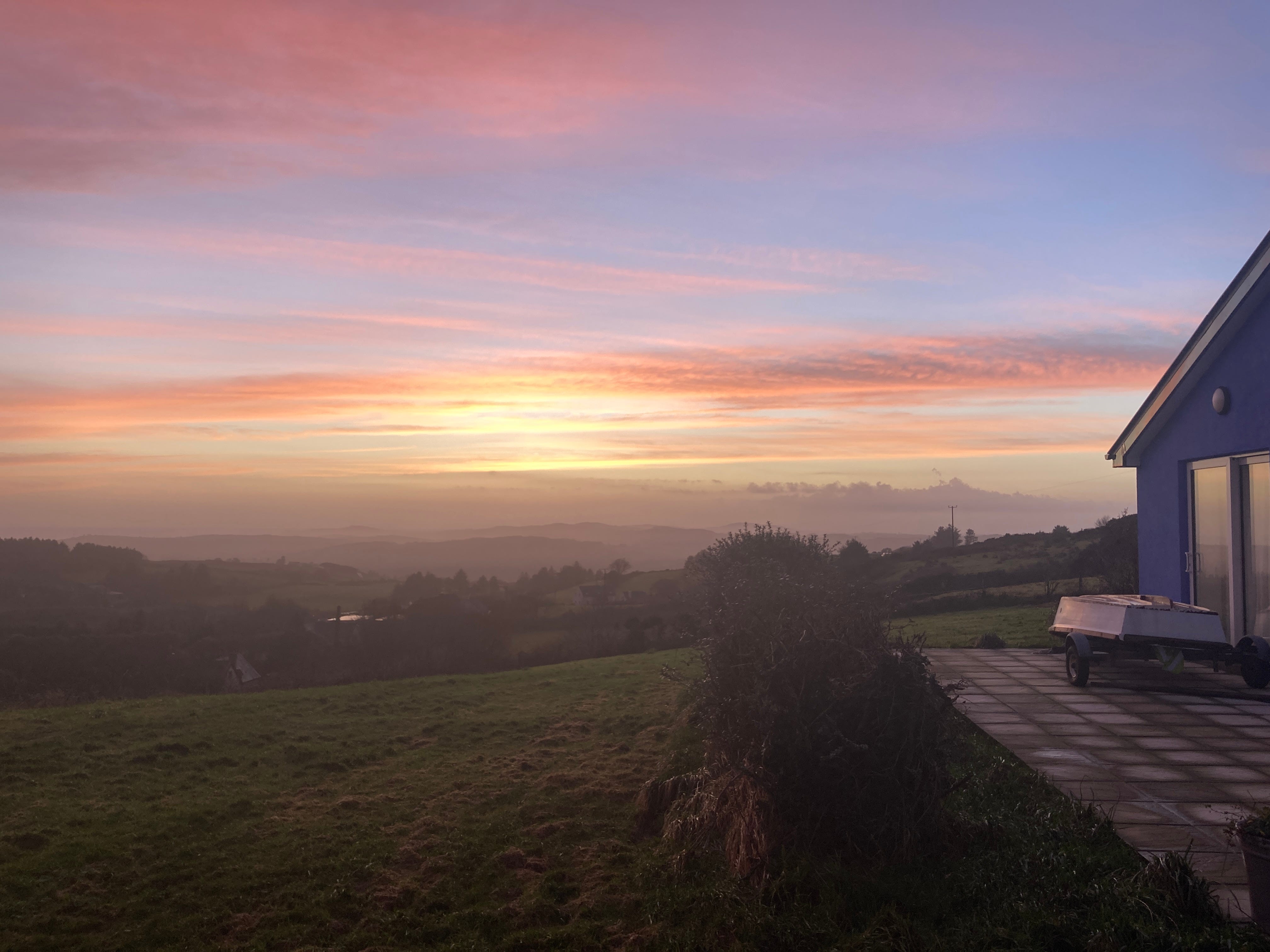
The heat pump and underfloor heating are not like a conventional central heating system, which reacts rapidly to changes in the thermostat. The thick concrete slab Little Blue sits on is a massive heat sink—a heat battery, really. Once it is at temperature the heat pump has to work very little to keep it there. So you don’t adjust the thermostat up or down from day to night, and try to manage the heat. You simply find a setting that results in a general temperature that suits you, and leave it. My setting is not t-shirt extravagant. I still wear a layer or two. But I am never shivering, and always comfortable, which is the true luxury.
After more than a month, I have a handle on the numbers. I expected better numbers, for sure, but I was surprised by how much better. Daily electricity consumption, which is the sum total of all my energy consumption because Little Blue living is all-electric, is about 9 kilowatt hours a day. That adds up to about 270 kWh per month (compared to the 1900 kWh of energy embedded in the monthly gas burn in Big Blue). The total cost of that 270 kWh? About 86 Euros, or less than one-third the cost of Big Blue gas.
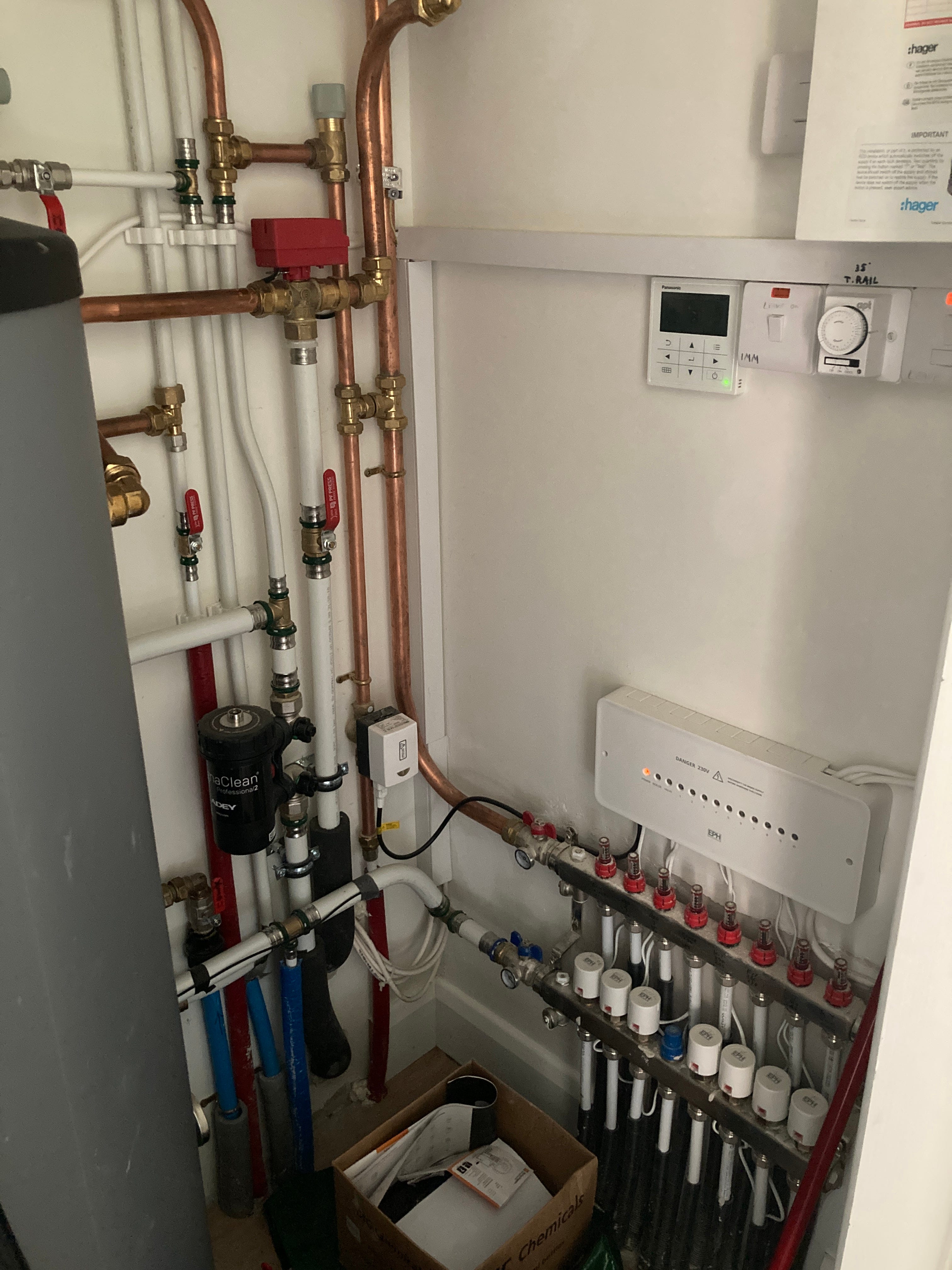
The carbon emissions reductions are even more dramatic. When you burn gas, you are burning carbon. It is a one-to-one equation. When you consume electricity, however, you are only burning SOME carbon. It is NOT a one-to-one equation because most national electrical grids now include renewable energy (mostly wind and solar). In fact, my Electric Ireland bill states that 58.77% of the electricity I use comes from renewable sources. That cuts the carbon emissions embedded in every unit of energy consumed by almost 60%, which is like magic (I am loving cooking on an induction stove, btw).
The net result? A month of comfy Little Blue living generates just 65 kilograms of carbon emissions. That is about one-sixth the monthly emissions of Big Blue gas heating alone (adding Big Blue electrical consumption would widen this gap even further). In short, crazy GOOD numbers. In fact, putting up just 10 400-watt solar panels would essentially make Little Blue net zero. Living in Little Blue is what is known as a no-brainer.
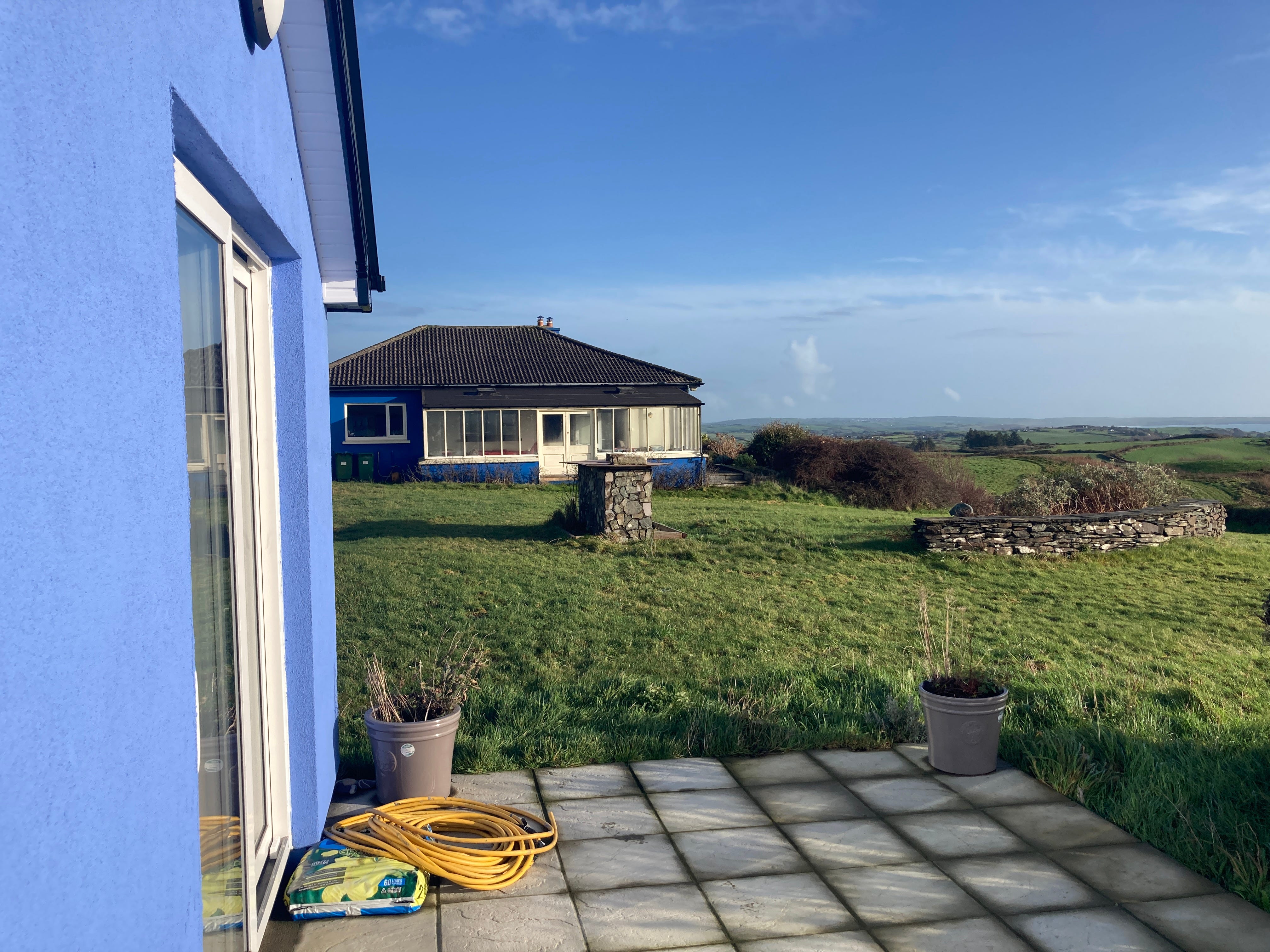
These days I look across at Big Blue with appreciation and nostalgia for all the great family experiences. But I also feel like I am looking into the past, at a climate-era anachronism. Big Blue can continue to be a happy dwelling, full of family and friends, whenever no heating is required. But in design and materials it is perfectly unsuited for energy-efficient, carbon emission-minimized, year-round living. You could spend a lot of money and reduce Big Blue’s energy profligacy. But you would never turn Big Blue into Little Blue.
The next time you hear someone say “Electrify Everything,” believe them. It really is a shockingly powerful, accessible solution, and there are lots of ways to start electrifying any life (the next time you need to replace your car, moving to an EV is the simplest). As always, the big question—which directly determines how much damage we do to the planet—is how quickly we can get there. The faster we can all find our own Little Blues the better the future will be.
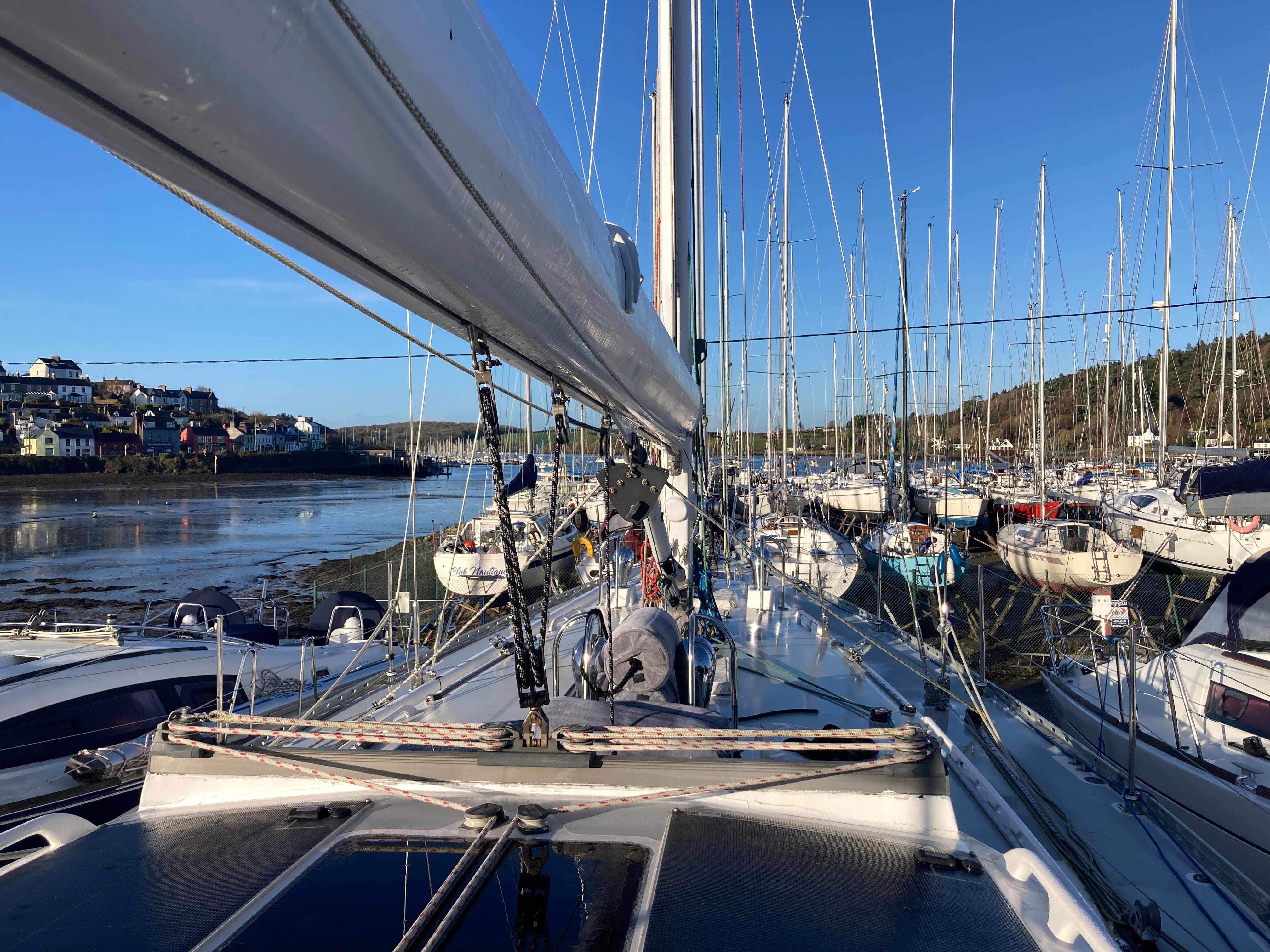
Next week, back to Laughing Gull (who is hanging in there) with a tale of a near-tragedy (and lessons learned).
Anthropocene Notes:
Since this was a long newsletter, I’ll just leave you with this newly released trailer to an upcoming horror film (though it looks unintentionally comical) called: Killer Whale. It does not look…good.
If you liked this post from Sailing Into The Anthropocene, why not subscribe here (free!), and/or hit the share button below? You can also find me on Instagram and BlueSky. (You can find me, but I have discovered life is better without social media).
Comments
Nothing yet. Say the first thing.
Sign in to join the conversation.