
I recently read an article by Timothy Coleman on TechRadar about Insta360’s vision for the future of photography. I found it interesting but also disturbing.
Insta360 founder and CEO Liu Jingkang described a future “intelligent photography robot” that could automatically compose pictures and capture moments like a professional photographer. The idea is that you would no longer need to watch a screen or operate the camera. You could enjoy the experience while the camera handled the photography.
He went even further. His long-term goal is for cameras to become almost “imperceptible,” with recording becoming a natural part of everyday life.
At first, that may sound appealing.
We have all seen parents recording an entire school concert on their phones. They are technically in the room, but they experience the event on a six-inch screen. I have done similar things myself. Sometimes we become so concerned with photographing an experience that we fail to experience it.
An automated camera could solve that problem. It could follow the action, identify important moments, compose the shot, and record everything while you remained present.
But I think it creates a much larger problem.
What happens to photography when we remove the photographer?
A camera can learn the rule of thirds. It can identify faces, smiles, movement, bright colors, and dramatic lighting. It can analyze millions of successful photographs and predict which compositions people are likely to like.
That does not mean it understands why a photograph should be made.
When I walk around with a camera, I am not simply searching for something visually pleasing. I am responding to what I see. Something catches my attention because of my experiences, interests and beliefs. Another photographer could stand in the same place and notice something entirely different.
That difference is the photographer.
Photography is not merely pressing the shutter button after finding an acceptable composition. It involves deciding where to stand, when to wait, what to include, and what to leave outside the frame. It also involves deciding when not to take a photograph.
A robot may eventually perform some of those tasks better than we can. It may react faster. It may never miss focus. It may produce thousands of technically perfect pictures from an afternoon at the park.
But whose photographs are they?
You did not notice the moment. You did not select it. You may not have even seen it happen. The machine made the decisions and handed you the results afterward.
Perhaps they would be better described as pictures of your life rather than photographs you took.
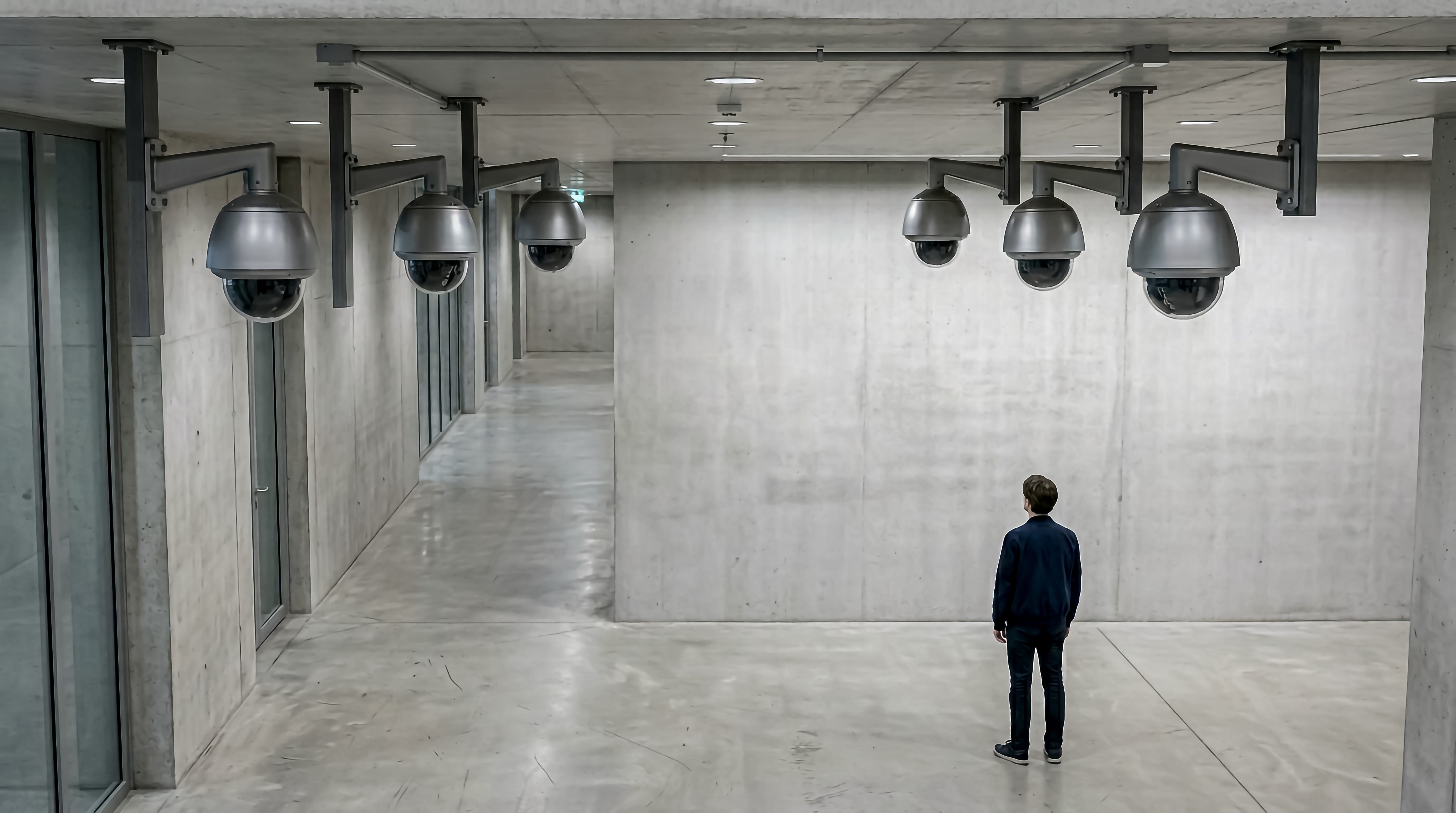
The privacy issue may be even more troubling. TechRadar raised this concern when discussing Insta360’s idea of cameras becoming nearly invisible. We are already surrounded by cameras, but we can usually see when someone points one at us. An automated camera that blends into clothing, glasses, or the environment removes even that small bit of awareness.
Do we want every dinner, conversation, argument, and private moment recorded by cameras we cannot see? We could end up living a real-life Black Mirror episode.
There is also the question of consent. A human photographer can be confronted and asked to stop. A photographer can recognize when someone is uncomfortable. A machine designed to record continuously may treat every human interaction as potential content.
I do not think Insta360 is announcing the end of photography. This is a company describing a possible future, not introducing a finished product that will replace photographers tomorrow.
Still, the idea suggests where camera technology may be heading.
The goal is no longer simply to make photography easier. The goal may be to remove the act of photographing altogether. The camera sees, chooses, records, and edits while the person becomes little more than the subject.
Some people will welcome that. They want memories without having to think about exposure, composition, or timing. There is nothing wrong with wanting family pictures without spending the entire day operating a camera.
But that is not the same thing as photography.
To me, photography begins when you notice something. You decide it matters, and then you try to make a picture that reflects what you saw or felt. The process can be frustrating. You miss moments. You make bad choices. You sometimes return home with nothing worthwhile.
That struggle is part of the reason the successful photographs mean something.
A robot might save us from missing the picture. It may also save us from the experience of making one.
Check out that Tech Radar article HERE and let me know what you think.
My Website: https://www.anthonymorganti.com/
My YouTube Channel: https://www.youtube.com/@anthonymorganti
No posts
Comments
Nothing yet. Say the first thing.
Sign in to join the conversation.