
Over the last week or so, I’ve read a number of thoughtful articles about Dry January, alcohol consumption, and how attitudes to drinking seem to be changing, particularly around health, moderation, and intention.
Much of that writing is measured, well-argued, and worth engaging with. It’s clear that for many people, alcohol is no longer an unexamined default, but something they’re actively thinking about, when, how, and why it fits into their lives.
This short series of articles during “Dry January”is our response to that wider conversation. Not to argue with it, and certainly not to dismiss it but to explain how Sense Experiences wine tours have always been designed, and why they sit comfortably within this changing landscape.
For context, here are four recent pieces that helped frame my thinking around this topic. I don’t agree with every point in each of them, but they reflect the wider conversation that’s happening right now and are worth reading in full:
Jancis Robinson advises that because most de-alcoholised wines disappoint, drinkers should explore genuinely enjoyable non-alcoholic beverages and lighter-alcohol wines to reduce consumption.
Andrew Haupt argues that Dry January is a branded social campaign, not just a personal health choice, and questions engaging with it as a movement rather than choosing moderation independently.
Is Alcohol the New Tobacco? Colette Zepponi explores how alcohol is increasingly being questioned in public discourse, but argues this shift is about greater awareness and intentional drinking, not treating wine like cigarettes or pushing prohibition.
Tom Wark argues that Dry January is more a cultural gesture than a meaningful reset, suggesting that mindful moderation year-round is healthier and more honest than a one-month abstinence challenge.
Against that backdrop, it’s probably worth being clear about one thing from the outset.
Sense Experiences wine tours were never designed solely around alcohol consumption.
Obviously, wine has always been a fundamental but it has never been the whole point.
From the beginning, our tours have been built around three core things: place, people and time. Wine sits naturally within that framework, but it doesn’t totally dominate it.
Place means landscapes, villages, and rural regions, understanding where you are and why it looks the way it does.
People means the growers, winemakers, cooks, artisans and locals, conversations rather than cooperate presentations.
Time means slowing things down, not rushing tastings, not packing itineraries, and leaving space for things to unfold. Shared meals, local cooking, and the rhythm of eating together.
When you build experiences this way, wine becomes more than the main attraction, it becomes part of a wider cultural fabric.
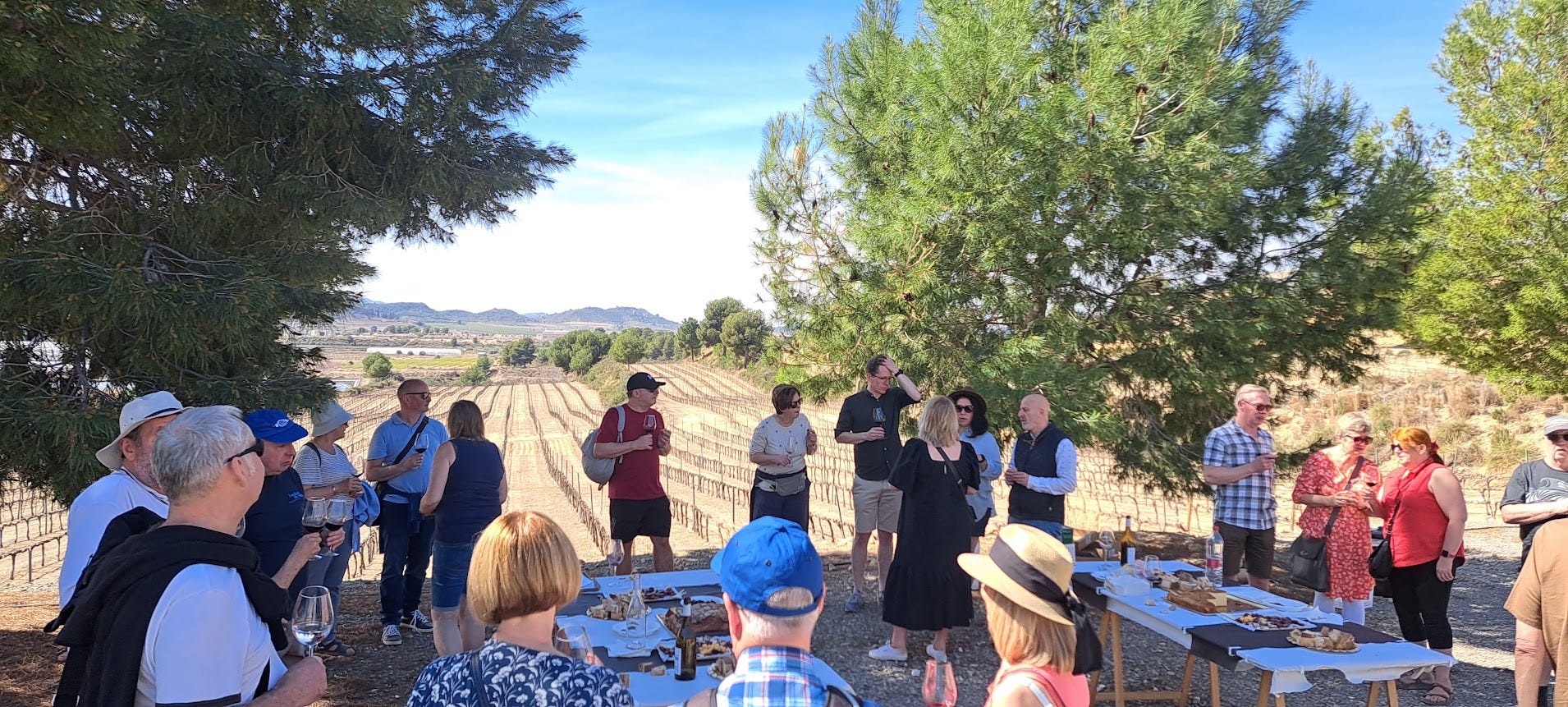
That structure also shapes the kind of wineries we work with.
Once consumption stops being the goal, how wine is made starts to matter much more.
The wineries we visit are small, family-run places where wine begins in the vineyard, not a factory. Grapes are grown, harvested, and made by people who live with the land year-round. These are operations limited by choice, not by lack of ambition, places where scale is human, not industrial. This isn’t about ideology or labels. It’s simply about reality. When you see vineyards up close, talk to the people farming them, and understand the decisions involved, wine stops feeling like a generic product and starts to resemble what it actually is: agricultural work shaped by place, weather, and people.
One thing I’ve noticed is that when wine is experienced in its natural setting or with food, conversation, and time, it’s rarely approached like a drinking session.
People take their time. They ask questions. They focus on what they’re eating, who they’re with, and where they are. Tasting becomes part of a wider experience, it’s completely normal for someone to taste slowly. It’s normal for the most memorable part of the day to be a meal, a landscape, or a conversation, not the glass itself. It’s simply what tends to happen when wine is put back into a broader human context.
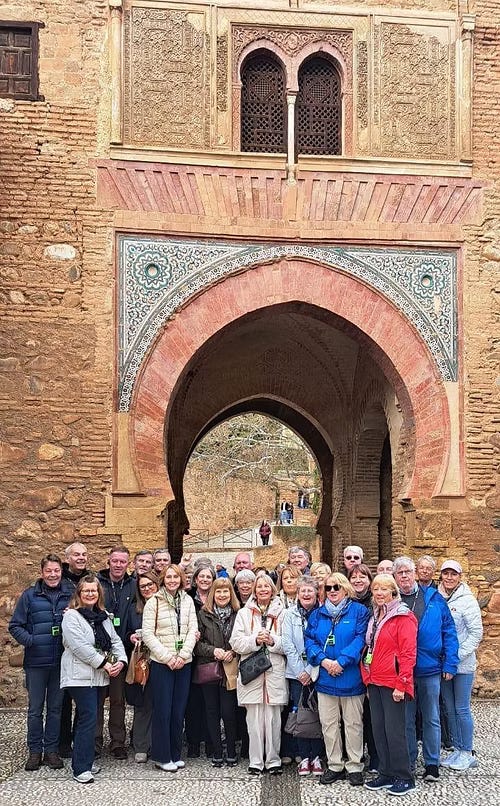
This article is the first in a short January series exploring these ideas in more detail — prompted by the current conversation around alcohol, but grounded in how Sense Experiences has always operated.
Over the coming weeks of dry January, I’ll look at:
· why not all wine is made in the same way
· why we prioritise people over brands
· why wine belongs at the table, not at the centre of attention
· and why choice — including the choice not to drink — is part of a meaningful experience
For now, one sentence probably says enough:
We don’t organise trips around alcohol consumption, we organise them around places, people, and how things are made
.If you’re considering a wine tour in 2026, we’d love to show you what this approach looks in practice. www.senseexperiences.net
No posts
Comments
Nothing yet. Say the first thing.
Sign in to join the conversation.