
This is the second piece in a short January series, written at a time when many people are deliberately not drinking wine at all.
Dry January, whether you follow it strictly or loosely, creates a pause. Fewer bottles opened. Fewer automatic choices. A little more distance between habit and intention. That pause can often be when curiosity has space to creep back in.
If January is the month when wine steps away from the table, it’s also a good moment to understand how it’s actually made.
Not in slogans or movements, but in the quiet, practical sense of what happens in vineyards and cellars, and why some wines feel different when they eventually return to the glass.
Because not all wine is made in the same way.

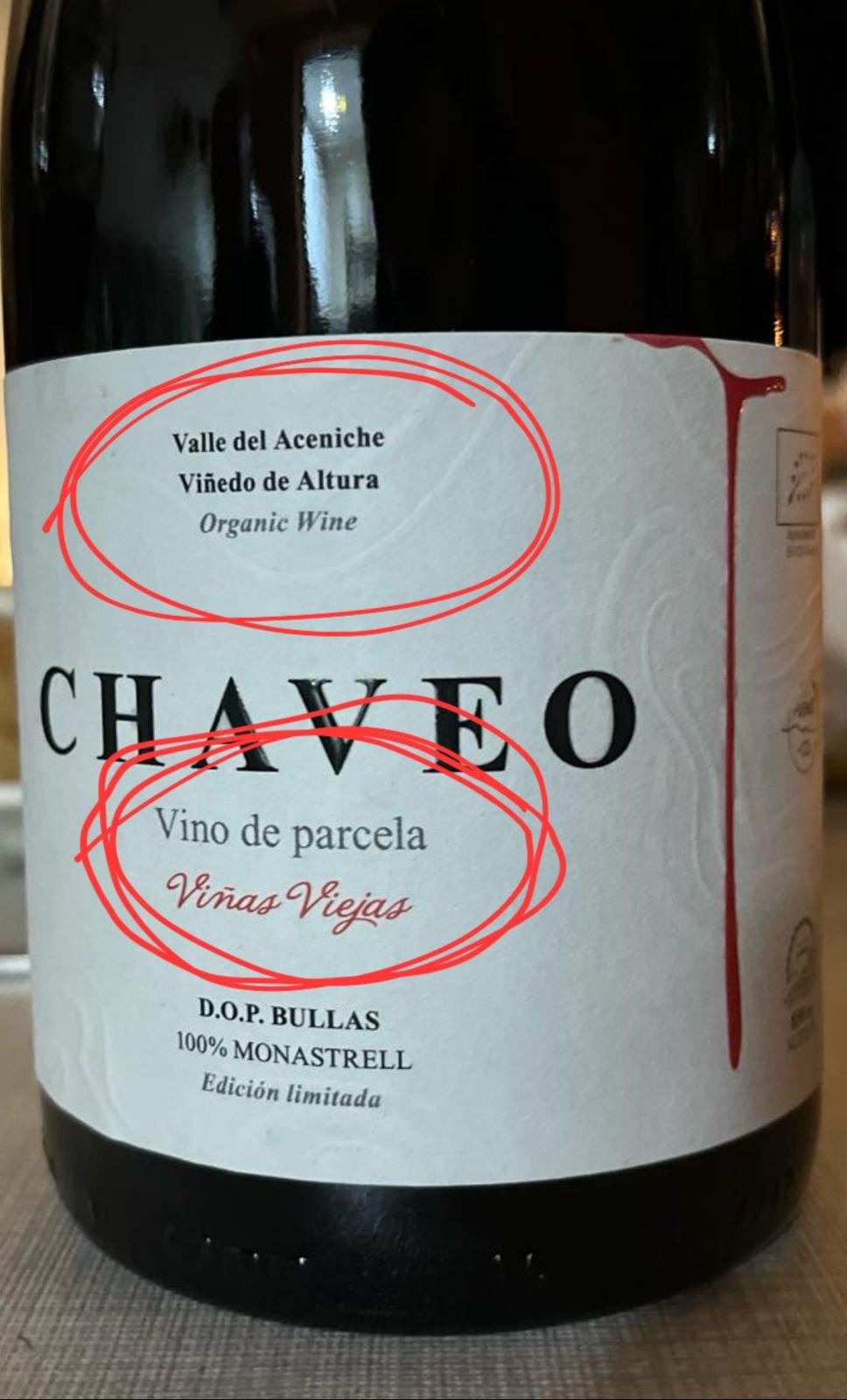
The phrase old vines appears everywhere now, on labels, on wine lists, in conversations where it’s often treated as shorthand for quality. In reality, it’s neither a guarantee nor a miracle.
What old vines tend to offer is stability. Their roots sit deeper, their yields are usually lower, and they respond more calmly to heat, drought and stress. In a warming climate, that matters. The wines they produce can feel more settled, less hurried but only if the farming makes sense and the fruit is handled with care.
Old vines don’t make great wine by themselves. They simply make it easier not to rush.
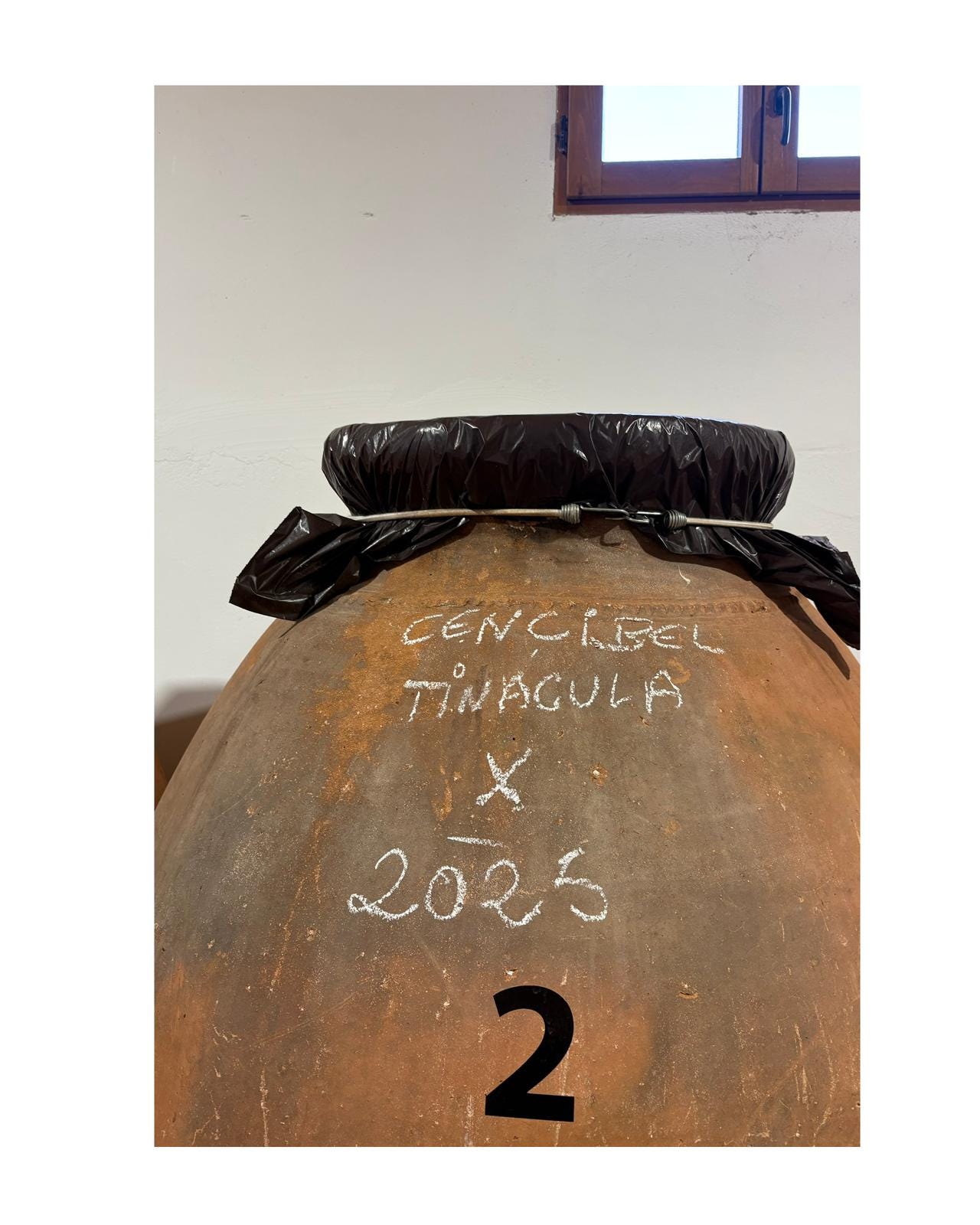
Clay vessels, amphorae, tinajas, call them what you will, are often framed as a return to something ancient, which is true enough. However, in most working cellars they’re sometimes less about romance and more about behaviour.
Clay breathes. It allows oxygen to pass slowly through its walls without adding flavour, unlike oak. That gentle exchange can soften a wine, help it settle, and encourage texture without make-up. It’s not inherently better than stainless steel or barrels; it’s just different.
For some wines, particularly those made from balanced fruit, tinajas allow things to happen slowly and quietly. For others, they make no sense at all. Like most winemaking decisions, they work best when they make sense in the cellar first and the story follows.
Few phrases are as misunderstood as low intervention. It’s often taken to mean absence of technique, of control, of intent when in practice it usually means the opposite.
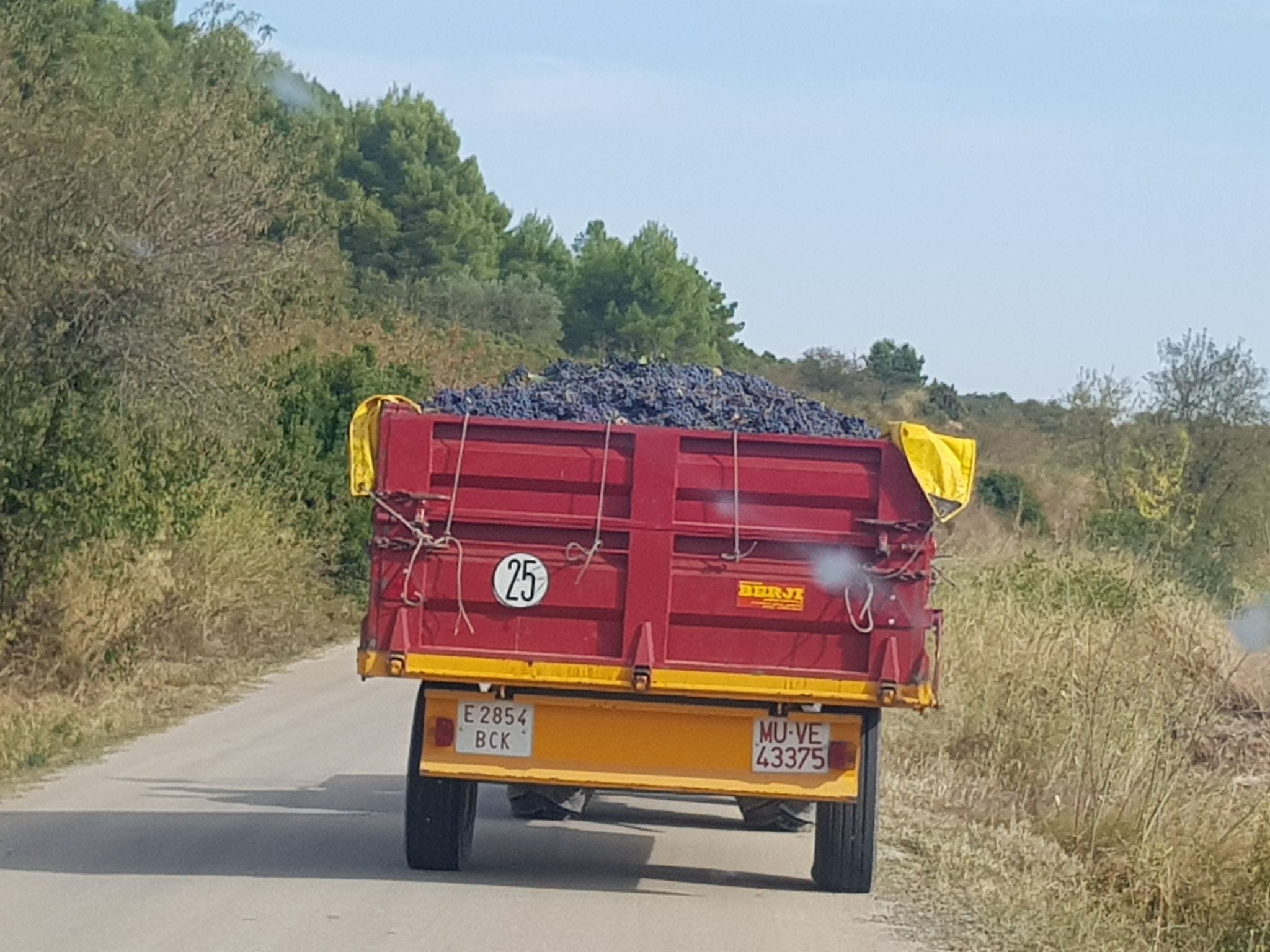
Wines made with fewer interventions rely more heavily on decisions taken earlier: in the vineyard, at harvest, in timing, in the choice of vessel. If you don’t plan to correct things later, you have to get more right at the start.
This doesn’t make such wines purer or more virtuous. It simply makes them more exposed. When they work, they can feel transparent and alive. When they don’t, the flaws are equally visible.
Low intervention isn’t really an ideology. Perhaps it’s a willingness to accept fewer safety nets.
No January conversation about wine is complete without sulphites making an appearance, usually framed as the thing people want to avoid when they start drinking again.
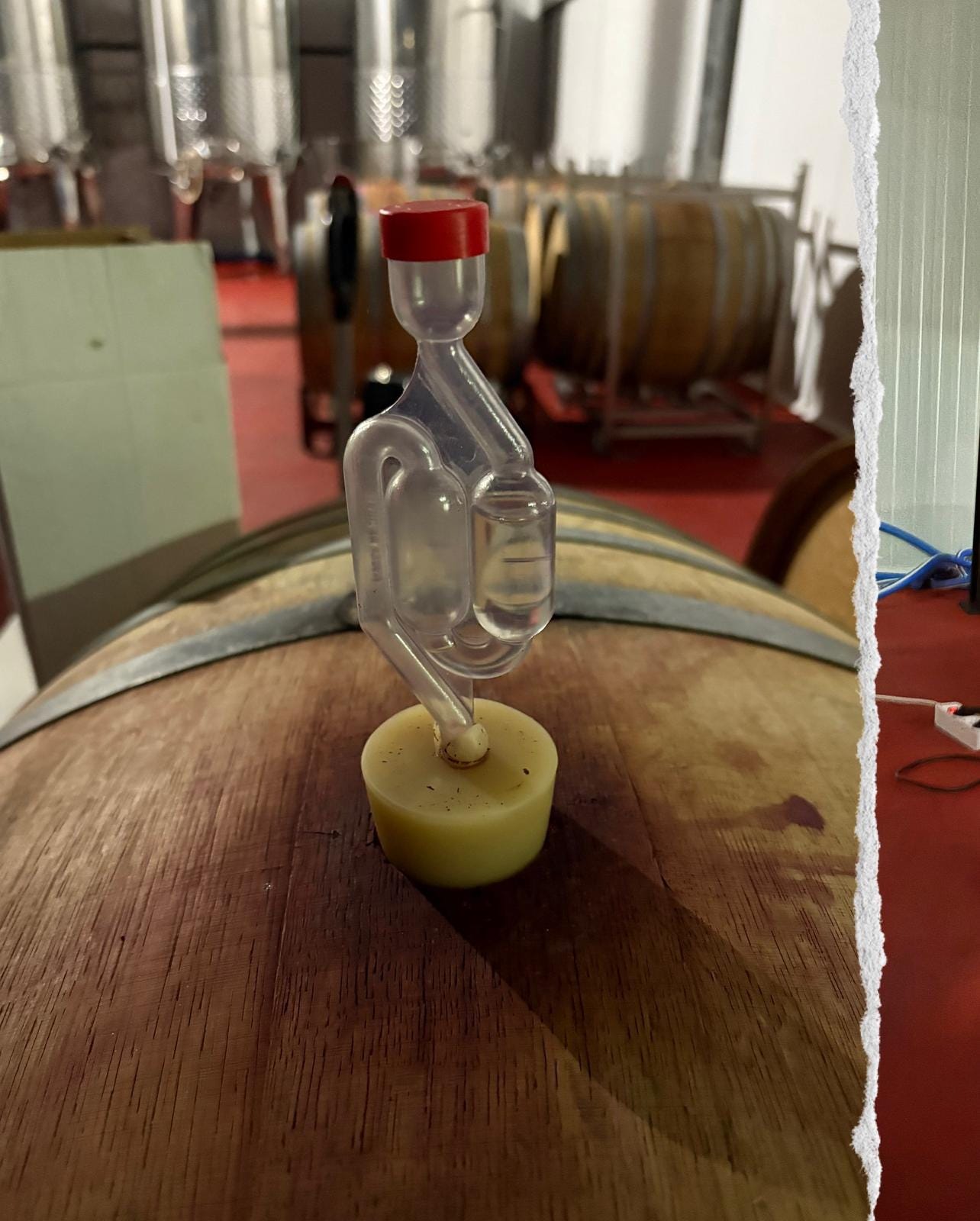
In reality, sulphur dioxide is one of the oldest and most widely used tools in winemaking. It protects wine from oxidation and microbial spoilage, particularly during transport and bottling. Used well, it stabilises rather than dominates.
The problem isn’t sulphites themselves; it’s the lack of context around them. Like salt in cooking or brakes in a car, they can be used lightly, heavily, or badly. Their presence alone tells you nothing. How and why, they’re used tells you much more.
Understanding that distinction makes it easier to move past fear and towards choice.
January doesn’t need a manifesto, and wine doesn’t need defending. But a pause from drinking can be a useful moment to understand the processes behind the bottle, not so you drink more or less, but so you drink with a little more awareness when you do.
Everything mentioned here, old vines, tinajas, thoughtful farming, practical cellar decisions is best understood not through theory, but by standing in vineyards, walking through cellars, and talking to the people who make these choices every year.
And while January might be a month for pressing pause on drinking, it’s also a very good month for planning. Planning travel, planning visits, planning the kinds of wine experiences you actually want to have when the year opens up again.
When the bottle eventually comes back to the table, it helps to know how it got there and when the chance comes to travel, it helps to have chosen where and why wisely.
No posts
Comments
Nothing yet. Say the first thing.
Sign in to join the conversation.