
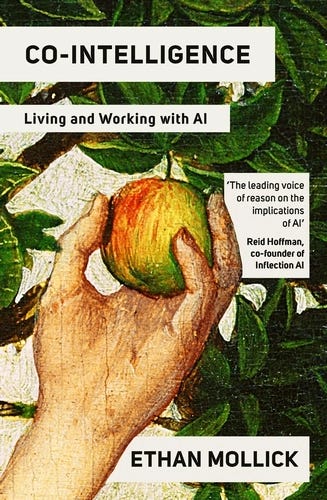
I bought Co-Intelligence: Living and Working with AI by Ethan Mollick as my Christmas reading, the sort of book I assumed I’d dip into between meals and half-watched films. Instead, it’s turned into something of a page-turner, and I suspect I’ll have it finished before Santa makes an appearance.
Mollick makes a simple but quietly disarming point: AI isn’t a mind like ours. It doesn’t think or feel, but used properly, it can extend what people are capable of in useful and sometimes surprising ways.
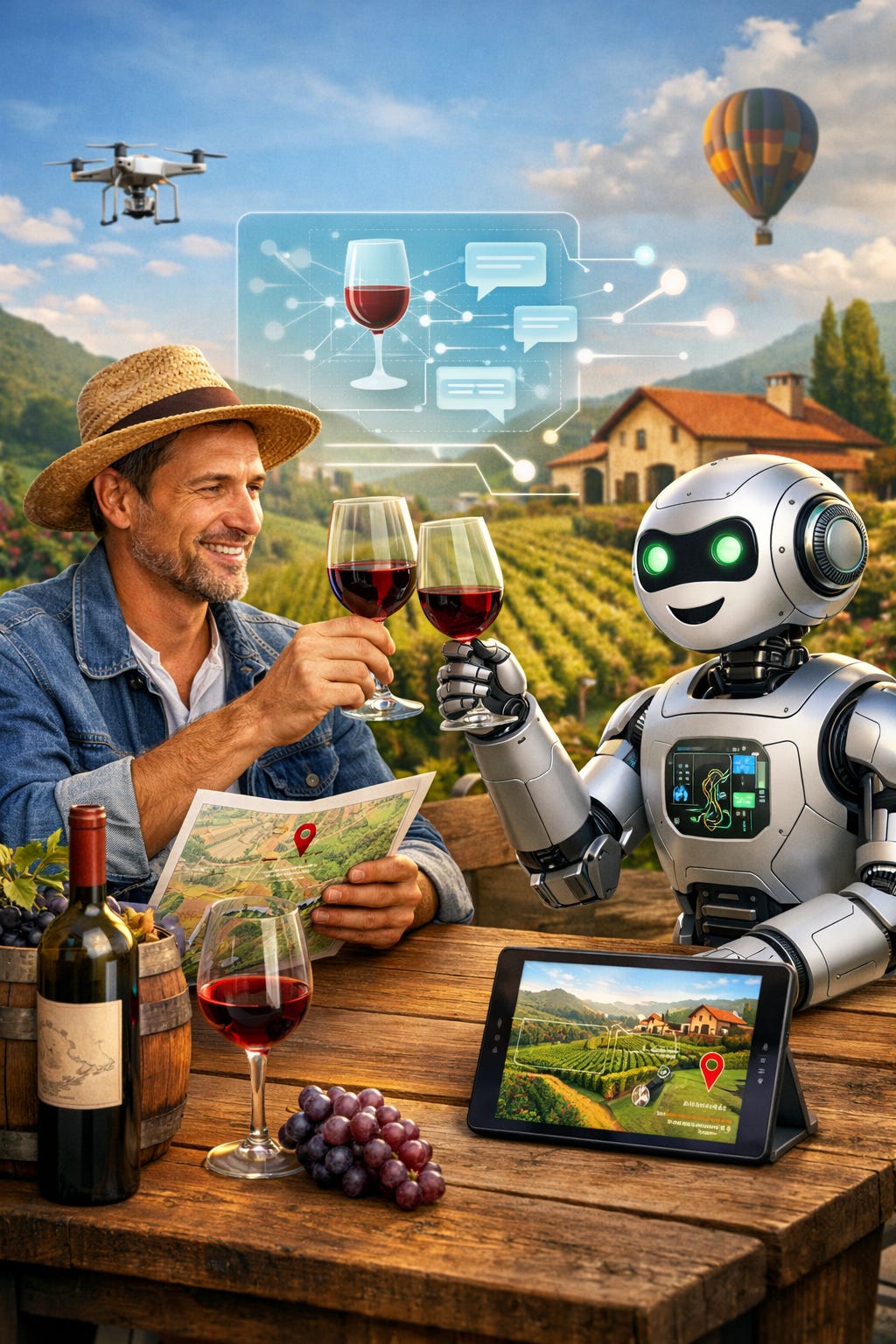
Which got me thinking, not about AI in the abstract, but about how it plays out in wine.
Wine, after all, has never been as mysterious as we sometimes like to pretend. Behind the romance there has always been measurement, repetition and comparison. Temperature, yields, timing, record-keeping. Today, artificial intelligence is simply another layer in that long story.
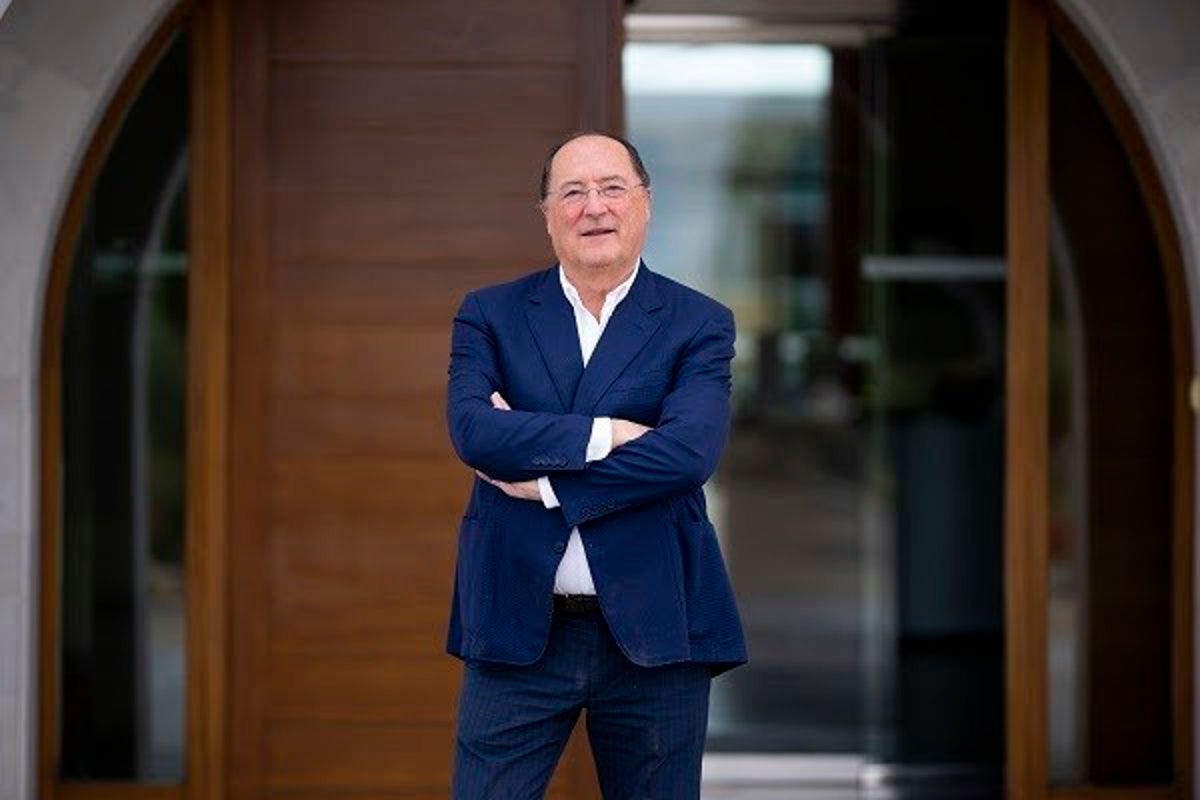
In vineyards and wineries, AI is already doing fairly uncontroversial things: monitoring vines, analysing data, supporting decisions that were once made purely by eye and experience. Carlos Moro, an agronomist by training and the founder of Matarromera — one of Spain’s best-known quality-focused wine groups, put it neatly when he said that “technology does not replace the expert; it enhances them.” Moro has built his reputation on combining technical rigour with respect for place, so when asked whether artificial intelligence could help make better wine, his answer was simple: yes.
None of this feels particularly radical. AI doesn’t taste. It doesn’t decide. It assists.
But wine is not only made in vineyards; it is experienced in places and that’s where the conversation starts to get more interesting.
Recently, a local newspaper in La Manchuela carried a headline that caught my eye. A wine route in the region, an area I know well and work in, had launched what it claimed was a first: an AI-powered virtual assistant designed to guide visitors through wineries, villages, restaurants and accommodation, all via WhatsApp.
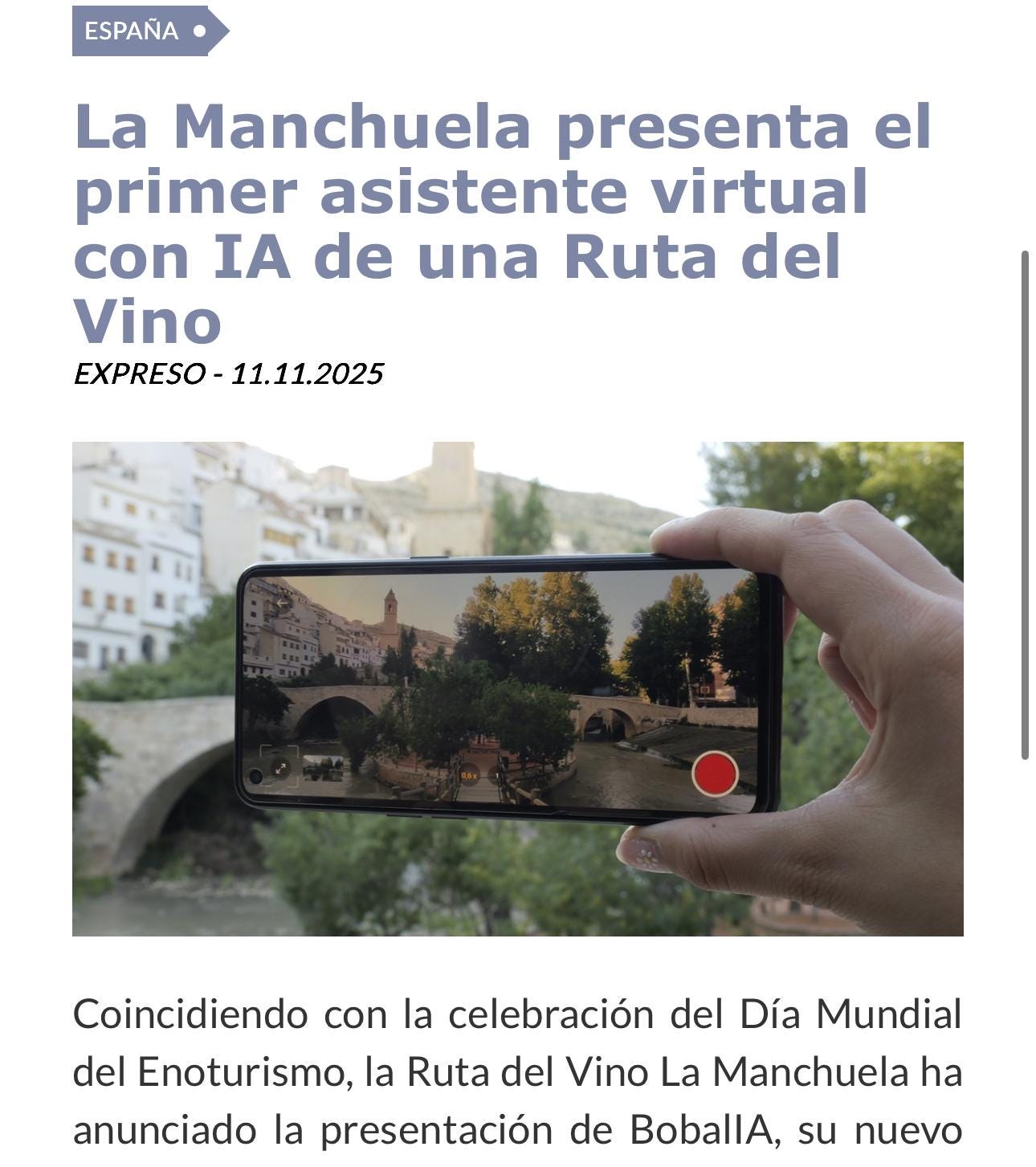
Its name is Bobalia, a nod to the local Bobal grape as much as to modern tools, and it behaves a little like a digital local: always available, never tired, unfazed by basic questions.
Scan a QR code and you can ask where to eat, which bodega to visit, what’s happening today in a nearby village, or how to get from one place to another. No app to download. No tourist office opening hours. Just conversation.
In practical terms, it makes a great deal of sense. Tools like this remove friction. They answer the repetitive questions. They help small, rural regions explain themselves clearly and consistently. Done well, they free up time and attention, the time to host properly, and the attention hospitality depends on.
But is wine tourism really about information? Isn’t it about belonging?
A chatbot can recommend a winery. It can’t tell you which grower might still be in the vineyard at dusk and might open one more bottle if you ask nicely. It can suggest a restaurant. It can’t sense when a table is in the mood to linger, or when the owner’s mother is cooking that day.
As Alder Yarrow, a US-based wine writer and founder of Vinography, one of the earliest independent wine publications online, has observed, tools like ChatGPT can process facts and theory, but they will never walk a vineyard, interview a grower, or ask the questions that give wine meaning. The same applies to tourism. AI can organise, recommend and optimise. It cannot read a room.
What has changed, perhaps permanently, is how people discover places. Increasingly, travel planning is no longer a search but a conversation. “Where should I go for a quiet wine weekend?” is now asked of machines as often as maps.
If your region, your winery, your story doesn’t exist clearly in that conversational space, it risks becoming invisible, not because it lacks character, but because the algorithm cannot see it. So, the challenge for wine tourism isn’t whether to adopt AI, but how.
Used well, it becomes the quiet background: handling logistics, answering basic questions, nudging visitors towards local businesses they might otherwise miss, and creating space for the human moments that matter most. Used badly, it becomes another layer of abstraction, one more step between the traveller and the place.
Let the algorithms handle availability, directions and FAQs. Let them do the boring bits, efficiently and politely. Let people do what they’ve always done best: host, pour, talk, argue, laugh, and open one more bottle than planned.
Because no matter how intelligent our tools become, no algorithm has yet learned how to read a table, or know when it’s time to stay a little longer.
References:
Co‑Intelligence: Living and Working with AI, Ethan Mollick.
Carlos Moro — comments on technology and winemaking, Bodegas Familiares Matarromera.
Sense Experiences works with small wine regions and producers across Spain, creating wine journeys built around place, relationships and time spent well. More at senseexperiences.net.
No posts
Comments
Nothing yet. Say the first thing.
Sign in to join the conversation.