
Beyond the Buzzwords
I’ve just been finishing off our 2026 brochure.
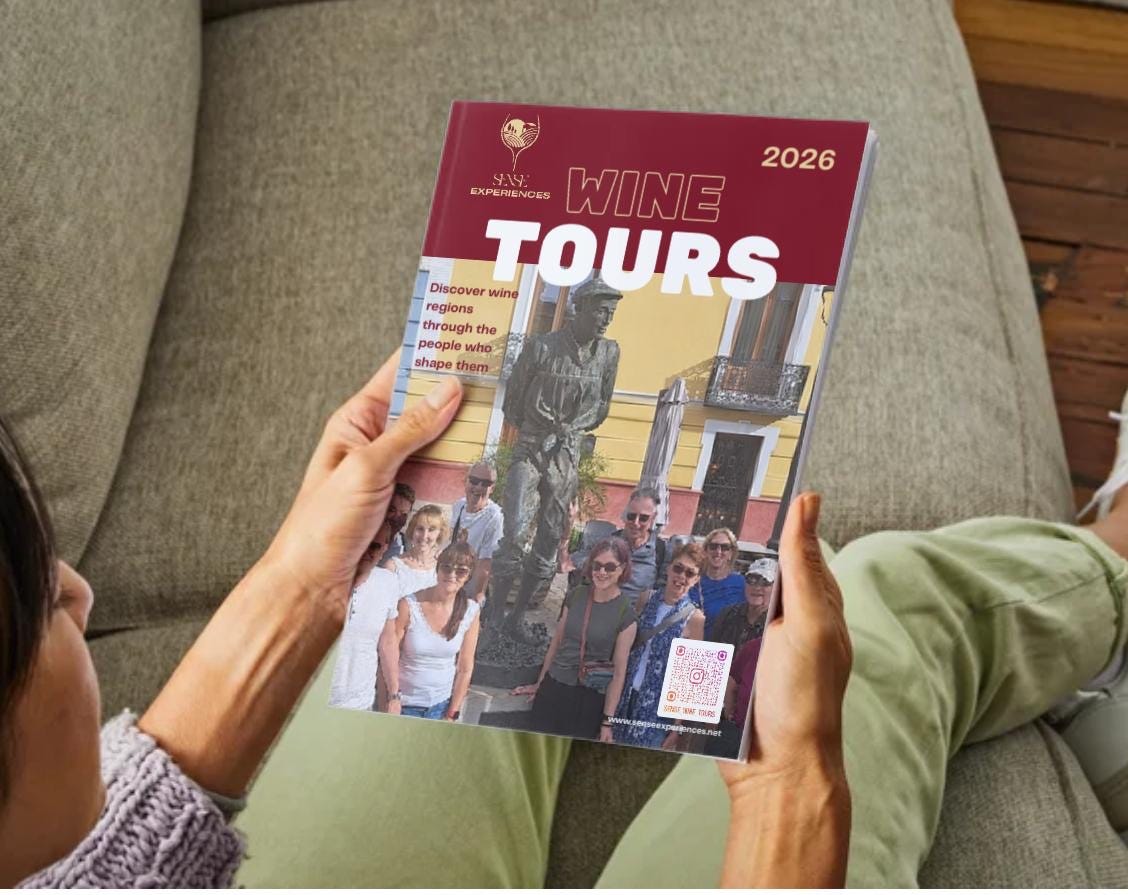
It’s that time of year, Christmas approaching, calendars filling up, and most people maybe not really thinking about travel just yet. Nevertheless, experience tells me that once the festive season is out of the way, minds quickly turn to holidays, trips, and plans for the year ahead.
As I’ve been working through the brochure, I’ve found myself thinking more deeply about a phrase that’s appearing more and more in the travel world: meaningful tourism. It’s a term that sits alongside others we hear constantly, sustainable, responsible, regenerative. All well intentioned, all increasingly loaded.
So, what does meaningful actually mean?
How is it different from a good idea wrapped in the latest buzzwords?
When tourism becomes a framework
If you look up definitions of meaningful tourism, you’ll quickly encounter a familiar landscape: KPIs, impact metrics, reporting frameworks, audits and benchmarks. There are checklists to follow and boxes to tick. None of this is wrong in principle, in fact, much of it exists for good reasons.
Wanting to understand this better, I recently enrolled on a Meaningful Tourism course through Udemy Business. The course is thoughtful, well-structured and clearly designed to help tourism operators reflect more carefully on their impact, and I fully intend to finish it.
But as I worked through the material, something became clear fairly quickly. Much of what the course was describing, working with local SMEs, building long-term relationships, keeping value in the local economy, avoiding unnecessary scale, were things we were already doing instinctively, without labelling them or formally reporting on them.
For small, independent operators working closely with real people in real places, this kind of paperwork-heavy approach can sometimes feel slightly detached from day-to-day reality. The impact we see doesn’t always show up neatly in spreadsheets. It shows up instead in conversations, repeat visits, trust built over time, and a sense of continuity.
That realisation led to a slightly different way of thinking about “meaningful tourism”.
We didn’t set out to be “meaningful”
We didn’t decide one day to become a “meaningful tourism company”. There was no strategy session, no manifesto, no branding exercise. What we did was start working in the only way that made sense to us, slowly, locally, and through relationships.
Only later, after reading definitions and frameworks more closely, did it become clear that we already tick most of the boxes, not because we were trying to, but because this is how our work naturally evolved.
What it looks like on the ground
For us, meaningful tourism starts with the people we work with.
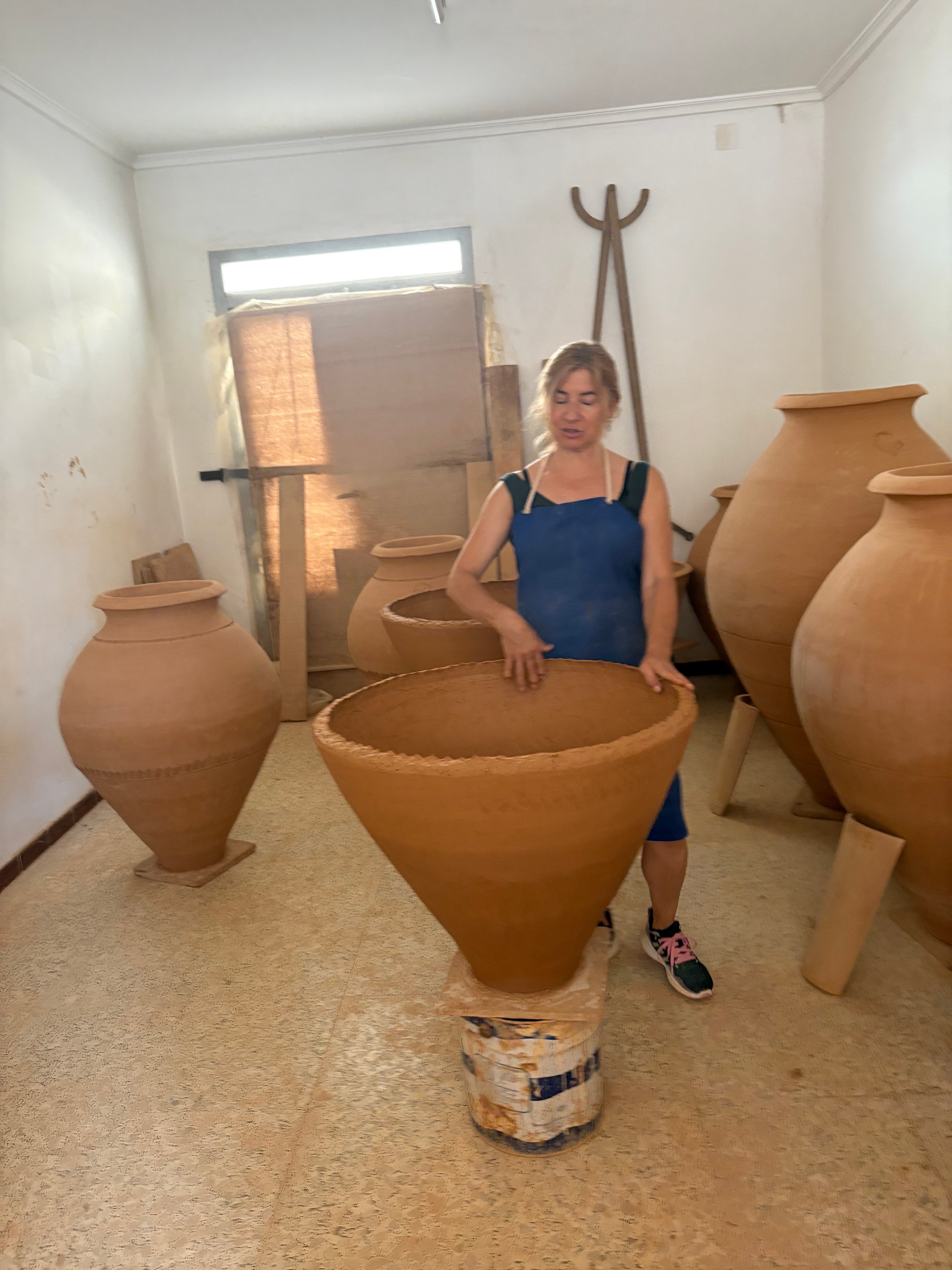
In Villarrobledo, we spend time with tinaja makers whose workshops have been passed down through generations. These are not demonstrations staged for visitors, but working spaces where clay, fire and patience are still central to daily life. The knowledge isn’t written down; it’s learned by watching, repeating, and being corrected.
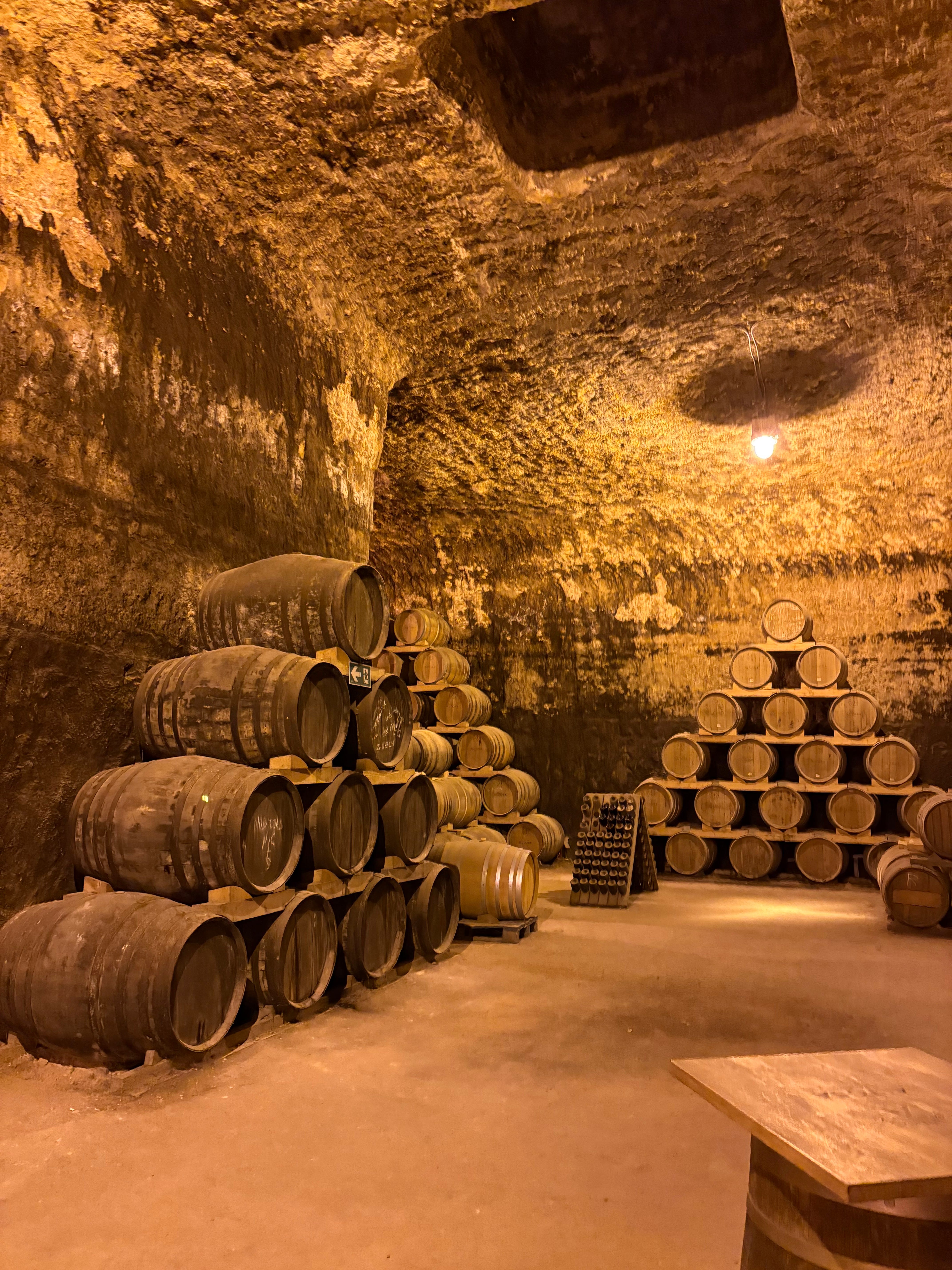
In Tomelloso, the scale of the underground wine tunnels tells its own story. Kilometres of hand-dug cellars beneath the town speak to a collective effort that shaped the place long before wine tourism was a concept. Today, those same spaces are being rediscovered and reinterpreted, not as museum pieces, but as part of a living wine culture.
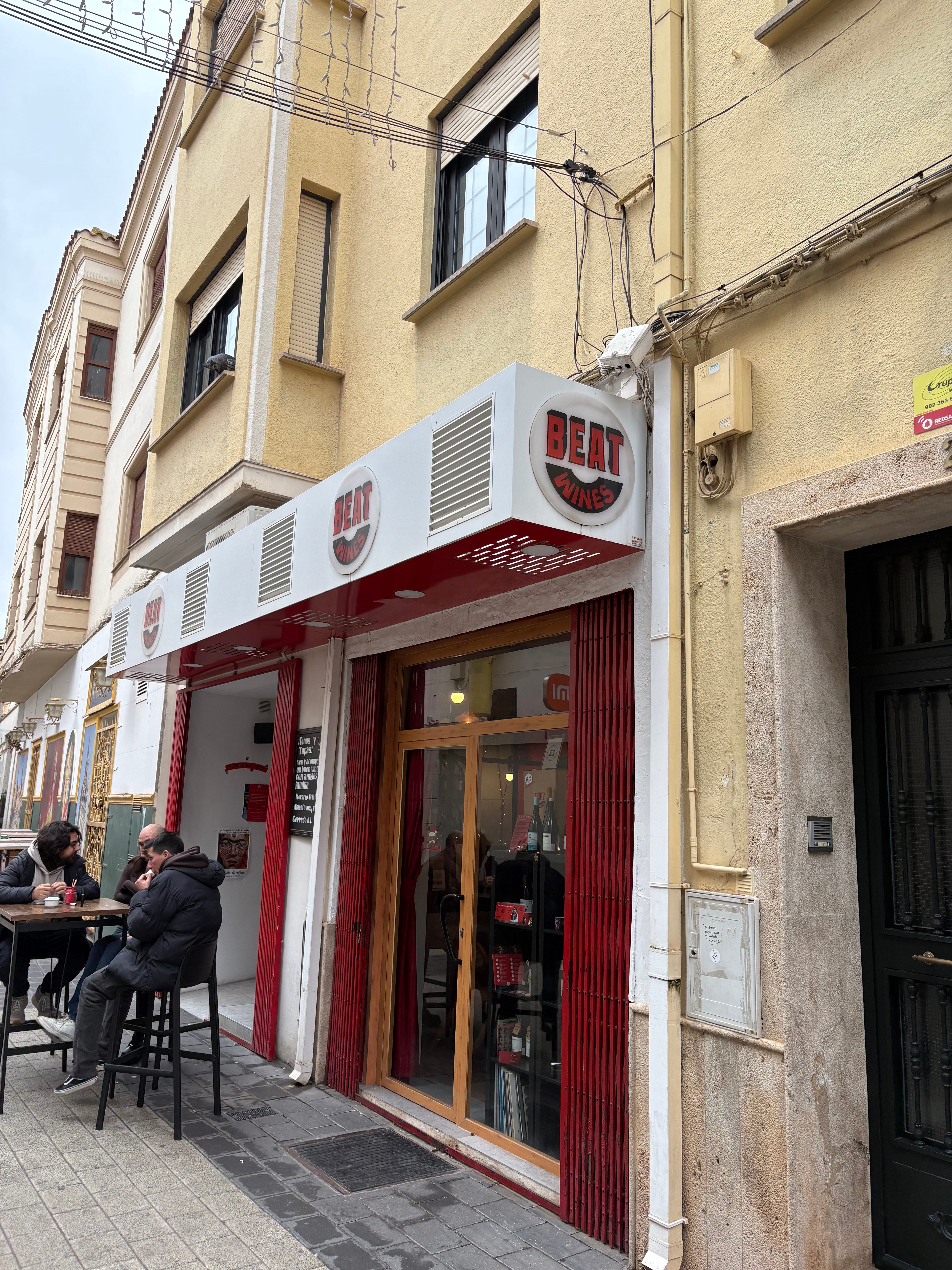
That balance between heritage and modern life is something we see repeatedly. In Tomelloso, Elías López Montero (Bodegas Verum) is deeply rooted in his family’s winemaking tradition, yet at the same time runs Beat, a music-led wine bar in the town that feels unmistakably contemporary. For him, preserving tradition doesn’t mean freezing it in time; it means giving it a future.
In Bullas, Alfonso’s (Bodega Monastrell) biodynamic work in the Aceniche Valley is driven as much by family responsibility as by philosophy. His focus on biodiversity, cover crops, soil life, balance in the vineyard, is something he often frames in terms of respect for what was handed down, and what should be handed on.
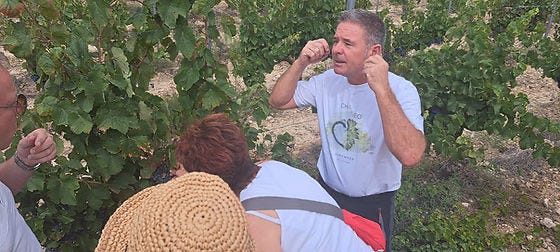
When Jorge Piernas talks about his wines, his grandfather is never far from the conversation. Legacy, for him, isn’t branding; it’s a guiding presence that shapes decisions in the vineyard and cellar today.
I could give more examples, but one thing for sure is none of these things fit neatly into a reporting template. However, all of it feels deeply meaningful.
Learning, measuring, improving
One thing the course has reinforced is that instinct and intention are only part of the picture. While we may not operate through heavy frameworks or formal reporting, there is real value in understanding more clearly what our choices add up to.
Over the coming year, we’ll be using some of the lessons from the course to better understand how and where we spend within the local economy, not to create marketing claims, but to help us make better decisions and continually improve the way we work. It’s not about turning relationships into metrics, but about making sure our actions match our intentions.
Scale, done thoughtfully
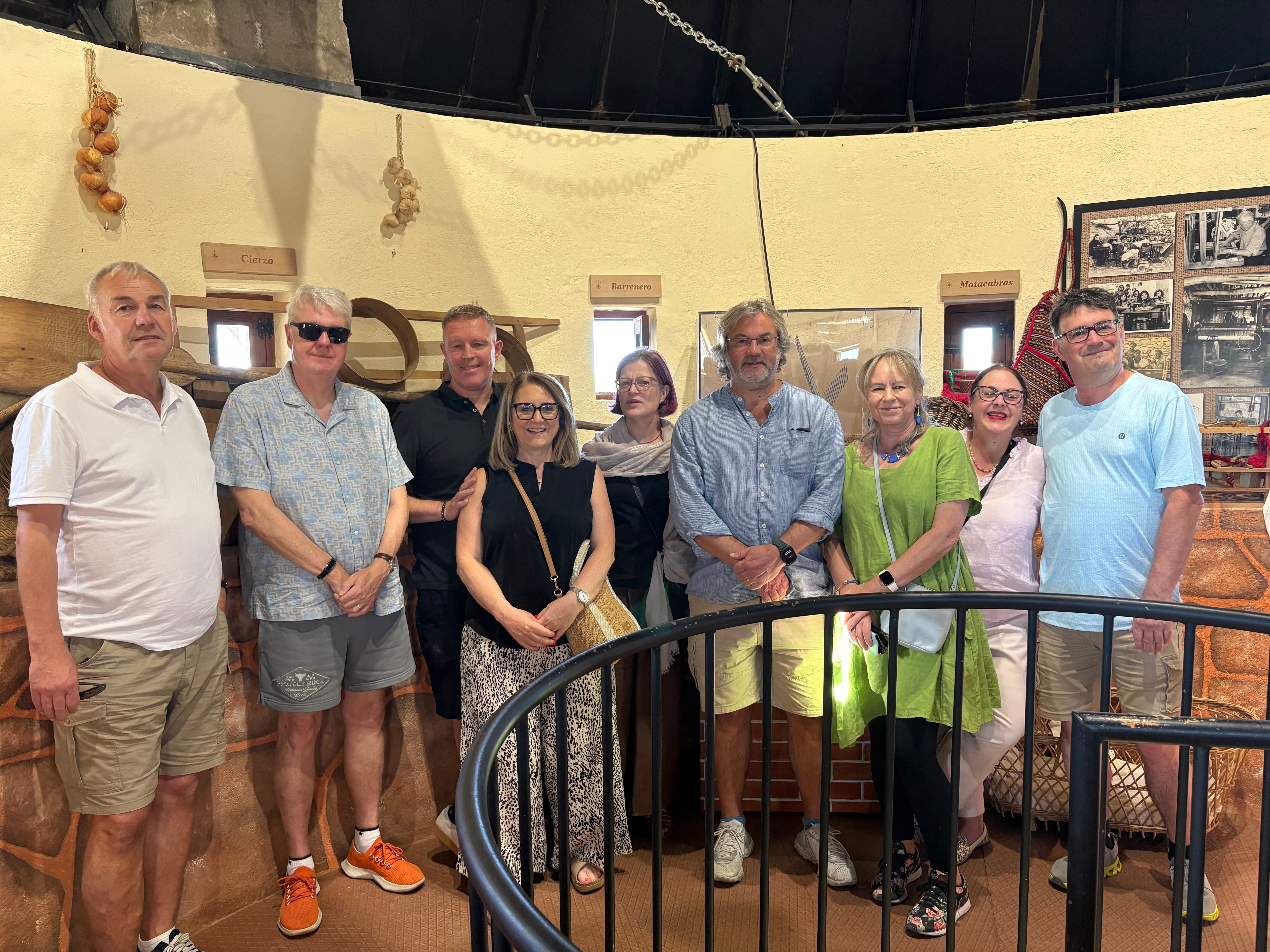
Our groups aren’t always small. Depending on the tour, numbers can be twenty or more. But for us, meaningful tourism isn’t defined by headcount alone, it’s shaped by how a group moves through a place.
We design itineraries carefully, work with partners who can host groups properly, and make space for conversation rather than spectacle. Done well, even larger groups can still engage respectfully, contribute economically, and leave a place as they found it, or better.
Over time, partners become collaborators, and collaborators become friends. We return to the same places year after year. Trust builds. That continuity matters and it’s something no certification can easily measure.
There are no dashboards telling us our “local spend percentage”. No quarterly reports on community impact. What we have instead are long-standing relationships, open doors, and invitations to come back.
Beyond the language
Terms like meaningful, sustainable or regenerative can be useful but only if they describe reality, rather than replace it. When the language becomes the focus, it’s easy to forget the human side of travel: who benefits, who stays, and who gets left behind.
In much of rural Spain, that question is not abstract. La España vaciada — the Empty Spain — is a lived reality, as younger generations leave villages in search of work and opportunity elsewhere. Tourism won’t reverse that on its own, but it can either accelerate the hollowing-out of places, or help support the people who choose to remain.
Article on “Empty Spain” solutions
For us, meaningful tourism isn’t about claiming moral high ground. It’s about paying attention. About choosing to work with people rather than systems, and places rather than concepts.
We don’t pretend to have invented anything new. We’re simply trying to do things as properly as we can, at a human pace, in places we know and care about.
Looking ahead
As people begin to plan their travels for 2026, I hope there’s space for this quieter way of thinking about tourism, one that values connection over scale, and depth over novelty.
I’d be genuinely interested to hear what meaningful tourism means to you. Is it about where your money goes? Who you meet? How a place changes or not after you’ve visited?
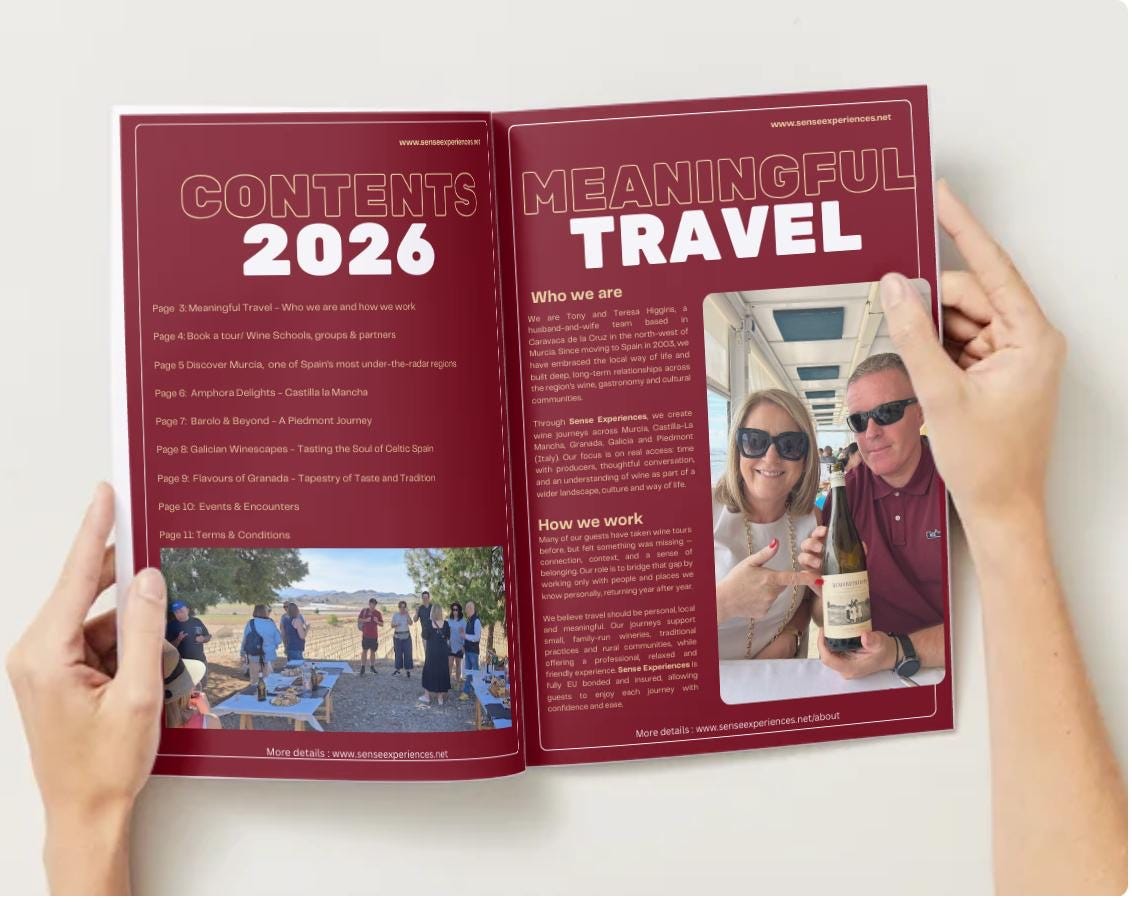
If you would like a copy of our 2026 brochure, feel free to comment or get in touch by email tony.senseexperiences@yahoo.com
No posts
Comments
Nothing yet. Say the first thing.
Sign in to join the conversation.