
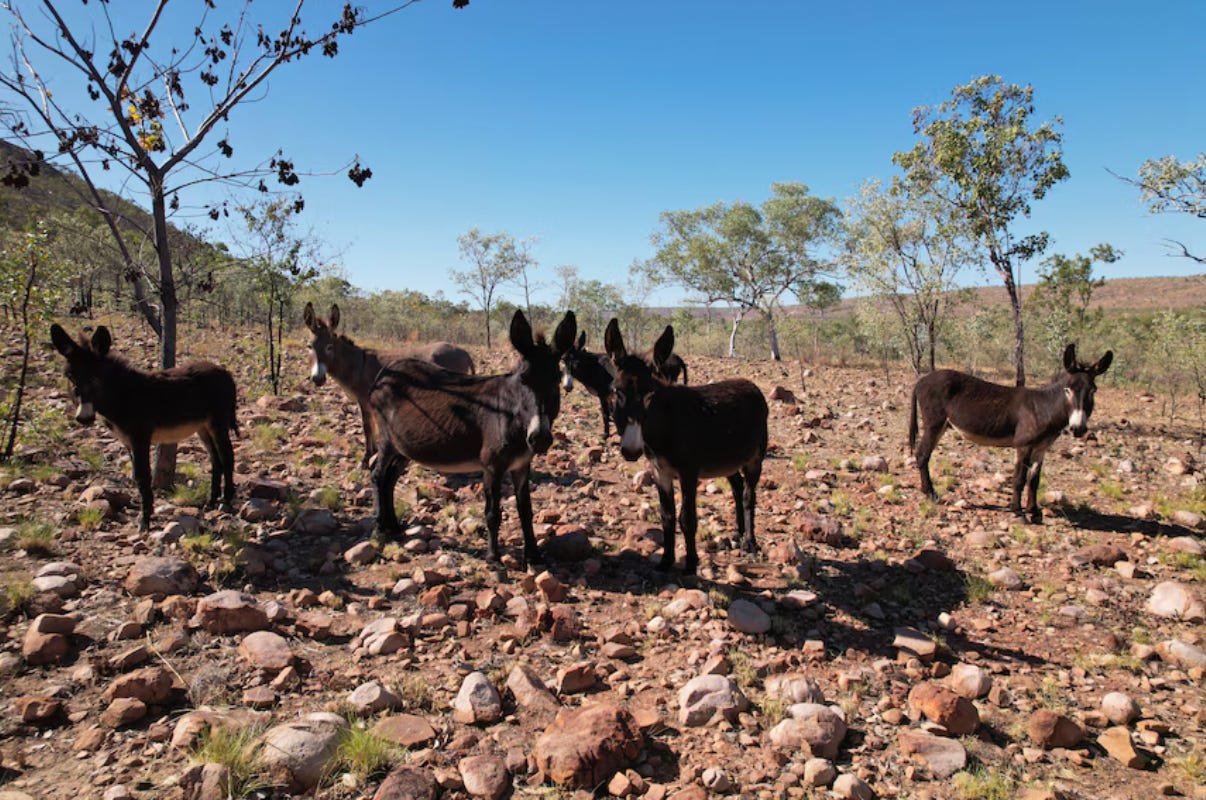
Last week, globally renowned author on nature-inspired solutions, Judith Schwartz, wrote Donkeys on Death Row: Last Chance for the Winsome Land-Healers at Kachana Station. Of all the stories in all her books, she said, ‘But no land-animal yarn has touched me as deeply as the wild donkeys of Kachana Station, those now with targets on their backs.’
To be sure, it is one of the great stories of regeneration. It is still one of the most popular podcasts I’ve beamed out from around the country - along with this one specifically from where the donkeys roam). And this ABC TV Australian Story has 1.6 million views and counting. It truly captures the imagination, and the donkeys are one of the great innovations in this story of regeneration.
But by the end of this week, within days now, the donkeys at Kachana are due to be culled.
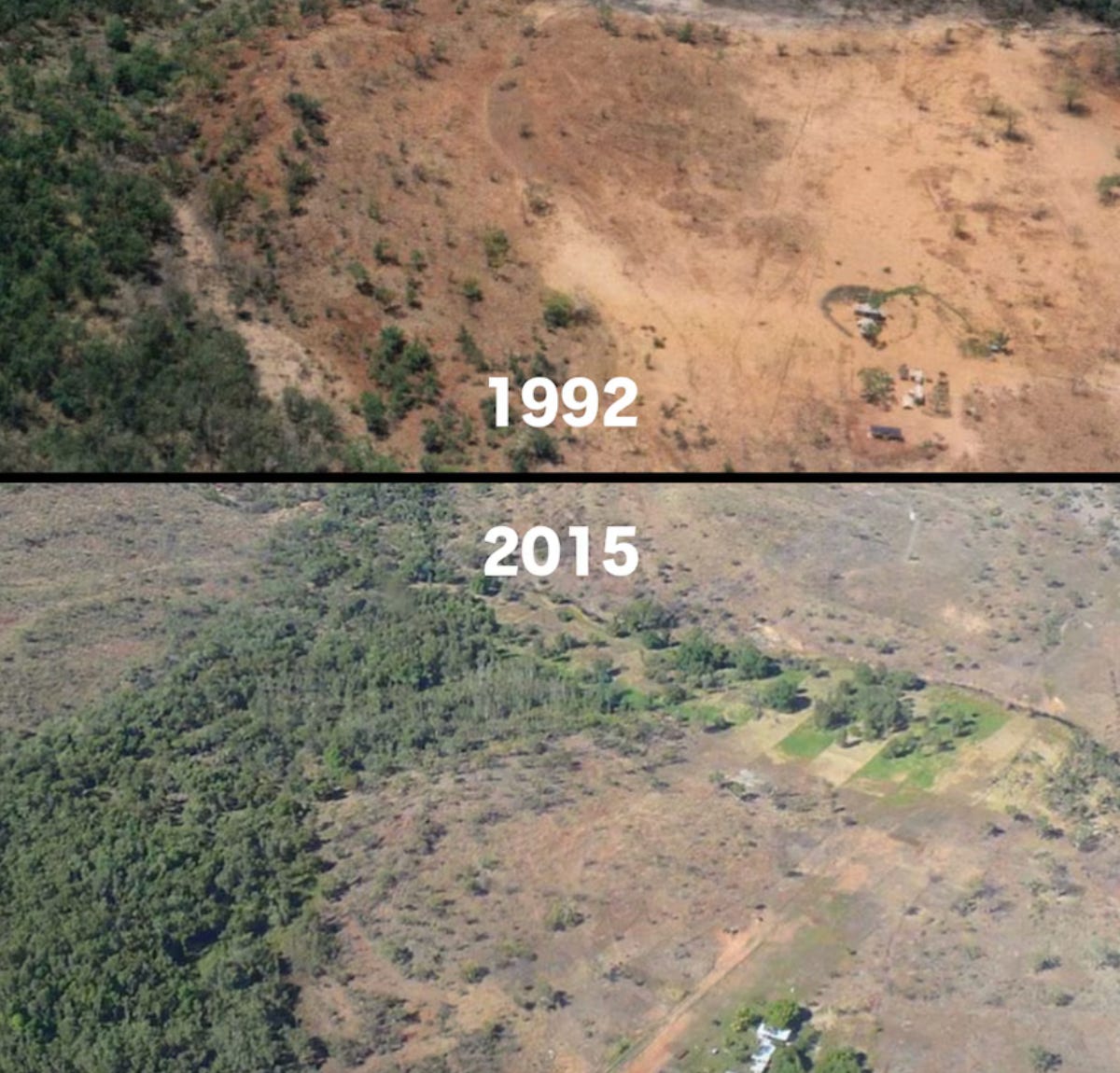
Having followed this story for almost a decade now, some of you will be across the Pest Control Notice (PCN) issued to Kachana by the Western Australian Department of Primary Industries and Regional Development (DPIRD). Donkeys are formally designated as pests in this state, and routinely culled.
The short of the long in this situation is that Station managers, the Henggeler family, appealed the PCN. The case went to the State Administration Tribunal (SAT). And late last year, the SAT upheld the PCN. Though it pointedly left the door ajar for DPIRD and Kachana to collaborate in further investigating the on-ground realities at Kachana and potential for this innovation.
As the ABC reported at the time:
In its written reasons, the tribunal said its role was limited to reviewing DPIRD’s decision — not to rule on the broader debate about the environmental impact of donkeys. “However much we might consider that the land management practices being employed by Kachana may warrant further consideration and investigation, we have no mandate to engage in or meaningfully contribute to that broader debate,” the tribunal said.
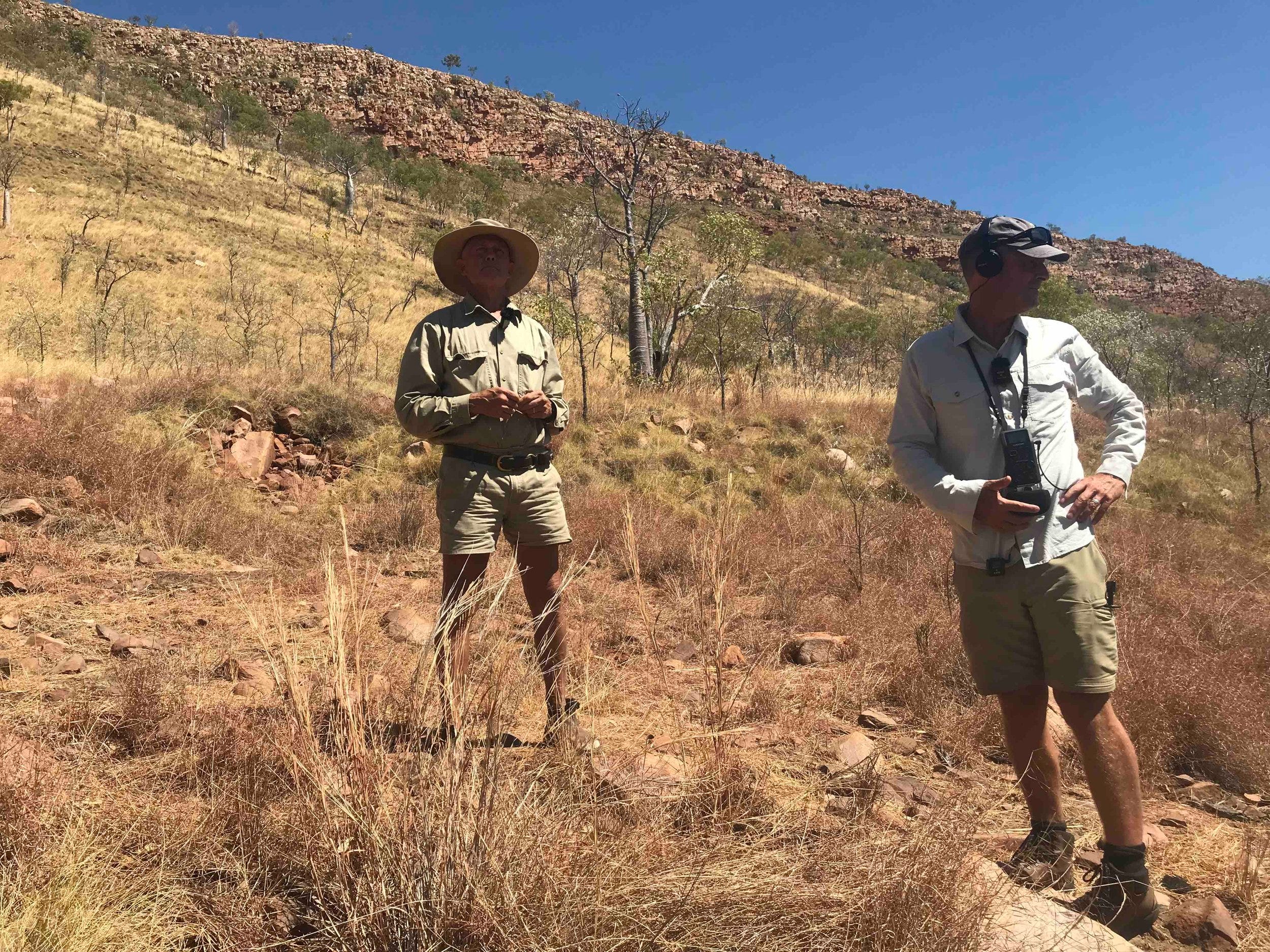
Therein lies the opportunity. So in the intervening months, a number of prominent nationally and globally recognised people have come together, resulting in a formal proposal for the WA government. Some of these people figure in the invitation below.
Essentially, the ask is for a stay of execution for 12 months, to enable a global consortium of researchers to further the existing independent research already happening at the Station. To indeed ‘consider and investigate’ the enormous potential on offer here, before the opportunity is lost.
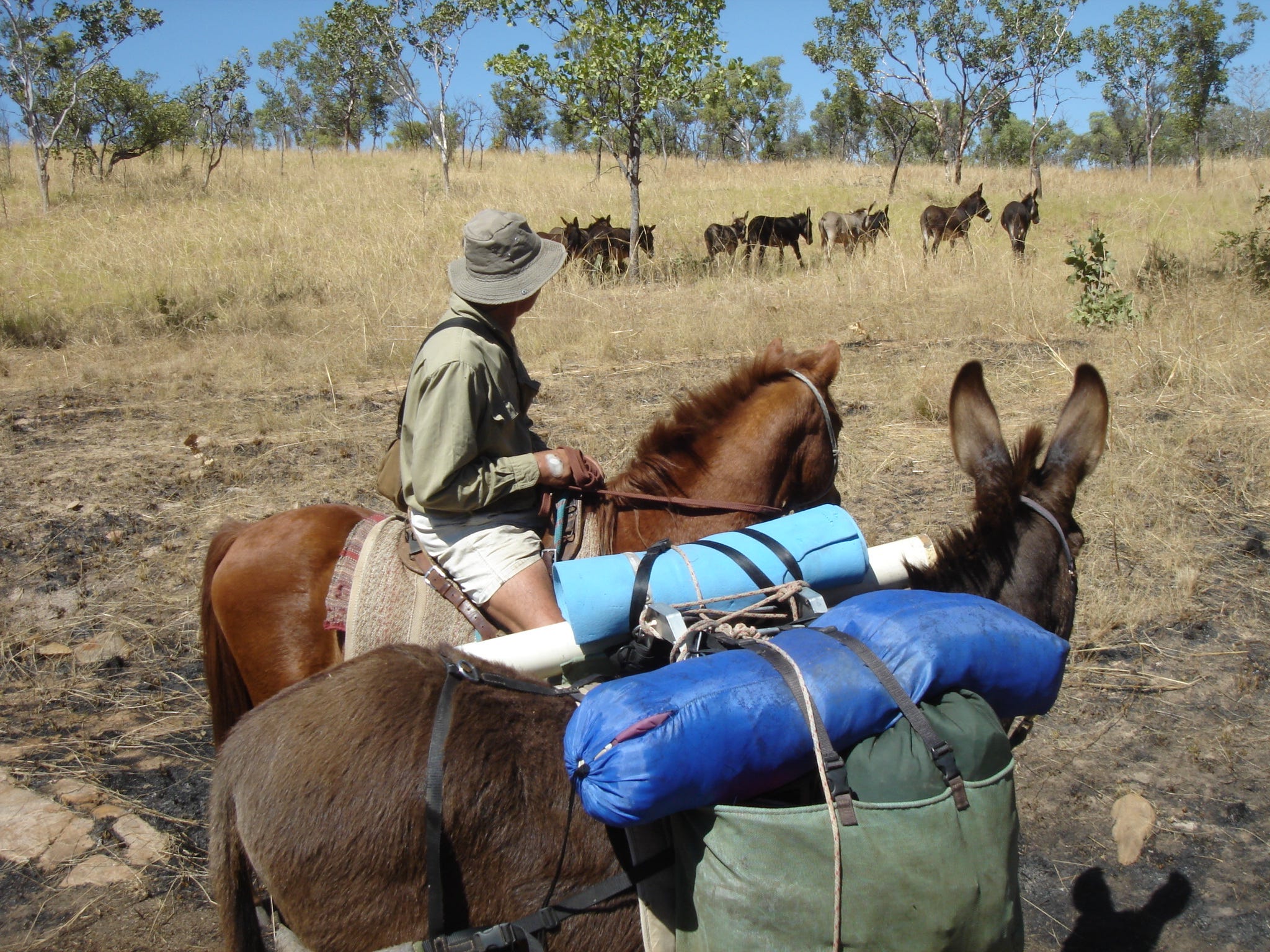
The proposal will be distributed shortly to relevant decision makers, with an open letter you can also sign via the link below. If you’re at all moved to support Kachana at this time in any number of ways, here is your invitation:
A rare research opportunity in Australia’s Kimberley could be lost within days
Kachana Research Opportunity – Register & Please Share
For more than 35 years, Kachana Station has been restoring a degraded dryland landscape in northern Western Australia. Wild donkeys have been part of that landscape throughout this time. Research led by Dr Arian Wallach at Queensland University of Technology is investigating how the donkeys interact with vegetation, fire and broader ecosystem processes. It does not assume they are beneficial or harmful, but asks what ecological roles wild equids may play under different conditions.
The situation is urgent. A Western Australian Government order requires around 70 donkeys - approximately 65% of Kachana’s wild population - to be culled by 31 August 2026. This could substantially alter the research conditions before the existing work is completed and further research assessed. If the opportunity can be preserved, the next stage would include a systematic review of global wild equid ecology, and development of comparative research between Kachana and Nevada.
The below Register includes further background, Kachana films and Dr Arian Wallach’s research. Anyone can help by registering their interest in seeing this research properly assessed:
Kachana Research Interest Register
This is not a petition. The Register will help demonstrate interest in allowing the science to continue. With permission, registrants’ names will also be included in an open letter to the Western Australian Government.
Please share widely, particularly with researchers, funders, pastoralists, land managers, conservation organisations and others interested in the research. Your help could make a real difference.
Thanks for reading! This post is public so feel free to share it.
Comments
Nothing yet. Say the first thing.
Sign in to join the conversation.