
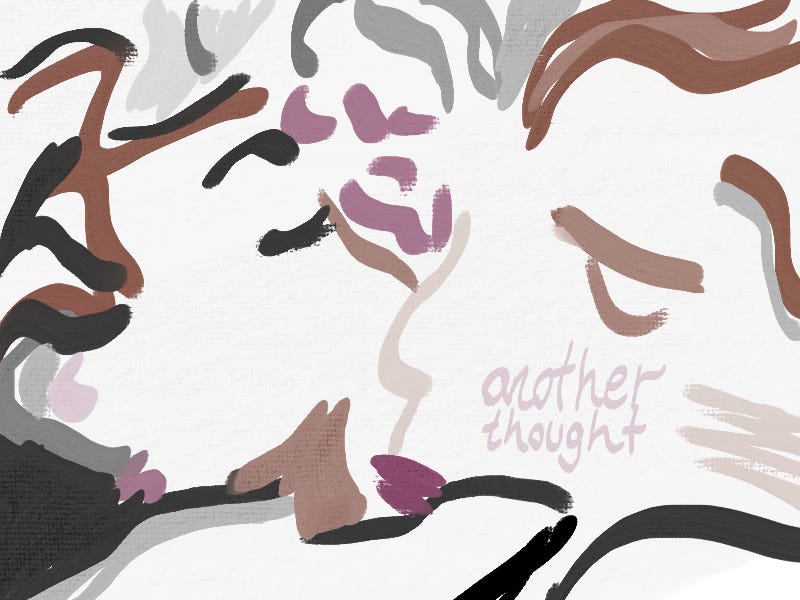
There’s always been something delightfully haphazard about Danish band Iceage.
I had to do a double-take and some mental math when I read a press release for the band saying they were now entering their 18th year as a group. Surely that’s impossible. In my mind, they’ve always been a rowdy, rebellious group of young Danish kids. But I guess you can’t stay young forever. But everything else is still fair game.
Even though I always saw the band as young kids, I now realize lead singer Elias Rønnenfelt and I are close to the same age. But the way the band burst onto the scene with such a powerful blaze, it felt like they had the momentum of youth in the palm of their hands. We were the same age, but it felt like they were living life at a completely different speed than I was.
The first time I saw Iceage was back in 2015. The band was coming off the breakthrough success of their third album, Plowing Into the Field of Love, while I was working my first desk job doing copywriting. I’d become obsessed with the record. The mix of frivolous punk attitude, country aesthetics, and Elias Rønnenfelt’s ghoulish wailing voice had bewitched me at a time when I was fascinated by ugliness in music.
On the rapturous “The Lord’s Favorite,” his wobbly, breathy voice slurs between the notes, actually sounding drunk as he sings about 100 euro wine. And on “Glassy Eyed, Dormant, and Veiled,” the band sounds, well, glassy-eyed, dormant, and veiled. While I was here questioning if I was forsaking what little punk spirit I had for the security of a salaryman, Iceage were penning freaky, twangy opuses with mannequin legs on the cover.
My memory of the show is hazy. It was a tortuously hot Seattle night. The crowd was sparse, my friend and I making up a high percentage of the audience. I couldn’t tell if the band was barely keeping it together or if they were just nailing the haphazard spirit of the record. I mostly remember that they ended with a cover of “Moon River,” with Rønnenfelt half-screaming and half-groaning the lyrics to a mostly empty room. Leaving the surreal tension of the show, we walked out the side door only to find it was still bright outside, one of those Seattle summer nights that never seems to end. We walked on and tried to decide if what we saw was good or not.
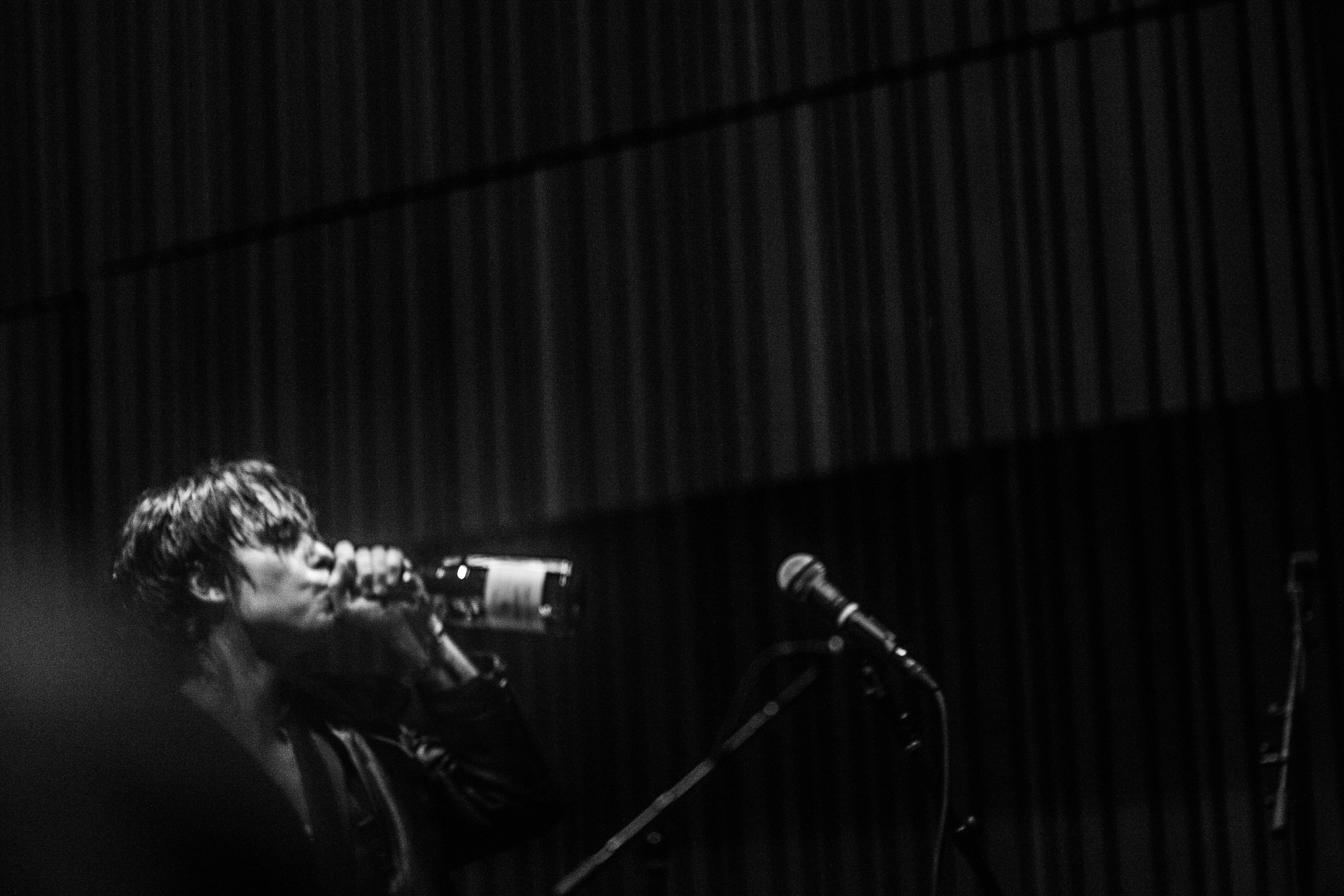
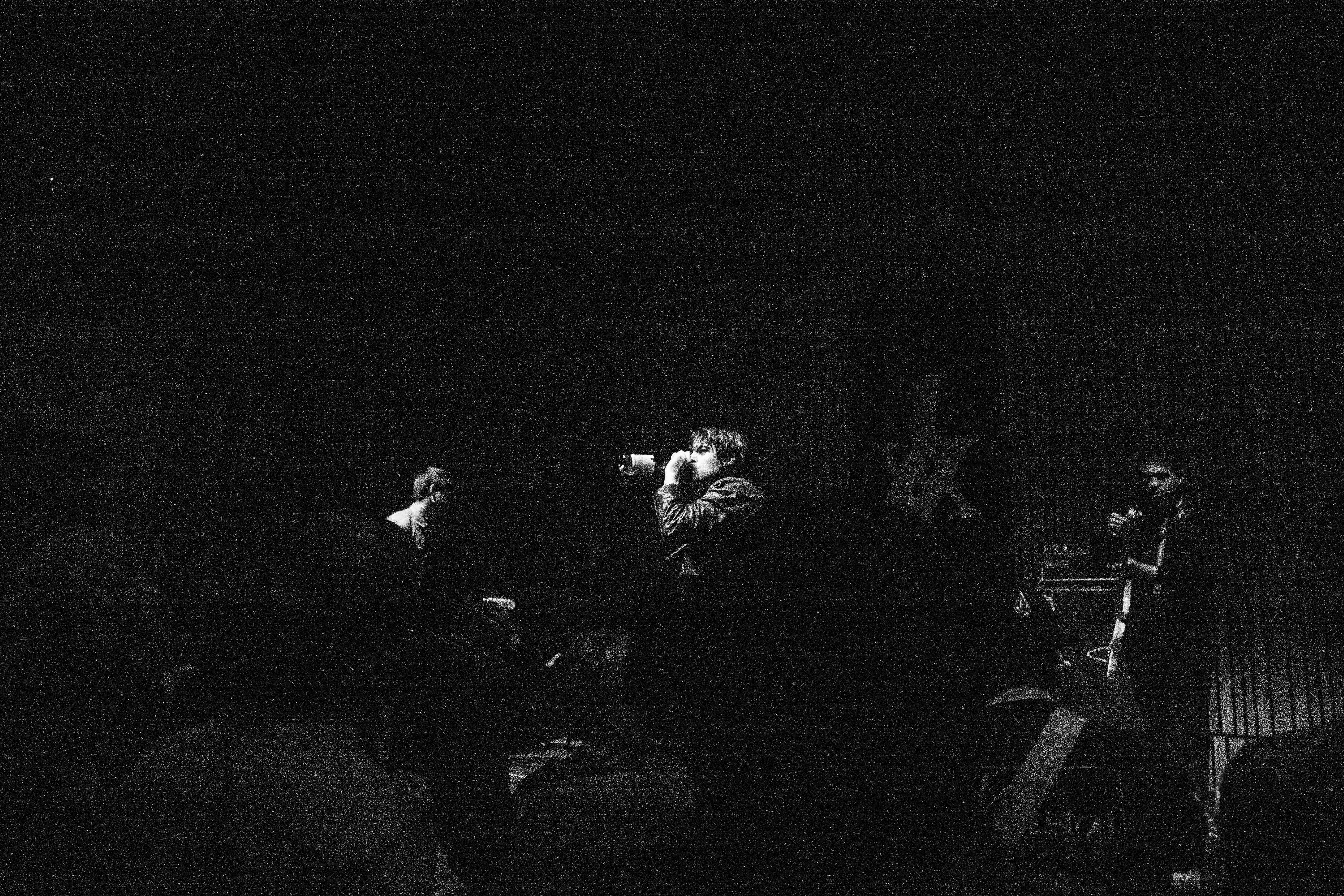
The next time I saw them was in 2018, headlining a show at the Nordic Heritage Museum in Seattle’s Ballard neighborhood in support of their album Beyondless. It was the rare occasion where I was on assignment as a photographer instead of a writer. I didn’t really know how to be a photographer. I’d only just started working a real reporter job and said yes to everything. Call it self-preservation. I wanted to make myself indispensable. Meanwhile, Iceage were still moving like everything was dispensable. Beyondless felt more honed in than Plowing Into the Field of Love, but it didn’t feel like a compromise. The band was evolving. But it was still unclear if this was the final form.
It was the first and only time I’ve seen a mosh pit at a museum. I mostly remember Rønnenfelt had a line of plastic cups of IPAs lined up at the edge of the stage, which he downed within the first few songs before moving on to bottles of...something. They hadn’t lost the chaos, but they’d turned up the volume. Their sound was getting bigger and so was the exciting mess around them.
It’d been a few years since I’d thought about Iceage. I completely missed their 2021 album, Seek Shelter, when it came out. I’ll chalk it up to the pandemic era. (I’ve since rectified that and loved the record with its psyched-out funkiness.) But life’s changed a lot since I was really plugged in with Iceage. There was the lockdown. I’ve lost family, become a dad, taken on more personal and career responsibilities, learned a bunch of new skills, and yet I’m still trying to figure things out. Maybe that part doesn’t change, even if everything else does.
When the first singles from Iceage’s new album, For Love of Grace & the Hereafter, came out, I thought I’d listen out of curious nostalgia. I’d incorrectly gauged that they were a band from a different era and season in my life. I’d put them in the past like a mosquito in amber. But when “Ember” queued up, I quickly realized how wrong I was.
On “Ember,” I could still hear that devil-may-care, loose attitude Iceage always had. But they sounded sharper. Paired with their other single, “Star,” I was amazed to hear just how much Rønnenfelt’s voice had improved. This couldn’t be the same guy bellowing “Blue Moon” to an empty, humid room. The way he enunciates “I love you in an ominous way” feels so brilliant, I catch myself mimicking it often.
Even the riffs feel more locked in, their arrangements more ambitious. And it’s not like they’re sacrificing some juice to make this happen. If anything, they sound more urgent than ever. “Match Head Girl” spirals out like an Adderall-fueled crash-out (and those “doot doos” can’t help but remind me of the Super Mario “Power Star” theme). Rønnenfelt gets close to rapping as he spits out a frenzy of lines about graveyards and maggots in apples. And he paints no rosy image on “Lifetime” as he warns: “Get ready for a lifetime of beatings.”
I’ve been reaching for the album often since it came out. While I love the floaty, introspective world of things like ambient and expansive jazz, there’s something about Iceage’s wordy, mangled punk squalls that’s resonating so deeply with me. And, honestly, I don’t even know what they’re going on about half the time. But the way Rønnenfelt punches out every word and the way the band punctuates with red-hot distortion just gives it so much conviction. And what parts I can decipher in the lyrics, so much of it feels grounded in thoughts of love. Messy, frantic love. But still love.
For a band that I always saw as teetering toward the edge, For Love of Grace & the Hereafter feels remarkably pulled together. But for the band, it doesn’t seem like embracing a leaner and more exacting structure to their music has held them back. In a recent cover story by Matt Mitchell for Paste, Rønnenfelt talks about the band’s commitment to always change it up, saying, “We need movement. Stillness seems like a prescription for the end.”
But there’s another part in the interview that sticks with me. Rønnenfelt is talking about how his solo album informed the direction of this new Iceage album when he says, “Anything you ever do adds to the collected mess that is you. Even if it’s songwriting or just sheer living, it all gets sucked in and becomes part of what you create from.”
Iceage demonstrates that beautifully on this new album. It’s a culmination of everything they’ve been before and then some. They’re more refined, but I hesitate to say “fully evolved” because who’s to say they won’t just evolve again? And maybe that’s the point.
Looking back, I can see how I always feel drawn to measure myself against someone else’s artistic arc, like Iceage’s. But I’ve been missing the point. The journeys are completely separate. We’re all just adding on more and more to who we were to become who we are. Iceage wasn’t a great band all those years ago because they were young. They were and continue to be great because they’re not afraid of what they might become next. I want to live that way too.
Help Support Another Thought and Get Cool Stuff!
I appreciate you reading Another Thought, whether this is your first post or you’re a long-time reader. Another Thought is a labor of love fueled by very long deadline nights, lots of art supplies, and espresso at ungodly hours.
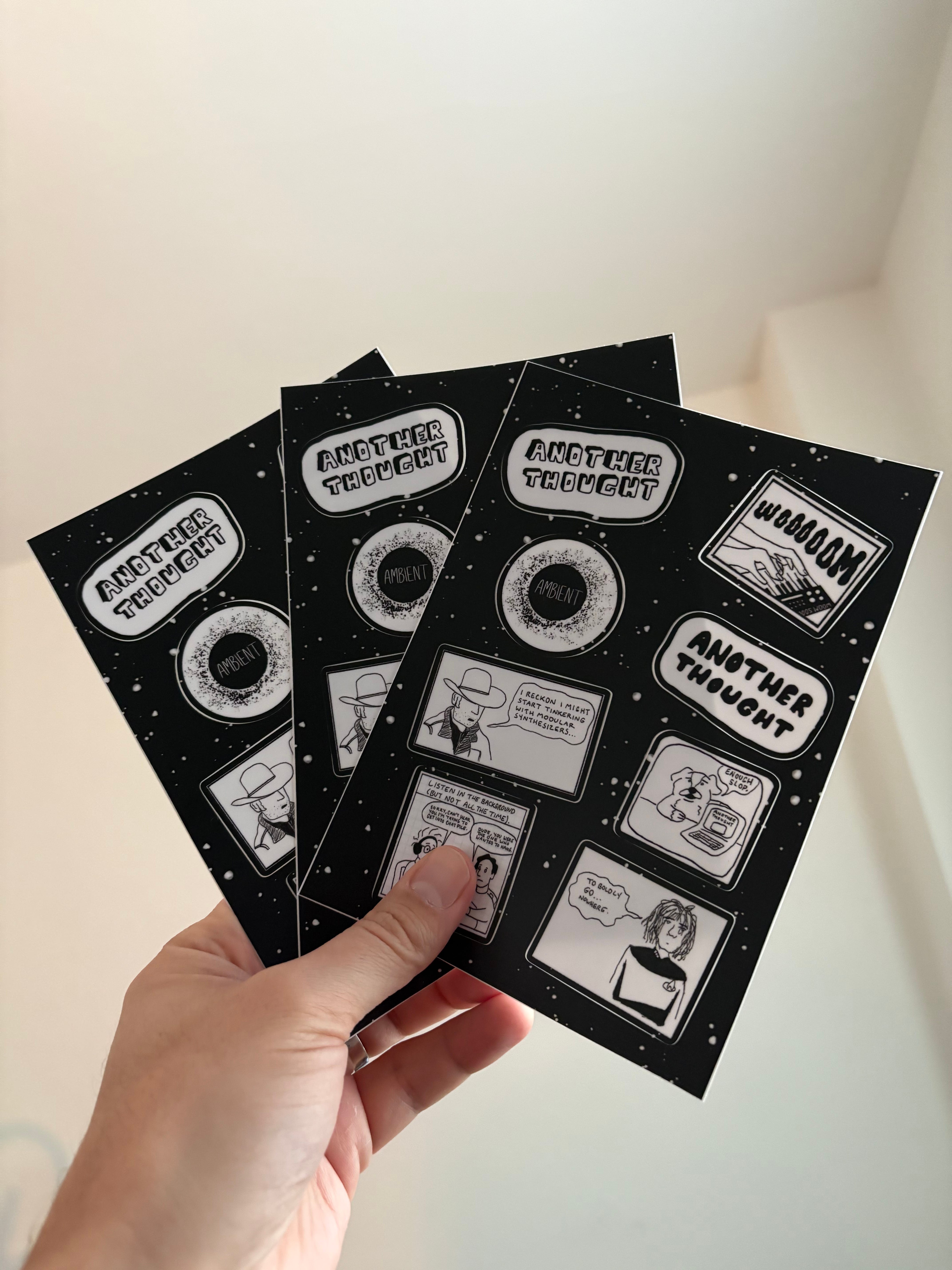
If you want to support the newsletter, please consider becoming a paid subscriber at $5/mo. You’ll get exclusive newsletters, early access to upcoming physical media, and a sheet of stickers featuring drawings from the newsletter and my book mailed to you!
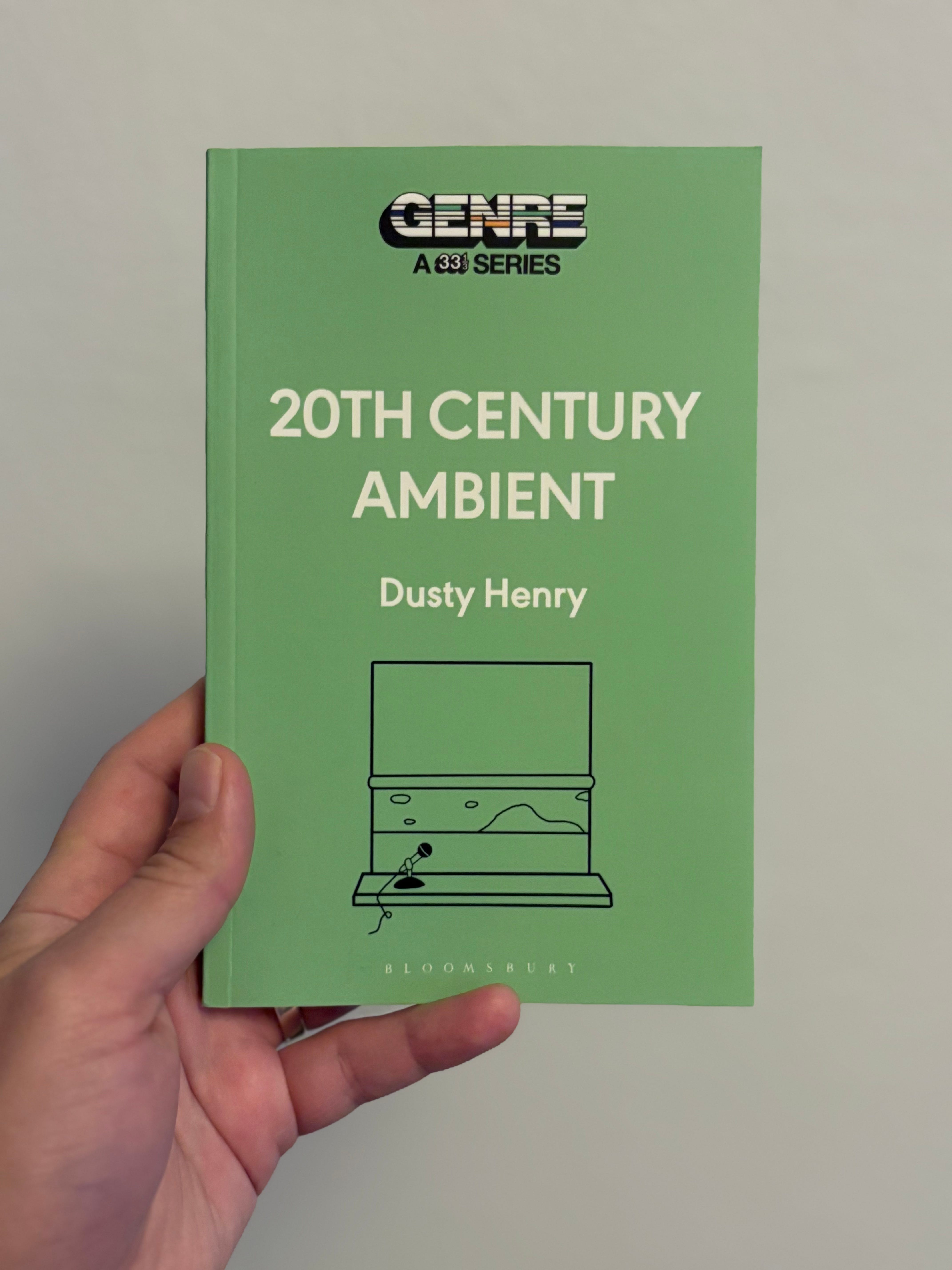
Through text and comics, 20th Century Ambient traces the recent history of ambient music to uncover how the genre has evolved and the role it plays in our daily lives. If you dig the combination of art and essays on Another Thought, I think you’ll love this book.
“Enriched by vivid profiles of the genre’s practitioners and capped by a list of essential tracks, it’s a quirky love letter to an enigmatic sound.” - Publishers Weekly
“Dad! Your book isn’t boring! It has pictures in it! It’s hilarious. Kids can read it too!” - my child
20th Century Ambient is out now from Bloomsbury Books.
No posts
Comments
Nothing yet. Say the first thing.
Sign in to join the conversation.