
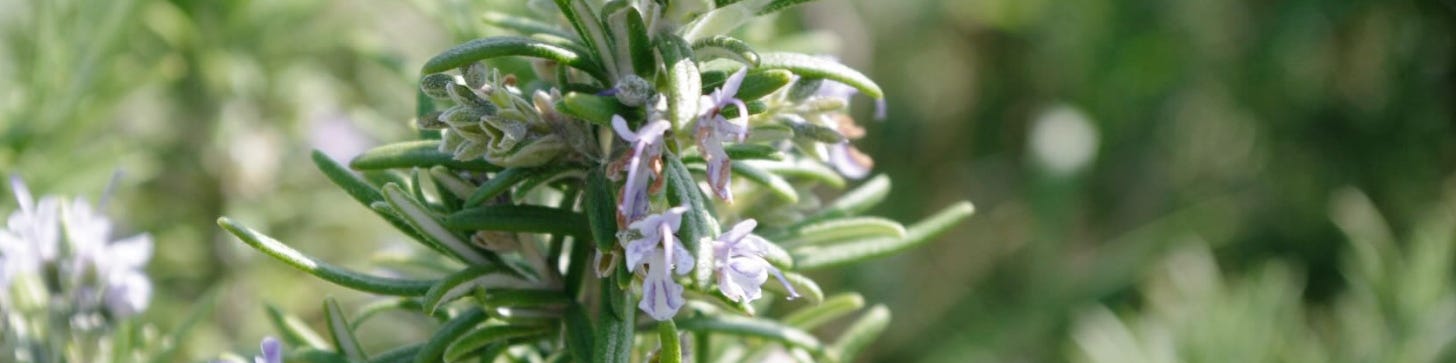
Rosemary is a generous plant, offering so much fragrance with many beneficial effects, and it grows abundantly in well-drained soil in a sunny location, whether in a pot or a border. Traditionally used as a digestive and tonic for memory, rosemary leaves offer a considerable range of herbal actions: including anti-inflammatory, antioxidant, antibacterial, antispasmodic, astringent, bitter, carminative, diaphoretic, emmenagogue, expectorant, hypoglycaemic, hypolipidaemic and stimulant. In this post I outline details of cultivation, harvest, uses, research and a recipe for a hair tonic!
An aromatic and evergreen shrub
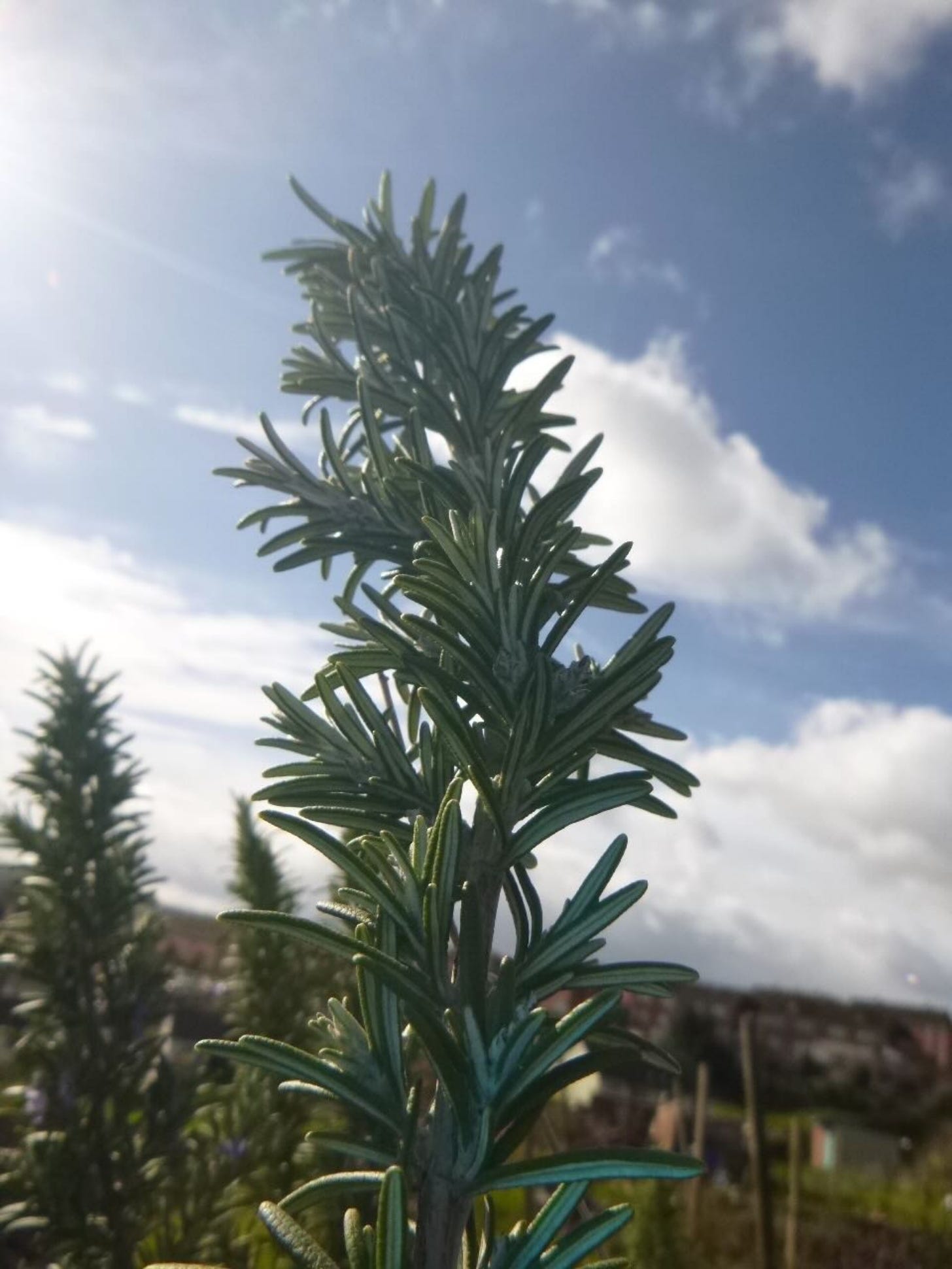
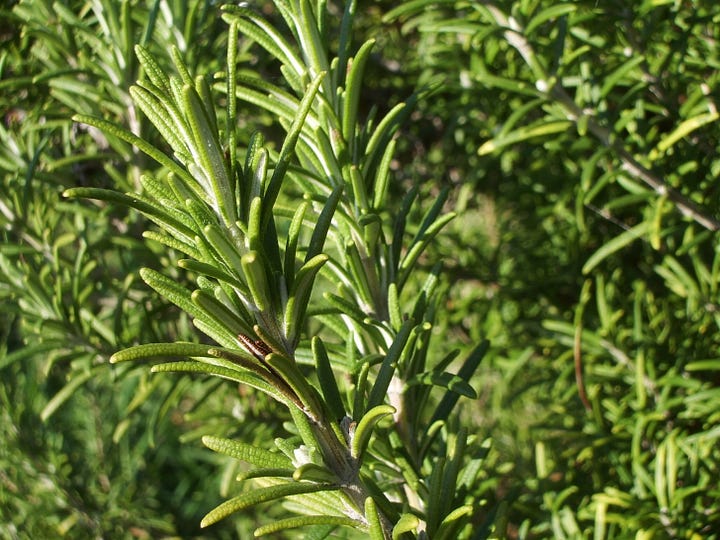
Rosemary is an aromatic evergreen shrub of Mediterranean origin. It is best known to many as Rosmarinus officinalis but was renamed in recent years as part of the sage genus, Salvia rosmarinus, in the Lamiaceae or mint family. Rosemary can grow into a good-sized shrub of 2 m by 1.5 m or more with woody stems. Common rosemary has fragrant needle-like leaves throughout the year. Blue flowers are produced in early spring from March and can continue through the year till autumn in a sheltered position. The flowers are hermaphrodite and pollinated by bees and other insects.
Traditional use and modern potential

Rosemary has been widely used as a carminative for relief of digestive disorders, and for combatting pain and anxiety. It was thought to strengthen memory and promote hair growth. Externally it relieved pain for stiff joints and sore muscles, and was also used as an antiseptic. All of these uses have a foundation in the constituents which include phenolic acids, diterpenoids, triterpenoids, flavonoids, volatile oils and tannins. Rosemary is also known as a stimulating remedy for the circulation. Several phenolic acids in rosemary are thought to underly reductions in blood sugars and blood fats. But the effects of rosemary have not been clinically researched to any great extent. Some studies suggest improvements in memory loss, anxiety and stress deriving from the use of rosemary extracts. A review of such studies found examples of findings of improved memory and mood in healthy volunteers including older adults (Rahbardar and Hosseinzadeh, 2020). Satoh et al. (2022) further discuss the potential for rosemary extracts containing carnosic acid and other diterpenes in reducing inflammation contributing to Alzheimer’s diseases and long COVID. More recently, in a randomized controlled double blind trial, 72 patients with rheumatoid arthritis were given 4 g of rosemary leaf powder per day or placebo. After 12 weeks there were significant changes in measures of disease including reduced levels of inflammation (Bayat et al., 2025). In the food industry rosemary is widely used as a natural preservative. The antiseptic properties of rosemary are due to the essential oil content. In a laboratory comparison of rosemary alcohol extract with fluoride toothpaste, the rosemary extract showed good antimicrobial properties suggesting further potential for use in dentistry (Pandiyan et al., 2021).
Cultivation of rosemary
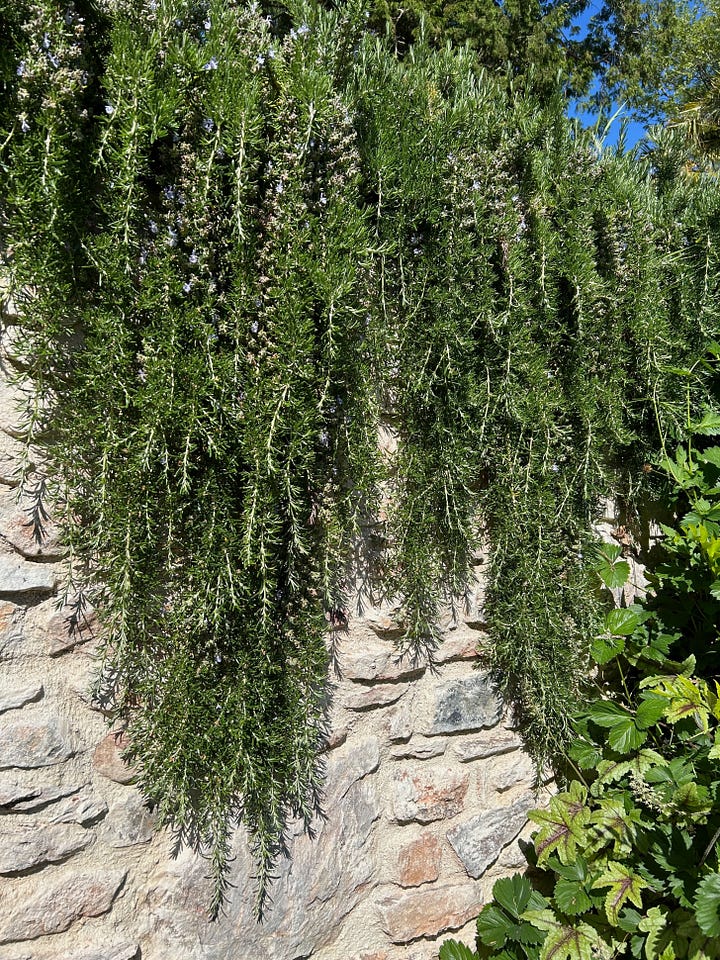
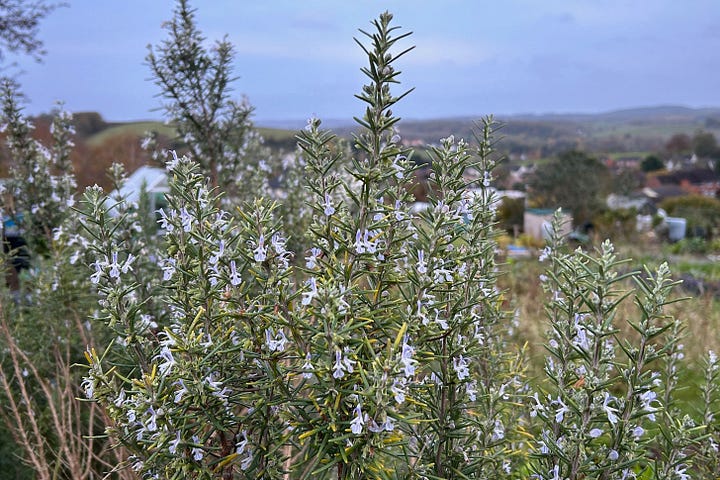
Rosemary is a good plant for a chalky soil! In a mild environment this plant can become quite large, perhaps could be considered for hedging. Alternatively rosemary can be readily pruned and grown as a pot plant, and brought indoors in harsh winters. There are many ornamental varieties, including creeping forms (such as ’Prostratus’). Rosemary grows well in a range of soils, including very alkaline soils. A sunny site is preferred, and it is unlikely to succeed in shade. Rosemary is fairly hardy once established and can survive drought conditions. It tolerates maritime exposure so can be grown in coastal areas. Rosemary is cultivated commercially worldwide including in France, Spain, India and North Africa. Up to 1.5 kg fresh herb can be harvested from a plant after several years. In commerce cultivars of rosemary are selected for desirable essential oil constituents, including (a) aromatic 1,8-cineole for the respiratory system, (b) mild verbenone for use with skin and hair, (c) stimulating camphor suitable for use with the muscular system. Most garden centre varieties are not labelled as such but are likely to be high in 1,8 cineole.
Harvesting and using rosemary


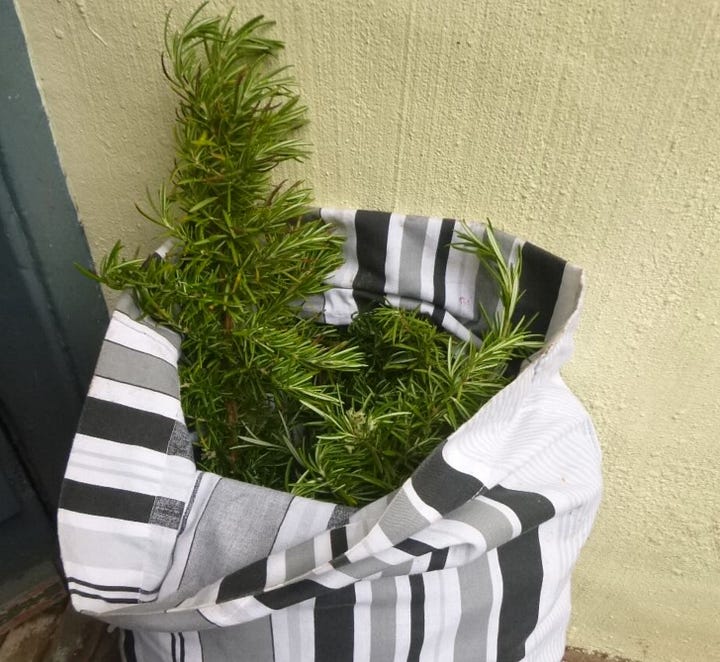
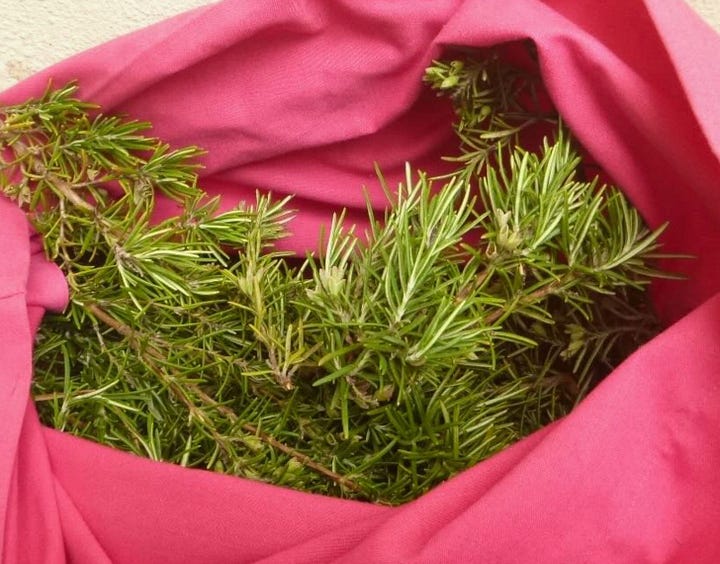
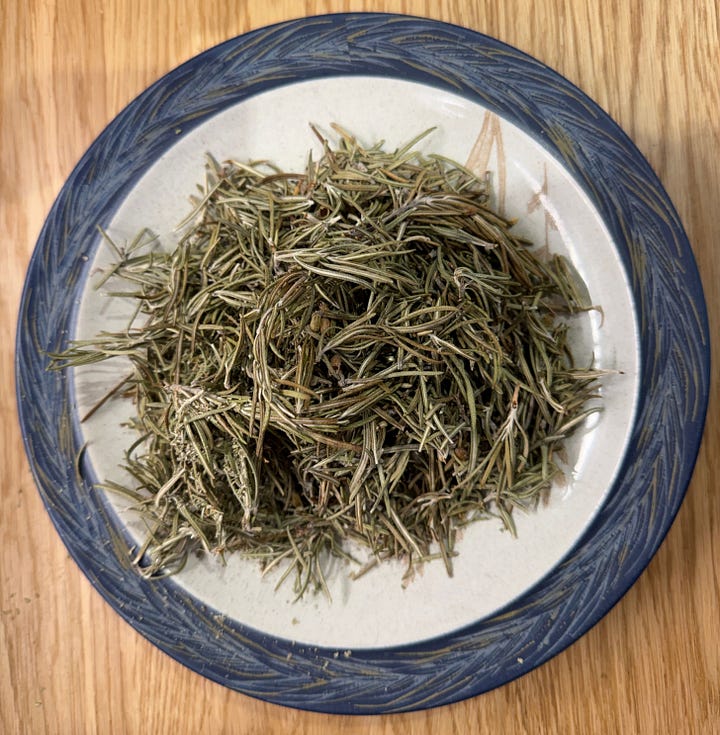
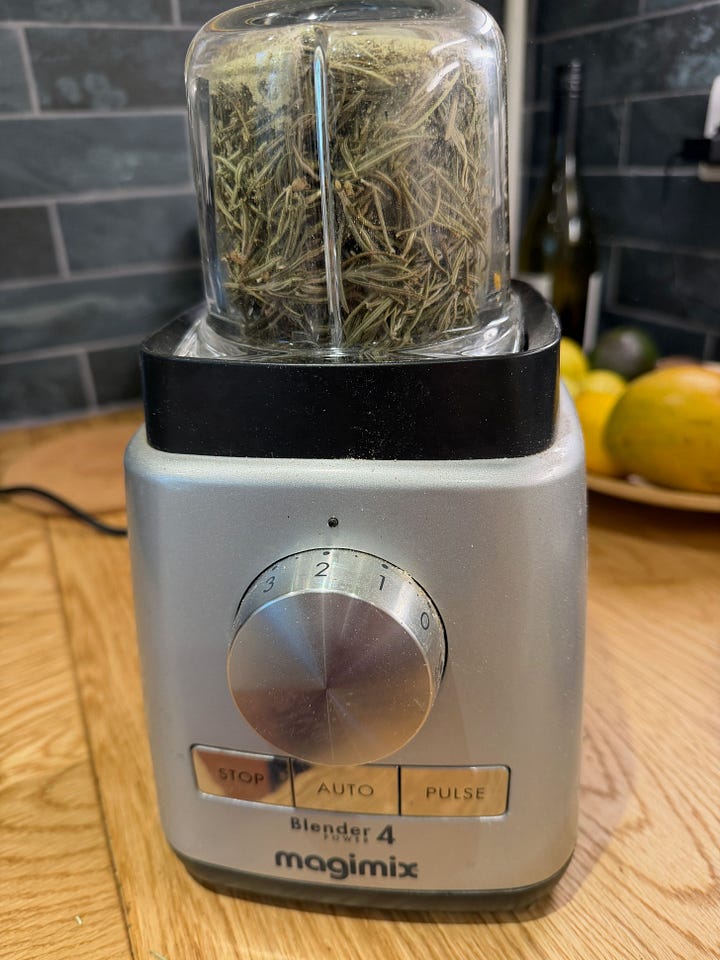
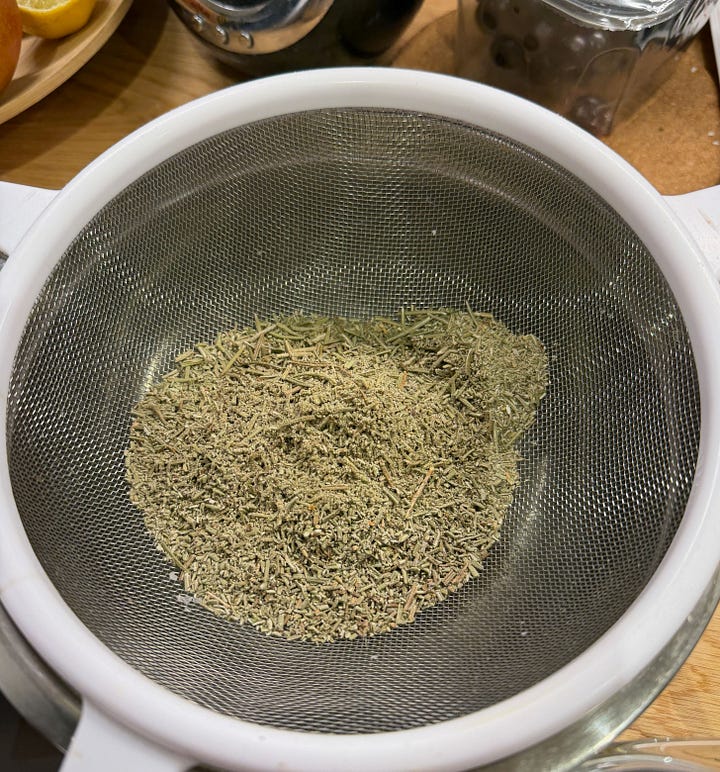
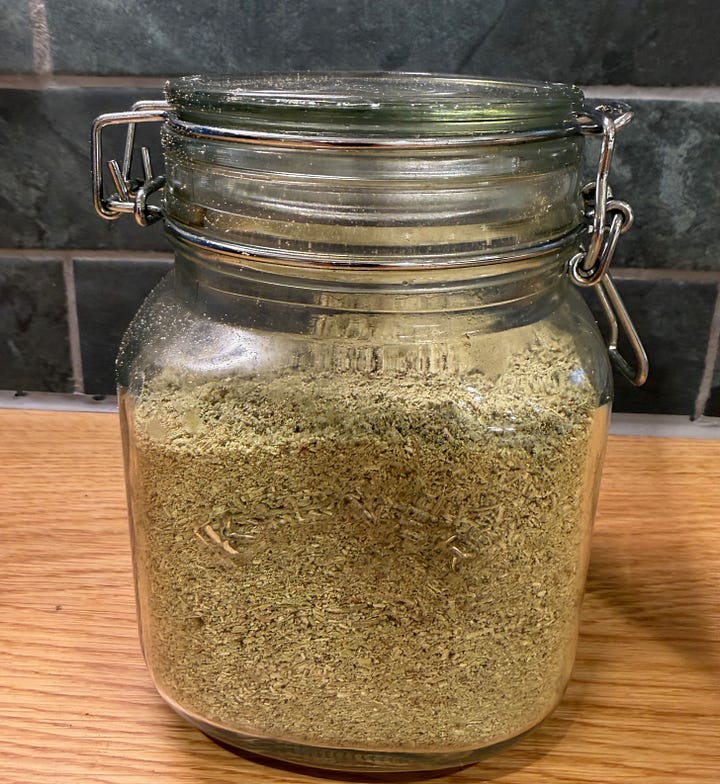
Both rosemary flowers and leaves can be harvested, up to 20% of an established plant can be taken. The leaves can be stripped from stems pruned back in spring or summer, for use fresh or dried. I like to keep branches and stems too for cutting up and drying in bundles as a fragrant air freshener. Drying of the flowers and leaves should be carried out at 40 degrees Centigrade or less to reduce loss of volatile oils. Drying rosemary stems in loose cotton bags (such as pillowcases) is ideal for a substantial harvest. The dried leaves store well in paper or glass and can be infused in an oil or tincture at a later stage. Once well-dried the leaves can also be powdered in a reasonably strong grinder. I have found that small amounts can be powdered in a coffee grinder, though a more substantial Magimix attachment for grinding is effective. It is worth sieving the ground material in order to remove any tough bits of stem. The rosemary powder can be readily infused in oils and vinegars. It is a versatile ingredient in the kitchen, small amounts can be sprinkled on grilled or roasted meat and vegetables, generally much better than using sprigs of fresh leaf which then turn into dried spikes (ouch!). Culinary uses are endless as rosemary gives flavour to breads and scones as well as salads and soups.
Sample preparations
Rosemary is a strong herb so, for a leaf infusion as a tonic tea for digestive complaints, just a short sprig can be infused in boiling water for 5-10 minutes, taken before meals. Rosemary leaf or powder can be infused for 2-3 weeks in a carrier oil such as almond oil and then the strained oil gently rubbed onto the skin for aching joints. If you can harvest large amounts of rosemary then distillation of leaves is worth considering with production of around 1.5% essential oil and substantial amounts of hydrosol or distilled water. Note that the concentrated essential oil should not be used internally or undiluted on the skin. As rosemary is quite stimulating it should be avoided in pregnancy and is not recommended for children under 12 years.

RECIPE FOR ROSEMARY VINEGAR HAIR TONIC
1 cup fresh rosemary leaves
4 cups of cider vinegar
Chop rosemary leaves and place in a glass bottle. Pour vinegar into the bottle and cap. Shake once a day for 2 weeks. Place 4 tbsp of the infused vinegar in a glass and add a little water. Add this hair tonic to the scalp after shampooing. Rub through hair and rinse to inhibit greying.
Conclusion
As an anti-inflammatory tonic herb, rosemary is second to none and really does offer so many uses in food and health. And it is in leaf all year round so it is readily available even in winter. It is a welcome pollinator-friendly plant too. I suspect that rosemary would be my first choice if asked which plant I would most want to have on a desert island!
References
Bayat M, Aryaeian N, Shirani F, et al. 2025. The effect of rosemary leaf powder on disease symptoms, inflammatory and oxidative markers in patients with rheumatoid arthritis: A double-blinded randomized controlled clinical trial. Journal of Functional Foods 129: 106878. doi: 10.1016/j.jff.2025.106878.
Rahbardar MG and Hosseinzadeh H. 2020. Therapeutic effects of rosemary (Rosmarinus officinalis L.) and its active constituents on nervous system disorders. Iran J Basic Med Sci 23: 1100–1112. doi: 10.22038/ijbms.2020.45269.10541.
Pandiyan I, Prabakar J, Indiran MA, et al. 2021. Comparing the antimicrobial efficacy of dentifrice containing Rosmarinus officinalis and fluoride containing dentifrice - an in vitro study. Research Journal of Pharmacy and Technology 14: 3651-3656. doi: 10.52711/0974-360X.2021.00631.
Satoh T, Trudler D, Oh C-K, et al. 2022. Potential therapeutic use of the rosemary diterpene carnosic acid for Alzheimer’s disease, Parkinson’s disease, and long-COVID through NRF2 activation to counteract the NLRP3 inflammasome. Antioxidants (Basel) 11: 124. doi: 10.3390/antiox11010124.
Comments
Nothing yet. Say the first thing.
Sign in to join the conversation.