
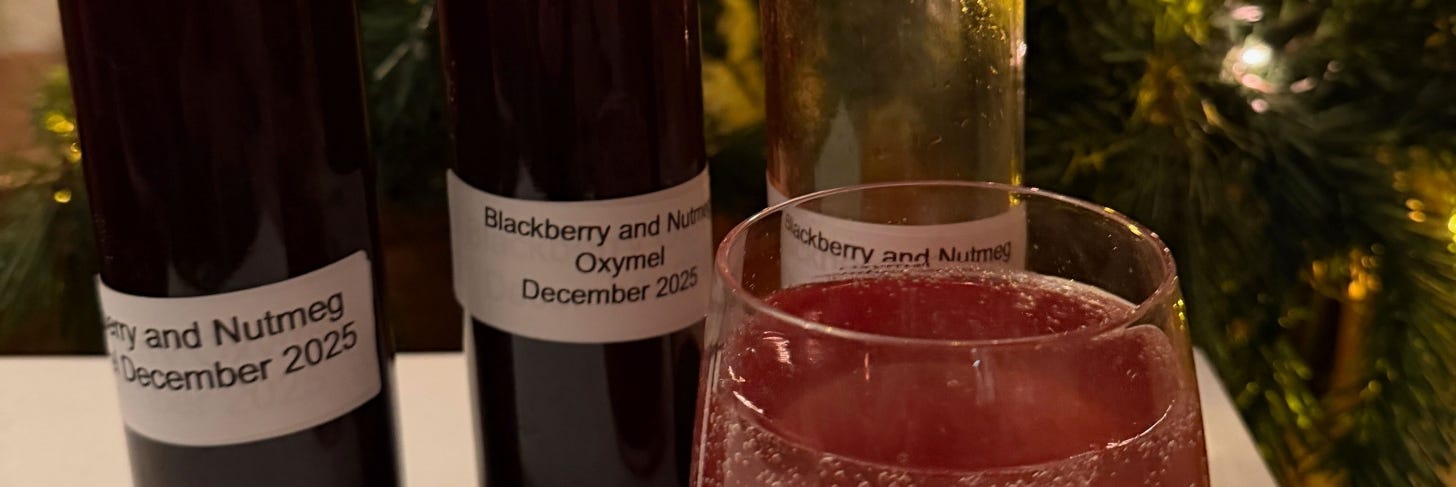
An oxymel is a mixture of honey and vinegar which is often prepared with added fruit, herbs or spices. Oxymels have long been known for health purposes and nowadays are attracting interest for their ease of preparation and palatability. They can offer a remarkable range of benefits extending from cough and arthritis relief to immunity and tonic boosting properties. Here I outline some historical background, reasons why oxymels can support health, research findings and creative ways to make oxymels including a recipe for Blackberry and Nutmeg Oxymel.
Some history of oxymel use
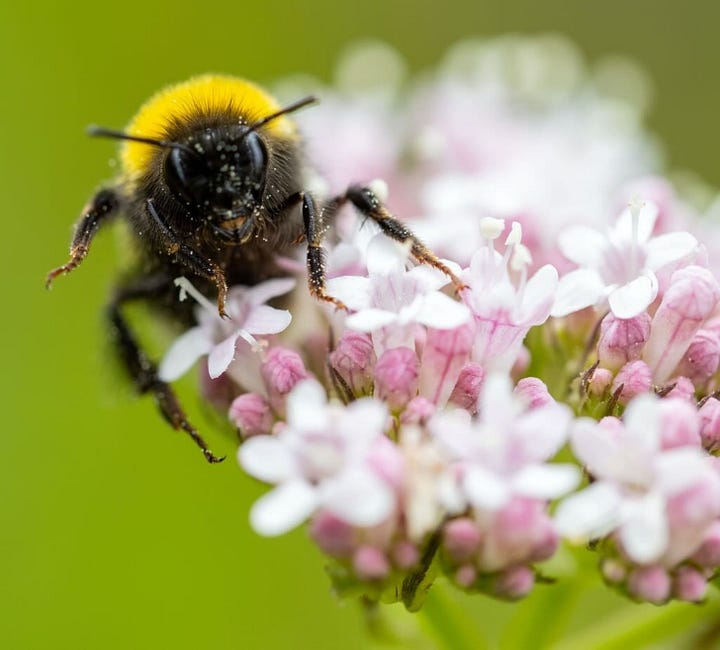
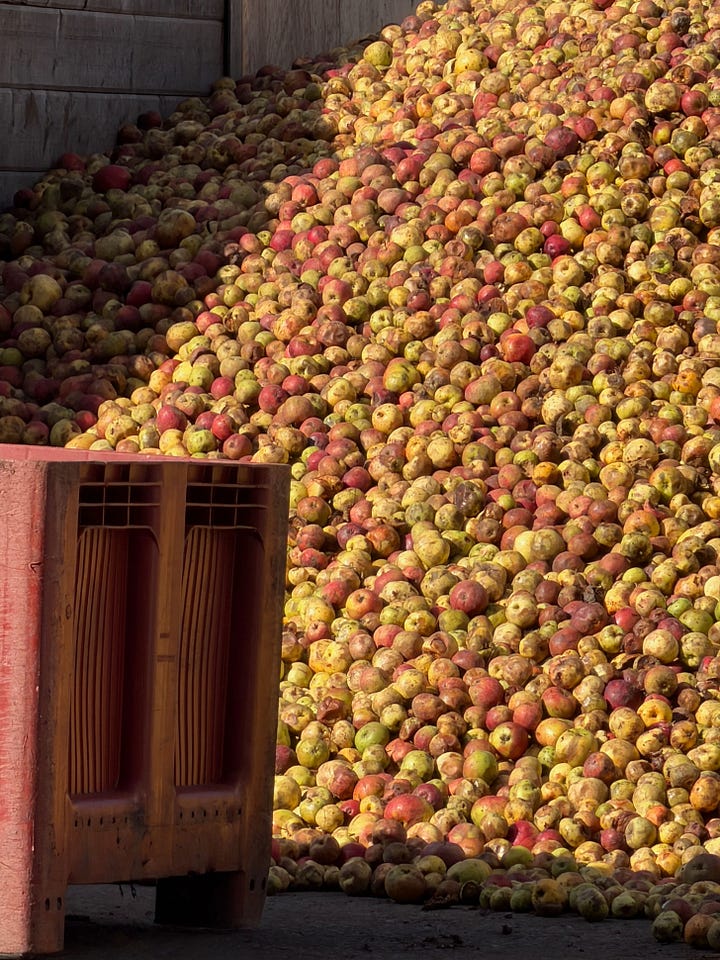
Oxymels have quite a lengthy history, always appearing with high proportions of honey in the mix alongside vinegar and other ingredients. From the ancient Greek language, ‘oxy’ (ὀξυ) has the meaning of sharp or acid and ‘meli’ (μέλι) refers to honey. Traditionally, oxymels were thought to benefit phlegmatic disorders such as asthma or where there was a need for improved blood flow. Written some 400 years before the birth of Christ, the work On Regimen in Acute Diseases, attributed to Hippocrates, described oxymel as a preparation that “cleanses and warms the body”. This ancient Greek text promoted the use of oxymel for respiratory complaints as it was said to encourage expectoration (the coughing up of phlegm) and improve freedom of breathing. Thus, use of the honey and vinegar combination known as oxymel can be traced back to classical Greek physicians and scholars (Harrison et al., 2023) in addition to other cultures such as those of Persia and Egypt. Oxymel of squill is said to have been invented by Pythagoras, the Greek philosopher. For centuries, folk preparations based on honey and vinegar have been used to ease coughs, soothe sore throats, aid digestion, strengthen immunity and boost vitality. These traditional oxymels usually contained high proportions of honey and some were also recognised for their external use in preventing infections on the skin. Medieval recipes often mentioned honey or vinegar in recipes for wounds.
Oxymels and the forest garden go together well!
There are some advantages to making oxymels. On a small scale almost all of the ingredients can be available in a forest garden or on a foraging trip. The one exception may be honey, though good quality raw honey is often available on a local basis - good to support your local beekeepers! It is ideal if you can make your own apple or other fruit vinegars (see a previous MAKING RECIPES #10 post for more on vinegars). Forest gardens are often good sources of many different fruits, sometimes smallish quantities gathered over a period which can be frozen for later use. The oxymel preparations usually last 6-12 months without refrigeration. So oxymels not only taste good but are ideal for longer term use.
This post is part of the paid MAKING RECIPES # series. All my other posts are available free to subscribers. The MAKING RECIPES # series for paid subscribers aims to give my inside story as a herbal practitioner based on growing, harvesting and making healing remedies and body care products from the medicinal forest garden. I have enabled these paid subscriptions as a way to help maintain the Medicinal Forest Garden Trust website to promote sustainable cultivation of trees and shrubs. Paid subscribers can also comment and join in discussion as well as access all of the chat and past archive.
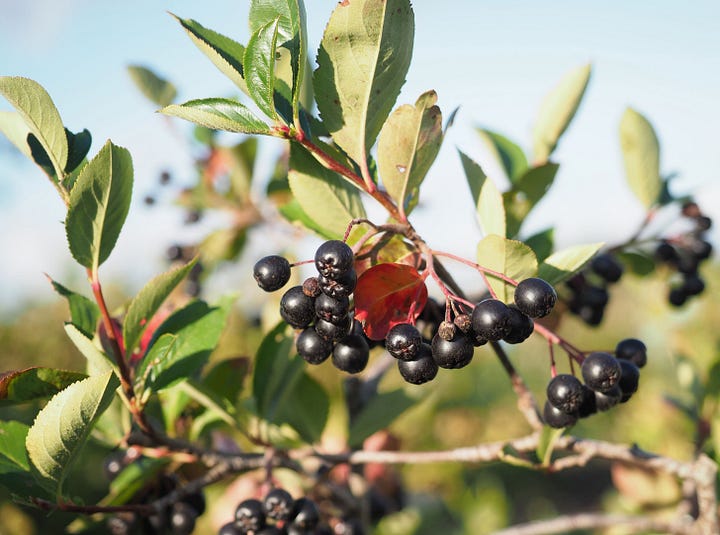
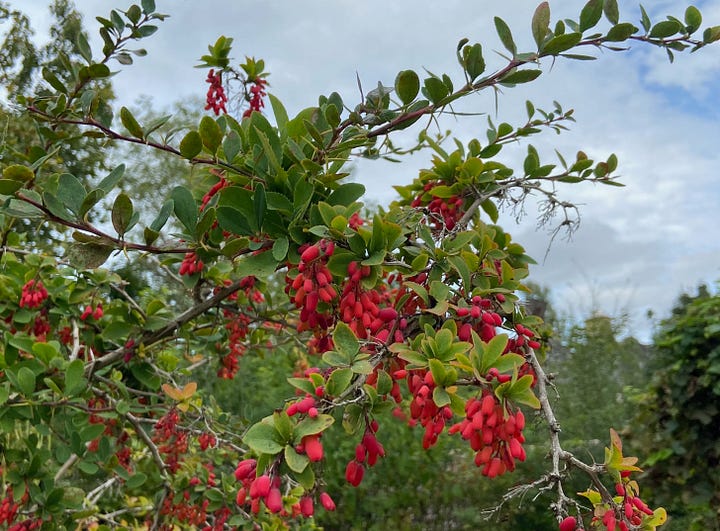
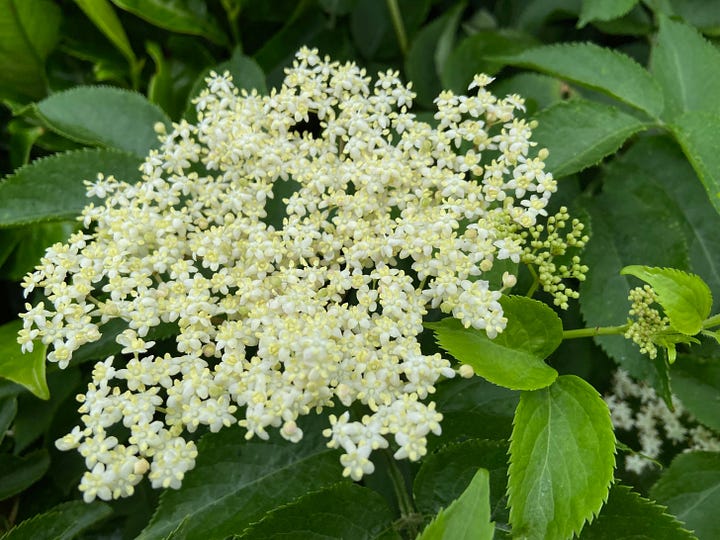
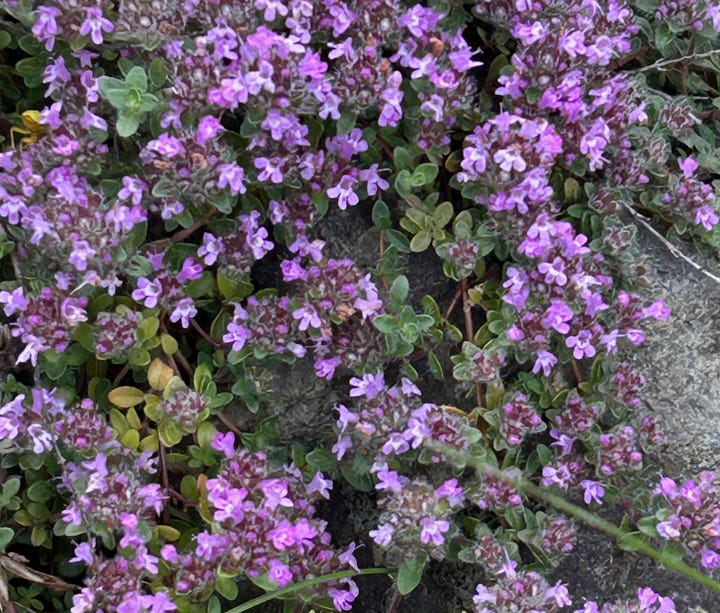
In the forest garden the range of species is wide. Further possible tree and shrub sources include barberries, blackberries, cherry bark, chokeberries, elder berries or flowers, goji berries, hawthorn berries, juniper berries, pine bark or needles, pomegranate, raspberry leaf and rose hips. Herbs could include elecampane root, lavender flowers, oregano, thyme, yarrow, rosemary and sage. Pungent and stimulating plants to include might be garlic, horseradish and prickly ash berries.
Comments
Nothing yet. Say the first thing.
Sign in to join the conversation.