
For anyone interested in aspects of medicinal forest gardening here I gather together items in this quarterly update. In this July 2026 update you can see details of the Global Justice Report, a forthcoming medicinal plant supplier guide, outdoor creative mental health activities, research into olive leaves, videos on forest farming and coppicing, and permaculture podcasts, plus online resources including access to historical herbals.
E ONLINE INFORMATION RESOURCES
Global Justice Report Now Available - A No-Brainer Solution?
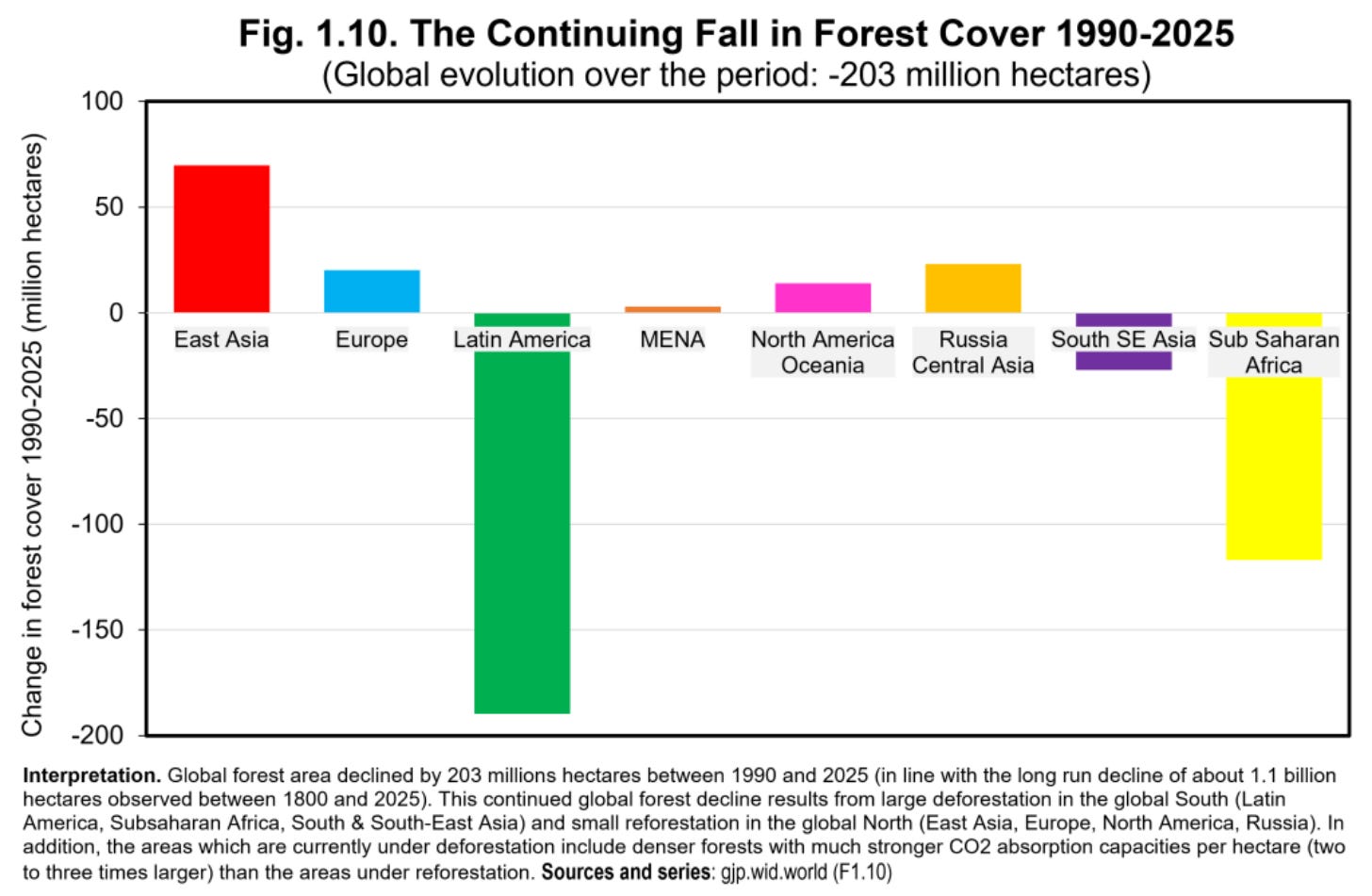
The Global Justice Report (2026) asks how socioeconomic equality can be achieved on one planet. It is free to download. The Report brings together masses of evidence and statistics about climate change, economic and social possibilities, and planning for the future. One of the startling conclusions of this Report is that it is possible to achieve sustainable equality within our planetary boundaries. Based on the evidence the Report claims an annual income of 5000 euros could be available to every world inhabitant by the end of the century if key changes are made in lifestyle and distribution of wealth. The changes include a transformation of food patterns, land use and forest cover. Currently two-thirds of agricultural land is devoted to grazing livestock, and cattle contribute 11% of global emissions. Grazing land is also in such demand that deforestation continues, further undermining the climate. Global forest cover has dropped by 200 million hectares in the last 25 years especially in South America and Africa (shown here in Figure 1.10 from the report) and it needs to recover to pre-1900 levels. A ban on deforestation would require dietary change due to a 25% reduction in meat production worldwide.
The Global Justice Report also explains other major benefits possible in terms of leisure time and planetary habitability. Incredible but credible this Report offers a way forward. Seems like a no-brainer???
Chancel L, Mohren C, Moshrif R, et al. 2026. The Global Justice Report: A Plan For Equality and Prosperity Within Planetary Boundaries. World Inequality Lab.
But nobody will know about this unless the Report is publicised widely so it is crucial to pass details on if you can! The full report is here…
Plant and Seed Sources for Medicinal Forest Gardening
In autumn 2025 I published a guide to medicinal seeds and plant suppliers available here on Substack. You can see the 2025 Listing of Plant and Seed Sources for Medicinal Forest Gardening here ...
I’ll be updating this list for a second version to be published October 2026 so, if you offer medicinal plants, especially trees and shrubs, then do please send me details, up to 150 words description plus organisation name and URL link is ideal. To be included send to info@medicinalforestgardentrust.org by 31st September 2026.
Just Out in July 2026! Outdoor Creative Mental Health!
A new report from The Baring Foundation on arts practice and creative opportunities for people with mental health problems. Entitled ‘Creatively Minded and Green: Exploring Outdoor Creative Mental Health in the UK’ by David Cutler, this report includes case studies of projects throughout UK featuring inclusivity and social connection in the outdoors, including social forestry projects in Wales offered by the Small Woods Association. Read here…
Research News About Olive Leaf Extract
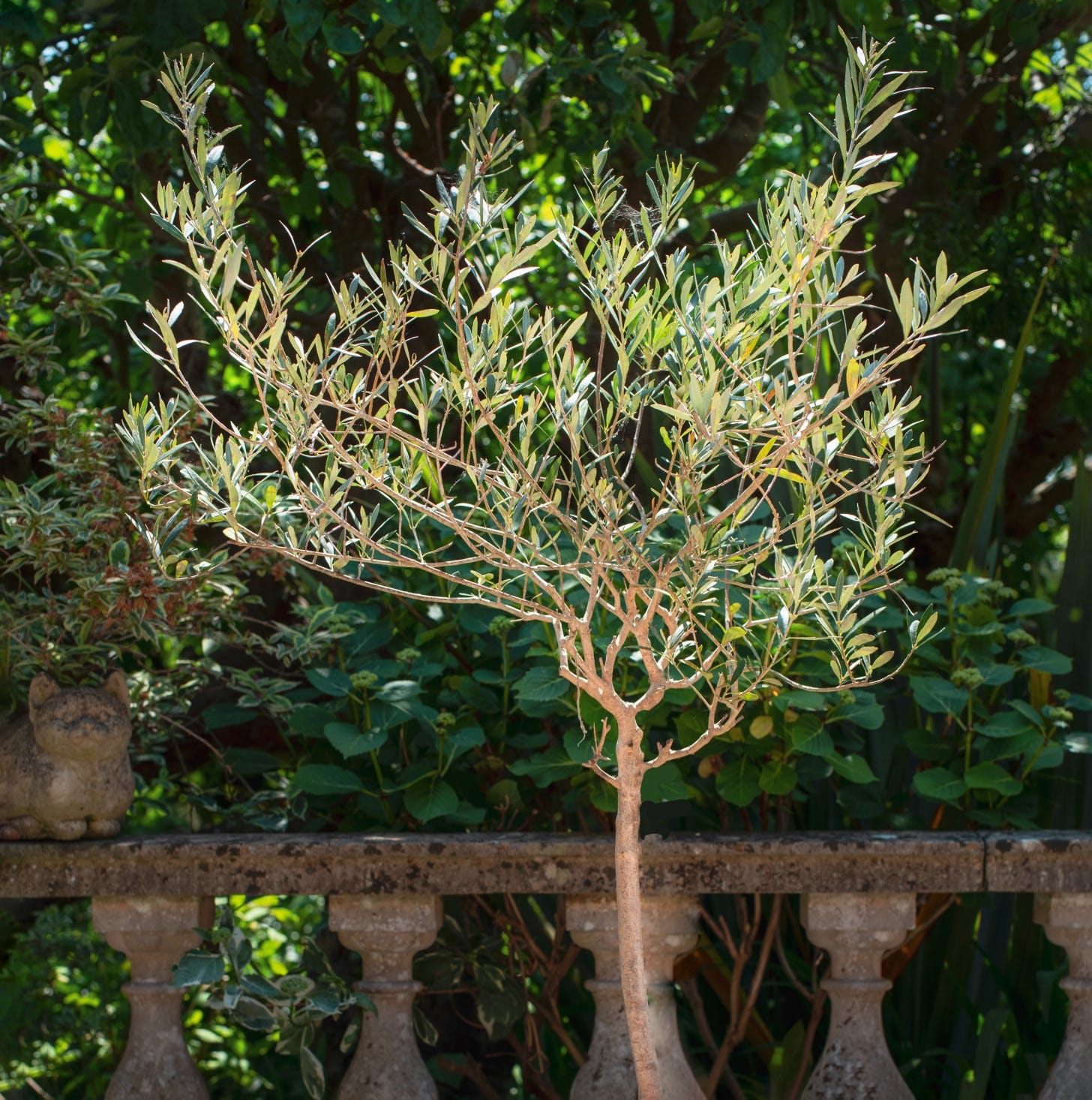
Clinical studies of real people and the effects of herbal extracts are few and far between, so it is interesting to see the findings of a study from an Austrian university. The effects of olive leaf extract with potassium were investigated in 70 adults with raised blood pressure. This was a randomised, double-blind, placebo-controlled study, and the adults with untreated mildly to moderately elevated BP received 1000 mg olive leaf extract and 300 mg potassium per day or placebo for 12 weeks. Blood pressure was reduced as were total cholesterol and triglycerides. There was an improvement in insulin sensitivity and there were no product-related serious adverse events. It was concluded the combination of olive leaf extract and potassium is a safe adjunctive strategy for individuals with mildly to moderately elevated BP that may help reduce cardiometabolic risk.
Fladerer-Grollitsch JP, Bucar F, Klein T, et al. 2026. Effects of a combination of olive leaf extract and potassium on blood pressure in participants with mild to moderate hypertension: A double blind, randomized, placebo-controlled trial. Phytomedicine 155: 158138. doi: 10.1016/j.phymed.2026.158138. See more...
Wild & Kind Futures: An Eco-Conversation Series
A series of online conversations with Morag Gamble from the Permaculture Education Institute in June and July. This was a pay-what-you-can-afford series with 100% of ticket fees going straight to permaculture projects localised and locally-led by women and youth in places of extreme need. Replays are available including:
10 June 2026 - Food Forest Herbal Medicines with Anne Stobart and Morag Gamble here …
9 July 2026 - Permaculture at a Community Maternity Hospital: Morag Gamble and Afshan Omar here…
A Beautiful Film: ‘Keeper of the Yarrow’ with Angelina Hjelm
This film is presented by Campfire Stories, a platform with a focus on solutions and on the root causes of the troubles of our times. Since childhood Angelina has felt a belonging to the living world and, today, Angelina is a gardener, herbalist and teacher. At a biodynamic kindergarten/farm in Sweden, she works with children to plant and harvest the food they eat. She also leads year-long nature courses. Keeper of the Yarrow is a portrait of a woman who carries forward a lineage of plant knowledge shaped by migration, war and resilience. Delightful to watch (20 min). View here...
Online Video on ‘Coppicing’
Can our oldest form of woodland management bring our woodlands back to life in the UK? While this video published on YouTube does not discuss coppicing for medicinal purposes it does make a good case for the value of coppicing since ancient times. This video on coppicing comes from Wood for Trees and includes case studies of oak woodland in Cornwall and chestnut coppice for fencing in Kent. Issued in February 2026 and well worth watching (21 min). View here...
Food From the Forest podcast with Martin Crawford
Food From the Forest or Voedseluithetbos is a Dutch association for food forest fans offering courses, case studies, and more. In this podcast, the first recorded in English, Martin talks about food forests, plants, farmers, agroforestry, nuts, the mycelium, resilience, climate, conferences, networking, nurseries, seeds, and much more. The interesting discussion includes thoughts about food forests of different ages and the role of ego in forest gardening! Issued 27 April 2026 as part of the current Season 5, Episode 85 (50 min). View here...
Herbalists Supporting Migrant Communities: Lessons from Frontline Practice
An excellent article by Nicole Rose covering many aspects of herbal medicine practised with refugees in contexts involving persecution and state violence. This is a comprehensive look at how herbal medicine can be used in healthcare initiatives such as the Mobile Herbal Clinic Calais. Care of wounds, treatment for respiratory conditions, foot and skin problems can all feature as important components of healthcare otherwise unavailable to refugees. Herbal practitioners develop important skills in using appropriate treatments for minor issues that can quickly become more serious. The work is entirely funded by donations and grants, so that volunteers to support fundraising are welcome. Published 28 May 2026 by Herbal Reality, view here ...
Unlocking Historical Botany: New Archival Resources
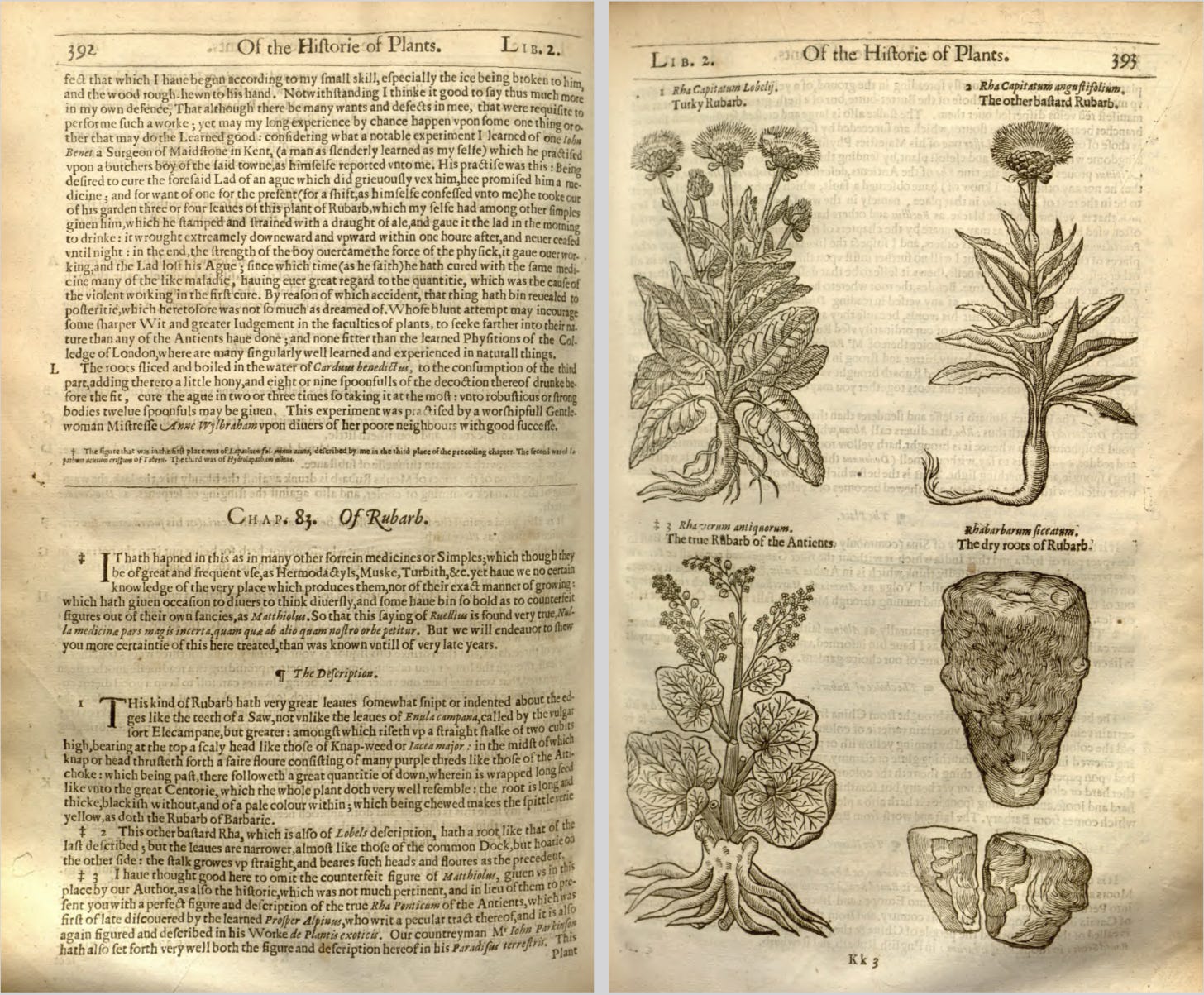
Now digitally available on the Botanical Society of Britain and Ireland website are images of a number of printed texts from the sixteenth century onwards. You can view some key historic publications such as a substantial version of The Herball or General Historie of Plantes of 1636 - this is often known as Gerard’s Herbal although his version had many errors and this version is corrected by Thomas Johnson. The site includes historic catalogues of British national and county floras. View here ...
Journal of Medicinal Plant Conservation
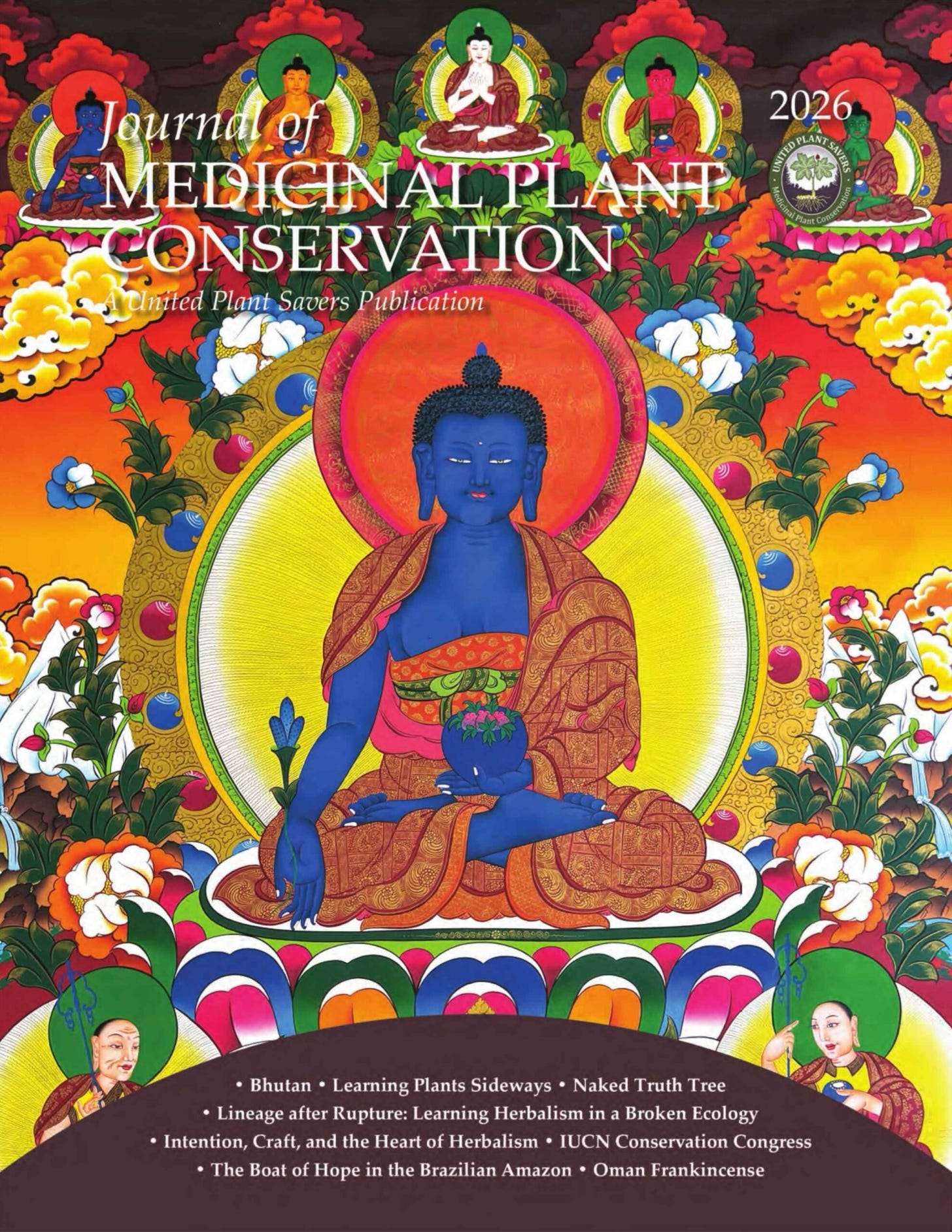
The Journal of Medicinal Plant Conservation is published annually by United Plant Savers and the focus in 2026 is about learning about plants. This is a wonderful collection of articles ranging through conservation initiatives, travels in the Amazon, Southern Appalachian plants, West Indian herbal remedies, living with plants in Vietnam and much more. I particularly enjoyed the reflections on how herbal knowledge can be transmitted, through botanic gardens and biodiversity initiatives. There are practical elements too such as reporting experiments on cultivating goldenseal. Beautifully illustrated throughout. It is worth joining the United Plant Savers as members all receive a copy of the Journal published 18 June 2026. The Journal can be viewed online here...
Agroforestry Research Trust Propagation Course 18 September 2026 in Devon
Taught by Martin Crawford from ART and Fran Welch from Edible Canopy Nursery, this intensive day covers propagating edible perennials, trees and shrubs, by seed, cuttings, layering, grafting and more. As three sessions are already fully booked an extra date is offered for this one-day course, on 18 September 2026.
More info and booking here..
Herbal Education in the UK: A Reflection of the Plants Themselves?
This article provides a useful history and listing of herbal practitioner training in UK by Guy Waddell, and it was published 21 May 2026 on the Herbal Reality website. Included is an overview of the history of accreditation and some key aspects of the various schools involved. If you want to further your training to herbal practitioner level then this is a valuable online resource on the range of herbal training offers in UK. Some providers offer introductory courses that extend to a full practitioner curriculum at university degree standard. Herbal Reality also have a listing of organisations offering training in Ireland and USA. See the article here ...
FairWild Accreditation of Herbal Suppliers
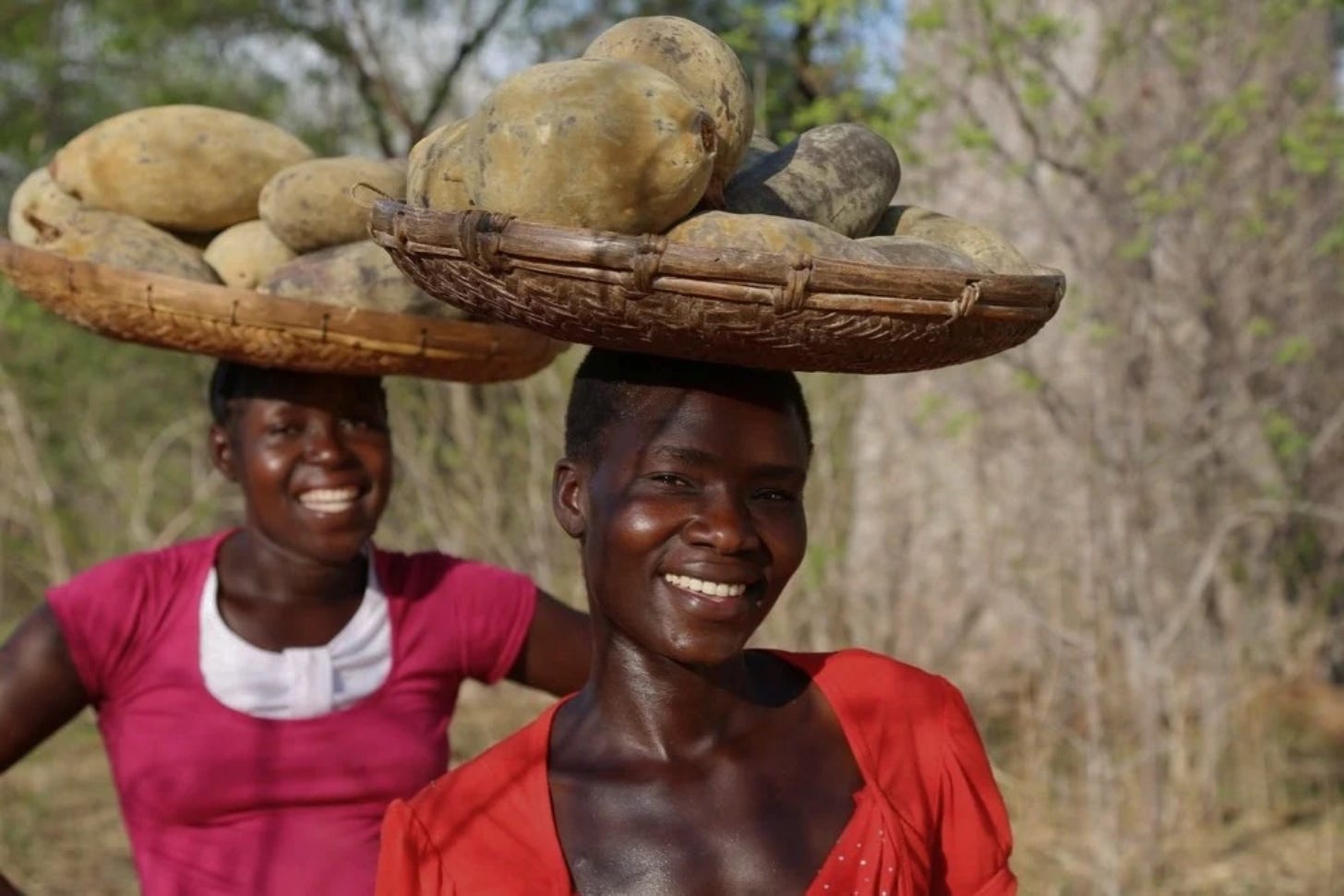
FairWild are key in the accreditation process if you are purchasing plants from around the world and want to know that their provenance is sustainable. The FairWild standard includes wild plants, plant parts, and plant products collected from natural and semi- natural terrestrial and aquatic habitats, and low-intensity agricultural production landscapes. And their Standard Version 3.0 principles are all about safeguarding species, people, and supply chains, ensuring long-term survival of botanicals:
1 SPECIES SAFEGUARDED
Populations maintained over time
2 LANDSCAPES PROTECTED
Harvesting that sustains ecosystems
3 HUMAN RIGHTS RESPECTED
Collectors treated with fairness and dignity
4 ECONOMIC EQUITY
Fair prices and fair working conditions
5 COMMUNITIES ENGAGED
Customary rights recognised, benefits shared
6 LEGAL COMPLIANCE
Full alignment with local and global law
7 RESPONSIBLE BUSINESS
Traceable, transparent, ethical sourcing, honest marketing
Nearly a quarter of a million people are involved as collectors in Fairwild certified operations worldwide including projects with shea nuts providing much used shea butter in Western countries. Recent certifications include black cherry (Prunus serotina) and black haw (Viburnum prunifolium), both endangered species in some habitats in north America. Read more about the work of FairWild with case studies in the FairWild Impact Report 2025, here...
Forest Farming: Building A Sustainable Supply Chain
Forest farming is an agroforestry practice where non-timber forest products (NTFPs) are stewarded and/or cultivated in the forest understory. Video content (11 minutes) is presented as part of Forest Botanicals Week, a public awareness campaign led by the Sustainable Herbs Program and Appalachian Sustainable Development. The Sustainable Herbs Program (SHP) was a former educational programme of the nonprofit American Botanical Council from 2018-2024. SHP is now independently operating as the Sustainable Herbs Initiative (SHI), a collaborative initiative focused on promoting ethical and sustainable sourcing of medicinal and aromatic plants within the herbal products industry. Watch here ...
Can You Use This Leaf For Tea?
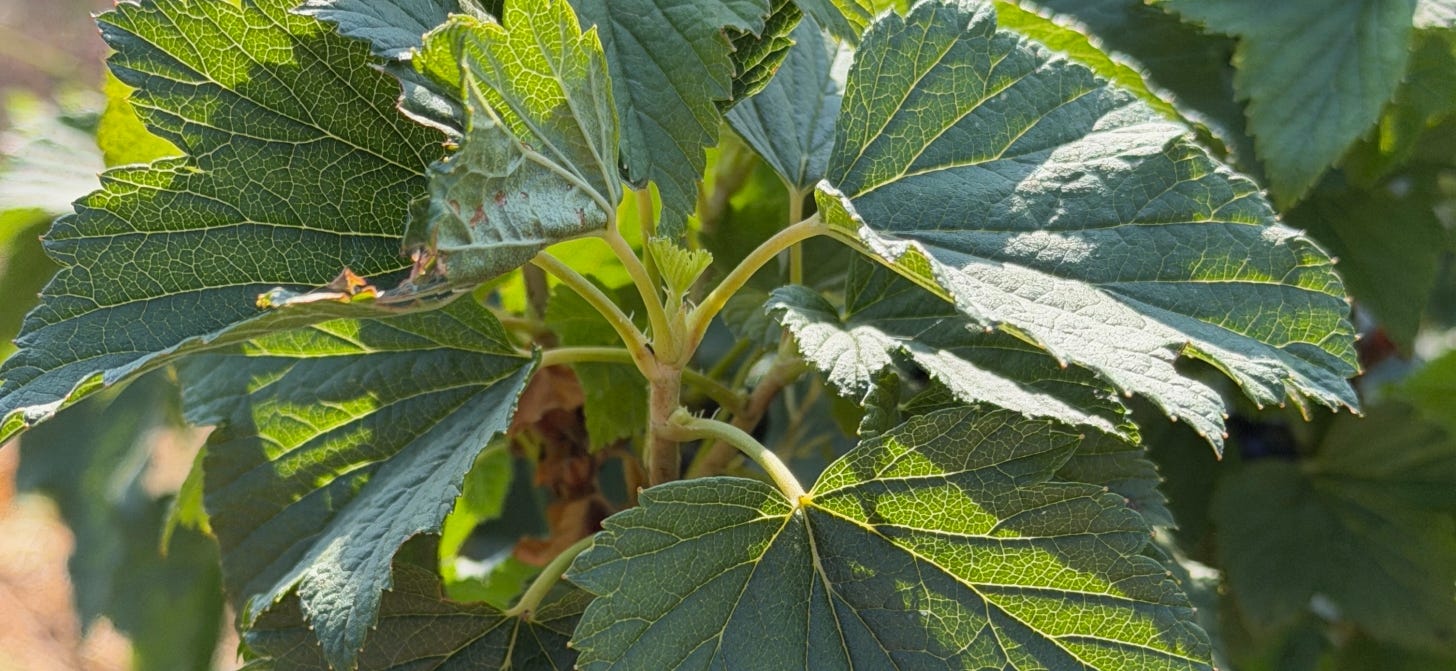
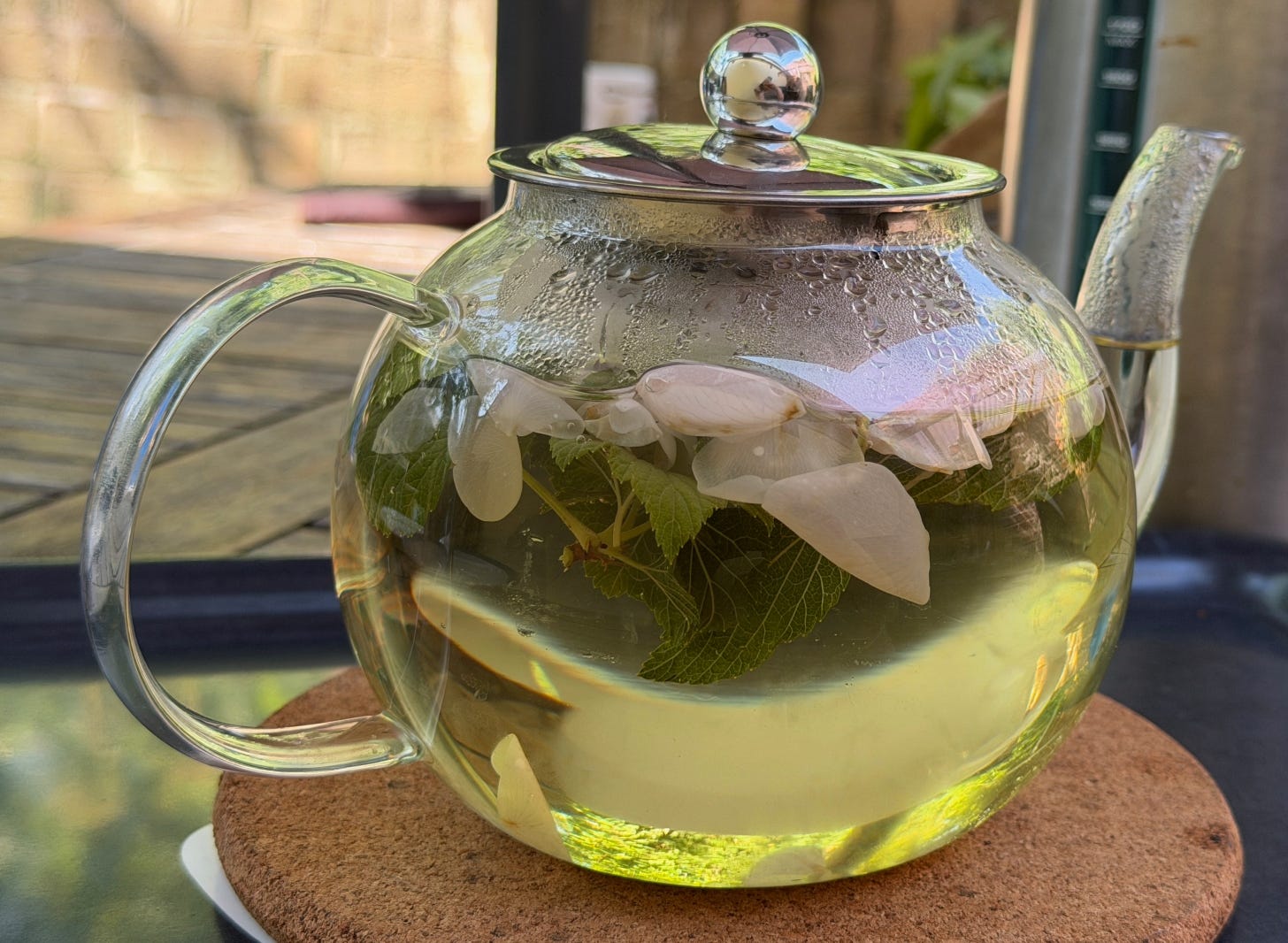
The leaves shown are tops of blackcurrant bushes surviving surprisingly well in the current hot dry spell in Devon. Yes, you can use blackcurrant leaves for tea. Blackcurrant leaves are highly beneficial and appreciated in a number of folk traditions. The young fresh leaves can be infused with other plants such as rose to make a refreshing light tea, hot or iced.
Recipe for a Blackcurrant Leaf and Rose Petal Infusion
Small handful of blackcurrant (Ribes nigrum) leaves
2 or 3 roses, petals only
750 ml boiling water
Lightly crush the blackcurrant leaves and place in a glass tea pot. Sprinkle the rose petals into the tea pot. Pour on the boiling water and leave to stand for 5-10 minutes. Strain and drink hot for a refreshing brew. Avoid over brewing as the tannins will become dominant. You can also cool in a refrigerator and serve with ice. Try variations such as mixing blackcurrant leaves with equal quantities of lemon balm or mint leaves.
Thanks for reading Medicinal Tree Woman! This post is public so feel free to share it.
Comments
Nothing yet. Say the first thing.
Sign in to join the conversation.