
I’ve been thinking a lot lately about how strange modern “compassion” has become.
Not compassion itself. Human beings have always needed compassion because life is obviously horrendous some of the time. People get sick. Marriages collapse. Addicts relapse. Children die. Your mate phones you at two in the morning absolutely out their nut convinced life is over because they’ve spent forty-eight hours awake in a flat smelling of damp washing, burnt toast, Lynx Africa and emotional collapse after falling temporarily in love with somebody called Crystal who may or may not also be the name of the drug, all while making decisions that will almost certainly require antibiotics by Wednesday.
Human suffering is real. That part has not changed. What has changed is the performance around it. Because we now live in a culture that speaks constantly about compassion while somehow feeling simultaneously colder, lonelier and more emotionally exhausted than at any point I can remember.
Which is odd.
Britain now has entire industries built around wellbeing, inclusion, trauma-awareness, mental health conversations, safeguarding pathways, therapeutic interventions and emotionally supportive language. Every corporation in Britain now sounds like a mildly anxious youth worker. Even banks write to you now like they’re checking in after a breakup.
“Hi Annemarie 💜
Just reaching out to see how you’re feeling about your overdraft.”
And yet people seem absolutely bloody miserable.
Lonelier. Angrier. More fragile. More frightened. Less forgiving. Less capable of dealing with ordinary human difficulty. Which raises a fairly uncomfortable possibility. What if compassion and the performance of compassion are not remotely the same thing? Because real compassion is actually incredibly hard.
Not Instagram hard.
Not “I watched a Netflix documentary and cried into my ethically sourced hummus” hard.
Actually hard. Like Compassion is Exhausting hard.
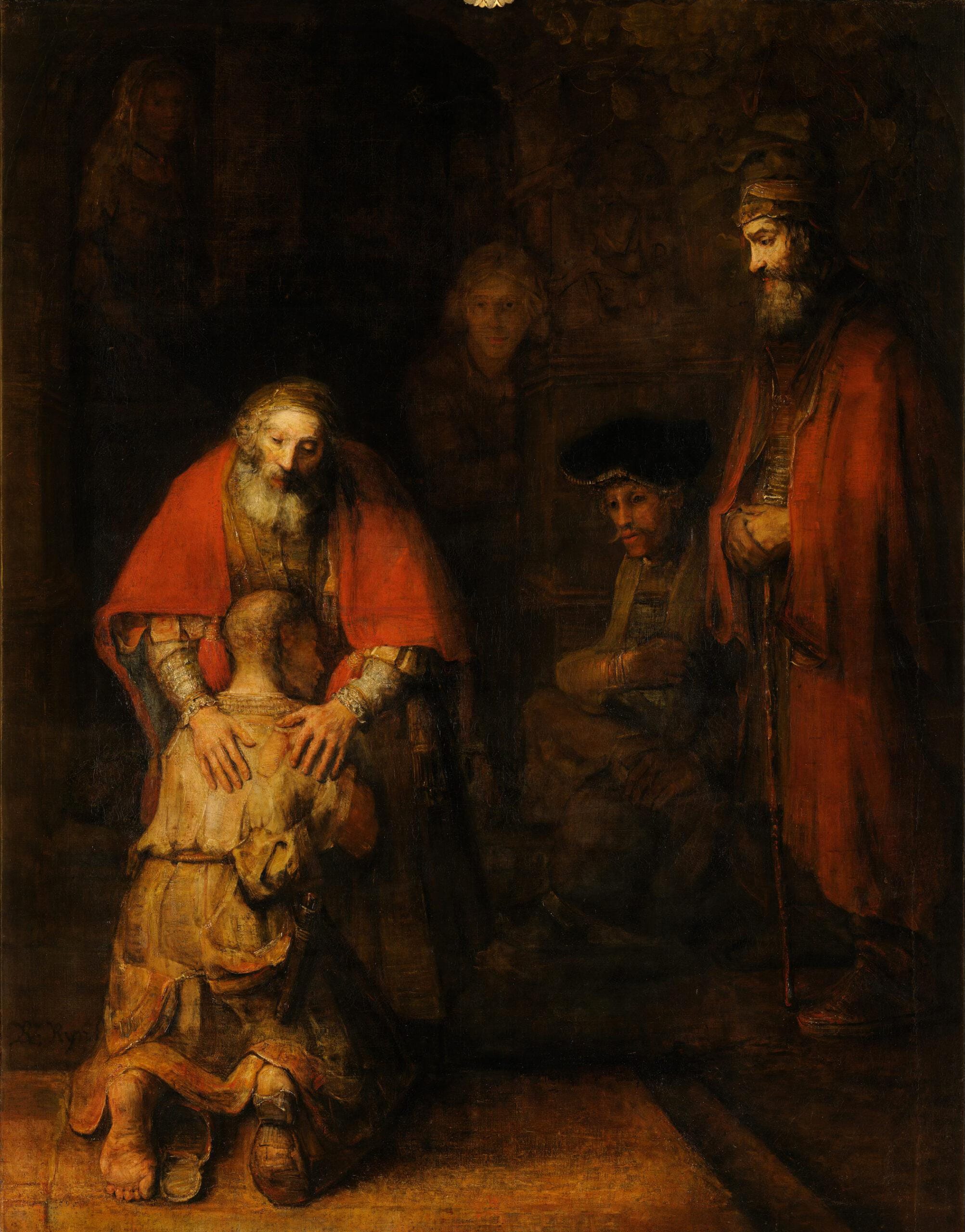
Real compassion means sometimes means staying emotionally present when another human being is behaving in ways that make you briefly consider faking your own death and relocating to a lighthouse in the Outer Hebrides.
It means answering the phone again. And again. And again.
It means sitting in oncology wards pretending to discuss parking charges or the taste of hospital coffee while both of you sit there quietly, hearts breaking, swallowing chest-crushing grief down and carefully avoiding any silence long enough for the truth to fully enter the room that one of you will almost certainly not be alive this time next year.
It means telling people truths they do not want to hear while also understanding that honesty without tenderness is sometimes just cruelty wearing a T-shirt saying “I’m brutally honest”.
It means discernment.
It means recognising that sometimes a person needs the full truth immediately and sometimes they first need a cup of tea, a bit of quiet and twenty minutes without being emotionally waterboarded by therapeutic clichés from somebody who learned empathy entirely through Instagram infographics.
It means mercy. Timing. Patience. And sometimes it means saying no.
Which modern culture increasingly struggles with because modern compassion has quietly drifted into emotional affirmation.
Everything now is: validate, affirm, accommodate, destigmatise, normalise, platform, centre lived experience, co-produce pathway. Half the country now sounds like it swallowed a social work handbook and developed depression.
But real compassion is not simply affirming people. Sometimes real compassion disappoints people. Sometimes it involves boundaries. Sometimes it involves confrontation. And sometimes it means sitting beside somebody in absolute agony without being able to fix any of it while resisting the overwhelming temptation to say something utterly managerial and emotionally useless like:
“Have you tried mindfulness?”
“You need to protect your peace.”
“Maybe your inner child needs validation.”
“Have you considered breathwork?”
“You should probably unpack that.”
And the strangest thing is that some of these phrases contain tiny fragments of truth.
That is what makes them dangerous.
They become clichés repeated mechanically by people trying to sound emotionally evolved while quietly avoiding the terrifying reality that sometimes life is simply tragic and no amount of lavender-scented nervous-system regulation is going to fully solve it.
As though centuries of grief, addiction, betrayal and mortality are basically an admin issue solvable with scented candles, herbal tea and a podcast hosted by a woman called Sage living in a yurt near Totnes.
There should honestly be prison sentences for responding to profound human suffering with wellness clichés. Preferably somewhere very, very cold.
Because one of the strange things suffering does is strip away performative compassion very quickly. Nobody lying awake beside a hospital bed starts whispering:
“We need to centre your authentic trauma narrative within a healing-informed relational framework.”
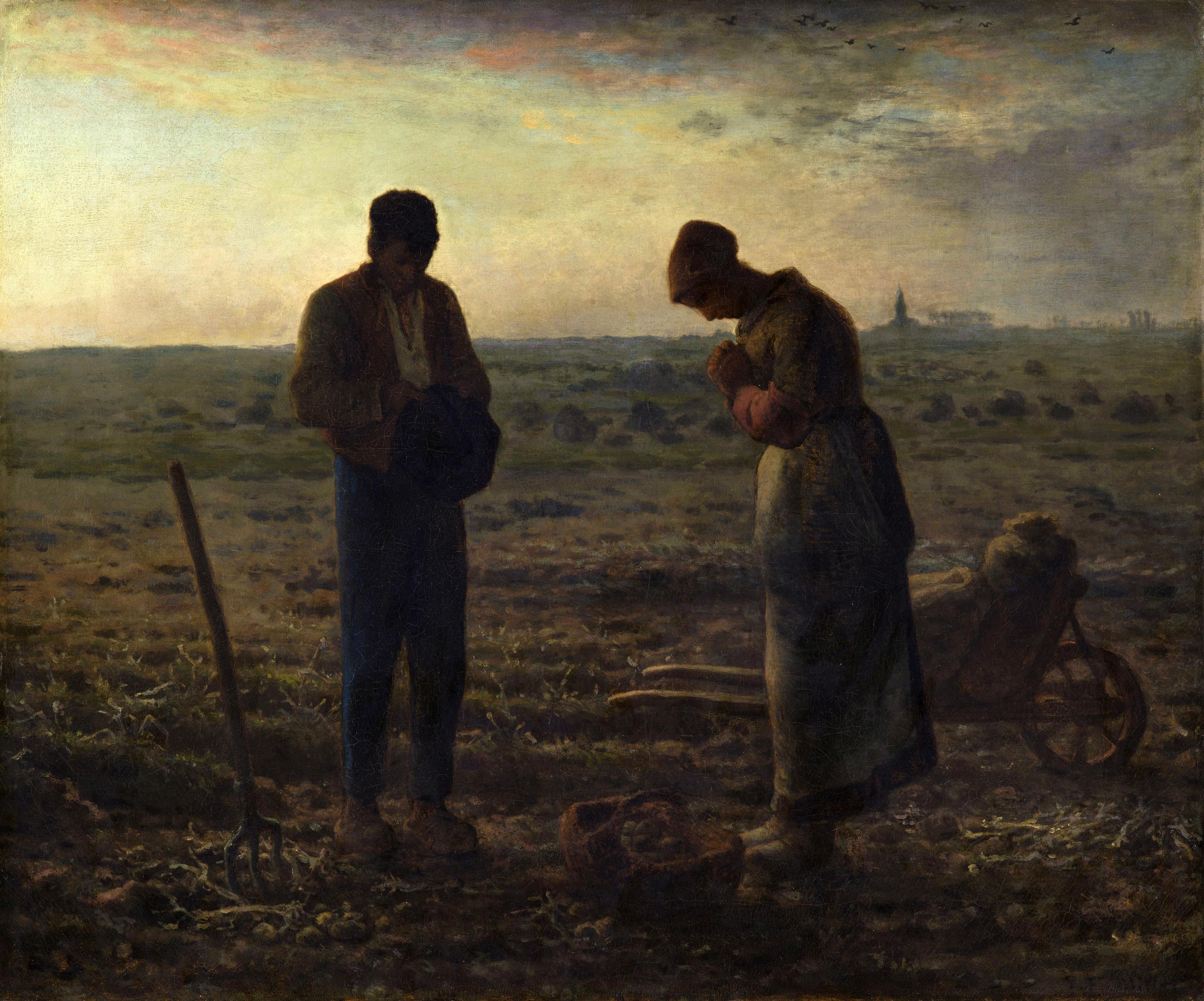
They want truth. Presence. Tea. Cake, Hugs. Someone imperfect without the right words but dependable. Someone willing to stay. Someone willing to shut up and listen even when no one’s speaking.
Preferably somebody over the age of thirty-five who still knows how to make toast without describing it as a wellness intervention or posting about it on insta. They want somebody who will answer the phone at 3 in the morning.
And perhaps that is what increasingly bothers me about modern therapeutic culture.
It validates suffering constantly but seems oddly frightened of the transformation that suffering can bring.
We are extraordinarily comfortable discussing trauma now. Far less comfortable discussing responsibility, discipline, sacrifice, forgiveness, dignity, restraint or the moral courage that it takes to heal.
In fact the moment you mention any of those things publicly somebody immediately starts reacting like you’ve proposed reopening Victorian workhouses and making children sweep chimneys for buttons. And because of that, modern society increasingly encourages people to build identities around wounds rather than movement through them.
You can feel this everywhere now. Pain has become social currency. The algorithms reward emotional exposure. Institutions reward emotional exposure.
Sometimes entire careers now seem to form around narrating damage indefinitely.
Not always maliciously either. Often sincerely. That’s what makes it complicated.
Most suffering is real.
But one of the dangers in modern culture is that suffering slowly stops becoming something a person moves through and instead becomes the central organising fact of who they are.
What begins as honest testimony hardens into identity. And identity eventually becomes infrastructure. At which point compassion quietly mutates into management.
And this is where things start becoming genuinely strange. Because healthy compassion should ultimately want freedom for the person suffering. Healthy recovery wants agency restored. Healthy therapy should ideally hope eventually to become unnecessary. But many modern systems increasingly seem organised around the indefinite management of vulnerability itself.
Not because everyone involved is evil. Most are deeply sincere. But systems have incentives just like people do. And modern systems increasingly reward dependency, outrage, emotional exhibitionism, fragility, permanent grievance and identity through suffering because these states are administratively useful, politically useful and algorithmically profitable.
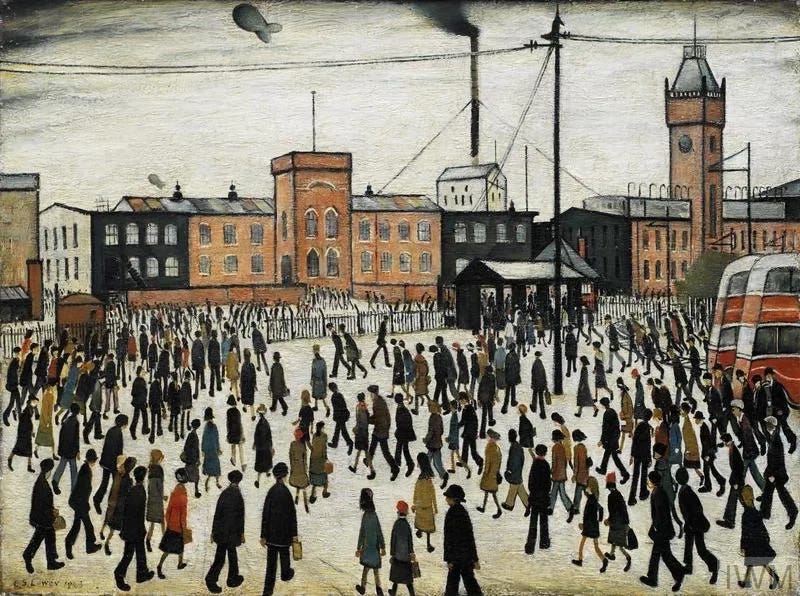
You can actually watch this happen in real time on social media if you are honest enough with yourself. I have seen it on my own Twitter feed. The posts expressing grief, fury, collapse or outrage immediately explode with engagement while the quieter posts about responsibility, recovery, forgiveness, gratitude or ordinary stability drift past almost unnoticed because the algorithm has all the moral depth of a seagull outside Greggs.
And if we are honest, you can feel the temptation in yourself sometimes too. The little psychological tug to become sharper, angrier, crueller, more emotionally dramatic because the machine quietly rewards escalation. The algorithm does not really care whether you are becoming wiser, calmer or more healed. It cares whether you are engaging. Preferably while slightly emotionally unstable and typing with the energy of somebody three glasses of wine deep and five minutes away from falling out with a cousin over immigration policy
Resisting that pull increasingly is a moral discipline in its own right.
Stable, grounded, self-governing people with strong families, strong communities and a reasonably coherent moral framework are actually much harder to manage. Which is perhaps why modern life increasingly feels so psychologically disorientating.
Everything encourages emotional exposure but very little encourages transcendence. Everything encourages self-expression. Very little encourages self-mastery. Everything encourages outrage. Very little encourages reconstruction. And outrage, if we are honest, is cheap. You can build an entire online identity now purely through permanent fury. Some people wake up every morning like emotional Batman.
Summoned into the night by a glowing signal in the sky reading:
“SOMEBODY IS WRONG ON THE INTERNET.”
And look, I understand the temptation because there genuinely are things collapsing around us. Britain increasingly feels like a country trapped somewhere between managerial technocracy and national nervous breakdown. Nobody trusts institutions anymore. Nobody believes politicians. The council blames Westminster. Westminster blames global pressures. The quango references a framework. The agency references stakeholder engagement.
And eventually you realise you are trapped inside some kind of administrative escape room where every clue leads to another acronym and every phone number directs you back to a website that crashes trying to prove you are not a robot.
Like Dante’s Inferno if every circle of hell was run by the council. But there is danger too in becoming consumed entirely by reaction. Because civilisations, like people, cannot survive on resentment alone. If all you do is stare into decay eventually the decay starts colonising your own soul too.
And that, I think, is part of the deeper exhaustion hanging over modern Britain now.
We have become a country strangely embarrassed by our own moral inheritance while simultaneously unable to imagine a coherent replacement for it. So the state lurches awkwardly between therapeutic management and bureaucratic administration while ordinary people increasingly feel nobody is actually steering the ship.
And underneath all of this sits a deeper confusion about what human beings actually are. Are we consumers? Trauma collections? Service users? Economic units? Algorithmic profiles? Permanent patients?
Or are we moral beings capable of courage, sacrifice, forgiveness, recovery, loyalty and love? That question matters enormously now because civilisations eventually organise themselves around whatever answer they choose. And perhaps that is why modern compassion often feels emotionally unsatisfying despite speaking constantly in the language of care. Because much of it quietly mistakes the removal of discomfort for the same thing as love.
But almost everything meaningful in life involves discomfort somewhere. Recovery hurts. Forgiveness hurts. Remaining loyal hurts. Love itself hurts eventually because real love costs something. And yet people still do it anyway. The neighbour bringing soup. The sponsor answering the phone. The exhausted mother carrying on. The husband sitting quietly beside his frightened wife. The friend telling the truth gently instead of repeating therapeutic slogans downloaded from Instagram beside a photograph of eucalyptus leaves.
That is probably where civilisation is rebuilt. Quietly. Unspectacularly. Without hashtags. Without branding. Without stakeholder engagement strategies. Without anybody calling it “trauma-informed relational practice”.
Just ordinary flawed human beings choosing, over and over again, showing up to love each other properly in a culture increasingly organised around easier substitutes that sound good but feel hollow.
Comments
Nothing yet. Say the first thing.
Sign in to join the conversation.