
Last year I wrote about Labour’s plans for metro mayors, Strategic Authorities and the strange new language of “devolution” that increasingly sounded less like democracy and more like management consultancy with better branding.
At the time, some people accused me of exaggeration and being a conspiracy nut. Others insisted this was all perfectly harmless modernisation. Just sensible regional governance. Just “bringing power closer to communities”.
Well, since then what I described has now become law through the English Devolution and Community Empowerment Act 2026.
So this is no longer theoretical.
An entirely new layer of regional governance is now being cemented into British political life and almost nobody voted for it.
And the fascinating part is not even that it happened, but how.
Not through thunderous speeches or dramatic public debate.
Britain no longer changes that way.
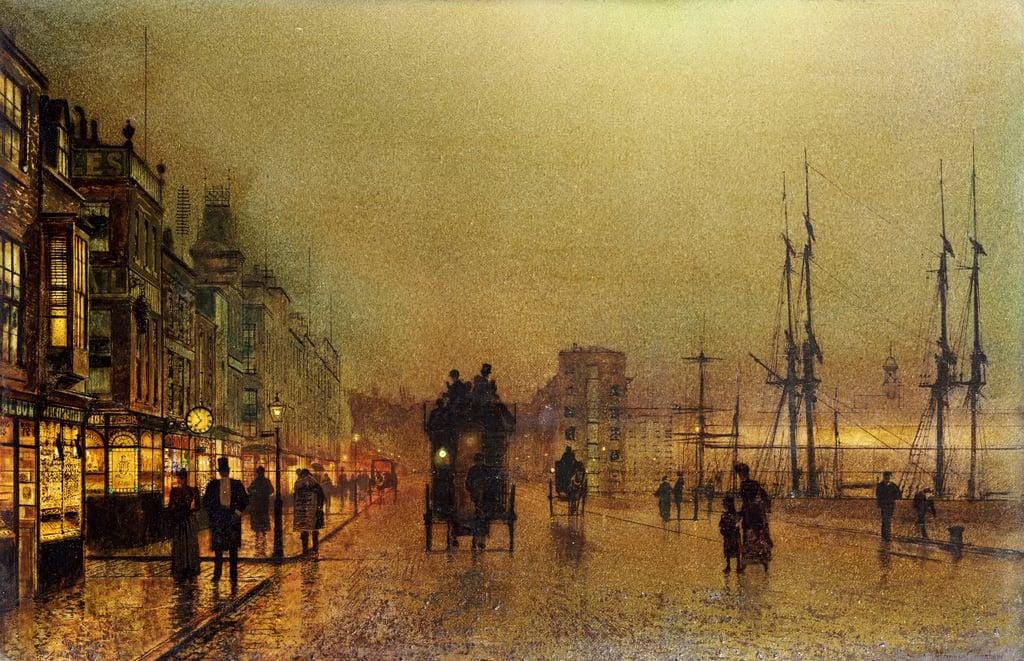
The country is now quietly reorganised through consultation PDFs uploaded on a Thursday afternoon while everyone is trying to remember their password for the council parking portal.
The British state no longer really conquers people.
It just slowly exhausts them into consenting to things while they are trying to renew a parking permit that somehow requires fourteen online forms, three government portals, two forms of photo ID and what increasingly feels like a blood sample and the surrender of your first-born child before the application can even begin.
Nobody storms Glasgow City Chambers dressed like a Bond villain announcing the end of local democracy while lightning flashes overhead.
No, of course not.
In Britain we do these things politely. Bureaucratically. Managerially. With a stakeholder consultation titled something like “Building Resilient Place-Based Futures Together”.
The genius of modern governance is that it rarely removes power openly. It simply moves it further away while continuing to speak the language of empowerment.
And sitting right at the centre of this strange new political theatre is Andy Burnham.
Which is fascinating in itself.
Because Burnham has somehow managed to position himself simultaneously as establishment insider and anti-establishment outsider. A man who has spent decades inside the political machine now presented as the rugged northern alternative to politics-as-usual.
And to be fair, compared with the dead-eyed managerialism currently drifting through Westminster like a traumatised HR department, you can absolutely see the appeal.
Burnham performs locality well.
He speaks the language of place, identity, transport, civic pride and regional dignity. He gives interviews like a man permanently five minutes away from unveiling either a tram extension or a craft beer market inside a converted warehouse.
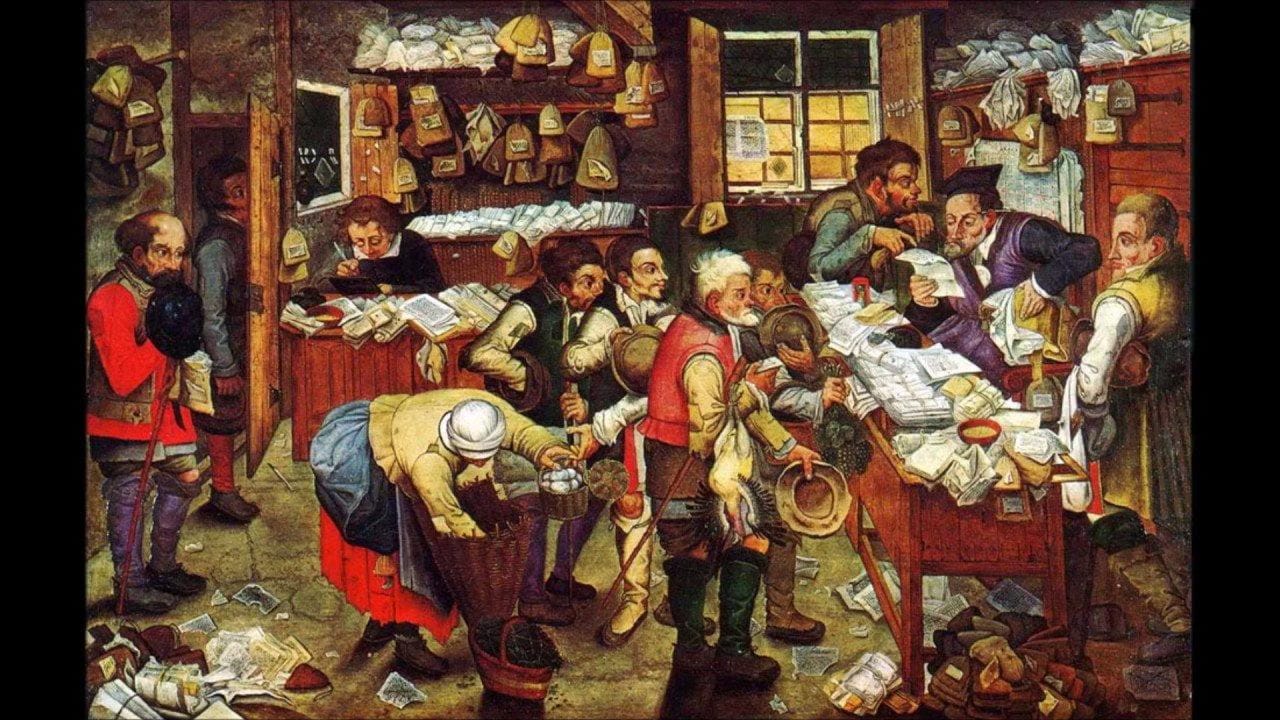
You can see why people warm to him if they do not look too closely.
But you can also see he is still very much part of the establishment. Essentially Keir Starmer with a better accent and tiny carefully stage-managed jogging shorts reminiscent of the sort footballers wore in the 1980s when polyester existed solely to showcase a man’s thighs to the nation.
Sadly for Andy, however, the infrastructure programme appears considerably more developed than the quadriceps.
Modern Britain is now so emotionally dehydrated of anything resembling authenticity that if a politician manages to sound halfway human for more than thirty seconds, folk start reacting like the Second Coming’s arrived on a tram from Salford.
Usually, of course, the whole thing has been manufactured by a PR team, focus-grouped within an inch of its life, and delivered in rolled-up sleeves beside a carefully chosen background containing at least one artisan coffee shop and a group of young professionals pretending to enjoy urban planning.
But look more closely at what the metro mayor model actually is.
Because what is being sold emotionally as local empowerment increasingly functions structurally as regional managerialism.
That is the trick. The branding becomes local. Governance becomes regional. Accountability becomes fog.
Manchester has effectively become the prototype. A city-region governed through combined authorities, strategic partnerships, integrated transport systems, climate frameworks, housing targets, growth missions and endless stakeholder engagement, all delivered in the warm reassuring tone of a man offering you artisan sourdough with sea salt hand crafted Butter.
Glasgow, meanwhile, has increasingly tried to replicate the branding, the language and the managerial theatre, but with considerably less money, less coherence and an administration so dysfunctional at times it can barely coordinate bin collections, never mind civilisational renewal.
All of this unfolds while the city simultaneously grapples with severe housing shortages, some of the highest levels of deprivation in Western Europe, the highest drug death rate in Europe, and the immense pressures that come with being one of the UK’s principal sanctuary-city destinations.
And yet the official language somehow remains relentlessly upbeat.
“Vibrant futures.” “Transformational change.” “Inclusive growth.” “People Make Glasgow.”
At times Glasgow feels less like a functioning city being honestly governed and more like a failing group project being aggressively rebranded by gaslighting consultants.
Even Burnham’s much-discussed “Manchesterism” starts becoming slippery when you try to pin it down properly.
Is it socialism? Regionalism? Technocracy in adidas trainers with swagger?
Increasingly it feels less like a coherent political philosophy and more like a mood board for half way competent administration.
Get the trams running. Build some flats. Open a co-working space in a former warehouse. Commission a mural. Talk constantly about community.
Then hope nobody notices power itself continuing to drift upwards into larger and more insulated systems while the local public largely watches it happen from the outside.
And maybe some of this genuinely does improve transport or bring investment into cities.
But that is not really the deeper issue. This stuff used to happen as standard.
The deeper issue is distance. The growing feeling that power is moving further away while constantly insisting it is moving closer. Because genuine local democracy is messy. Communities complain. They resist things. They embarrass politicians. They ask where the money went. They refuse fashionable ideas. Large regional structures are tidier. More manageable. More insulated. More controllable.
Scotland has seen versions of this instinct before. Anyone who followed my earlier series on Strathclyde’s Charlie Gray will recognise the pattern immediately: governance steadily drifting upwards into managerial structures increasingly distant from the ordinary communities expected to live with the consequences.
The language changes. The branding modernises. The PowerPoints become more colourful. But the instinct itself remains remarkably familiar. You can feel it every time you try to get a straight answer about anything.
The council blames Holyrood.
Holyrood blames Westminster.
Westminster blames global pressures.
The quango references a framework.
The agency references a strategy.
The consultant references stakeholder engagement.
And eventually you realise you are trapped inside some kind of administrative escape room where every clue leads to another acronym, every phone number tells you to visit the website, and every website eventually directs you back to the same automated phone line asking you to ‘carefully listen to the following options’ as your spirit slowly leaves your body.
Like Dante’s Inferno if every circle of hell was run by the council and required you to reset your password before suffering.
Meanwhile the potholes have become so advanced they could probably apply for biodiversity funding.
But do not worry, the cycle lanes in Glasgow that virtually nobody uses is almost complete at a cost of over a million pounds a week. I shit you not.
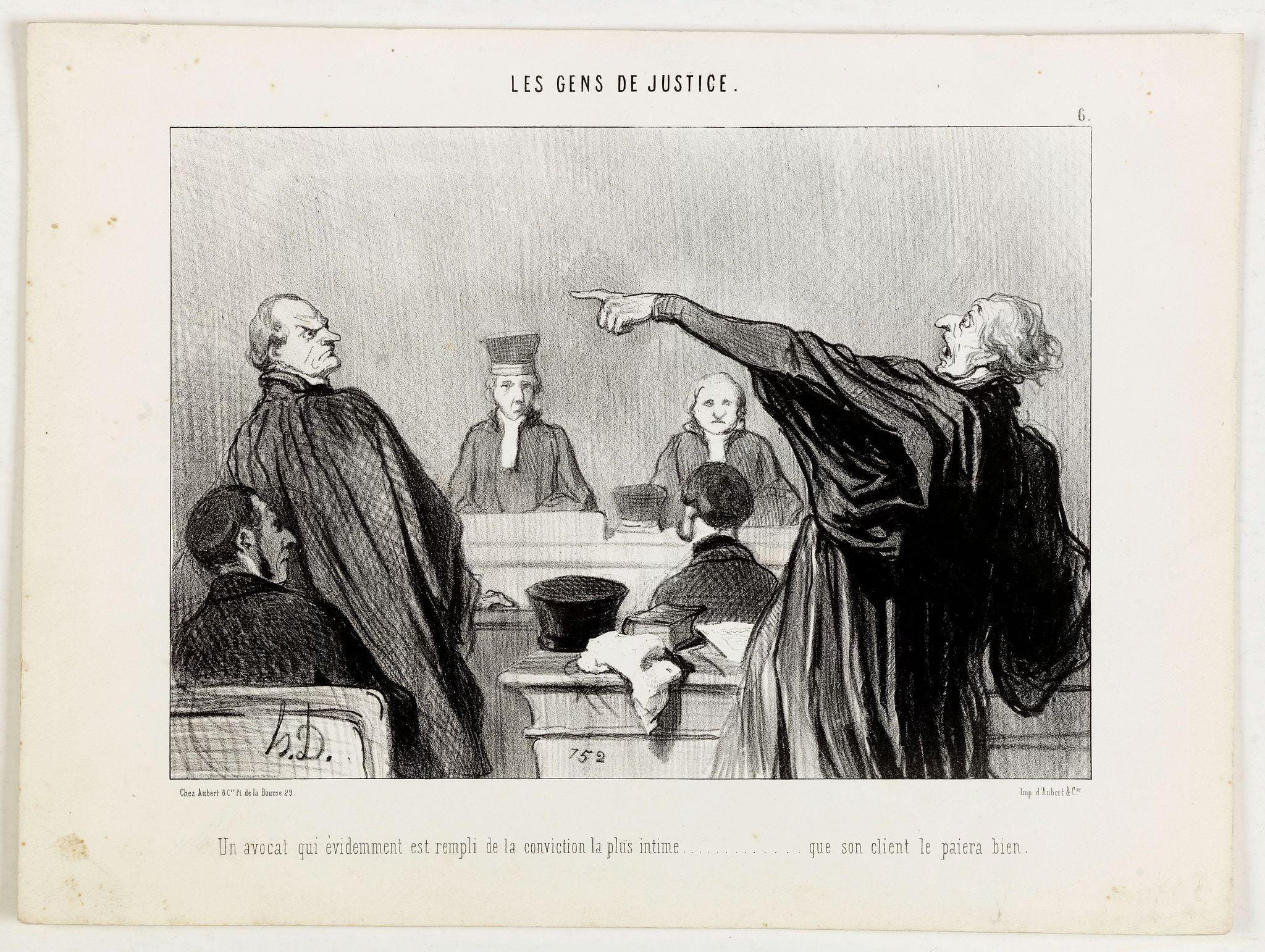
And I honestly think that is why so many people now feel exhausted.
Not simply because things are difficult. Britain has survived difficult before.
But because public life increasingly feels abstract. Cold. Distant.
Like the people making decisions about your city experience it almost entirely through dashboards, presentations and “regional growth metrics” rather than by actually walking through it or living here.
They see “active travel infrastructure”. You see your mate with cancer circling the hospital for forty minutes trying to park. They see “harm reduction frameworks”. You see addiction normalised while entire communities decay. They see “urban regeneration”. You see luxury banners hanging above boarded-up shops. They see “stakeholder consultation”. You know the decision was made six months ago.
And nowhere does this contradiction feel more visible than Glasgow.
If you read enough strategy documents, you would think the city was becoming Copenhagen with better patter. Climate leadership. Innovation districts. Smart mobility corridors. Regional transformation frameworks. Meanwhile much of Glasgow in real life is visibly exhausted & in serious decline.
You can stand in streets where addiction, antisocial behaviour and abandonment sit beneath giant banners announcing “vibrant futures”, while three public bodies, four commissioned partnerships and a small army of well-funded NGOs are all supposedly responsible for improving the same area, yet nobody appears capable of explaining why the place and its people are still neglected & abandoned.
Glasgow increasingly feels endlessly branded but insufficiently loved.
A place discussed constantly in conference centres by people who no longer walk through it without being driven there in an Uber and handed a lanyard.
And I honestly do not think most of the people building and participating in these systems are malicious. I think many genuinely believe they are helping. The problem is deeper than bad intentions. Modern Britain increasingly mistakes management for renewal.
Perhaps the strangest contradiction of modern Britain is this: the country has never been more governed, yet ordinary people have rarely felt less powerful.
There are more regulators, agencies, commissioners, frameworks, consultations and oversight bodies than at any point in modern history. And yet somehow fewer people feel able to shape the places they live, influence public decisions or even obtain a straight answer from institutions supposedly acting on their behalf.
Britain increasingly resembles a civilisation buried beneath its own administration.
Every problem generates another framework. Every failure generates another oversight body. Every crisis generates another commissioner, taskforce or strategic authority. And yet the visible experience of ordinary life often continues deteriorating anyway.
We have more governance than ever before. More agencies. More strategy documents. More managerial layers. And yet we increasingly struggle to build railways, roads, reservoirs, houses or functioning public systems without accidentally recreating the budget for a moon landing.
Britain now possesses perhaps the most elaborately administered decline in the developed world. We cannot build a high-speed railway without spending enough money to briefly consider whether invading Mars would have been cheaper.
We can however produce a 400-page stakeholder engagement strategy explaining why the railway still has not been built and explain also that it would cost just as much to ditch the whole project.
And somewhere in the middle of all this managerial sophistication, something profoundly human has gone missing. Closeness. Recognition. Belonging.
The old feeling that somebody nearby actually knew the place you lived. Shared its consequences. Understood its atmosphere. Could be confronted face to face when things went wrong. Maybe that sounds nostalgic. Maybe it is.
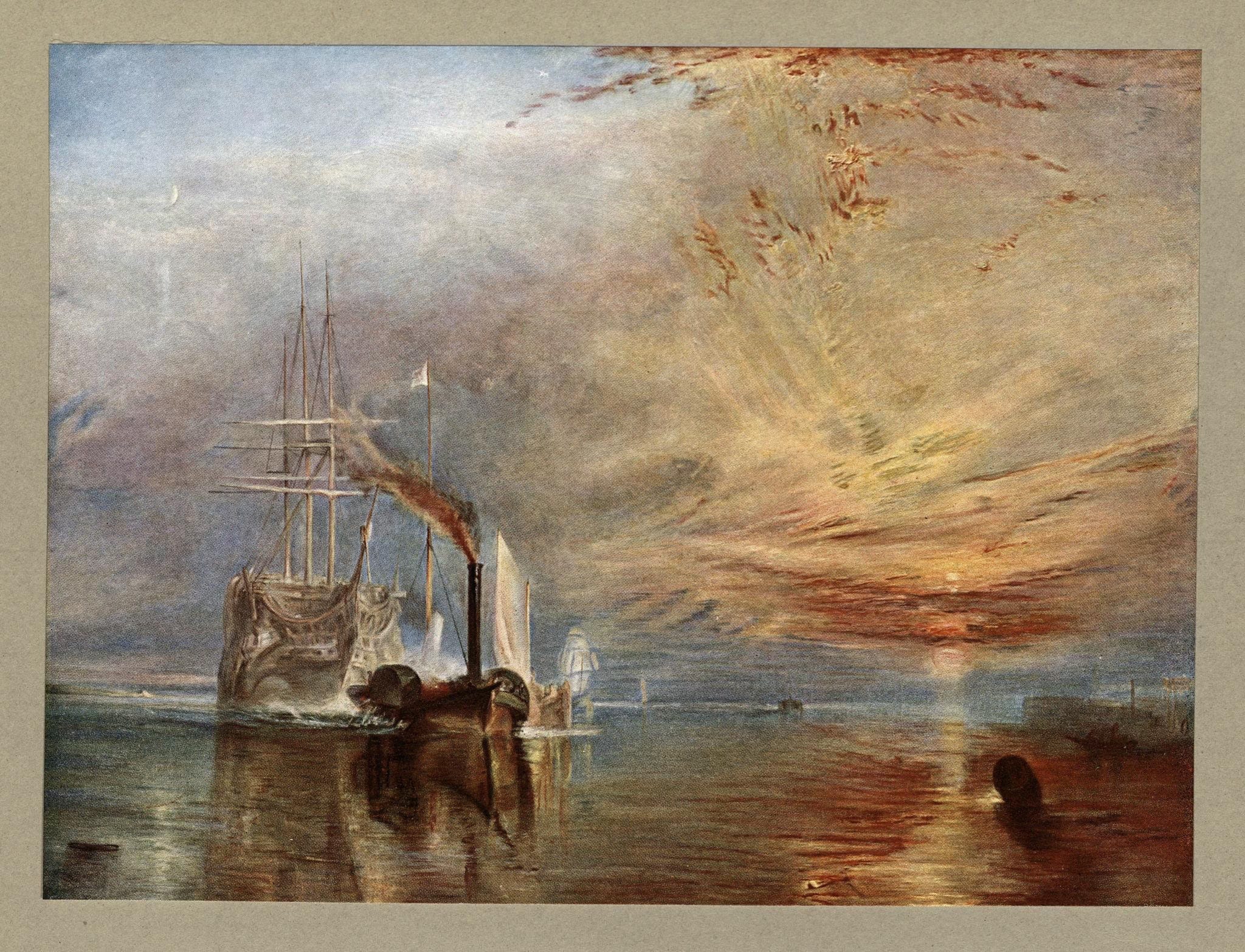
But I do not think human beings are designed to feel permanently governed from a distance. And perhaps that is the deepest unease sitting underneath modern Britain.
Not simply that people disagree with decisions. But that more and more people feel they are no longer being governed by recognisable human judgment at all.
Only by systems. Frameworks. Processes. Administrative weather patterns moving above their heads while the places they actually live continue slipping quietly out of reach.
The strange thing about modern British politics is that almost everybody now campaigns as an outsider. The Westminster veteran like Burnham becomes the anti-establishment candidate. The regional administrator styles himself as the local rebel. The technocrat becomes the tribune of the people.
Politics increasingly resembles a system trying to market itself as resistance to itself.
And perhaps that is why so many people now feel politically homeless. Because what they are hungry for is not endless management disguised as transformation.
It is proximity. Reality. Human scale. Some sense that the people governing the country actually inhabit the same world they do. Because once people stop feeling connected to public life, they do not become more democratic. They become cynical. Withdrawn. Angry. Easy to manipulate. And honestly, I think we are already well down that road.
One group sees and sells frameworks.
The other sees and feels home.
Further reading:
English Devolution White Paper: Power and Partnership – Foundations for Growth
https://www.gov.uk/government/publications/english-devolution-white-paper-power-and-partnership-foundations-for-growth
English Devolution and Community Empowerment Act 2026
https://www.gov.uk/government/news/english-devolution-bill-receives-royal-assent
House of Commons Library: Directly-Elected Mayors
https://commonslibrary.parliament.uk/research-briefings/sn05000/
UK Constitutional Law Association analysis of the Act
https://ukconstitutionallaw.org/2026/05/19/thomas-poole-and-elena-de-nictolis-the-english-devolution-and-community-empowerment-act-2026/
HS2 cancellation cost advice (UK Government)
https://www.gov.uk/government/publications/hs2-cancellation-cost-advice
HS2 Phase 1 Accounting Officer Assessment Summary (May 2026)
https://www.gov.uk/government/publications/department-for-transports-accounting-officer-assessment-summaries-for-the-government-major-projects-portfolio/high-speed-2-hs2-phase-1-decision-to-continue-delivery-following-programme-reset-accounting-officer-assessment-summary-may-2026
HS2 Community Engagement Strategy
https://www.gov.uk/government/publications/hs2-ltds-community-engagement-strategy
HS2 Community Engagement Framework for Phase One
https://www.gov.uk/government/publications/community-engagement-framework-for-hs2-phase-one
HS2 Management Case PDF
https://assets.publishing.service.gov.uk/media/5a74efabe5274a59fa7161f4/management-case-hs2.pdf
Reuters: HS2 costs may soar to £103bn
https://www.reuters.com/business/cost-uks-hs2-rail-project-soars-138-billion-minister-says-2026-05-19/
The Guardian: HS2 bill could rise to £102bn with trains delayed until 2039
https://www.theguardian.com/business/2026/may/19/hs2-bill-could-rise-102bn-pounds-first-trains-delayed-until-2039-government-admits
Glasgow City Region City Deal
https://www.glasgowcityregion.co.uk/what-we-do/city-deal/
Clyde Mission
https://www.gov.scot/policies/cities-regions-and-20-minute-neighbourhoods/clyde-mission/
Glasgow City Council: Net Zero Route Map
https://www.glasgow.gov.uk/netzero
Transport Scotland: Active Travel Framework
https://www.transport.gov.scot/active-travel/
People Make Glasgow, Dae they aye.
https://peoplemakeglasgow.com/
No posts
Comments
Nothing yet. Say the first thing.
Sign in to join the conversation.