
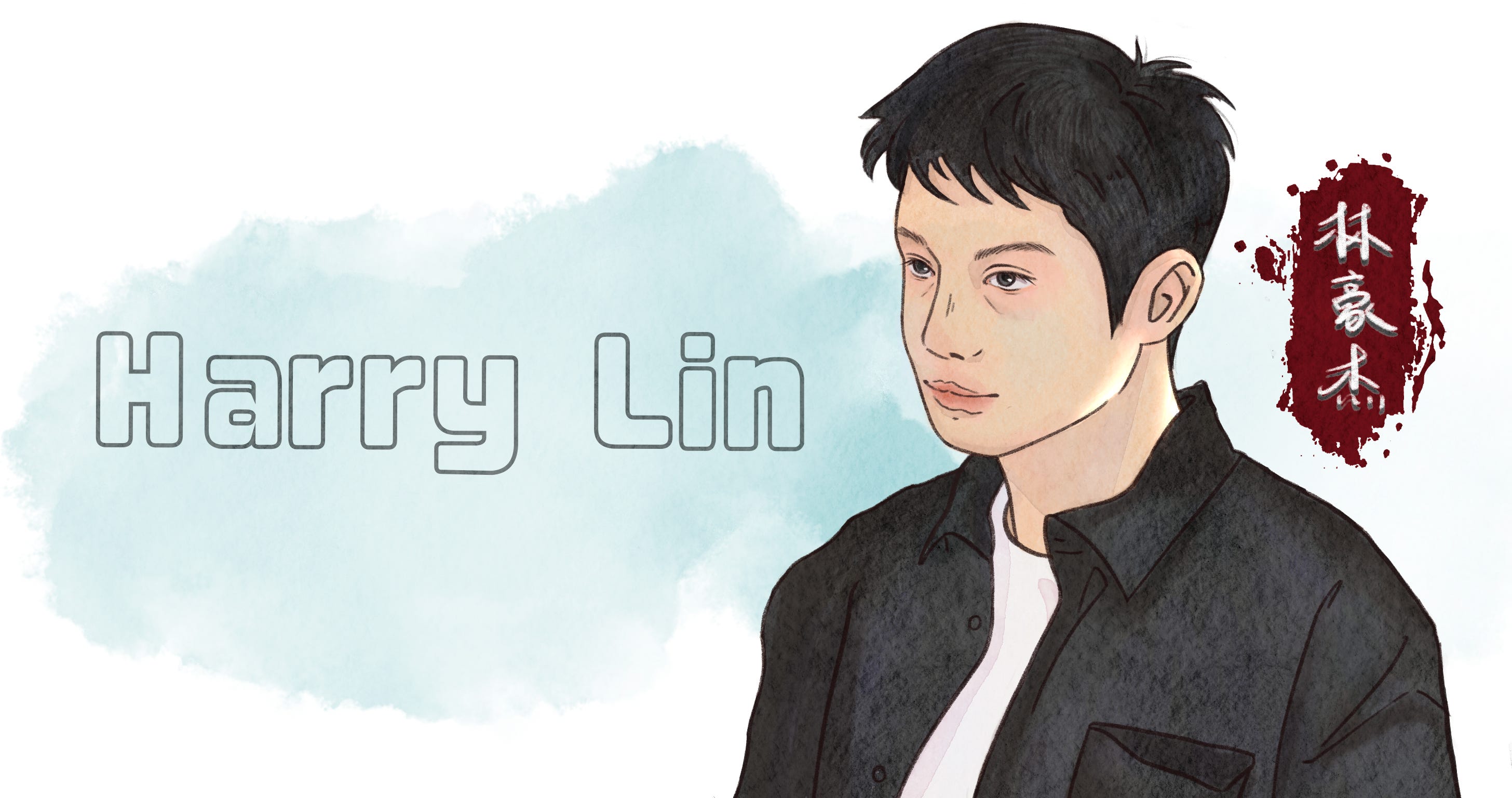
第一章:林豪杰
我只在有一个客户的时候会去白龙饭店。要不然,不管经理是林,胡,还是王,他们都会让我在厨房工作。
在饭店行业里,童工法律不适用。
对林家、胡家和王家来说,必须在十八岁以前离开家去上大学,孩子们从童年到青少年一直在白龙工作,是一种成年礼。
三十年后,在厨房里,在黑暗里,我还可以伸手拿到每一个盘子、每一个碗、每一个杯子,还有每一包一次性筷子。我可以洗好几个小时的碗。每个经理都说,我不可以在炉子旁边。我做饭做得不好。
过了一段时间以后,也有一个没有说出来的规则:我也不可以在酒吧门口。不过,现在没事儿了。
白龙饭店有白堡一百英里内最好的酒吧。我的曾祖父林经理从中国来到胡老板的饭店工作以后,很快就明白了,一个美国饭店想赚钱,唯一的办法就是卖酒。那时候还没有电子表格,林经理在纸上给胡老板看那些数字。他说服胡老板把饭店的一部分留给只喝酒的人。
对于林、胡、王一代又一代人,那个决定赚了的钱被用在给不整齐的牙齿戴牙套、上大学、付房子的首付,以及投资房地产、股票和创业公司上。
那些钱还买下并付给了一些其他事情。那些事情,我们从来不说。
像我的曾祖父以前一样,我也会来看看这些数字。我一边赚钱,一边用钱赚钱。也就是说,我是一个投资顾问。
我很喜欢带客户去白龙饭店。那些服务员,我们几家人的员工,像对待贵宾一样对待我。我不再是那个洗盘子的小豪杰,而是Harry Lin,是贵宾。
Word List
要不然 yàoburán otherwise, if not, or else
不管 bùguǎn no matter, regardless of, whether or not
行业 hángyè industry, business field
童 tóng child (儿童 értóng, child, children; 童话 tónghuà fairy tale, children’s story)
童工 tónggōng child labor
法律 fǎlǜ law
不适用 bù shìyòng not apply, not be applicable
童年 tóngnián childhood
青少年 qīngshàonián teenager, adolescence
成年礼 chéngniánlǐ rite of passage, coming-of-age ritual
伸 shēn stretch, extend
一次性筷子 yícìxìng kuàizi, disposable chopsticks
差 chà different, lacking, poor, bad, incorrect, short of
酒吧 jiǔbā bar (吧台 bātái bar counter)
一百英里 yì bǎi yīnglǐ one hundred miles
曾祖父 zēngzǔfù great-grandfather
赚钱 zhuànqián make money (vs. 挣钱 zhèngqián earn money)
唯一 wéiyī only, sole
电子表格 diànzǐ biǎogé spreadsheet
数字 shùzì numbers, figures
说服 shuōfú persuade, convince
留给 liúgěi leave for, reserve for
赚钱 zhuànqián make money
不整齐 bù zhěngqí uneven, crooked, not straight
牙齿 yáchǐ teeth
戴 dài wear, put on
牙套 yátào braces, dental braces
首付 shǒufù down payment
投资 tóuzī invest, investment
房地产 fángdìchǎn real estate, property
股票 gǔpiào stock, shares
创业公司 chuàngyè gōngsī startup company
投资顾问 tóuzī gùwèn investment adviser
对待 duìdài, treat, deal with, regard someone in a certain way
贵宾 guìbīn honored guest, distinguished guest, Very Important Person (VIP)
Chapter 1: Harry
I only go to Bright Dragon Restaurant when I have a client. Otherwise, whether the manager is a Lin, a Hu, or a Wang, they make me work in the kitchen.
In the restaurant business, child labor laws don’t apply.
It’s a rite of passage for all Lins, Hus and Wangs to work at Bright Dragon as children and teenagers before the mandatory departure at eighteen for college.
Thirty years later, in the kitchen, in the dark, I can still reach for every plate, every bowl, every cup, every paper packet of throwaway chopsticks. I could wash dishes for hours. Every manager said I wasn’t allowed near the stoves. I’m a terrible cook.
After a while, there was an unspoken rule that I wasn’t even allowed near the bar’s door. But that’s no longer a problem.
The Bright Dragon Restaurant has the best bar within one hundred miles of Brightsburg. After arriving from China to work in Boss Hu’s restaurant, my great-grandfather, Manager Lin, realized the only way to make money in an American restaurant was to sell alcohol. Before there were spreadsheets, Manager Lin showed Boss Hu the numbers on paper. He talked Boss Hu into setting aside part of the restaurant for drinkers only.
For generations of Lins, Hus, and Wangs, that decision has made money for braces for crooked teeth, college educations, down payments on houses, and investments in property, stock, and startup companies.
That money has also bought and paid for some other things. We don’t talk about those.
As could my great-grandfather before me, I too, can do the numbers. I make my money making money. In other words, I’m a financial adviser.
I like taking clients to Bright Dragon Restaurant. The waiters, our families’ employees, treat me like an honored guest. I’m no longer Little Haojie, the dishwasher, but Harry Lin, the VIP.
Notes
1. Harry is 林豪杰 Lín Háojié Harry Lin. More about Harry is in Places and Characters.
2. The oldest continuously operating Chinese restaurant in the United States, Pekin Noodle Parlor, was founded in 1911.
3. The sentence describing Harry’s identity as a dishwasher was inspired by the structure of the first sentence in 刘震云. (2009). 一句顶一万句. 北京十月文艺出版社. Liu Zhenyun. (2009). One Word is Worth Ten Thousand Words. Beijing October Literature and Art Publishing House.
“杨百顺他爹是个卖豆腐的。”
Literal translation:
Yang Baishun’s father was a tofu-selling person.
4. Using the phrase “Do the numbers” was inspired by Kai Ryssdal.
Huburg Hutong 胡堡胡同 is a serialized novel written at the intermediate level in both Simplified Chinese characters and in English. Chapters are published weekly. The novel is written by Anne 安妮 Giles, edited by 侯慧颖 Hóu Huìyǐng “Mary,” and illustrated by Lear.
Huburg Hutong: Start Here
Huburg Hutong: Table of Contents
Huburg Hutong: Background
Huburg Hutong: Places and Characters
Comments
Nothing yet. Say the first thing.
Sign in to join the conversation.