
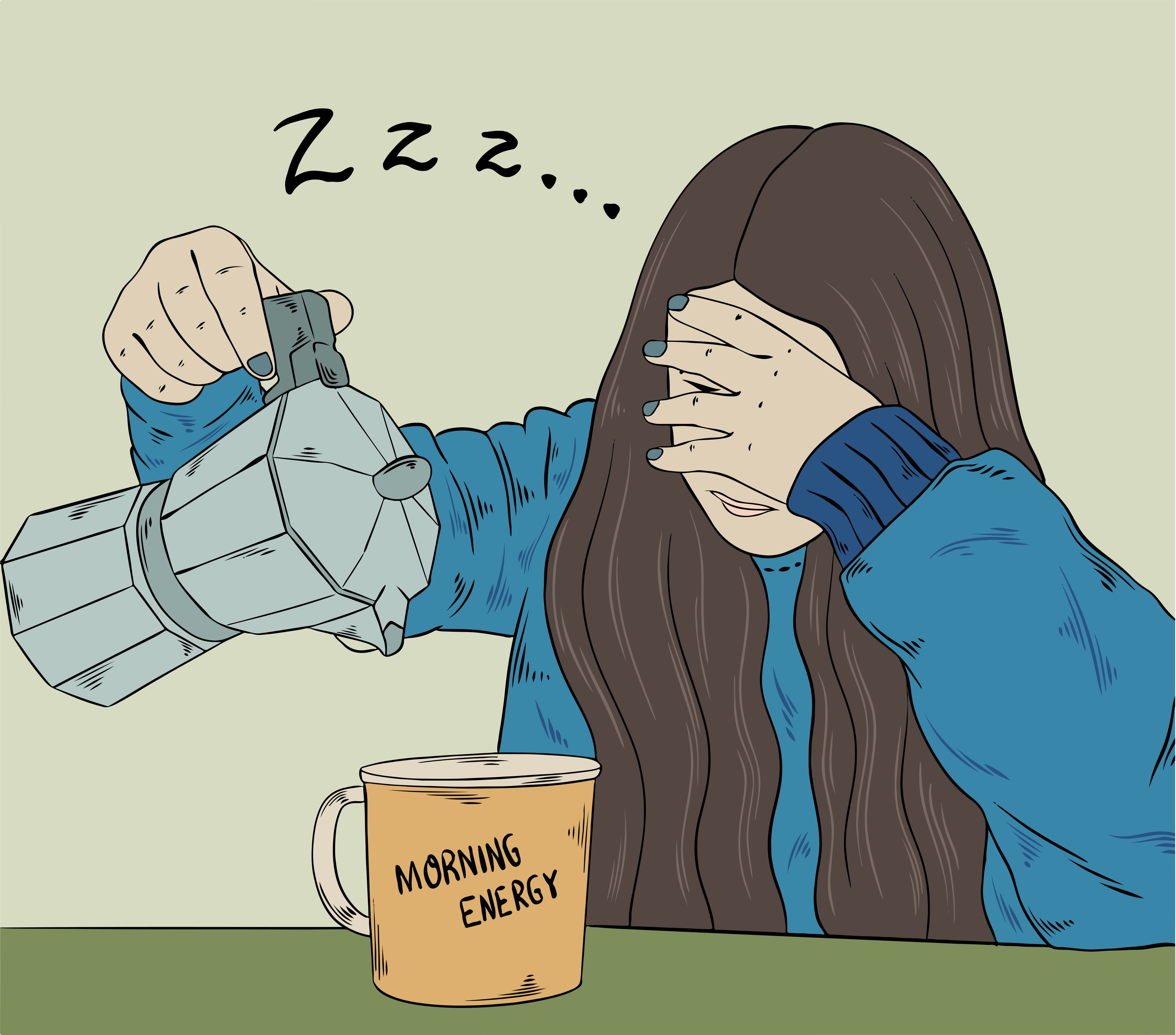
Ahh another Monday has rolled around! They seem to be coming quickly. It won’t be long until the Summer holidays are upon us. And I hope that his lands after a sunnier weekend than the washout we’ve just had as I write this!
Monday mornings often have that ‘feeling’ to them. For me, I have to hit the ground running with a day of clinical work, but I often start the day feeling more tired than refreshed! Our weekends are often quite home-based, with the odd cricket match and family gathering. But I want to talk about that Monday feeling today. And why Monday morning often feels harder than we believe it should. Despite having just had a weekend, perhaps you, like me, arrive at your day, desk or your laptop already running on fumes? So why do we often start the week off feeling depleted?
I’m thinking, writing and talking a lot about the weight of the unseen at the moment. My new book is all about irritability and rage, and reframing it not as a character flaw or failing, but a symptom of what you’re carrying. And in terms of Mondays, often we can chastise ourselves for not feeling as refreshed as we should, when often the load you carried into Monday was much heavier than you realised, and a lot of it has nothing to do with what was in your calendar!!
Here are five things I want to share with you…
1. The mental load does not take weekends off!
In cognitive psychology there is a concept called the Zeigarnik effect, which shows that unfinished tasks occupy more of our mental bandwidth than completed ones. It’s like your brain keeps a running, low-grade tab on every single open loop and loose end, until they are either resolved or struck off the list.
So while you were watching a film on Saturday night, your brain was still holding the data about the email you haven’t replied to, the appointment you need to book, the summer logistic that haven’t yet been ironed out (I’ve booke NOTHING - no staycation, no childcare to cover my work) the conversation you’re rehearsing. The weekend might have been a calm one, but your mind was still processing and planning in the background if not consciously.
2. Anticipatory stress is REAL stress.
By Sunday evening, most of us are already mentally living in Monday morning. We’re scanning the week ahead, holding in mind the diary, calculating the demands and bracing for what is coming at us. This is anticipatory stress, and the important thing to know is that the body responds to a stressor we are imagining almost in the same way, with the same energy and cognitive draw as one we are ACTUALLY navigating and experiencing.
So if you wake up on Monday feeling tired before anything has actually happened… it’s because something HAS actually happened. You have been mentally living out the load of the week ahead.
3. The invisible load is heavier than the visible load we carry
Studies on cognitive labour, particularly in mothers and primary caregivers, show that the cognitive load of household and family management is always underestimated by everyone, INCLUDING the very people carrying it.
My husband sees a school email fly in, and maybe scans it. I have to sit at my laptop for a good chunk of time diarising things in, setting reminders (so that the do-do-list is held outside of my head!) and organising the relevant logistics attached to each event and action. All these tasks sit on top of remembering of who needs what when, and they all add an additional layer on top of paid work and the more visible tasks. It’s a heavy bunch!
4. Self-criticism consumes bandwith!
You know when your inner voice pipes up and calls you scatty, useless or behind?? Well that voice consumes the same limited mental fuel you’re drawing from to get stuff done. So every “what is wrong with me” is consuming cognitive energy from the exact system that is already depleted. THIS is why I rave about the importance of self-compassion. Think about how you brace and stress when someone criticises you? When this happens within your own head and heart, it also prompts that same feeling of bracing, and adds to stress.
In the psychology of self-compassion, particularly the work of Kristin Neff, the evidence is very clear. Self-criticism is correlated with higher cortisol, lower problem-solving capacity, and worse follow-through. Self-compassion is correlated with the exact opposite. The kinder voice is not a soft option, it’s the efficient one that helps you move forward, not freeze under self-criticism.
5. You can choose to put something down.
The most useful and beneficial thing you can do at the start of a busy week is not to pressure yourself ‘try harder’. Instead, try and look honestly at what you are carrying and choose, deliberately, to find a way to make the road a little smoother for yourself, to cut a corner or to look at your list and put one thing down. This isn’t the same as abandoning it or pretending it doesn’t exist. It’s about recognising the limits of your human capacity, and thinking how you might make the load that little bit lighter for the week, to lower the bar somehow, and pick it back up next Monday (if it still matters).
Comments
Nothing yet. Say the first thing.
Sign in to join the conversation.