
Episode 12 of Life, Documented talks about you should never underrate “bad” photos.
Episode 12 — The Joy of “Bad” Photos
🎧 Listen to the episode:

Today I’d like to address something that every photographer, beginner as well as pro, struggles with: the dreaded bad photo. I’m making air quotes with my fingers as I say this….
Because here’s the thing: I want you to embrace it. Laugh at it. Love it. Because, honestly, some of the best memories hide in the “bad” shots.
First of all, every photographer takes bad photos. I do. All the time.
Henri Cartier-Bresson said “Your first 10,000 photographs are your worst.” That’s a lot of photos to take. Maybe you don’t need to take it quite as literal but hopefully you get the idea. You’ll suck for a long time before you get good.
But even when you’re not bad all the time anymore, there’s no way you can take great photos with every click of the shutter.
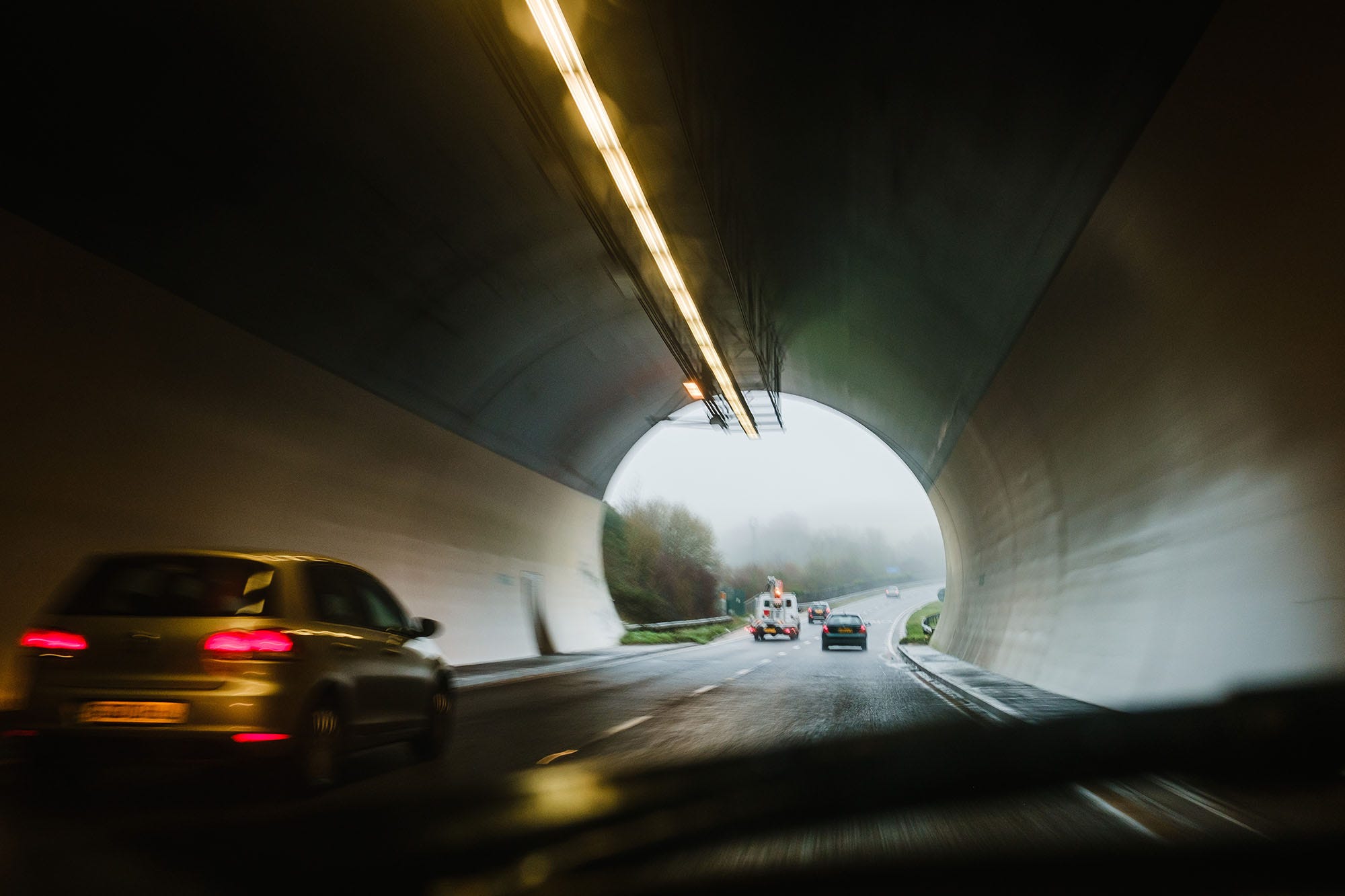


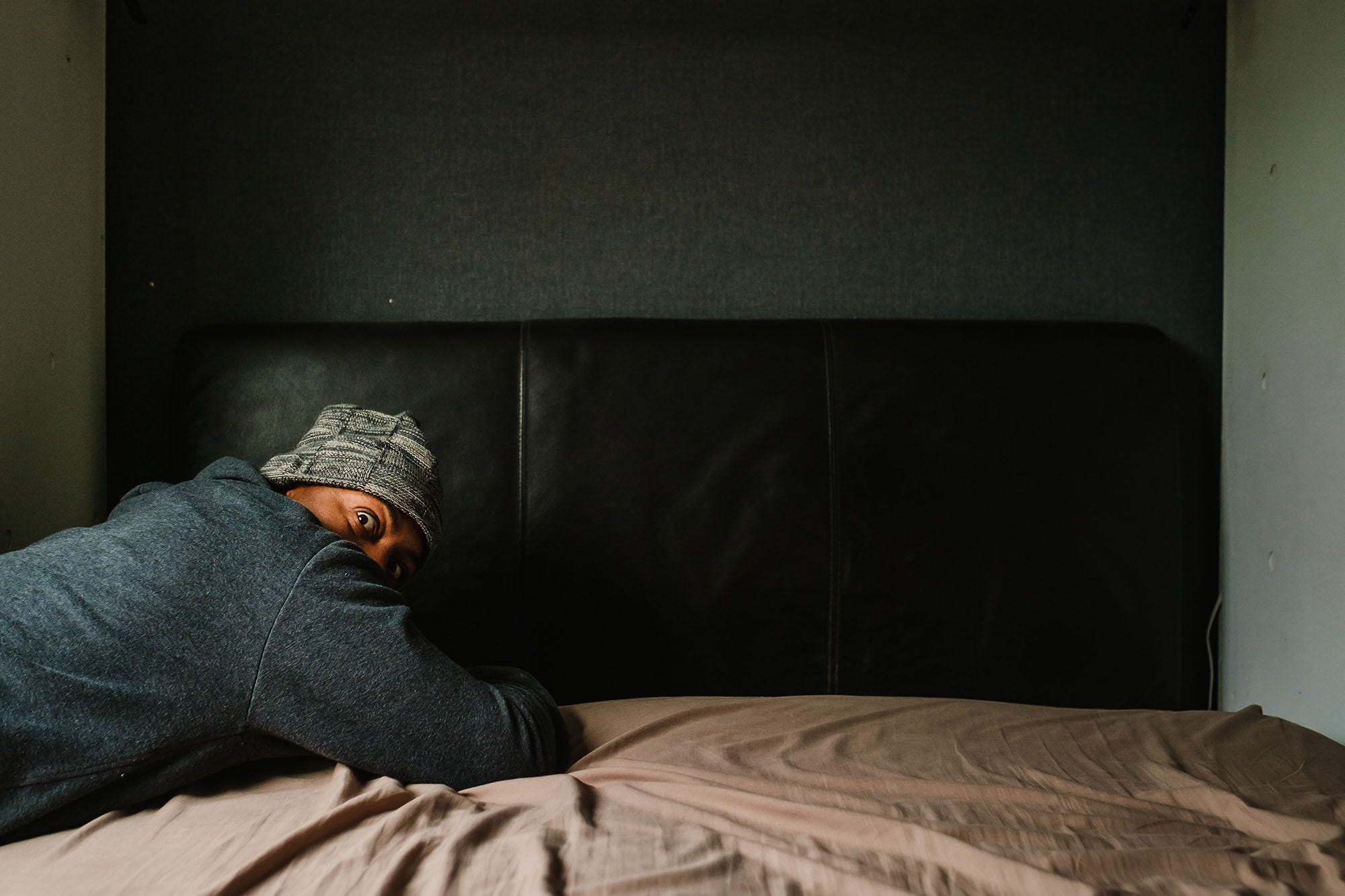
But what is a bad photo anyway?
We usually think a bad photo is blurry, off-centre, poorly lit, or a weird expression captured.
But what if I told you that those “flaws” are often what make a photo memorable?
A blurry kid mid-jump might perfectly capture their energy and chaos. You can use motion blur to enhance the story and make an image stronger.
A slightly crooked shot of your breakfast could show the real-life mess of morning routines. It’s a representation of real life vs a curated version of it. This is not for Instagram, it’s for you.
An accidental finger in the frame? Instant comedy gold. Reminds me of my teens when I had a point and shoot camera. The viewfinder showed a vastly different crop than what the lens would capture and I didn’t even know my finger was in front of the lens. It happens and while it might ruin a greta photo, it also adds a lot of humour.
Basically what I’m saying is that bad photos represent life happening. And life isn’t perfect. I mean, l we all know that. So why should your photos be?
Stories Behind “bad” shots
Some of my bad shots are actually not bad at all - they’re just moments of weird things happening in my life or user error when operating my camera.
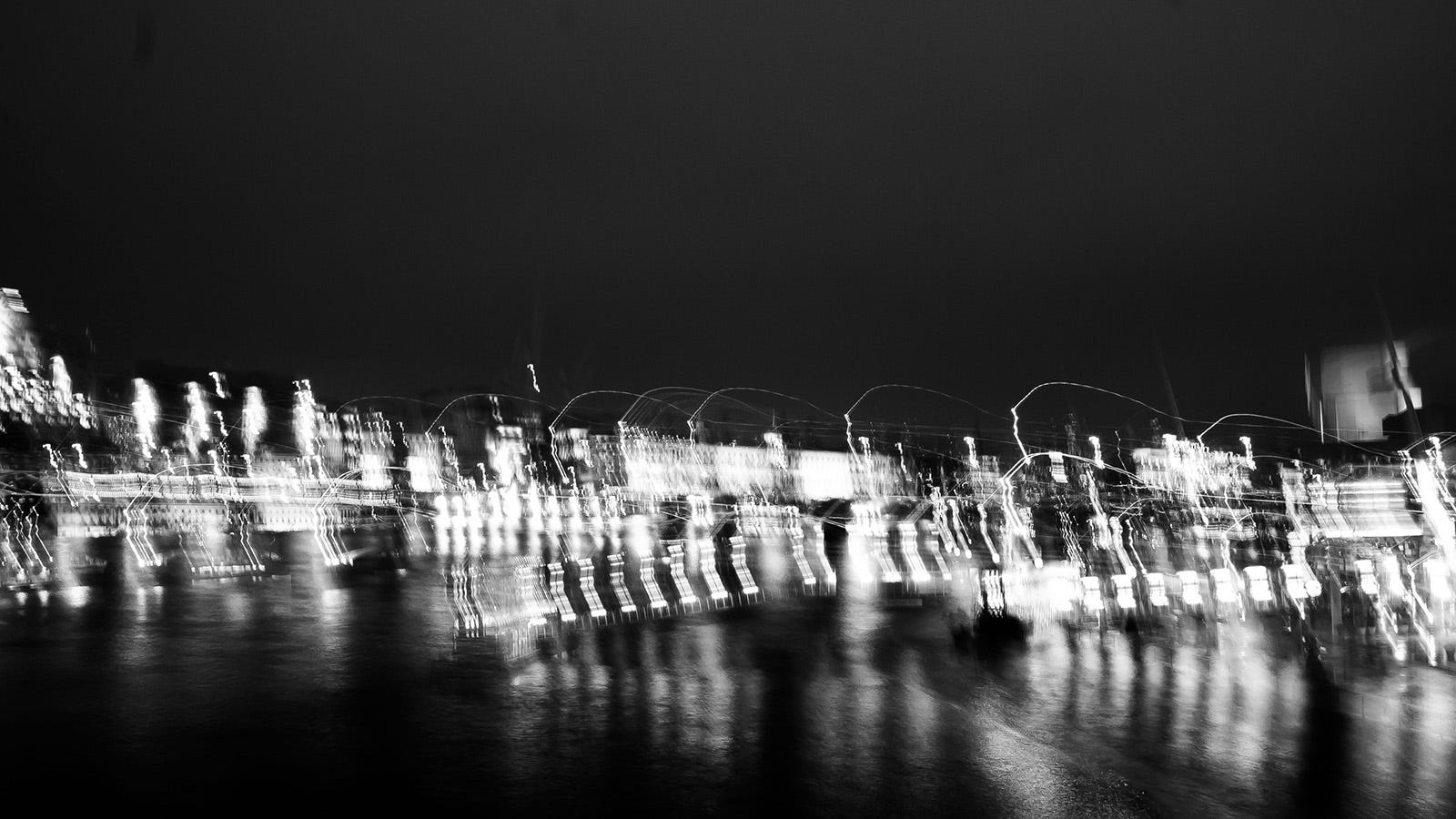
One story that comes to mind are a couple of photos I took in London in 2008. I was a few years into my photography hobby and still learned to understand how all the numbers on my camera worked to create a well (or badly) exposed image.
That day in London was dark and wet. The sun had almost set and I tried to take a photos of a nicely lit street. Except my shutter was way too slow - not because I set it that way but because my camera was in semi-automatic mode and made it’s own calculations. The result: A massively blurry images. The lights turned into streaks.
I disregarded the image for a long time until I came back to the collection of photos again and re-edited it. With a fresh look, it seemed artsy rather than a mistake. It’s not an amazing photo, even when edited, but it’s fun and it will always tell me this story of when I realised I really should learn how to operate my camera in different light situations.
In preparation of this episode I went through my archives to find examples to talk about. And you know what? I really had a hard time finding bad photos. Not because all my photos are good but because I don’t even evaluate images as bad or good.
I mean I have plenty of images where people look weird because they were in the middle of speaking or moving. Images where I missed focus or just completely missed the moment. But this is my professional work. In my personal photography, I’m a lot less critical.
However, I do have photos where I missed focus and it seemed like the image was a tosser - turns out by focussing on the “wrong” thing, I managed to create atmosphere or highlight the surroundings that are just as important to the story as the main subject.
Either way, when you explore your own bad photos, I hope you can see that the story and emotion matter more than getting a polished image.
A way to be kinder to yourself when taking bad images, remind yourself that the photo is a memory, not a magazine cover. Then look back at old “failures” — often they make you smile the most. They will remind you of why this photo didn’t work or what happened in the lead up to it.
You definitely don’t need my or anybody else’s permission but I’d like to encourage you to take more photos without worrying. Sometimes the mistakes are what you’ll treasure.
Take a look through your camera roll today. Pick one ‘bad’ photo and see if it makes you smile. That’s your mission for the day.
So, next time you snap something blurry, awkward, or a little chaotic, don’t delete it. Smile. Laugh. Celebrate it. That’s where the magic is.
Next week, we’ll wrap up Season 1 with an episode on what you’ll wish you had photographed — a little reflective, a little cozy, and all about noticing life before it slips by.

About the podcast
Life, Documented
Hosted by Anja, a documentary family and personal branding photographer, the show explores what happens when we start documenting our lives with honesty and attention — without pressure, perfection, or fancy gear.
New episodes are available on Apple Podcasts and Spotify.
If you’re listening, you can subscribe in your podcast app to get new episodes automatically.
Thank you for reading Life, Documented.
💬 Feel free to like or comment on this article so more Substack users can find it! Thank you for reading Life, Documented. This post is public so feel free to share it. ❤️
Comments
Nothing yet. Say the first thing.
Sign in to join the conversation.