
Last week, I attended two back-to-back conferences that were vastly different here in LA. This is not something I do often, or really, ever.
First was AI on the Lot, and I shared my takeaways from day one. Then The Hollywood Creator Summit — hosted by Colin and Samir, where I got to be in the room with some of the most interesting minds at the intersection of YouTube and Hollywood.
The timing was peculiar. In the best possible way.
Because while we were sitting in sessions talking about the future of creators in Hollywood, that future was happening in real time — at the box office.
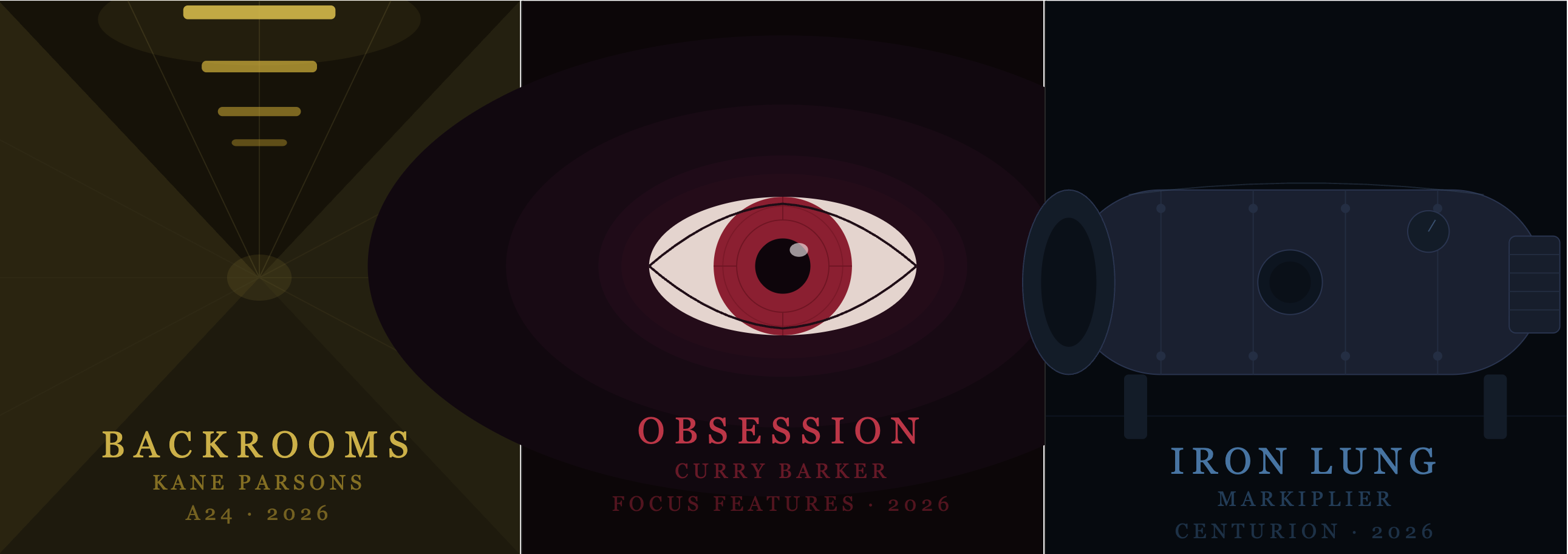
By Sunday, the top two films globally were directed by YouTube creators. Kane Parsons’ Backrooms broke the record for the largest opening weekend ever for an original horror film — $118M, A24’s biggest opening in history, and Parsons is now the youngest filmmaker to ever top the box office.
Curry Barker’s Obsession, made for $750K and shot in 20 days, has grossed $148M worldwide and is on track to become one of the most profitable films of all time.
And Markiplier’s Iron Lung, which was made for under $5M, self-financed, self-directed, and clocked $52M globally before dropping on YouTube for rent and purchase this weekend.
I actually filmed a reel earlier this year when the Iron Lung box office story first broke. Because I felt it then. Something was shifting.
Being surrounded by people actively trying to understand and build that shift — and then watching it validated at the global box office in the same 72 hours — is the kind of coincidence that stops you in your tracks.
Here are three things that stayed with me:
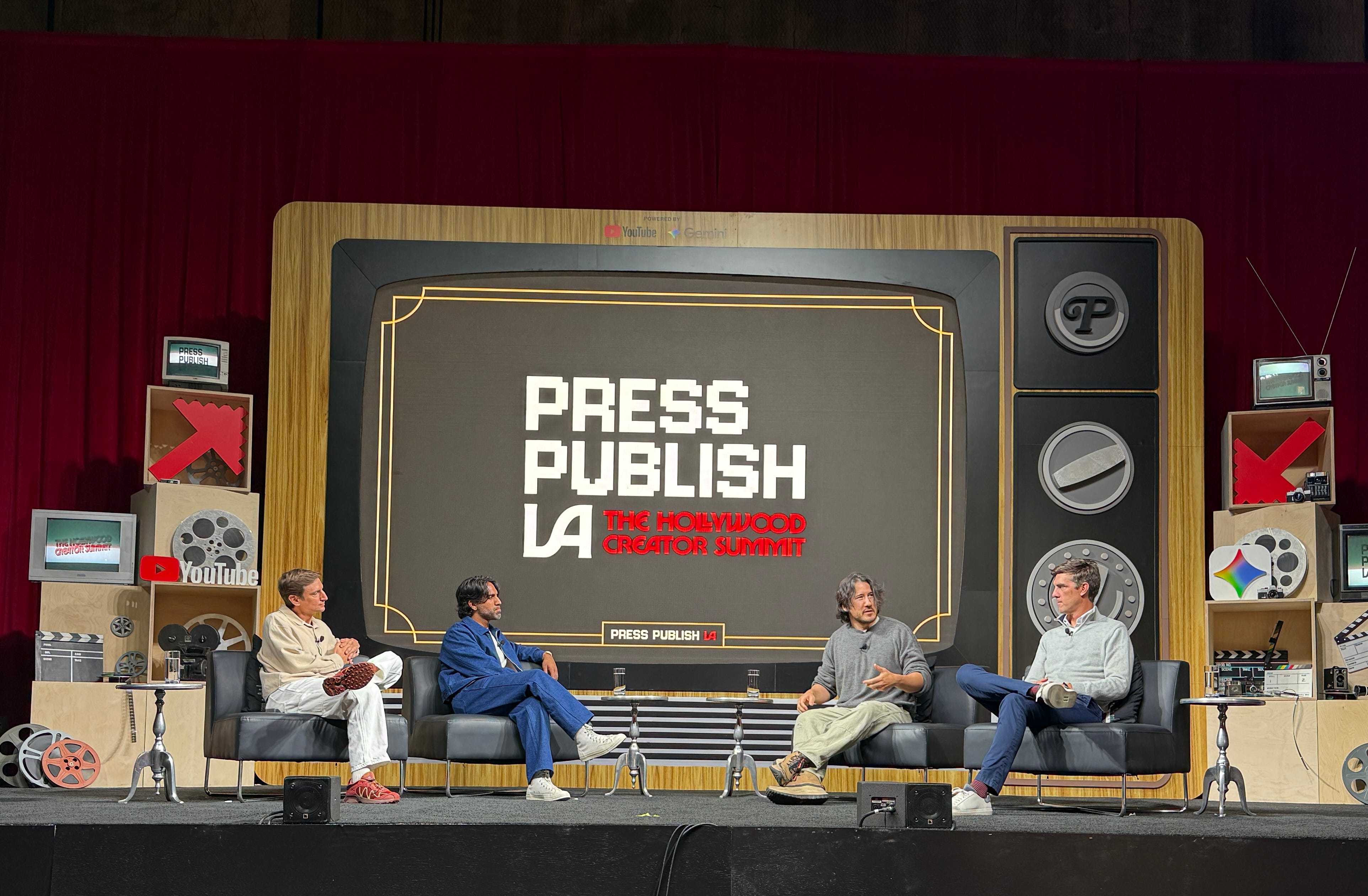
Markiplier spoke at the Hollywood Creator Summit, and the number that stuck with me wasn’t $52 million.
It was one.
He said going in that Iron Lung would feel like a success if it was just one person’s favorite movie. The most valuable thing anyone can give you is their time, and having one person love the movie was his win. When creators “crossover” to film, folks get real curious as to how they do it. There’s no real mystery here according to Mark:
“I don’t think there’s that much of a difference from a technical perspective of making a movie versus a YouTube video. It’s just the scale at which it is done.”
What was the most inspiring was Mark’s bravado; the quiet confidence of someone who has learned that problem solving is the skill set. He reiterated that the most valuable thing you can develop as a director isn’t any single technical ability. It’s the capacity to figure things out as they fall apart around you. To not need all the answers before starting:
“I believe in myself enough to make up for the shortcomings that are there.”
We’ve spent years watching Hollywood treat YouTube as a pipeline — a place to scout talent, option IP, test audiences. But what Markiplier demonstrated is that the skillset was never the barrier. It was the belief. He just went and made the movie.
Ideas are fragile when they’re new, but they also have tremendous potential and momentum. The longer an idea sits between your head and the world, the more it decays. Or, worse, they go visit someone else entirely. And Hollywood development has historically been the most efficient system for killing good ideas slowly.
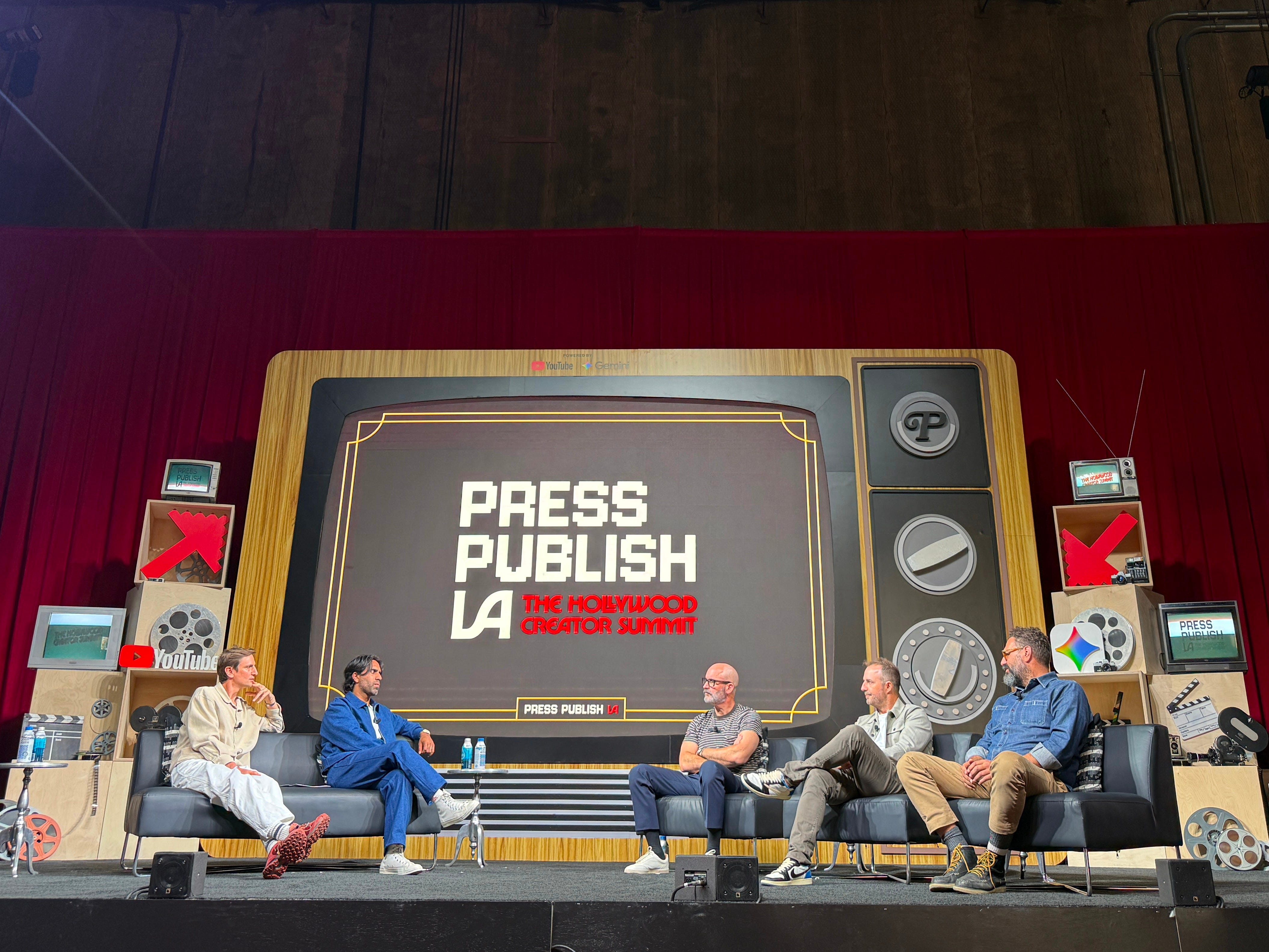
Comedian Tom Segura got tired of Hollywood’s “development hell” so he did what creators do: he went straight to his audience. Built his own platform. Sold directly to fans. That led to his company, YMH Studios, inking a multi-project partnership with Fox Creator Studios.
The creator-to-Hollywood shift right now is about closing the distance between having an idea and pressing go. The three filmmakers who topped the box office this weekend all had different routes — one partnered with A24 and Blumhouse, one self-financed everything, one had a script picked up and shot in 20 days. They all blazed their own paths forward and that’s hella inspiring.
But of course it comes with a ton of uncertainly, solitude, and an insane work ethic. It’s not for the faint of heart. You have to pour all of yourself into into the thing, and that comes at a price that not all are willing to pay.
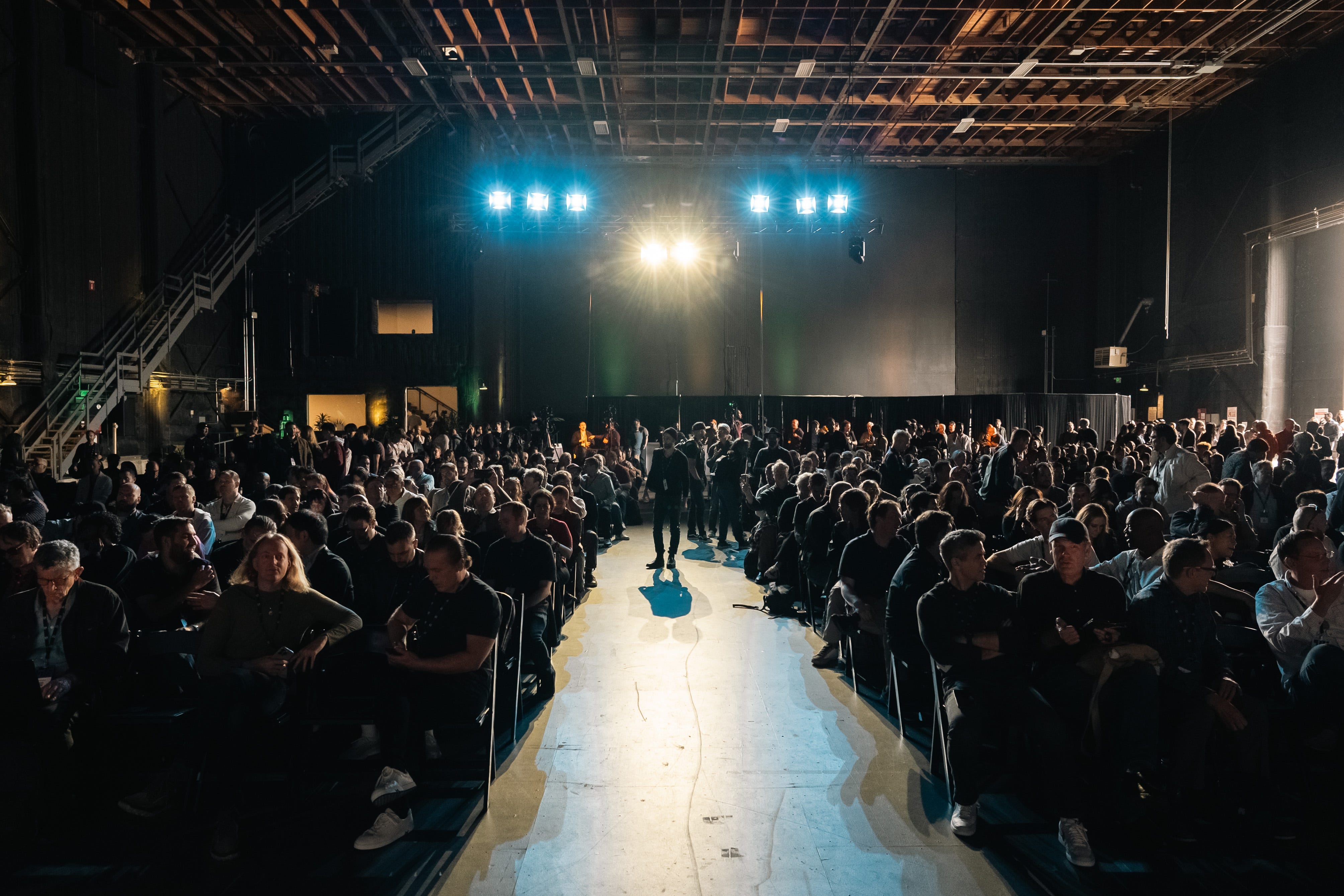
The people in the room at AI on the Lot were optimizers. That’s not a criticism — it’s the DNA of the tech world. Find the inefficiencies, build systems, reduce variables. There’s enormous value in that. And AI, in the right hands, genuinely does make production faster and leaner. Though, my main criticism of this years conference is that no one was able to show us under the hood of just how much it saves.
The folks at The Hollywood Creator Summit are just built a little differently; they are the ones comfortable feeling around in the dark. They were curious in a way that isn’t always efficient. They start things without knowing where they’ll land. They iterate in public, in real time, and grow alongside their community.
Optimization asks: how do we do this better? Curiosity asks: what happens if we try this?
Both rooms were full of smart people who care deeply about the future of this industry. But the energy was different. And I think the creators who are winning right now — at the box office, on YouTube, in the culture — are the ones leading with curiosity first. The ones who are genuinely enchanted by the challenge of learning something new, not just the satisfaction of solving it cleanly.
Underneath both conferences was the same question: who gets to make things, and how?
The barriers are lower than they’ve ever been and the weekend’s box office numbers prove that Gen Z audiences show up to theaters to see creators they already trust try something new.
As the OG indie filmmaker Mark Duplass put it:
“We’ve got examples of creators woodshedding things, putting them online, building an audience, and now the people with the purse strings are going to notice.”
They’re noticing.
And what they’re noticing isn’t just the numbers. It’s what’s underneath them. As Leah Walker, head of influencer and creator marketing at Adobe, simply put:
“Reach can be bought. But trust can’t.”
That’s what Kane Parsons, Curry Barker, and Markiplier walked into those theaters with. Years of trust, built one video at a time. Hollywood can provide the budget, the distribution, the screens. But it cannot manufacture what these three already had before a single frame was shot.
Hollywood traditionally moves at a glacial pace; one that 3 years often feels fast. This moment denotes a shift in trust and alignment. The questions being asked in Hollywood are finally starting to sound like the questions creators have been asking for a decade.
It’s about time.
Keep creating, keep hustling. And as always, thanks for doing this life thing with me!


I pour a lot of time and heart into every post I publish here. If AOP has brought you value, please consider becoming a paid subscriber. Thank you!
No posts
Comments
Nothing yet. Say the first thing.
Sign in to join the conversation.