
Excavating the Royal Capital of Ammon: A New Research Project on the Amman Citadel
By Katharina Schmidt
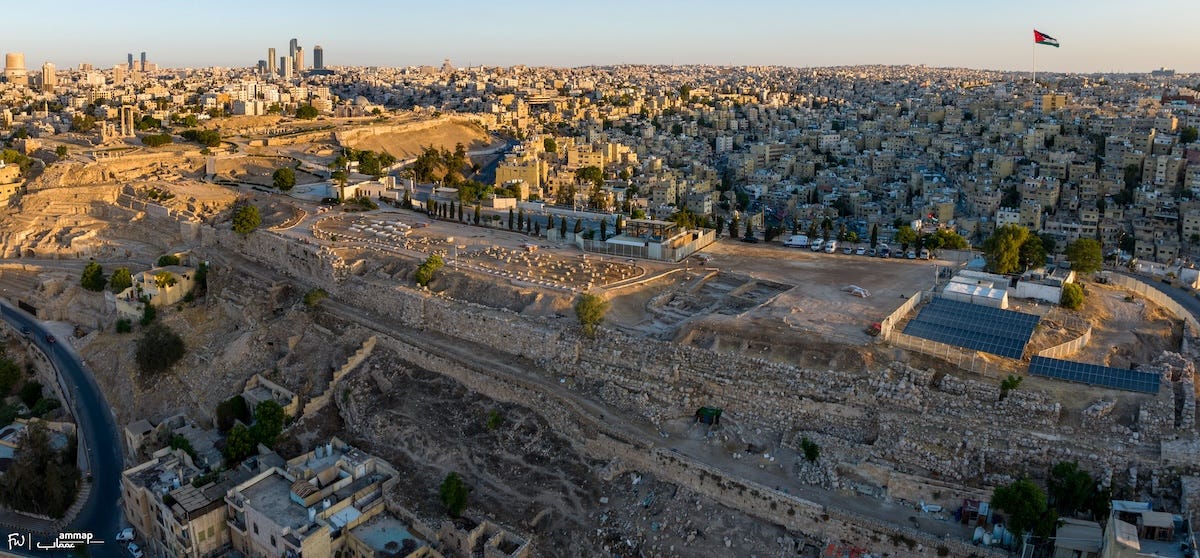
Anyone walking through the narrow streets of the souq in downtown Amman will sooner or later catch sight of the most striking landmark in the city centre, the Jabal al-Qalˁa, the Citadel of Amman. The citadel attracts tourists and locals, not only for its panoramic views but also for its prominent remains from the Roman, Byzantine, and Umayyad periods. But the site has an even older history, as it was the royal city Rabbat-Amman, the capital of the kingdom of Ammon and thus the seat of its kings. Since 2024, the Amman Archaeological Project has been conducting systematic excavations here, focusing on this formative period to better understand the different stages of its development and the urban layout of its capital.
Friends of ASOR Webinar: Archaeologies of Anatolia (March 11)
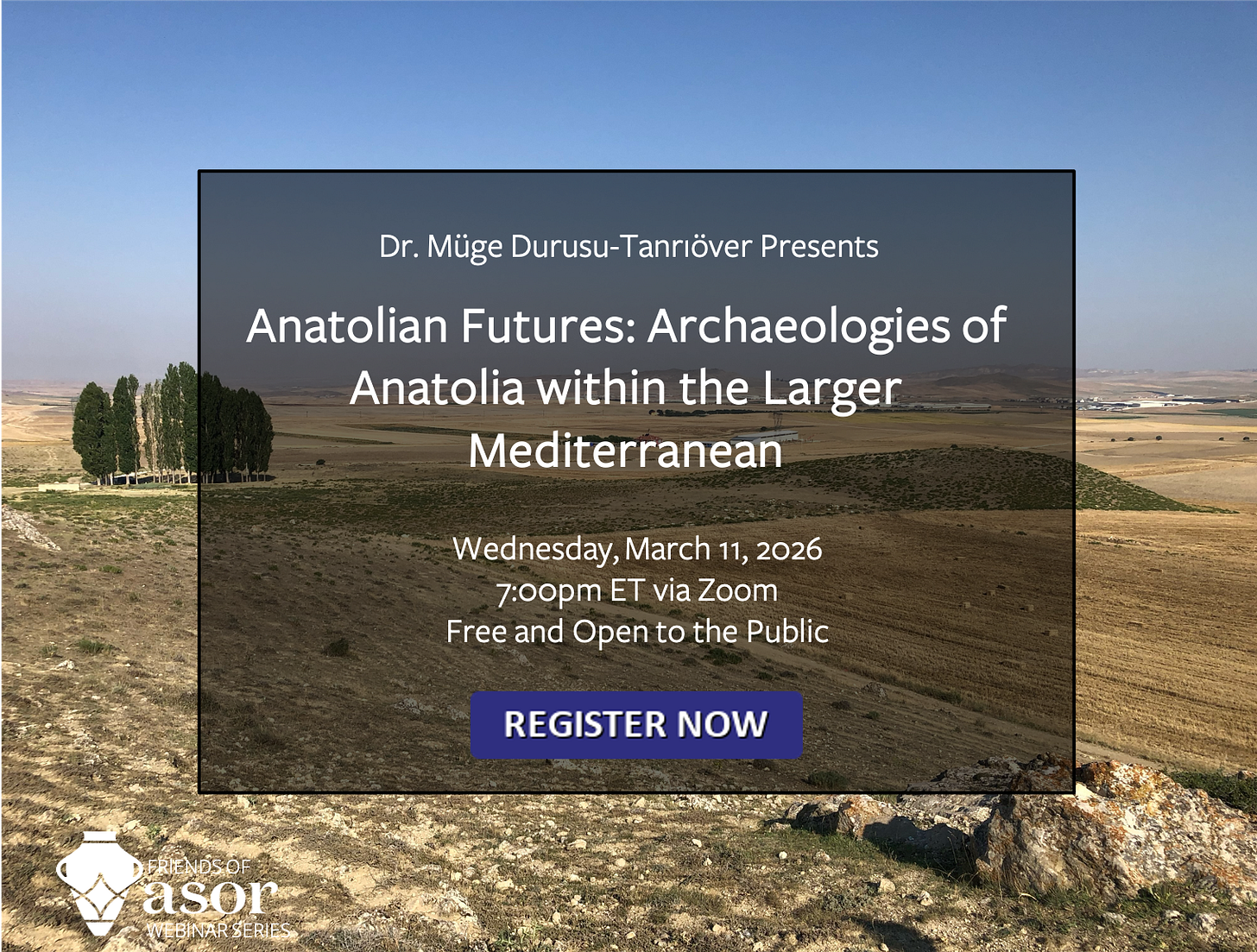
Join us for the next Friends of ASOR webinar on Wednesday, March 11th at 7:00pm ET: “Anatolian Futures: Archaeologies of Anatolia within the Larger Mediterranean,” presented by Dr. Müge Durusu-Tanrıöver. Posing the questions of how we can define Anatolia and what its archaeologies can look like in the later twenty-first century CE, Dr. Durusu-Tanrıöver makes the case for a connected Anatolian archaeology that can both claim its multiple constituents and contribute to the larger debates in Mediterranean archaeology. Read more and register here.
Latest Archaeology News:
Discovery of ~30 inscriptions in Indian languages at tombs in the Valley of the Kings offers fresh insights into the connections between India, Egypt, and the Roman Empire in the 1st-3rd centuries CE. Read more at The Hindu.
Restoration work at Hagia Sophia in Istanbul have uncovered seven underground tunnels dating back to the Byzantine-era. Read more about these and the restoration project at Türkiye Today.
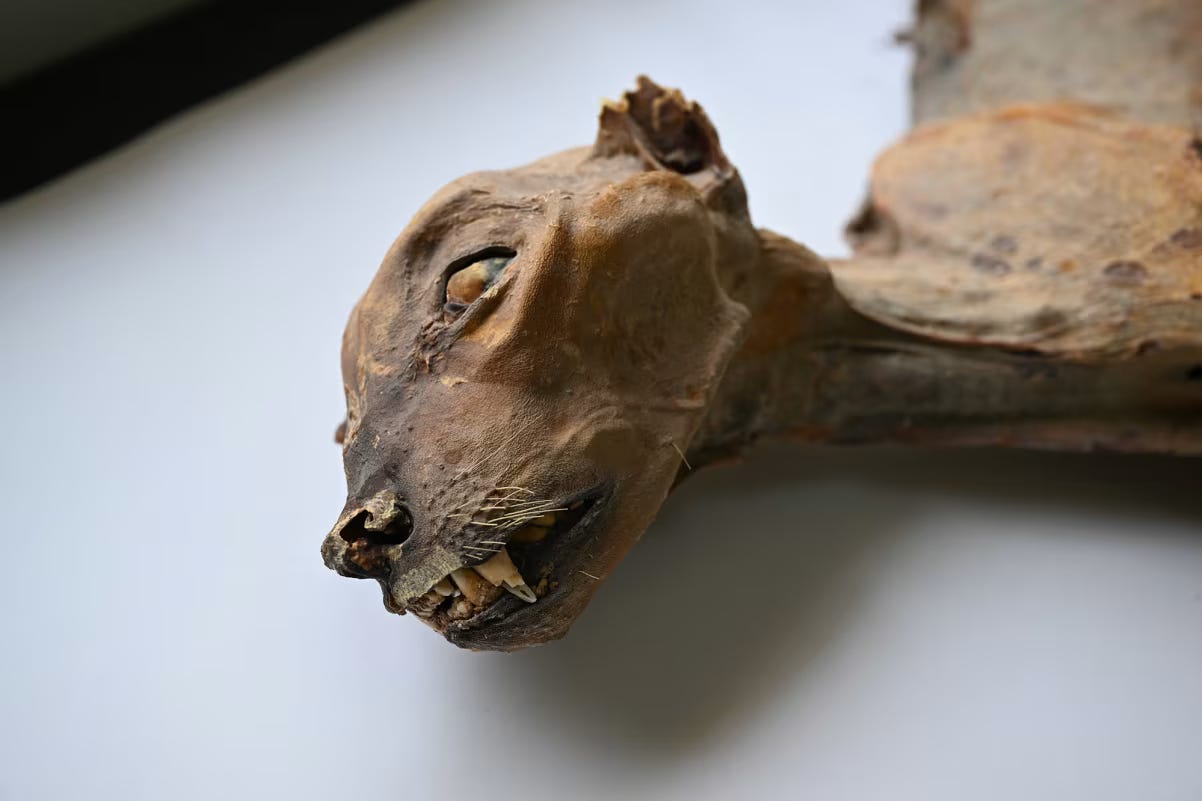
Data from mummified cheetahs in Saudi Arabia can help in reintroducing the species to the Arabian Peninsula. Read more at CNN.
An Egyptian team of archaeologists have uncovered cache of painted wooden coffins and papyri dated to the Third Intermediate Period in a tomb in Luxor’s West Bank. Read more at Daily News Egypt.
Archaeologists at Tel ‘Eton propose novel method for identifying elderly members of a community. Read more at LBV.
Sediment cores from the oldest construction phase of the Temple of Ishtar at Assur put its construction between 2896 and 2702 BCE, aka Early Dynastic I period, providing a new reference point for the city’s foundation. Read more at Archaeology News.
Object of the Month:
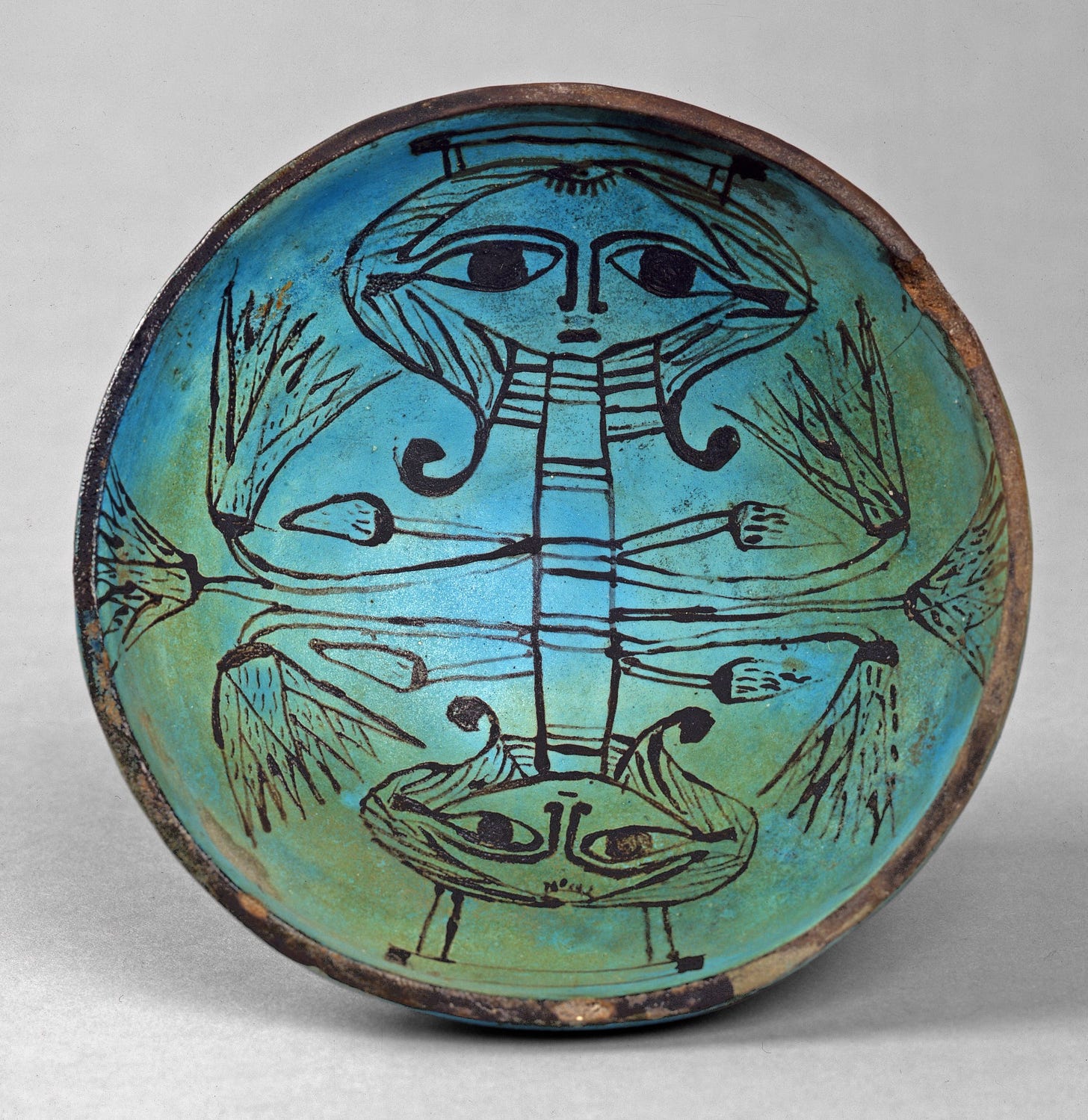
Bowls of this shape, material (faience), and decoration were popular in the early-mid 18th Dynasty as temple offerings or to accompany burials. The Hathor-headed sistrum was a symbol of fertility, motherhood, and divine protection. The blue lotus in Egyptian funerary art was a symbol of renewal and rebirth.
What We’re Reading:
Science history: Carbon-14 is discovered, opening a window into past civilizations — Feb. 27, 1940 (LiveScience)
In the Spotlight – the Girsu Project with Sébastien Rey (International Association for Assyriology)
What We’re Listening To:
Classical Arabic Literature Podcast – A new podcast, launched January this year. Each week episode tackles a particular work or theme of Classical Arabic literature.
The Opium Trail from Egypt to Persia, or Putting Your Hope in Dope, Ancient Edition (This Week in the Ancient Near East)
What We’re Watching:
Inside a 12,000-year-old kitchen in Neolithic Anatolia (BBC)
How to Split a God. Ancient Hittite Religion: Installing the Goddess of the Night (Dig)
The hidden gold of ancient Egypt: London’s new landmark exhibit (AfricaNews)
From the ANE Today Archives:
The Phaistos Disk—An Enigmatic Artifact in its Cultural Context
By Giorgia Baldacci
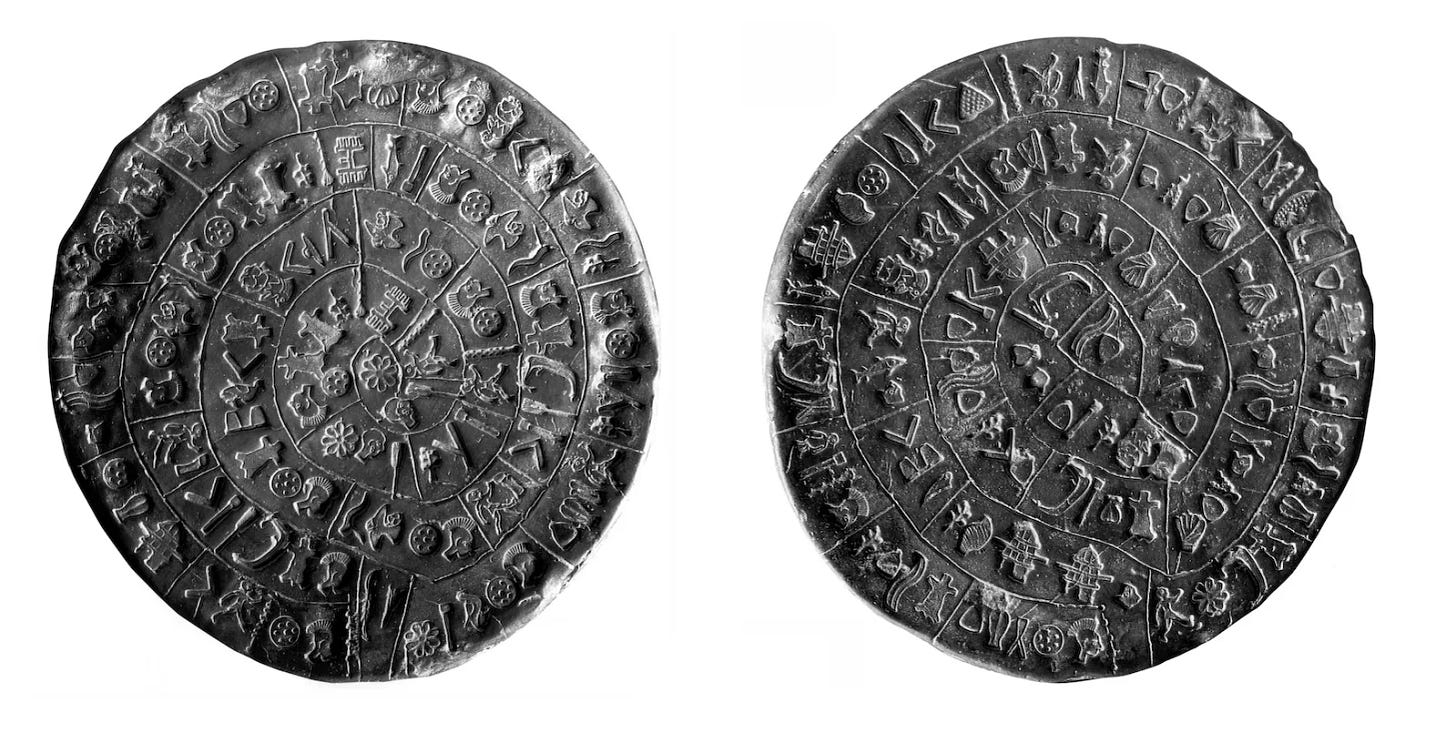
The Phaistos Disk is a unique Minoan object that has intrigued scholars since its discovery in 1908. Still undeciphered, the disk displays over 240 signs in a spiral. Is it authentic and what does it say? Read more here.
Biblical Archaeology Forum Lecture: Ziggurats, Royal Sculpture, and the Shaping of the Akkadian Legacy
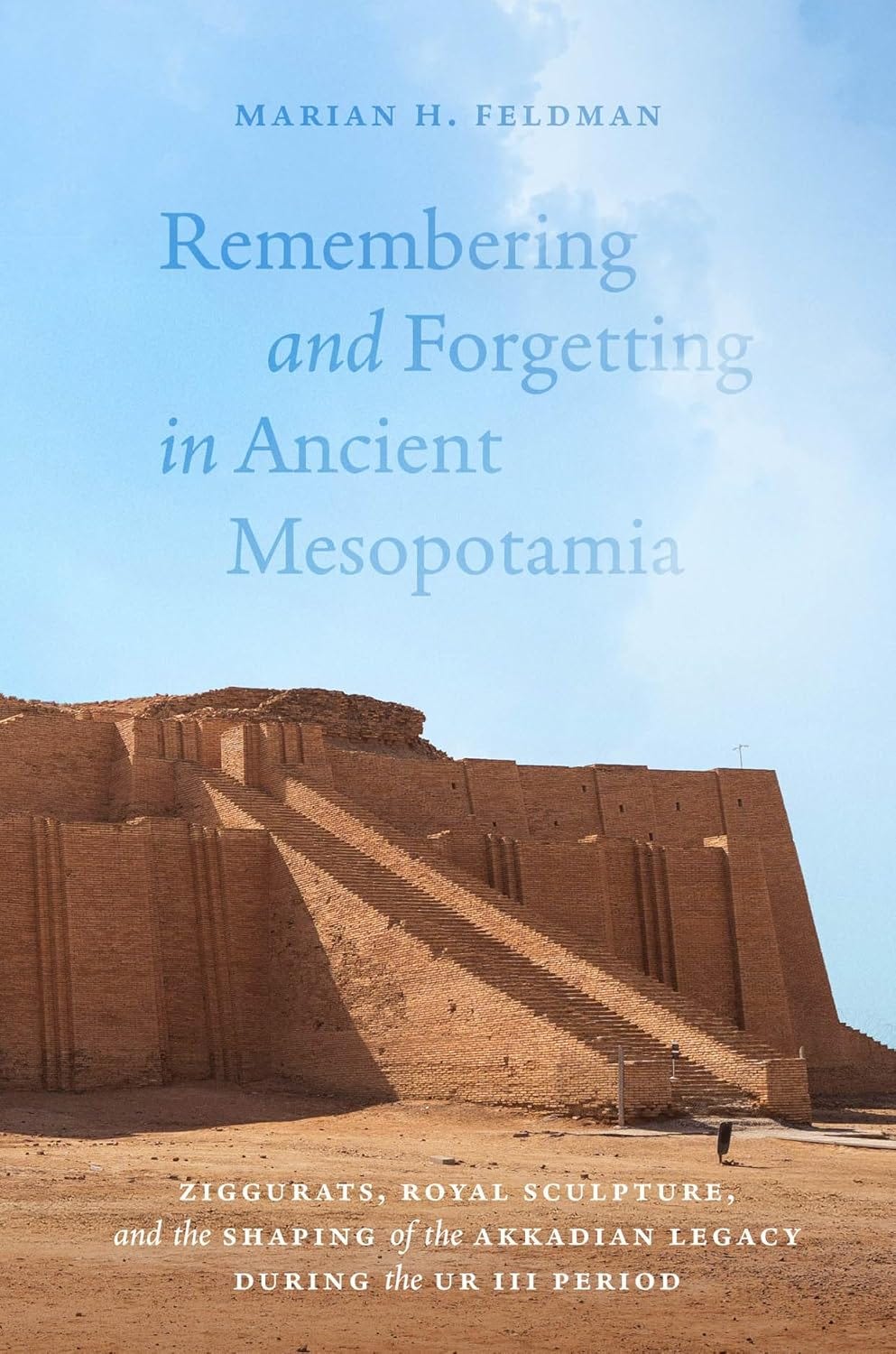
Are you in the greater Washington D.C. area? Marian Feldman (Johns Hopkins University) will discuss her new book, Remembering and Forgetting in Ancient Mesopotamia. Rulers of the Third Dynasty of Ur built extraordinary, massive ziggurat temples in southern Iraq that replaced older iterations of the sacred space; yet within these complexes, they preserved and curated royal monuments from the preceding Akkadian dynasty. This lecture will be held on Wednesday, March 11 at 7:45pm in the Social Hall of the Bender JCC (6125 Montrose Road, Rockville, MD 20852).
Enjoy what you’re reading? Consider supporting ANE Today through a once-off or recurring donation to ASOR.
Published with the assistance of The Lanier Theological Library and Stevan Dana
Thanks for reading The Ancient Near East Today’s Substack! Subscribe for free to receive new issues and support ASOR’s work.
Comments
Nothing yet. Say the first thing.
Sign in to join the conversation.