
By Marta Lorenzon
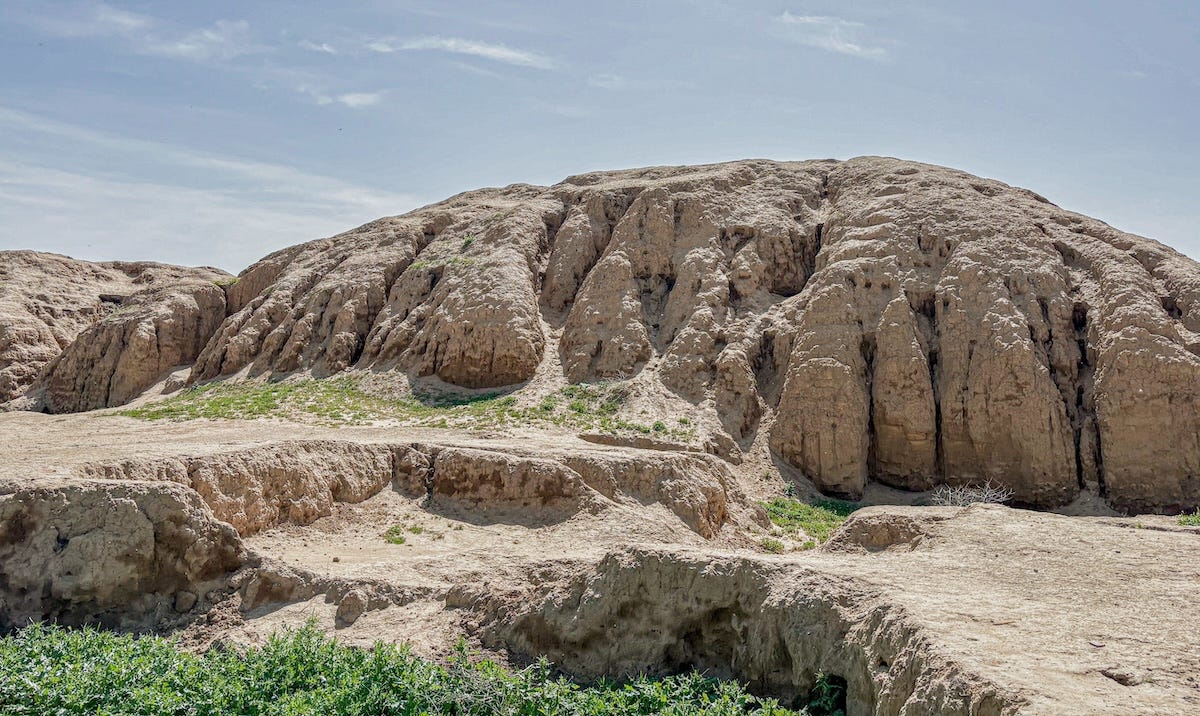
Since the Neolithic, earthen construction has been one of the most widespread building traditions across the ancient world. Communities shaped soil, water, and organic temper into bricks, plasters, and floors, creating architecture that was at once durable and adaptable. What sets mudbrick apart as an archaeological material is its double identity. Each mudbrick is both an artifact, intentionally crafted by human hands, and an ecofact, preserving traces of the natural environment from which it was made. Because of this dual character, a mudbrick is more than a structural unit: it is also a repository of information. Its composition and manufacture can reveal technological choices, resource management, and patterns of labor organization, while at the same time offering insights into climate and landscape in the past.

Join Friends of ASOR from April 16–17, 2026 for exclusive, behind-the-scenes access to some of Philadelphia’s premier cultural institutions, featuring expert-led tours and insights into spaces highlighting the archaeology and art of the ancient Middle East and Mediterranean. Find out more information and reserve your place here!
Speaking of mudbricks, a new geogarchaeological study analyzed the construction of a large Punic defensive wall at Cartagena in Spain, showing a complex production process, with builders traveling 7–8km to procure raw materials. Read more at LBV.
Two inscribed cylinders found on the surface at Tell al-Uhaimir provide first foundation documenting Nebuchadnezzar’s restoration of the ziggurat of Zababa in Kish. Read more at phys.org. Read the original research article in the journal Iraq.
Sudanese authorities announce that they have recovered 570 antiquities stolen from the National Museum in Khartoum during the on-going war. Read more at TRTWorld.
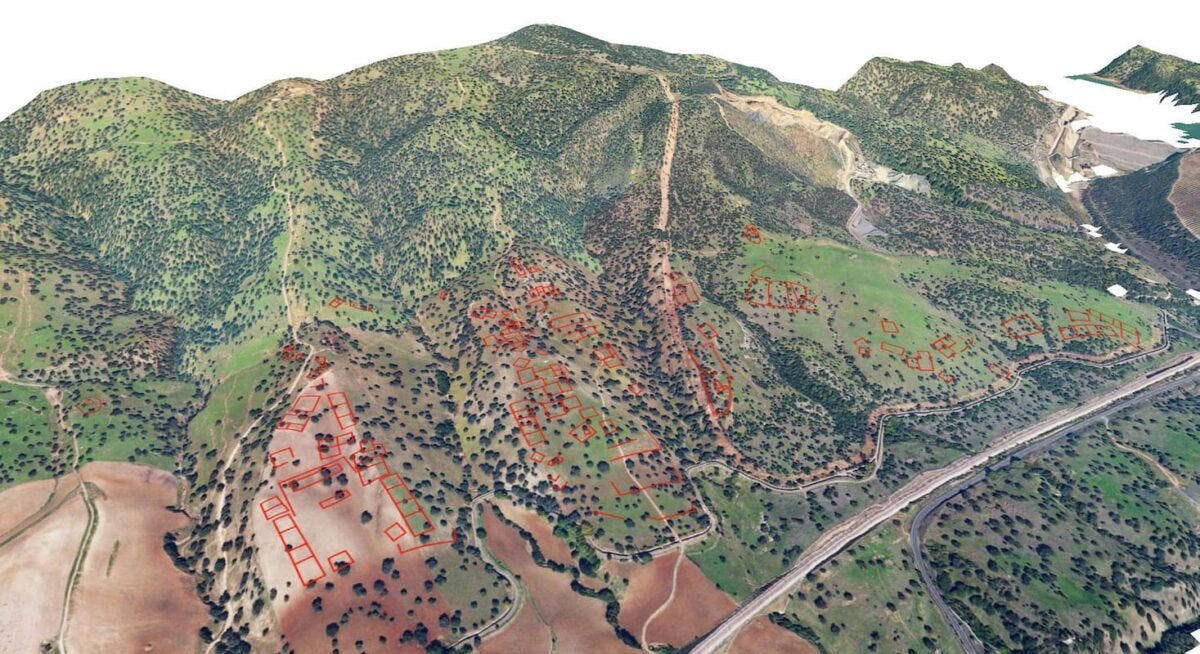
Researchers think they may have found the location of Madinat al-Zahira, a lost city built in the 10th century by Almanzor, near Córdoba, Spain. Read more at LBV.
Iron-age elite burial from Karaağaç western Phrygia may be connected to the reign of King Midas. Read more at the Greek Reporter.
The IAA has launched a new project to trace the origin of thousands of ceramic vessels by studying the mineral and chemical composition. Read more at the Jerusalem Post.
Many archaeological sites in ancient Greece, protected for decades along with their traditional landscapes, have inadvertently become “arks of biodiversity”, preserving rare plants and animals. Read more at the BBC.
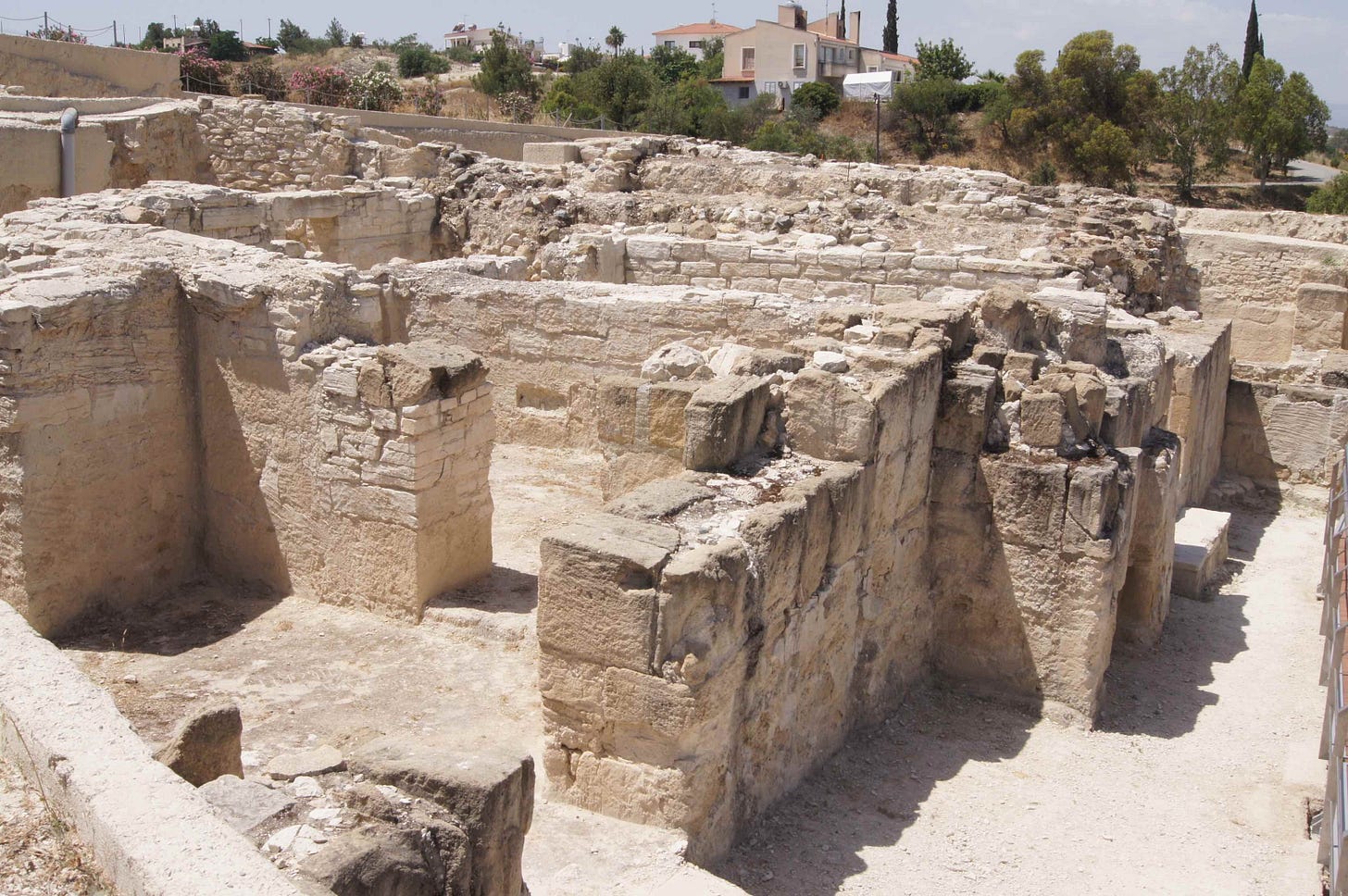
The site of Idalion is located in the district of Nicosia in Cyprus. Idalion was a major ancient city-kingdom in the Iron Age, famous for its massive copper mining industry and today well known for artifacts showing complex interactions between Cypriot, Greek, and Phoenician cultures. Current archaeological work is being undertaken at the American Expedition to Idalion (an ASOR-affiliated project). Idalion is one of the sites that will be featured in the Friends of ASOR Tour to Cyprus this June.
‘Weights of gold in bullion’: How the Ancients Invested in Precious Metals (The Conversation)
Top 10 Biblical Archaeology Discoveries of 2025 (Armstrong Institute)
Finding the ‘Elusive’ Libyans, with Jason Silvestri (Ancient/Now)
Dear Judah, This is Not a Bill, Except It Really Is, Signed Assyria; or, The Iron Age Tax Man Cometh (This Week in the Ancient Near East)
The Book of Enoch: The Forbidden Origin of the Nephilim (Hochelaga)
Lava up: New mineral study reveals buried ‘dirt’ about bath time in ancient Pompeii (Euronews)
Inside One of the Best-Preserved Cities of the Bronze Age (BBC Timestamp)

Join us for the next Friends of ASOR webinar on Wednesday, February 4th at 12:30pm ET: "Unearthing an Imperially Glorious Byzantine Church near Bet Shemesh: From Fieldwork to Virtual Reality," presented by Benyamin Storchan. In the heart of the Holy Land, just 15 miles southwest of Jerusalem, lies one of the most remarkable Byzantine churches discovered in recent decades. The archaeological excavations at the Church of the Glorious Martyr unearthed a fascinating five-century story of faith and pilgrimage, yet the greatest mystery remains unsolved: who was the Glorious Martyr venerated in the sacred crypt? Read more and register here.
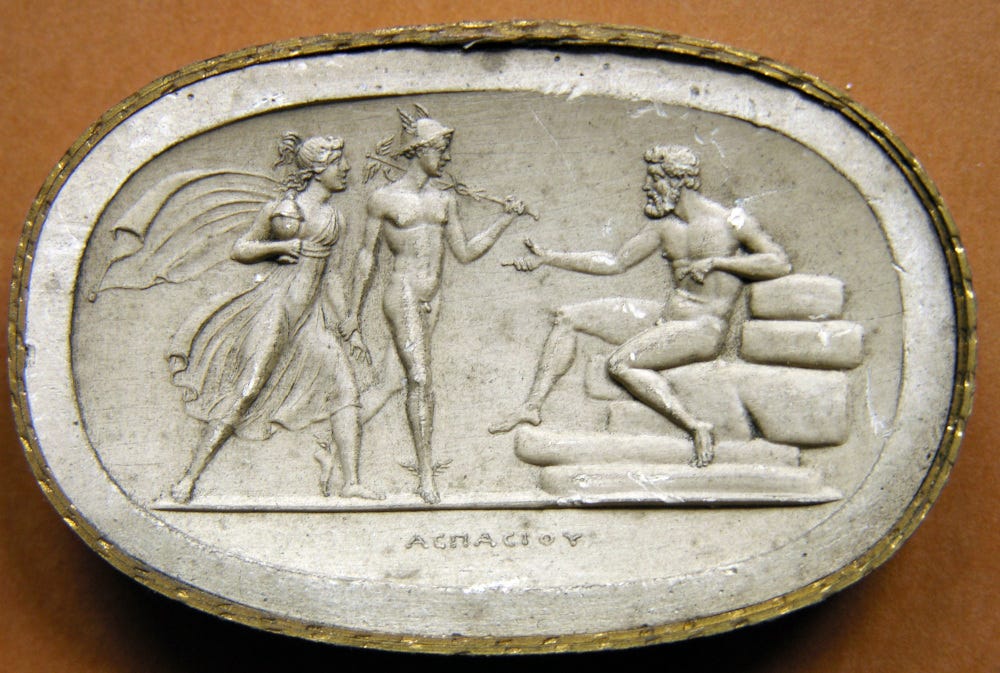
By Adrienne Mayor
Robot, androids and other artificial beings are common today, mixing technology and imagination. But they have unexpected ancestors in antiquity. Read more here.
Enjoy what you’re reading? Consider supporting ANE Today through a once-off or recurring donation to ASOR.
Published with the assistance of The Lanier Theological Library and Stevan Dana
No posts
Comments
Nothing yet. Say the first thing.
Sign in to join the conversation.