
By Yana Tchekhanovets
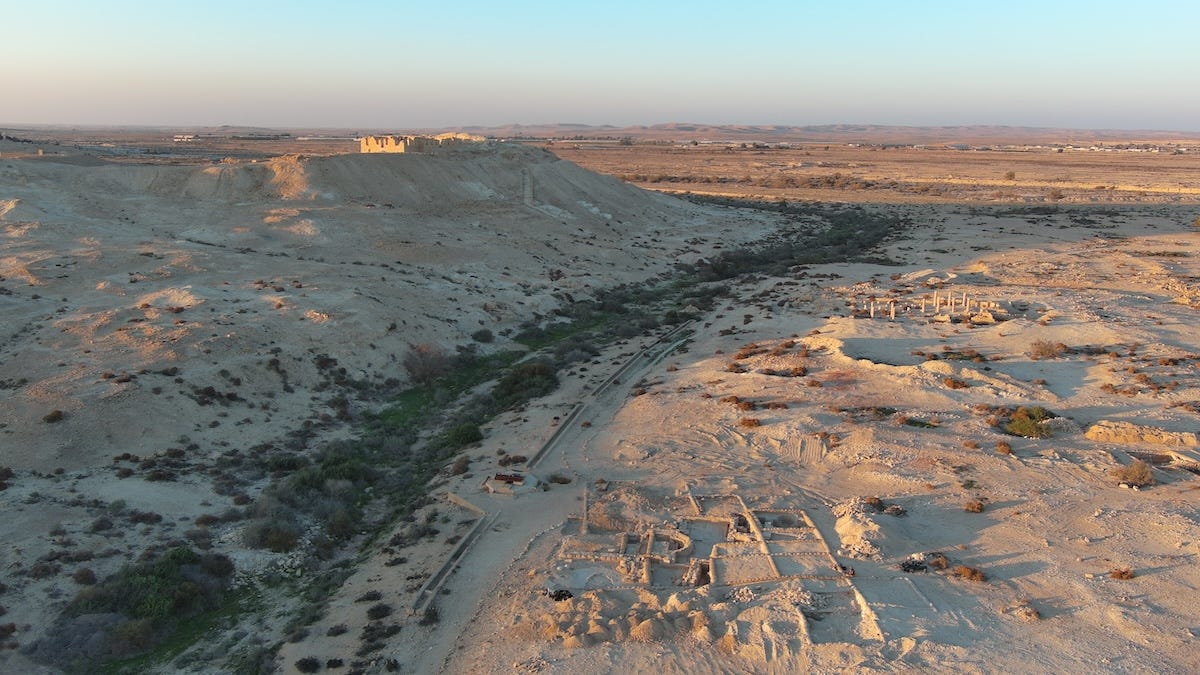
Located in the southwestern Negev, along the principal route linking Jerusalem and other significant holy sites with Mount Sinai, ancient Nessana is not associated with any biblical events or major relics. However, during the Byzantine period (ca. 5th-7th centuries CE), it emerged as a prominent Christian center and a vital caravan hub, facilitating travel to Sinai and the Egyptian monasteries. Established during the Late Hellenistic period (2nd – 1st centuries BCE), Nessana subsequently accommodated a Byzantine garrison and attained its peak during the Byzantine and Early Islamic periods. The site is considered among the most significant Late Antique locations in the Eastern Mediterranean, largely due to the discovery of two papyri archives preserved by the arid climate. These documents, uncovered in the 1930s and dated to approximately 500–700 CE, offer critical insights into the daily life and economy of the settlement and its inhabitants, particularly their roles in agriculture and pilgrimage services.
Learn more about the current expedition to Nessana by joining us for the next Friends of ASOR webinar on April 29th at 12:30pm ET, where Prof. Yana Tchekhanovets shares the preliminary results of the past four seasons of excavation. Register here.
Recently discovered iron blooms from from underwater excavations at Tel Dor in Israel provide new information about the Mediterranean iron trade. Read more at The Debrief or read the full study (open access) in the journal Nature.
New radiocarbon dates from city of Mohenjo-daro in Pakistan has pushed back the date of the earliest evidence of occupation to ca. 3300-2600 BCE, suggesting urbanization in the Indus Valley was more gradual than previously thought. Read more at Arkeonews.
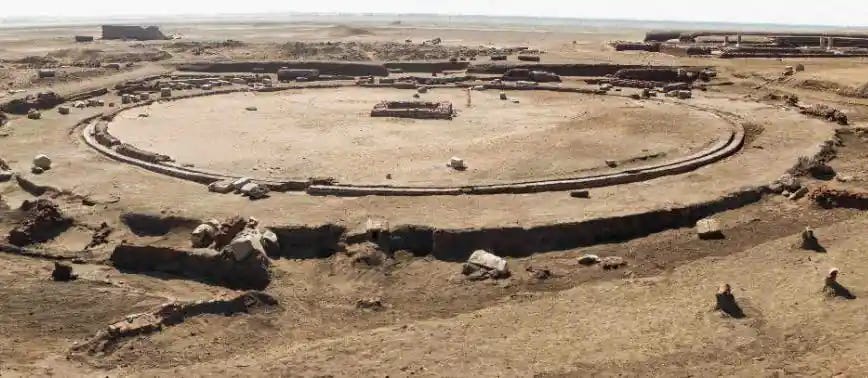
An Egyptian archaeological mission has excavated a large circular religious structure (35 meters in diameter) at Tell el-Farama (ancient Pelusium) in the northern Sinai. Read more at LBV.
Study of mass grave of infants and small children found at Azekah in Israel over a decade ago have finally published. Read more at Haaretz.
Archaeologists reconstruct 5 outfits from Makurian kingdom in Nubia to investigate how clothing expressed secular and religious authority. Read more at phys.org or read the full study in the journal Antiquity (with great pictures of the reconstructed outfits).
Archaeologists have found a large number of Iron Age graves during construction work in Oman. Read more in the Times of India.
If you find yourself in the Midwest this spring or summer, here are two exhibitions definitely worth checking out:
Cursed! The Power of Magic in the Ancient World is on dispolay at the Toledo Museum of Art until July 4. Featuring papyri, gems, ivory wands, curse tablets and more from Mesopotamia, Egypt, Greece, and Rome, the exhibition explores how ancient people “turned to magic for protection, for healing, to curse their enemies, and to seek favor from powers beyond the human realm.” Read more about the exhibit in The Guardian.
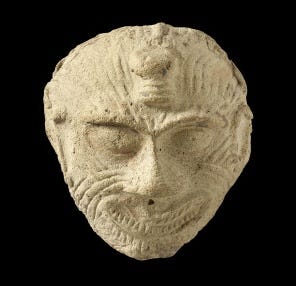
A Bestiary of Ancient Nubia is on display at the Institute for the Study of Ancient Cultures in Chicago until August 16. Presenting a menagerie of domestic and wild animals in material culture from prehistory to the medieval period, the exhibition explores the important role of animals in Nubian society and culture. (We’ll be featuring a special article about the exhibit by curator Marc Maillot in one of our May issues, so stay tuned!)
The Real Housewives of Deir el-Medina (Ancient/Now)
How DNA forensics is transforming studies of ancient manuscripts (Scientific American)
The Palaces of Assyria with David Kertai (Thin End of the Wedge)
The Hittites (The Ancients | History Hit)
Easter and Passover Special | Lost Treasures of the Bible MEGA Episode (National Geographic)
The Behistun Inscription of Darius the Great (Study of Antiquity and the Middle Ages)
Ancient Egyptian Beauty: The 3000-Year-Old Secrets of Layd Touti (GEDEON DOC)

Only a few spots remain on the Friends of ASOR: Cyprus Across the Ages tour this June. Join Friends of ASOR for a behind-the-scenes journey through Cyprus’s remarkable archaeological sites, led by renowned archaeologists and specialists, from prehistoric settlements to Byzantine and medieval monuments. Highlights include rare insights and tours at Kourion, Idalion, Koukila, the Cyprus Archaeological Museum, and Nea-Paphos, among many other sites. Contact us for more information and registration.
By Martin Heide and Joris Peters
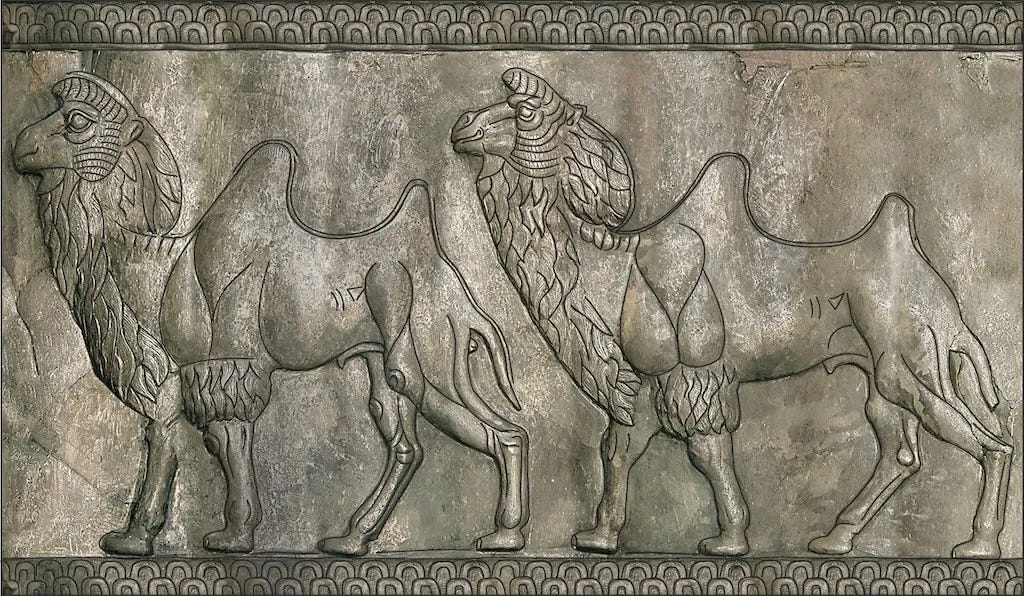
One hump or two, the camel was known in Mesopotamia from the third millennium BCE onward as the “elephant of the caravan” or “elephant of the mountain.” “Camel” came later. Read more here.
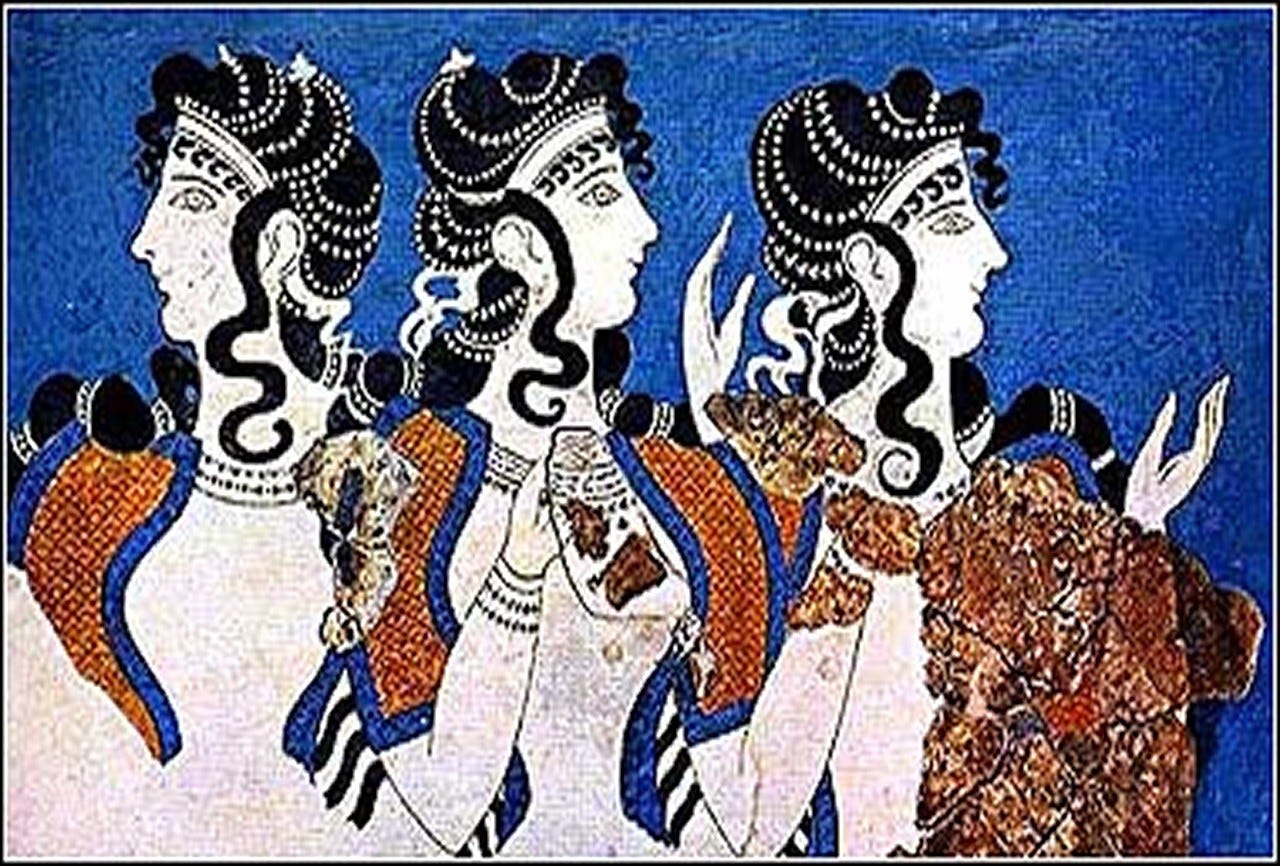
Are you in the greater Washington D.C. area? Emily Anderson (Johns Hopkins University) will discuss how Minoan society rose from small isolated farms to state-level palatial society with “international” prominence. Professor Anderson’s detailed exploration of the uniqueness and trajectory of Minoan Crete within the eastern Mediterranean will focus on the role of trade and exchange, seafaring, craft, politics, art and religion, and how these were all entwined. This lecture will be held on Sunday, April 19 at 3:00pm (luncheon at 2pm) at Yayla Bistro in Arlington, Virginia.
Membership starts at $46 per year ($35 for students) and includes benefits such as a subscription to Near Eastern Archaeology. Your dues directly support ANE Today, as well as scholarships and other ASOR initiatives.
Published with the assistance of The Lanier Theological Library and Stevan Dana
No posts
Comments
Nothing yet. Say the first thing.
Sign in to join the conversation.