
In my first years after coming to Berlin, I was really confused by the lack of autumn here.
In my memories, autumn at home was always yellow. Most trees in Moscow and St. Petersburg, the cities I’ve spent 23 and 15 years, respectively, were going into full-blast of yellow (apart from pines and firs), losing all the leaves afterward.
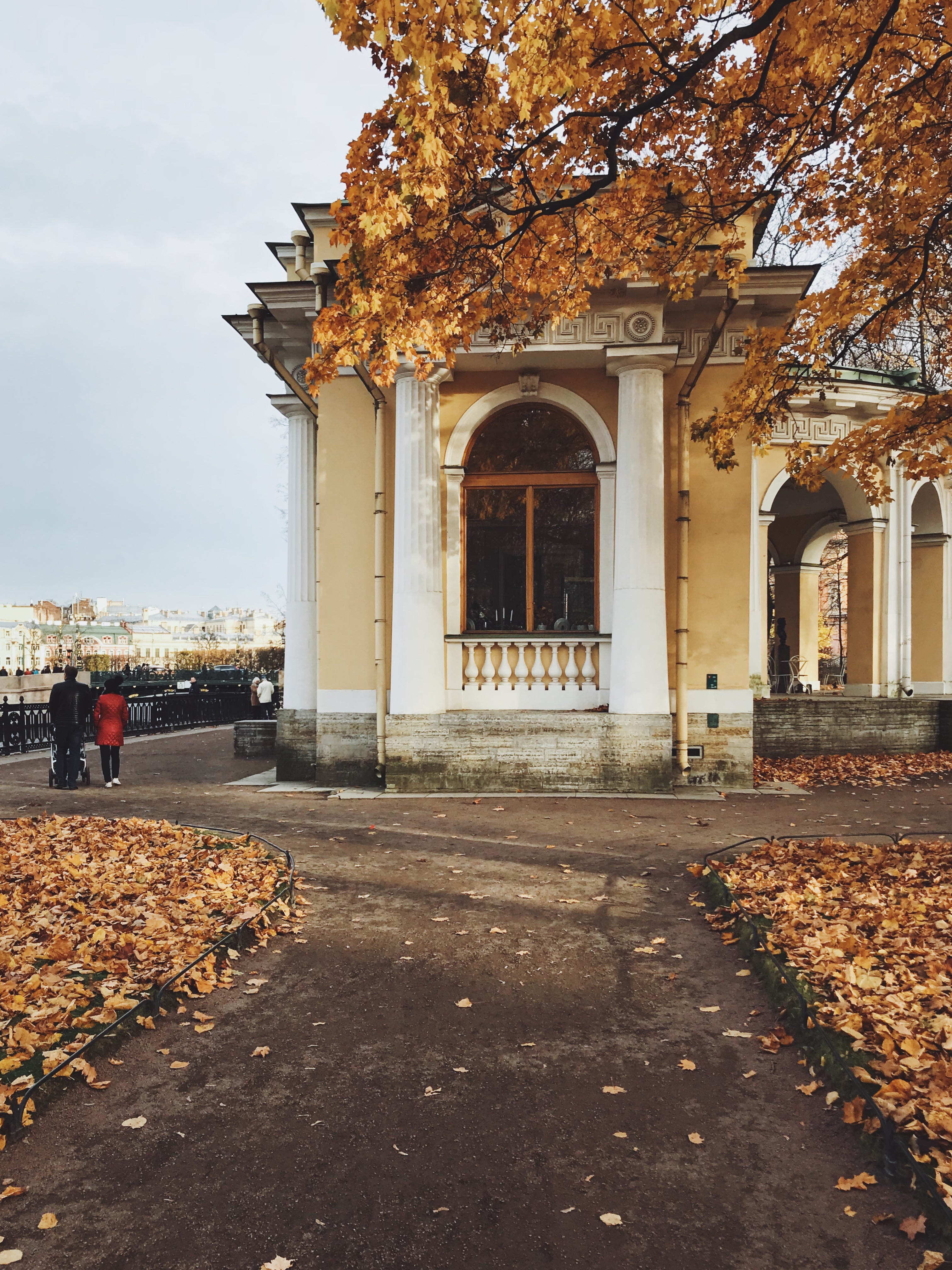
It went like this: a season of ice and snow, a (short) season of blooming, a green season with rains, and a (short) yellow one. Then, ice and snow again.
This pattern didn’t apply in Berlin. I’ve missed two autumns as a concept here because I was waiting for an “autumn feeling” that never arrived. It gradually became colder, and some trees lost their color. But some didn’t. During the winter, some grass stayed green. What was that about?
There is a visceral feeling of loss when you move across climate zones: seasons are all messed up compared to what feels normal.
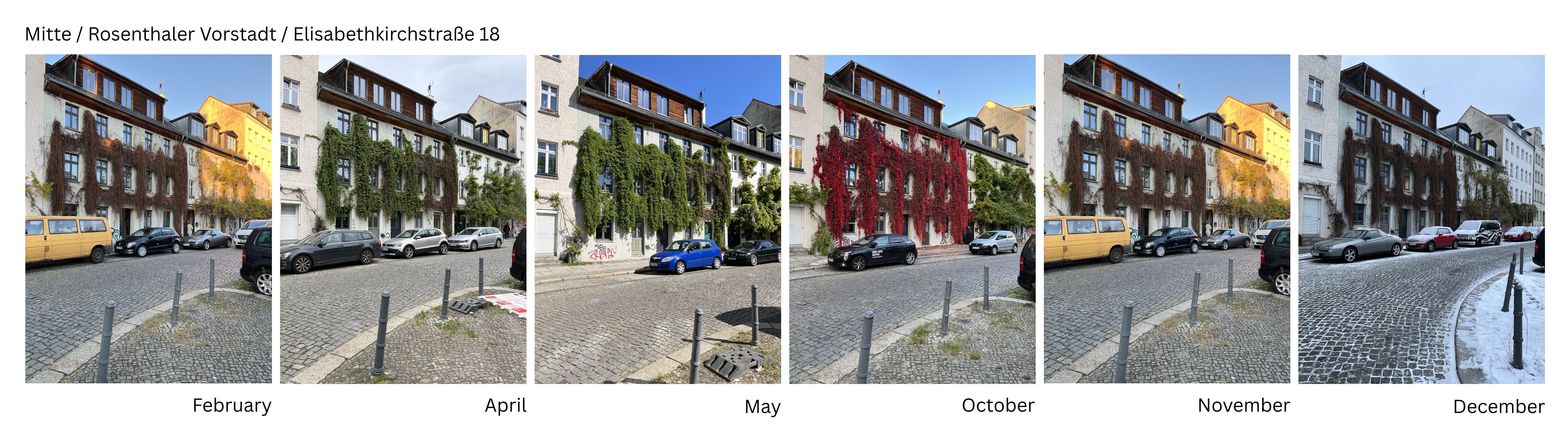
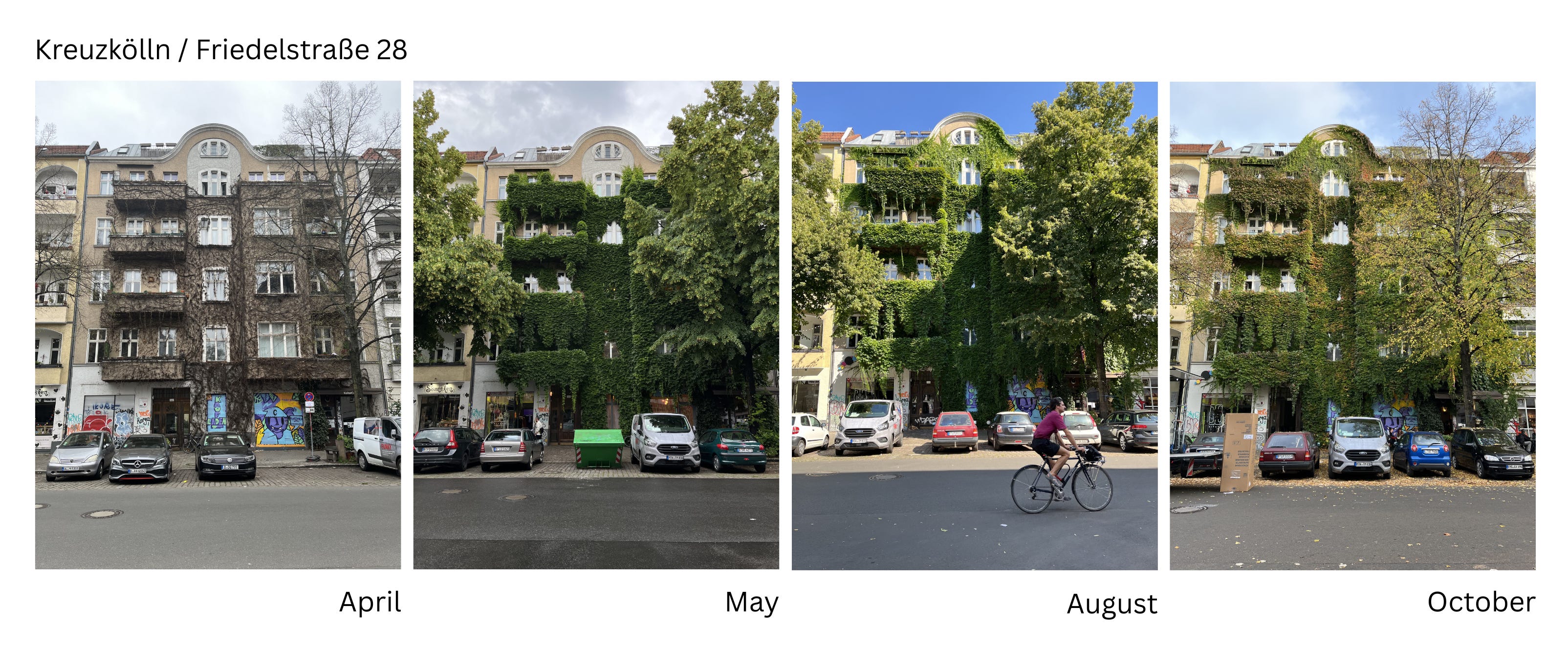
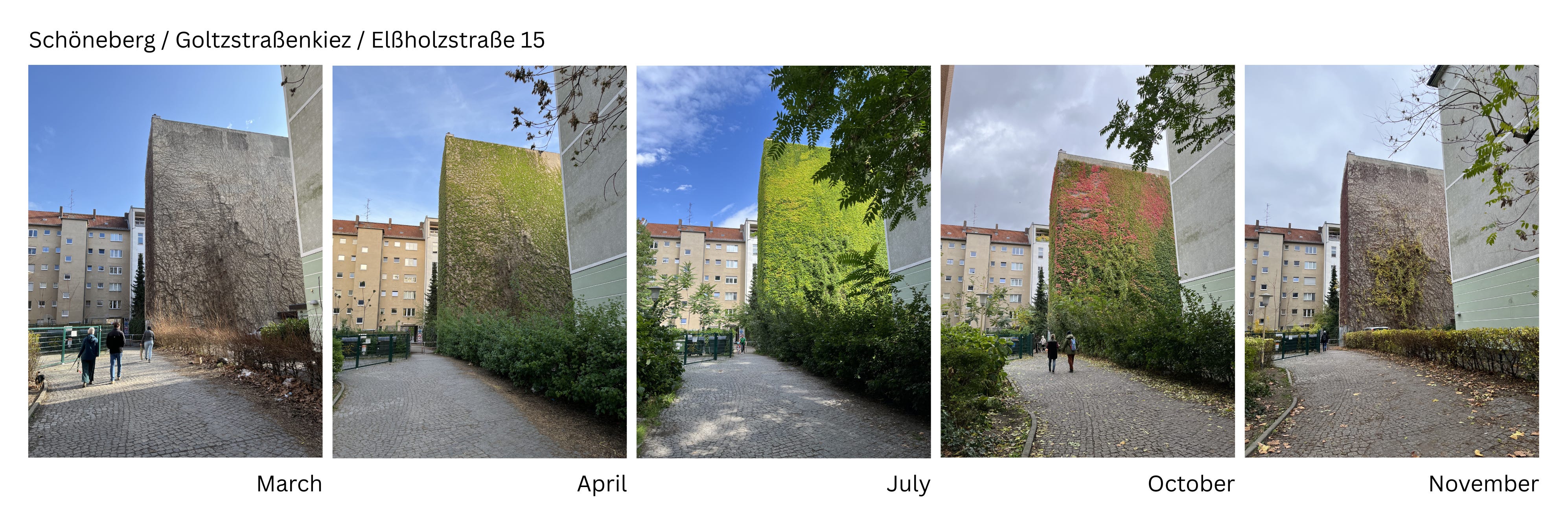
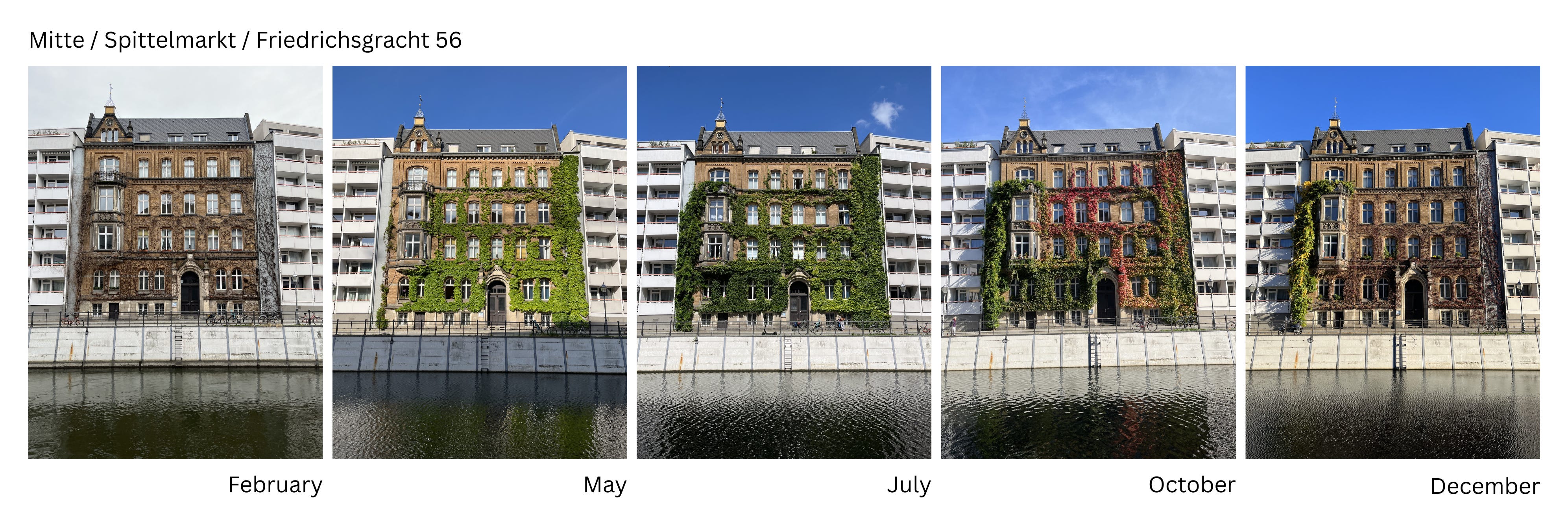
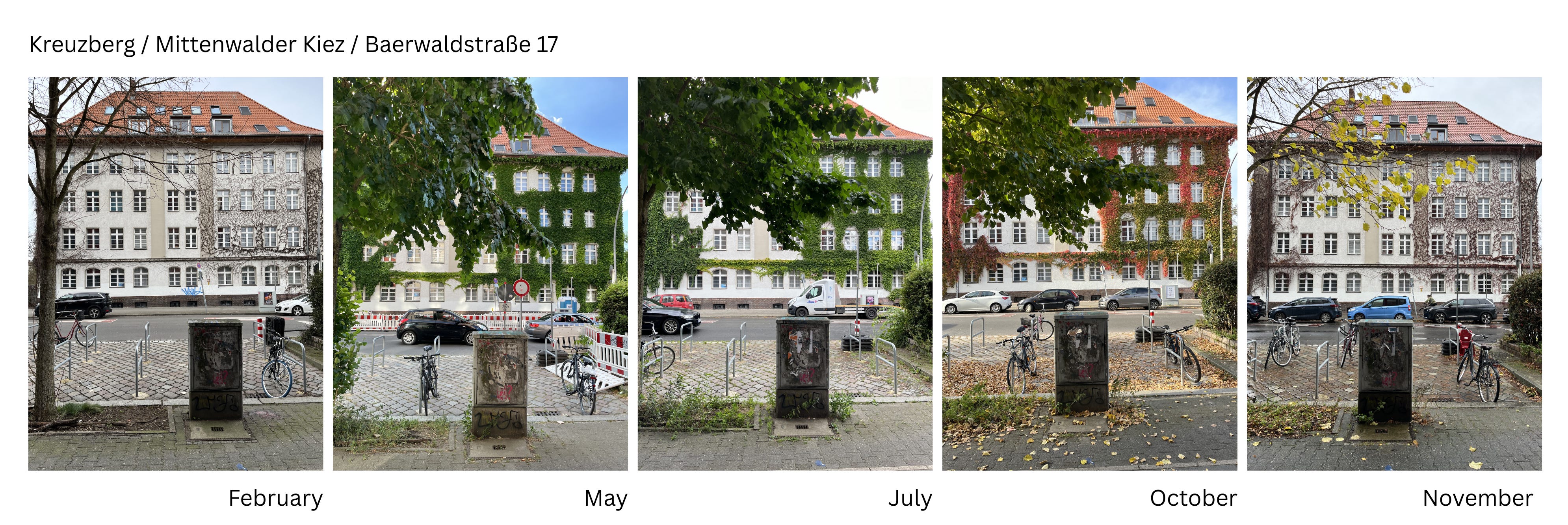
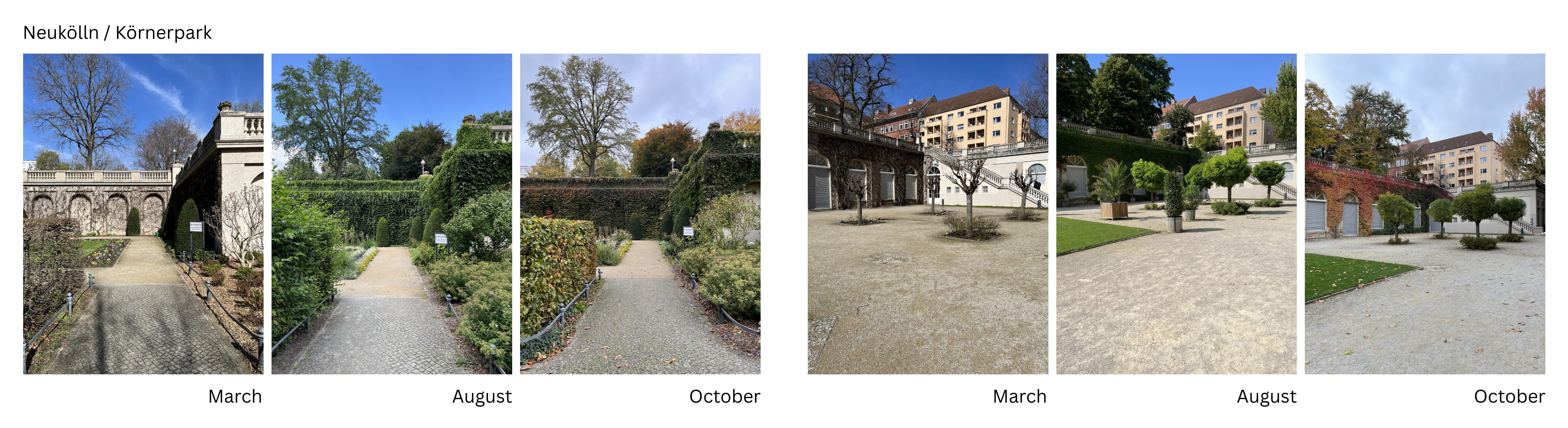
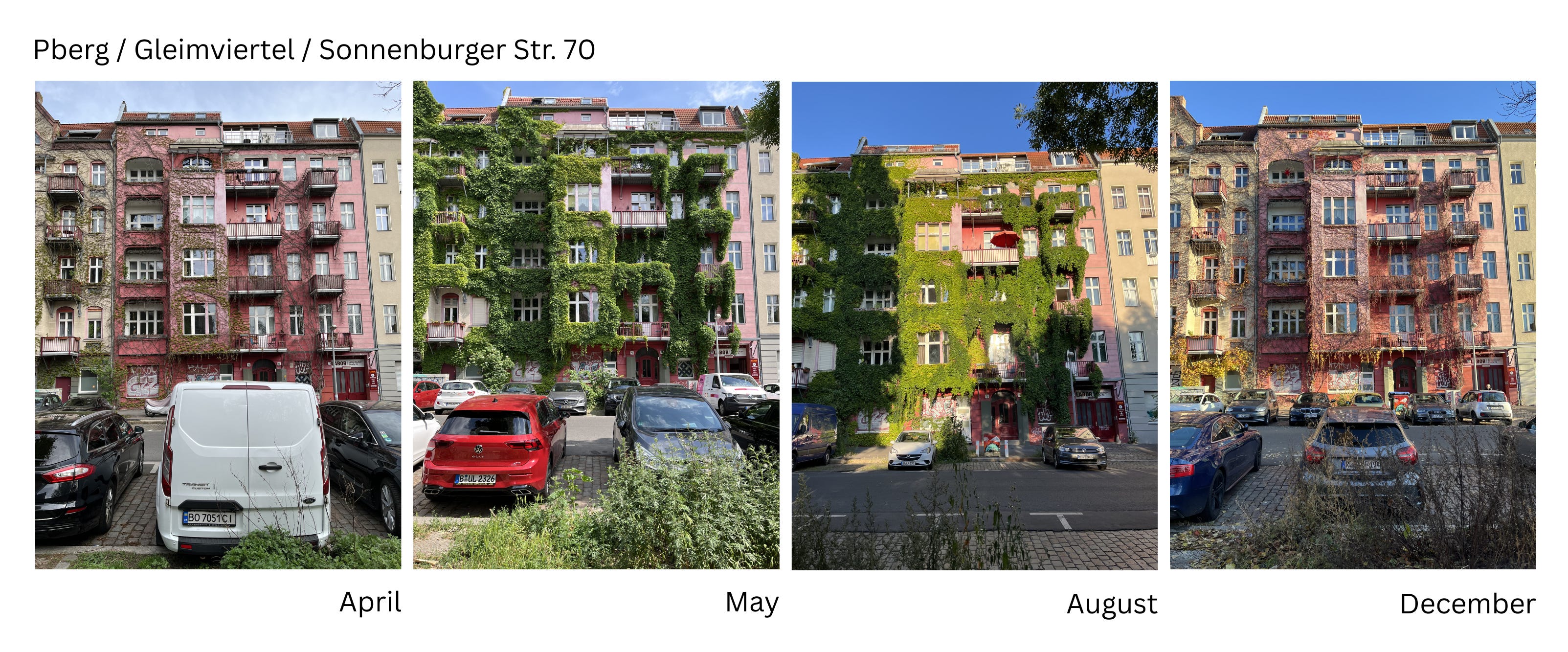
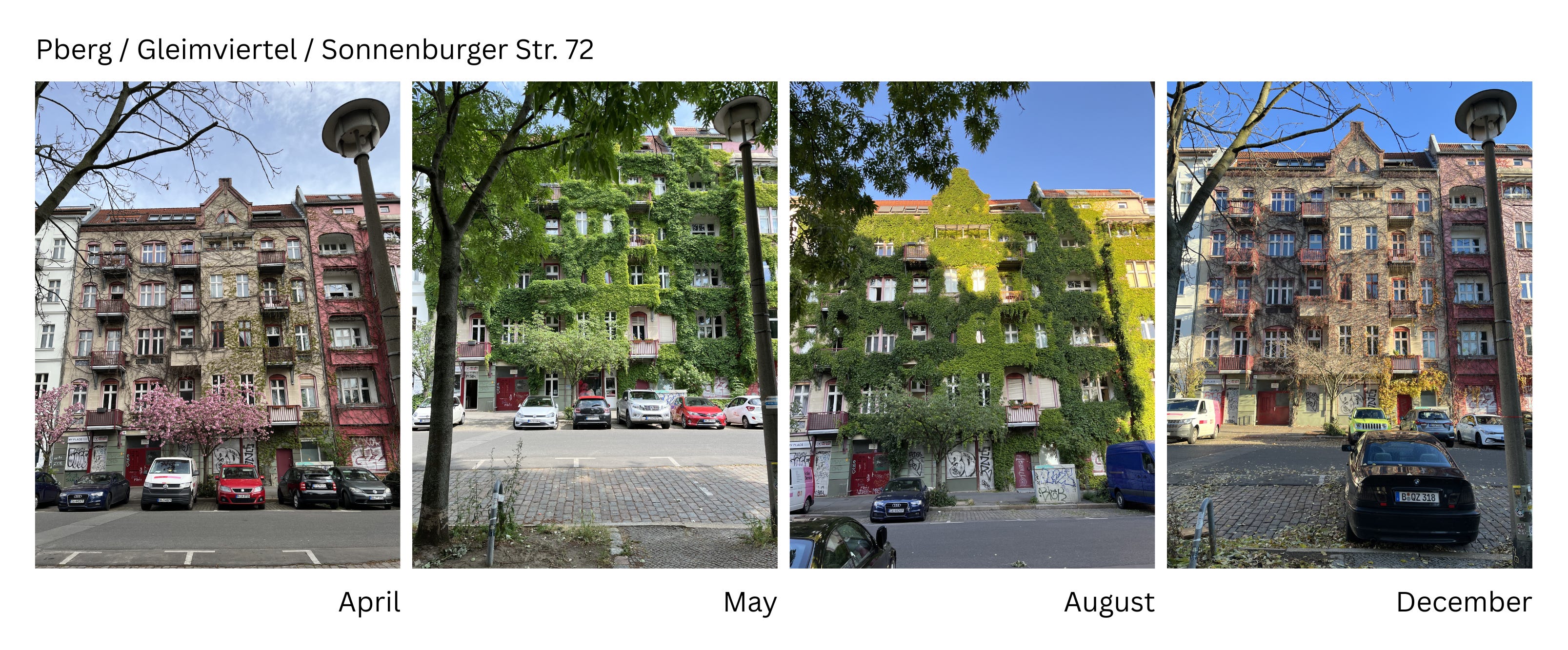
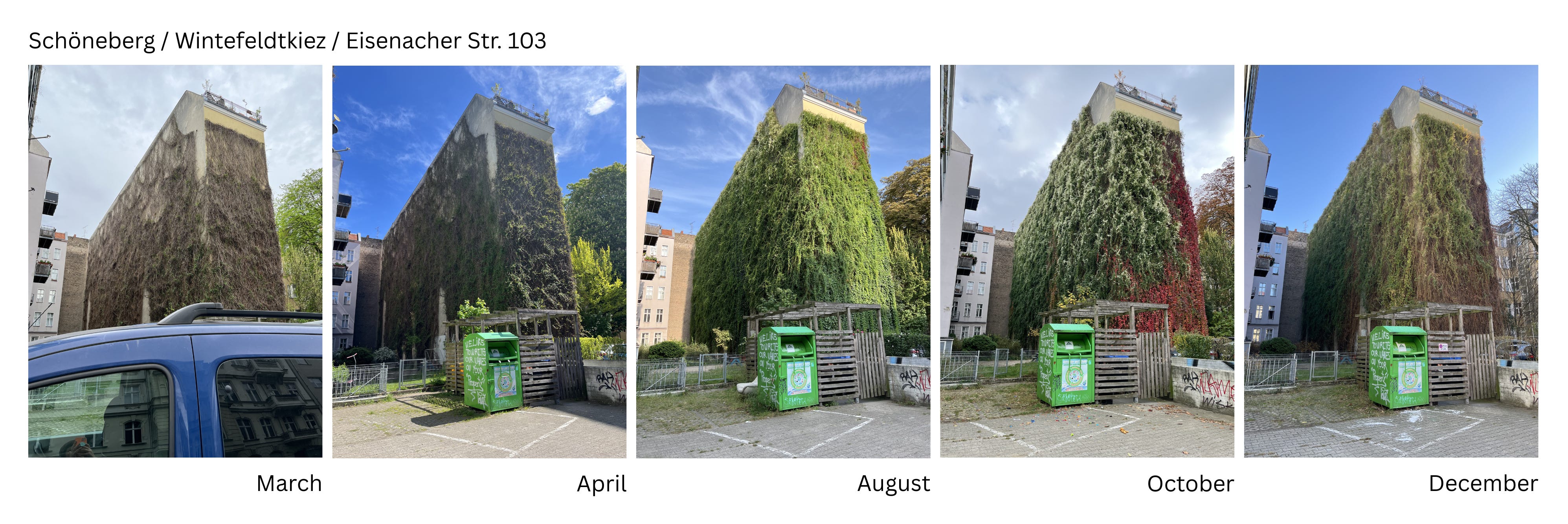
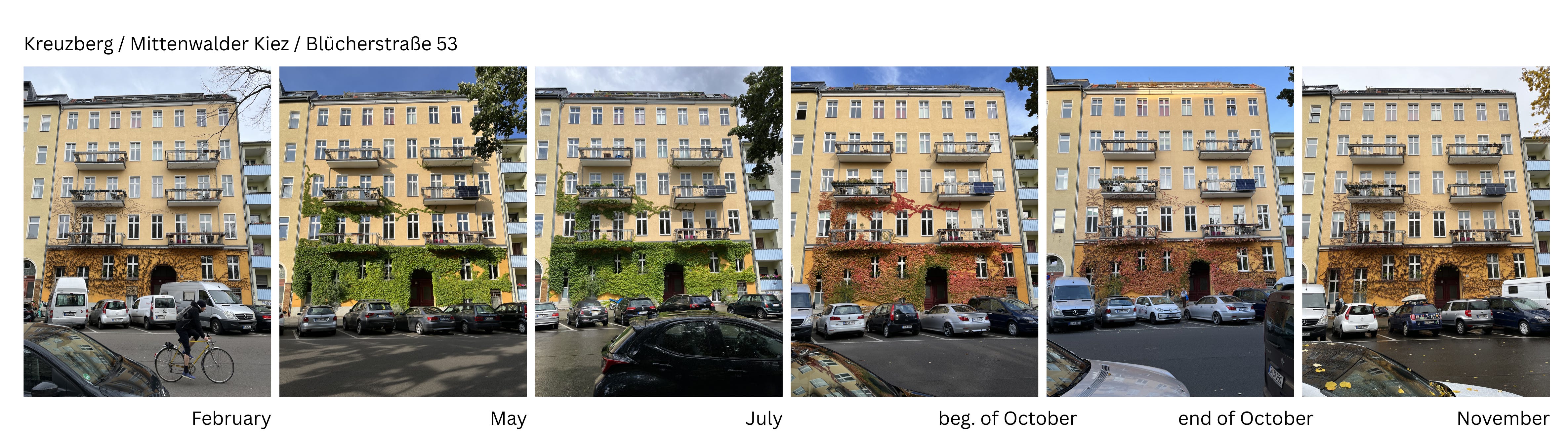
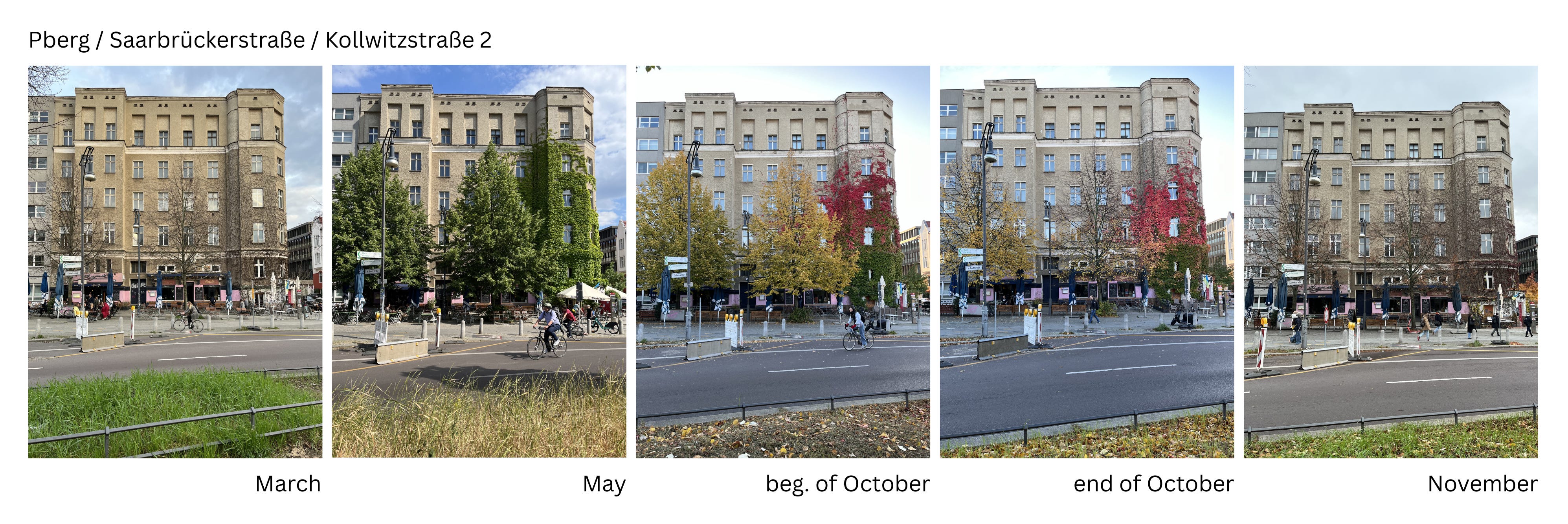
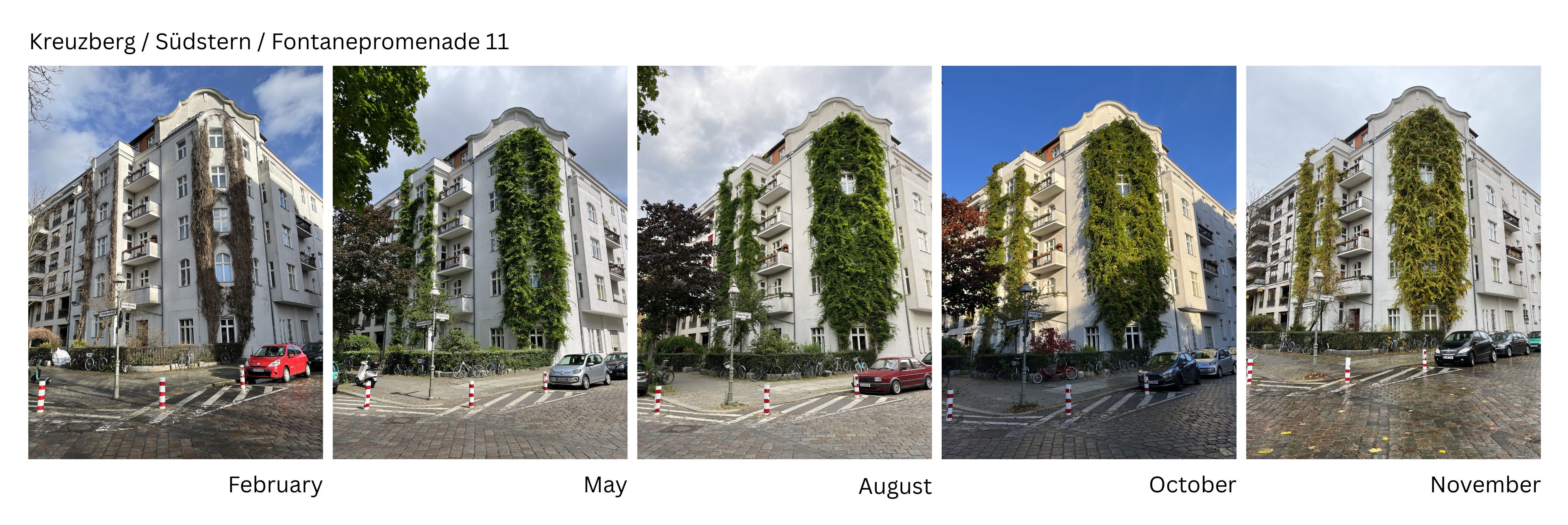
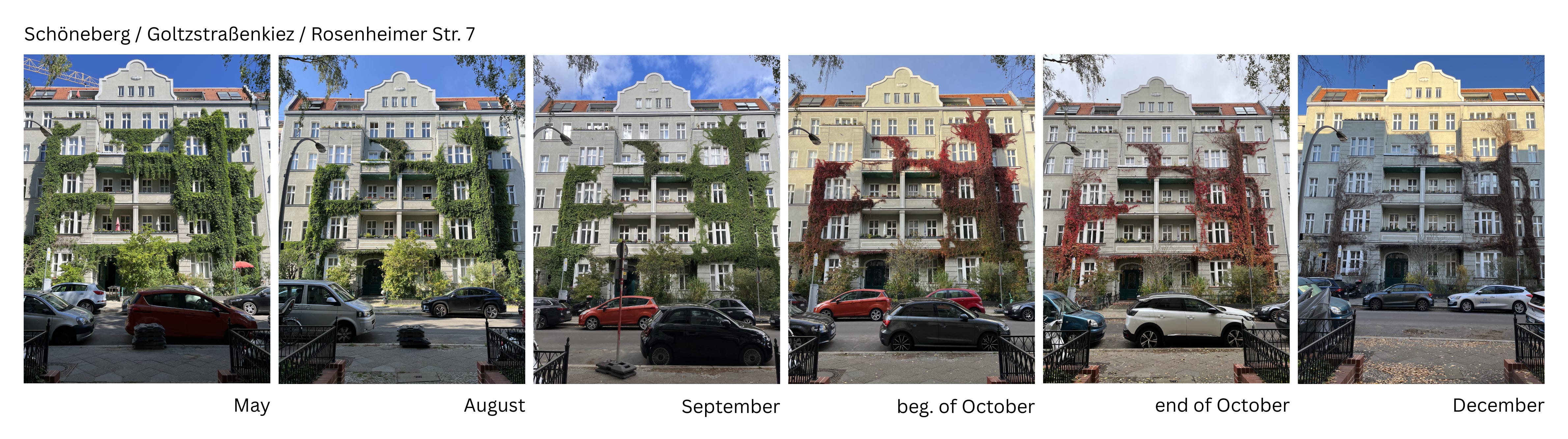
In 2023, I started noticing that some ivy-covered walls and other objects remained evergreen, while others didn’t. It was unsettling. I need structure! I had to get to the bottom of this 🕵🏻♀️
But why do I care so much about the city's vegetation?
In How to Do Nothing: Resisting the Attention Economy, Jenny Odell writes that one way to scroll less and enjoy more is to discover what exists around you in the physical realm. Local plants. Local birds. Local people.
I read it in 2019. Since then, I’ve installed the Merlin app to check bird calls (and learned that Berlin has a huge population of nightingales) and the PlantNet app to identify fauna (and fall into Wikipedia hyperlink rabbit holes).
So in 2024, I started PlantNetting every type of Berlin ivy to recognize the pattern. Turns out, there are three major strategies for the climbing plants here:
🌱 stubbornly staying evergreen (Hedera Ivy)
🪻 blooming widely for a bit, staying green during the warm months, and then jumping into the winter hibernation (lavender-colored Wisteria, blooms in May-June, and white-ish Fallopia, blooms several times per year)
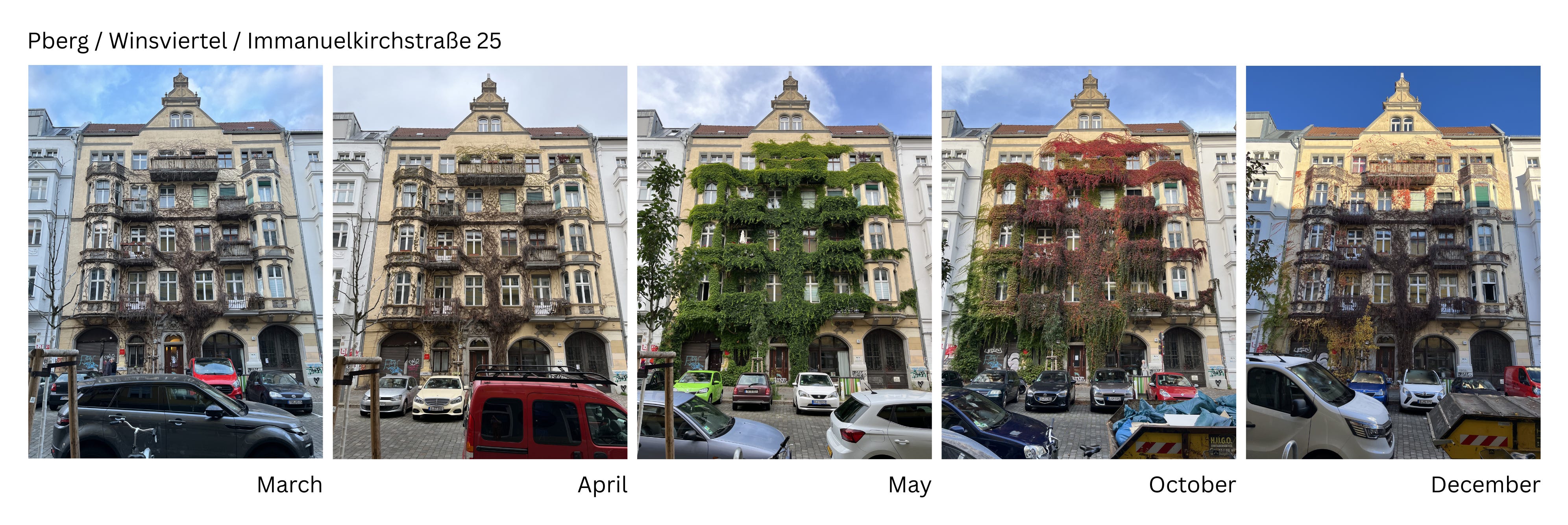
🍂 starting with a regular green and going into intense red during autumn, then into hibernation (Boston Ivy)
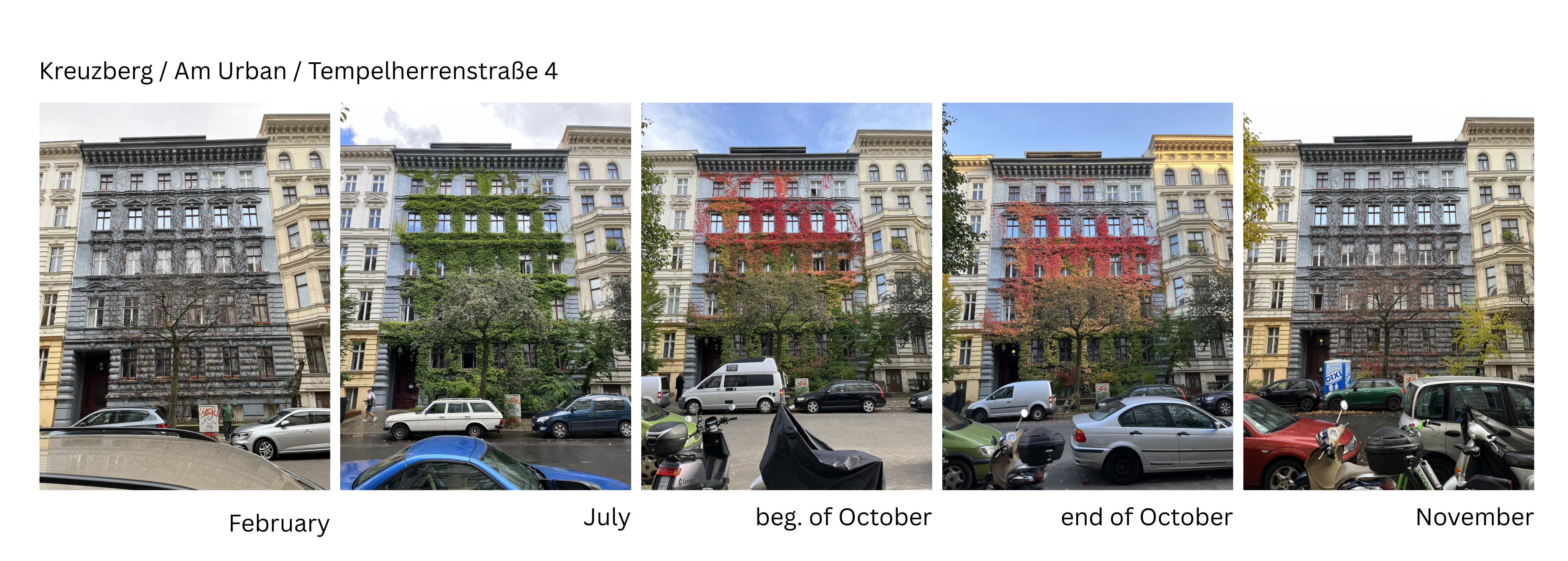
My initial idea was to track 7-10 “objects” during one full year and take similar pictures from roughly the same spot to compare the seasons later.
The problem was that I kept finding new (gorgeous) objects, and how do you choose the 7-10 best ones if you didn’t track how they changed over the months?
I’ve never been a fan of keeping a pet project moderate. In 2024, I went wild, ending up with nearly 700 locations across the city. Some of them, I tracked dozens of times throughout the year.
Today, I’ll share some of the favorites with you.
You’ll probably start noticing these pretty objects and their seasonal change. For me, it was a great way to learn the city's districts, how each Kiez is called, and how different they look at different times of the year. The search for the rules of vegetation helped me to map the city.
And if you ever want to do something similar, here's the advice I wish I'd had when I started:
Do not take the first picture from a random spot on the go! Think first.
Find an object to stand next to, an angle that is easy to reproduce, and a frame that is comfortable to repeat. Make sure the horizon is steady. Take a couple of shots. You’ll pick the best later, once you’re there again.
Avoid zooming, it’s difficult to replicate. The easier, the better.
If you don’t know any objects in a city area yet, you’re missing out. Take a weekend to ride there and look around.
Plan your trips around your plants’ seasons. The heavier research times are when green Boston Ivy turns red. You might want to walk too much in October. Remember to get new orthopedic insoles.
It’s all worth it.
Thank you for reading 🫶🏻
I am happy to hear your thoughts — in a comment or email.
No posts
Comments
Nothing yet. Say the first thing.
Sign in to join the conversation.