
** Author’s note: I wrote this in December of 2024 when the indie sleaze craze still felt relevant and engaging in discourse about online trends didn’t feel as meaningless as it does now. For a few months, I’ve considered not sharing this online and leaving it in the print media outlets in which it was published to let it age itself out. While I think some of this article is a touch oudated already, I think, through my exploration of the “sleaziness” in indie sleaze and our modern blindness to the conditions of the past, I was beginning to recognize the subtle and continuous rise of both conservatism and apathy in both the fashion industry and American culture. In 2025, we’ve seen controversial dress codes at Cannes Film Festival, popular Gen-Z influencers and idols working with luxury brands with questionable (at best) ethics, and the rising presence of fatphobia (not that it ever left, really), all in tandem with a dominance of right-wing politics and agendas. Additionally, conversations surrounding the “death of personal style” alongside “old money vs. new money styles” have circulated the internet for several months, mirroring the points I make about the decline of genuine originality through the manipulation of consumerism.
While fashion trends are not the most pressing topic on anyone’s mind right now (unless you live under a rock or are very privileged), I believe fashion and cultural trends are reflective of public priorities and attention, along with how adversiting, consumerism and propaganda go hand-in-hand to influence not only what we buy, but what we stand for.**
indie sleaze. nostalgia. and the search for identity.
Indie sleaze. It’s an inescapable term that has whizzed around every corner of culture and every trend discussion on every platform from music to fashion to design over the last two years. Coined on social media by Instagram account @indiesleaze in reference to a brief moment in culture from 2007-2012-ish, the general inspirations for indie sleaze are messy glittery digi-cam party pics (a la The Cobrasnake), big city indie and club scenes, and early social media culture (mainly MySpace and Tumblr). Throughout its rise to popularity the style has morphed into a vague, undefinable aesthetic term referring to an amalgamation of concepts and inspirations. “Indie” comes, obviously, from the term “independent,” conjuring thoughts of movements based on anti-establishmentarianism, low budgets and do-it-yourself attitudes. Mixed with the term “sleaze,” which refers to having a quality of being messy, gross and disreputable, the movement contains a dichotomy that’s simultaneously complementary and contradicting—the idea of being unapologetic and self-sufficient, but also being kind of a sloppy asshole. While indie sleaze is derivative and nostalgic for a not-so-distant past, its uniqueness lies in the generation driving the popularization of the trend: Gen-Z. The next generation of young adults has taken ideas and references from the past and blown them into a wide-spanning cultural movement despite being too young to have actually experienced the style in its heyday. How do fragments of an unlived past create a movement, and how do we form a cultural and artistic identity from it?
Before I dive in, here is my admittance that I am, in fact, a certified Indie Bitch™ and love the artists and influences of the indie sleaze style. I grew up on The Strokes, The Yeah Yeah Yeahs and M.I.A. I love grimey big cities, 80’s-2000’s fashion, DIY mindsets and smoking the occasional drunk cigarette without some jerk tell me that vaping is healthier. While indie is not immune to consumerism by any means, it has been refreshing to recently watch this subculture attempt to find new footing and draw from its DIY I-don’t-give-a-fuck origins after a decade or so of indie culture leaning more into formulaic indie pop style and sounds (in my opinion). Having more coverage and analysis available on the nooks and crannies of the early internet era has given me some much-needed inspiration to really hone in on my style, to get weird and messy and to be more open-minded. I can now look at Michelle from Skins wearing messy makeup from the night before and a turquoise bra peeking out from under a polka dot top, something I once would’ve found horrendous, and think it’s kind of slay now. However, enjoying a trend doesn’t mean we can’t critique it, and we might actually be able to make it better by looking at it under a microscope.

Media and culture have been following a trend of nostalgia regurgitation for the last decade or so (maybe longer?) From the Stranger Things movement starting in the 2010’s, to the Barbie movie, to every reboot from iCarly to the new Sex and the City, new media and trends have been replaced with the past, repackaged. Don’t you remember this thing from before? Don’t you want to remember how good it felt to be younger? Don’t worry, now you can relive “the good old days” again and again! Incorporating nostalgia into new media is a clever sell for a society that is consistently ready for the next popular thing, searching for ways to bond with others and hoping to escape a devastating present and unnerving future. There’s a blurry line between nostalgia and influence, where influence can filter and incorporate nostalgia rather than blatantly replicate it, as demonstrated with the successful and consistent presence of 80’s-style synth-pop in modern music, from Sky Ferreira’s comeback single in Babygirl to Chapell Roan’s entire discography. This speaks to the ability to incorporate elements that are interesting and attention-grabbing while utilizing a pre-established form that is promised to be a hit. We can find multiple nostalgic influences in the indie sleaze movement with bold geometric prints and colors, style inspired by nightlife and queer culture, metallics, messiness and a specific balance of modernity and vintage, giving the style an interesting mix of 80’s experimentation, 90’s grunge, and y2k camp. It’s the perfect combination of all of our memories, lived and unlived.
This is typically how art and media creation works; we take from our inspirations to create something original. There’s no shame in that. Creation doesn’t exist in a vacuum. Research “Roman copy of a Greek original” and you’ll see that emulation and influence isn’t anything new. However, when we are so focused on constantly finding the next big trend while obsessing over the past, the focus becomes less about challenging ourselves to create something authentic from what we already have and more about already knowing what will be successful, what will easily gratify our wants and gain our attention. This is a product of a society needing the next best thing before we’ve had time for new cultural moments to be fully fleshed out.
Postmodernism, or the The Cultural Logic of Capitalism by Frederic Jameson argues that the artistic landscape we currently live in after decades of filtering art and media through a consumerist demand for novel ideas has led to “the disappearance of the individual subject,” and “the increasing unavailability of the personal style,” (1). When innovation and creativity are commodities milked to their last drop and manipulated to keep the social and economic line going up, ideas become so quickly appropriated and regurgitated in different fonts that they are unoriginal as quickly as they were original, and the possibility of engaging with and creating something personal grows more scarce. We introduce new terms for recycled aesthetics and nostalgic trends to satisfy the restless demands of a culture constantly in need of something new to fulfill a disconnect from ourselves, our present and our future.
The indie sleaze trend is simultaneously a demonstration of and deviation from this pattern. The aesthetic coming from social media and finding origins in visual examinations of the past rather than lived memories brings nuance to its modern interpretations; indie sleaze is a fractured nostalgia-by-proxy, a grasp to recreate a past just barely at our heels. This leaves the trend with a flexibility and nebulousness more open to stylistic interpretation which is, in my opinion, the trend’s strongest trait. It gives us the capability to do what was mentioned before—take from our influences, abandon their outdated elements (more on this later), and create something new for our modern culture, rather than falling for the nostalgia-bait of other trends.
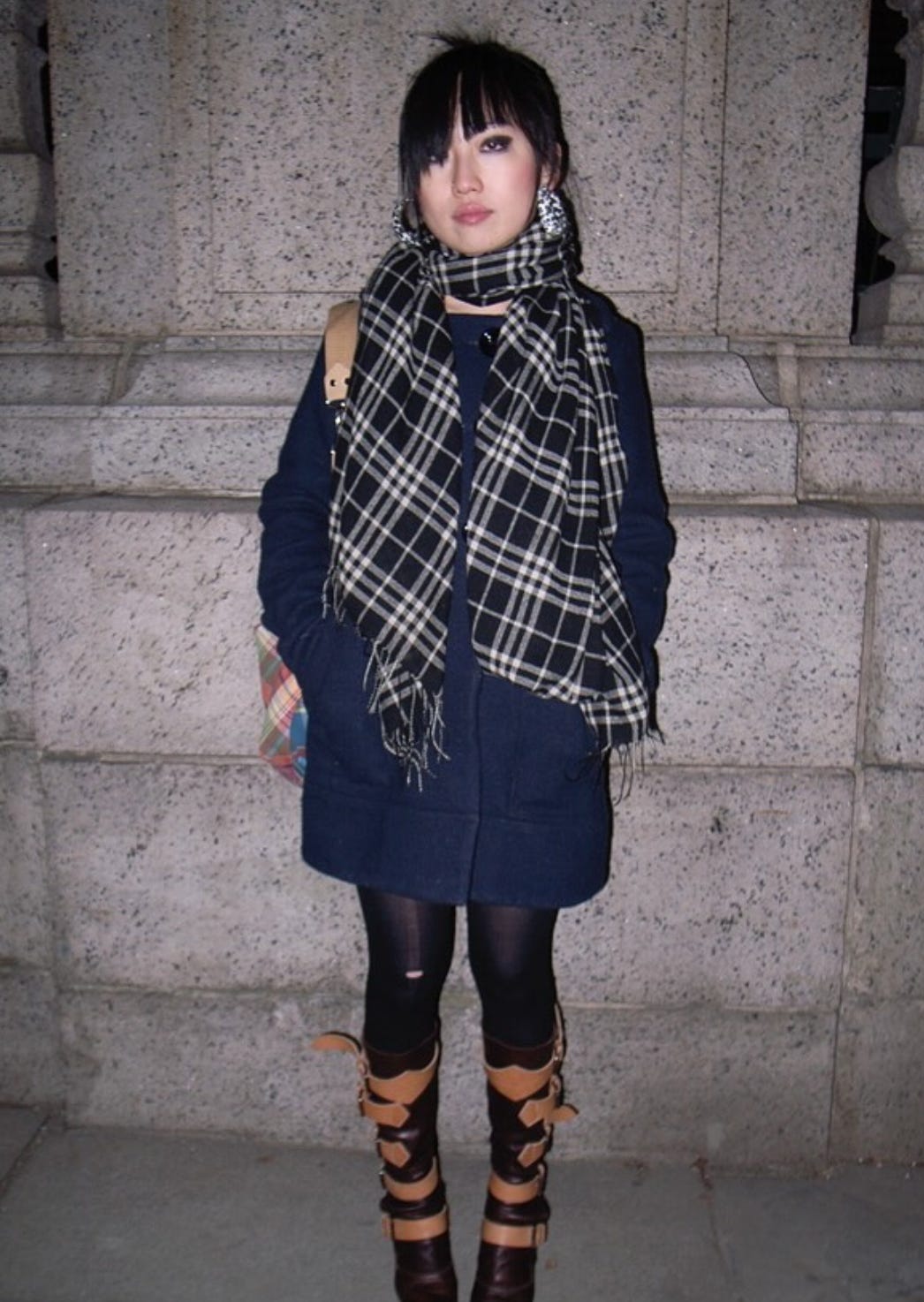
However, the flexibility of indie sleaze can easily fall into the consumerism trap and disregard the ideals of experimental self-expression behind the initial indie movement, instead selling standards for what you should own, look like, watch and listen to in order to fit the aesthetic. It becomes a TikTok trend, a silly hashtag used to separate, sell and compare, minimizing the creativity and meaning behind the style. This is unfortunately a path that almost every movement falls into—consumerism takes hold and twists it for financial benefit. An example of this is the popularity of goth and punk styles in the early 2020’s and how shady companies (cough, Dolls Kill, cough) stole from small artists that belong to subcultures born from concepts of anti-consumerism and anti-establishmentarianism and repackaged them into fast fashion and internet fads. The commodification of cultural and artistic movements leads to a disconnect from expression that Jameson describes as “free-floating and impersonal.” With the present ability to express ourselves limited by a disconnect from our selves and communities, filtered through algorithms and screens, we can easily fall for consumerist traps and the draw to emulate something that was once interesting in hopes that it provides a sort of phantom fulfillment.
Our disconnect from the lived experiences of the indie sleaze time period also poses an inability to critically analyze the culture surrounding the style, which can lead to a slippery slope into regression. Did you know indie sleaze icon Cory Kennedy was only 16 when she was attending wild L.A. parties with adult celebrities? Ever noticed the average body type of most of the women in the indie sleaze bright flash digi-cam photos? Take a second and research the former CEO of American Apparel, a tenant of the indie sleaze style (if you dare). Our draw to indie sleaze, especially the sleaziness of it, indicates a shift of approach to social awareness. The social progression surrounding the representation and treatment of women, queer people and varying body types that was inching little by little in a more conscious direction in the late 2010’s-early 2020’s is slowing. I won’t lie, since exposing myself to more indie sleaze-era content along with the rise in popularity of siren-core and ozempic and ballet-core andohmygodwe’reinhell, my personal struggles with eating disorders and body dysmorphia have resurfaced, and I’ve had to work harder to keep them in check.
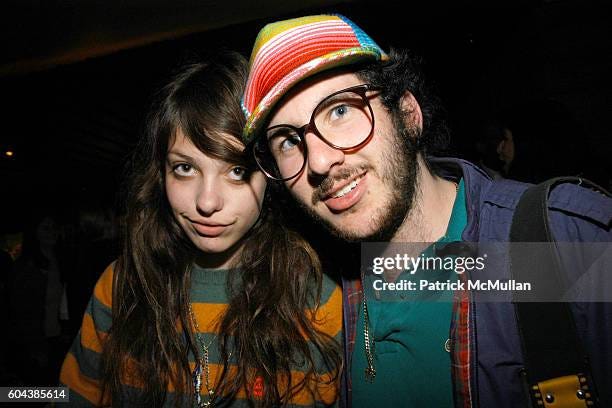
The generation romanticizing indie sleaze grew up with a culture where social consciousness shifted into online righteousness, with concepts of accountability and progression being co-opted into empty talking points to claim moral dominance over one another. Conversations around cancel culture and “wokeness” circulate both left and right-wing spheres, with the attention shifting away from working toward actual social change and instead to critiquing the ways in which we’ve approached making that social change. It’s exhausting to not know what to do, what to say, to be unable to have productive disagreements on either side without someone throwing a buzzword at you. We’re so exhausted from the sins, drama and constant fighting for the sake of social change that we’re forgetting what the stakes and focus of the change we’re desiring are. We’re instead turning to foggy images of the past to escape our present and future. Two steps forward, two steps back?
Media creation and consumption revolving around disconnected nostalgia has a tendency to lead to a phenomenon called the “special past,” where the positives of the past are elevated and the negatives are hidden behind the fog of memory (or pseudo-memory, in the case of Gen-Z and indie sleaze). Nostalgia always comes from looking at the past with the tinted lens of the present, is “always evoked in the context of current fears and anxieties, and looks to alleviate those fears by ‘using the past in specially reconstructed ways,’”(2) as discovered by 1980’s studies on nostalgia. We are not thinking about the lived experiences and social constructs upheld during the indie sleaze time period that we have been fighting to change. Instead, we are perceiving indie sleaze in the context of what we society is lacking currently, not in terms of what was lacking during its heydey. As Jean-Paul Gabillard says for Tonitruale: “[Indie sleaze] tries to channel a fashionable disregard for the politically correct…but in doing so sort of suggests that the current ethics of sexuality are a liiiittle too strict…Isn’t it a bit strange to celebrate the late 00s’ for their sleaziness, when so many figures from that era were revealed to be actual sex-pests who weren’t just pretending?” (3).
It’s obvious that, in a time when American politicians are fighting tooth and nail to rebuke sexual expression, identity and freedom of speech, when we are consistently encouraged to alienate ourselves from others, when online media is so heavily filtered, censored or curated that formulating a genuine sense of self seems unattainable, romanticizing an era revolving around sexiness, messiness and thoughtless fun is appealing. We WANT friction. We WANT dirt. We yearn for explosive, unfiltered self-expression; we desire communities that are willing to engage in conversations and confrontation. When everything around you is substance, when catastrophic information is burned into your consciousness every day, the fantasy of indie sleaze revolves around a lack of care, a scummy freedom where we can escape from anxieties surrounding our every thought and action and decision and appearance and future and present. Our desire for freedom, to be released from the shackles of algorithm-driven beauty standards and the tightening grip of our social and political messes, is leading to a bit of social blindness. Reverting to the heroin chic, misogyny and irresponsible drug use of indie sleaze will not free us. It will only hinder us further.
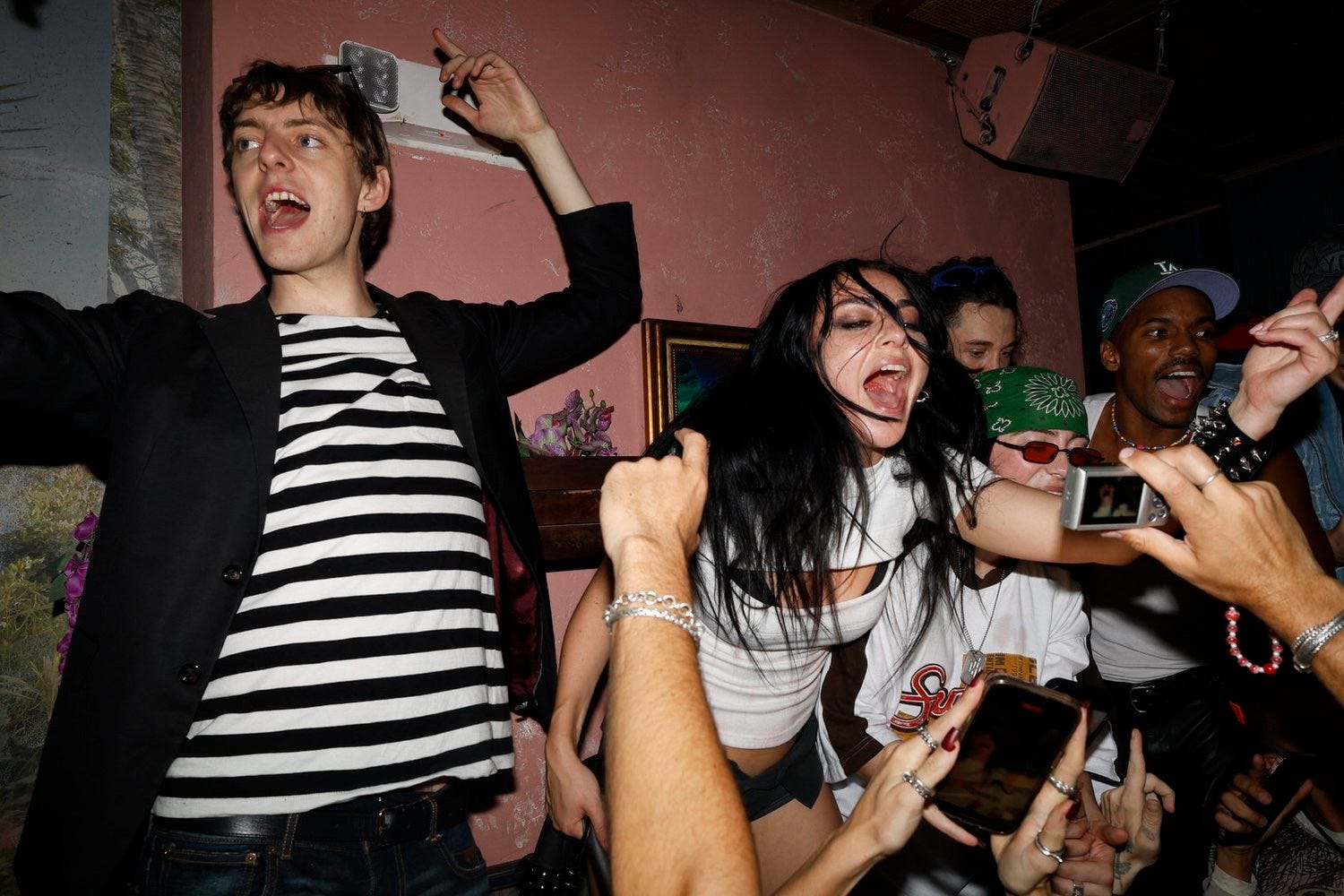
This is not to say that Gen-Z’s desire for more expression and less substance is entirely negative. Our desire to reconnect to a sense of freedom, to expose ourselves to new experiences and communities is, in my opinion, promising. We are battling the “Gen-Z addicted to their phones” trope and trying to actually live our lives, to understand the world surrounding us by engaging with it. But growing up on online echo chambers can create a skewed interpretation of reality; aestheticizing life and adopting from the past with a filtered lens leads to an inability to address and create accurate representations of our current condition. The cost is forgetting the sins of the past and the potentials for our future, and this will not give us the right footing to pave beneficial communities for ourselves and each other. Our aestheticizing and flattening of the past and of cultural movements is what Frederic Jameson refers to as “a cultural form of image addiction which, by transforming the past visual mirages, stereotypes or texts, effectively abolishes any practical sense of the future and of the collective project…” Our image-focused, profit-driven approach to culture and art limits the impact of a cultural movement in leading us to something actually genuinely new and impactful. We cannot live in the past. We cannot live in images on Pinterest and Instagram. We can pick up old magazines, read old articles, watch old movies, wear old trends, but we won’t be benefiting ourselves or our communities if we are not able to apply any of that to the context of our current condition. Escapism isn’t a crime in doses, but it can’t be our driving force. I’m begging you, don’t fall into it. Everyone needs you to think about the present and the future.
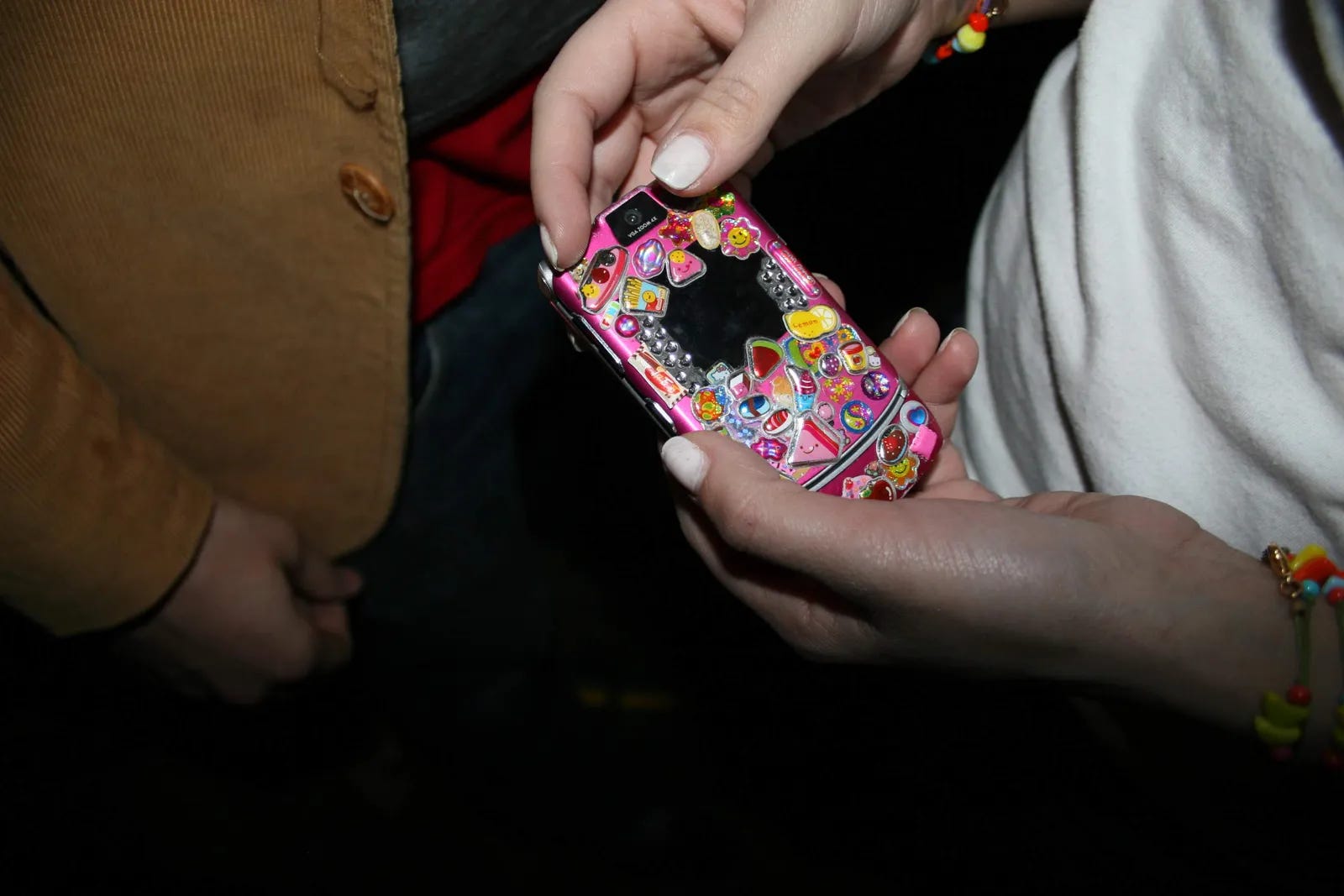
So, how do we translate indie sleaze into 2025? Is it just another trend destined to fall into irrelevance with the passing of time? Parts of it, yes. It’s inevitable. However, I think we can hold onto what the movement says about our desires to guide us through the next year. The emphasis of (safely) leaving our e-bubbles to engage with local music, art and nightlife scenes is going to keep us sane during all the shit in the upcoming years and conjure inspiration outside of algorithms and online echo chambers to create and express ourselves from a genuine, raw place. Our desire for an unfiltered-ness can potentially lead to more productive, open conversations with communities that are willing to be real with the intention of constructive change, though this will take time, respect and some mental re-wiring. We can also be driven to embrace an unfiltered-ness with how we express ourselves; we can take note from the indie sleaze era in our style, our art, our overall self-expression, embracing experimentation without the fear of looking a little ugly. In my opinion, looking back on an old outfit and finding it ugly is more fun and impactful in establishing an authentic sense of self than just following a trend on TikTok, buying the same clothes on Shein and TikTok Shop that unoriginal, boring AND harmful to the environment and the workers creating the garments. Buy clothes second-hand, upcycle them, don’t be afraid to get messy. We need to channel the “this is who I am, I don’t give fuck if you don’t like it” mentalities of indie and alternative culture into 2025, and lose the sleazy, abusive, scummy elements of indie sleaze and the aestheticizing of a movement without looking at it critically. We can like the music and the movement without regressing to mindsets of the past. As Jameson says, “we cannot...return to aesthetic practices on the basis of historical situations which are no longer ours.”
In terms of fashion and music, I think the resurgence of electroclash, a music genre originating from the indie sleaze era, is a promising direction to take the trend into 2025. The genre and its surrounding subculture also lie on the foundation of experimentation, making something new from what we have, and being loud and unapologetic. I also think a more cyberpunk-leaning style, combing the metallics, bright colors and use of archaic technology in indie sleaze with more utilitarian looks is also something interesting that I plan on channeling in 2025 and making it my own. Just keep playing around and experimenting. Freedom and unfiltered fun can look however you want it to. I guess that also includes bringing back v-necks, ugh. If you insist.
Sources:
Jameson, Fredric. Postmodernism, or, the Cultural Logic of Late Capitalism. Verso, 1991.
Panelas, Tom. American Journal of Sociology, vol. 87, no. 6, 1982, pp. 1425–27. JSTOR, http://www.jstor.org/stable/2779382. Accessed 8 Feb. 2025.
Gabillard, Jean-Paul. “So Horny I’m Bending Time: Indie Sleaze and the Collapse of Culture.” Tonitruale, Tonitruale, 12 July 2024
Comments
Nothing yet. Say the first thing.
Sign in to join the conversation.