
The Fabric of Skin is my style series where I catalogue my wears and fashion inspirations for the month. It’s also where I explore the connection between my interest in clothing with my history of disordered eating and my relationship to my body. I analyze the fabric, therefore I analyze the skin. You can read my intro to this series HERE for more info. As a content warning, while I don’t outline triggering details of my eating disorder, I do discuss elements of it that may be upsetting or uncomfortable.
FABRIC
As of late April, I am double employed! I now have a part time job working at a dessert restaurant, and a second part time job as a marketing manager for local vintage store Delusional Bird. Drastically shifting from the no spending and lazy wears from my last entry, I’ve been wearing a lot and, admittedly, buying a lot.
Inspirations:
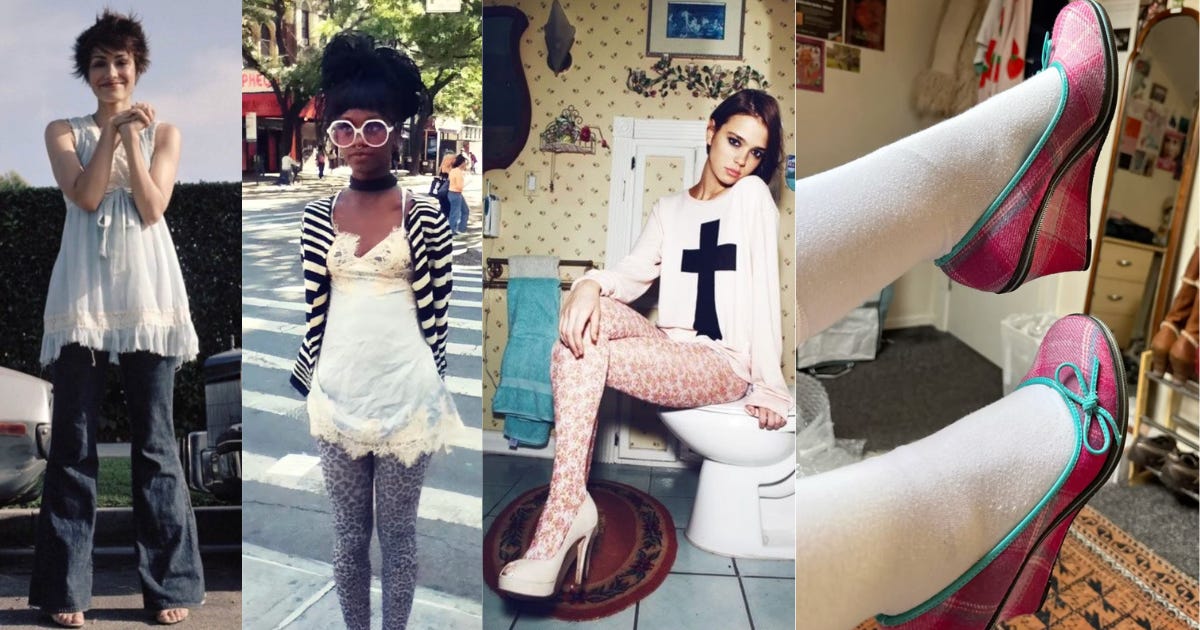
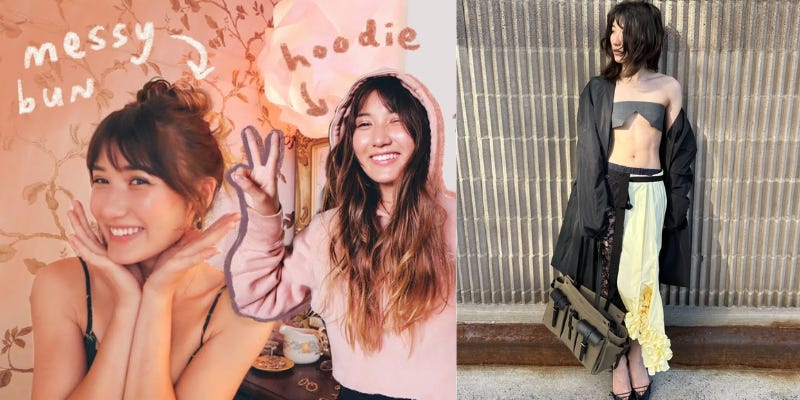
As discussed in my last fabric of skin entry, I am still exploring my relationship to femininity and womanhood through style. I also recently visited my family in Tucson, which conjured memories of shopping at early 2000’s Hot Topic with my alternative mom and cousins or spending sweaty adolescent summers developing style inspiration on Tumblr. I’m always a sucker for high contrast colors and patterns, but I’m trying to balance that more with pastels and non-patterened pieces, as I find myself yearning for more versatility. Here are some recent faves from my Pinterest board.
Recent wears:
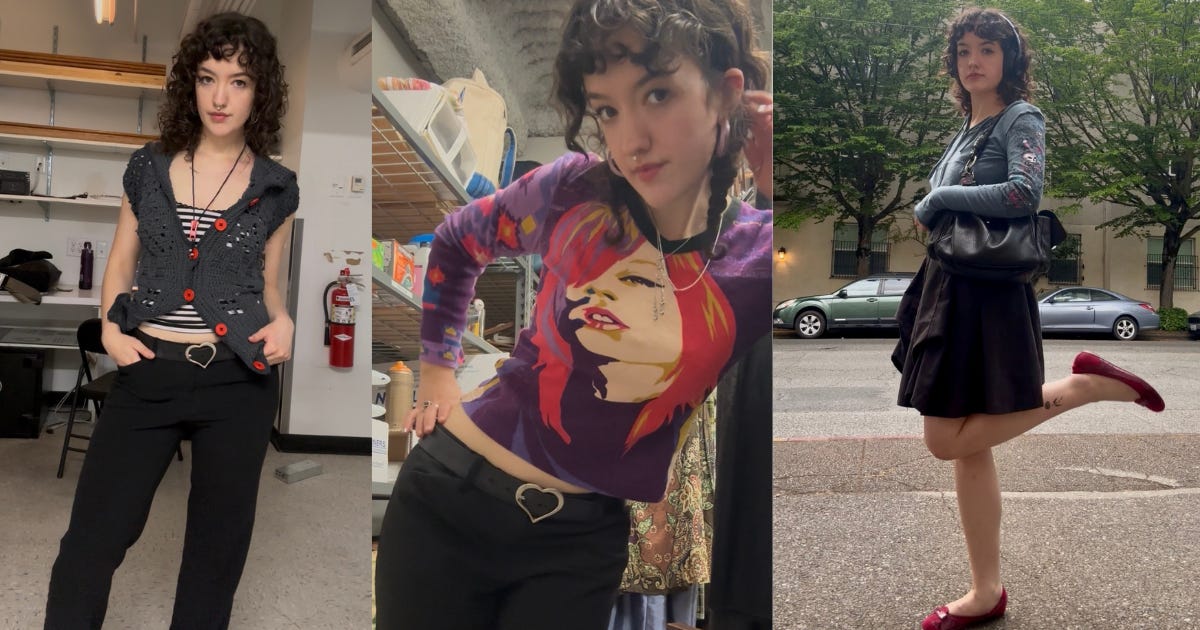
Since I’ve been working two jobs now, I’ve been balancing between wearing restaurant-appropriate attire (comfortable shoes, shirts I don’t mind getting coffee on) and more expressive looks for my vintage store job. I’ll be posting a nifty video of recent outfits on my Instagram, but here are some faves.
Recent buys:
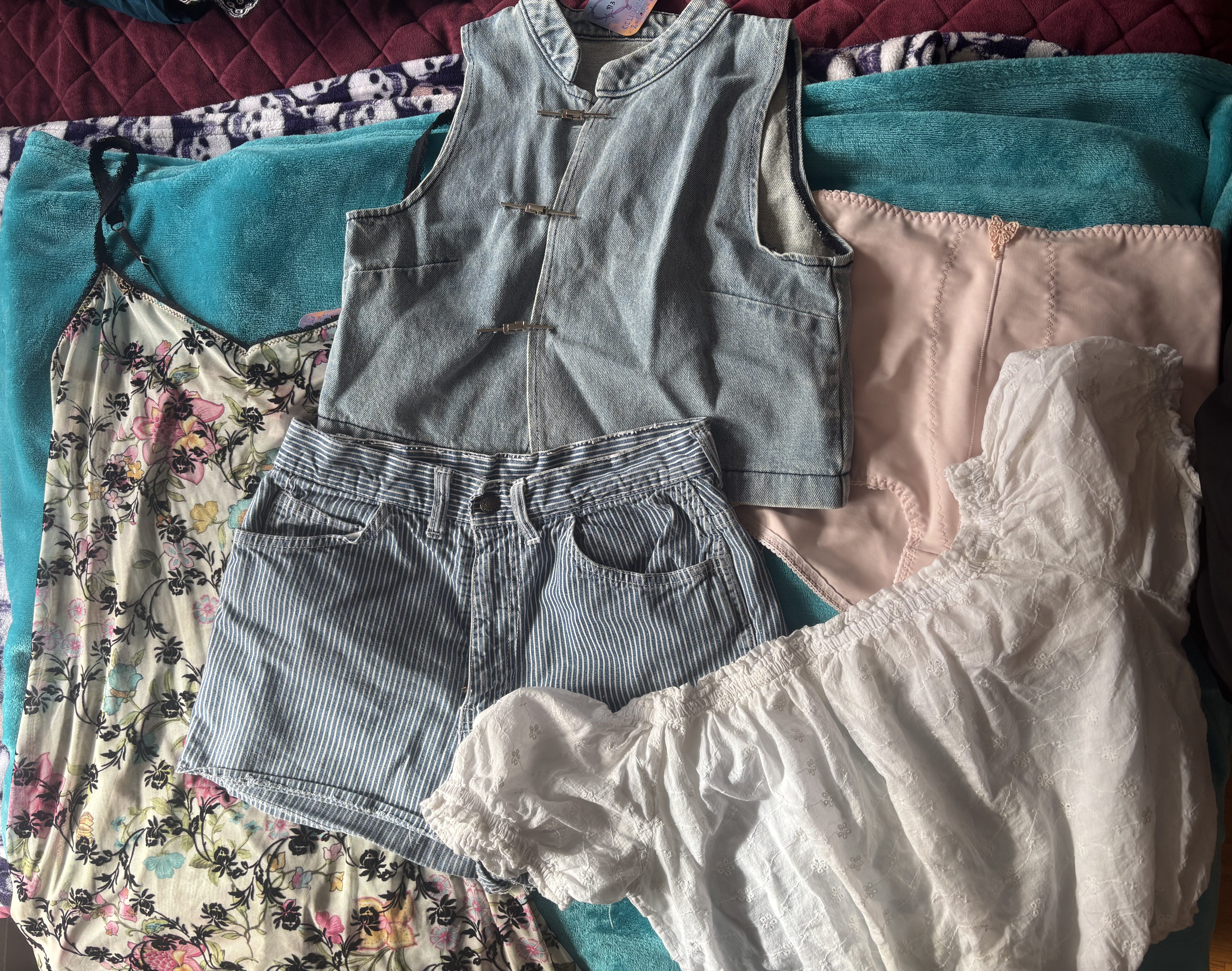
Oh boy. I get a 40% off discount at the vintage store where I work, which, needless to say, I have taken advantage of. Here are the clothes I’ve gotten from them so far.
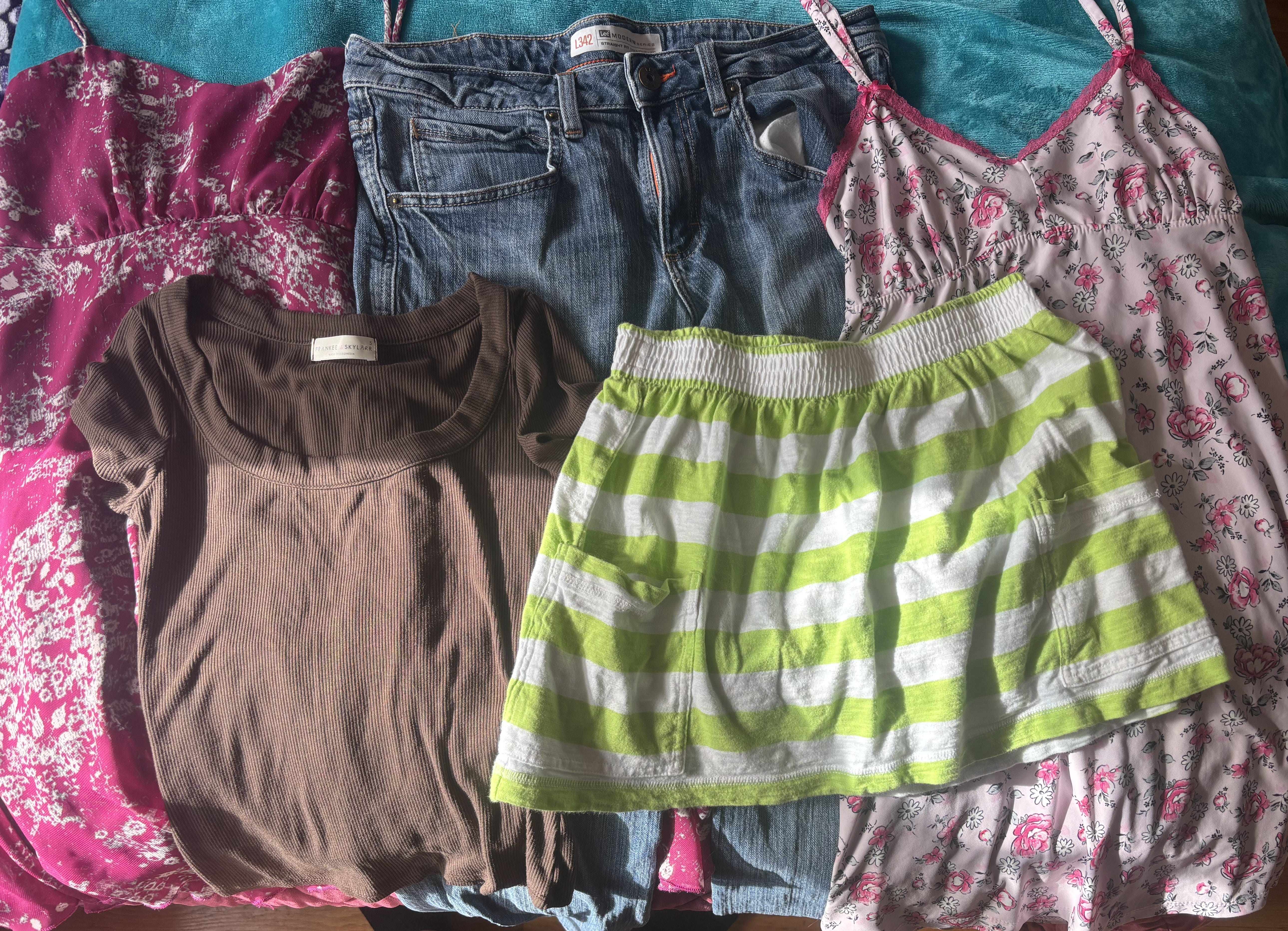
I also went thrifting with my younger sibling when I was in Tucson (I can’t help but take advantage of the sweet sweet Arizona prices). Here’s what I got.
My sibling also gave me some of the clothes they won’t have room for in their dorm next semester. Giving your younger siblings hand-me-downs in childhood eventually leads to reverse hand-me-downs in adulthood. It’s cyclical and beautiful.
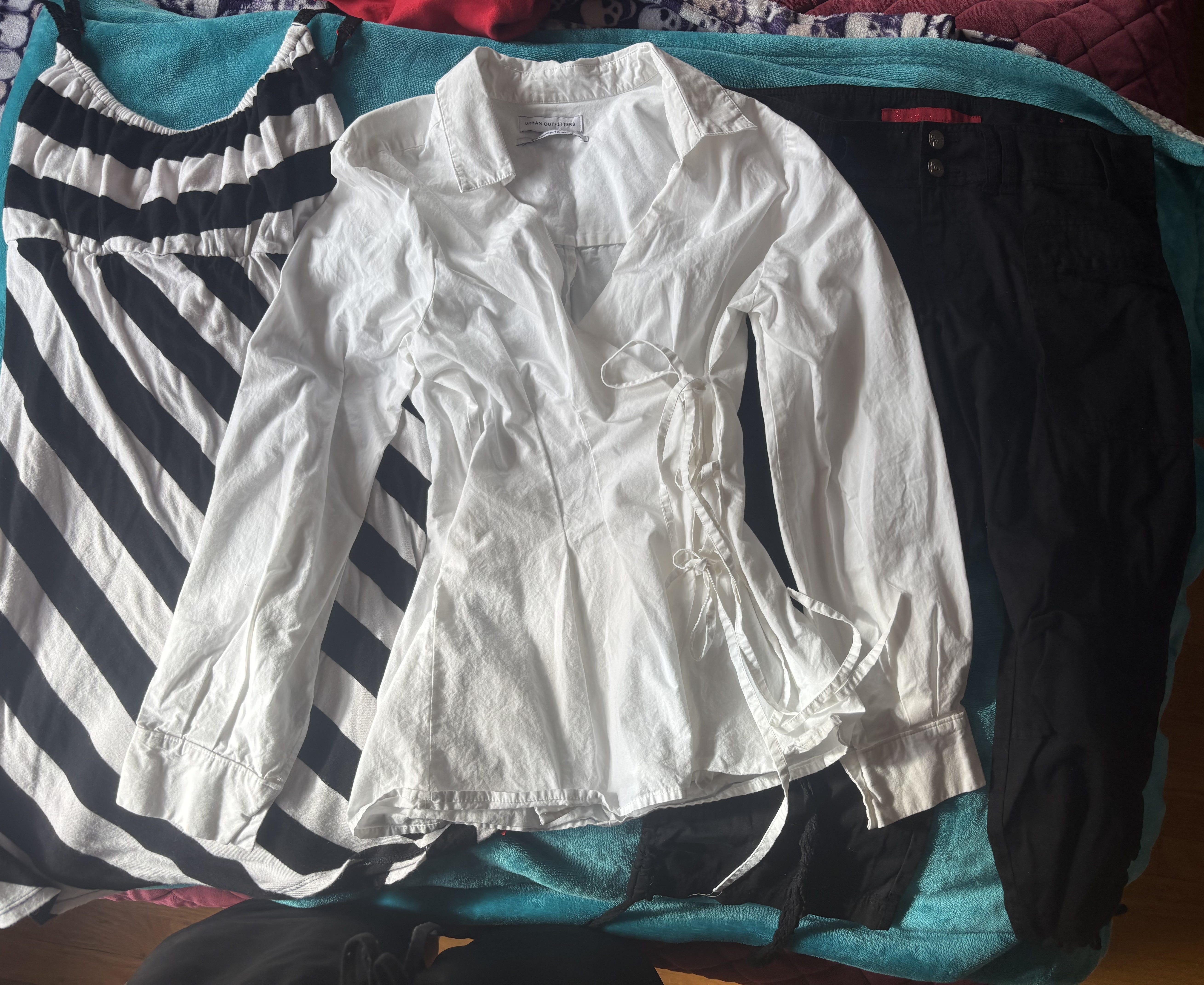
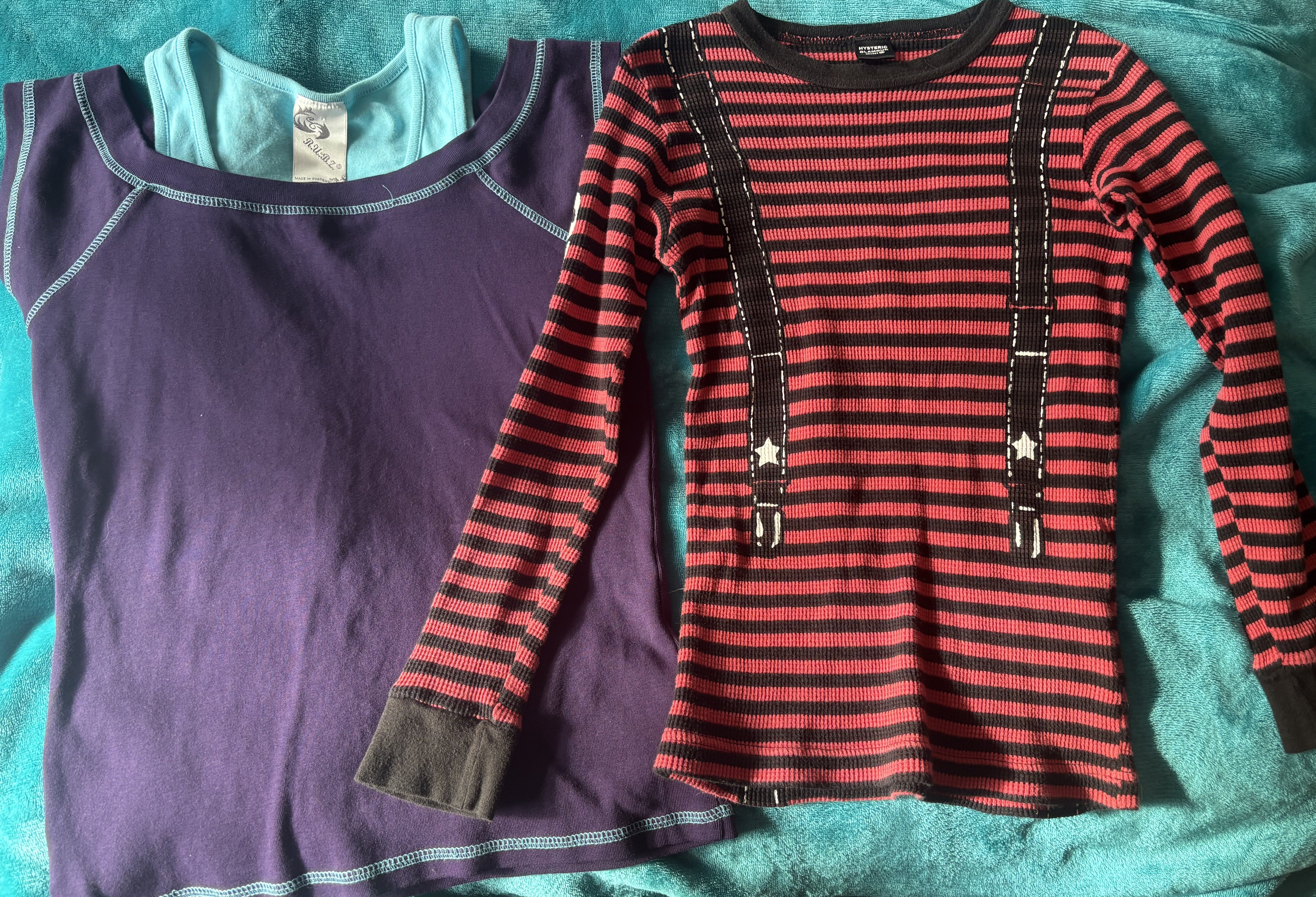
And, of course, some Depop/Ebay purchases and more free clothes given to me by friends.
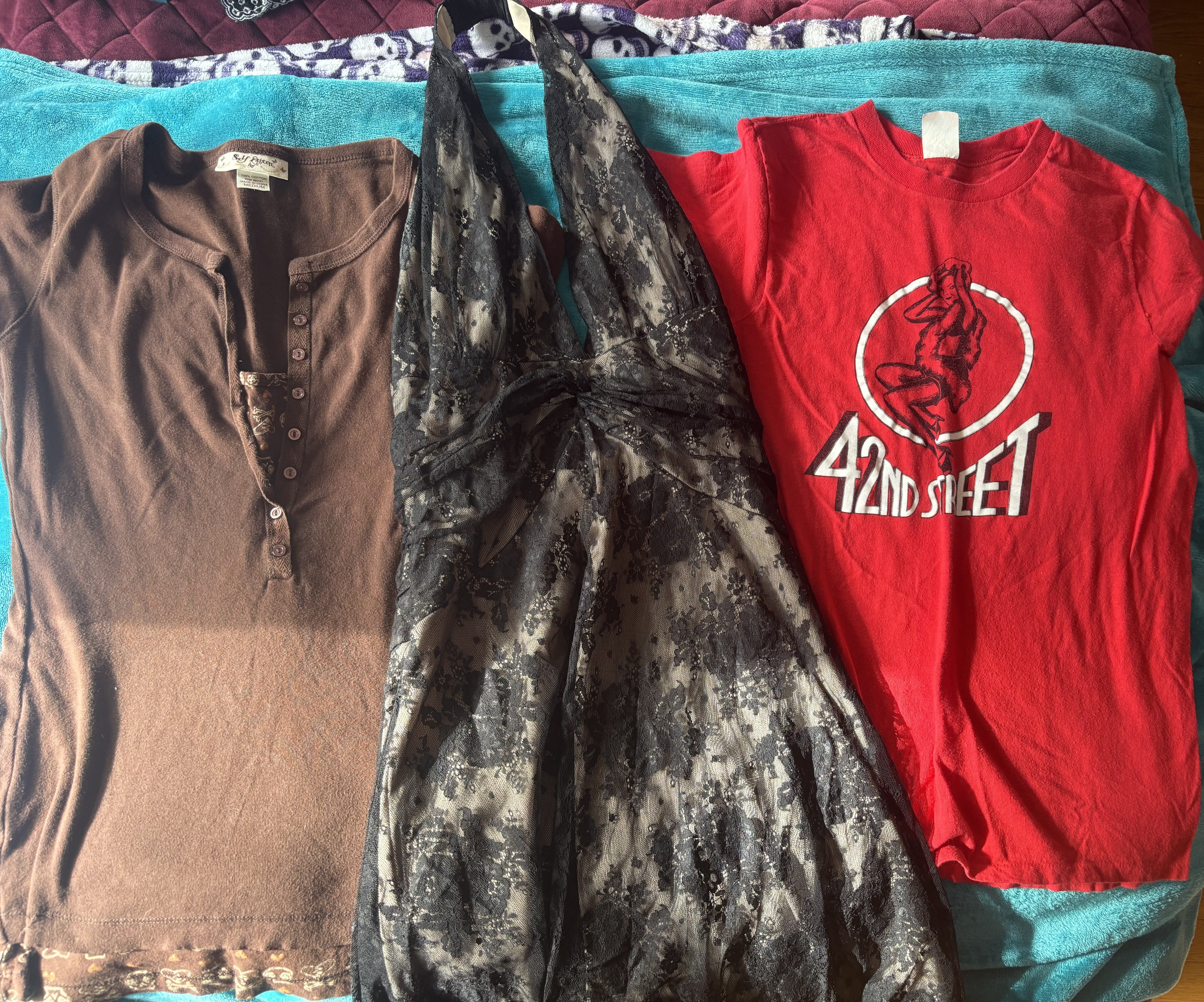
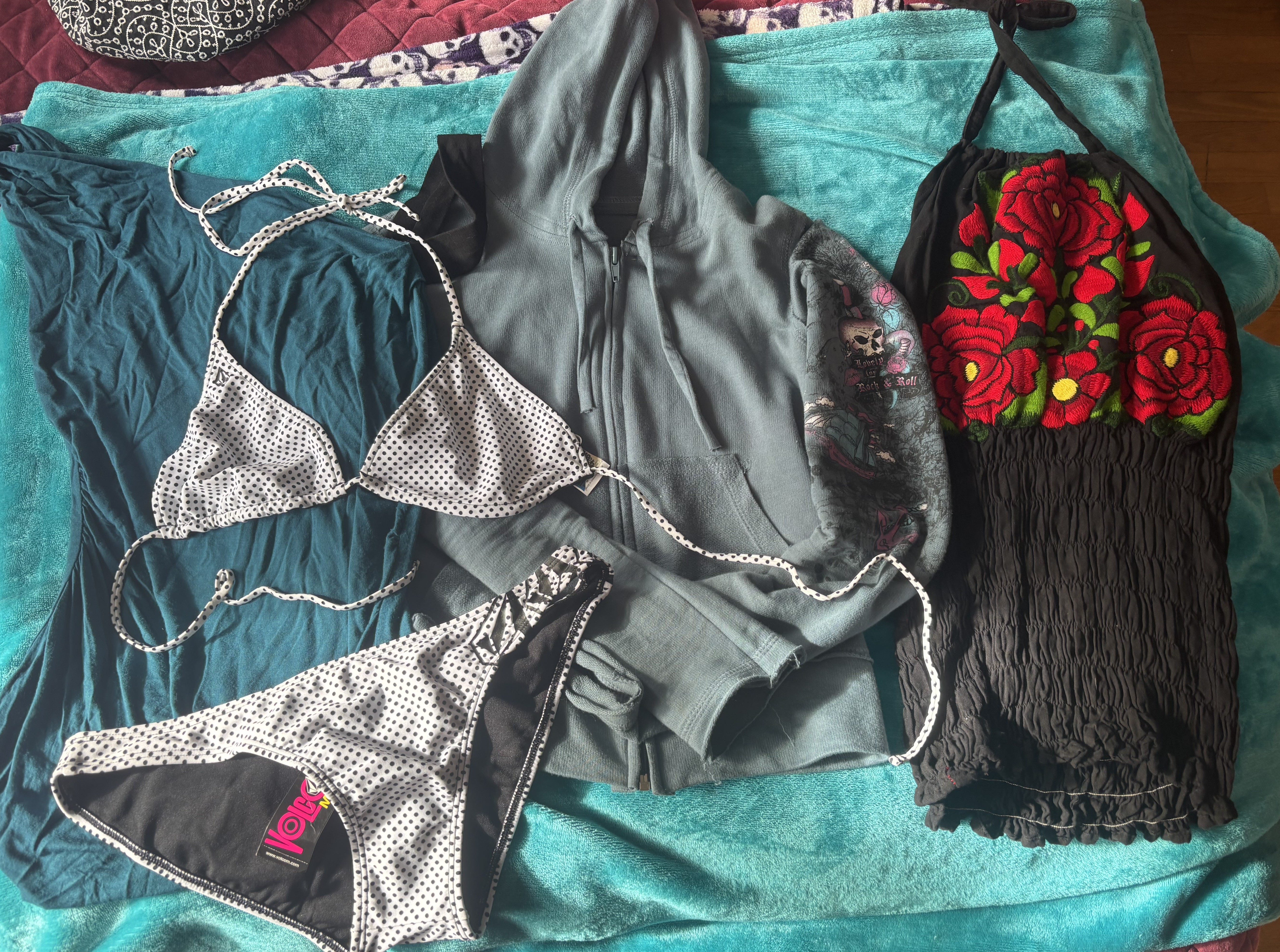
I will definitely be cleaning out my closet soon.
SKIN
I’ve unintentionally been consuming a lot of media centered around the early 2000’s fashion industry, perhaps because I now have a fashion-adjacent role through my vintage store marketing job. A recent comfort show for me has been Ugly Betty, I saw The Devil Wears Prada 2, and I started reading So Yesterday, a thriller about a teen that works in trend development in New York City. This kind of media has been a go-to guaranteed success for me since childhood, from Project Runway to What Not to Wear to 13 Going on 30. If it’s based in a romanticized early 2000’s New York City and involves any facet of the fashion industry, I’m all in. Except for America’s Next Top Model … I know better at this point.
While I commend The Devil Wear’s Prada 2 for using the opportunity of an unnecessary sequel to make a solid stance against A.I. and the current state for journalism, I think it missed the mark on some glaring reasons for the slow decline of fashion journalism as we know it, and why a publication like “Runway,” the film’s fictional stand-in for Vogue, would be failing in our modern day. The purpose of these publications for decades has been to sell an idea of an (often unattainable to most) existence, building their model off of inaccessibility and aspiration rather than representing relatable existences that readers can see themselves in. This is very blatantly spelled out in Miranda Priestly’s iconic cerulean sweater speech in the first The Devil Wears Prada, where she condescends to protagonist Andy Sachs the fashion system in which decisions at the top influence the products sold to consumers at lower levels. In an critique of this speech for Polyester Zine, writer Phoebe Phelps says this:
When you actually listen to the picture that Miranda is painting, you’ll find a depressing description of the fashion industry: top-down biases all controlled by a few big names at the top. It’s very telling that a passion for design or style or community doesn’t come into the argument at all, only control and power and money … What Miranda actually does in this speech is point out the lack of individuality that the modern consumer has.
That’s where the demise of legacy fashion media like the fictional “Runway” or the very real Vogue lies. Fashion journalism of this specific genre is suffering, yes in part to A.I., massive budget cuts, shifts to the journalism industry as we know it, but also because their ethos has consistently relied on a level of elitism — rich people asserting their dominance and superiority over poor people through what they can materially afford. As the wealth gap widens and it’s glaringly obvious, sometimes nauseating, that high fashion outlets prioritize messaging about maintaining brand and status, audiences are turning to influencers instead for fashion and culture insights. Although many influencers are wealthy themselves, many have found ways to toe the line between both relatable and attainable content, and parasociality also helps blind the wealth gap between us and our favorite influencers (think Emma Chamberlain, who started making vlogs and now appears annually at the Met Gala, or BestDressed, who pre-YouTube retirement made upcycling videos, and now does paid sponsorships for Gucci and Prada).
But Veronica, what does this have to do with attitudes toward eating and body perception? Well, you see, another qualm of mine about Devil Wears Prada 2 is that, with the movie’s many conversations about the downfall of a magazine like “Runway,” the lack of body diversity in the fashion industry is barely grazed. Miranda Priestly refers to (assumingely) plus-sized models as “body negative” before being corrected by her Gen-Z assistant, and there is a slightly mid-sized model shoved among size 2 models in the Milan fashion show at the end, but that’s about it. And when Andy talks to the plus-sized second assistant about the fake Elon Musk character’s weight loss, mentioning plastic surgery and Ozempic, they lowkey approve of it, saying “you gotta love a glow up” and “it’s tempting.” Hmmm.
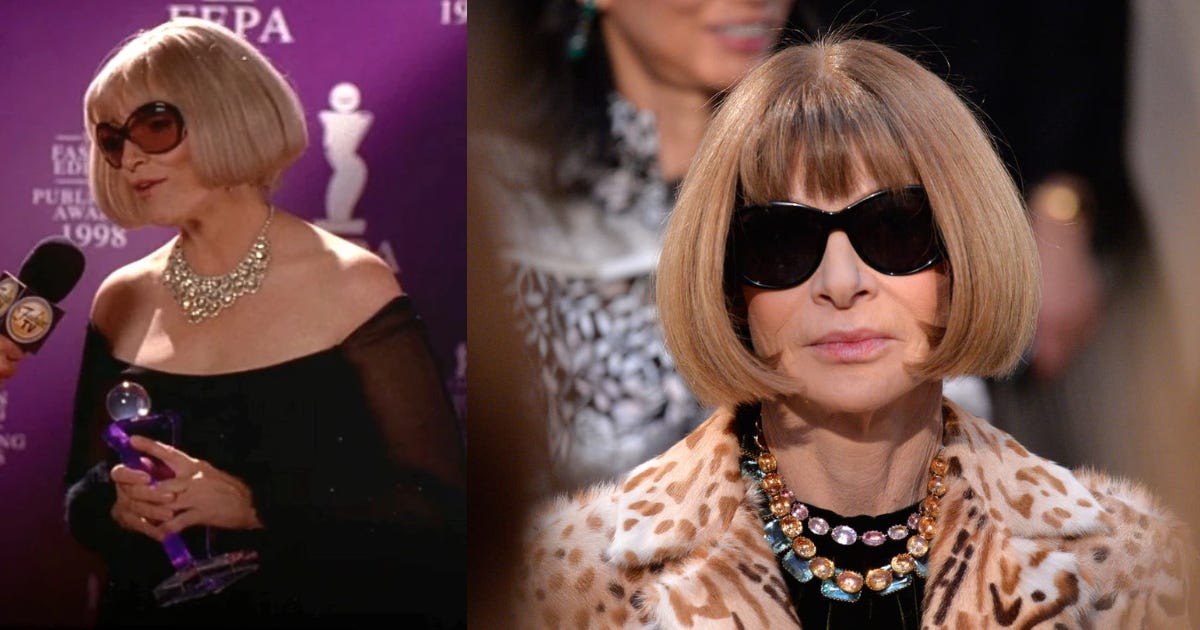
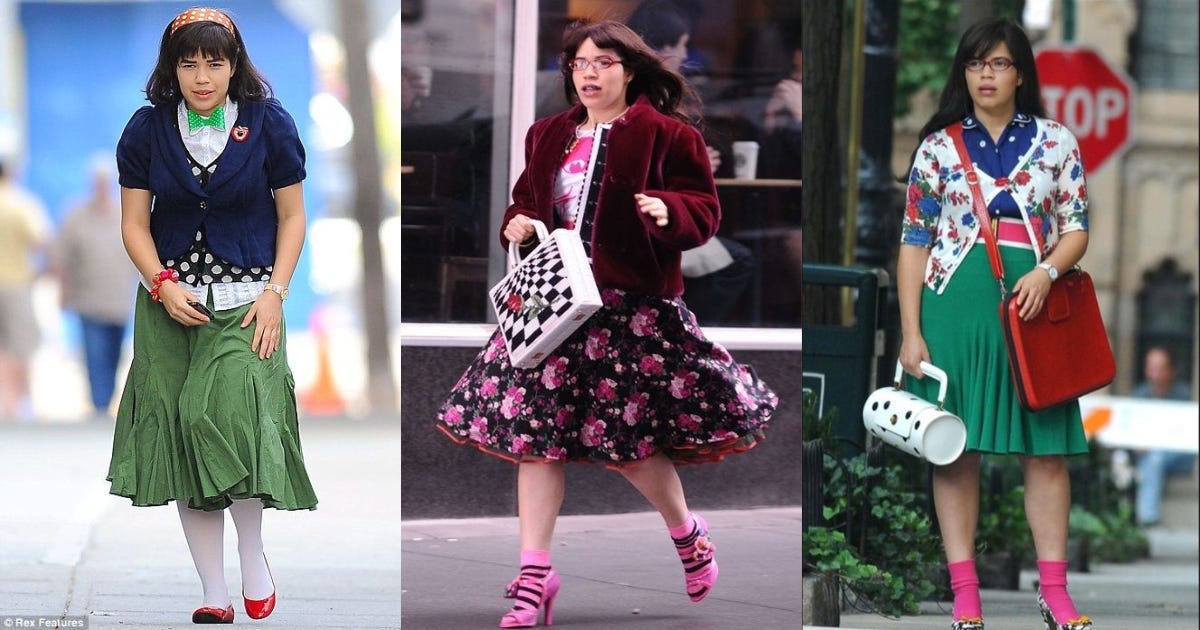
This brings me to my other current early-aughts NYC fashion hyper fixation: Ugly Betty. Based off of the Mexican telenovela, La Fea Más Bella, which was based off the Colombian telenovela, Yo Soy Betty, La Fea, Ugly Betty revolves around Betty Suarez, a Mexican 22 year old played by America Ferrera that is mid-sized, has braces and glasses, and a unique (some might say … quirky) fashion taste (it’s giving twee/librarian-core, which the girlies would LOVE nowadays). Betty lands a job as the assistant to the new editor-in-chief of “Mode,” another fictional stand-in for Vogue (their mysteriously murdered previous editor-in-chief Faye Summers is a LITERAL mirror to Vogue’s Anna Wintour). Staying true to its telenovela roots, the show sways in and out of ridiculously dramatic plot lines, but all the while, Betty navigates her career and identity in the high fashion New York City world, an industry in which whiteness and thinness are pedestalized. Sounds similar to another underdog writer gets an assistant job at a fictional version of Vogue plot, eh?
What I really like about Ugly Betty, however, is that Betty’s kindness and determination, along with the presence of her supportive family, is the strength she needs to offset the shallow appearance-focused industry she works in. The show is obviously poking fun at the rich, underfed models and spoiled brats of the fashion industry, often portraying them as incompetent, selfish, and conniving. Nepotism baby editor-in-chief Daniel Meade is a shallow playboy that struggles with accountability and sexualizes every model he encounters, which leads to trouble. Receptionist Amanda Tanen and “Mode” creative director Wilhelmina Slater (the show’s #1 villain and cuntiest evil lady in TV history) are cruel, thin women that will stop at nothing to succeed, including greatly adjusting their appearances via ED’s and plastic surgery.
While the world of “Mode” looks glamorous externally, it is constantly unraveling due to the self-obsessed, appearance-focused choices of the wealthy people maintaining it. Through it all, Betty, despite her own foibles and conflicts, manages to save the magazine multiple times, incorporating the experiences of working class women and women of color with the help from her older sister Hilda and Scottish baddie bestie Christina, the magazine’s seamstress and fellow curvy woman. Also, Betty is not given a makeover the way Andy Sachs is (as of where I am in the show, I haven’t finished it). While I love the first Devil Wears Prada and Andy giving in to the appearances of her industry is a major part of the plot, Ugly Betty is a refreshing story of a woman maintaining and developing her cultural and personal identity despite the pressures of her work environment.
This current media trend of mine feels unintentional, but I think I’ve been subconsciously preparing myself for my first New York Fashion Week attendance this upcoming September. It’s a childhood dream come true: being a young journalist in the city of dreams, attending fashionable events and celebrating art, beauty, and craftsmanship. But this excitement has an undercurrent of imposter syndrome. New York’s generations-long persona as the city of opportunity has been obviously overshadowed by its unattainability, thanks to skyrocketing living prices and gentrification. Add to that a fashion culture inundated with mindless consumerism, dangerous heroin chic/plastic surgery body standards, and influencer culture, and the excitement and expectation of being accepted at NYFW events is flushed down the toilet as quickly as my breakfast. As early 2000’s fashion media inextricably linked New York City to fashion, both players are being ousted for their inaccessibility in mirroring ways. And yet, we still yearn for what the fashion and NYC propaganda sells us. At least, I do.
In a Substack article about her experience working for the fashion industry, essayist Mina Le outlines a sentiment that reminded me of Ugly Betty:
you had to maintain a cool-girl facade above all else lest you reek of desperation and become an industry leper … ironically, it was also uncool to be genuinely excited. so, at most fashion events, people would just complain about how busy they were … through all of it, i hated the person i was becoming: someone who was ungrateful.
Fashion has always been an outlet for me to express parts of myself I was too shy or insecure to express in any other way. It’s an artform and a hobby that has connected me to some of my best friends. So it’s ironic that a world that has brought so much inspiration and connection for generations also demands perfection, aloofness, and status, creating a pull within me to not only express myself through my clothing, but to change my body to do so. I’m lucky to currently work for a clothing store locally owned and operated by women of various backgrounds and sizes that celebrate unconventionality, and I’ve found even more appreciation for both my body and my style through this job. I hope I can continue to work for and within fashion in a way that celebrates expression and storytelling, without the bullshit.
I know this was more of a media analysis than the last entries to this blog, so I hope you liked it. Talk soon <3
Thanks for reading analog fog! This post is public, so feel free to share it!
Comments
Nothing yet. Say the first thing.
Sign in to join the conversation.