
10 de julio, 2026
Hola y welcome back to CubaCurious.
Tomorrow is the 5th anniversary of 11J, the largest anti-regime protests in Cuba since the 1959 revolution came to power. The regime has increased repression sharply in recent days. Most people believe it’s more than just the growing and consistent protests that is driving the wave of arrests. It’s the memory of two days five years ago that changed Cuba and Cubans forever and that the regime—weaker than it has ever been—fears will is about to happen again.
This 4-minute video captures some of the power of those two days. It’s my favorite short clip of the historic events.
It’s estimated that tens of thousands of protestors marched peacefully in the streets in at least 60 cities and towns across Cuba on July 11th and 12th, 2021. The regime’s violent crackdown was documented in eye-witness testimonies, independent news reports, and recordings taken by those at the scene.
Thousands of protestors were arrested. Brutal sentences of up to 30 years were passed down. Hundreds of 11J political prisoners are still behind bars today.
The regime blamed the U.S. embargo, foreign “mercenaries,” and the Cuban American mafia in Miami for the “vandalism.” Some officials claimed that the crowds chanted “down with the embargo.” But the recorded evidence makes it clear that the protestors were demanding political change.
What triggered 11J? Pretty much what is triggering today’s protests—minus a spike in COVID-19 deaths. Then as now, Cubans struggled with the same days-long power outages, scarcity of everything from eggs to soap, shortages of medical personnel and medicine, power outages that lasted days, and an unreliable and often nonfunctioning supply of water at the tap.
It’s easy for those of us living in messy but liberal democracies to underestimate the tremendous courage required to question—let alone publicly defy—authorities in a totalitarian system like Cuba’s. We know that dictators control courts, “elected” officials, law enforcement, and the media. But in places like Cuba the ruling caste controls your child’s education, your husband’s job, your dentist and doctor (who can’t have private practices), your landlord, your everything.
The three brief stories below show the costs of protest in Cuba and remind us of the brave Cubans who refuse to let totalitarianism take it all without a damn good fight.
Thanks for reading. If you enjoy the post, please share, restack, subscribe, or click the heart to help others find it and CubaCurious.
Gracias y hasta la semana que viene.
Ana
Source: CiberCuba.
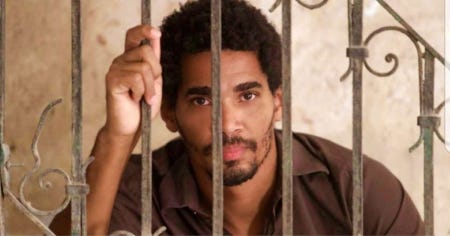
Amnesty International Prisoner of Conscience Luis Manuel Otero Alcántara was reported missing by his family two days ago. Relatives said they learned through other prisoners that officials had taken him from his maximum-security prison to an unknown location. Supporters had hoped the artist-activist, who completed his five-year sentence yesterday, would be released or forcibly exiled, a mixed blessing, but at least one that would end his unjust imprisonment.
Luisma, as he’s known by friends and supporters, is one of the founders of the San Isidro Movement, an artist collective that began creative non-violent protests in 2018, when new laws restricting art and artists were passed.
He was arrested on 11 July 2021 as he attempted to join the 11J protests that had broken out in Havana and sentenced to five-years’ imprisonment for “crimes against the state,” “public disorder,” and “insulting national symbols.” Numerous governments, religious leaders, and NGOs have consistently advocated for his release.
The UN’s Committee on Forced Disappearances joined the effort again late yesterday by issuing an urgent call to action and demanding his release. Amnesty International also issued a statement yesterday denouncing his unjust imprisonment and insisting on his immediate and unconditional release. The Cuban government had not responded as of late Thursday evening.
Source: 14ymedio.
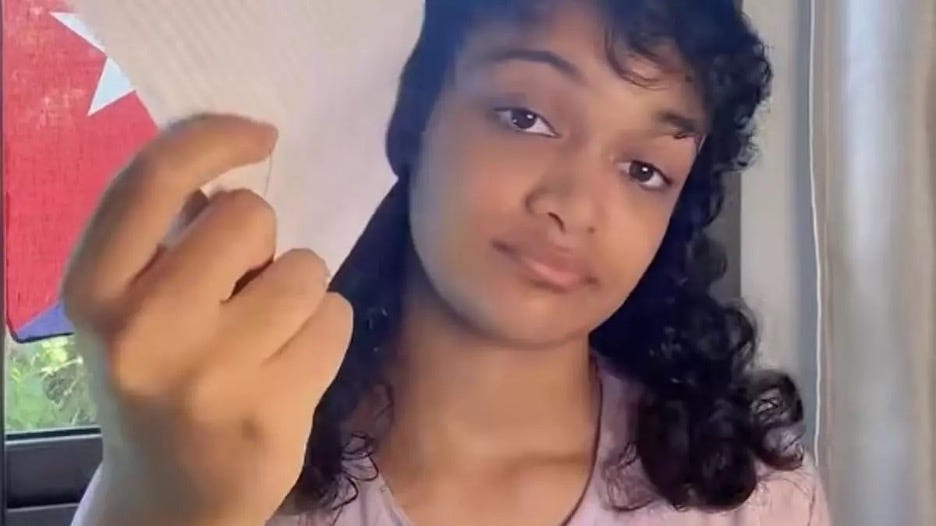
Online anti-regime influencer Anna Bensi and her mother were charged with violating the privacy of a political agent whom they filmed delivering a citation at their home. The women, who live alone, report being threatened constantly by the political police. They use recordings of their persecution to garner online support and pressure the regime to ease up.
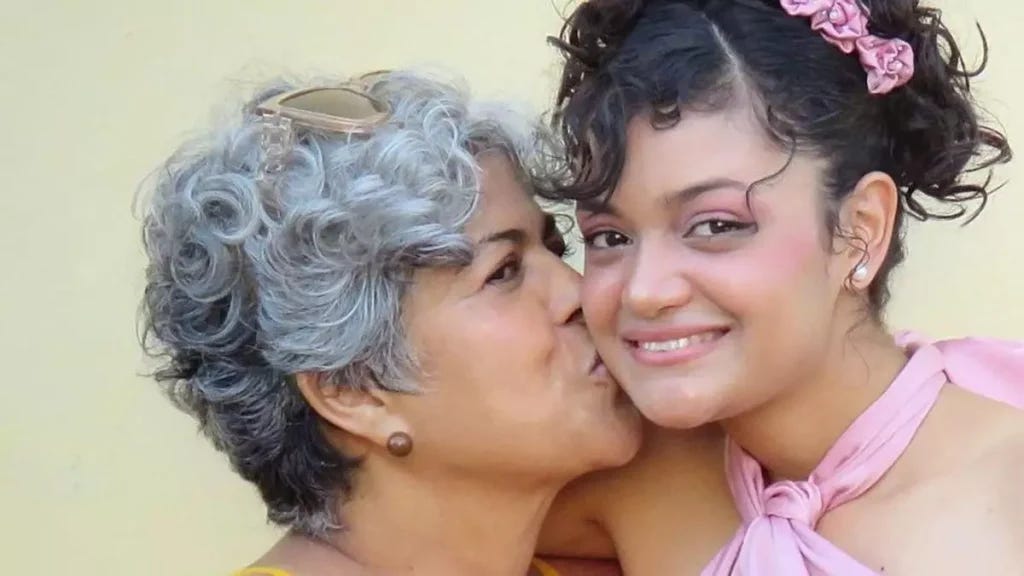
“The offended police officer supposedly presented the complaint,” Anna said in a social media post after court officials arrived at her home to inform her. “Now my mother and I are facing court proceedings again.”
Last Thursday, Mike Hammer, the head of mission at the U.S. embassy in Havana, had invited Anna—an aspiring musician—to perform the Star-Spangled Banner at a 4th of July reception at the embassy. Anna never made it. She was interrogated and threatened by “instructors,” known only by their aliases, throughout an 11-hour detention at a station. A handful of other invited activists reported being held under house arrest or detained by political police and were also prevented from attending.
Later that day, a friend in Cuba sent me a clip he’d seen on Facebook. He usually doesn’t comment, fearful of the regime’s online surveillance, so I didn’t understand what was happening at first. It was a nighttime scene, obviously in the middle of a blackout. A group of people were applauding as they looked down a dark street. Then Anna walked into the spray of light from strategically charged cell phones aimed at her. Tranquila, easy, a man says tells her as she leaned into him and began to cry.
Anna is twenty-one years old. She’s doesn’t call for protests or ask others to join her, but she posts defiant messages against the regime on social media. She has 197,000 Instagram followers.
Source: 14ymedio.
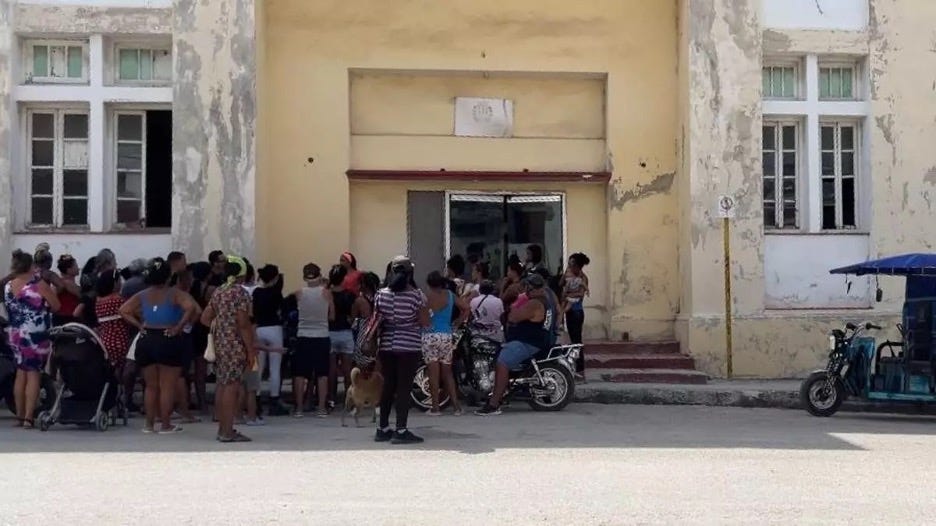
Residents of Regla, a town across the harbor from Havana, are no longer protesting on the corner or at night during blackouts that hide their identities. This week they “planted” themselves in front of the headquarters of the Communist Party and their municipal government. Some of them confronted officials directly, yelled that they can’t take it anymore, and demanded solutions to the prolonged power outages and water shortages.
“We’ve been closing down streets and banging pots and pans,” one resident said. But after days without electricity or water service, dozens of angry residents confronted officials directly at municipal buildings, risking punishment for public defiance of authorities. Women with children, elderly residents, men in flip flops, all stood waiting to be heard.
The area had been without power for days when Monday’s nation-wide power grid collapse worsened the situation. “As you can see, people are yelling right in the faces of police and officials,” another resident said.
The sweltering heat has added to the tension. Police and patrol cars stayed close by throughout the day. Anti-government chants were not massive, but were heard, including Patria y Vida, which became a popular anti-regime slogan in 2021.
Grammy-nominated Cuban jazz/soul singer Dayme Arocena is in Miami later this month. Dayme’s voice and art fills the soul. If you’re in South Florida this month, get yourself some tickets and savor this Cuban musical treat.
“Daymé Arocena arrives in Miami for an intimate concert at Sala Catarsis at Teatro Trail, presented by Díktuon. Performing at the piano, Daymé will share selections from her repertoire accompanied by vocals and acoustic instruments in a close, elegant, and deeply emotional format. A unique opportunity to experience her musical universe like never before.
Tickets for July 26 and August 22, Miami, https://ci.ovationtix.com/36022/production/1278504?performanceId=11820384
Sala Catarsis
3715 SW 8th Street
Coral Gables, FL 33134
No posts
Comments
Nothing yet. Say the first thing.
Sign in to join the conversation.